The evolution of aesthetic dermatology has been profoundly influenced by advancements in non-invasive technologies aimed at skin rejuvenation and tightening. Among these innovations, multipolar RF treatment has emerged as a prominent method for addressing common skin concerns related to aging, such as mild to moderate laxity and fine wrinkles. This sophisticated radiofrequency approach utilizes multiple electrodes to deliver controlled thermal energy into the skin's deeper layers, stimulating collagen production and enhancing elasticity without the necessity for surgical intervention.
Understanding what multipolar RF treatment entails, who it benefits, and how it compares to other radiofrequency modalities is essential for individuals exploring non-surgical skin rejuvenation options. The appeal of multipolar RF lies in its capacity to effectuate natural-looking improvements with minimal discomfort and no downtime, making it accessible for those seeking gradual yet noticeable enhancements in skin texture and firmness. This article aims to demystify multipolar RF technology by providing a comprehensive examination of its mechanisms, applications, advantages, and distinctions from other RF treatments.
By delving into the scientific principles and practical considerations of multipolar RF, readers will gain critical insights that can guide informed decision-making when consulting with skincare professionals or integrating this treatment into their aesthetic repertoire. The discussion also addresses common questions and misconceptions, fostering a clearer, expert-informed perspective on what this innovative technique can realistically achieve.
What Is Multipolar RF Treatment and How Does It Work?
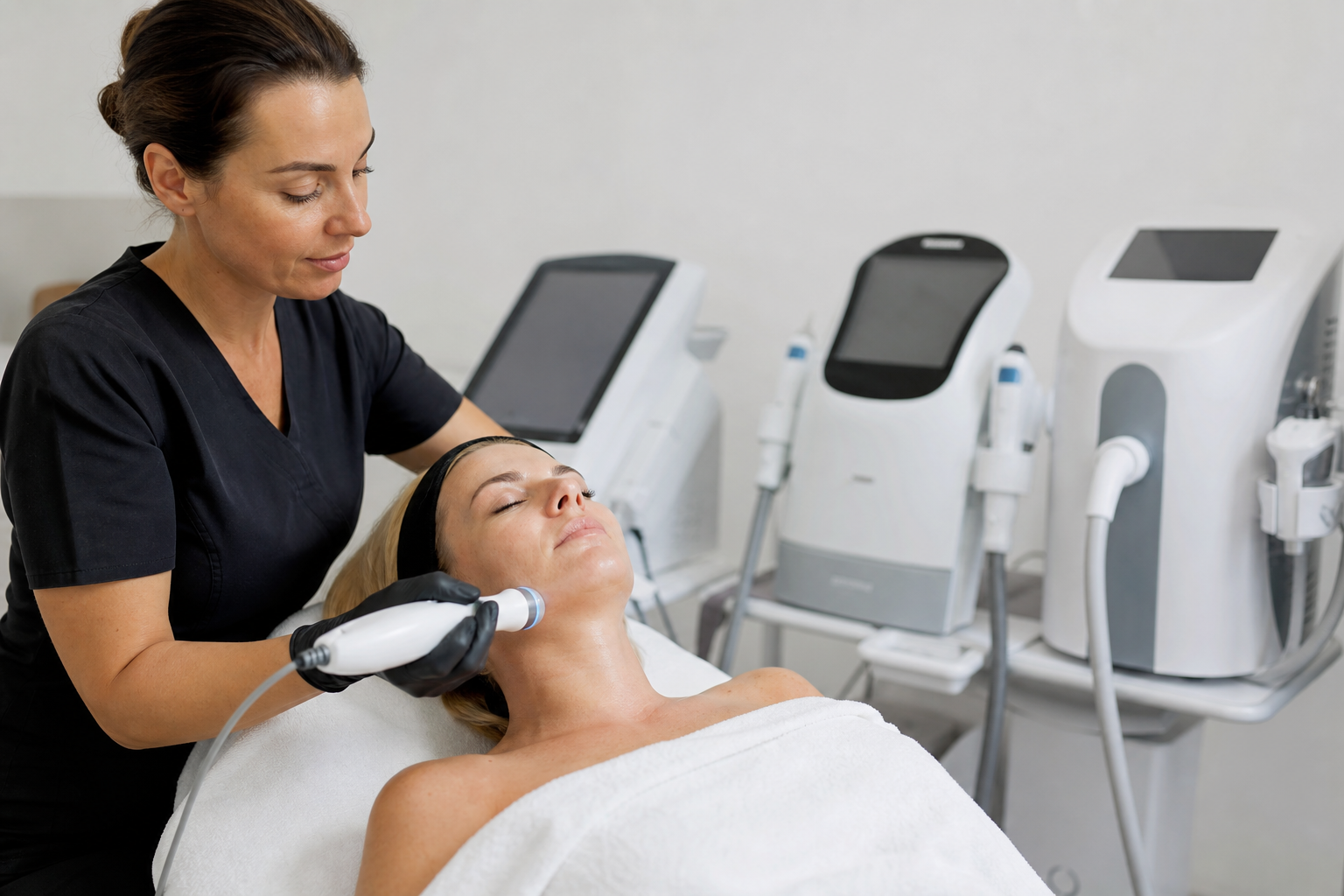
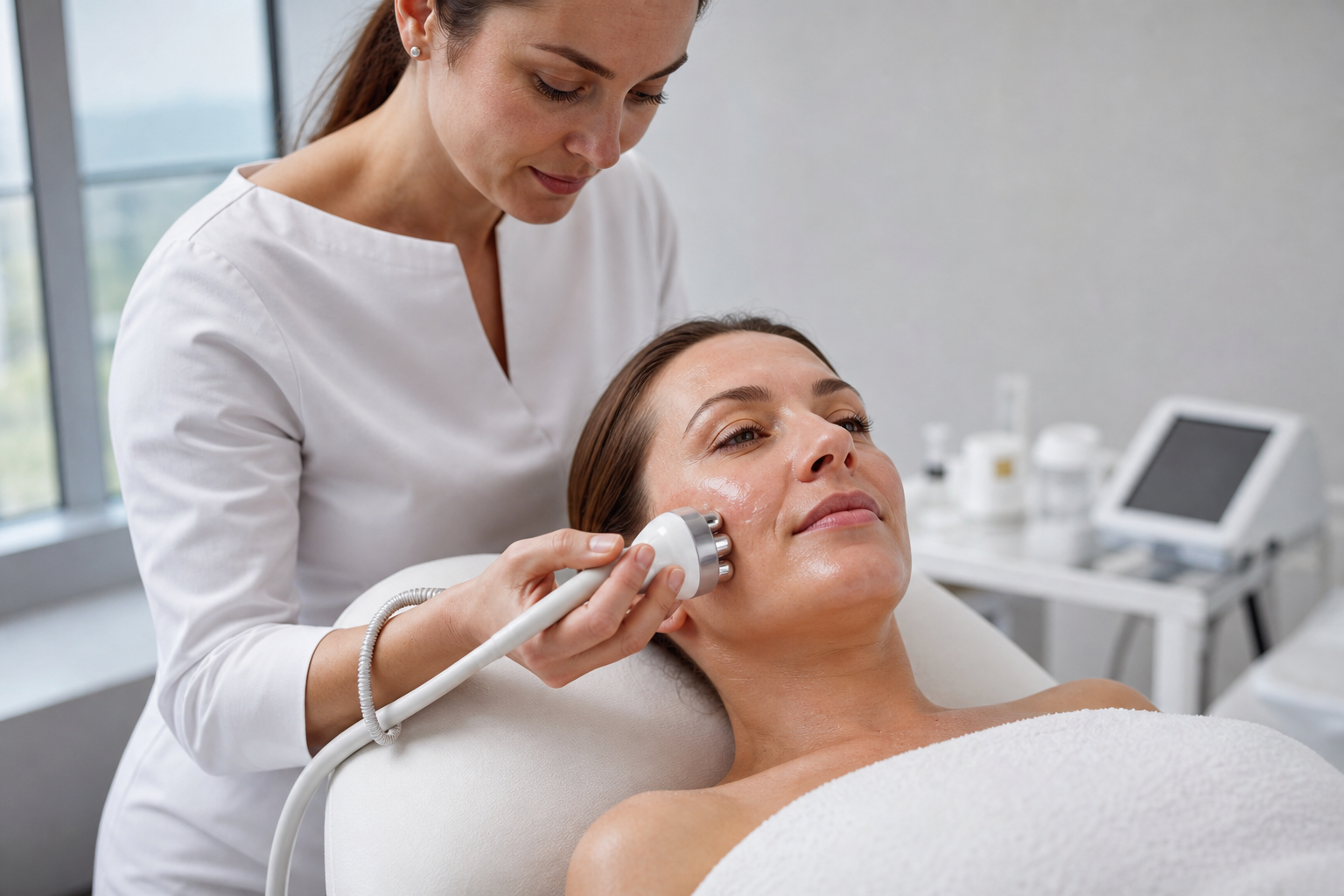
Multipolar radiofrequency treatment is a non-invasive aesthetic procedure that uses a specialized device equipped with multiple electrodes—typically three or more—arranged to emit radiofrequency energy simultaneously. Unlike monopolar RF, which involves one active electrode with a grounding pad to complete the electrical circuit, or bipolar RF, which employs two electrodes to pass energy between them, the multipolar configuration distributes energy more uniformly across larger tissue areas.
This multi-electrode system enables deeper and more homogeneous heating of the dermis and the subcutaneous tissue, targeting fibroblasts, the cells responsible for collagen and elastin synthesis. Collagen, a primary structural protein, and elastin, which provides skin elasticity, diminish naturally with age, dehydration, sun exposure, and other environmental factors. The controlled thermal stimulation caused by radiofrequency energy encourages the production of these proteins, effectively rejuvenating the skin's matrix and improving its overall tone.
The mechanism behind multipolar RF involves the generation of heat typically between 40°C to 45°C within the skin's deeper layers without damaging the epidermis. This temperature range is optimal to induce fibroblast activation and collagen remodeling, leading to skin tightening and wrinkle reduction. The multipolar system offers enhanced precision in energy delivery, minimizing the risk of burns or discomfort while maximizing therapeutic outcomes.
Who Is an Ideal Candidate for Multipolar RF Treatment and What Skin Concerns Does It Address?
Multipolar RF treatment is well-suited for individuals experiencing early signs of skin aging characterized by slight sagging, diminished elasticity, fine lines, and a generally tired or dull skin appearance. It caters to those seeking subtle yet impactful improvements without the risks or downtime associated with surgical facelifts or more aggressive invasions.
Patients with mild to moderate skin laxity in areas such as the face, neck, décolletage, and even certain body regions like the arms or abdomen can benefit from this treatment. The procedure also aids in improving uneven skin texture, restoring firmness, and enhancing contours by tightening the underlying skin structure.
Importantly, multipolar RF is not intended as a solution for severe wrinkles, deep facial folds, or significant skin sagging that typically warrant surgical or combined therapy approaches. Nor is it suitable for individuals with certain contraindications such as active infections, implanted electrical devices (pacemakers), or specific dermatological diseases. A thorough consultation with an experienced dermatologist or aesthetic practitioner ensures the appropriateness of this treatment based on individual skin condition and health status.
How Does Multipolar RF Differ from Other Radiofrequency Technologies?
Radiofrequency treatments encompass a range of technologies differentiated primarily by their electrode configurations and depth of energy penetration. Recognizing these distinctions helps clarify why multipolar RF stands apart and how it fits within the broader array of RF therapies.
Monopolar RF employs a single electrode that emits energy which travels deeper into tissues, returning via grounding pads. This method reaches the greatest depth but can lack the precision of energy delivery, sometimes necessitating longer recovery or risk management. Bipolar RF, with two electrodes, offers more controlled, shallower heating primarily used for facial skin tightening given its limited penetration depth.
Multipolar RF, in contrast, uses three or more electrodes to create overlapping electrical fields, resulting in a more uniform and balanced distribution of thermal energy. This configuration achieves intermediate penetration depths with excellent safety and comfort profiles, making it well-suited for treating broader areas like the face and body regions simultaneously.
Additionally, fractional RF treatments focus energy in microthermal zones to promote resurfacing and collagen induction via controlled skin injury, often working at a more superficial level or in combination with microneedles to enhance penetration. RF microneedling uniquely combines micro-injuries with RF energy, targeting both skin remodeling and textural concerns such as acne scarring, often requiring a more aggressive recovery compared to multipolar RF.
Thus, multipolar RF represents a versatile middle ground—non-invasive and comfortable for general skin tightening and gradual rejuvenation—while other RF treatments serve either deeper, localized issues or more superficial, resurfacing needs.
What Are the Benefits and Limitations of Multipolar RF Treatment?
The primary advantages of multipolar RF treatment hinge on its non-invasive, safe, and effective approach to revitalizing skin appearance. Patients appreciate its minimal discomfort, lack of downtime, and the ability to undergo sessions during lunch breaks or routine skincare visits. The uniform heating achieved by multiple electrodes enhances collagen synthesis, improving skin elasticity and firmness over time.
This treatment modality is versatile, suitable for various anatomical sites, including delicate regions like the eyelids, neck, and décolletage, which are often challenging to treat. The gradual, natural results appeal to those reluctant to pursue dramatic surgical interventions but desiring more than topical products can offer.
However, multipolar RF also presents limitations to consider. The effects accrue progressively, typically requiring a series of treatments spaced over weeks to months. Individual response variations exist depending on age, skin type, lifestyle, and severity of skin laxity. Unlike surgical facelifts, RF treatments offer subtler results and cannot drastically alter facial contours or remove significant excess skin.
Moreover, patients must maintain healthy habits post-treatment, including sun protection and moisturization, to preserve results. Realistic expectations and professional guidance are critical to ensuring satisfaction with this treatment approach.
What Is the Multipolar RF Treatment Experience and What Should Patients Expect During and After?
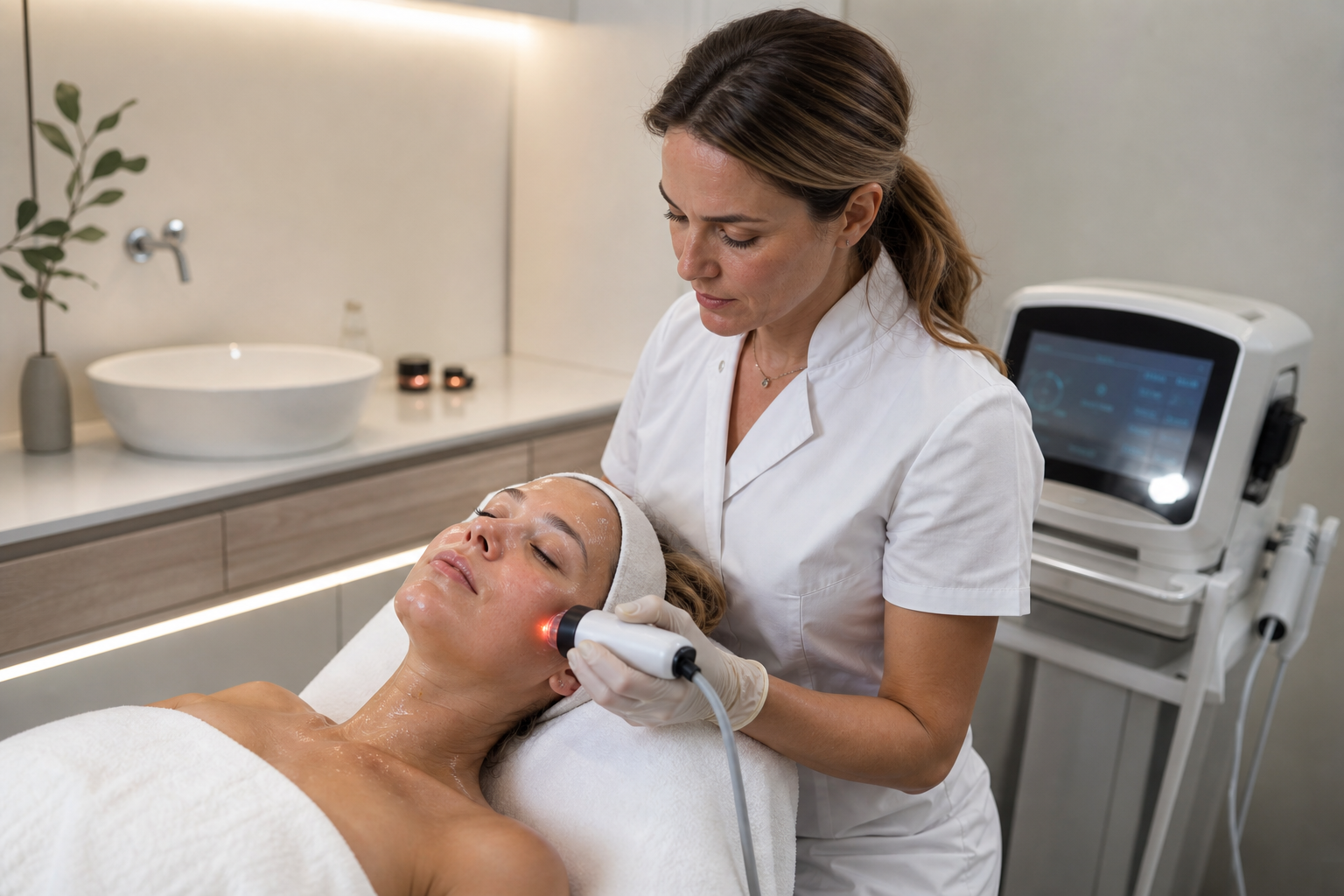
A typical multipolar RF session lasts approximately 30 to 60 minutes, depending on the treatment area. Before commencing, the skin is cleansed and prepared, usually with application of a conductive gel to facilitate radiofrequency transmission and reduce surface friction. The device is then applied firmly but gently, delivering controlled RF energy while patients experience a warm, comfortable sensation.
The procedure typically does not require anesthesia, and most patients tolerate it well, describing the sensation as pleasant heat. Immediately following treatment, mild erythema or slight swelling may occur but generally subsides within a few hours. No significant recovery time is needed, allowing patients to resume daily activities promptly.
Visible improvements in skin texture, tone, and firmness usually manifest gradually over several weeks, coinciding with collagen synthesis and remodeling. To optimize outcomes, clinicians routinely recommend multiple sessions—often four to six—scheduled at intervals of one to two weeks. Maintenance treatments spaced biannually or annually can prolong the rejuvenation effects.
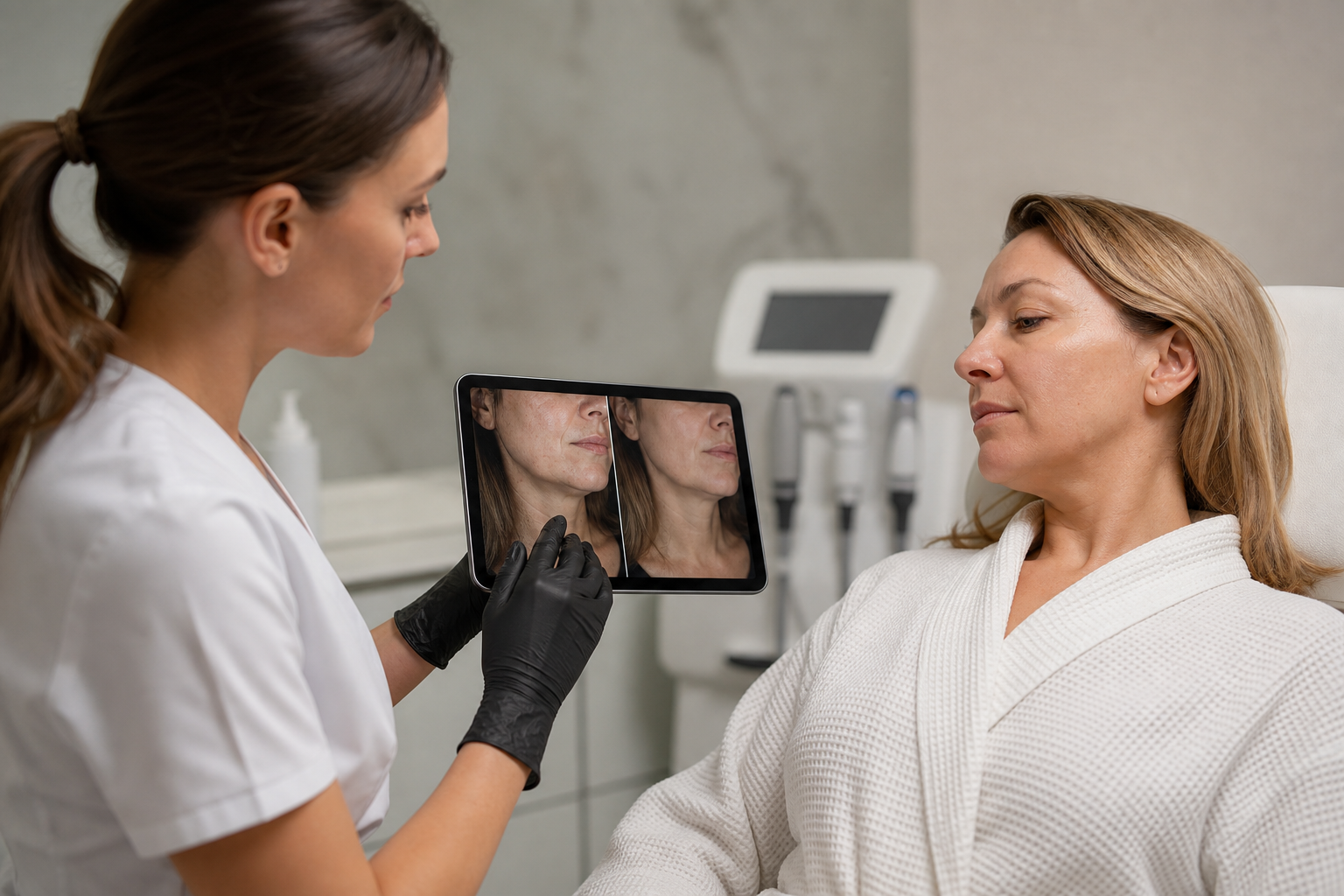
Adherence to a skin care regimen that includes hydration, sun protection, and healthy lifestyle choices further supports long-term benefits. During the consultation phase, practitioners will outline the expected treatment course, potential side effects, and individualized plans to meet patient goals.
How Does Multipolar RF Fit Into the Broader Landscape of RF Skin Tightening Methods?
Within the array of RF skin tightening options, multipolar RF occupies a strategic niche distinguished by its balance of penetration depth, treatment comfort, and clinical efficacy. It complements monopolar and bipolar RF treatments by addressing skin laxity over wider areas with enhanced safety and tolerability.
While monopolar RF is preferred for deep tissue heating and body contouring and bipolar RF finds frequent use in precise facial interventions, multipolar RF efficiently covers intermediate depths, ideal for comprehensive rejuvenation of the face, neck, and body. Fractional (needle-free) RF treatments emphasize skin resurfacing and texture improvement, whereas RF microneedling offers minimally invasive targeting of scars and deep wrinkles.
Clinicians often integrate these diverse RF modalities, tailoring protocols to individual client needs, combining multipolar RF with microneedling or fractional treatments to synergize collagen stimulation and tissue remodeling. Such multi-parametric approaches expand therapeutic possibilities beyond the capabilities of any single technology.
For professionals and patients alike, understanding these nuanced differences facilitates informed choices, optimizing aesthetic outcomes while minimizing risks and downtime.
Addressing Common Questions and Misconceptions About Multipolar RF
Several misconceptions surround multipolar RF, often stemming from generalized use of the term “RF lifting” and confusion between different radiofrequency technologies. It is important to clarify that while all RF treatments utilize electromagnetic energy to induce thermal effects, the pattern of electrode configuration and energy delivery distinguishes their clinical applications.
Patients sometimes expect immediate dramatic results akin to surgical facelifts, but multipolar RF is designed for subtle, natural enhancement over time. It is not a standalone solution for severe skin sagging or deep wrinkle correction but serves as a preventive and corrective treatment for mild to moderate signs of aging.
Another common question concerns safety. Multipolar RF, when administered by qualified professionals, has a well-established safety profile with minimal risks. Overheating or burns are rare due to sophisticated real-time monitoring and controlled energy output. Practitioners ensure contraindications are excluded during patient evaluation.
Inquiries about treatment frequency and maintenance are also frequent. The consensus advocates multiple initial sessions followed by periodic follow-ups to sustain collagen production and skin integrity. Patients are encouraged to maintain healthy lifestyles to complement the procedural benefits.