Radiofrequency (RF) treatments have emerged as a pivotal innovation in the field of aesthetic medicine, offering a non-surgical route to revitalizing aging skin. Commonly referred to as RF lifting, this technology utilizes radiofrequency energy to stimulate deeper skin layers, enhancing the natural production of collagen and elastin—two essential proteins responsible for the skin's firmness and elasticity. The escalating popularity of RF treatments stems from their ability to deliver noticeable skin tightening and rejuvenation without the invasiveness and downtime associated with traditional surgical facelifts.
Determining how many RF treatments are needed is a crucial consideration for anyone contemplating this procedure. It factors heavily into decision-making, expectation-setting, and treatment planning. The answer is not a simple one-size-fits-all number; rather, it varies based on individual skin condition, the specific type of RF technology employed, and the desired outcome. Understanding these variables is vital for prospective clients to approach RF lifting with realistic goals and a comprehensive view of the treatment journey.
This article is designed for individuals considering RF skin tightening—whether those noticing early signs of skin laxity, those seeking to maintain youthful contours, or those exploring alternatives to invasive aesthetic procedures. By delving deeply into the workings of RF lifting, explaining who benefits most, outlining typical treatment courses, and exploring factors influencing treatment frequency, this piece aims to equip readers with the knowledge to make informed decisions about their skin health and appearance.
What Exactly Is RF Lifting and How Does Radiofrequency Technology Work?
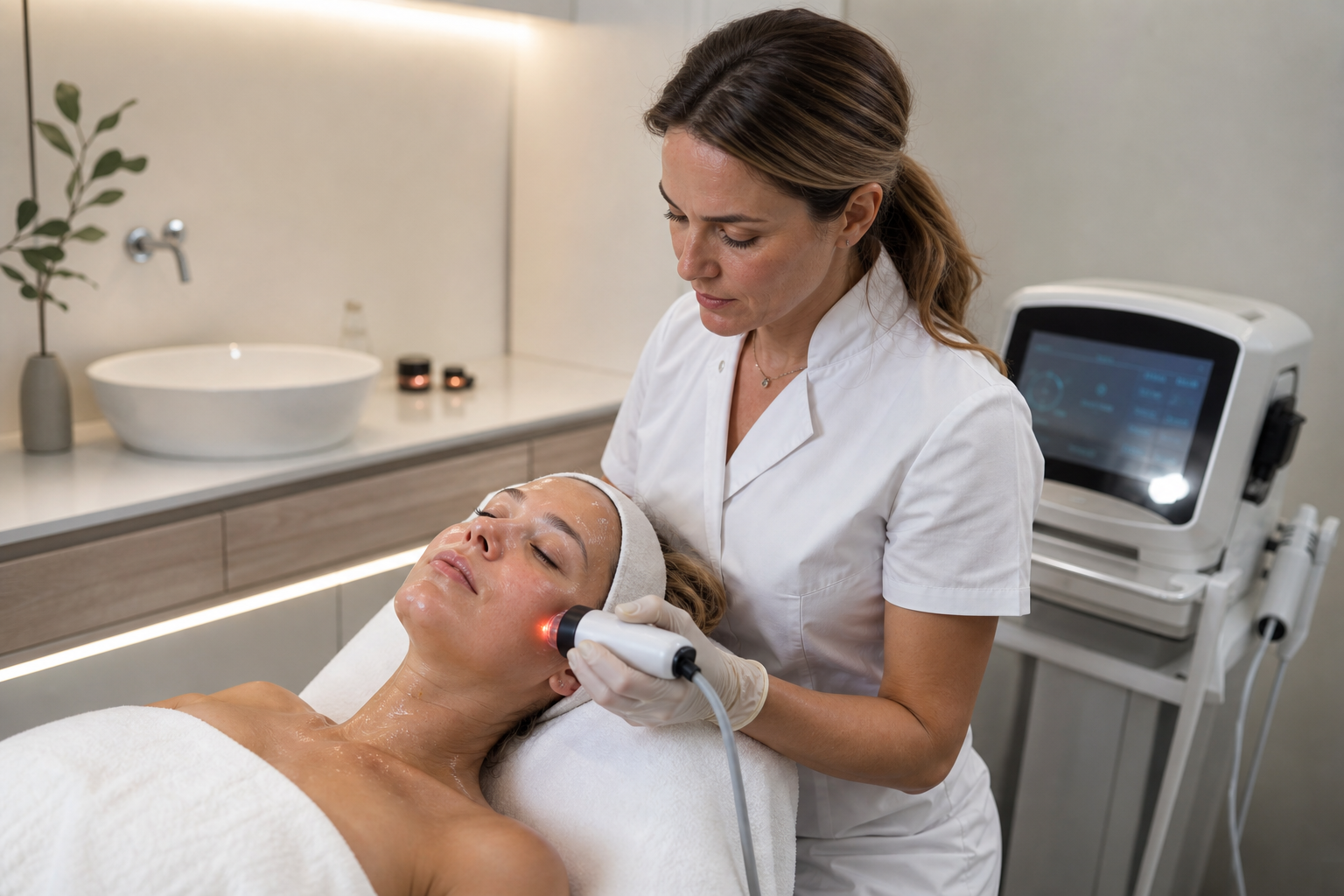
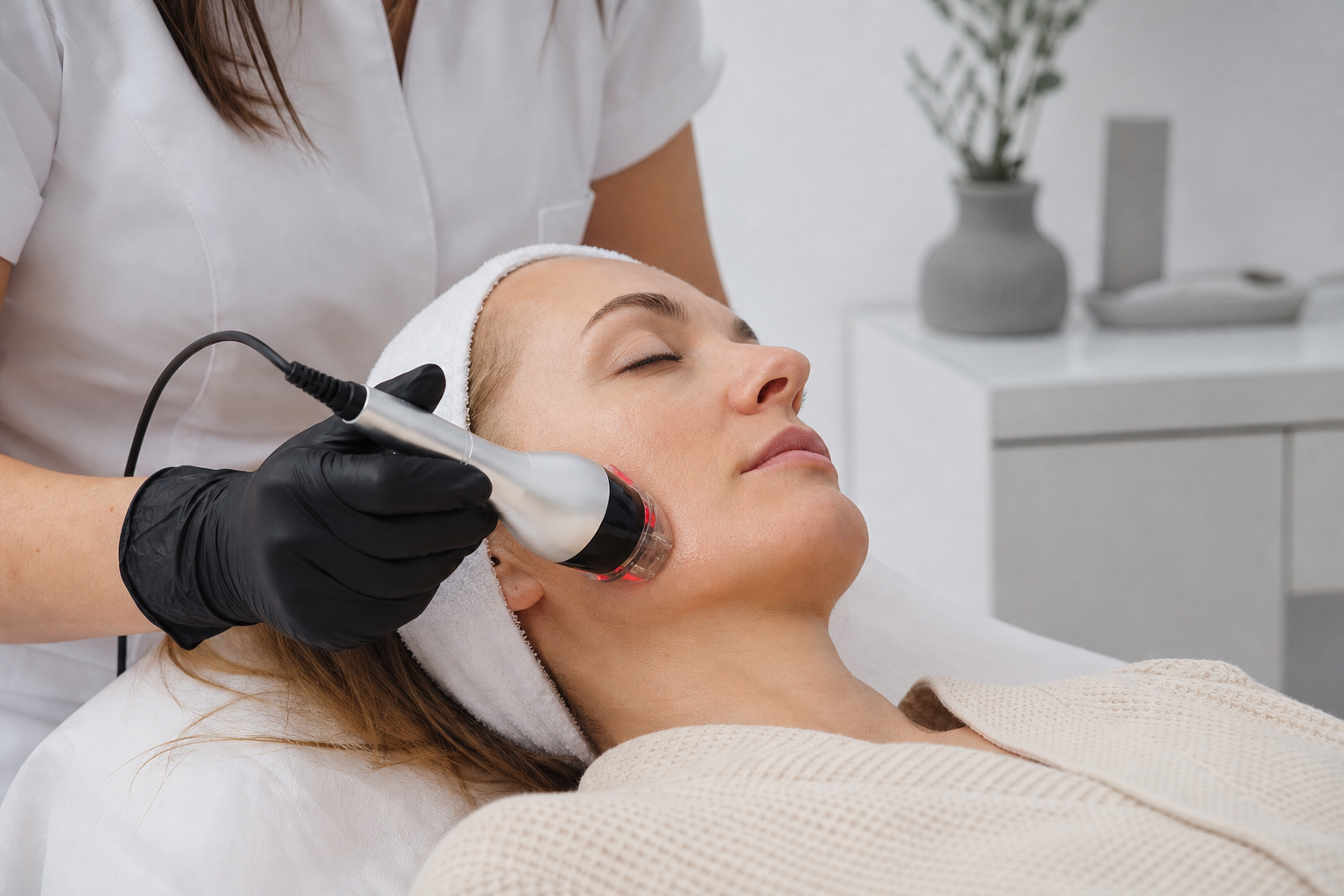
RF lifting, or radiofrequency skin tightening, refers to a non-invasive aesthetic procedure wherein controlled radiofrequency waves generate heat in dermal layers beneath the skin’s surface. This heat acts as a stimulus that promotes fibroblast activity, the cells primarily responsible for synthesizing collagen and elastin. Both collagen and elastin contribute fundamentally to skin's structural integrity and resilience.
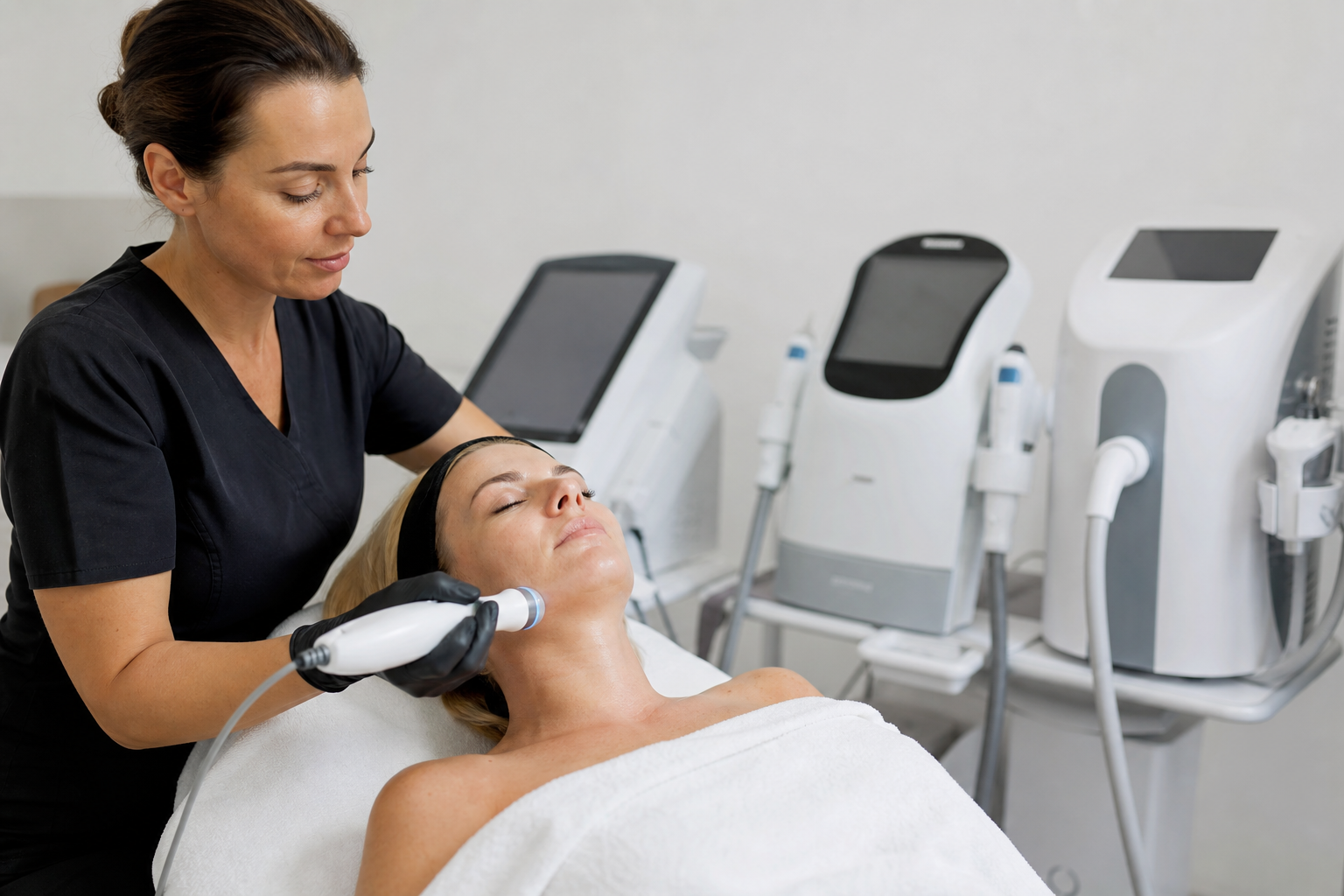
The procedure generally involves an applicator device that delivers RF energy in either monopolar, bipolar, or multipolar formats, each varying in penetration depth and target tissue area. The generated heat induces tissue remodeling and neo-collagenesis—formation of new collagen fibers—which gradually results in skin that appears firmer, smoother, and more youthful.
Unlike surgical facelifts that rely on incisions, excisions, and subsequent healing processes, RF lifting preserves skin integrity with no cuts or sutures. Patients benefit from minimal discomfort during the session and typically experience little to no downtime afterward. This positions radiofrequency treatments as an appealing option for individuals prioritizing safety, convenience, and gradual natural enhancement over instant but invasive interventions.
Who Is the Ideal Candidate for RF Treatments and When Should They Consider It?
RF skin tightening suits a broad spectrum of clients, predominantly those exhibiting mild to moderate skin laxity—such as early sagging, fine lines, and reduced elasticity. Candidates often range from their early 30s to late 50s, a period when collagen production begins to decline and visible signs of aging emerge.
This treatment is especially advantageous for individuals seeking to delay or avoid surgical procedures, preferring gradual rejuvenation with a natural look. Additionally, those with skin that has lost tone due to lifestyle factors like sun exposure, post-pregnancy changes, or weight fluctuations may also consider RF treatments as a means to restore firmness.
Importantly, while RF techniques aid in tightening skin and improving texture, they are not substitutes for surgical facelifts in cases of significant or severe skin laxity. People with extremely loose skin or deep wrinkles may require combined or alternative approaches alongside RF to achieve optimal outcomes.
How Many RF Treatments Are Typically Required to Achieve Visible and Lasting Results?
The number of RF treatment sessions varies, influenced primarily by procedural type, skin condition, and individual biological responses. Generally, a series of 4 to 6 sessions spaced about one to two weeks apart is recommended to stimulate sufficient collagen remodeling and achieve meaningful improvements.
Non-invasive RF treatments that target superficial and mid-dermal layers often necessitate more sessions to ensure cumulative effects. Conversely, minimally invasive modalities such as RF microneedling or fractional RF, which deliver energy deeper via micro-injuries or needles, might require fewer sessions—typically 2 to 4 treatments—due to their intensified collagen stimulation.
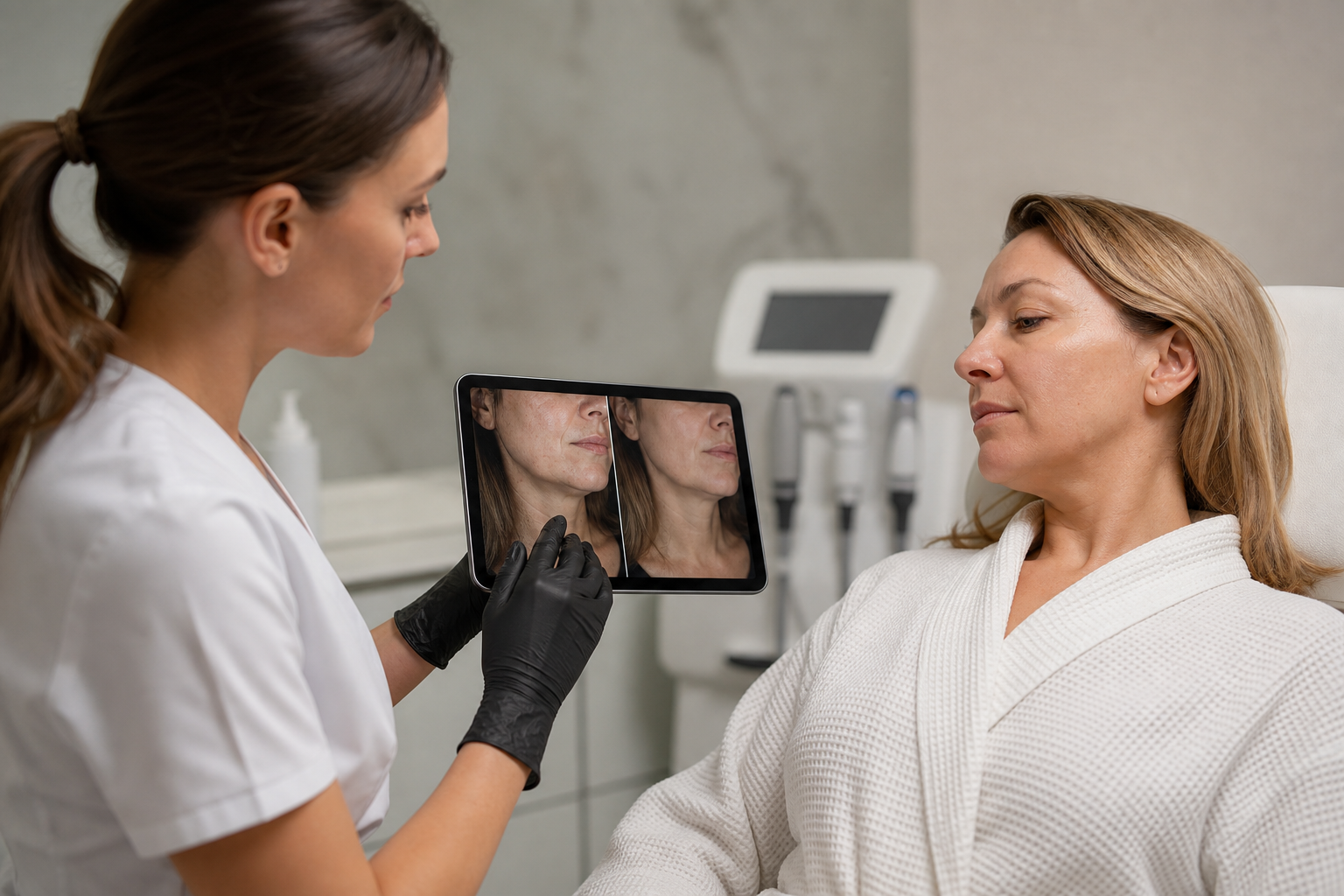
Patients frequently observe an immediate mild skin tightening sensation due to transient tissue swelling; however, substantive tightening materializes progressively over weeks to months as new collagen matures and skin texture refines. This underscores why adhering to a complete treatment series is vital for maximizing results.
Why Is Recognizing Different RF Technologies Important When Estimating Treatment Frequency?
Radiofrequency is a broad category encompassing diverse techniques, each with distinct mechanisms of action, depths of penetration, and invasiveness levels that directly affect the quantity of treatments needed.
Non-invasive RF devices apply energy externally without disrupting the skin barrier, typically delivering gentler thermal stimulation. These methods often require more sessions to accumulate the desired collagen remodeling.
Fractional RF treatments induce controlled micro-injuries through energy fractionation, promoting accelerated skin regeneration. Similarly, RF microneedling introduces tiny needles delivering radiofrequency energy deep within the dermis, combining mechanical stimulation with thermal effects. These nuanced approaches typically yield faster or more pronounced results per treatment but may involve a slightly longer recovery due to their semi-invasive nature.
Consequently, effective treatment planning must tailor both the number of sessions and intervals based on the selected RF technology and individual patient needs. Such customization ensures optimal safety, comfort, and efficacy.
What Should Patients Expect During and After RF Treatment Sessions?
Most RF procedures are comfortable, with patients sensing warmth or mild heat during application. Modern devices incorporate cooling systems to protect the epidermis and increase comfort levels. Treatment duration generally ranges from 30 to 60 minutes, depending on the area of skin treated and the technology utilized.
Post-treatment effects are typically minimal. Some individuals may experience temporary redness, mild swelling, or slight tenderness localized to the treated area, especially following minimally invasive sessions. These effects usually resolve within hours to a few days without intervention.
Importantly, patients can resume normal activities immediately unless otherwise advised by their practitioner. Over subsequent weeks, skin will gradually exhibit improved tightness, texture, and tone as collagen synthesis continues.
Which Factors Influence the Longevity of RF Lifting Results?
The duration of RF treatment benefits depends significantly on individual skin biology, age, lifestyle, and adherence to post-treatment care recommendations. Genetic predispositions affect how rapidly collagen degrades and renews, meaning some people maintain results longer than others.
External factors such as excessive sun exposure, smoking, poor nutrition, and environmental pollutants can accelerate skin aging and compromise the durability of RF-induced improvements. Conversely, a healthy lifestyle, efficient skin care, and regular maintenance sessions extend the lifespan of results.
Some clinics advocate annual or biannual booster RF treatments to sustain collagen levels and skin firmness. Integrating RF with other complementary non-invasive procedures may also prolong and enhance anti-aging effects.
Common Questions Around RF Treatment Frequency and Expectations
Can one RF session be enough? While a single treatment may produce a temporary tightening effect due to mild swelling, lasting skin remodeling requires multiple sessions. Optimal results depend on completing the recommended series.
What is the ideal interval between sessions? Treatments are most effective when spaced one to two weeks apart, allowing for collagen synthesis and skin recovery before the next thermal stimulation.
Is RF safe for all skin types? Generally, RF technology is considered safe across skin tones and types because it relies on heat rather than light energy, minimizing risks of pigmentation changes. However, personalized consultation remains essential to address individual contraindications or sensitivities.