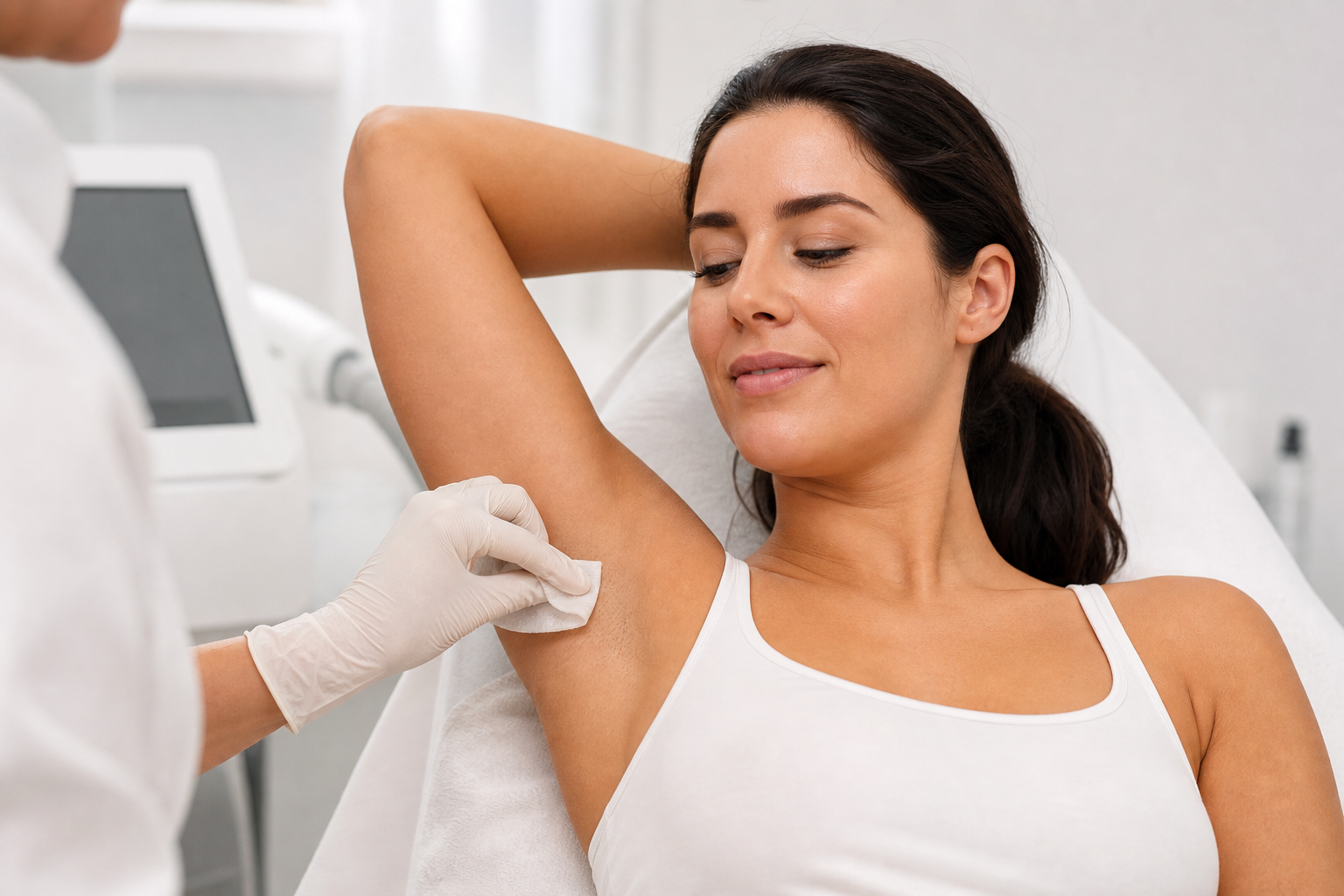
Underarm laser hair removal has emerged as a preferred choice for individuals seeking a long-lasting solution to unwanted hair in a sensitive yet highly visible area of the body. Unlike conventional methods such as shaving, waxing, or sugaring—which offer only temporary relief—laser hair removal targets hair follicles at their root, delivering results that significantly reduce hair regrowth over time. This treatment is particularly valuable for those with darker, coarser hair in the underarm region, as these hair types tend to respond better to laser technology due to their higher melanin content.
Understanding the nuances of underarm laser hair removal is essential for anyone considering the procedure. Factors such as skin pigmentation, hair color, preparation involving shaving, possible sensations during treatment, scheduling multiple sessions, and aftercare protocols all influence the overall efficacy and comfort of the process. Additionally, awareness about how deodorants and antiperspirants interact with laser treatments and when it might be advisable to postpone a session ensures that outcomes are optimized while minimizing side effects.
This thorough exploration is tailored for individuals curious about or preparing for underarm laser hair removal, aiming to provide a refined, informative perspective on why this treatment holds promise as a convenient, effective method for achieving smoother, hair-reduced underarms. It also outlines practical advice to enhance treatment success and addresses common concerns around the procedure.
How Does Underarm Laser Hair Removal Work and Why Is It Effective for Dark, Coarse Hair?
Laser hair removal operates through the principle of selective photothermolysis, where concentrated light energy targets the melanin pigment within hair follicles. By delivering precise pulses of laser light, the melanin absorbs this energy, which is then converted into heat, effectively damaging the follicle to inhibit or delay future hair growth. In the underarm region, where hair often tends to be darker and thicker, there is a pronounced presence of melanin, making the laser's targeting more efficient.
This specificity is critical because the surrounding skin generally contains less melanin, especially in individuals with lighter skin tones, which helps the laser distinguish hair follicles from the surrounding tissue. Consequently, underarm hair that is denser and pigmented responds better compared to lighter or finer hair types that contain less melanin and are less susceptible to laser energy absorption.
Advances in laser technology have refined the wavelength and pulse duration to maximize impact on hair follicles while minimizing discomfort and skin damage. Therefore, underarm laser hair removal provides a favorable profile of efficacy and safety when tailored to the individual's hair and skin characteristics.
What Role Does Skin Pigmentation and Deodorant Use Play in Underarm Laser Hair Removal Outcomes?
Skin pigmentation is a significant factor influencing both treatment effectiveness and safety. The contrast between hair color and skin tone is a key determinant for successful laser hair removal. Individuals with lighter skin and darker hair benefit from a higher contrast, which permits the laser to zero in on hair follicles without affecting the surrounding skin.
Conversely, those with darker skin tones may require specific laser settings or different laser types to reduce the risk of pigmentation changes or burns, as melanin is also present in the epidermis. Expert practitioners carefully calibrate equipment and monitor skin responses to mitigate these risks.
Regarding deodorants and antiperspirants, their influence often goes underappreciated. Ingredients commonly found in these products, particularly aluminum-based compounds and fragrances, can leave residues on the skin that interfere with laser light transmission. This can not only reduce the laser's effectiveness but may also heighten skin sensitivity, causing discomfort during treatment.
Professionals strongly recommend refraining from using deodorants or antiperspirants for at least 24 hours before and after laser sessions. This precaution helps prevent skin irritation and ensures optimal laser delivery to the targeted follicles.
Why Is Shaving Essential Before Underarm Laser Hair Removal and What Should Patients Avoid?
Proper preparation by shaving the underarm area is fundamental to the success of each laser hair removal session. The laser light is designed to penetrate the skin and target the follicle beneath the surface rather than the hair shaft above it. If hair is present above the skin, the laser energy is dispersed, leading to less effective follicle damage and potential discomfort as surface hair can burn.
Shaving shortly before treatment removes visible hair strands while preserving the follicle, allowing laser energy to reach the optimal depth. Importantly, alternative hair removal methods like waxing, plucking, or sugaring are discouraged before laser treatment because they extract the entire hair from the follicle, leaving nothing for the laser to target.
Patients should shave approximately 24 to 48 hours prior to their session to ensure the area is clear but avoid skin irritation commonly associated with a fresh shave. Moisturizing gently without applying heavy creams or oils immediately before treatment also keeps the skin in ideal condition.
What Sensations Can Be Expected During Underarm Laser Hair Removal and How Can Discomfort Be Minimized?
Experiences during underarm laser hair removal vary among individuals, primarily influenced by pain threshold, laser type, and skin sensitivity. Typically, people describe sensations akin to a rubber band snapping lightly against the skin or a mild stinging or warming feeling as the laser pulses.
Because the underarm is more sensitive than many other treatment areas due to thinner skin and nerve concentration, some discomfort may be more pronounced. Modern laser devices often incorporate cooling mechanisms, such as chilled air or contact cooling tips, to soothe the skin during the procedure and reduce pain.
For those particularly sensitive to discomfort, topical anesthetic creams applied before treatment can provide additional relief. Communicating openly with the treating clinician about any pain experienced allows adjustment of laser settings to balance comfort and effectiveness.
How Is the Treatment Schedule Structured and Why Are Multiple Sessions Necessary?
Underarm laser hair removal is not a one-time procedure but instead requires a series of sessions spaced over several weeks or months. Typically, 6 to 8 sessions are recommended, each separated by an interval of approximately 4 to 8 weeks. This timing aligns with the natural hair growth cycle, targeting hairs when they are in the active growth or anagen phase, which is when follicles are most vulnerable to laser treatment.
Since not all hair follicles are simultaneously in the same growth phase, multiple sessions ensure comprehensive coverage as dormant or resting follicles transition into the active phase. Additionally, follicular response to laser energy can vary, and repeated treatments help to destroy hair roots progressively, leading to significant and lasting hair reduction.
The scheduling flexibility also allows clinicians to monitor skin and hair reactions, adjusting treatment parameters accordingly to optimize results and minimize side effects.
What Aftercare Practices Enhance Recovery and Optimize Results Post-Laser Hair Removal?
After each underarm laser hair removal session, the skin is temporarily more sensitive and requires gentle care to promote healing and prevent adverse reactions. Hydration of the skin is paramount, using mild, fragrance-free moisturizers to soothe any redness or dryness.
Sun protection is critical, as the treatment area is more prone to sun damage. Applying a broad-spectrum sunscreen with a high SPF on exposed skin, even within the underarm region if relevant, can prevent pigmentation irregularities and irritation.
Patients should avoid applying deodorants or antiperspirants for 24 to 48 hours after treatment and refrain from activities that increase sweating or friction, such as vigorous exercise or wearing tight, non-breathable clothing. These steps minimize the risk of irritation, rashes, or infection.
It's also advisable to defer waxing, plucking, or depilatory cream use between sessions to ensure the laser targets active follicles effectively in subsequent visits.
Under What Conditions Should Underarm Laser Hair Removal Be Postponed?
Certain circumstances warrant delaying underarm laser hair removal to safeguard skin health and treatment efficacy. Active skin infections, irritations, cuts, or rashes in the treatment area are immediate contraindications. Proceeding under these conditions can exacerbate problems or complicate healing.
Pregnancy is another situation wherein laser hair removal is generally postponed due to insufficient research on safety for the developing fetus during treatment. Additionally, individuals taking photosensitivity-inducing medications, such as certain antibiotics or retinoids, should consult their healthcare provider and disclose medication use to their laser technician.
Other considerations include recent extensive sun exposure or tanning, which increase melanin levels in the skin and elevate risks for adverse reactions, suggesting a wait time before initiating sessions. Furthermore, general health status—such as fever or infection—should be stable prior to undergoing treatment.


