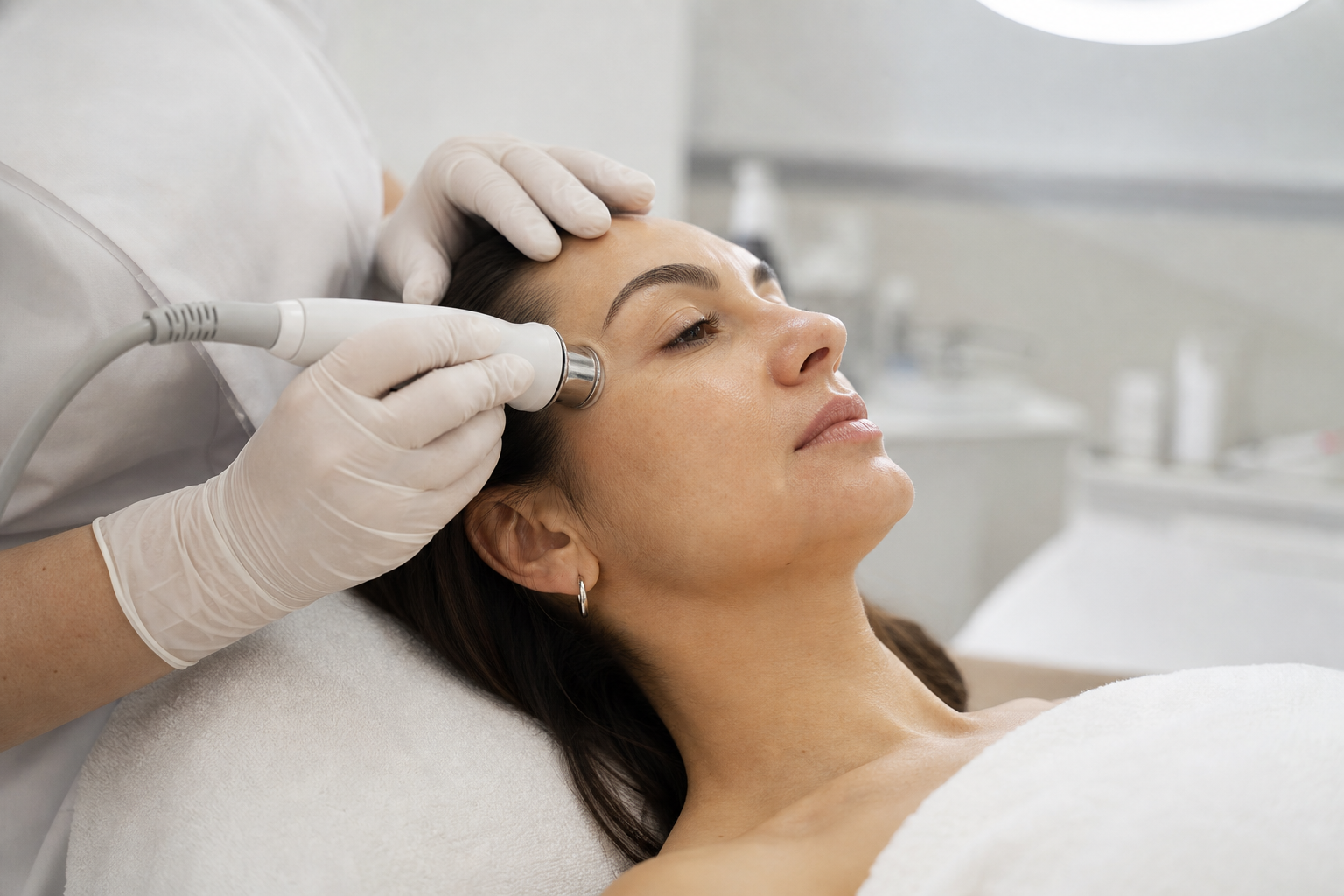
Radiofrequency (RF) devices have revolutionized the field of aesthetic dermatology by offering non-invasive options for skin tightening and rejuvenation. Known popularly as RF lifting or radiofrequency skin tightening, these treatments use controlled radiofrequency energy to stimulate collagen and elastin synthesis within the deeper layers of the skin. This biological response gradually enhances skin firmness, smoothness, and youthful vitality without the need for surgical intervention.
Despite the widespread adoption of RF technologies, a frequent question among prospective patients and skincare professionals alike is: do all RF devices deliver the same results? The answer is nuanced. Not all RF devices are created equal—differences in technology, treatment method, energy delivery, depth of penetration, and even device design significantly influence the clinical outcomes and patient experience.
This comprehensive editorial explores why understanding the distinctions between various RF devices and treatment modalities matters profoundly for those considering RF facial lifting or body contouring therapies. We will examine the types of RF treatments, how they differ, who benefits from each variant, the realistic expectations they set, and how to select the optimal treatment in alignment with individual skin needs. The goal is to equip readers with a well-rounded perspective empowering informed decisions in the growing landscape of RF-mediated skin rejuvenation.
What Exactly Is RF Lifting and How Does Radiofrequency Skin Tightening Work?
Radiofrequency lifting refers to a range of skin treatments that utilize radiofrequency waves—electromagnetic waves operating at specified frequencies—to deliver controlled heat energy beneath the skin surface. This heating effect targets the dermis, the skin's middle layer, without damaging the epidermis, or outermost layer. By raising the temperature of the dermal tissue to about 40-45°C (104-113°F), RF devices stimulate fibroblasts, the skin cells responsible for producing collagen and elastin fibers.
Collagen and elastin are integral structural proteins that maintain skin's tone, elasticity, and resilience. As we age, natural collagen breakdown exceeds synthesis, leading to sagging, wrinkles, and loss of youthful firmness. Radiofrequency-induced heat accelerates collagen remodeling and encourages new collagen formation, thereby improving skin texture, elasticity, and tightness over time.
RF lifting is distinctively non-invasive and often described as a comfortable, gentle warmth sensation during treatment. Sessions tend to be quick, with minimal discomfort and no need for downtime, making them attractive to a wide audience—from those seeking early signs of skin aging correction to patients wanting to delay or avoid surgical facelifts.
What Are the Different Types of RF Technologies and How Do They Impact Results?
Not all RF devices employ the same technical mechanisms; their modes of action vary considerably, shaping their efficacy, target zones, and potential side effects. The main types of RF technologies include monopolar, bipolar, multipolar, fractional RF without needles, and RF microneedling. Understanding these distinctions is essential for setting accurate treatment expectations.
Monopolar RF systems utilize a single active electrode with a grounding pad positioned elsewhere on the body. The radiofrequency energy flows from the tip electrode through the skin to the grounding pad, penetrating deeply into subcutaneous tissue, sometimes reaching muscle fascia. Because of this deeper penetration, monopolar RF is often advantageous for body contouring and reducing laxity in larger surface areas such as the abdomen or thighs. However, deeper tissue heating requires precise control to avoid burns and is generally less common for delicate facial skin.
Bipolar RF
Multipolar RF
Fractional RF without needles
RF microneedling
Why Do Different RF Devices Yield Varying Clinical Outcomes?
The variance in RF treatment results stems from the interplay of device technology, treatment parameters, and individual patient factors. RF devices are engineered with different power levels, electrode designs, pulse durations, and cooling systems, all of which influence energy distribution and tissue response.
For example, monopolar RF devices penetrate deeply and may enable more noticeable tightening in cases of moderate-to-severe skin laxity, particularly on the body. However, this depth requires experienced clinicians to manage risks effectively. Conversely, bipolar and multipolar RF devices provide more superficial heating ideal for sensitive or thinner skin regions such as around the eyes and jawline but may need multiple sessions to achieve pronounced results.
The precision afforded by RF microneedling enhances results for textural skin issues, making it a preferred choice for patients with acne scars or uneven skin tone. Fractional needle-free RF offers milder tightening with minimal downtime, suited for maintenance treatments or early-stage skin aging.
Moreover, user technique profoundly affects treatment outcomes. The clinician’s knowledge of anatomy, appropriate energy settings, treatment duration, and session frequency collectively dictate success. Patient skin type, age, hydration, and lifestyle further influence responsiveness to RF energy.
What Are the Advantages and Limitations of Non-Invasive RF Treatments Compared to Surgical Options?
Non-invasive RF treatments are celebrated for their safety profile, comfort, and lack of recovery time, making them accessible and convenient. They offer gradual but visible improvements in skin laxity, tone, and surface irregularities without the risks and downtime associated with surgical facelifts.
These treatments are ideal for individuals with early to moderate skin aging who prefer natural enhancement or wish to defer surgery. The procedures can be repeated periodically to maintain or augment results without cumulative damage.
However, it is important to recognize their limitations. RF treatments usually deliver subtler improvements compared to invasive surgery. Immediate, dramatic lifting or removal of severe wrinkles and sagging is unlikely with RF alone. Multiple treatment sessions spaced over weeks or months are often necessary for noticeable changes.
Patients with severe skin laxity or significant excess tissue may ultimately require surgical intervention for optimal results. Additionally, outcomes can vary between individuals due to biological differences and treatment adherence.
How Can Patients and Practitioners Select the Most Appropriate RF Device and Treatment Regimen?
Choosing the right RF device and treatment plan requires personalized assessment of the patient’s skin condition, aesthetic goals, medical history, and tolerance for downtime. A thorough consultation with a trained dermatologist or certified aesthetic practitioner is essential.
For mild facial tightening and surface rejuvenation, bipolar or multipolar RF devices offer effective, session-friendly options. For patients seeking deeper dermal stimulation to address scars or pronounced wrinkles, RF microneedling is more appropriate. Body contouring and significant laxity may benefit from monopolar RF devices combined with adjunct therapies.
Practitioners must also consider device certification, scientific validation, and manufacturer support. Proven clinical evidence of efficacy and documented safety profiles are indispensable for selecting trustworthy RF systems.
Patient education about realistic outcomes, possible side effects, and treatment schedules helps align expectations and enhance satisfaction. Every RF treatment should be part of an integrative skincare strategy, incorporating sun protection, hydration, nutrition, and lifestyle measures for optimal skin health.
What Should Patients Expect Before, During, and After an RF Treatment Session?
Prior to treatment, the skin is thoroughly cleansed. Depending on the procedure’s invasiveness, topical anesthetics or cooling gels may be applied to improve comfort. The practitioner calibrates the RF device parameters based on skin type and target concerns.
During the procedure, patients commonly experience a warming or mild tingling sensation in the treated area. Session durations vary but usually last between 20 and 60 minutes. Real-time monitoring ensures the skin’s temperature remains safe throughout.
Post-treatment reactions typically include transient redness, slight swelling, or warmth, which subside within hours to a day. Protective skincare, including gentle moisturizers and broad-spectrum sunscreens, is critical for recovery and maintaining results.
Most patients can resume normal activities immediately, making RF treatments desirable for busy lifestyles. A series of treatments spaced several weeks apart maximizes collagen remodeling and visible improvements.
Common Questions and Misconceptions About RF Lifting Technologies
Does RF lifting replace surgical facelifts? No, RF treatments complement but do not substitute surgical options, especially for advanced skin aging.
Are at-home RF devices as effective as professional machines? At-home devices generally emit lower energy levels for safety, yielding milder, slower effects compared to professional-grade devices.
Is RF lifting safe for all skin types? Most RF devices are safe across skin tones, but treatment should be tailored to individual skin characteristics to minimize risks.
How long do RF results last? Results vary but often last months to over a year, particularly with ongoing maintenance treatments and healthy skin care habits.
Can RF treatments be combined with other procedures? Yes, RF is frequently integrated with laser, ultrasound, injectables, and topical therapies to optimize outcomes.