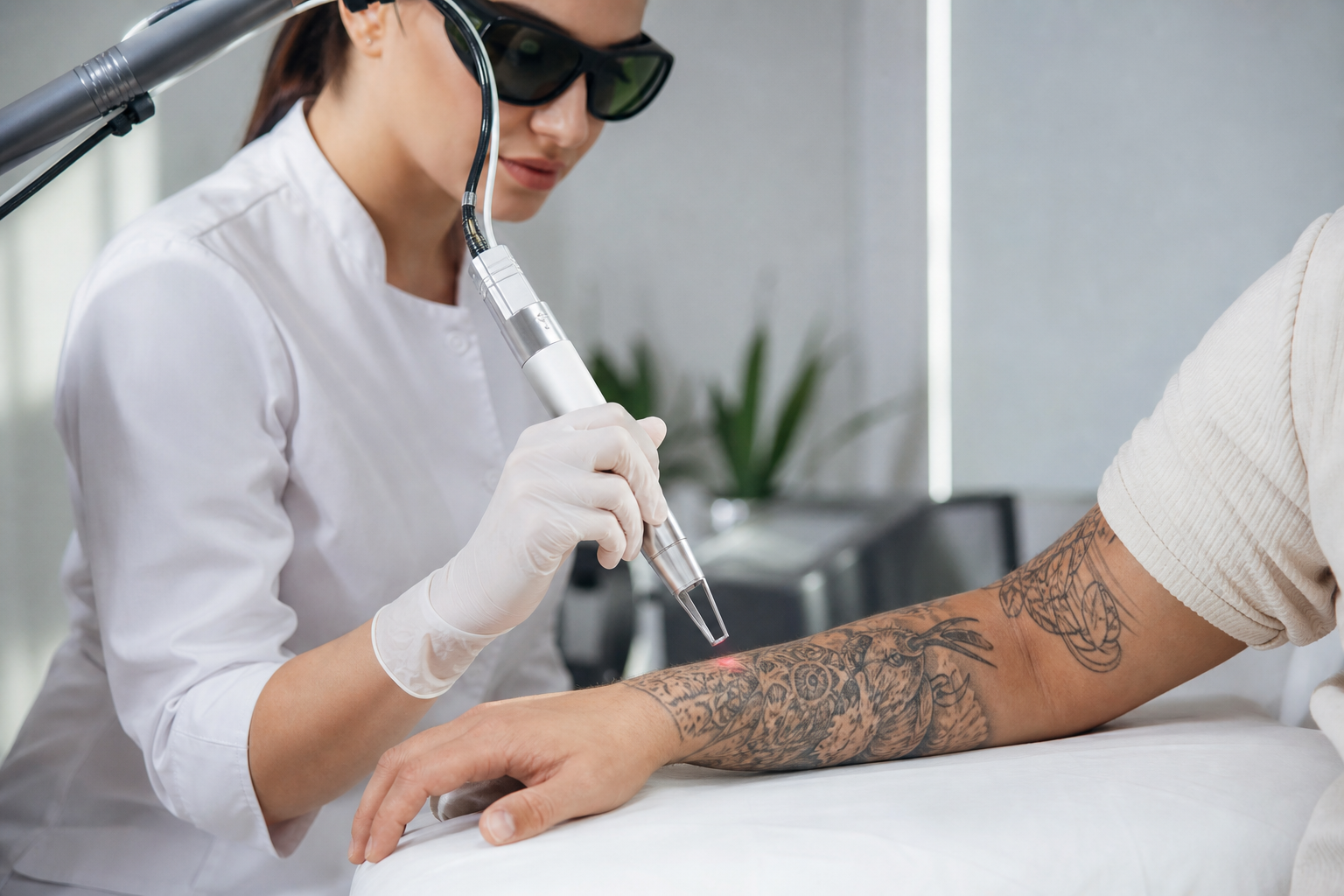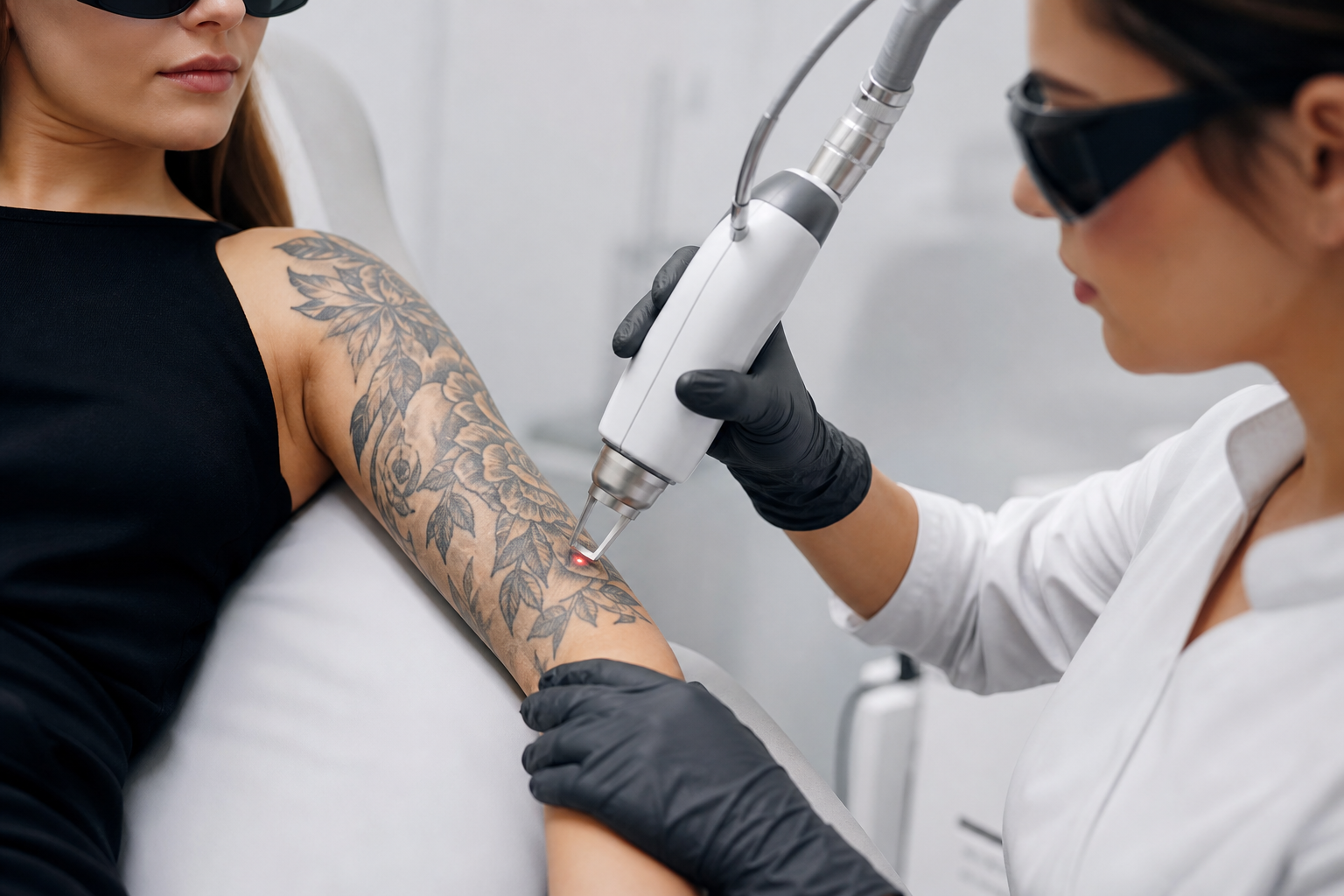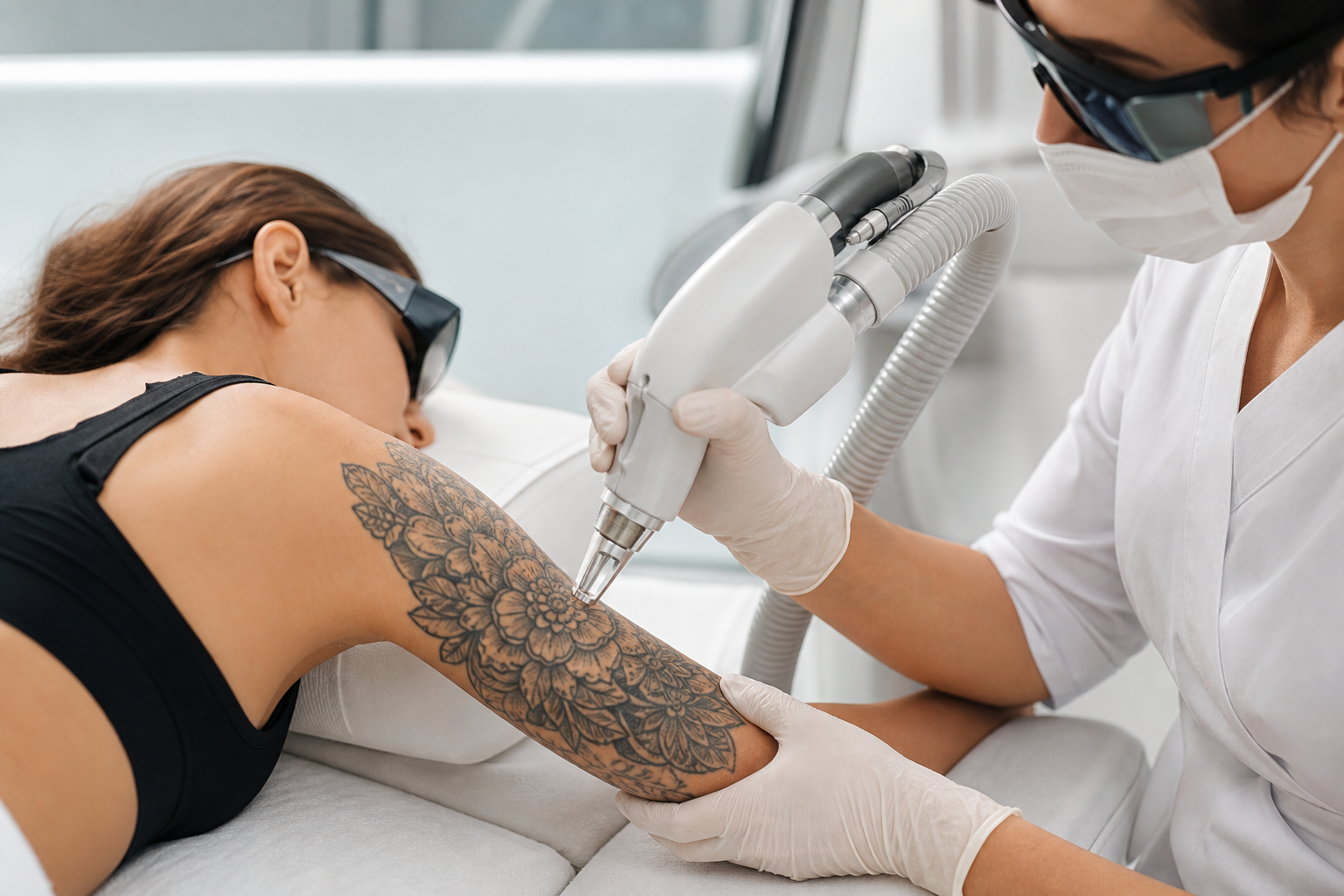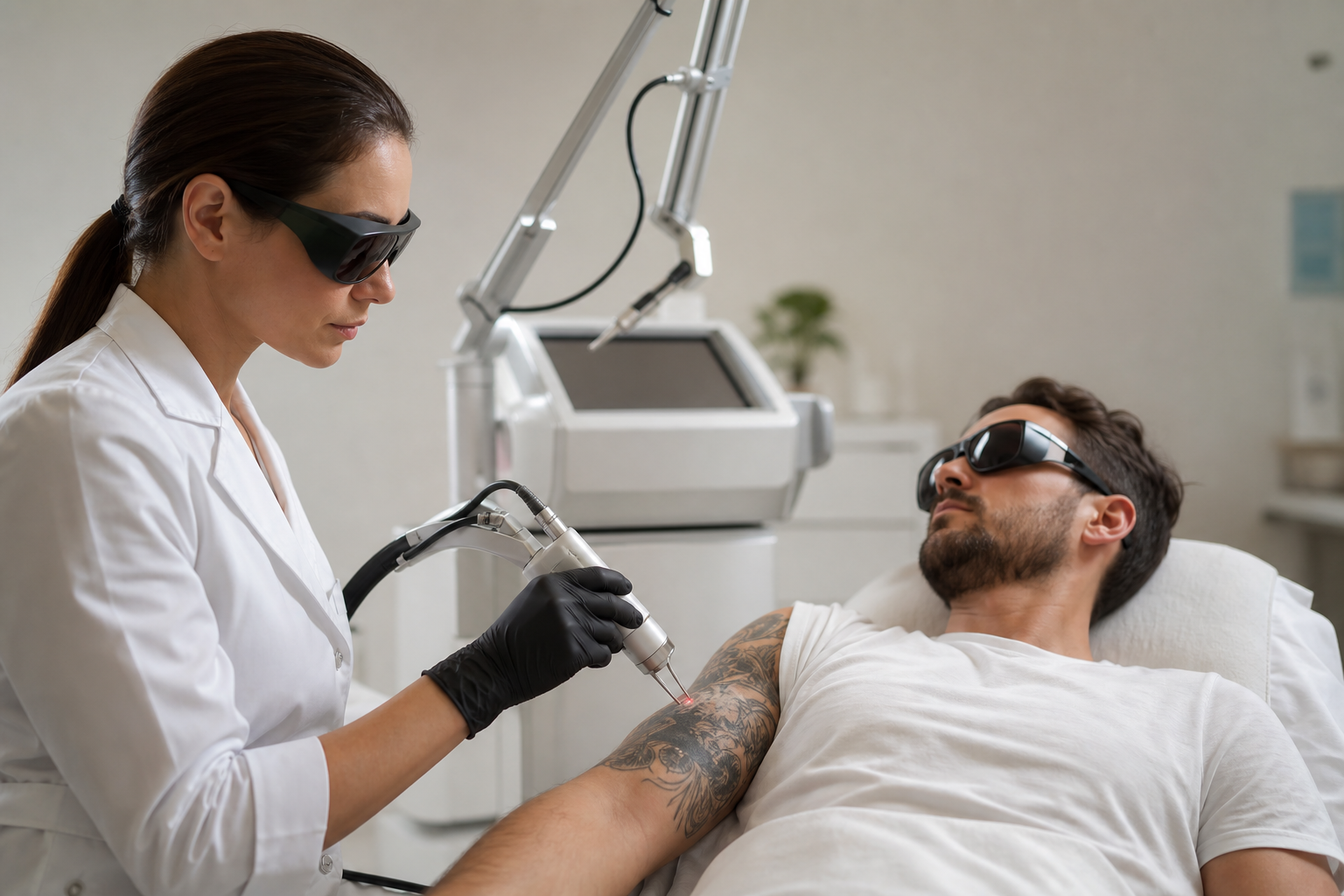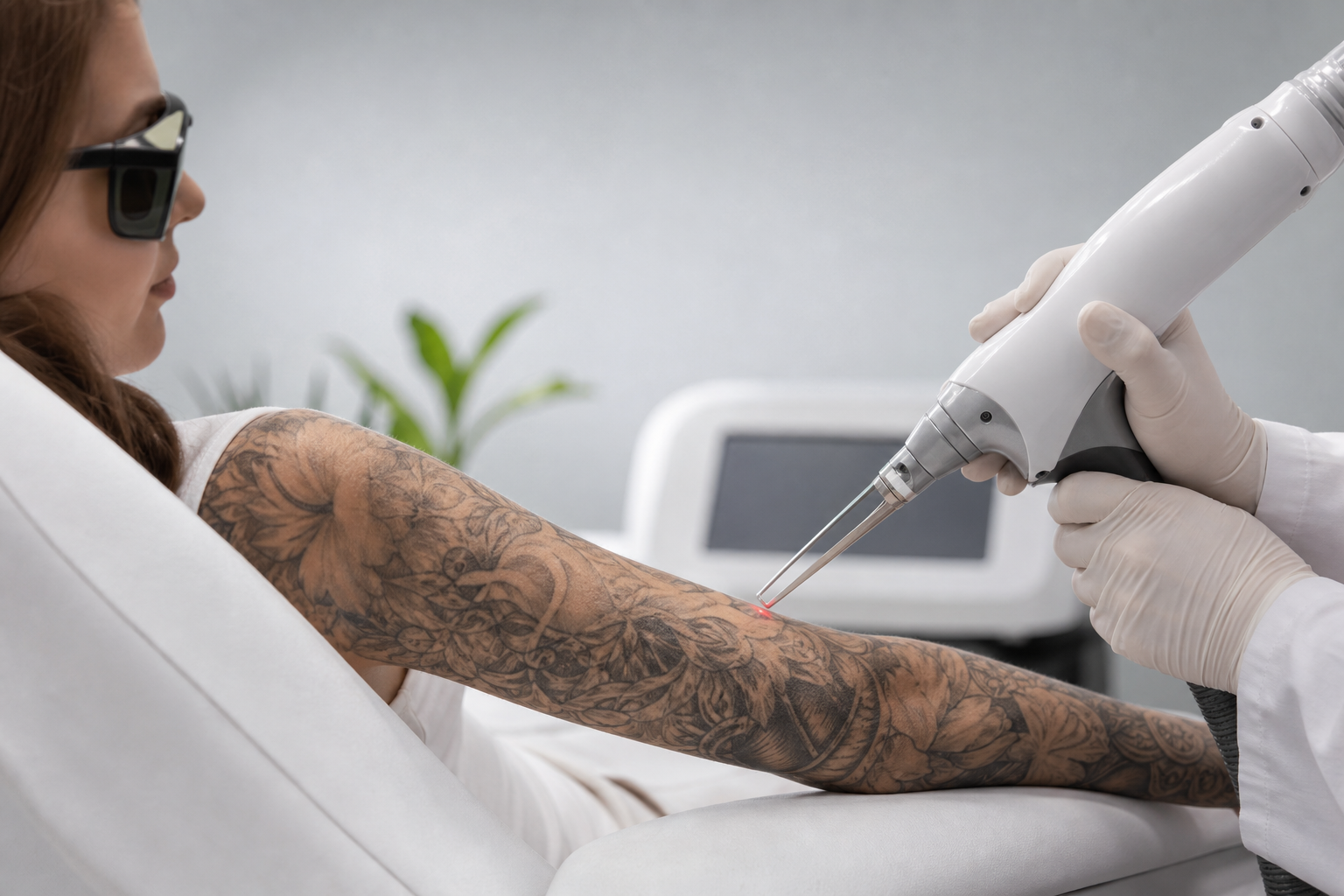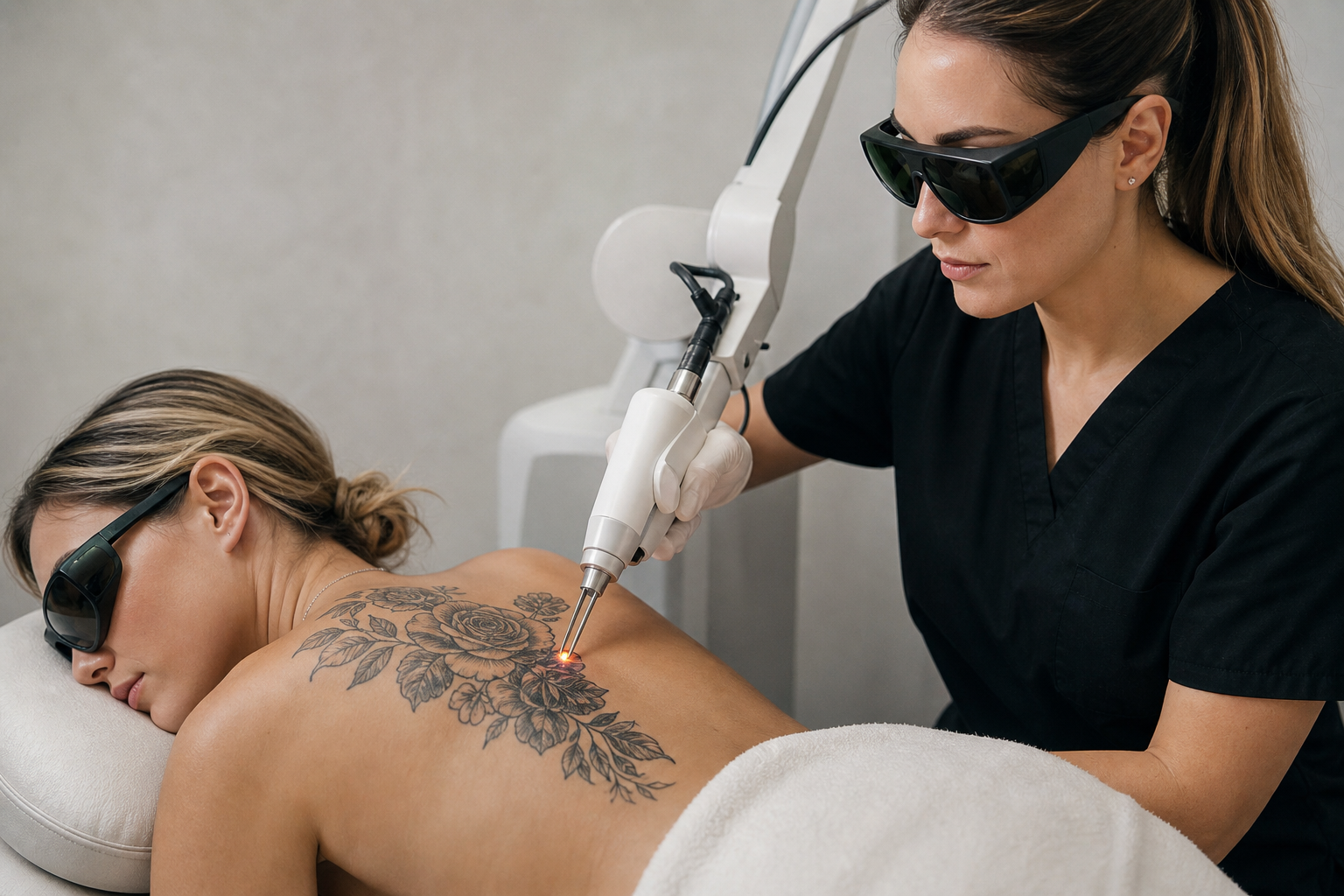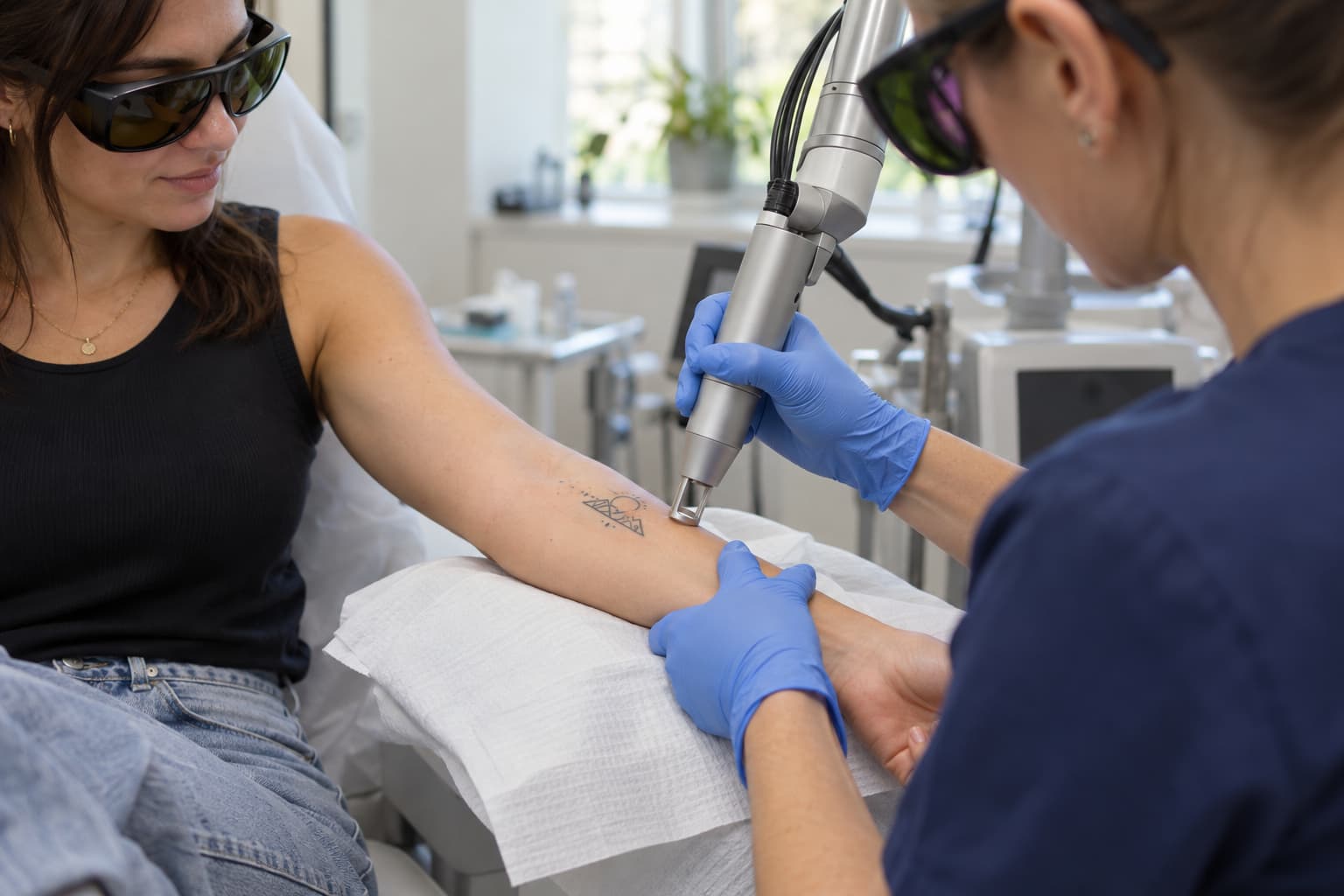
Laser tattoo removal is a sophisticated medical procedure designed to reduce or completely eliminate unwanted tattoos through targeted laser technology. Unlike surgical excision or abrasive dermabrasion methods, laser removal utilizes concentrated light pulses aimed precisely at tattoo pigment, breaking it into particles small enough for the body’s natural systems to clear away. This treatment attracts individuals who seek removal for personal reasons, aesthetic preferences, or professional requirements, as well as medical specialists committed to providing safe, controlled, and effective dermatological care.
Understanding exactly how laser tattoo removal works is essential to those contemplating this treatment. The procedure’s success depends on multiple factors: the laser’s interaction with pigment molecules, the body’s immune response to fragmented ink, and the individual’s skin characteristics. These intricate processes shape expectations for the results and safety of tattoo removal.
In this comprehensive article, we will delve into the fundamental concepts behind laser tattoo removal, emphasizing medically responsible practices, realistic outcomes, and the crucial role of personalized patient evaluation. This information is invaluable for readers considering tattoo removal and seeking clarity about the procedure’s mechanisms without resorting to unverified DIY methods or technical device details.
What Exactly Is Laser Tattoo Removal and Who Is It Intended For?
Laser tattoo removal involves directing specific wavelengths of laser light into the dermis, where tattoo ink resides, to fragment pigment molecules. These light pulses penetrate the skin’s surface and are selectively absorbed by colored particles within the tattoo. As the pigment absorbs the energy, it heats and breaks into increasingly smaller fragments.
This treatment benefits those wishing to modify or fully remove their tattoos due to changes in lifestyle, shifts in aesthetic tastes, or employment-related considerations. It is also suited to patients with tattoos that have faded or blurred over time and are unsatisfactory. However, it is imperative that candidates undergo thorough skin and health assessments before laser treatment begins.
Because skin type, ink color, tattoo depth, and overall health vary widely, a one-size-fits-all approach does not apply. A medical professional’s evaluation ensures that a tailored protocol — including laser type and treatment settings — is chosen to maximize efficacy and reduce risks such as scarring or pigment changes.
How Does Laser Energy Interact with Tattoo Pigment?
The core principle behind laser tattoo removal is selective photothermolysis. This technique means that the laser’s wavelength is precisely matched to the absorption characteristics of the tattoo pigment's colors. When the laser emits pulses of light at that wavelength, tattoo ink absorbs the energy, resulting in rapid thermal expansion and fragmentation of the pigment particles.
Different tattoo colors respond to different wavelengths; for example, black pigment absorbs a broad range of wavelengths and is generally the easiest to treat. Conversely, colors like green, blue, or yellow pigments are more challenging and require specialized laser systems or multiple wavelengths to effectively target them.
Modern lasers in this field include Q-switched and picosecond devices that emit energy in extremely short bursts, often measured in nanoseconds or picoseconds. These ultrashort pulses help confine the laser’s thermal effect predominantly to the pigment particles, minimizing damage to surrounding skin tissues. This precision underpins the safety and success of laser tattoo removal.
What Happens to Fragmented Tattoo Ink Within the Body After Laser Treatment?
Following laser-induced fragmentation, fragmented ink particles become small enough for the immune system to process. The body’s specialized macrophages — white blood cells that engulf and digest foreign material — mobilize to clear these pigment fragments from the dermal layers over time.
This clearance is not instantaneous. It unfolds gradually over weeks and months as macrophages and other immune components carry pigment particles away via the lymphatic system. Consequently, the fading observed after laser treatments represents a biological process that continues even after the laser session concludes.
Understanding the delayed nature of ink removal is critical for patients’ patience and treatment planning. Immediate removal of a tattoo in a single session is biologically implausible; the fading is progressive and tied to each individual’s immunological activity and skin regeneration capabilities.
Why Are Multiple Laser Sessions Essential and How Is Treatment Protocol Determined?
Laser tattoo removal is rarely completed in a single session. Multiple treatments, typically spaced six to eight weeks apart, are necessary to safely and effectively break down the ink further and allow the immune system to clear fragments previously targeted. This sequential process ensures that pigment is reduced progressively without overloading the skin.
Each session works cumulatively: the laser fragments residual ink left from prior treatments, and the body carries these remains away. Additionally, spacing treatments allows the skin to heal, reducing risks such as burns, infections, or scarring.
Customization of the treatment plan considers factors such as tattoo size, color complexity, ink depth, patient skin type, and healing response. Dermatologists or trained laser specialists adjust parameters like laser wavelength, pulse duration, and energy levels for each patient and follow-up treatment to optimize results and minimize complications.
What Factors Influence the Unpredictability of Final Results in Laser Tattoo Removal?
While laser tattoo removal has advanced significantly, complete predictability of outcomes remains elusive due to numerous intrinsic variables. The composition, color, and layering of tattoo ink profoundly impact how well and quickly pigment responds to laser treatment.
Other determinants include the tattoo’s age, the technique used originally to apply the ink, and the body’s individual immune efficacy. Older tattoos might have ink that has settled deeper or dispersed differently, requiring adaptations in treatment approach.
Moreover, skin characteristics such as pigmentation, elasticity, and the presence of underlying medical conditions can affect healing and pigment clearance. Environmental factors and post-treatment care practices also contribute to variability.
As a result, while certain pigment colors like black or dark blue generally respond favorably, multi-colored tattoos or those with challenging inks can yield partial fading or altered hues. Patients must understand these nuances to hold realistic expectations.
Why Is a Comprehensive Medical Assessment Critical Before Laser Tattoo Removal?
Laser tattoo removal is not a casual cosmetic procedure; it demands a medical-grade assessment to identify contraindications, skin conditions, and patient suitability. A healthcare professional examines the tattoo’s physical characteristics, the patient’s medical history, and potential sensitivities or allergies.
This evaluation ensures the laser type and treatment plan align with patient-specific needs, minimizing risks such as adverse reactions or ineffective results. It also provides an opportunity for patient education regarding the process, expected timeline, potential side effects, and realistic outcomes.
Attempting tattoo removal without professional oversight or through unapproved methods poses significant dangers, including scarring, infection, and permanent skin discoloration. Therefore, entrusting this intervention to licensed practitioners skilled in laser technology and dermatological care is fundamental to patient safety.
What Should Patients Expect Throughout and After the Tattoo Removal Journey?
Patients considering laser tattoo removal should anticipate a gradual fading of the tattoo over multiple sessions and months, with outcomes appearing progressively. Some discomfort, often described as snapping sensations on the skin, can occur during laser application, usually well managed by effective cooling and topical anesthesia when needed.
Post-treatment, redness, swelling, or mild bruising may appear briefly, along with possible blistering or temporary skin lightening or darkening. Proper post-care is crucial — including sun protection, skin hydration, and avoiding irritants — to facilitate healing and optimize results.
Importantly, patients should be prepared for variability in response and the possibility that some pigment may remain despite best efforts. Subsequent touch-ups or alternative cosmetic options might sometimes be recommended for complete camouflage or correction.