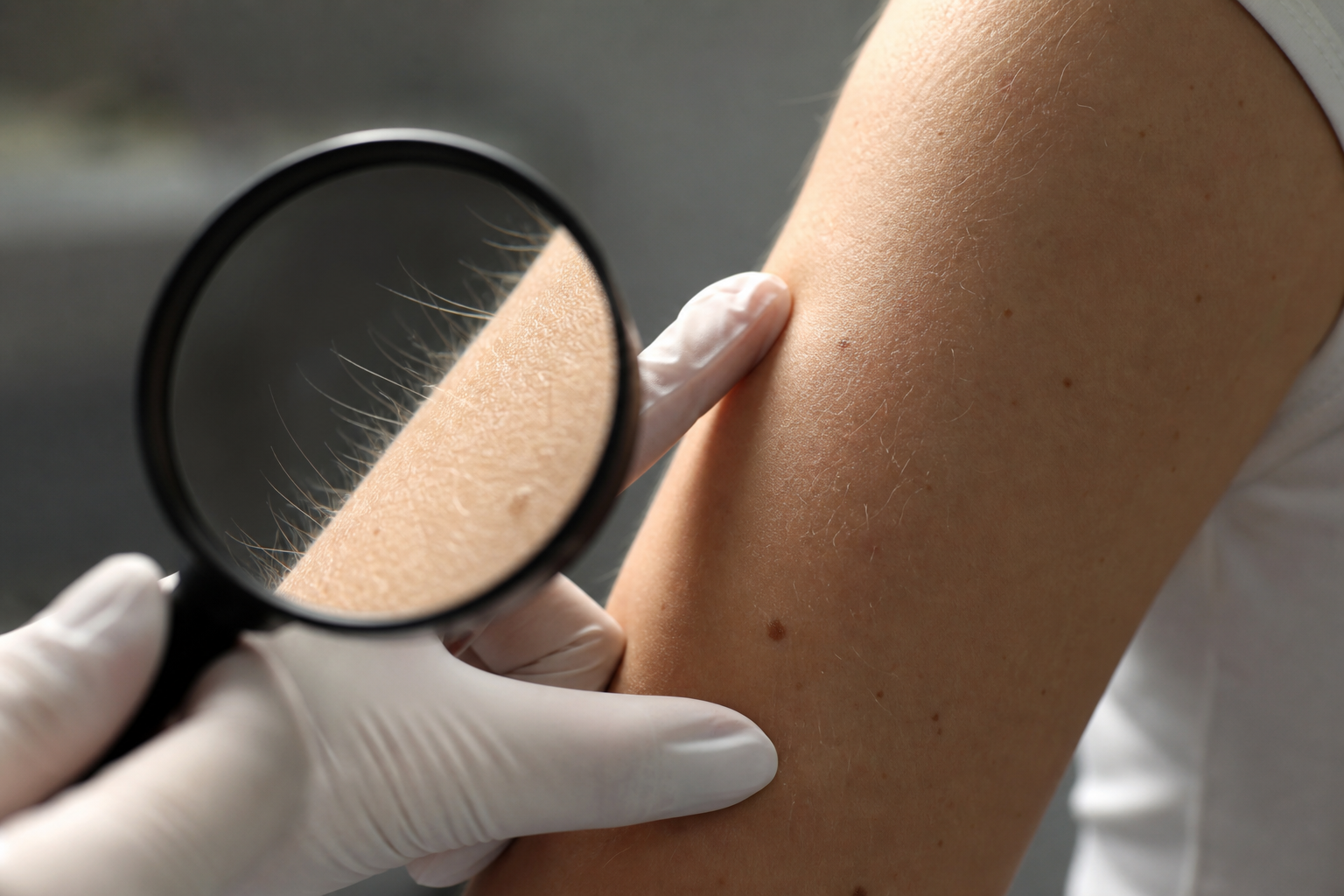
Laser hair removal has steadily become one of the most sought-after cosmetic procedures worldwide, promising long-term reduction of unwanted hair with relatively few treatments. However, the effectiveness of this technology hinges on several biological factors, chief among them being the nature of the hair itself. While laser hair removal shows remarkable efficacy on coarse, pigmented hair, fine hair types often present a complex challenge. Understanding the distinctions between fine terminal hair and vellus hair, the underlying physics of laser interaction with hair follicles, and the particular risks involved in treating delicate regions like the face, neck, and upper arms is essential for anyone considering laser hair removal for fine hair.
This editorial is crafted to illuminate the nuanced realities of laser hair removal when it comes to fine hair. It is intended for individuals contemplating laser treatments on fine hair, ranging from facial peach fuzz to the fine hairs on upper arms, as well as professionals seeking to deepen their knowledge about candidacy, efficacy, and safety considerations in such cases. As fine hair has low pigment and minimal mass, the laser’s ability to selectively heat hair follicles is inherently limited, often resulting in varied outcomes. Furthermore, certain areas with fine hair require extra caution due to the risk of paradoxical stimulation, where treatment may inadvertently stimulate hair growth instead of suppressing it.
By exploring the science behind hair types, treatment challenges, candidacy criteria, and alternative options when laser hair removal may not be suitable, this article offers a comprehensive understanding designed to help you make informed decisions and set realistic expectations.
Understanding the Types of Fine Hair: Terminal Versus Vellus Hair
Before delving into laser treatment, it is critical to distinguish between the two primary fine hair categories: terminal and vellus hair. Terminal hair is the thicker, pigmented hair commonly found on the scalp, eyebrows, and parts of the body such as the underarms and pubic region. It is characterized by its density, length, and higher melanin content, which makes it an ideal target for laser hair removal since lasers target pigment within the hair follicle.
In contrast, vellus hair is the thin, light-colored, and often nearly invisible hair that covers much of the human body, notably on the face (excluding areas like the eyebrows and eyelashes), neck, and upper arms. Vellus hairs have low melanin concentration and are much finer, rendering them less receptive to laser energy. These hairs serve various physiological functions, including thermoregulation and sensory input, but their reduced pigment makes them less amenable to standard laser treatments.
Fine terminal hair occupies an intermediate category. These hairs are thinner than coarse terminal hairs but retain some pigment, which may allow for limited laser responsiveness if parameters are carefully adjusted. However, fine terminal hairs still pose challenges due to their reduced melanin and smaller cross-sectional areas, which diminish the laser’s capacity to generate sufficient heat for follicular destruction.
Why Low Pigment and Small Hair Mass Complicate Effective Laser Treatment
Laser hair removal operates primarily on the principle of selective photothermolysis. This concept involves the laser light being absorbed by melanin in the hair shaft, which transforms the light energy into heat, damaging the hair follicle while sparing surrounding skin tissue. The efficiency of this process is contingent on adequate melanin absorption, which is compromised in fine, lightly pigmented hairs.
Fine hairs, particularly vellus hairs, contain insufficient melanin to absorb the laser light effectively, resulting in inadequate heat generation. Additionally, the smaller diameter and mass of fine hairs mean there is less material to conduct heat to the follicle, reducing the thermal damage necessary to impair hair regrowth. Consequently, treatments may require higher fluence (energy) or repeated sessions, which can increase the risk of side effects without guaranteeing improved results.
Moreover, variation in hair growth cycles and follicle depth in fine hair presents another layer of complexity. Fine hairs often grow at shallower depths and have shorter anagen (growth) phases, limiting the window during which laser treatment can be effective. These factors culminate in decreased treatment predictability and may necessitate a modified approach or alternative hair removal solutions.
The Special Considerations for Treating Delicate Areas: Face, Neck, Upper Arms
Regions like the face, neck, and upper arms are common sites of fine hair and demand heightened caution during laser hair removal. The skin here tends to be thinner and more sensitive, increasing susceptibility to irritation, hyperpigmentation, and other adverse outcomes.
Of particular concern is paradoxical hypertrichosis or paradoxical stimulation—a phenomenon where the laser treatment inadvertently promotes the growth of new, finer hairs or thickens existing ones. This counterproductive effect is likely due to subtherapeutic heating that activates dormant follicles instead of destroying them, possibly triggered by inappropriate laser settings or unsuitable hair types.
The risk of paradoxical stimulation is notably higher in areas with higher concentrations of vellus hair, making facial and neck treatments potentially tricky. The upper arms, where fine terminal hair is common, also require prudence. Skilled practitioners must assess these zones meticulously and determine whether laser hair removal is advisable or if alternative treatments would better serve the patient’s goals and safety.
Determining Candidacy for Laser Hair Removal on Fine Hair
Evaluating whether a patient with fine hair is a suitable candidate for laser hair removal involves more than a cursory glance. A thorough dermatological examination is essential, considering hair color, thickness, density, and skin type. The patient’s medical history, sensitivity, and previous hair removal experiences also inform suitability.
Individuals with predominantly vellus hair or extremely light, fine terminal hair may be informed that laser hair removal could yield limited or inconsistent results. Conversely, patients with mixed hair types—with some pigmented fine terminal hairs—might experience partial benefits, albeit with tempered expectations.
Importantly, a candid consultation should also discuss risks including paradoxical stimulation, skin discoloration, and the need for multiple treatment sessions. In certain cases, deferring laser hair removal in favor of alternate modalities may be the most reasonable course.
When Opting Against Laser Hair Removal Can Be the Best Choice
Given the complexities of treating fine hair, choosing not to proceed with laser hair removal may be prudent. This is especially true when the hair type and skin characteristics predict poor absorption of laser energy, or when the potential benefits fail to outweigh risks and inconvenience.
Patients with predominantly vellus hair, very light hair color, or those with sensitive skin over the treatment area may find alternative approaches more suitable. Additionally, patients at risk for paradoxical stimulation or post-inflammatory pigmentation changes may be advised to avoid laser treatments or explore adjunctive or combinational strategies.
In such contexts, deferring laser hair removal or considering alternative hair management options does not signify failure but reflects a patient-centric, safety-first approach aligned with achieving the best possible aesthetic outcome.
Alternative Methods for Managing Fine Hair
When laser hair removal is ill-suited or ineffective for fine hair, several other options exist. Among these, electrolysis remains the gold standard for permanent removal of fine, light-colored hair. This technique uses electrical currents to target individual hair follicles, independent of pigment, making it technically effective on vellus and fine terminal hairs.
Other modalities such as waxing, threading, or depilatory creams can serve as temporary solutions to manage fine hair with reasonable convenience and minimal risk, especially for the face and upper arm areas. These methods, while not permanent, avoid the risks associated with laser-related paradoxical stimulation and pigmentation changes.
Emerging technologies combining laser and radiofrequency or novel wavelengths may offer future solutions, yet these require further clinical validation. Patients should always consult with experienced professionals to tailor a hair removal strategy that aligns with their hair type, skin health, and aesthetic goals.
What to Expect if Choosing Laser Hair Removal for Fine Hair
For those proceeding with laser hair removal on fine hair, setting realistic expectations is imperative. Complete, permanent hair removal like that often seen with coarse, dark hairs is less probable. Instead, patients should anticipate a reduction in hair density, lightening of hair color, and slowing of regrowth speed.
Multiple treatment sessions generally are required — often more than for coarse hair — and results may be partial or inconsistent. Some hair follicles may remain unaffected due to insufficient pigment to absorb the laser energy adequately.
Side effects can include mild redness, swelling, and rarely pigmentary changes. Vigilance for paradoxical stimulation is important, and patients should maintain close communication with their providers throughout the treatment course to adjust protocols as needed and manage any untoward effects swiftly.
Essential Precautions and Professional Expertise in Treating Fine Hair
Laser hair removal on fine hair necessitates a highly individualized approach led by seasoned specialists equipped with diverse laser technologies and a profound understanding of hair biology. Treatment parameters such as wavelength, pulse duration, and fluence must be meticulously calibrated to balance efficacy against safety.
Pre-treatment assessment should include detailed hair and skin analysis, possible test spots, and discussion of risks. Post-treatment care to minimize inflammation and sun exposure is crucial to optimize outcomes and reduce pigmentary complications.
Home-use laser devices are generally not recommended for fine hair removal due to limitations in power and precision, as well as an increased risk of ineffective treatment or adverse effects when used without professional guidance.


