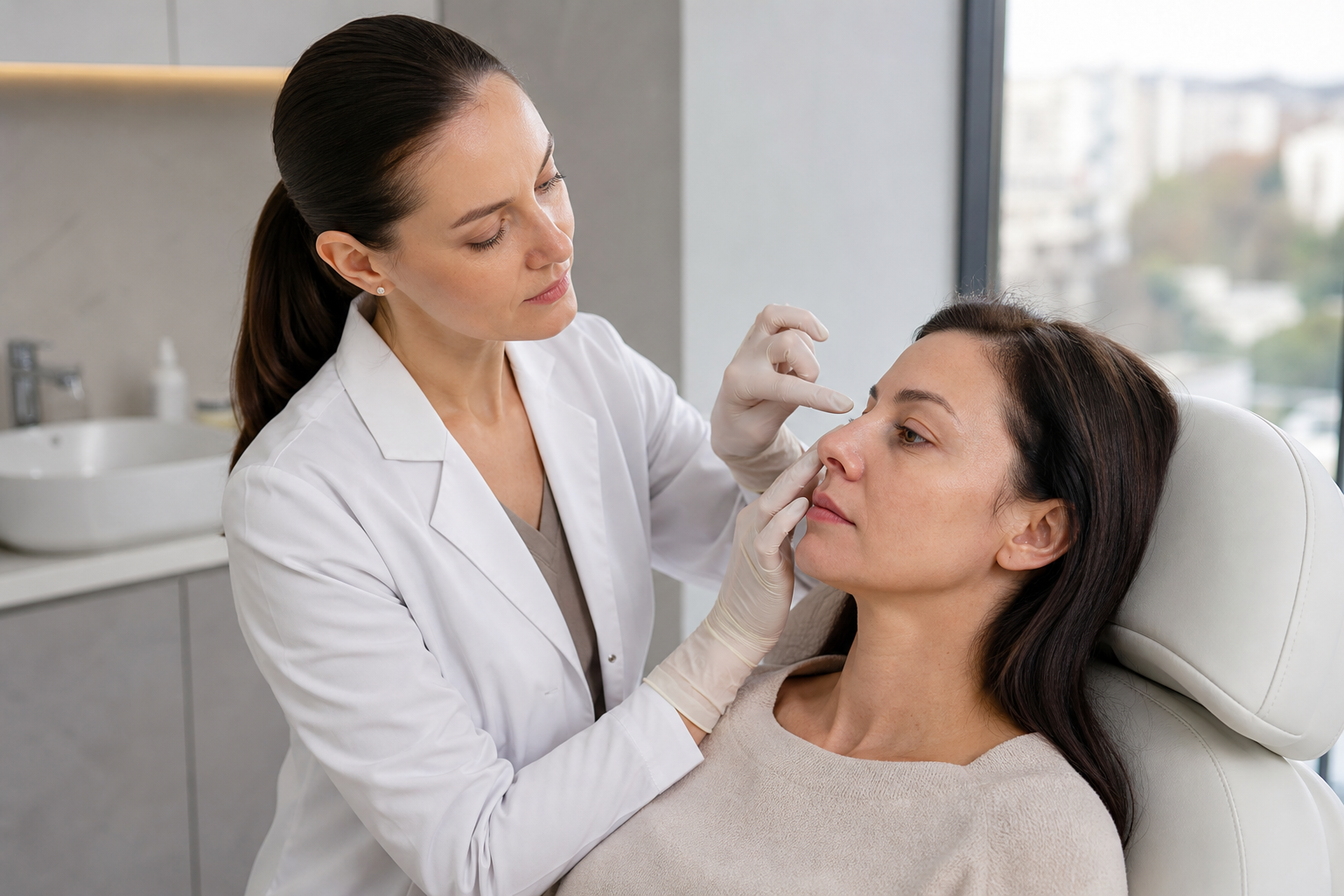
Nasal capillaries, often manifesting as tiny red or purple lines visible through the skin on and around the nose, are a common dermatological concern for many individuals. These delicate blood vessels, sometimes referred to as broken capillaries or telangiectasias, can affect the aesthetic appearance of the face, causing distress or self-consciousness. The question of whether a single treatment can eliminate these nasal capillaries entirely is one that resonates with those considering vascular laser treatments and other advanced procedures focused on skin rejuvenation and vascular correction.
This discussion is essential for anyone experiencing facial redness due to visible capillaries, whether as a result of environmental exposure, genetic predisposition, or lifestyle factors. Understanding the capabilities and limitations of current vascular laser treatments enables patients and clinicians to set realistic expectations, improve treatment planning, and appreciate the nuances of skin vascular health. It also helps clarify why sometimes multiple interventions are necessary, and what the outcome might realistically be.
Given the prominence of laser procedures in the treatment of vascular lesions, this article will explore the nature of nasal capillaries, the mechanisms through which laser therapy targets them, and the practical outcomes related to single-session eradication efforts. Drawing from trusted dermatological sources and the broader context of vascular treatment protocols, we delve deeply into what patients and practitioners should know about treatment efficacy, durability of results, and the natural behavior of capillaries following intervention.
What Exactly Are Nasal Capillaries and Why Do They Become Visible?
Nasal capillaries are the smallest blood vessels that form the network responsible for delivering oxygen and nutrients to the skin tissues. Under normal circumstances, these vessels are invisible through healthy skin. However, various factors cause them to become dilated, damaged, or more prominently visible.
Several contributors to the visibility of nasal capillaries include prolonged sun exposure, which weakens vessel walls; repeated trauma or irritation, common in individuals with sensitive or reactive skin; genetic predisposition, creating an inherited tendency towards fragile vessels; and certain medical conditions such as rosacea. Environmental factors like cold weather or extreme heat can also expand these vessels temporarily, contributing to their persistent appearance over time.
Considering their delicate nature, nasal capillaries often signify a vascular condition localized to the areas subjected to these influences. Their visibility may cause cosmetic concern, prompting many to seek out treatment options that promise clarity and even skin tone.
How Do Laser Treatments Work to Address Visible Nasal Capillaries?
Laser treatment for capillaries relies on the principle of selective photothermolysis. This process involves using specific wavelengths of laser light that are preferentially absorbed by the hemoglobin within the blood vessels. When the laser light is absorbed, it converts into heat, causing thermal damage to the targeted capillary walls without significantly affecting the surrounding skin tissue.
This heat induces vessel closure and eventually leads to the breakdown and absorption of the treated capillary by the body's natural processes. Over days to weeks following treatment, the visible vessel diminishes and may disappear. This mechanism explains the efficacy of vascular laser treatments for visible vessels and redness, including those on the nose.
Common types of lasers used for vascular lesions include the pulsed dye laser, Nd:YAG laser, and intense pulsed light (IPL) therapy, each selected based on the size, depth, and color of the capillaries as well as patient skin type.
Can a Single Laser Treatment Permanently Eliminate Nasal Capillaries?
While laser therapy is effective in closing and eliminating treated nasal capillaries, a single treatment may not guarantee complete or permanent eradication of all visible vessels. The treated vessels themselves often respond well, with many closing permanently after one session. However, the underlying predisposition that caused the capillaries to become prominent remains intact.
This predisposition implies that new capillaries can develop over time, potentially necessitating further treatments to maintain results. Additionally, some capillaries may be too deep, too large, or too resistant to treatment during the first session, requiring multiple procedures for optimal clearance.
Therefore, while a single laser session can significantly improve the appearance of nasal capillaries and even remove specific vessels permanently, it may not be sufficient for comprehensive or lasting results across all affected areas.
Why Don’t Some Capillaries Disappear After the First Treatment?
The incomplete disappearance of some nasal capillaries after the initial treatment hinges on several factors. The size and depth of the capillaries are critical; larger or deeper vessels absorb less laser energy, reducing treatment effectiveness. Moreover, some capillaries may be partially responsive, requiring accumulated damage over multiple sessions to fully close.
Individual skin type and response also play a role. Patients with more sensitive skin or reactive vascular conditions may have a more persistent vascular network. Additionally, technical aspects such as the specific laser wavelength, settings selected, and practitioner experience influence outcomes.
It is also important to recognize that some visible redness may stem from diffuse inflammation or other non-vascular causes that do not respond directly to laser vascular treatment.
How Many Treatments Are Typically Needed for Facial Capillaries on the Nose?
The number of treatments required to achieve meaningful improvement varies widely from person to person. Some patients notice marked reduction in visible vessels after a single treatment, while others may require a series of three to five sessions spaced several weeks apart.
This cumulative approach allows progressive ablation of stubborn vessels and maximizes clearance of both superficial and intermediate-depth capillaries. Follow-up sessions also address any newly developed vessels that have emerged following the initial treatment.
In the context of nasal capillaries, many practitioners recommend a tailored treatment plan based on skin assessment, vessel characteristics, and patient response during the initial procedure.
When Can Patients Expect to See Results from Laser Capillary Removal?
Results from vascular laser treatments typically begin to become visible within days to weeks post-procedure. Immediately after treatment, transient redness and mild swelling may occur, which can temporarily mask improvement.
As the closed vessels are absorbed by the body, overall redness diminishes, and the skin appears clearer. Visible capillaries fade or vanish, and skin tone may even out. Full maturation of results can take up to four to six weeks, depending on individual healing and treatment intensity.
It's important to set realistic expectations that the vascular improvements develop gradually rather than as an instant transformation.
How Long Do the Results of Vascular Laser Treatments Last?
Results from vascular laser treatments are generally durable with proper skin care and avoidance of triggering factors. Closed capillaries treated effectively tend not to recur in the same location. However, the persistence of predisposing factors for vascular fragility means new vessels may appear over time.
Maintenance treatments may be recommended periodically to sustain clear skin and manage emerging capillaries. Additionally, lifestyle modifications such as sun protection, avoiding excessive heat, and gentle skin care can prolong treatment benefits and minimize further vascular damage.
Why Can New Capillaries Appear After Treatment?
New capillaries can develop for several reasons. The initial vascular condition or skin sensitivity remains, allowing new vessels to form as a response to continuing environmental or physiological stressors. Sun damage, temperature extremes, skin irritation, and medical conditions can promote ongoing vessel formation.
Moreover, the natural aging process affects the elasticity and resilience of blood vessels, making them more likely to dilate and become visible over time. Therefore, even after successful laser treatment, maintaining skin health and preventive measures is crucial to minimizing the appearance of new capillaries.
Integrating Laser Vascular Treatments into a Holistic Skin Care Regimen
Laser treatment for visible nasal capillaries works best when combined with comprehensive skin care strategies. Preventative measures such as daily use of sunscreen, adopting gentle cleansing routines, and avoiding known irritants complement the effects of vascular laser procedures.
In some cases, dermatologists may recommend adjunct topical therapies formulated to strengthen capillary walls and reduce inflammation. Addressing overall skin health supports the longevity of laser treatment outcomes and promotes a balanced complexion.


