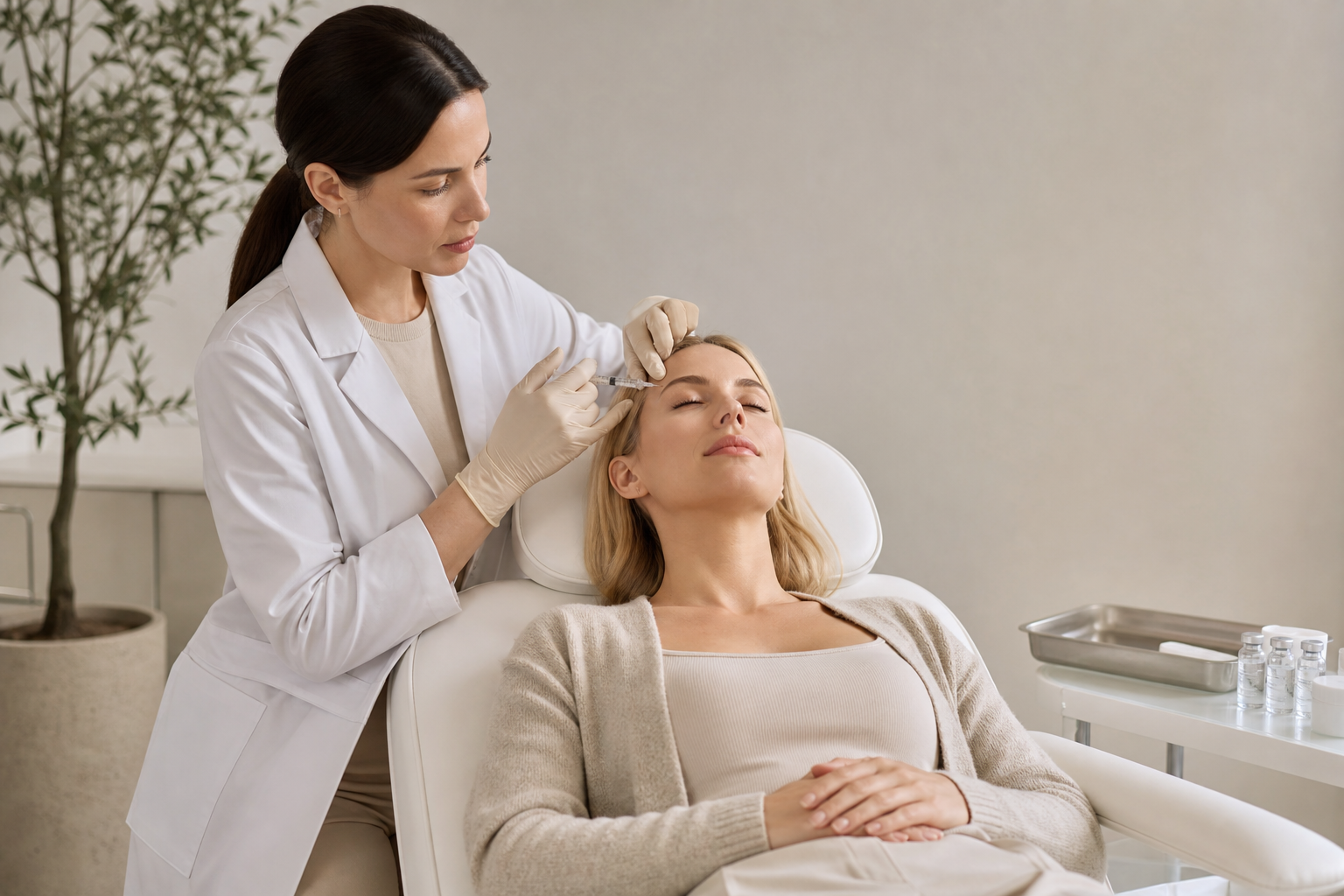
Botox has become one of the leading non-surgical options in aesthetic medicine, renowned for its ability to smooth dynamic wrinkles, rejuvenate facial appearance, and offer a relatively quick path to a fresher look. For many individuals considering this treatment, a critical question arises early in the decision-making process: does Botox hurt, and how can discomfort be effectively managed? Understanding the nuances of the procedure’s sensations, preparation protocols, and post-treatment experience is paramount for those seeking Botox for the first time or even for repeat patients aiming to optimize their comfort and outcomes.
Addressing concerns about pain and discomfort during Botox injections is not merely a matter of easing anxiety. It directly impacts patient readiness, satisfaction, and ultimately the safety and success of the procedure. Given the broad range of applications—from smoothing forehead lines to treating hyperactive muscles and even providing prophylactic anti-aging effects—knowledge about the sensory experience coupled with practical techniques to minimize unpleasantness empowers patients to approach Botox with realism and confidence.
This in-depth editorial will examine, with precision and expertise, the mechanisms behind Botox’s mode of action and the tactile sensations associated with its administration. We will explore preparatory steps that can reduce pain, procedural methods utilized by skilled practitioners to ameliorate discomfort, and safety considerations that ensure a secure experience. All these elements combine to provide a clear picture of what to expect and how to navigate the Botox treatment journey with minimal distress and maximum benefit.
The Sensory Experience of Botox: Understanding What Causes Discomfort
To fully grasp why patients sometimes associate Botox with pain, it’s essential to delve into what the treatment entails on a sensory level. Botox is derived from botulinum toxin type A, a neurotoxin that, in controlled microdoses, temporarily blocks nerve impulses to targeted muscles. This interruption softens muscle activity that causes wrinkles or tension, creating a smoother skin appearance.
Unlike invasive procedures that may affect deeper tissues and nerves extensively, Botox injections are superficially administered. Typically, the substance is delivered into the dermal or subdermal layers or just above the muscle. Because the injection reaches only shallow layers, the pain involved is primarily related to the needle prick rather than any chemical irritation from the toxin itself.
Patients often describe the sensation of Botox injections as a brief pinprick or a quick sting, akin to familiar vaccinations or minor blood draws. The duration of discomfort is usually fleeting, passing within seconds or moments. The intensity varies depending on factors such as the injection site—areas with thinner skin or closer nerve endings may feel more sensitive—and individual pain thresholds, which differ widely among patients.
Another component influencing pain perception is muscle tone at the injection site. Tensed muscles can heighten sensitivity, leading to a more pronounced sensation during the injection. For example, the glabellar region between the eyebrows can feel more sensitive due to underlying muscle activity. Thus, practitioners often encourage relaxation of target muscles before and during treatment to mitigate this effect.
Importantly, it is the mechanical action of the needle that causes the discomfort, not the botulinum toxin, which does not itself produce local pain when introduced into tissue. Proper technique, including precise needle placement and gentle injection speed, significantly helps minimize any unpleasantness. Ultimately, most patients find the sensation tolerable and often less distressing than anticipated.
Techniques and Technologies to Ease Discomfort during Botox Injections
Thanks to advances in medical aesthetics, multiple strategies are now employed to ensure the Botox treatment is as comfortable as possible. The choice of needle plays a pivotal role. Ultrafine needles, which are remarkably thin and designed for minimally invasive skin penetration, dramatically reduce pain and tissue trauma. The smaller gauge means less stretching and disruption of nerve endings, leading to fewer sensations of prick or sting.
A gradual, deliberate injection technique further enhances patient comfort. By administering Botox slowly and steadily, practitioners prevent sudden tissue distension and reduce nerve irritation. This careful approach requires skill and experience but is standard practice in high-quality aesthetic clinics.
Topical anesthetics provide another layer of relief. These may be applied ahead of the procedure as creams or gels with mild numbing properties. When left on the skin for 20 to 30 minutes prior to injection, they can significantly blunt the skin’s sensitivity, making the needle entry far less noticeable. Although not mandatory for all patients, particularly those with a higher pain threshold, topical numbing is a favored option for those apprehensive about injections.
Cold application is a traditional but effective means of taming injection pain. The use of cold packs or specialized cooling devices immediately before and during Botox injections can numb superficial nerves and reduce local inflammation, thereby softening the sensation of the needle. Many clinics incorporate these tools seamlessly into their treatment protocols.
Psychological preparation and patient-doctor communication are equally crucial to easing discomfort. Patients who understand what to expect and feel supported by their provider typically report lower anxiety and less perceived pain. Gentle reassurance, clear explanation of every step, and the creation of a calm environment work together to minimize stress-induced amplification of pain signals.
Additionally, simple techniques such as controlled breathing, distraction, or relaxation exercises can further decrease the subjective experience of pain during the procedure. Some providers also encourage patients to indicate if they need a short pause, making the entire process more patient-centered and comfortable.
Preparing for a Botox Treatment to Maximize Comfort and Safety
The foundation for a smooth and minimally uncomfortable Botox session begins days before the treatment. Patient behavior and preparation remarkably influence pain levels and post-injection effects like bruising or swelling.
A critical pre-treatment consideration is to avoid substances that can thin the blood. Common over-the-counter pain relievers such as aspirin, ibuprofen, or naproxen increase bleeding risk and can exacerbate bruising at injection sites. To minimize such risks, patients should refrain from these medications for about a week prior or consult their physician for individualized instructions.
Informing the practitioner about any allergies, skin sensitivities, current medical conditions, or medications is mandatory. Such disclosures help customize the treatment plan and avoid adverse reactions. For example, patients with bleeding disorders may require special adjustments or enhanced post-care.
Hydration and good skin health also contribute positively. Well-moisturized and healthy skin tends to respond better, healing more quickly and reducing discomfort. While Botox acts on muscles rather than skin surface, a condition of overall skin wellness supports the entire aesthetic process.
During the treatment day, arriving with a clean, makeup-free face ensures accuracy in marking injection sites and facilitates better practitioner control. A calm mindset can be cultivated through sufficient rest and stress management techniques prior to appointment time.
The injection session typically lasts between 10 and 20 minutes, depending on treatment area size and complexity. A thorough consultation precedes injections, during which practitioners explain goals, areas targeted, anatomical considerations, and post-procedure guidance. Marking of injection points is delicately done to maximize efficacy while minimizing discomfort.
Post-injection, patients receive specific aftercare instructions designed to support healing and optimize results. Advising to remain upright for at least four hours, avoid strenuous physical activity, and skip facial massages or intense muscle exertion helps prevent unwanted migration of toxin or aggravation of sensitive injection sites.
Recognizing Safety Signals and When to Seek Professional Guidance
Botox is generally very safe when performed by qualified and experienced medical professionals. Nevertheless, patient vigilance post-procedure is important to promptly identify any unusual or concerning symptoms. Most mild side effects like minor redness, slight swelling, or small bruises resolve on their own within a few days.
If a patient experiences persistent or worsening pain, pronounced swelling, asymmetry, drooping eyelids, muscle weakness outside the target region, or signs of infection such as warmth, pus, or fever, urgent medical consultation is necessary. These rare complications often require timely intervention to minimize lasting consequences.
Choosing a reputable clinic with board-certified dermatologists or plastic surgeons and proper hygiene standards significantly reduces complication risks. Avoiding unlicensed providers or non-medical personnel performing Botox injections is critical for both safety and efficacy.
The open channel of communication between patient and practitioner fosters a secure environment. Patients should feel empowered to report any uncomfortable or unexpected sensations, and clinicians must provide clear pathways for post-treatment follow-up and care adjustments as needed.
Integrating Botox with Complementary Treatments for Enhanced Comfort and Results
In contemporary aesthetic practice, Botox is often part of a broader strategy to rejuvenate and contour the face. Its effects can be synergistically amplified by combining it with dermal fillers, skin resurfacing techniques, or other minimally invasive modalities.
The addition of hyaluronic acid fillers, for instance, restores lost volume, compliments wrinkle reduction by filling deeper furrows, and can improve facial symmetry and fullness. When treatments are coordinated thoughtfully, patients achieve natural and balanced enhancements.
Such combined approaches demand meticulous planning to ensure patient comfort and safety. Pain management protocols may be adjusted by the practitioner, possibly incorporating enhanced numbing options or staging treatments across multiple sessions to prevent overload of discomfort.
Being informed about how these treatments interact and how they can influence sensations during and after procedures assists patients in setting realistic expectations. While combined therapies might extend treatment time or require additional preparations, modern techniques keep discomfort minimal.
Ultimately, embracing a comprehensive aesthetic plan supervised by clinicians who understand facial anatomy, patient psychology, and advanced procedural techniques ensures that Botox—alone or in tandem with other treatments—not only delivers pleasing results but also remains an experience marked by minimal pain and maximal satisfaction.


