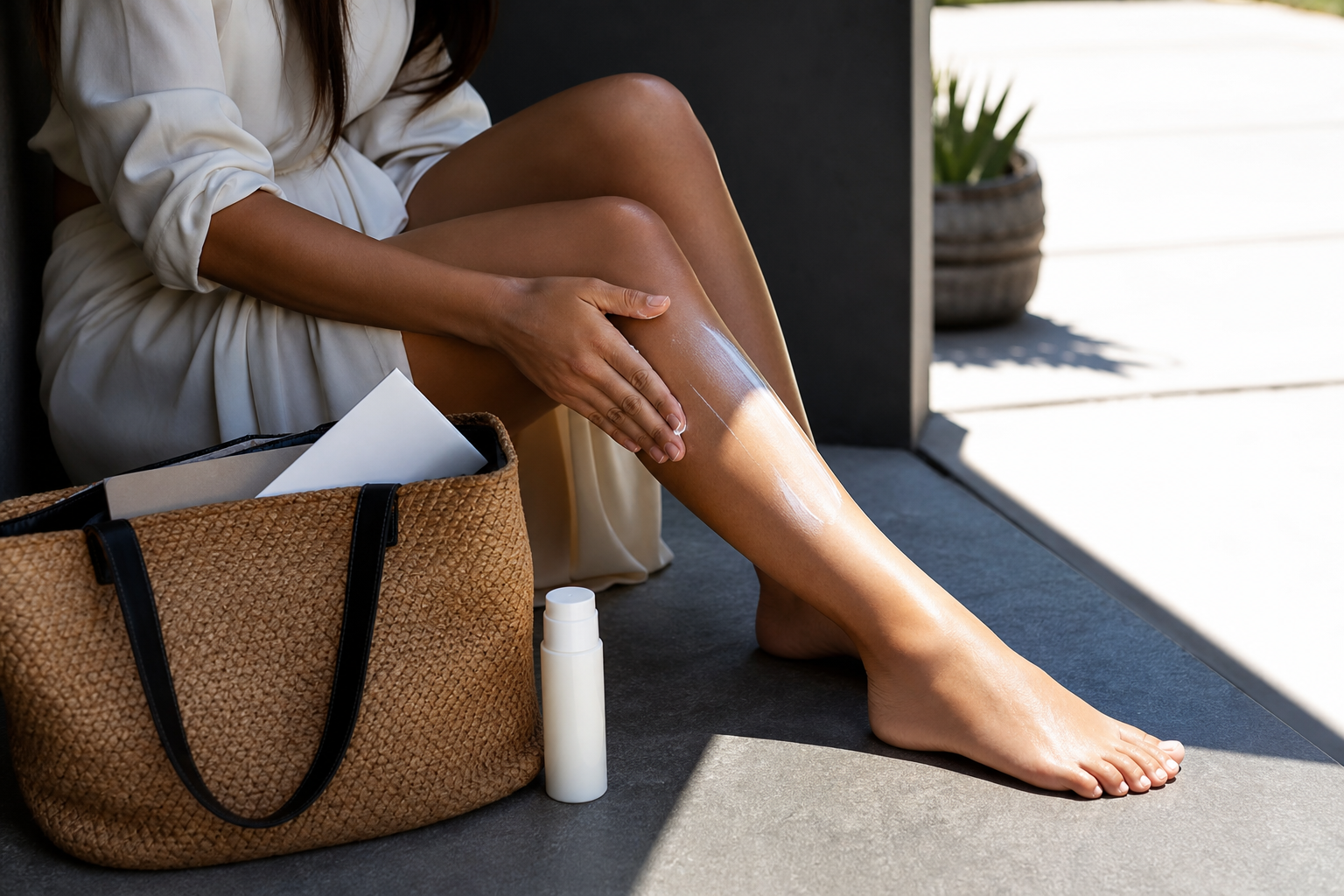
Sun exposure and laser hair removal are intricately connected factors that play a crucial role in the planning and execution of safe and effective aesthetic treatments. Understanding the effects of ultraviolet (UV) radiation on skin physiology, specifically on epidermal melanin levels, is essential for those seeking laser hair removal, healthcare providers, and skin care specialists aiming to deliver optimal outcomes. This editorial aims to demystify the relationship between sun exposure and laser hair removal, addressing the nuances of UV impact on pigmentary changes, safety considerations, and practical advice on managing these interactions to maximize treatment success.
The topic is particularly relevant to individuals preparing for laser hair removal, given that sun exposure can significantly influence treatment efficacy and safety. Moreover, dermatologists, cosmetic surgeons, and laser technicians will find this discussion valuable for refining patient protocols and counseling. This article delves into why UV-induced melanin synthesis alters the skin’s response to laser energy, the differential effects of casual sunlight versus intense tanning or sunburn, and how to implement protective strategies post-treatment. We also explore the timing of laser hair removal concerning seasonal variations and tanning habits, ensuring a comprehensive grasp for readers committed to informed decisions in their aesthetic care.
Given the proliferation of laser hair removal and the pervasive accessibility of sunbathing and tanning methods, this article underscores the imperative of aligning medical guidance with patient lifestyle realities. It encourages honest disclosure of recent sun exposure to optimize treatment planning and highlights realistic approaches to shielding skin from UV rays, acknowledging that sunscreen, while crucial, is not an all-encompassing safeguard. By exposing the interplay between sun exposure and laser hair removal, readers can better navigate the journey toward smooth, healthy skin with minimal risk.
How Does UV Exposure Affect Melanin Production and Its Implications for Laser Hair Removal?
Ultraviolet radiation from sunlight stimulates melanocytes in the epidermis to increase melanin synthesis, the pigment responsible for skin’s coloration and photoprotection. Melanin acts as a natural defense mechanism by absorbing and dissipating UV rays to minimize DNA damage. However, this increased melanin concentration in the upper skin layers has direct consequences on laser hair removal treatments, which target melanin in hair follicles to achieve hair reduction.
Laser devices emit specific wavelengths absorbed preferentially by the melanin within hair follicles. The absorbed light converts to heat, destroying the follicular structure without harming surrounding skin. When melanin levels in the epidermis elevate due to sun exposure, the laser energy is partially absorbed by superficial skin layers, reducing its effectiveness and increasing the risk of thermal injury to the epidermis. This phenomenon narrows the treatment safety window and may contraindicate procedures until skin pigmentation normalizes.
Understanding this physiological response is fundamental. Minimal or incidental sunlight exposure generally does not alter epidermal melanin sufficiently to impact laser treatment. However, intense and prolonged sunbathing, tanning bed use, and history of sunburn create a transient rise in pigmentation, complicating the interaction between laser light and skin. Professionals must distinguish these scenarios to assess candidacy and adapt treatment parameters accordingly.
Distinguishing Types of Sun Exposure: Ordinary Daylight, Intense Sunbathing, and Sunburn
Not all sun exposure affects laser hair removal prospects equally. Ordinary daylight, consisting of brief or incidental encounters with the sun, typically results in negligible melanin changes. These exposures resemble daily baseline conditions, with no significant alteration in skin tone or texture, posing minimal concern for laser treatments.
Conversely, intense sunbathing—characterized by prolonged and direct UV exposure with the goal of tanning—induces active melanogenesis, culminating in a visible tan. This state reflects augmented epidermal pigmentation, necessitating heightened caution when scheduling laser sessions. The increased melanin competes for the laser’s energy, elevating risks such as burns, hyperpigmentation, and treatment inefficacy.
Sunburn represents acute skin injury from excessive UV irradiation, marked by erythema, inflammation, and sometimes blistering. Beyond pigmentary changes, sunburn compromises skin integrity and repair mechanisms, rendering laser exposure hazardous. Undertaking laser hair removal during or soon after sunburn escalates the likelihood of adverse events including scarring, post-inflammatory hyperpigmentation, and delayed healing.
Current tanning, whether from recent sunbathing or solarium use, should be clearly reported to clinicians to ensure safe decision-making. Practitioners may recommend delaying treatments or employing customized laser settings to accommodate increased pigmentation.
The Importance of Protective Clothing, Shade, and Broad-Spectrum Sunscreens in Laser Hair Removal Care
Protecting skin from UV exposure is paramount before and after laser hair removal treatments. Physical barriers such as broad-brimmed hats, long-sleeved garments, and UV-filtering fabrics provide effective, consistent shielding from direct sunlight, often exceeding the reliability of topical sunscreens alone.
Seeking shade during peak sunlight hours—typically from mid-morning to mid-afternoon—further reduces cumulative UV doses. Incorporating shade as part of post-treatment care supports skin recovery and lowers the risk of complications associated with UV-induced irritation or pigmentation changes.
Broad-spectrum sunscreens, formulated to filter both UVA and UVB rays, remain an essential adjunct. Application according to professional guidelines—generous amounts, regular reapplication, and coverage of all exposed areas—enhances protection. Nevertheless, sunscreen cannot fully negate UV damage or eliminate all risk, especially after laser procedures when skin sensitivity is heightened. Hence, sunscreen use should be integrated with other protective strategies rather than relied on as a sole measure.
Why Honest Disclosure of Sun Exposure to Your Laser Specialist Matters
Open communication regarding recent sun exposure is vital to safeguarding patient outcomes. Accurate reporting empowers clinicians to customize treatment timing and laser settings, optimizing safety and efficacy. Concealing or minimizing sun exposure history can lead to ill-advised interventions and increased complication rates.
Patients should inform providers about all relevant factors, including routine daylight time, intense sunbathing sessions, use of tanning beds, presence of sunburn or peeling skin, and application of sunscreen or protective clothing. This transparency facilitates informed consent, realistic expectations, and tailored pre- and post-procedure guidance.
Timing Laser Hair Removal: Aligning Treatments With Seasonal Variations and UV Exposure
Seasonal fluctuations in sunlight intensity and outdoor activity patterns influence the optimal scheduling of laser hair removal. The winter months generally feature lower UV indices and less incidental sun exposure, making them favorable for initiating and continuing laser treatment series. Skin during this period is typically less pigmented, expanding the safety window and enhancing laser absorption in hair follicles.
Summer, with heightened UV radiation and increased outdoor exposure, requires more stringent sun protection and may limit treatment options. Individuals undergoing laser hair removal during this time must exhibit rigorous compliance with sun avoidance measures and sunscreen application to prevent complications.
Strategically beginning treatment well before high-sun seasons can yield better outcomes and reduce interruptions. Exploring resources such as Laser Hair Removal Through the Seasons, Laser Hair Removal in Summer, and Laser Hair Removal in Winter can provide detailed guidance tailored to these factors.
The Role and Risks of Tanning Beds in Relation to Laser Hair Removal
Tanning beds emit concentrated UVA and UVB radiation, stimulating melanin production akin to natural sun exposure but often at higher intensity and shorter duration. Usage prior to laser hair removal elevates epidermal pigmentation, analogous to sunbathing, thereby narrowing the treatment safety window and increasing risk of adverse effects.
Due to these risks, medical experts generally advise against tanning bed use during the laser treatment period. Patients should be counseled on the potential complications and encouraged to avoid artificial tanning methods throughout the course of laser hair removal.
Further information is available in resources like Tanning Beds and Laser Hair Removal, elucidating the impact of artificial UV exposure on treatment outcomes.
Preparing for Laser Hair Removal During Periods of Increased Sun Exposure
Preparation involves adopting stringent sun avoidance and protection practices at least several weeks before the scheduled treatment. This period allows any increased melanin from previous exposure to diminish, reducing the risk of laser-induced skin damage.
Consulting with a qualified laser specialist to assess skin condition, discuss recent sun exposure, and determine appropriate laser settings is critical. Patients should discontinue activities that cause tanning or sunburn and apply broad-spectrum sunscreens and protective clothing consistently.
Following treatment, continuing UV protective measures helps prevent post-procedure complications such as hyperpigmentation or skin irritation, optimizing the healing process and treatment efficacy.
What to Expect from Laser Hair Removal in the Context of Sun Exposure
With proper preparation and adherence to protective guidelines, laser hair removal can be conducted safely amid varying degrees of recent sun exposure. However, patients with higher epidermal melanin content may require less aggressive laser parameters or additional treatment sessions to achieve desired hair reduction.
Occasionally, treatments may be postponed if active sunburn or recent intense sunbathing compromises skin suitability. Patients should anticipate the need for ongoing sun protection post-treatment to support skin recovery and maintain results.
Healthcare providers will monitor skin responses carefully, adjusting protocols as necessary and advising on lifestyle modifications to protect treated areas.


