In the quest for youthful, radiant skin, many individuals seek treatments that enhance skin texture without the risks and downtime of surgery. Radiofrequency (RF) lifting has gained significant attention as a non-invasive method that promises skin tightening and improved texture by leveraging radio waves to stimulate collagen production deep within the skin layers. But can RF treatments truly transform skin texture and tone effectively? This exploration is essential for those wishing to rejuvenate their appearance while avoiding invasive procedures.
RF lifting, also known as radiofrequency skin tightening, involves directing controlled radiofrequency energy into the dermis and subdermal layers. This energy generates thermal stimulation that prompts fibroblasts to produce new collagen and elastin, strengthening the skin’s structure. Those who experience sagging, fine lines, dullness, or uneven skin tone often consider RF treatment a viable option aiming to restore firmness and smoothness.
Understanding how RF technologies operate, their benefits, the distinctions among various modalities such as non-invasive RF, fractional RF without needles, and RF microneedling, and what to expect from these treatments is crucial for making well-informed decisions. This article addresses these facets comprehensively, focusing on RF treatment’s capability to improve skin texture and who can benefit most.
What Is RF Lifting and How Does It Improve Skin Texture?
RF lifting relies on radiofrequency energy to generate heat within the deeper skin layers. Unlike lasers or intense pulsed light treatments that target the skin surface more aggressively, RF energy heats tissue without disrupting the epidermal barrier. This carefully controlled heating activates dermal fibroblasts, cells responsible for the synthesis of collagen and elastin—two proteins fundamental to skin elasticity and resilience.
As collagen production increases, the skin undergoes gradual remodeling. This process results in the tightening of lax skin, reduction in pore size, evening out of surface irregularities, and a healthier skin glow. Importantly, these benefits appear progressively over weeks to months following treatment as the body synthesizes and organizes collagen fibers.
The non-invasive nature of RF lifting makes it particularly appealing. Patients can expect minimal discomfort during sessions and negligible downtime afterward. The epidermis remains intact, reducing the risk of infection or pigmentation changes that sometimes follow ablative procedures. This safety profile allows RF treatments to be suitable for a wide range of skin types and ages.
Who Is Best Suited for RF Skin Tightening Treatments?
RF lifting primarily targets individuals experiencing mild to moderate skin laxity and texture concerns linked to aging or environmental damage but who are not ready or willing to undergo surgical face lifts or invasive interventions. Patients with early signs of sagging, fine wrinkles around the eyes and mouth, or uneven skin tone can find significant improvement through RF.
The procedure is also attractive for those who want gradual, natural-looking rejuvenation without prolonged recovery. It is ideal for both men and women seeking to enhance their facial contours, such as jawline definition, or improve skin texture on other body areas like the neck, décolletage, and hands.
However, RF treatments are not a cure-all for advanced skin conditions or significant tissue laxity requiring surgical correction. Realistic expectations, guided by professional consultation, ensure patients receive treatments aligned with their individual skin condition and desired outcomes.
The Science Behind RF and Collagen Stimulation
Collagen decline is a central factor in aging skin texture. With age, fibroblast activity decreases, leading to diminished collagen and elastin fibers. RF energy works by delivering heat that triggers a controlled injury response in the dermis without harming the epidermis. This thermal stimulus prompts fibroblasts to ramp up collagen production and initiates a wound-healing cascade, strengthening the extracellular matrix.
The produced collagen remodels old, disorganized fibers into tighter, more elastic structures. Elastin, responsible for skin’s bounce, also benefits indirectly by the improved matrix environment. Enhanced vascularization following RF treatments improves nutrient delivery and skin vitality, contributing to a firmer, smoother surface texture.
These biological mechanisms explain why skin texture improvement through RF lifting unfolds over time rather than immediately. Patients typically observe incremental toning and refinement of skin quality in the months after treatment sessions.
Differences Between Non-Invasive and Fractional RF Treatments
RF skin tightening encompasses various technologies that differ in delivery method, depth of penetration, and invasiveness. Two common modalities include non-invasive RF and fractional RF without needles.
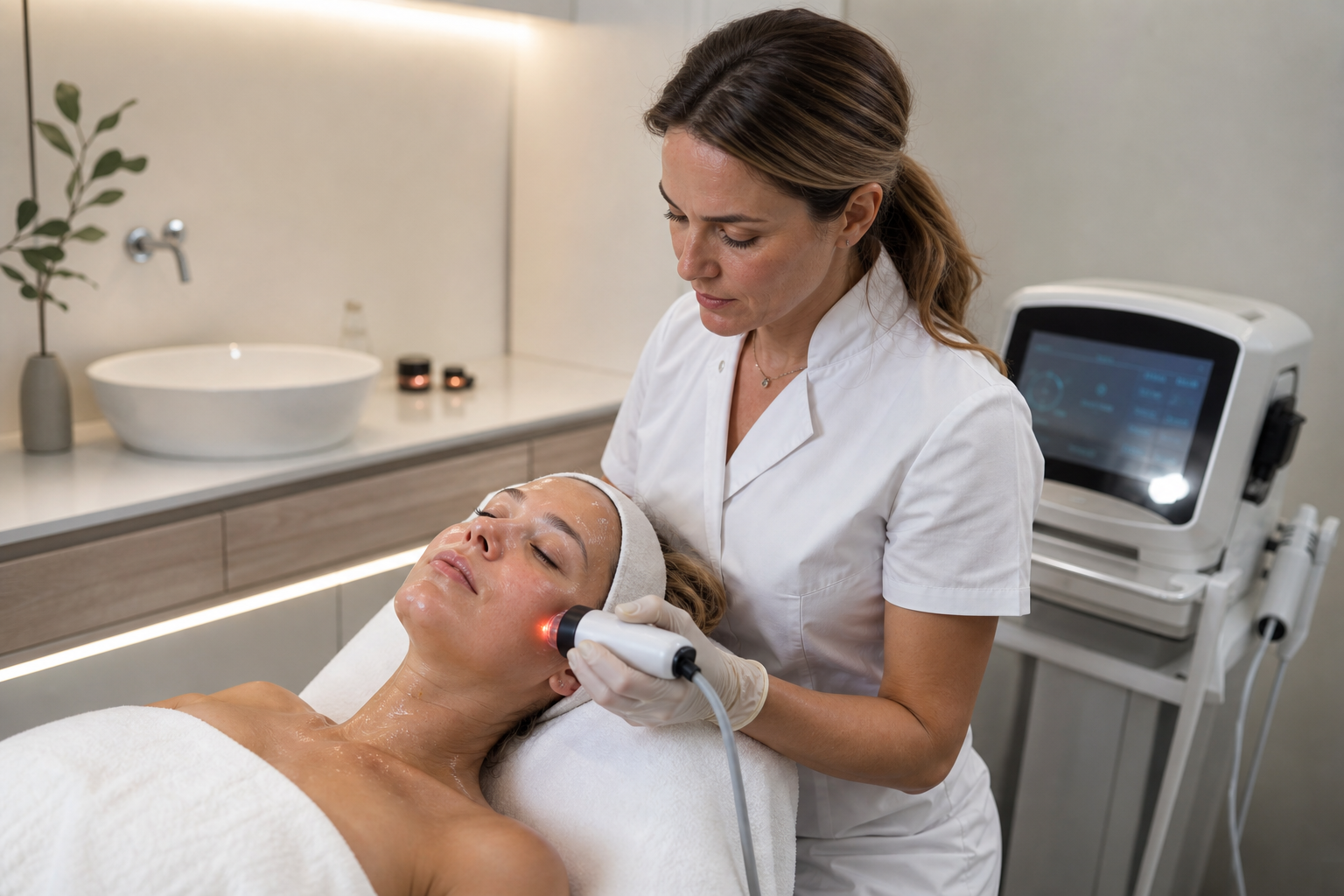
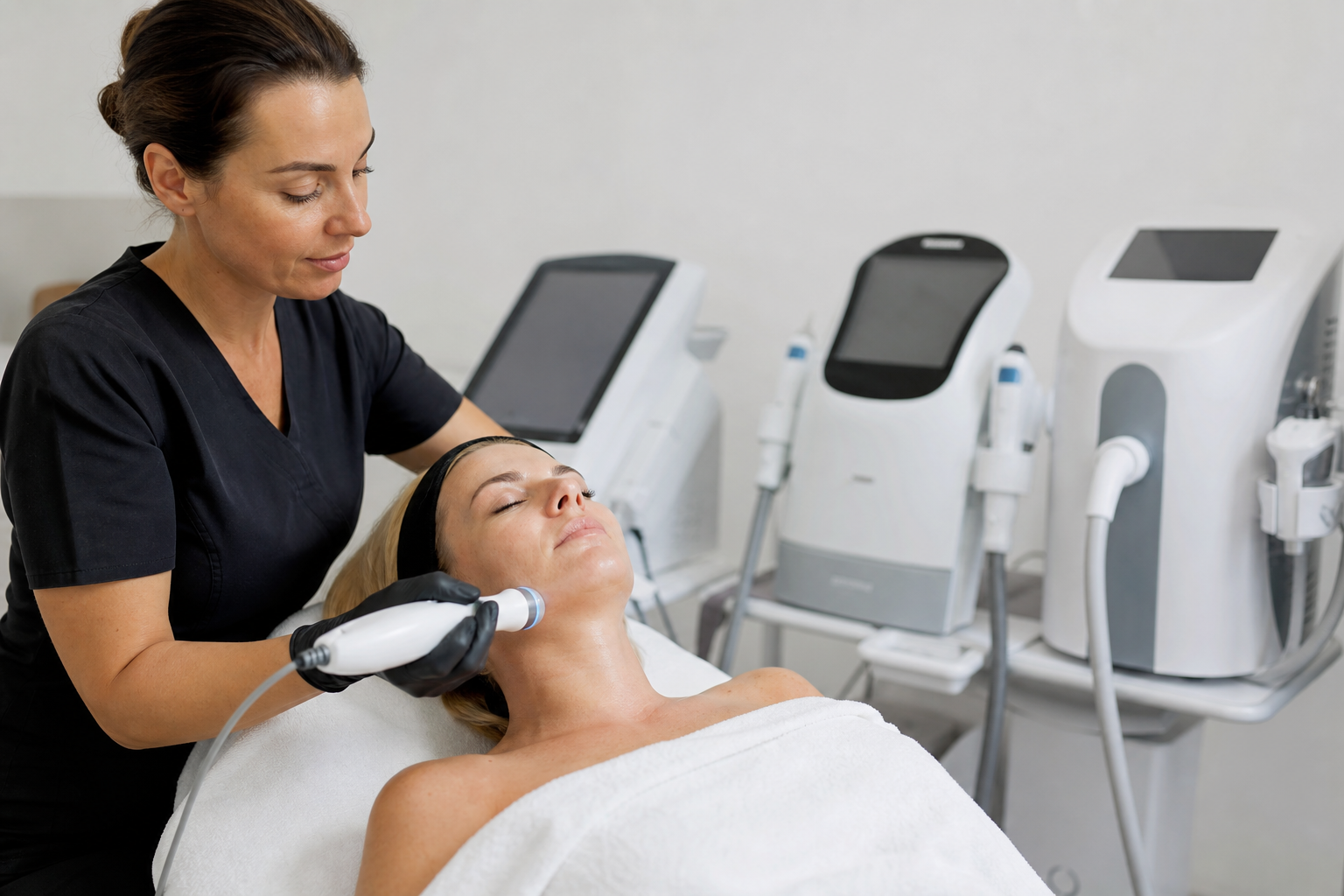
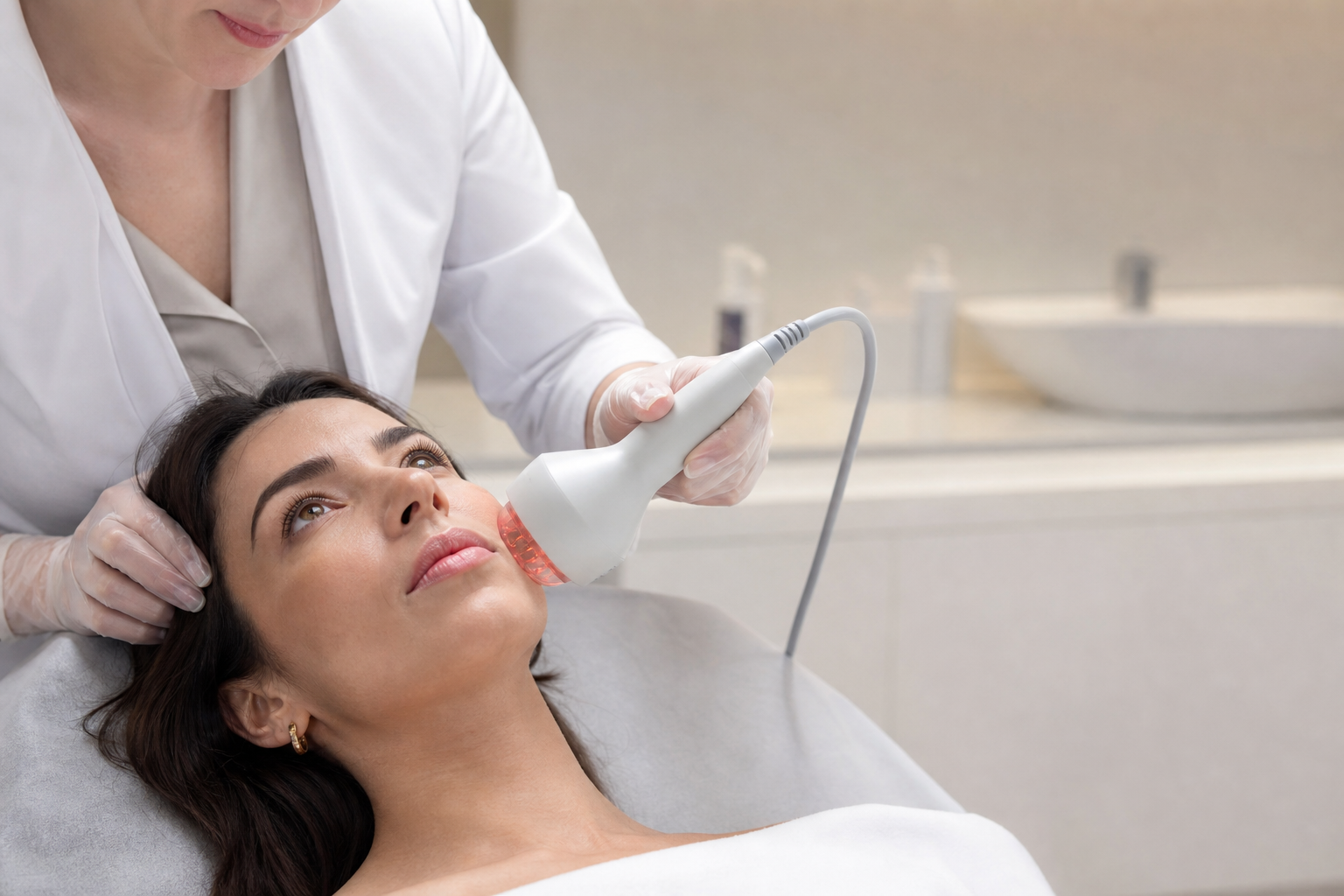
Non-invasive RF treatments use external electrodes that emit radiofrequency waves penetrating the skin to a few millimeters depth. This approach heats the dermis uniformly, stimulating collagen production without breaking the skin surface. It is comfortable, with minimal side effects such as transient redness or swelling. This method suits patients looking for subtle tightening and texture improvement with no downtime.
In contrast, fractional RF without needles employs radiofrequency energy delivered in a fractionated manner. It targets micro-areas within the dermis while sparing adjacent zones, encouraging a more intense remodeling response with lower overall tissue impact. This approach can enhance skin texture by promoting evenly distributed collagen regeneration and may be used for moderate skin damage including scars and uneven pigmentation.
Although both are non-ablative, fractional RF generally produces more noticeable improvements per session but may entail a brief recovery period due to mild skin irritation. The choice between these methods depends on patient skin condition, tolerance, and desired results.
RF Microneedling and Minimally Invasive Options
RF microneedling represents a hybrid technique combining radiofrequency energy with controlled needle penetration. Using fine needles, the device punctures the skin, delivering RF energy directly into the dermis through these micro-channels. This targeted delivery intensifies collagen stimulation and promotes neovascularization while triggering a mild wound-healing response.
Because the epidermis undergoes direct mechanical disruption, RF microneedling is classified as minimally invasive. It is effective for improving deeper wrinkles, acne scars, and other textural irregularities that superficial RF methods might not fully address. The treatment may entail some downtime with redness, swelling, and mild discomfort lasting a few days.
This option is suited to patients seeking more dramatic skin rejuvenation who accept a short recovery in exchange for longer-lasting and more profound textural improvements.
What Can Be Treated Effectively with RF Facial Lifting?
RF facial lifting offers versatile benefits for multiple skin issues. Common treatment targets include:
Mild facial skin laxity: Patients noticing early signs of jowling, loose cheeks, or sagging neck skin find RF effective for gentle contouring and tightening.
Reduction of fine lines and wrinkles: While not a replacement for deep wrinkle treatments, RF can soften fine lines by stimulating dermal remodeling.
Improvement of skin tone and texture: Uneven pigmentation, roughness, and enlarged pores respond positively to enhanced collagen and elastin regeneration.
Jawline and lower face contouring: RF treatments can refine facial contours, providing a subtle lift and definition without surgery.
Treatment of delicate areas: Specialized RF applicators address thin skin above the upper lip, around the eyes, and on the neck safely and comfortably.
How Does RF Treatment for Mild Facial Skin Laxity Compare to Surgical Alternatives?
While surgical facelifts remain the gold standard for significant skin tightening and repositioning, RF facial lifting provides a valuable non-surgical alternative for early-stage laxity. It targets the skin’s supportive structures at the cellular level to improve firmness and texture but doesn’t physically reposition underlying tissues or remove excess skin.
The advantages of RF include minimal risk, no incisions, and immediate return to usual activities. The tradeoff is a more subtle, gradual effect requiring repeat sessions and maintenance treatments to sustain results. It is an excellent option for those seeking modest rejuvenation without the downtime or potential complications of surgery.
What to Expect Before, During, and After RF Skin Treatment Sessions?
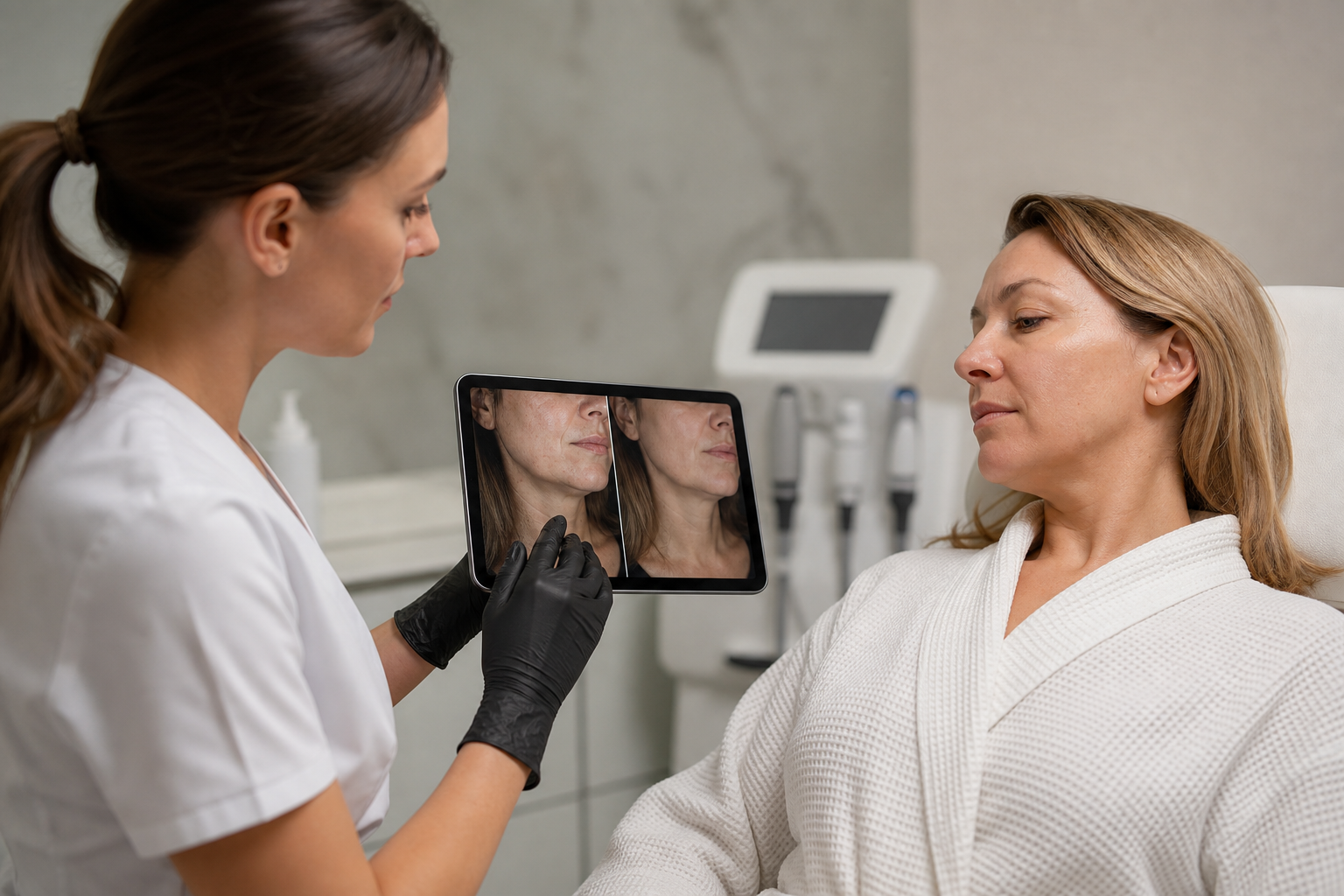
Preparation for RF treatments typically involves a consultation to assess skin condition and suitability. Avoidance of sun exposure and irritants before the procedure enhances outcome predictability.
During the treatment, patients may feel a warming sensation as radiofrequency energy is delivered through the skin. Most devices incorporate cooling mechanisms to increase comfort. Sessions generally last 30 to 60 minutes depending on the treatment area size.
Post-treatment effects include mild redness or swelling that usually resolve within hours to days. There is no need for special wound care since the skin surface remains intact. Patients can resume normal skin care routines and makeup application quickly.
Multiple sessions spaced several weeks apart are often recommended to achieve optimal results. Maintenance visits help preserve collagen stimulation and skin texture improvements long-term.
Common Questions About RF Treatments for Skin Texture Improvement
Is RF lifting painful? Most patients find RF treatments comfortable, with sensations ranging from mild warmth to slight tingling. Topical anesthetics are rarely necessary.
Are results permanent? Collagen remodeling effects last months to years but natural aging continues. Periodic maintenance treatments help sustain benefits.
Can RF be combined with other treatments? Yes, RF is often integrated into comprehensive aesthetic plans including injectables, chemical peels, or laser therapies for synergistic enhancement.
Is RF safe for all skin types? Generally, yes. Unlike lasers, RF energy is colorblind and safe for darker skin tones without risk of pigmentation changes.
How soon will I see improvements? Initial tightening may be perceptible soon after treatment, but optimal texture enhancements develop over several weeks.