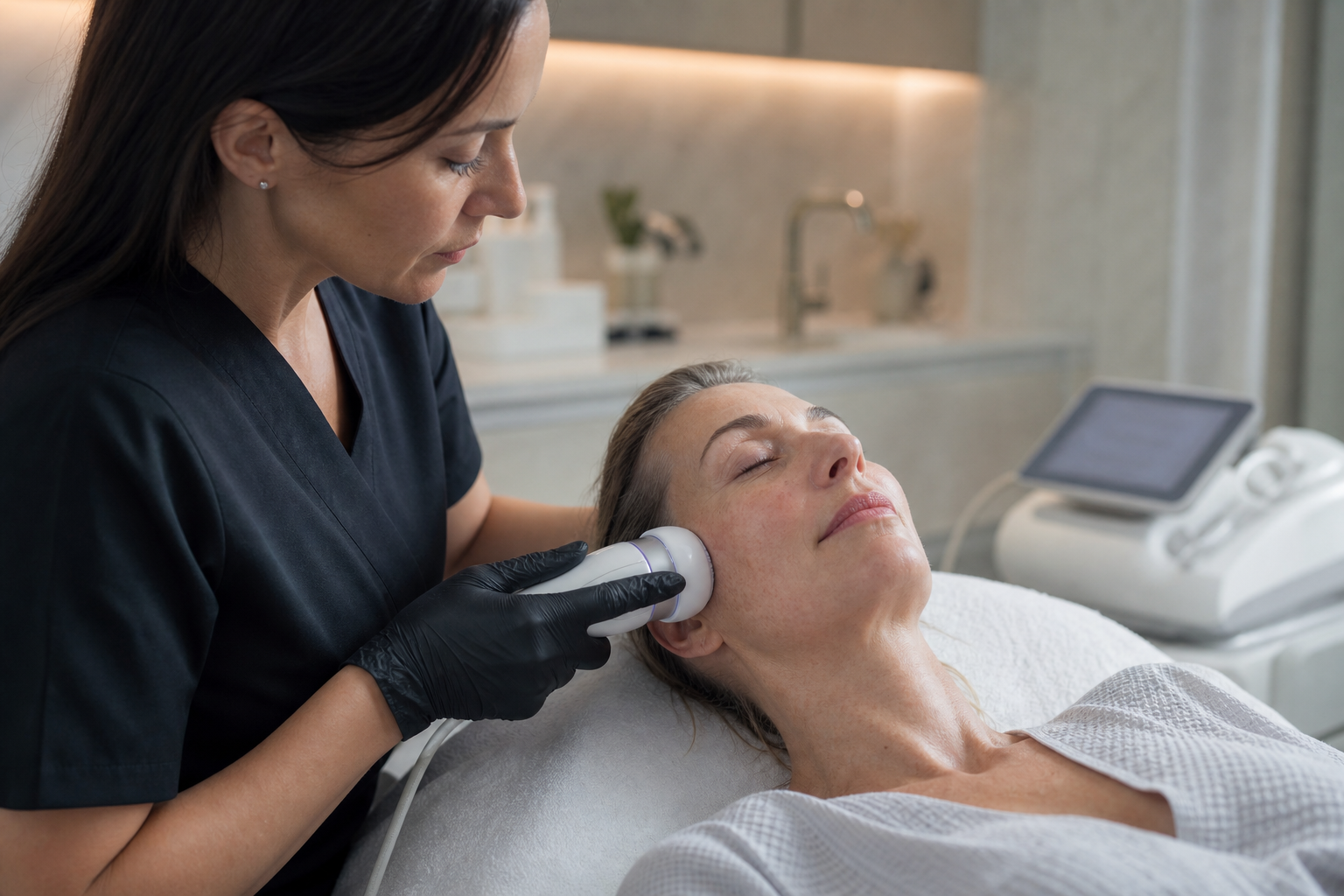
In the evolving landscape of aesthetic medicine, radiofrequency (RF) lifting has emerged as a prominent non-invasive technique designed to tighten skin and rejuvenate the facial appearance. Unlike surgical facelifts, RF lifting harnesses controlled radiofrequency energy to stimulate collagen and elastin production, key proteins responsible for the skin's firmness and elasticity. This treatment appeals to a broad audience—from those beginning to experience mild skin laxity to individuals seeking to delay or avoid surgical intervention.
Understanding when results from RF facial lifting are temporary and when they manifest gradually is essential for patients and practitioners alike. This insight ensures realistic expectations and better treatment planning, ultimately leading to more satisfactory outcomes. Given the diversity of RF treatment modalities and patient-specific factors, discerning the timeline and durability of results becomes a crucial part of the decision-making process.
This article delves deeply into the nature of RF lifting results, elucidating the difference between immediate, yet temporary effects and the slower, enduring improvements achieved through collagen remodeling. We explore how different RF technologies influence outcomes, which patient profiles are best suited for various approaches, and how to maintain improvements over time. With this comprehensive view, readers will gain confidence in navigating their options within RF skin tightening protocols.
What Is Radiofrequency Lifting and How Does It Work?
Radiofrequency lifting refers to a collection of treatment methods that utilize radiofrequency energy to generate heat within the deeper layers of the skin. This controlled thermal stimulation activates fibroblasts—the skin’s collagen-producing cells—prompting them to synthesize new collagen and elastin fibers. These proteins are foundational for maintaining skin structure, hydration, and elasticity.
The energy penetrates the dermis without causing significant damage to the superficial epidermal layer, resulting in a safe and effective means of inducing skin tightening and rejuvenation without incisions or prolonged downtime. The fundamental concept hinges on thermal collagen contraction, which immediately tightens skin fibers, followed by a biological process of tissue remodeling that enhances skin quality over time.
There are several variants of RF lifting designed to address different concerns and skin types:
Noninvasive RF: This technique involves the application of RF energy via external electrodes or applicators. It is typically painless, requires no anesthesia, and has little to no recovery period. The primary effects tend to be more superficial and thus, while visible, may be shorter-lived.
Fractional RF without needles: This modality delivers radiofrequency energy in focused microbeams to targeted zones of the skin in a fractionated pattern. By sparing adjacent tissue, it promotes enhanced skin texture and tone while minimizing downtime.
RF microneedling: Combining RF energy with microneedling, this minimally invasive approach uses fine needles to penetrate the skin and deliver radiofrequency heat directly to deeper layers. This controlled micro-injury intensifies collagen stimulation and induces a more robust healing response.
Minimal invasive procedures: These blend RF technology with other techniques that may involve superficial skin penetration or injection to improve outcomes further without resorting to surgery.
Why Are Some RF Lifting Results Temporary?
The initial tightening effect observed immediately after certain RF treatments is largely due to the heat-induced contraction of existing collagen fibers. When exposed to elevated temperatures, collagen triple helices undergo structural changes that cause them to shrink. This collagen contraction provides an instant lifting sensation as the skin appears firmer and smoother.
However, this immediate result, while gratifying, is not permanent. The contracted collagen fibers relax over days or weeks as they naturally reorganize. Unless biologic remodeling is stimulated and sustained through consecutive treatments, the skin gradually returns to its pre-treatment state.
Noninvasive RF procedures that only superficially heat the skin tend to produce these transient outcomes. Their effect depends greatly on the quality of the patient's skin and external factors such as sun exposure, smoking, and lifestyle choices that might degrade collagen.
Moreover, the duration of these temporary results varies considerably, often lasting from a few days up to several months. The lack of significant tissue regeneration means repeated sessions are necessary to maintain pleasing aesthetic results.
How Do Gradual, Long-Lasting Results Develop with Radiofrequency Treatments?
Beyond the initial collagen contraction, the true benefit of RF lifting lies in its capacity to induce neocollagenesis—the formation of new collagen—and elastogenesis over time. This biological response unfolds gradually as fibroblasts proliferate and deposit fresh collagen fibers into the dermal matrix, thereby restoring the skin’s volumetric support and resilience.
Treatments like RF microneedling and fractional RF are more adept at triggering these processes due to their deeper and more precise energy delivery. The controlled micro-injuries and thermal stress boost the skin’s natural healing mechanisms, leading to a progressive improvement in texture, tightness, and overall vibrancy.
The regeneration timeline varies but generally, notable changes in skin firmness and wrinkle reduction emerge over weeks to months post-treatment. The remodeling phase can continue for up to a year or longer, emphasizing the importance of patience and adherence to treatment schedules.
When performed as a planned series of sessions, with maintenance treatments incorporated regularly, these gradual results can endure for extended periods, significantly outlasting the ephemeral effects of superficial heating alone.
Which Factors Influence Whether RF Lifting Results Are Temporary or Gradual?
Several determinants govern the durability and nature of radiofrequency lifting outcomes, including:
Type of RF technology used: Deeper energy penetration and minimally invasive approaches generally encourage collagen remodeling, whereas superficial applications often yield fleeting tightening effects.
Skin condition and quality: Younger skin with robust collagen stores responds differently than aged or photo-damaged skin. The presence of scar tissue or skin thinning also affects the response to RF energy.
Treatment parameters: Energy intensity, session duration, and frequency influence both immediate and long-term effects. Adequately calibrated protocols tailored to individual needs promote more sustained results.
Patient lifestyle: Ultraviolet exposure, smoking, nutrition, hydration, and overall health impact collagen turnover and skin resilience, thus modulating treatment efficacy.
Post-treatment care: Adherence to skincare regimens and sun protection enhances healing and preserves improvements gained.
Practitioner expertise: Skillful application and treatment customization based on thorough skin assessment maximize outcomes and reduce the risk of suboptimal effects.
How Many RF Lifting Sessions Are Typically Needed for Lasting Results?
The number of RF lifting treatments required to achieve gradual, long-lasting results depends on the chosen method, severity of skin laxity, and patient-specific regenerative capacity. Generally, a series of four to six sessions spaced two to four weeks apart is recommended to stimulate sustained collagen production effectively.
Following the initial course, maintenance treatments every six to twelve months help preserve and enhance results over time. It is important to acknowledge that, unlike surgical interventions, RF lifting is a cumulative process that achieves natural rejuvenation through patient commitment and consistency.
Some individuals with mild concerns may see satisfactory improvements with fewer treatments, while others with advanced skin laxity might require more intensive or combined approaches to meet their goals.
What Can Patients Reasonably Expect from RF Facial Lifting?
For those considering RF facial lifting, understanding the realistic outcomes is key to satisfaction. Patients can expect a notable improvement in skin tightness, texture uniformity, and reduced fine lines. Initial sessions often provide a subtle lift through collagen contraction, enhancing confidence promptly.
Over the following weeks and months, owing to new collagen formation, the skin's tone and elasticity improve, imparting a firmer and more youthful contour. These changes tend to be natural-looking rather than dramatic, fitting those who seek gradual rejuvenation without the risks or recovery associated with surgery.
Importantly, results vary individually and are influenced by factors such as age, skin type, and prior skin care. While RF lifting effectively addresses mild to moderate signs of aging, severe skin laxity or deep wrinkles may require complementary treatments or surgical options.
Why Do RF Lifting Results Vary Among Patients?
Individual variation in outcomes stems from genetic predisposition, skin health, environmental exposures, and lifestyle habits. A patient with strong regenerative capacity, diligent skin care, and healthy living is likely to experience a more robust and lasting response than someone with significant photoaging or smoking history.
Furthermore, differences in equipment brands, practitioner skill, and adherence to treatment protocols also contribute to the variability. Ensuring treatments are performed by certified professionals with access to advanced RF technologies optimizes chances for superior results.
How Can One Maintain and Prolong RF Lifting Benefits?
To sustain the benefits of RF lifting, integrating regular maintenance sessions into a comprehensive skincare regimen is advisable. Protecting the skin from ultraviolet damage using broad-spectrum sunscreens, avoiding smoking, and maintaining hydration and balanced nutrition form cornerstone strategies.
Additional supportive measures, such as antioxidant serums and gentle exfoliation, may further enhance skin health. Collaboration with skincare professionals to customize ongoing care helps in conserving and augmenting treatment gains over time.


