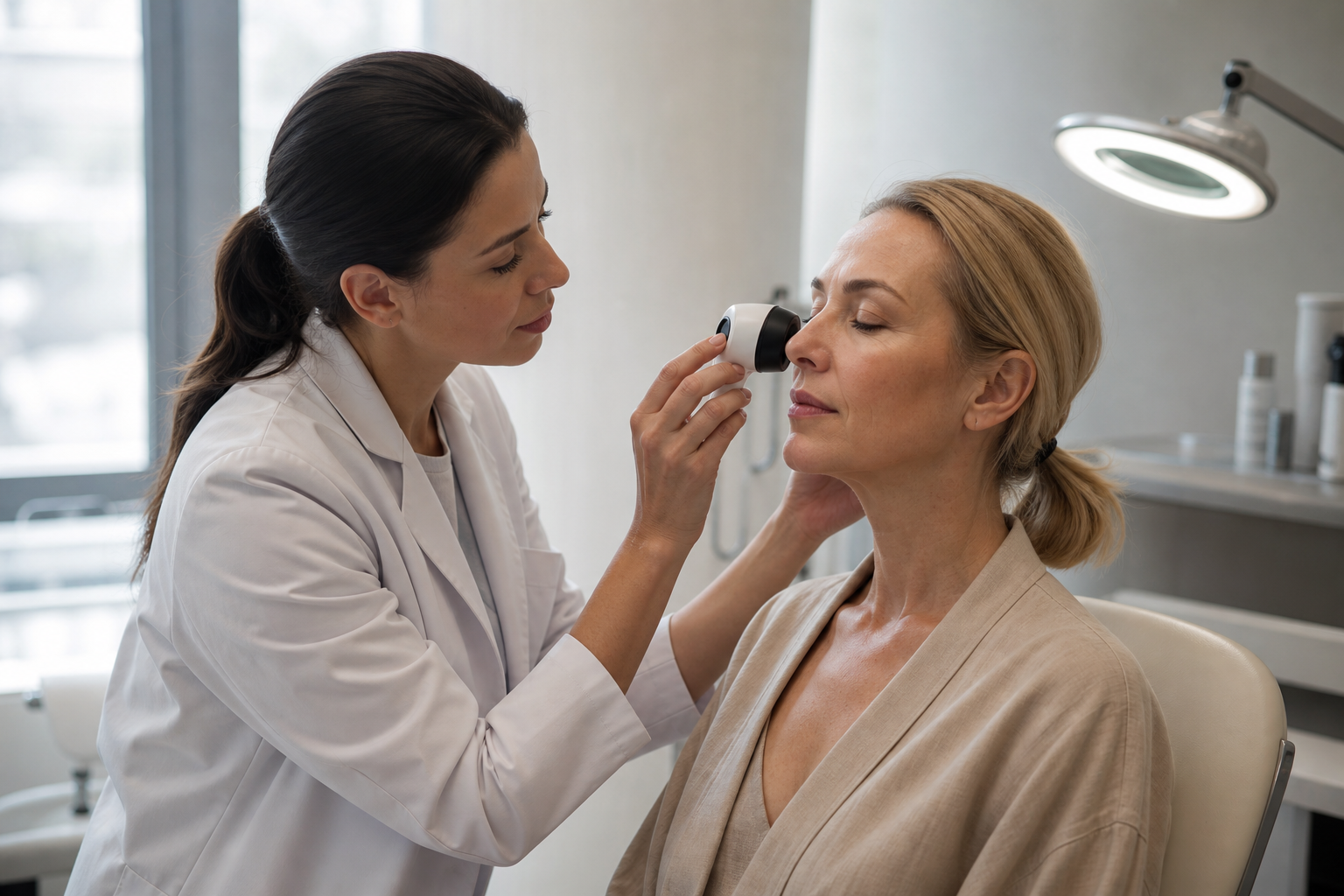
The quest for youthful, radiant skin has led many to explore advanced dermatological treatments that promise to address a wide range of concerns—from fine lines and wrinkles to pigmentation irregularities and acne scars. Among these, fractional laser therapy and chemical peels stand out as two of the most frequently employed methods in aesthetic dermatology. Both techniques aim to rejuvenate the skin and improve its texture and tone, yet they differ significantly in their mechanisms, depth of impact, recovery profiles, and suitability for different skin types and conditions.
This article is designed for individuals who are considering skin rejuvenation procedures and are weighing the benefits and limitations of fractional laser versus chemical peel treatments. Understanding how these methodologies diverge is essential for making an informed decision that aligns with one’s skin goals, lifestyle, and tolerance for downtime.
By exploring the scientific underpinnings, treatment objectives, recovery expectations, and risk factors associated with each option, we aim to provide a comprehensive, unbiased comparison. We also contextualize these options within the broader landscape of skin treatments, touching on related approaches such as IPL and RF microneedling, noting important regulatory updates like the FDA’s forthcoming 2025 warning on certain RF microneedling devices. Through this detailed exposition, readers will be better equipped to engage in meaningful consultations with qualified professionals and tailor their skin care strategies accordingly.
What is Fractional Laser Treatment and How Does It Work?
Fractional laser therapy involves the use of laser technology that targets the skin in a precise, fractional pattern. Unlike traditional lasers that may treat the entire surface of the skin, fractional lasers create microscopic columns of thermal injury—microscopic treatment zones—while leaving surrounding tissue intact. This approach stimulates the body's natural wound healing processes, triggering regeneration and the production of new collagen and elastin fibers in both the epidermis and underlying dermis.
There are two main types of fractional lasers: ablative and non-ablative. Ablative fractional lasers remove tiny portions of the skin’s surface, leading to more pronounced resurfacing effects but also a longer healing period. Non-ablative lasers heat the underlying skin tissue without vaporizing the surface, resulting in milder recovery but often requiring multiple sessions to achieve optimal results.
Fractional laser treatment is primarily indicated for addressing moderate to severe skin concerns such as acne scars, deep wrinkles, pigmentation irregularities, and skin laxity. Candidates typically have skin that has been challenged by aging, sun exposure, or previous inflammatory conditions and seek significant improvements in skin texture and firmness.
How Does a Chemical Peel Renew the Skin?
Chemical peels employ a variety of acid-based solutions applied to the skin to induce a controlled exfoliation and subsequent regeneration of the epidermis and, depending on the peel depth, portions of the dermis. This controlled chemical injury leads to shedding of damaged skin layers and reveals fresher, smoother tissue beneath.
Chemical peels are categorized by their depth of penetration: superficial, medium, and deep. Superficial peels use gentle agents such as alpha hydroxy acids (AHAs) or beta hydroxy acids (BHAs) to treat mild discoloration and refresh skin texture. Medium peels typically utilize trichloroacetic acid (TCA) at higher concentrations to reach the upper dermis, effective for moderate pigmentation issues and wrinkles. Deep peels penetrate further and may use phenol-based solutions, offering more dramatic rejuvenation but accompanied by substantially longer recovery times.
The selection of a chemical peel depends on the patient’s skin type, condition, and desired outcomes. Deep peels should be approached with caution due to higher risk of complications and require strict post-care protocols to ensure safety and efficacy.
What are the Main Differences in Treatment Goals and Suitable Indications?
While both fractional lasers and chemical peels aim to improve skin appearance, their modes of action and targeted conditions differ fundamentally. Fractional lasers are particularly adept at treating deeper skin issues—such as entrenched acne scars, significant wrinkles, and textural irregularities—thanks to their capacity to stimulate collagen remodeling at varied depths. Their precision allows practitioners to tailor treatments based on the patient’s unique skin architecture and concerns.
Conversely, chemical peels are generally more suitable for superficial to moderate skin concerns including uneven skin tone, mild scarring, superficial pigmentation, and early signs of aging. They provide a relatively uniform exfoliation that refreshes the skin’s surface and improves tone and clarity.
Patients with lighter skin types and those seeking gradual improvements with minimal downtime might lean towards chemical peels, whereas those with more pronounced or structural skin issues might consider fractional laser therapy for more significant correction. Nonetheless, treatment candidacy should always be evaluated on an individual basis considering medical history, skin type, and treatment goals.
How Do Recovery and Side Effects Compare Between Fractional Laser and Chemical Peel?
Recovery timelines and potential side effects are important considerations that influence treatment choice. Ablative fractional lasers tend to have a longer recovery period characterized by redness, swelling, and peeling that can last days to weeks, depending on the intensity of the treatment. Non-ablative fractional lasers generally have milder side effects, allowing for faster return to daily activities.
Chemical peels vary widely in recovery time correlated with their depth. Superficial peels may produce mild redness and flaking with little to no downtime, whereas medium and deep peels require skin to heal over days or even weeks, with possible crusting and significant sensitivity to sun exposure.
Both treatments carry risks such as temporary or permanent changes in pigmentation, scarring, and infection, especially if aftercare instructions are not meticulously followed. Proper patient selection and proficient technique are fundamental to minimizing these risks.
What Distinguishes Fractional Laser from IPL and RF Microneedling?
It is important to differentiate fractional lasers from other popular skin rejuvenation modalities like Intense Pulsed Light (IPL) and Radiofrequency (RF) microneedling. IPL is not a laser but a broad-spectrum light treatment targeting pigmentation and vascular irregularities mainly in surface layers of the skin. It lacks the fractional mechanism and depth control intrinsic to fractional laser therapy.
RF microneedling combines mechanical stimulation via fine needles with radiofrequency energy to induce collagen production. While beneficial for certain skin issues, RF microneedling had recently (as of FDA 2025) seen cautions due to varying device approvals and safety profiles, emphasizing the importance of patient awareness and clinician expertise.
Each modality has its place and is selected based on specific skin concerns and desired depth of treatment, highlighting that fractional laser and chemical peels are part of a broader continuum of skin rejuvenation options rather than standalone superior solutions.
Who is the Ideal Candidate for Each Treatment and How is Proper Selection Made?
Choosing between fractional laser and chemical peel depends heavily on a thorough assessment by a dermatology or aesthetic medicine professional. Factors such as skin type, the severity of skin concerns, medical history, pain tolerance, and availability for downtime must inform this decision.
Generally, patients with more pronounced textural irregularities, scarring, and deeper wrinkles may benefit from fractional laser’s robust collagen remodeling effects. Meanwhile, those with minor pigment irregularities, mild sun damage, or early signs of aging might prefer the gentler, less invasive chemical peels.
An informed consultation often includes a discussion on realistic expectations, potential risks, and the anticipated recovery trajectory to align treatment choice with patient lifestyle and preferences.
What are the Limitations and Contraindications of Each Treatment?
Both treatments impose certain limitations. Fractional laser treatment, especially ablative types, may not be suitable for darker skin tones without specialized protocols because of the risk of post-inflammatory hyperpigmentation. Additionally, individuals with active skin infections, certain autoimmune diseases, or a history of poor wound healing should avoid laser treatments.
Chemical peels, particularly medium to deep variants, are contraindicated in cases of active herpes simplex outbreaks, recent isotretinoin use, and some connective tissue disorders. The depth and aggressiveness of peeling must be carefully calibrated to avoid unwanted complications.
Post-treatment care is critical for both modalities to minimize adverse effects. This includes strict sun protection, use of soothing skincare, and adherence to any prescribed topical or oral regimens.
How Should Patients Approach Combining Treatments and What Are Emerging Trends?
Increasingly, practitioners are adopting combination approaches to capitalize on the complementary benefits of different modalities. For example, superficial peels may be used to prime the skin prior to fractional laser sessions, or lasers may be combined with RF microneedling for enhanced tissue remodeling.
Emerging techniques and improved device technologies continue to refine safety and efficacy profiles, enabling personalized skin care protocols that can better address complex skin conditions with minimized recovery. However, ongoing clinical studies and regulatory guidance, such as the FDA’s updates concerning RF microneedling devices, remain pivotal in shaping best practices.


