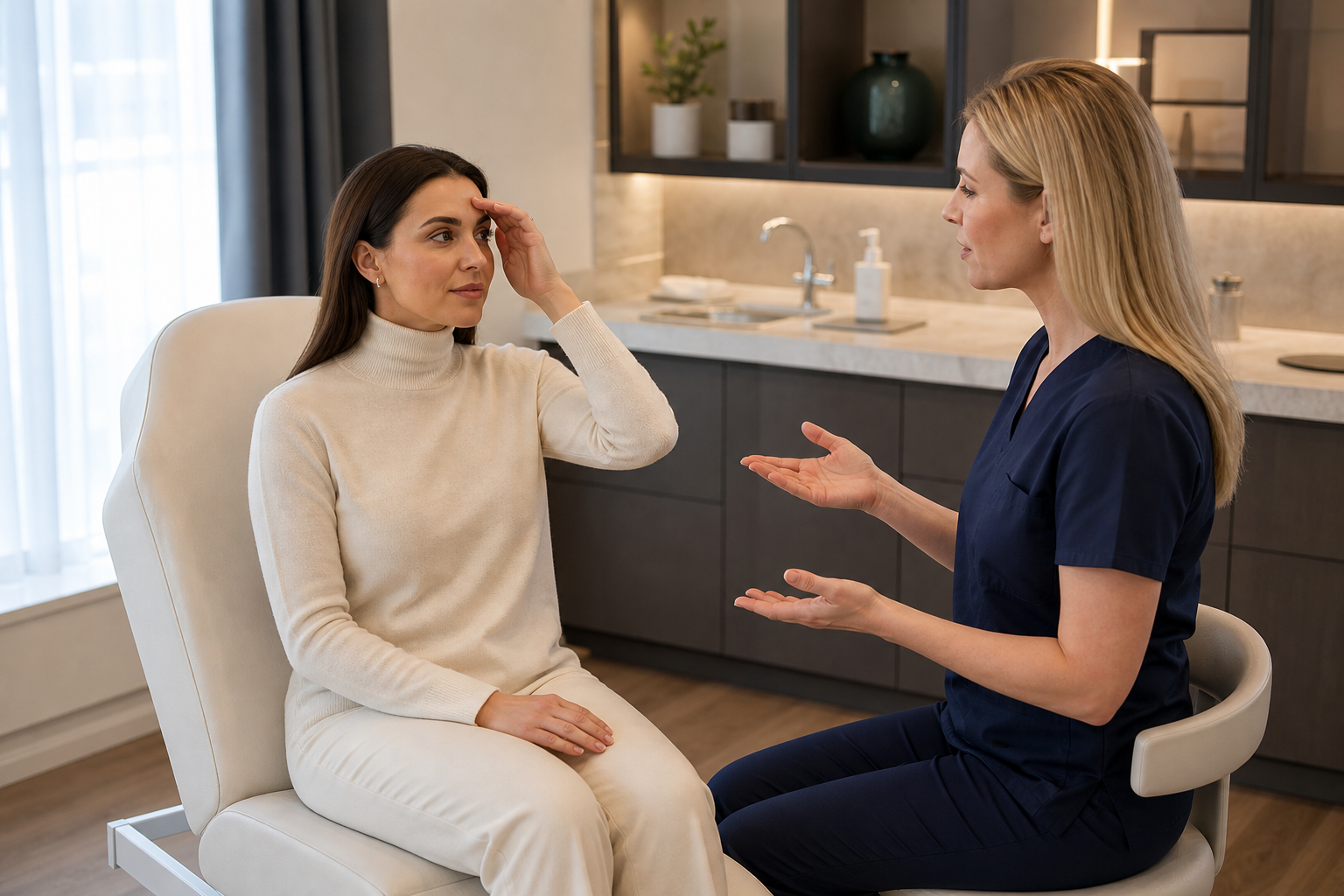
Botox has firmly established itself as a go-to treatment in the realm of cosmetic dermatology, celebrated for its ability to relax muscle activity, smooth wrinkles, and rejuvenate facial aesthetics without surgical intervention. However, the efficacy and safety of this carefully administered neurotoxin hinge not only on the skillful injection itself but also on the crucial post-treatment care and patient behavior immediately afterwards.
One common concern among patients who undergo Botox injections is what happens if they accidentally rub the treated area soon after the procedure. Given that the neurotoxin works by binding to nerve endings to inhibit muscle contractions, any disturbance of the treatment site during the critical initial hours can theoretically influence the distribution and efficacy of the product. This editorial article delves deep into this situation, providing a detailed exploration of why accidental rubbing matters, the mechanism behind Botox’s action, and, most importantly, what steps patients should take if they find themselves in this predicament.
Understanding what to do if you accidentally rub a treated area following Botox is relevant for anyone seeking smoother skin and refined features through this therapy. It offers reassurance and practical guidance to navigate post-treatment moments that might otherwise cause undue worry. Furthermore, it highlights the vital role of post-Botox care guidelines and underscores how proper communication between patients and their medical providers enhances treatment outcomes and safety.
The Biological Mechanism of Botox and Its Vulnerability to External Influences
To grasp why rubbing a treated area could alter outcomes, it is essential first to comprehend how Botox functions on a biological level. Botox is a purified form of botulinum toxin type A, a neurotoxin that blocks nerve signals to muscles. Specifically, upon injection, it binds to cholinergic nerve terminals aiming to disable the release of acetylcholine, the neurotransmitter responsible for inducing muscle contraction.
This targeted action effectively reduces dynamic wrinkles caused by repetitive muscle movement, such as frown lines and crow’s feet. After injection, Botox does not produce immediate effects; instead, it initiates a process that typically unfolds over hours to days, with full results evident within one to two weeks.
Crucially, in the initial hours following injection, the Botox molecule remains localized near the injection site before firmly binding to nerve endings. During this window, the neurotoxin is somewhat susceptible to displacement or diffusion. External factors like rubbing, massaging, or applying direct pressure can dislodge the toxin from its intended location. Such mechanical interference can inadvertently cause Botox to migrate to adjacent muscles, potentially generating uneven muscle relaxation or unintended side effects.
For instance, inadvertent spread can lead to ptosis (drooping eyelids), asymmetry, or reduced effectiveness in the targeted area. Although these complications are relatively uncommon with careful technique and adherence to aftercare, they underscore why post-treatment instructions emphasize minimizing physical contact with the treated zones.
Understanding the Critical Hours After Botox Injection
The first four to six hours post-injection represent a crucial period wherein the injected Botox molecules are in a dynamic phase of localizing and binding to nerve terminals. During these hours, the treated region is highly susceptible to external mechanical forces that can alter the distribution of the toxin.
Studies and clinical guidelines commonly recommend avoiding any form of rubbing, pressing, or massaging the injection sites during this vulnerable window. Even seemingly minor actions like resting your face on your hands, adjusting clothes over the head, or sleeping face-down can exert unintended pressure. Such behaviors might inadvertently move Botulinum toxin along tissue planes or spread it beyond the targeted muscles.
Besides physical manipulation, patients are usually advised to maintain an upright posture, refraining from lying down or bending excessively, to prevent systemic circulation that could transport the toxin away from the injection zone. Avoiding intense physical activity during this timeframe is also prudent to minimize increased blood flow and sweating, which could influence toxin migration.
For practitioners, emphasizing the importance of these post-treatment care guidelines is as crucial as the injection technique itself. Educating patients about the rationale behind these recommendations prevents misunderstanding and supports optimal results.
The Actual Impact of Accidentally Rubbing a Treated Area: Evaluating Risks and Realistic Outcomes
Accidentally rubbing a treated area after Botox injections is a situation many patients fear, often imagining catastrophic treatment failures. However, it is vital to balance concern with realistic expectations based on scientific understanding and clinical experience.
Not all rubbing will result in significant adverse outcomes. Gentle, brief contact is unlikely to displace a substantial amount of toxin to cause noticeable changes. The degree of effect depends on factors such as the force and duration of rubbing, the timing relative to the injection, and individual anatomical differences.
If rubbing occurs very shortly after Botox application and is vigorous in nature, there is an increased possibility that some of the toxin could shift, potentially diminishing the agent’s effectiveness in the intended area. This displacement may translate clinically into partial loss of wrinkle smoothing or mild asymmetry due to unintended relaxation of neighboring muscles.
Importantly, such unintended effects are typically temporary. Because Botox naturally wears off over several months, any irregularities in muscle activity caused by migration generally resolve with time or can be addressed with follow-up treatment or corrective interventions.
Recognizing When Professional Help is Needed After Unintended Rubbing
While not all instances of rubbing necessitate medical consultation, it is wise to seek professional advice when unexpected symptoms develop. Indications to promptly contact your treating practitioner include:
Asymmetry in facial movement – noticeable unevenness in eyebrow height, eyelid positioning, or smile;
Ptosis or drooping eyelids – a classic complication resulting from toxin spread;
Muscle weakness or discomfort beyond the expected mild soreness near injection sites;
Any unusual swelling, redness, or signs of infection.
Consultation allows the specialist to assess whether Botox has migrated or if other issues are present. Interventions may range from simple observation and reassurance to administering additional injections to restore balance or recommending time for the toxin to wear off before retreatment.
Open communication ensures timely management, limiting the duration of undesirable effects and maintaining patient confidence.
Essential Post-Botox Care Practices to Minimize Risks and Protect Outcomes
Integral to safeguarding Botox results is adherence to post-treatment care instructions. Patients play a pivotal role in preserving the precise placement and action of the neurotoxin by following these guidelines:
Abstain from touching, rubbing, or massaging: Avoid any manipulation of the treated areas for at least 4 to 6 hours, preferably extending to 24 hours to be safe.
Maintain an upright posture: Keep the head elevated and avoid lying face down within the initial hours after treatment.
Avoid strenuous exercise: Refrain from intense physical activity on the day of injection to reduce blood flow spikes.
Limit heat exposure: Stay away from saunas, hot tubs, prolonged sun exposure, or other heat sources for 24-48 hours, as elevated temperature can affect Botox diffusion.
Gentle skincare: Cleanse the face softly without applying pressure or friction, and apply makeup delicately if desired.
By committing to these simple yet impactful practices, patients help maintain the neurotoxin’s ideal localization and potency, ensuring smooth, symmetric, and lasting results from their Botox treatment.
The Importance of Patient Education and Quality Communication in Preventing Complications
Patient education is a cornerstone of successful Botox therapy. Ensuring that individuals fully understand how Botox works, the timeline of its effects, and the specific behavioral recommendations after injection empowers them to actively safeguard their outcomes.
Treating professionals bear the responsibility of providing clear, thorough, and individualized instructions, highlighting the rationale behind each post-care suggestion. Open dialogue encourages patients to share their concerns and curiosities, thereby reducing anxiety and fostering adherence.
Moreover, addressing topics such as "What to do if you accidentally rub a treated area" prior to treatment sets expectations and prepares patients for unintentional mishaps. This proactive approach mitigates panic and supports prompt, rational responses that minimize potential impact.
Trustful relationships between patients and clinicians cultivate a collaborative care environment where follow-up questions and reporting of side effects occur comfortably, contributing to enhanced treatment safety and satisfaction.
Tailored Aftercare: Recognizing Individual Patient Needs Post-Botox
Not all patients are alike in their physiology or lifestyle, and as such, post-Botox care must be personalized. Active individuals, people with sensitive skin, or those with prior Botox experience may require customized advice tailored to their unique circumstances.
For example, a patient who regularly engages in fitness routines might receive specific guidance on the timing of workouts after treatment to balance maintaining activity and protecting the injection sites. Conversely, individuals prone to bruising or swelling might be advised on gentle skin care protocols or cold compress techniques.
This individualized approach increases the likelihood of compliance and optimal outcomes. Even if accidental rubbing occurs, patients with a tailored plan or clear instructions from their specialist are better equipped to respond appropriately and reduce adverse effects.
Duration of Botox Effects and the Role of Aftercare in Sustaining Results
Typically, the aesthetic improvements from Botox last between three and six months. The duration is influenced by the dosage, treated muscles, individual metabolism, and the quality of post-injection care.
Proper adherence to aftercare protocols helps maximize the longevity of Botox’s benefits by minimizing early toxin displacement and unintended diffusion. Conversely, neglecting recommendations—such as engaging in rubbing or exposure to heat—may shorten the effective period, leading to the need for more frequent touch-ups.
Patients who embrace the full spectrum of post-treatment care often enjoy more consistent, balanced, and predictable results, reducing overall treatment burden and cost over time.


