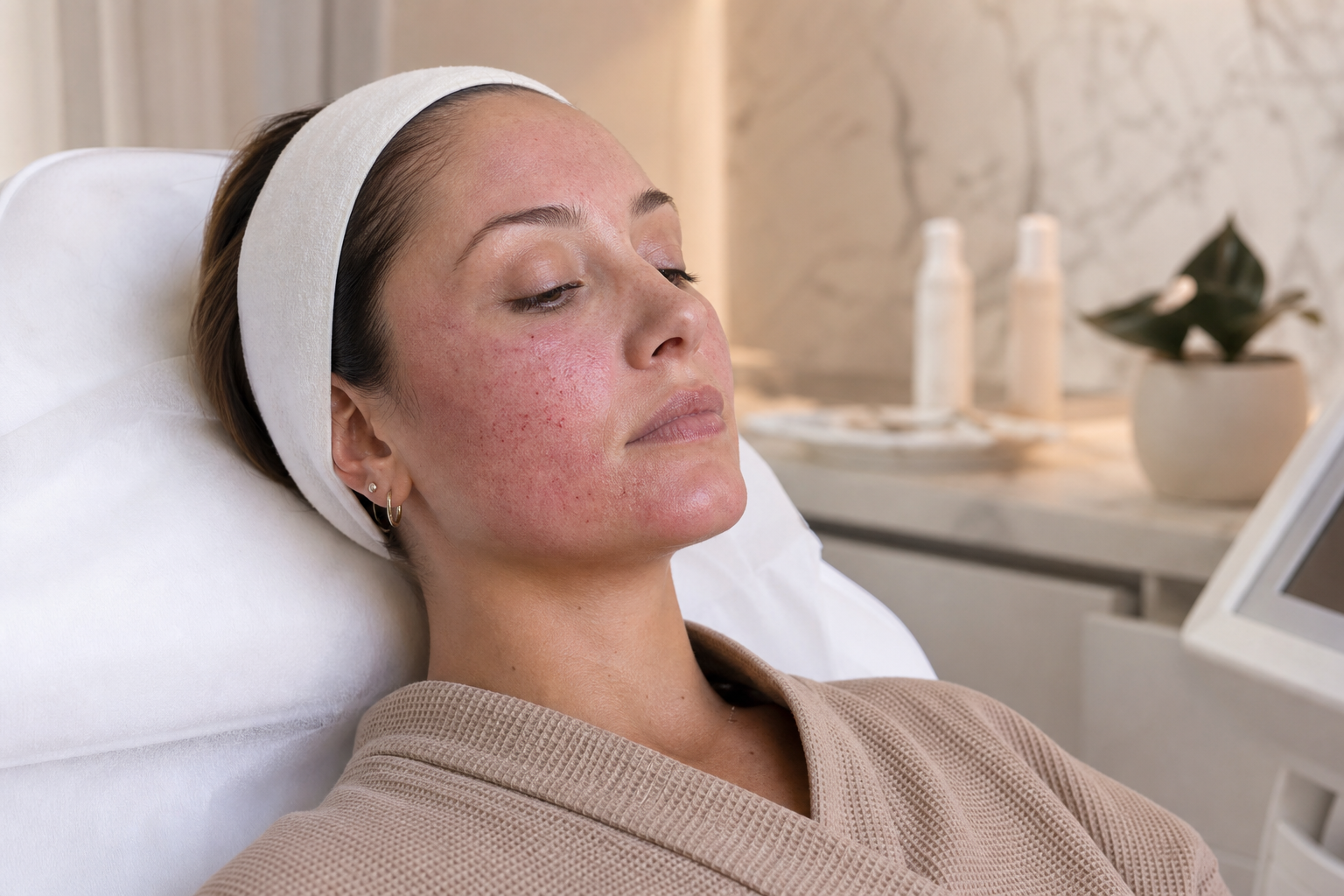
When considering a laser treatment or other advanced dermatological procedures aimed at improving skin appearance, one critical question that many patients ask is: what does skin look like immediately after treatment? Understanding the immediate post-treatment condition of the skin is essential, not only for setting realistic expectations but also for ensuring proper care and recovery. This topic is especially relevant for individuals exploring options for pigmentation removal, skin rejuvenation, or vascular treatments conducted through laser technology.
Post-treatment skin appearance varies significantly based on the type of procedure, the technology used, the patient's unique skin characteristics—including phototype—and the guidance provided by the treating clinician. This article aims to explain, in a practical and medically responsible manner, what changes to expect right after treatment, the rationale behind these changes, and how they fit into the broader treatment and recovery process.
For those who are preparing to undergo a laser procedure or have already committed to one, comprehending the immediate post-treatment phase is invaluable. Not only does it reduce anxiety, but it also empowers patients to follow necessary aftercare protocols diligently, ultimately contributing to achieving the desired outcomes with minimized complications.
What Are the Typical Immediate Effects on Skin After Laser Treatment?
The immediate aftermath of a laser treatment can differ widely depending on the type of procedure and the parameters used. Generally speaking, most patients can expect some degree of redness, mild swelling, and a sensation ranging from warmth to slight discomfort or tingling on the treated areas. These manifestations are part of the skin’s natural inflammatory response to the laser’s controlled energy targeting specific skin layers or pigments.
In treatments targeting pigmentation—such as the removal of sun spots, melasma, or other discolorations—a common immediate visual change is the temporary darkening of pigment spots. This darkening often alarms patients, but it is an expected and temporary phenomenon known as pigment oxidation. It signifies that the laser has effectively targeted the pigment, which will later shed or break down naturally.
Surface texture may also transiently change. For instance, patients might observe tightness or dryness, or subtle scaling, especially if the top layers of the skin (epidermis) were involved in the procedure. These signs generally resolve within a few days, highlighting the ongoing regenerative process.
More intense laser treatments or those performed on sensitive skin types can produce prolonged redness or swelling; however, such effects typically subside within a week. It's important to remember that more aggressive treatments often require longer recovery periods and specialized aftercare.
How Do Individual Factors Influence Skin’s Appearance Post-Treatment?
Understanding that no two treatments are identical is crucial for anticipating post-procedural skin appearance. Several variables affect how skin looks immediately after laser procedures:
Type of Laser Treatment: For example, fractional lasers used for skin rejuvenation differ from pigment-targeting lasers in their mechanism and the skin’s immediate reaction. Fractional treatment may cause pinpoint bleeding or more pronounced redness, while pigment lasers focus energy on melanin and show immediate darkening of spots.
Skin Phototype: The Fitzpatrick skin classification system, which categorizes skin by its reaction to sun exposure, plays an essential role. Darker skin types often exhibit more noticeable post-treatment pigmentation changes and require careful treatment calibration to minimize risks such as post-inflammatory hyperpigmentation.
Laser Parameters and Device: The wavelength, pulse duration, fluence (energy level), and cooling mechanisms of the laser device also influence the extent and nature of skin’s response. Advanced devices with built-in cooling reduce discomfort and limit collateral damage, often resulting in milder immediate skin changes.
Clinician’s Expertise and Protocol Adherence: A skilled dermatologist or technician tailors treatments based on individual assessments, minimizing excessive trauma to surrounding tissues and thereby moderating immediate skin reactions.
What Is the Role of Skin Preparation in Minimizing Post-Treatment Effects?
Preparation before undergoing laser treatment significantly influences the skin’s immediate response and overall recovery. Proper pre-treatment care consists of avoiding sun exposure and tanning beds for at least two weeks prior, ceasing the use of irritating skincare products such as retinoids or acids, and following any prescribed pre-treatment regimen to strengthen the skin’s resilience.
Some protocols may include applying topical agents that help reduce inflammation or decrease melanin synthesis, thereby reducing the risk of adverse pigmentary changes after laser exposure. Thorough evaluation during the pre-treatment consultation allows clinicians to develop a preparation plan aligned with the patient’s skin condition and natural photoprotection mechanisms.
What Happens During the Laser Procedure and How Does This Impact Immediate Skin Appearance?
Laser treatments involve the emission of specific wavelengths of light that penetrate the skin and interact with their target chromophore—such as melanin in pigmentation or oxyhemoglobin in vascular lesions—without extensive damage to nearby tissue. The targeted energy causes controlled damage or stimulation depending on treatment goals.
During the session, patients usually feel sensations akin to snapping rubber bands or mild heat. Modern systems are often equipped with cooling technology to alleviate discomfort and reduce thermal injury to the epidermis. The clinician precisely calibrates the laser's intensity and pulse frequency to balance efficacy and safety.
Immediately post-procedure, the treated skin may show visible redness and edema due to localized microtrauma. Occasionally, tiny crusts or a slight weeping sensation may occur, marking the active phase of tissue repair and melanin removal. These changes are temporary and signal the commencement of healing.
What Is the Typical Recovery Experience in the Days Following Treatment?
Recovery varies with treatment intensity and individual skin characteristics. Initially, patients can expect redness and mild swelling that gradually diminish within hours to a few days. Skin might feel sensitive, dry, or tight. If pigment darkening occurred, it may worsen slightly before fading over subsequent days.
It's critical during this stage to adhere strictly to post-treatment care instructions: avoiding sun exposure, applying gentle moisturizers, and using broad-spectrum sunscreens with SPF 30 or higher. Patients should refrain from abrasive scrubs, harsh makeup, or skincare ingredients that could irritate healing skin until fully recovered.
Depending on treatment specifics, complete resolution of visible changes may take from several days up to two weeks. Some procedures necessitate a series of sessions spaced weeks apart, with cumulative improvements observed progressively.
Why Is Photoprotection Indispensable After Laser Skin Treatments?
Following laser intervention, new skin layers are especially vulnerable to ultraviolet (UV) radiation. Sun exposure without adequate photoprotection can provoke complications such as exacerbated redness, prolonged inflammation, or evaluation-altering pigmentary changes known as post-inflammatory hyperpigmentation.
Applying broad-spectrum sunscreen and physical barriers like hats or protective clothing constitutes a non-negotiable element of post-laser care. These measures help secure the investment made in treatment by preserving skin integrity and consolidating results. The habit of daily photoprotection ideally extends beyond the immediate recovery period to ensure long-term skin health.
How Can Patients Maintain and Enhance the Benefits of Laser Treatments Over Time?
Long-term results hinge not only on the technical success of the laser procedure but also on sustained care principles. Maintenance may involve periods of topical agents that support skin repair and pigment control, routine dermatological evaluations, and possibly follow-up laser sessions tailored to the skin's evolving needs.
Healthy lifestyle choices including balanced nutrition, smoking cessation, and stress management further contribute to optimized skin condition, extending and enhancing treatment outcomes. Patients should work collaboratively with their clinicians to customize a post-treatment regimen that adapts to their unique skin characteristics and environmental exposures.
Why Is Individualized Treatment Protocol Essential for Optimal Results and Safe Recovery?
Each patient’s skin responds differently to laser energy based on complex factors including genetics, environment, and skin health history. As a consequence, a one-size-fits-all approach frequently leads to suboptimal results or avoidable side effects.
Clinicians evaluate the target concern along with patient skin type, medical background, lifestyle, and expectations to develop a tailored protocol. This includes choosing the appropriate laser type and parameters, mapping treatment zones, determining session frequency, and planning pre- and post-treatment strategies.
Such personalization minimizes the expenditure of unnecessary energy exposure, preventing adverse reactions while maximizing efficacy. It also respects patient safety by accounting for sensitivities and potential contraindications, reinforcing a responsible therapeutic practice.


