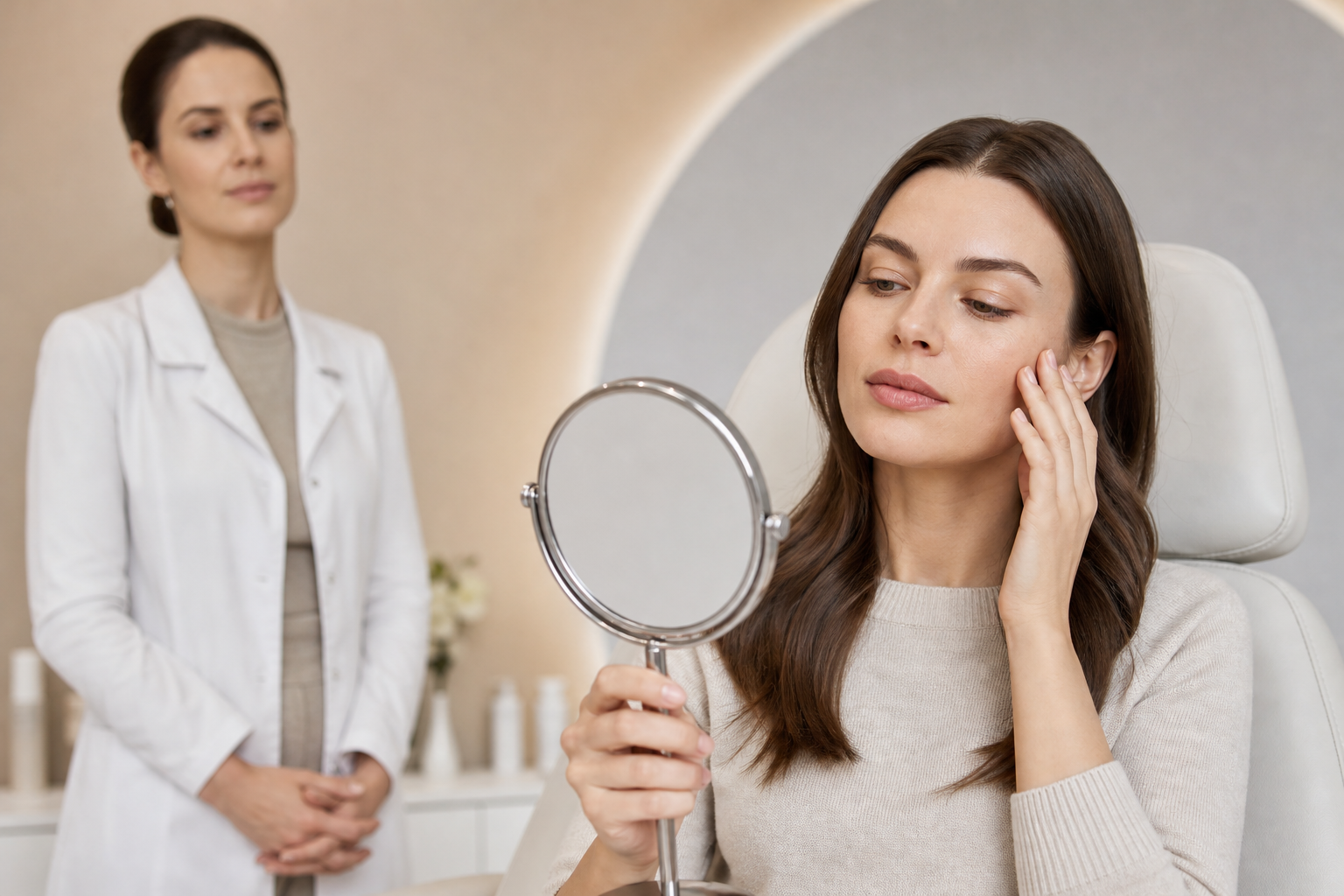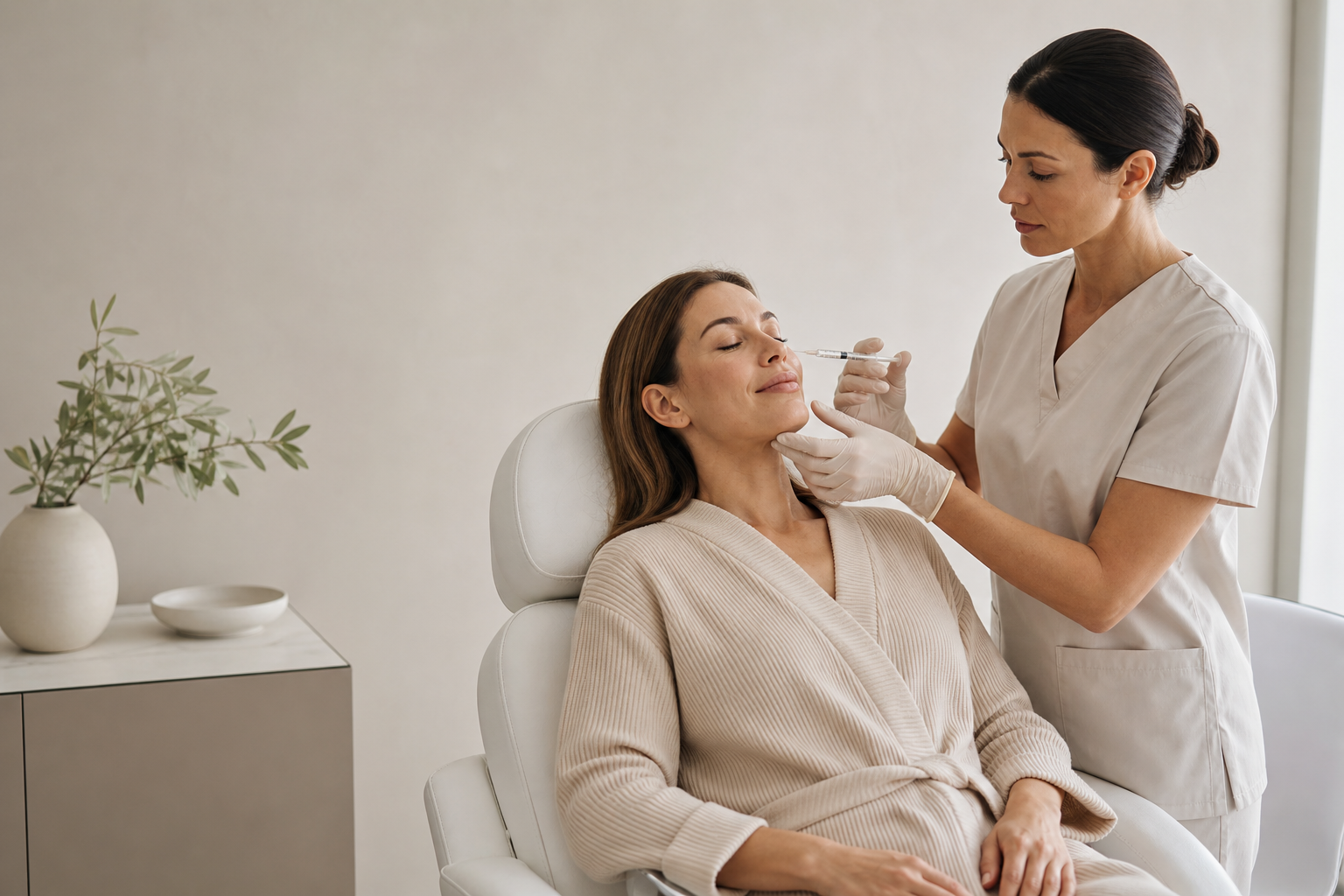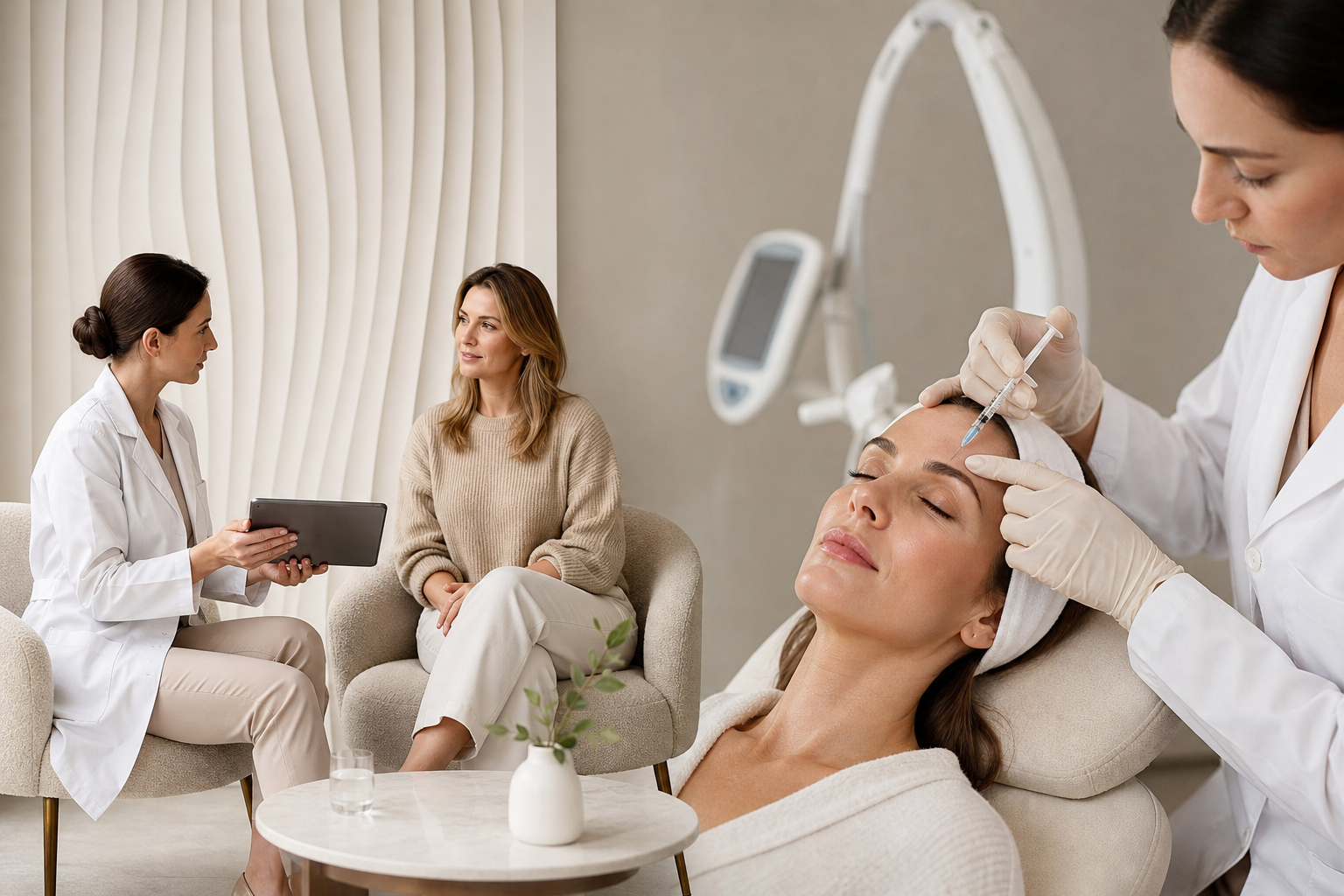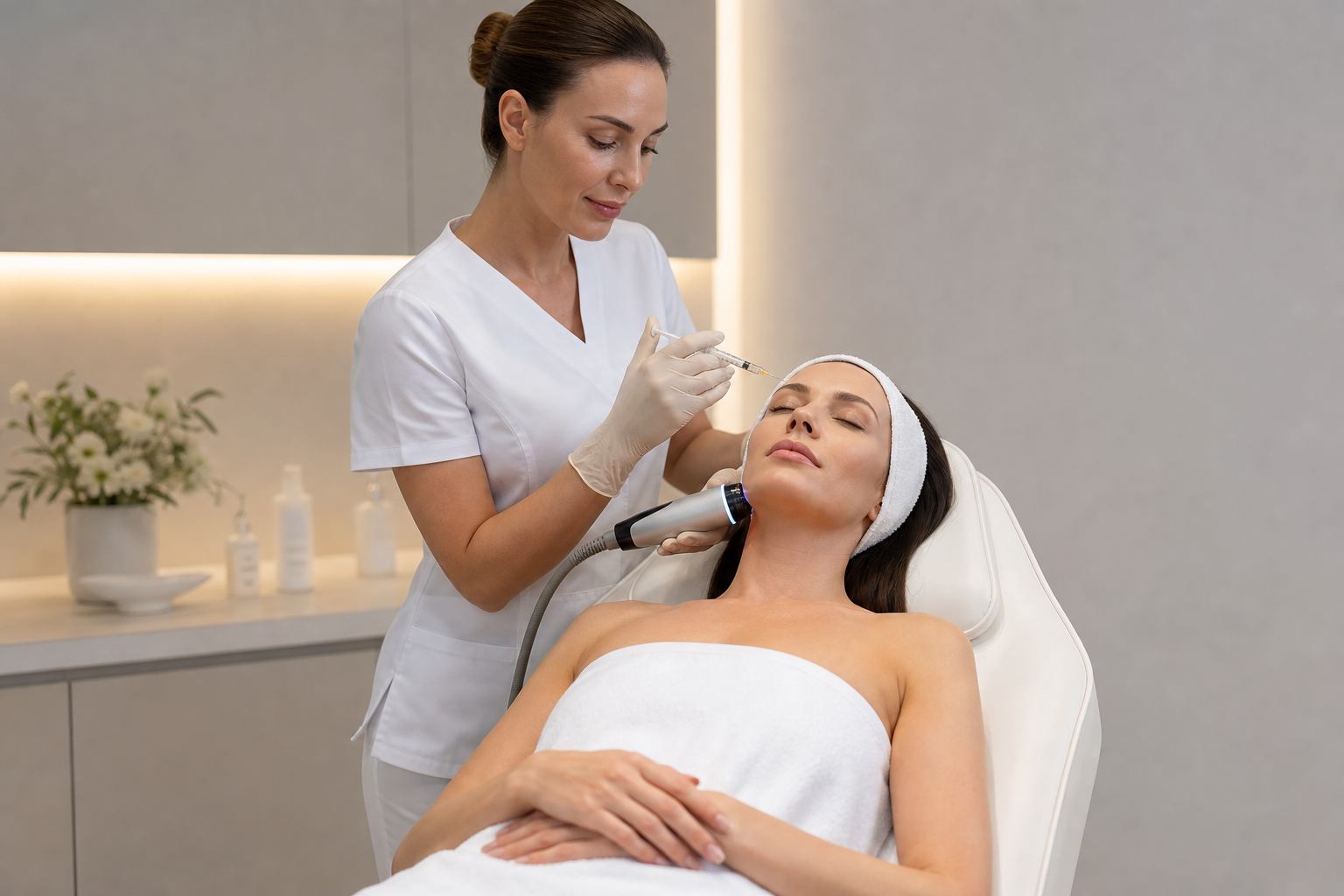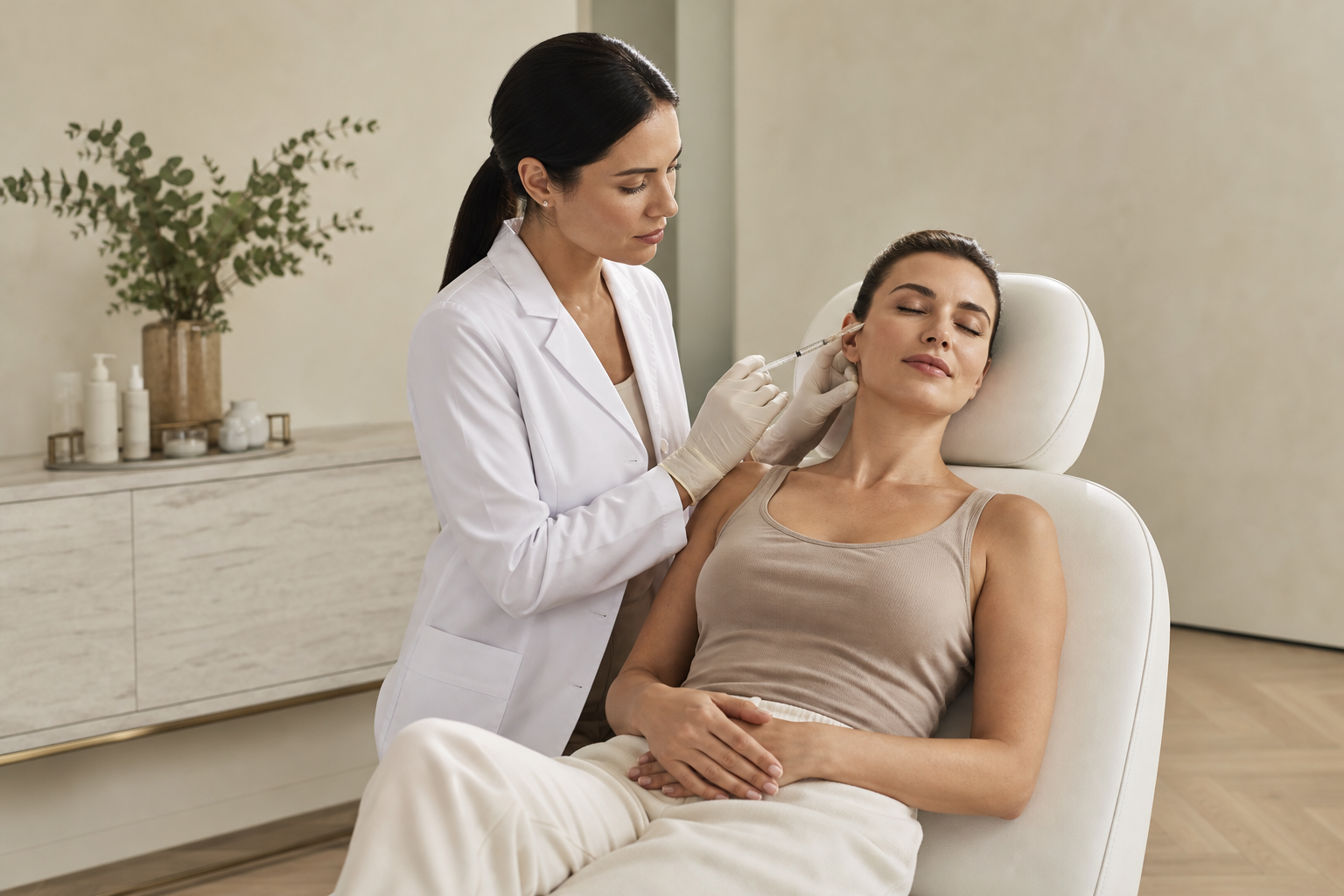
In the contemporary world of aesthetic medicine, Botox and other aesthetic treatments have become foundational tools for those seeking to preserve a youthful appearance and enhance self-confidence. With an increasing number of individuals turning to these non-surgical interventions, the focus extends beyond mere wrinkle reduction to encompass facial contouring, skin revitalization, and the restoration of vitality and freshness. This editorial aims to provide a comprehensive exploration of Botox and its related aesthetic procedures, offering clarity about their diverse roles, expected outcomes, and safety considerations for prospective patients.
Botox, along with dermal fillers and other innovative skin treatments, constitutes a broad spectrum of options that cater to the distinct needs of different skin types and aging concerns. Individuals contemplating such treatments often grapple with understanding the differences between these methods, their mechanisms of action, and how best to integrate them for optimal results. In this detailed narrative, we delve into these therapies, examining their principles, indications, benefits, and limitations, so readers can make informed and thoughtful decisions about enhancing their natural beauty.
This treatise is especially relevant for adults interested in cosmetic procedures that offer subtle yet effective transformations without surgical invasiveness. Whether one seeks to diminish expression lines, replenish lost facial volume, or stimulate the skin’s intrinsic regenerative capacities, Botox and its synergistic treatments present versatile solutions. Patient education on real-world expectations and individualized assessment remains paramount, as aesthetic medicine blends art with science to achieve harmony and balance.
The Role of Botox in Non-Surgical Wrinkle Correction
Botox, a purified neurotoxin derived from Clostridium botulinum, stands as one of the most recognized and widely utilized injectable agents in aesthetic medicine. Its primary function is to modulate muscle activity beneath the skin by temporarily inhibiting nerve signals that prompt contraction. This effect translates into the relaxation of muscles responsible for dynamic facial wrinkles—those lines that emerge with expression and movement.
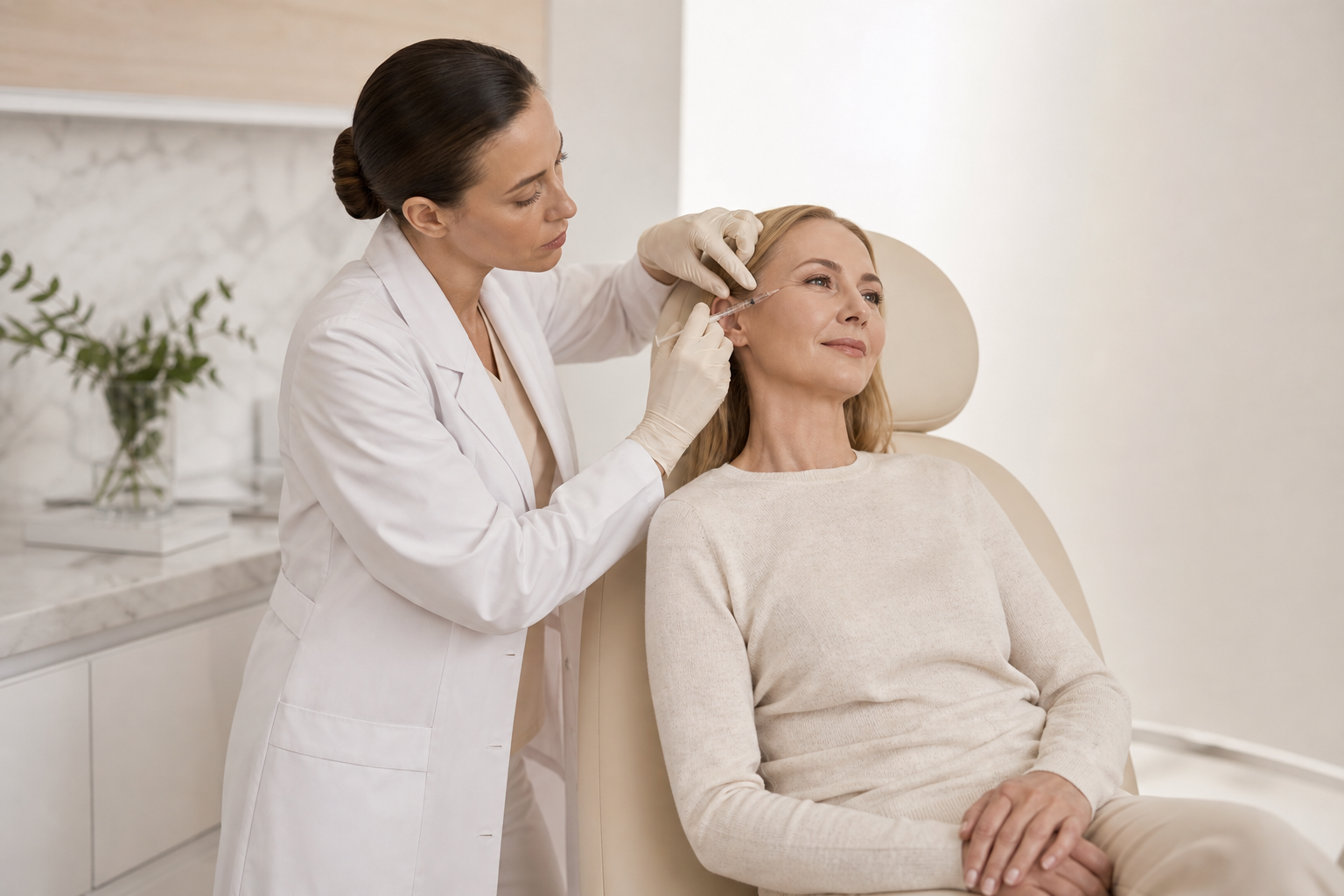
Typical treatment areas for Botox include the forehead, glabellar region between the eyebrows, and the periorbital area, commonly known as crow’s feet. Through judicious injection into targeted muscles, Botox smooths these lines, imparting a softer, refreshed appearance. It is important to note that the visible effects of Botox are not immediate; patients generally observe changes within three to seven days post-treatment, with maximal improvement at two weeks.
The duration of Botox’s impact varies, influenced by factors such as individual metabolism, treatment area, dosage, and skin care routine, typically lasting three to six months. While Botox excels in managing dynamic wrinkles, it is less effective on static lines—those present even when the face is at rest. Therefore, combining Botox with other modalities often yields a more complete facial rejuvenation.
Hyaluronic Acid Fillers: Restoring Volume and Defining Contours
Unlike Botox, hyaluronic acid (HA) dermal fillers work by augmenting the skin's structure and volume rather than altering muscle activity. HA is a naturally occurring molecule pivotal for skin hydration and turgor, responsible for maintaining youthful plumpness. Over time, a reduction in HA leads to loss of volume, deeper folds, and sagging contours.
Injectable HA fillers serve to replenish this deficit, filling wrinkles and folds such as nasolabial lines, enhancing mid-face volume, lifting cheeks, refining the jawline, and even reshaping features like the nose or chin. Immediate visual improvement is a hallmark of this treatment, with effects lasting from six months up to a year, depending on the product formulation and area treated.
Importantly, hyaluronic acid fillers do not impede muscle movement, which allows them to complement Botox treatments effectively. When used in tandem, Botox provides wrinkle softening by muscle relaxation, while fillers restore volume and sculpt facial features, offering a more harmonious and natural rejuvenation.
Advanced Skin Revitalization: The Emerging Significance of Skin Boosters and Collagen Biostimulators
Beyond wrinkle management and volume restoration, the quest for younger-looking skin extends to enhancing skin quality from within. Skin boosters and collagen biostimulators represent a newer class of treatments that aim to improve skin hydration, elasticity, and firmness through biomechanical and biochemical pathways.
Skin boosters deliver ultra-pure hyaluronic acid compounds, often of low molecular weight, deep into the dermis. This targeted hydration improves skin texture, luminosity, and subtle fine lines without altering facial volume or muscle movement. The effects accumulate gradually over a course of sessions and can complement other aesthetic procedures.
Collagen biostimulators stimulate the body's fibroblast cells to produce new collagen and elastin fibers—the structural proteins responsible for skin strength and suppleness. Unlike fillers, which mechanically add volume, biostimulators initiate natural regenerative processes, leading to tighter and more resilient skin over several months. Treatments incorporating these agents are valuable for patients seeking durable improvement in skin quality and texture alongside wrinkle and volume correction.
Synergistic Benefits of Combining Botox with Contemporary Skin Technologies
Modern aesthetic medicine encourages integrating Botox and injectable agents with adjunctive procedures like laser resurfacing, radiofrequency therapy, microneedling, and chemical peels. These combinations target multiple layers of the skin and address various signs of aging in a complementary fashion.
Laser treatments harness focused light energy to stimulate dermal remodeling and address pigmentation irregularities, while radiofrequency heats the deeper layers to provoke collagen synthesis and skin tightening. Microneedling induces controlled skin injury to activate repair pathways, enhancing absorption of topical ingredients and improving clarity and texture. Chemical peels facilitate exfoliation and renewal of the epidermis, revealing fresher skin beneath.
By coupling these energy-based and resurfacing therapies with Botox’s muscle-relaxing properties and fillers’ volumizing benefits, aesthetic practitioners achieve multi-dimensional enhancements. Individualized treatment protocols maximize outcomes tailored to patient skin types, aging patterns, and aesthetic goals.
Essential Considerations on Safety and Limitations of Botox and Related Procedures
Although Botox and aesthetic injectables are generally considered safe when administered by trained and accredited professionals, attention to safety protocols remains critical. Proper patient selection and comprehensive pre-treatment evaluation reduce risks associated with adverse events, such as asymmetry, bruising, infection, or unintended muscle weakness.
Patients must disclose their complete medical history, including allergies, prior treatments, and active health conditions, to ensure suitability and tailor dosing appropriately. The units of activity of various botulinum toxin formulations are proprietary and non-interchangeable, underscoring the importance of trained clinicians well-versed in their pharmacology.
In rare cases, serious complications such as difficulty breathing or swallowing may arise following treatment, necessitating immediate emergency medical care. These potential risks emphasize the need to pursue treatments in reputable clinics with qualified teams practicing evidence-based standards.
Botox Treatments for the Eye and Brow Area: Refinement and Expression
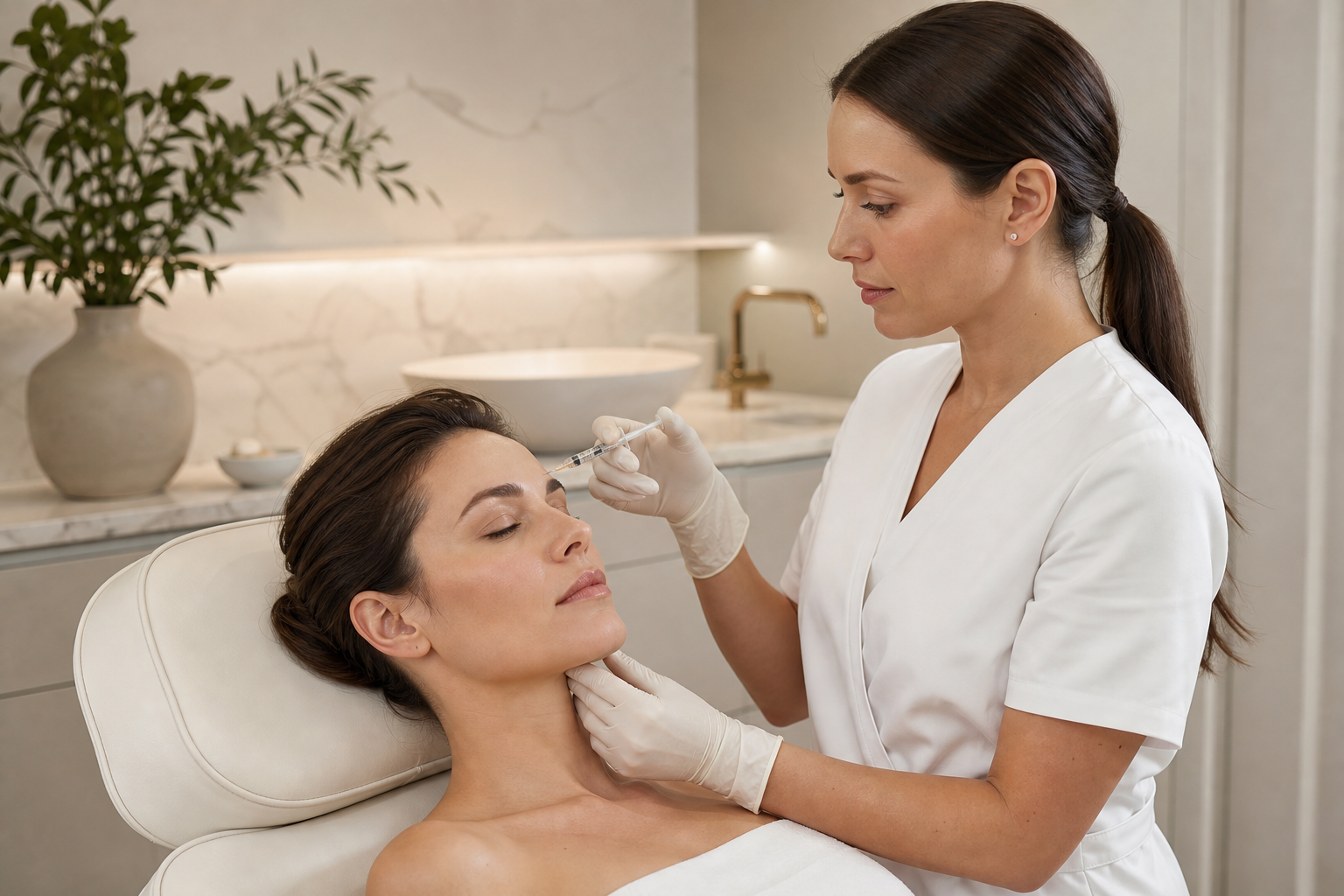
The eye and brow region presents some of the most delicate and expressive features of the face. Botox treatments specifically tailored to this area require precision to soften wrinkles while preserving natural mobility and expression. The glabellar complex (frown lines), forehead lines, and crow’s feet are common target zones where Botox’s muscle-relaxing effects are most appreciated.
Proper administration can diminish the appearance of these lines, contributing to a more rested and youthful expression. Additionally, strategic Botox placement can offer a subtle lifting effect to the eyebrows, enhancing eye openness without the need for surgical intervention. Careful dosing and injection techniques minimize the risk of eyebrow droop or unnatural stiffness, making the artistry and expertise of the Injector paramount.