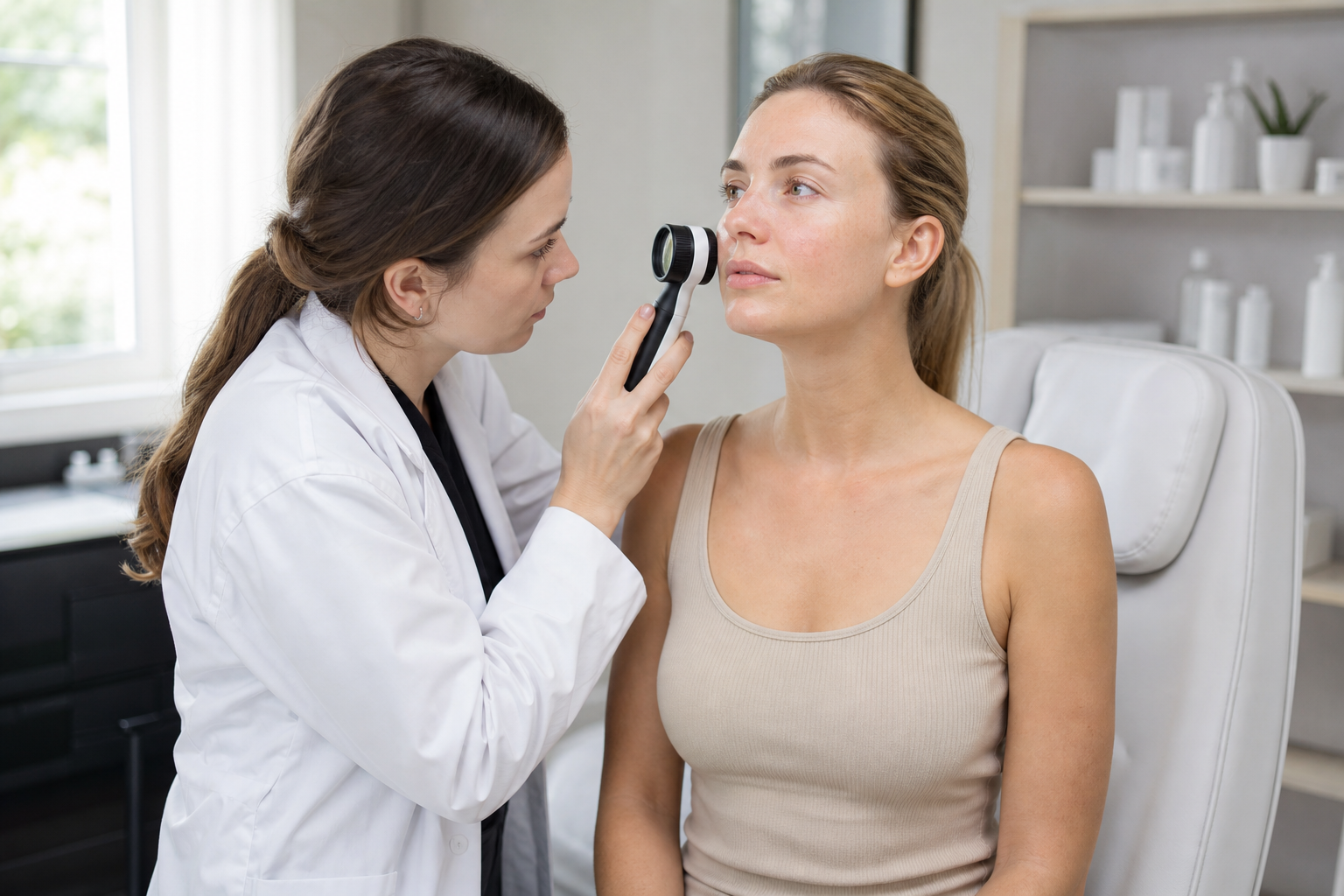
Facial redness is a common concern that affects many individuals, often prompting questions about its cause and the best course of action. Among the various conditions that lead to persistent redness, two are frequently confused: rosacea and sensitive skin. Although they may appear similar at first glance, distinguishing between rosacea and sensitive skin is crucial for effective management and treatment. This article aims to clarify the key differences between these two conditions, offering insights for anyone experiencing facial redness who wants to understand the underlying issue and explore appropriate options.
Whether you are a person noticing unexplained redness or a skincare enthusiast seeking in-depth knowledge, appreciating the nuances that separate rosacea from sensitive skin can help demystify your symptoms and empower you in your skincare decisions. With the growth of laser procedures and other advanced treatments for vascular concerns, understanding what you are dealing with becomes even more important, as not every redness responds to such interventions in the same way.
In the following sections, we will explore what defines rosacea and sensitive skin, who is typically affected, and why distinguishing between these conditions matters. We will also discuss the benefits and limitations of various treatment strategies, including why laser therapy is not a cure for rosacea. By the end, readers will be equipped with a clearer perspective on managing facial redness and knowing when to seek professional advice.
What Is Rosacea and How Does It Differ From Sensitive Skin?
Rosacea is a chronic inflammatory skin disorder primarily affecting the central face, characterized by persistent redness, visible blood vessels (telangiectasia), and often inflammatory bumps similar to acne. It is a distinct medical condition involving vascular changes and immune system factors. The redness seen in rosacea tends to be more permanent, with episodes of flare-ups triggered by various environmental or internal factors.
In contrast, sensitive skin is more of a subjective description rather than a medical diagnosis. People with sensitive skin experience heightened reactivity to topical products, weather changes, or irritants, resulting in temporary redness, itching, or burning sensations. Unlike rosacea, sensitive skin does not typically involve vascular abnormalities or chronic inflammation but rather an exaggerated response of the skin barrier.
Understanding this differentiation is fundamental. While sensitive skin can often be managed through gentle skincare and avoidance of known irritants, rosacea requires more targeted approaches that address its vascular and inflammatory components. Misinterpreting rosacea as mere sensitivity may delay appropriate care and prolong discomfort.
Who Is Most Likely to Experience Rosacea or Sensitive Skin?
Rosacea commonly affects adults between 30 and 50 years old and is more prevalent among individuals with fair skin types, particularly those of Northern European descent. It can present in various subtypes, including vascular rosacea, papulopustular rosacea, and phymatous rosacea, each with specific characteristics. Genetics and immune system dysregulation appear to play roles in its development.
Sensitive skin, on the other hand, can affect individuals of all ages, ethnicities, and skin types. It often manifests in people with weakened skin barriers, which may result from environmental exposure, aggressive skincare regimens, or underlying dermatological conditions like eczema. Moreover, sensitive skin is a broad term encompassing a wide range of symptoms and triggers, so its prevalence is difficult to precisely determine.
Recognizing who is at risk for each condition helps tailor prevention efforts and treatment plans. For example, a fair-skinned adult experiencing recurrent flushing and persistent redness should consider evaluation for rosacea, while a person with occasional redness reacting to new skincare products might more likely have sensitive skin.
What Are the Underlying Causes and Triggers for Rosacea Versus Sensitive Skin?
Rosacea’s pathogenesis is multifactorial, involving vascular hyperreactivity, chronic inflammation, skin barrier impairment, and possibly microbial factors, such as the presence of Demodex mites. Triggers often exacerbate symptoms and include sun exposure, heat, cold, spicy foods, alcohol, stress, and certain skincare ingredients. The condition’s vascular component leads to persistent redness and visible dilated vessels, known as telangiectasia, which are hallmark signs of rosacea but absent in simple sensitive skin.
Sensitive skin results primarily from a compromised skin barrier and nervous system hyperresponsiveness. This causes an exaggerated reaction to substances that are normally well tolerated, including fragrances, preservatives, alcohol-based products, and environmental pollutants. Unlike rosacea, the vascular component is usually minimal or absent, and redness tends to be transient. Often, sensitive skin manifests with itching, stinging, or burning sensations alongside redness.
Identifying triggers is essential for both conditions; however, managing rosacea requires addressing the underlying chronic inflammation and vascular changes, whereas sensitive skin management focuses on fortifying the skin barrier and minimizing irritant exposure.
How Do the Clinical Symptoms and Appearance Differ Between Rosacea and Sensitive Skin?
Clinically, rosacea presents with several recognizable signs: persistent erythema over the cheeks, nose, chin, and forehead; visible dilated blood vessels; papules and pustules without blackheads; occasional eye involvement; and in some cases, thickening of the skin leading to rhinophyma. These symptoms are generally symmetrical and chronic, often worsening with flare triggers.
Sensitive skin symptoms are more subjective and less uniform. Redness is usually fleeting and associated with a stinging or burning sensation rather than inflammation with papules or pustules. The skin may feel tight or dry and usually lacks the vascular prominence seen in rosacea. The distribution of redness does not follow a fixed pattern and can fluctuate significantly depending on exposure to triggers.
Knowing these distinctions aids dermatologists and skincare professionals when evaluating patients, helping avoid misdiagnosis. For example, a patient with red cheeks that flare after exposure to heat but without papules or vessels might be reassured of sensitive skin, while persistent redness with telangiectasia would prompt consideration of vascular rosacea.
Why Is It Important to Differentiate Between Rosacea and Sensitive Skin?
The two conditions require fundamentally different management approaches. Treating rosacea as merely sensitive skin can lead to inadequate control, prolonged redness, and progression of the disease. Conversely, applying aggressive rosacea treatments to sensitive skin can cause unnecessary irritation and worsen symptoms.
Moreover, understanding the origin of redness aids in setting realistic expectations about treatment outcomes. For instance, some laser vascular treatments effectively reduce visible blood vessels and redness associated with rosacea but are not curative. Sensitive skin benefits more from barrier repair and avoiding irritants rather than vascular-targeted therapies.
Differentiation also impacts lifestyle recommendations, product selection, and the monitoring of disease evolution. It enables clinicians to deliver personalized care that targets the right pathological mechanisms, improving patient satisfaction and quality of life.
Can Laser Treatments Help With Rosacea, Sensitive Skin, or Both?
Laser treatments, particularly vascular lasers, are valuable tools in managing certain aspects of rosacea, especially in reducing persistent redness and visible telangiectasia. Their mechanism targets hemoglobin within dilated blood vessels, leading to vessel closure and decreased redness over time. However, it is important to emphasize that laser therapy does not cure rosacea; it addresses specific vascular symptoms and should be seen as part of a comprehensive management plan that may incorporate medical treatments and lifestyle modifications.
For sensitive skin, laser treatments are generally not indicated and can even worsen symptoms due to increased skin sensitivity and risk of irritation. The focus for sensitive skin remains on gentle skincare routines, soothing formulations, and avoidance of triggering substances rather than procedural interventions.
Understanding when laser treatments provide benefits and their limitations is critical. Patients with rosacea considering laser therapy should consult a dermatologist experienced in vascular laser procedures to assess suitability and anticipate realistic outcomes. For those with sensitive skin, reinforcing skin barrier health remains the cornerstone of care.
What Are the Practical Steps to Identify Whether Facial Redness Is Due to Rosacea or Sensitive Skin?
Correct identification begins with a thorough clinical evaluation encompassing patient history, symptom description, and physical examination. Dermatologists look for hallmark signs such as persistent central facial erythema, telangiectasia, papules, pustules, and triggers indicating rosacea. They also assess symptoms like stinging, burning, and reactions to skincare ingredients associated with sensitive skin.
Diagnostic tools such as dermoscopy can help visualize capillary changes, enhancing detection of rosacea-related vascular abnormalities. Skin barrier function tests and patch testing may aid in evaluating sensitive skin and excluding allergic or irritant dermatitis.
Keeping a symptom diary can assist patients and clinicians in correlating triggers with symptom flares, contributing to more accurate diagnosis. In ambiguous cases, a trial of specific therapies directed at rosacea or sensitive skin may further clarify the condition based on treatment response.
How Should One Manage Facial Redness Resulting From Rosacea Versus Sensitive Skin?
Management of rosacea involves a multifaceted approach focusing on reducing inflammation, controlling flushing, and minimizing triggers. Medical therapies may include topical agents targeting inflammation and vascular function, and in some cases systemic medications. Protective measures comprise sun protection and avoidance of known exacerbating factors.
Complementary to pharmacologic treatment, vascular laser therapies can diminish visible blood vessels and persistent redness, improving the skin’s appearance and comfort. Emphasis is placed on patient education and realistic expectations, recognizing that rosacea is a chronic condition requiring ongoing care.
For sensitive skin, the focus is on reinforcing the skin barrier with gentle, fragrance-free moisturizers and cleansers. Avoidance of harsh chemicals, exfoliants, and extreme environmental conditions is essential. Incorporating calming ingredients such as niacinamide or panthenol may help soothe irritation.
Patients with sensitive skin should also adopt patch testing when introducing new products to prevent reactions. Overall, maintenance of skin integrity and avoidance of irritants form the foundation of management.
Can Conditions Like Dermatitis or Post-Acne Erythema Be Mistaken for Rosacea or Sensitive Skin?
Indeed, other dermatologic conditions can mimic rosacea or sensitive skin, complicating diagnosis and treatment decisions. Dermatitis, including allergic and irritant types, may present with redness, itching, and scaling but usually has a distinct cause and pattern. Post-acne erythema refers to residual redness after acne lesions heal, which can persist and sometimes resemble rosacea-related redness.
Distinguishing among these requires careful clinical assessment and sometimes biopsy or patch testing. Misinterpretation can lead to inappropriate treatments; for example, corticosteroids used in dermatitis may worsen rosacea symptoms. Understanding the unique clinical features and histories of these conditions ensures accurate diagnosis and targeted care.
When Should You Seek Professional Consultation for Facial Redness?
Persistent or worsening facial redness, especially when accompanied by visible blood vessels, papules, pustules, or eye involvement, warrants evaluation by a dermatologist. Early diagnosis of rosacea enables timely initiation of appropriate management to mitigate symptoms and prevent disease progression.
Similarly, if skin redness is recurrent, accompanied by stinging or burning, unresponsive to over-the-counter products, or causing significant discomfort, professional advice is recommended. Specialists can differentiate between rosacea, sensitive skin, and other conditions, providing tailored therapeutic guidance.
Delaying assessment may lead to prolonged distress, ineffective treatments, and potential complications. Consulting a dermatologist experienced in vascular skin conditions and sensitive skin care can facilitate comprehensive evaluation and optimal outcomes.


