Laser hair removal has become a popular choice for those seeking a long-lasting solution to unwanted hair. Unlike temporary methods such as shaving or waxing, laser hair removal offers the potential for significant and sustained reduction of hair growth by targeting the hair follicle directly with laser energy. However, the safety of this procedure is paramount. Understanding how various factors—from skin type and hair pigment to device parameters and operator expertise—interplay to influence safety can help individuals make informed decisions and minimize risks.
This comprehensive guide is intended for anyone considering laser hair removal, whether they are new to the procedure or have some familiarity but desire a deeper understanding of safety considerations. It also serves as a valuable resource for professionals seeking a medically responsible perspective on the subject. Addressing safety is critical because improper use of laser technology can lead to adverse effects ranging from minor skin irritation to more serious complications such as burns or pigmentation changes.
By exploring the fundamentals of laser hair removal safety—including candidacy assessment, procedural nuances, expected skin responses, and appropriate aftercare—readers can grasp how to responsibly approach the treatment and navigate potential risks. This knowledge empowers individuals to engage with qualified practitioners confidently and supports optimal outcomes.
What Role Does Skin Phototype and Hair Pigmentation Play in Laser Hair Removal Safety?
One of the foundational aspects of laser hair removal safety is the patient's skin phototype, most commonly classified using the Fitzpatrick scale, which ranges from Type I (very fair skin) to Type VI (very dark skin). The concentration of melanin in the skin varies across these types, directly impacting laser energy absorption during treatment. Since laser hair removal operates by targeting melanin in hair follicles, the higher melanin levels in darker skin can increase the risk of inadvertent absorption by surrounding skin, heightening the potential for burns or pigmentary changes.
Conversely, hair color matters as well. Darker hair contains more melanin, making it more responsive to laser treatment. Lighter hair colors such as blonde, gray, or red have less melanin, which can reduce the effectiveness of laser therapy and alter safety considerations. Individuals with very light or white hair may be less suitable candidates for traditional laser hair removal and may require alternative approaches.
Hence, thorough assessment of skin and hair characteristics is essential to select appropriate laser parameters and minimize adverse effects. This personalization helps balance maximizing efficacy while maintaining a safety margin.
How Does Sun Exposure and Medication Usage Influence Treatment Safety?
Exposure to ultraviolet (UV) radiation from the sun can significantly increase the risks associated with laser hair removal. Sun-exposed skin typically has heightened melanin production leading to a tan, which mimics darker skin on the Fitzpatrick scale and raises susceptibility to burns and pigmentation disorders post-treatment. For this reason, guidelines commonly advise avoiding sun exposure and tanning for at least two to four weeks prior to and after laser sessions.
Moreover, certain medications and supplements can enhance photosensitivity or impede healing when combined with laser procedures. For instance, retinoids increase skin turnover and fragility, photosensitizing antibiotics can cause heightened light sensitivity, and some herbal supplements may affect skin reactivity. Patients must disclose all medications, including over-the-counter products, to their providers so that treatment timing and parameters can be adjusted accordingly.
Additionally, individuals with active skin conditions, such as eczema, psoriasis, or infections, are generally advised to postpone laser treatments until stability is achieved, as compromised skin may respond poorly and elevate complication risks.
What Is the Importance of Laser Device Selection and Parameter Settings for Safety?
Different types of lasers are employed for hair removal, each with specific wavelength properties that influence their interaction with skin and hair. Common systems include the Alexandrite laser, Diode laser, and Nd:YAG laser. Choice among these typically depends on the patient's skin type and hair color:
Alexandrite lasers emit light at 755 nm and are generally preferred for lighter skin types due to their high melanin absorption and efficient hair follicle targeting.
Diode lasers at approximately 800 nm suit a range of skin types and balance safety and efficacy.
Nd:YAG lasers, operating at 1064 nm, penetrate deeper and target melanin less aggressively, making them safer for darker skin tones by reducing epidermal damage.
Parameters such as fluence (energy density), pulse duration, and spot size are adjusted to accommodate different skin and hair characteristics. Incorrect settings—such as excessive fluence or inadequate pulse duration—may cause thermal injury, resulting in burns or scarring. Conversely, too conservative parameters may diminish efficacy.
Therefore, device selection and parameter optimization by certified, experienced operators are critical to achieving safe outcomes.
How Do Cooling Techniques, Hygiene, and Operator Expertise Contribute to Minimizing Risks?
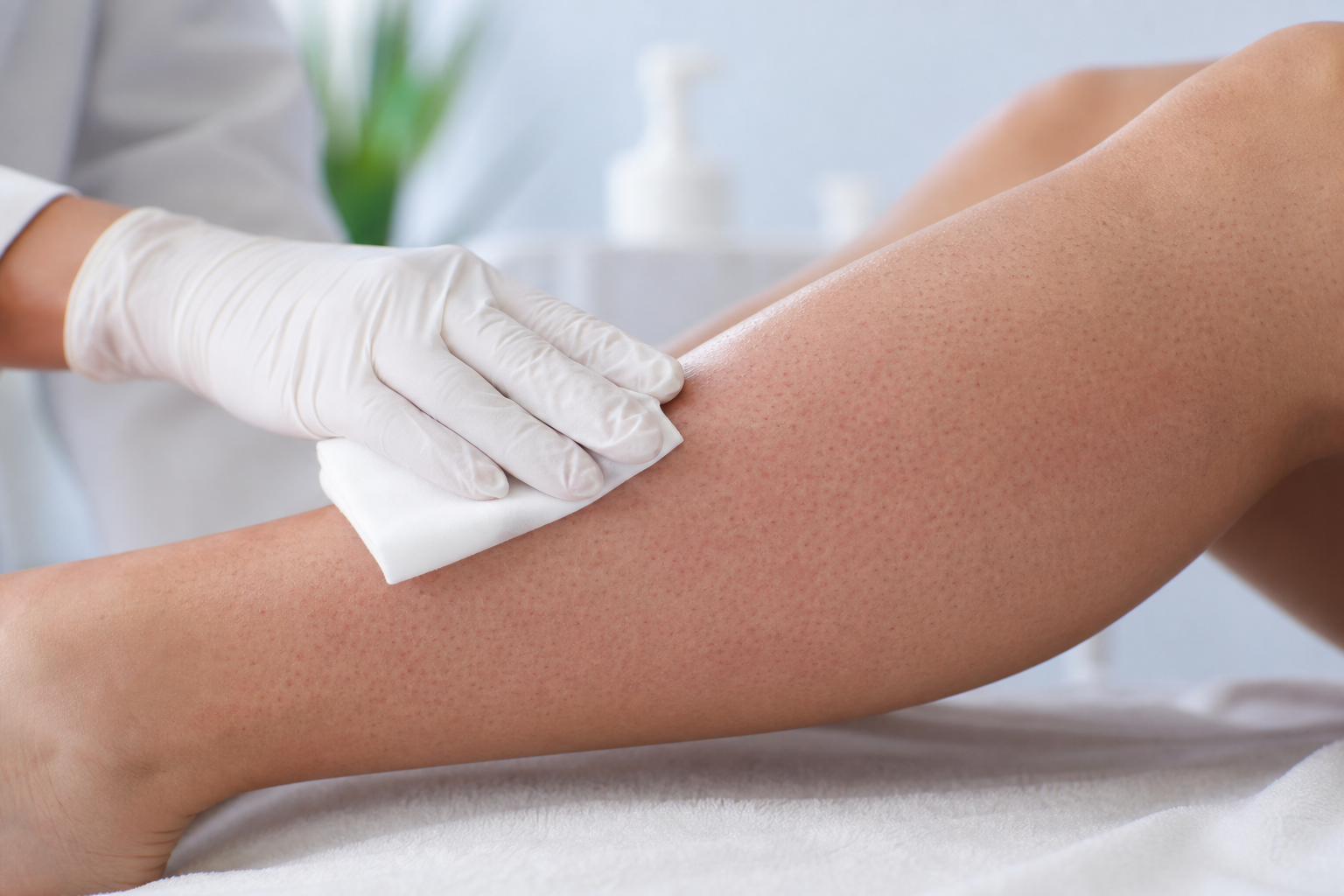
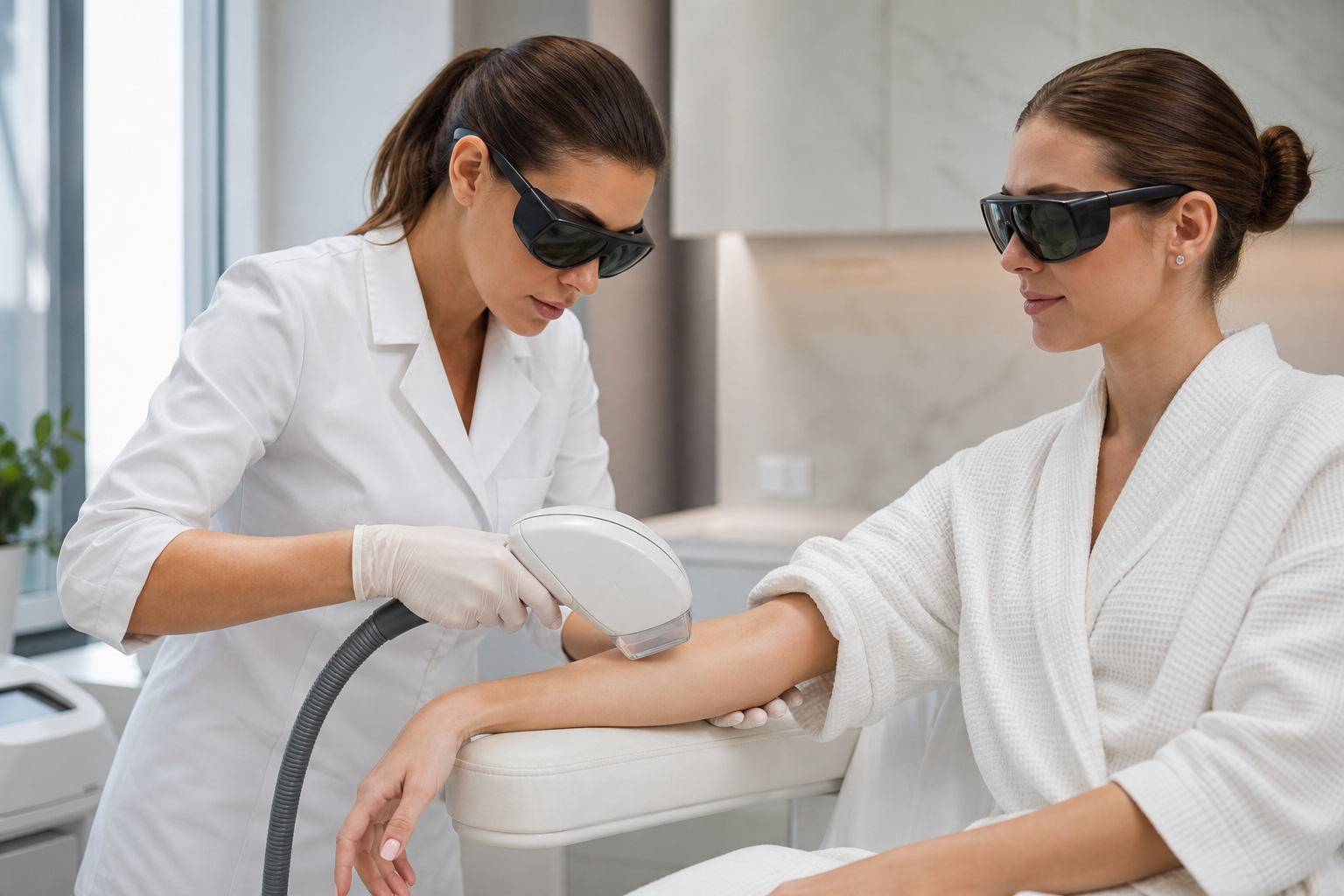
Thermal management during laser treatment is a primary factor in patient comfort and safety. Various cooling methods—contact cooling heads, cryogen spray, cold air systems, or cooling gels—are employed to protect the epidermis from excessive heat while allowing adequate energy delivery to hair follicles. Efficient cooling reduces pain, prevents burns, and helps prevent post-inflammatory pigment changes.
Hygiene is another cornerstone. Proper disinfection of equipment and treatment areas prevents risks of infection or folliculitis. Sterile conditions and clean environments help avoid complications that can arise even from otherwise routine procedures.
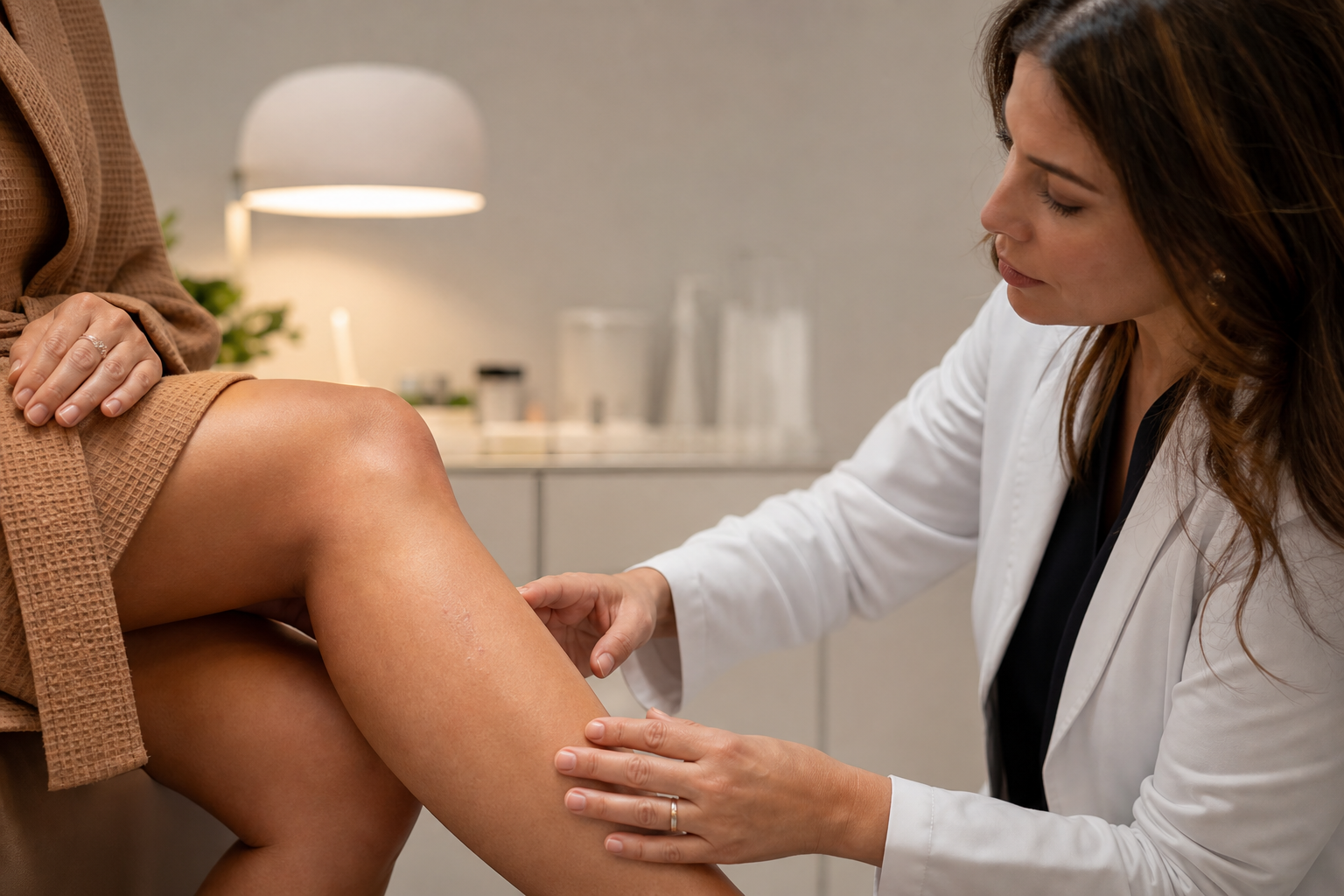
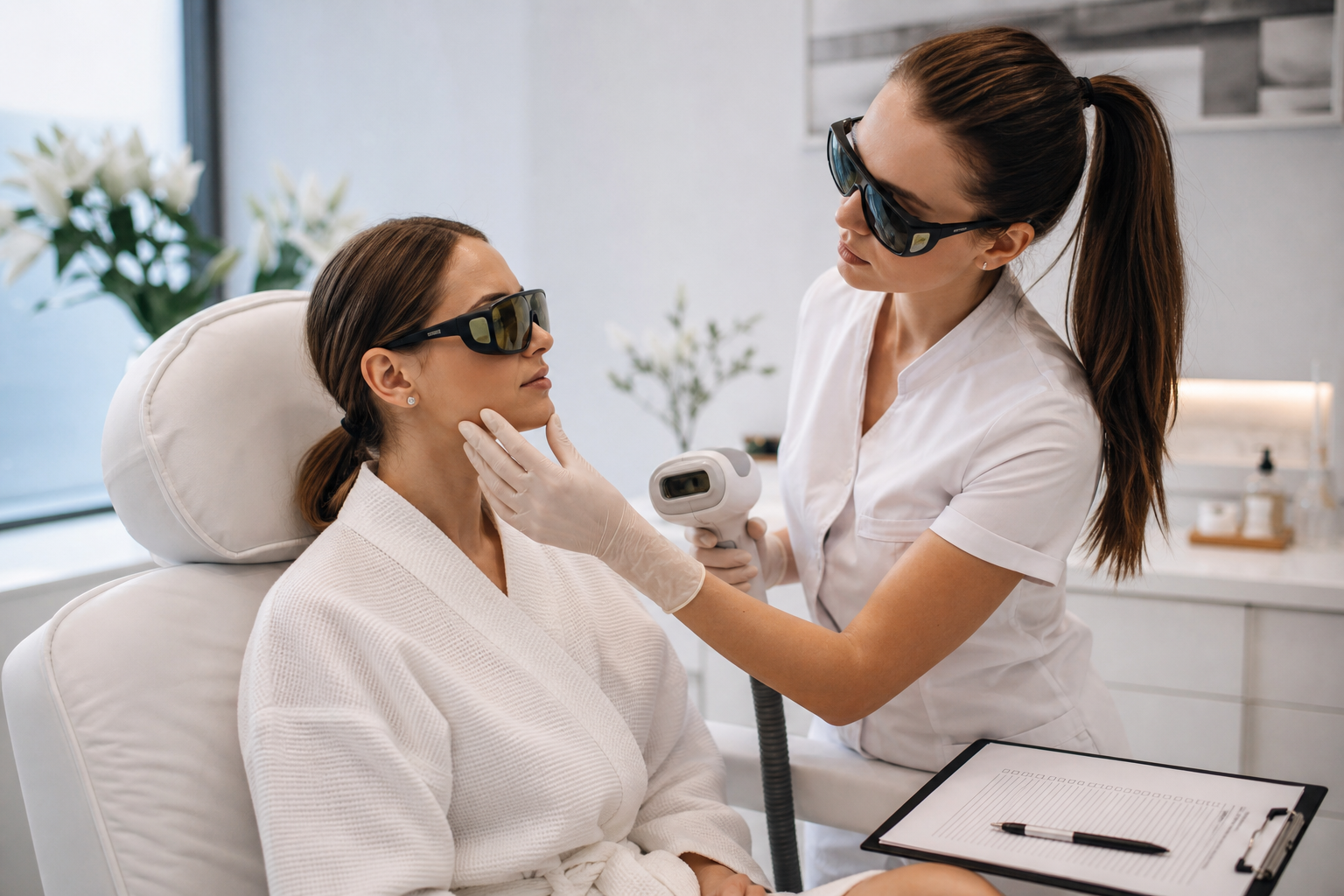
Perhaps most importantly, operator training and expertise underpin the safe administration of laser hair removal. Skilled practitioners conduct thorough consultations, assess contraindications, adjust protocols in real time, and recognize early signs of adverse reactions. They also provide clear guidance regarding pre- and post-treatment care, optimizing patient safety and satisfaction.
What Are the Typical Skin Reactions After Laser Hair Removal and How to Differentiate Safe Responses From Complications?
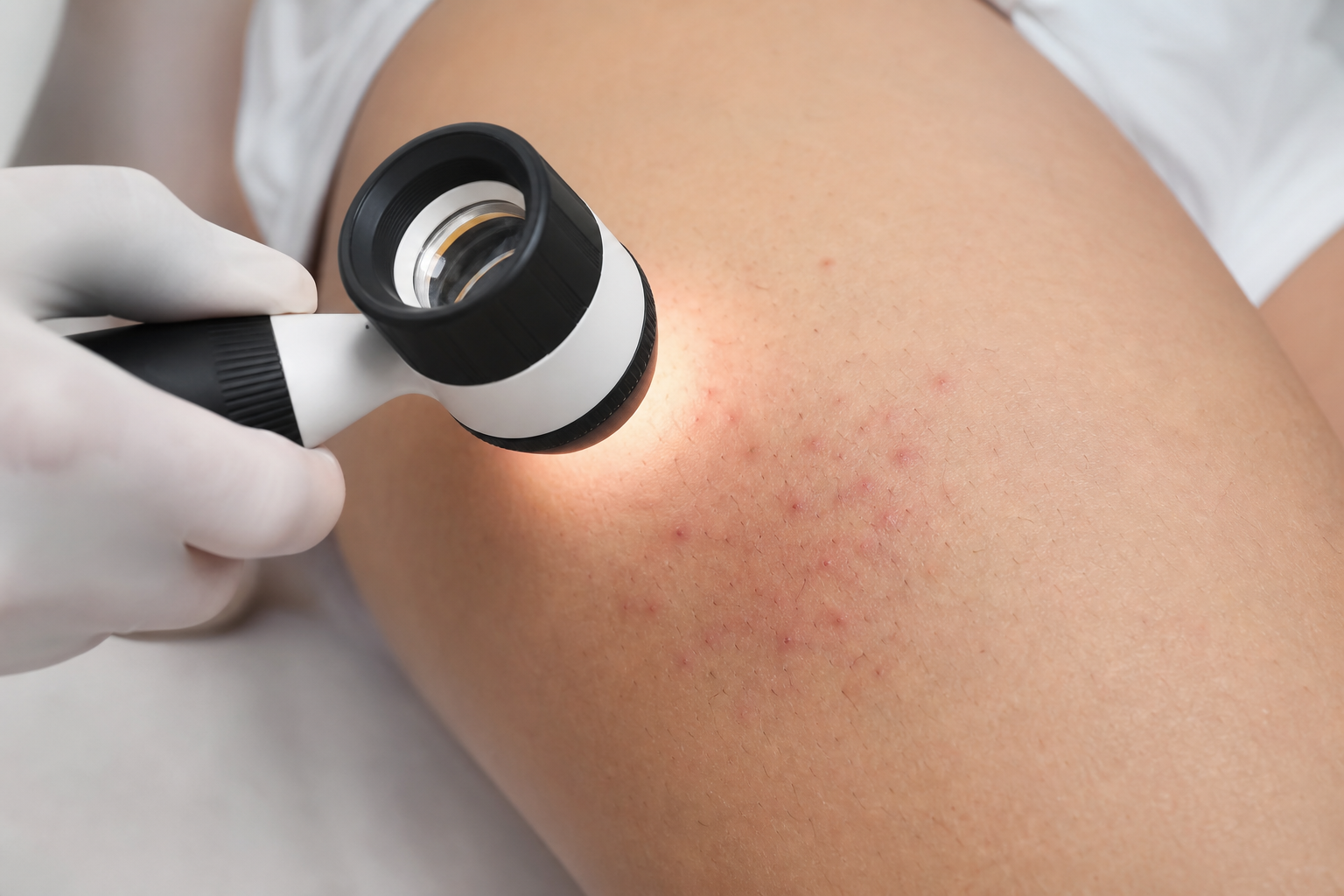
Immediately after laser treatment, the skin often exhibits perifollicular erythema—localized redness around hair follicles—as well as mild swelling and warmth. These effects are indicators of effective follicular targeting and typically resolve within hours to a few days without intervention. Transient sensitivity or itching can also occur.
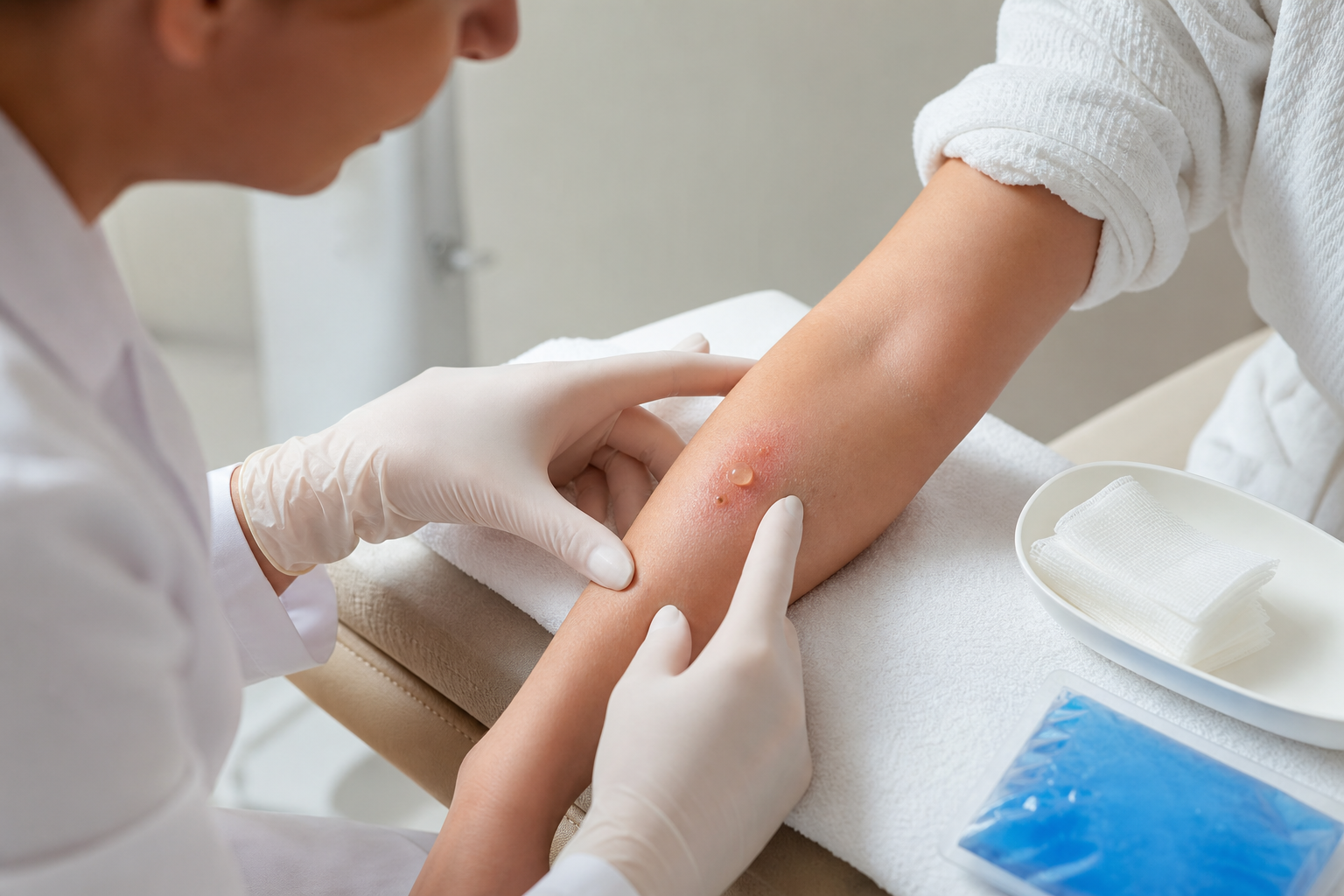
In contrast, complications manifest with more pronounced symptoms such as blistering, severe pain, prolonged redness, or pigmentary alterations. Burns or blisters indicate overt thermal injury to the skin, which may require medical care. Infection signs include increasing redness, pus formation, or systemic symptoms like fever. Folliculitis—an infection or inflammation of hair follicles—may mimic these reactions and necessitates specific treatment.
Permanent pigment changes may emerge as hyperpigmentation or hypopigmentation, especially in patients with darker skin types or improper laser use. Scarring, though rare, can result from deep injury or secondary infection.
Recognizing these distinctions is vital to appropriately managing patient aftercare.
When Should Patients Seek Medical Advice and How to Navigate Aftercare Safely?
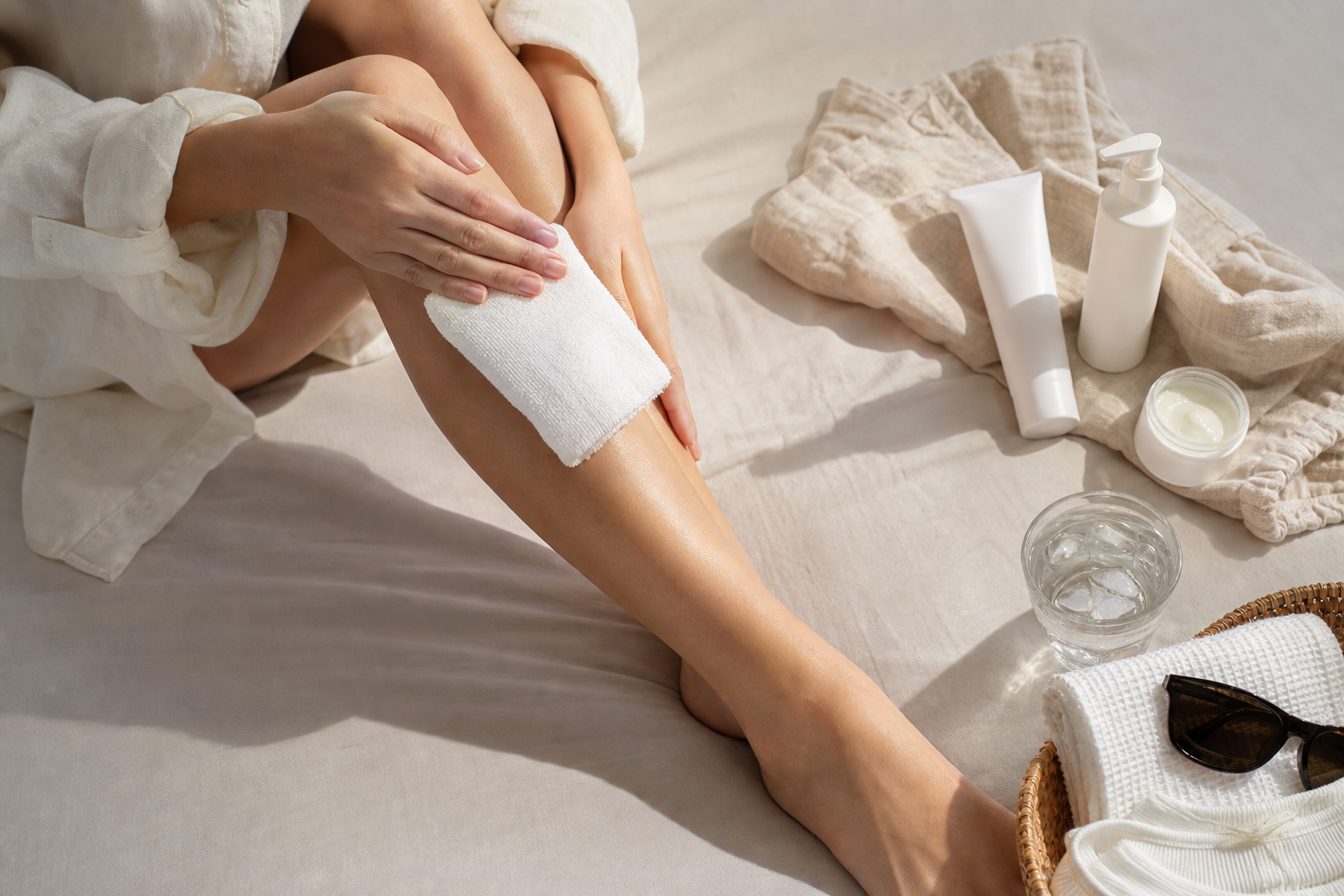
For mild expected reactions, patients can typically manage symptoms at home with cold compresses, gentle skin care, and sun avoidance. Emollients and soothing topical agents can ease irritation. Close monitoring over the ensuing days is important to ensure resolution.
If symptoms worsen—such as expanding redness, blistering, pain, foul odor, or systemic signs—or if new suspicious skin changes appear, contacting the treating clinic promptly is advised. Early clinical assessment can facilitate timely interventions, minimizing long-term sequelae.
Urgent medical or dermatological evaluation is warranted for severe burns, suspected infections, or alarming pigmentary problems. Such cases require professional treatment to mitigate scarring risks and preserve skin integrity.
Why Is It Critical to Evaluate and Avoid Laser Treatment on Pigmented Lesions and Moles?
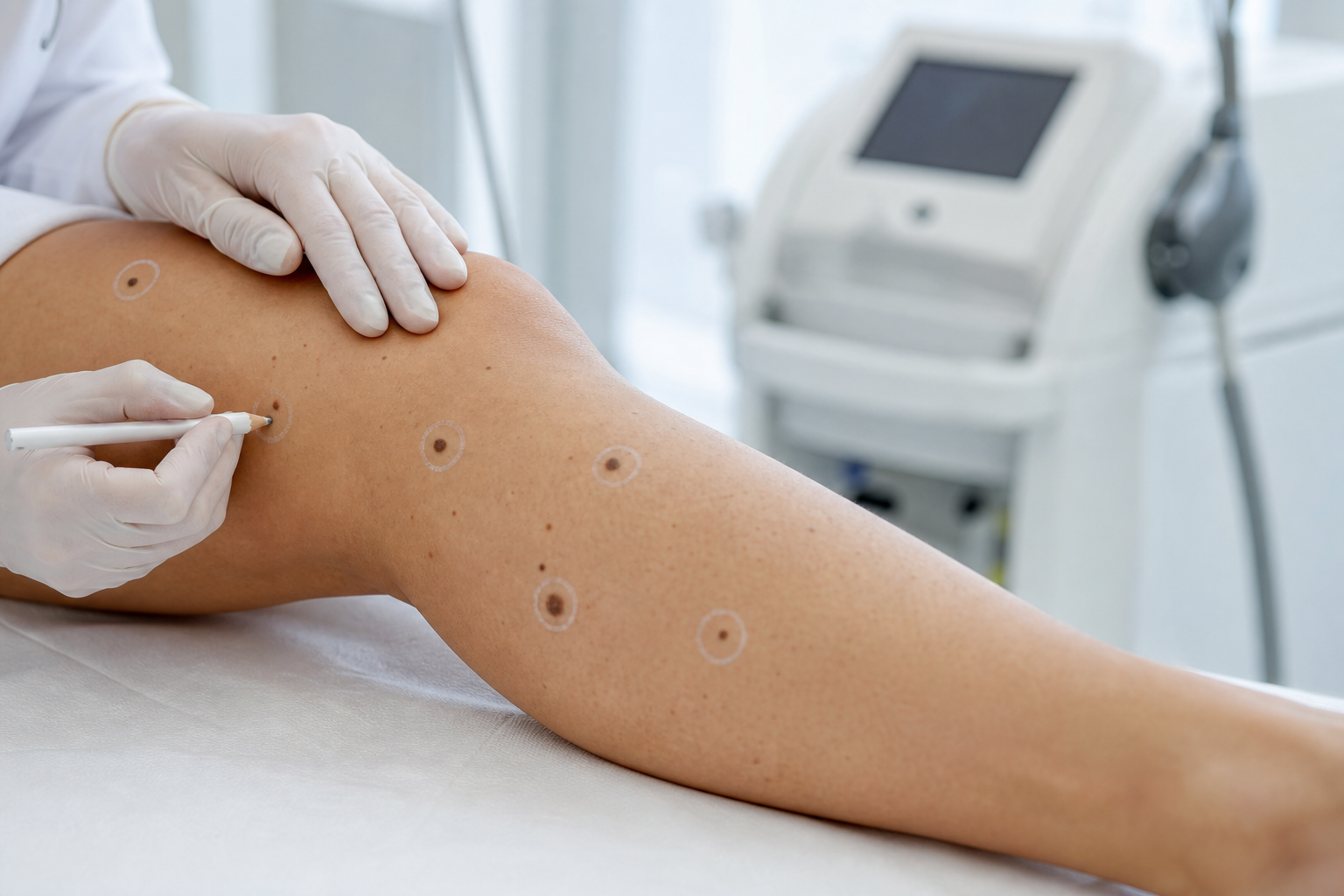
Pigmented lesions—including moles, freckles, and birthmarks—absorb laser energy differently than normal skin. Targeted laser treatments can inadvertently alter these lesions, causing inflammation, color changes, or, in rare cases, masking signs of malignancy. Therefore, all pigmented lesions in the treatment area must be carefully identified by a qualified practitioner before laser hair removal.
Any suspicious or changing lesion should prompt evaluation by a dermatologist prior to proceeding with laser therapy. Avoiding direct laser application on these sites helps preserve their diagnostic clarity and limits potential adverse effects.
How Can Patients Understand the Long-Term Implications and Results of Laser Hair Removal?
Laser hair removal generally requires multiple sessions spaced several weeks apart to effectively treat hair in active growth phases. While significant hair reduction is achievable, maintenance or occasional touch-ups might be needed depending on individual hair cycles and hormonal influences.
Patients should maintain realistic expectations and engage in consistent follow-up care. Understanding the importance of protecting treated areas from sun exposure and adhering to post-treatment instructions enhances safety and prolongs results.
Ongoing communication with the treatment provider ensures any emerging concerns are addressed promptly, fostering long-term satisfaction and skin health.