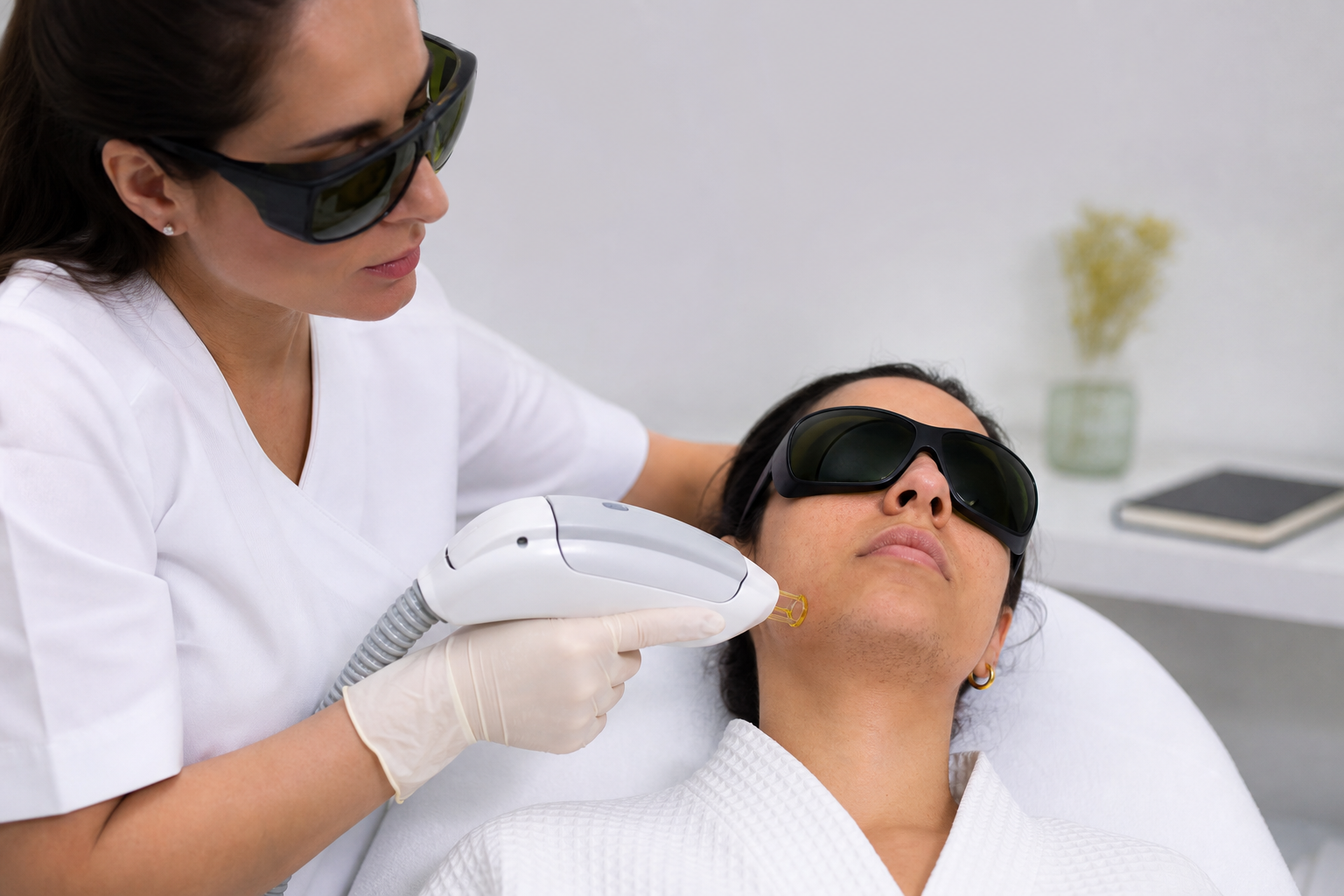
Hormonal hair growth presents a complex and often distressing challenge for many individuals, particularly women who experience increased hair growth in areas typically less populated by hair. This condition, frequently linked to hormonal imbalances such as those seen in polycystic ovary syndrome (PCOS), hirsutism, and menopause, can significantly impact self-esteem and quality of life. One of the most sought-after questions in managing this condition is whether laser can help with hormonal hair growth.
Laser hair removal has become widely recognized as one of the leading methods for reducing unwanted hair through advanced technology targeting hair follicles. However, when the root cause of excessive hair growth is hormonal, the question arises: does laser effectively address this underlying issue, or does it simply offer cosmetic relief? This article delves into the interplay between laser therapy and hormonally influenced hair growth, exploring candidacy, benefits, limitations, and the realistic expectations one should have.
Designed primarily for individuals grappling with hormonally driven hair growth—be it from PCOS, menopause, or other endocrine disorders—this editorial provides a balanced, comprehensive examination of laser as a treatment modality. It aims to inform readers about how laser hair removal works in the context of hormonal hair growth, why it might be an appropriate option, when to pursue it, and how it fits within a broader medical management framework.
Understanding Hormonal Hair Growth and Its Causes
Hormonal hair growth refers to an increase in hair growth driven by changes in hormone levels, primarily androgens such as testosterone. While men typically have higher androgen levels leading to normal secondary sexual characteristics like facial and body hair, women may experience abnormal hair growth in sensitive areas due to hormone imbalances. This condition, known as hirsutism, is characterized by thick, dark terminal hairs appearing where women usually have fine or minimal hair, such as on the face, chest, abdomen, or back.
The most common hormonal conditions resulting in unwanted hair include PCOS, which affects hormone regulation and ovulatory function; thyroid dysfunctions; adrenal gland disorders; certain tumors producing excess androgens; and menopause-related hormone fluctuations. Additionally, some medications and stressors can contribute to hormonal disruptions leading to increased hair growth. Because the hormonal driver remains active, hair follicle stimulation may persist, influencing the quantity and quality of hair growing in affected regions.
Recognizing hormonal hair growth is crucial for identifying suitable treatment paths. Laser hair removal, while effective in many cases for hair reduction, does not alter the hormonal milieu. Therefore, addressing the hormone imbalance through appropriate medical intervention remains a critical component of overall management.
How Does Laser Hair Removal Work on Hormonal Hair?
Laser hair removal employs concentrated beams of light that penetrate the skin to target hair follicles. The pigment melanin within the hair shaft absorbs this light energy, converting it into heat that damages the follicle and impairs its ability to produce hair. This mechanism is most effective on pigmented terminal hairs—thicker hairs with more melanin—making it well-suited for many cases of hormonal hair growth, where the hairs tend to be dark and coarse.
In the context of hormonal hair, laser therapy can significantly reduce the density and visibility of unwanted hair, providing a smoother skin appearance and easing maintenance. However, because laser treatment targets the follicle rather than the hormonal cause, it does not prevent the future formation of new hairs driven by ongoing hormonal stimulation. As a result, the treatment may require ongoing maintenance sessions to address regrowth and fluctuating hair cycles.
This distinction highlights the importance of understanding that laser hair removal for hormonal hair growth is a management strategy rather than a definitive cure. It addresses the symptoms—unwanted hair—providing cosmetic relief, but hormonal regulation must be addressed separately for sustained control.
Who Is a Suitable Candidate for Laser Hair Removal in Hormonal Hair Conditions?
Ideal candidates for laser hair removal in the context of hormonal hair growth typically have darker, coarse hairs on lighter skin tones. The contrast between hair color and skin allows the laser to more effectively target and damage hair follicles while minimizing risks to surrounding tissue. Women experiencing hirsutism with visibly thick, pigmented hair often benefit from this treatment, especially when combined with appropriate medical evaluation for hormonal balance.
Individuals with light-colored, fine, or vellus hairs may experience limited benefit from laser treatment because these hairs contain little melanin, reducing laser efficacy. Similarly, patients with darker skin tones require specialized laser technologies and expertise to minimize skin damage risks and achieve results. A thorough skin and hair assessment by a qualified professional is crucial to determine candidacy and personalize treatment protocols.
Moreover, those with active hormonal disorders should undergo medical assessment to identify underlying causes and possible concurrent treatment options. Laser therapy typically complements these broader measures, rather than replacing them.
What Is the Typical Treatment Course and Commitment for Hormonal Hair with Laser?
Laser hair removal is not a single-session solution; it involves a series of treatments spaced over weeks to months. Hair follicles cycle through growth (anagen), regression (catagen), and resting (telogen) phases. The laser effectively targets hairs in the anagen phase when pigment concentration is highest.
Generally, a course includes 6 to 8 sessions spaced 4 to 6 weeks apart, though the exact number depends on hair density, growth patterns, and patient response. For hormonal hair growth, maintenance treatments may be necessary long term due to ongoing hormonal influences stimulating new hair follicles or activating dormant ones.
During treatment, transient side effects such as mild redness, swelling, or irritation are common but typically resolve within hours to days. Post-treatment care involves sun avoidance and skin protection to enhance healing and preserve results. Consistency and patience throughout the treatment plan maximize hair reduction outcomes.
What Are the Limitations and Challenges in Using Laser on Hormonal Hair?
The primary limitation of laser hair removal for hormonal hair growth lies in its inability to alter the hormonal drivers behind hair production. Even after successful follicle destruction, new hairs can emerge if hormonal imbalances persist. This underscores why laser should be viewed as part of a comprehensive approach rather than a standalone cure.
Laser efficacy is also constrained by hair and skin types. Light, fine hairs respond poorly because they contain little melanin, and very dark skin tones pose higher risks of burns or pigmentation changes without specialized laser technology. Hormonal fluctuations during menstrual cycles, pregnancy, or hormonal treatments can temporarily affect hair growth and pigment, influencing laser outcomes.
Furthermore, individual biological variation affects how hair follicles respond to laser energy, resulting in variability in results among patients. These challenges emphasize the importance of patient education, realistic expectations, and individualized treatment planning.
Combining Laser Hair Removal with Medical Management for Optimal Effect
Because laser treatment only addresses hair follicles and not hormonal causes, optimal management of hormonally related hair growth often involves multi-disciplinary coordination. Medical therapies, including hormonal regulation through oral contraceptives, anti-androgens, or insulin-sensitizing agents, can reduce androgen levels and dampen hair follicle stimulation.
Regular consultation with endocrinologists or gynecologists ensures hormone levels are monitored and treated appropriately, supporting more sustained hair reduction when combined with laser therapy. Lifestyle factors, such as diet modifications and stress management, can also influence hormonal health and indirectly benefit hair growth control.
This combined approach can lead to superior and longer-lasting improvements than laser treatment alone. Patients considering laser hair removal for hormonal hair should seek comprehensive evaluation and integration of medical care for the best outcomes.
Why Do Results Vary Among Individuals with Hormonal Hair Growth Undergoing Laser?
Variability in laser outcomes for hormonal hair growth arises from several factors. Genetic predispositions determine hair follicle sensitivity to hormones and laser, while hormonal disorder severity influences the ongoing stimulus for hair production. Skin and hair characteristics, such as pigment amount and follicle depth, alter how effectively laser energy can target follicles.
Sessions performed with different laser technologies and operator expertise also impact results, as not all devices are equally effective or tailored for specific skin types. Additionally, consistent adherence to treatment schedules and post-care guidelines plays a crucial role.
Understanding these variables helps set realistic expectations and reinforces the need for personalized treatment planning, emphasizing that laser hair removal is a highly effective tool when used judiciously within a comprehensive treatment strategy.


