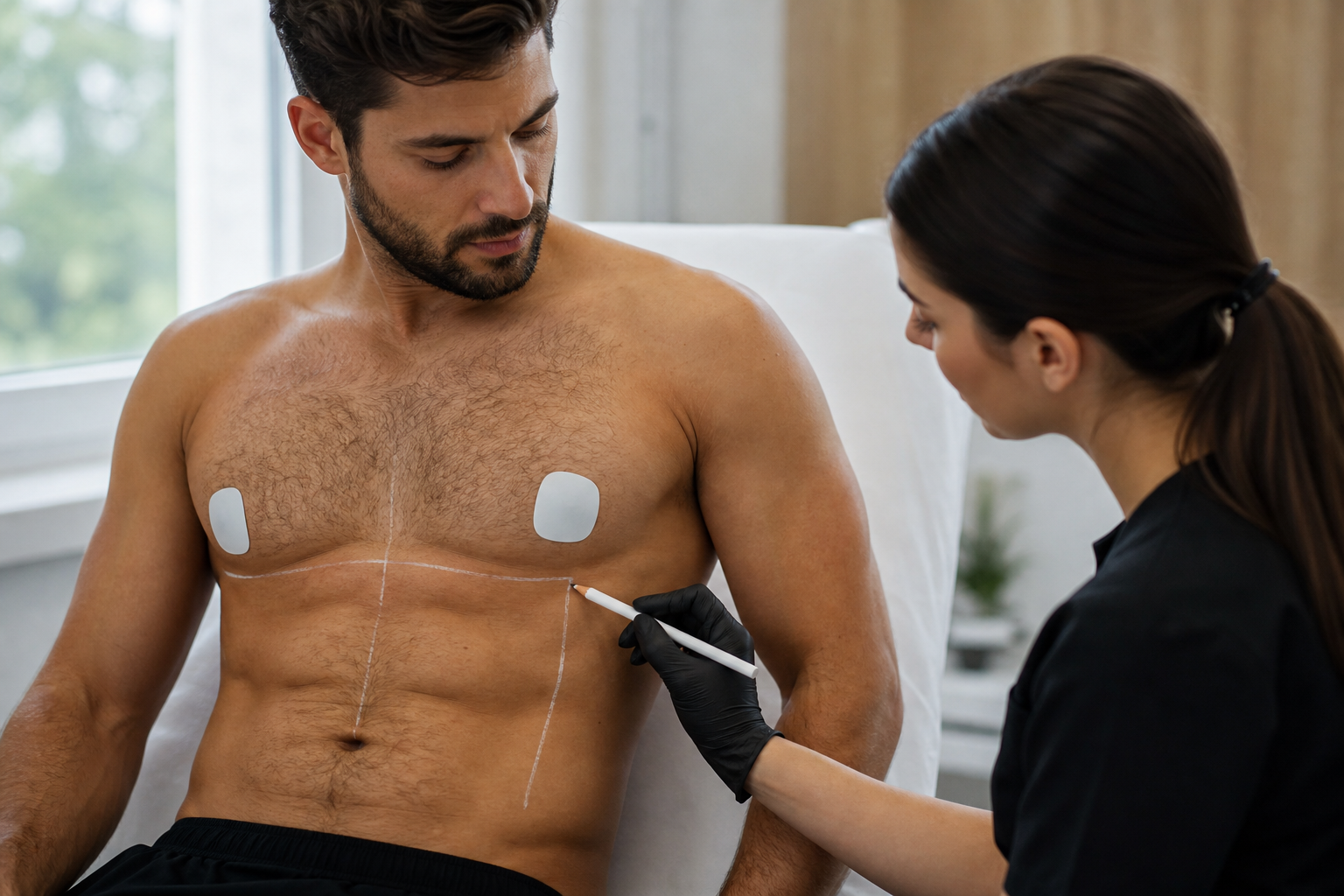
Chest laser hair removal for men has rapidly become a sought-after aesthetic procedure, addressing the challenge of unwanted hair in a way that transcends traditional grooming methods. Unlike shaving, waxing, or depilatory creams, laser hair removal offers a targeted, long-term solution that can markedly reduce or eliminate hair growth on the chest, delivering a smooth and tidy appearance. This treatment is especially relevant to men who value both the visual and practical benefits of managing chest hair—ranging from athletes prioritizing hygiene and comfort, to bodybuilders aiming to accentuate muscular definition, to men simply seeking a polished yet natural look without daily maintenance.
Understanding chest laser hair removal involves recognizing the nuanced goals men often have: some desire complete hair removal, while others seek thinning to achieve a balanced density and subtle transitions toward the abdomen and shoulders. Additionally, the procedure demands particular attention to sensitive areas such as the nipples and pigmented lesions, avoidance of which is vital to maintaining skin integrity and natural aesthetics. The sensation experienced during treatment, especially over bony regions like the sternum and ribs, preparation before the procedure, and diligent aftercare are all essential aspects men should be familiar with to set realistic expectations and ensure optimal results.
This comprehensive article delves into the intricacies of chest laser hair removal for men, discussing who benefits most from this procedure, the specific goals it can fulfill, how it differs from laser treatments on other body parts, and the practical considerations necessary for a safe and effective experience. By embracing a practical and informed approach, men can confidently navigate their options and make decisions aligned with their appearance and lifestyle preferences.
What Is Chest Laser Hair Removal and Who Is It For?
Chest laser hair removal is a dermatological procedure that uses concentrated pulses of light to target hair follicles beneath the skin surface. The laser's energy is absorbed by the pigment (melanin) in the hair shaft, generating heat that disables the follicle’s ability to produce hair. Over a series of sessions, this results in a significant reduction or complete cessation of hair growth in the treated area.
This treatment is particularly suited for men with varying objectives concerning chest hair. Some may seek a completely hairless chest to highlight musculature or for personal comfort, while others may prefer thinning the hair to reduce volume without eradicating it altogether, maintaining a natural, softened look. The treatment can also sculpt hairlines, creating fluid transitions toward adjacent regions such as the abdomen and shoulders, which is crucial for a harmonious appearance.
Men who engage regularly in sports like bodybuilding or swimming often favor this treatment due to the practical benefits it offers, such as reducing irritation caused by sweat and friction from clothing, and enhancing muscle definition during competitions or photo sessions. Furthermore, men who frequently experience problems like ingrown hairs or skin irritation from shaving find chest laser hair removal to be an effective alternative that promotes skin health and comfort.
What Are the Common Goals of Chest Laser Hair Removal for Men?
Chest laser hair removal caters to a broad array of goals tailored to personal preference and lifestyle. The most common objectives include:
Complete Hair Removal: Men aiming for a clean, hairless chest often pursue this route. The procedure is designed to ultimately incapacitate hair follicles, producing smooth skin with minimal hair regrowth after the full course of treatments.
Reduction and Thinning: For those desiring to retain some hair but in a less dense and more manageable form, selective thinning can be achieved. This preserves a natural texture and avoids stark contrasts between hairless and hairy patches.
Natural Transitions and Hairline Sculpting: A subtle yet significant concern is ensuring that the chest hairline flows naturally into areas like the abdomen and shoulders. Sharp, unnatural demarcations can be visually unappealing. Laser treatments can be precisely controlled to tailor edges and fade density for a harmonious effect.
A critical component of these goals involves preserving sensitive skin regions, particularly around the nipples and any pigmented lesions, which could react adversely to laser exposure. Treatment plans are designed to respect these boundaries for safety and aesthetics.
How Does Chest Laser Hair Removal Differ from Other Areas of the Body?
Chest laser hair removal is unique compared to treatments on other body parts due to distinct skin and hair characteristics:
Hair Density and Depth: The chest often has hair follicles that are denser and rooted deeper than regions like the shoulders or neck. This necessitates adjusting laser parameters, such as energy levels and pulse duration, to effectively target these follicles without causing harm to surrounding tissues.
Sensitivity around Critical Zones: The nipple-areola complex requires special consideration. The skin here is thin, sensitive, and pigmented, rendering it prone to burns or discoloration if exposed to laser energy. Consequently, practitioners avoid direct laser contact with these zones.
Perception of Sensation: Discomfort during the treatment can be heightened over bony areas such as the sternum and rib cage, where less fat and muscular padding cushion nerve endings. Men often report more intense sensations in these regions compared to fleshier parts of the body.
Owing to these factors, chest laser hair removal demands a tailored approach by experienced clinicians who can modulate treatment settings and technique for efficacy and patient comfort.
What Does the Chest Laser Hair Removal Treatment Process Involve?
A typical treatment regimen involves a series of sessions spaced 4 to 6 weeks apart, with most men requiring between 6 to 10 appointments to achieve substantial, lasting hair reduction. The exact number depends on variables such as hair color, thickness, skin type, and individual response to laser energy.
Pre-Treatment Preparation: Men are advised to avoid sun exposure for at least two weeks prior to treatment to reduce skin pigmentation and prevent adverse reactions. The chest should be shaved the day before or the morning of the session, ensuring laser energy penetrates hair follicles effectively without dispersion by surface hair.
During Treatment: The practitioner methodically applies laser pulses across the chest, maneuvering cautiously near sensitive zones to protect the nipples and pigmented skin areas. Cooling devices or gels often accompany the process to minimize discomfort.
Patients may feel sensations described as mild stinging, warmth, or snapping of a thin elastic band against the skin, typically tolerable and transient. Adjustments can be made according to the patient’s feedback to optimize comfort.
Post-Treatment Care: Aftercare is crucial to minimize irritation. Applying soothing moisturizers, avoiding direct sunlight, and steering clear of heat exposure such as saunas or strenuous exercise during the initial days post-treatment helps ensure proper skin healing.
How Should Men Prepare for and Care After Chest Laser Hair Removal?
Preparation and aftercare are integral to the success and safety of chest laser hair removal:
Preparation Steps:
- Refrain from sunbathing or tanning beds to avoid pigmented skin that can increase treatment risks.
- Limit the use of deodorants, body sprays, or lotions on the chest before treatment sessions to prevent interactions or skin irritation.
- Shave the chest area carefully, avoiding cuts or abrasions that could complicate treatment.
Aftercare Recommendations:
- Apply gentle, hydrating, and soothing skin products as recommended by the practitioner.
- Avoid direct sunlight, especially sunburn, until skin normalizes.
- Skip heavy exercise or activities that induce excessive sweating for a few days to prevent irritation.
- Monitor skin for any unusual redness or discomfort, reporting concerns to the clinician promptly.
What Are Realistic Expectations and Common Misconceptions About Chest Laser Hair Removal?
Chest laser hair removal provides significant and lasting hair reduction; however, it is not an instantaneous fix. Effective results typically emerge over multiple sessions as hair follicles cycle through growth stages, with some follicles taking longer to respond.
It is also important to recognize that hair color and skin tone influence outcomes. Laser technology targets melanin, so darker hair colors yield the best response, whereas lighter, gray, or red hairs respond less effectively and may require supplementary treatments.
One prevalent myth is that laser treatments permanently alter skin pigmentation or texture. When performed by trained professionals, there is minimal risk of lasting pigment changes or scarring. Any temporary redness or sensitivity usually subsides within days.
Concerns about pain often deter men from pursuing this option, but advances in laser devices and cooling systems have greatly reduced discomfort. Most describe the sensation as manageable and brief.
How Does Chest Laser Hair Removal Benefit Bodybuilders and Physically Active Men?
For bodybuilders, a smooth chest is more than aesthetics; it enhances muscle definition and stage presence. Removing or thinning chest hair improves the visibility of muscle contours under stage lighting and professional photography, giving competitors a strategic visual advantage.
Active men find that fewer chest hairs lessen irritation caused by sweating and friction with clothing during training or sports, reducing the risk of rashes, chafing, and unpleasant odors. This added comfort can improve focus and endurance during workouts.
The maintenance aspect is streamlined since chest laser hair removal reduces the need for frequent shaving or waxing, freeing up time and avoiding skin trauma related to these methods.
How to Choose a Qualified Provider for Chest Laser Hair Removal?
Selecting an experienced practitioner is pivotal to ensure safety and effectiveness. Look for clinics staffed by certified dermatologists or licensed laser technicians specializing in male laser hair removal. A reputable provider will conduct a thorough skin and hair assessment, customize the treatment plan accordingly, and discuss expected outcomes and potential side effects transparently.
Ask for before-and-after photos of previous male patients, and read verified reviews to gauge satisfaction rates. Additionally, inquire about the specific laser technology employed, as different devices suit various skin types.
Trust and clear communication between patient and provider enhance the treatment journey, enabling adjustments that optimize comfort and results.
Linking Chest Laser Hair Removal to Other Male Laser Hair Removal Services
Chest laser hair removal is often performed in conjunction with treatments on other body areas to achieve cohesive results. For instance, shoulder laser hair removal for men complements chest treatments by smoothing upper body hair patterns, while back laser hair removal for men addresses less accessible areas for overall grooming.
Men concerned about facial hair issues such as ingrown hairs may benefit from male beard laser hair removal and ingrown hairs treatments, creating a comprehensive regimen.
For men curious about the duration and frequency of sessions, reading about do men need more laser hair removal sessions? can inform expectations, particularly in relation to body areas with denser or more resilient hair growth.
Discomfort levels during procedures can vary; exploring how painful is laser hair removal for men? provides insights into managing sensations through technology and technique.
Finally, understanding the intersection of physique enhancement and grooming by reviewing content on bodybuilding and laser hair removal offers valuable perspectives for men in the fitness community.


