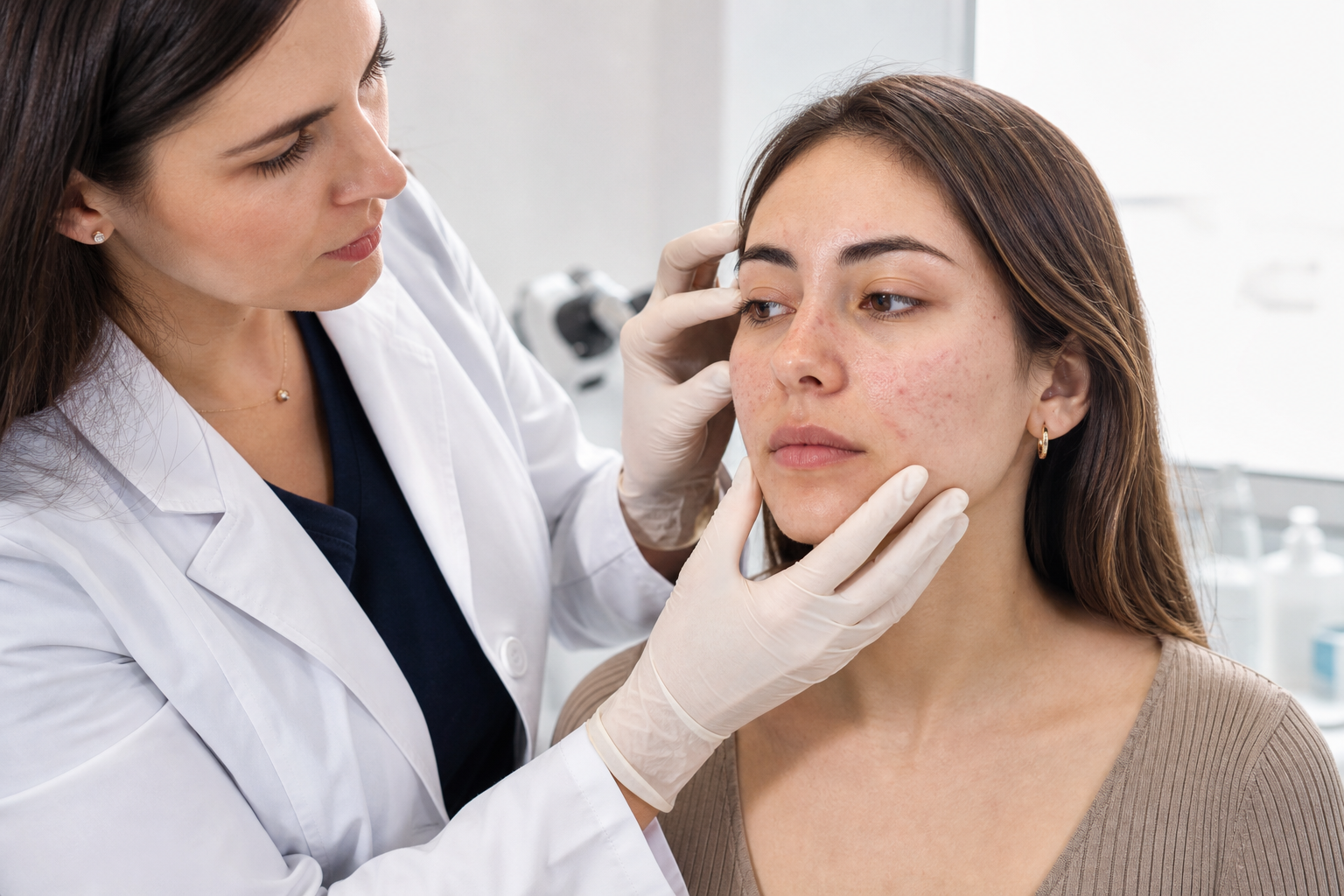
Red spots that linger after pimples have healed are a common and often frustrating skin concern affecting many individuals, especially those who have experienced moderate to severe acne. These red marks can significantly impact one's self-esteem and overall satisfaction with their skin's appearance. But what exactly causes these red spots? Are they a temporary sign of inflammation, or do they indicate permanent changes such as scarring? Understanding the distinction between post-inflammatory erythema and true scarring is essential for anyone seeking effective solutions and realistic expectations in managing their complexion.
If you've noticed persistent redness after a pimple subsides, you're likely wondering whether this is something that will fade over time or if it requires medical intervention. This article is tailored for individuals grappling with residual redness post-acne, as well as those interested in deepening their knowledge about skin healing processes, vascular-related redness, and treatment options. Recognizing whether your red patches are erythema—a vascular response—or permanent acne scars will help guide you toward the most appropriate skincare approach.
Beyond mere aesthetics, these red spots reflect underlying changes in skin physiology. They may arise from transient inflammation and dilated blood vessels or from deeper structural damage to the skin's layers. Moreover, conditions such as rosacea or sensitive skin could complicate the picture, making diagnosis and management more nuanced. This article aims to equip readers with a clear understanding of these phenomena, drawing on contemporary dermatological knowledge and highlighting cutting-edge treatments, including advanced laser procedures designed to address facial redness and scarring.
What Causes Red Spots After Pimples Heal?
When a pimple resolves, the skin undertakes a complex repair process. If the inflammatory response was superficial and mild, the skin often returns to its normal appearance with minimal residual marks. However, more intense or deep-seated inflammation can damage small blood vessels and skin structures, leading to red discoloration or even scarring.
The most common cause of red spots post-pimple is post-inflammatory erythema (PIE). This condition is characterized by superficial cutaneous blood vessels that remain dilated after the acute inflammation has subsided, resulting in persistent redness. PIE is purely vascular in nature and does not involve changes to the skin's texture; it tends to fade gradually over weeks or months but can linger longer in some individuals.
In contrast, some red marks signal the beginning of acne scarring—a more permanent alteration caused by damage to the dermis, the middle layer of the skin. Scarring can manifest as indentations, raised areas, or discolorations that persist indefinitely without intervention. Acne scars might initially appear red or purple due to heightened vascularity but eventually evolve to a paler or pigmented appearance as healing progresses.
Other contributing factors include individual skin sensitivity, genetic predisposition, and the presence of other skin conditions like rosacea or contact dermatitis, which may exacerbate redness and slow skin repair. Thus, while pimples themselves trigger the initial injury, the subsequent appearance of red spots depends on multiple interacting factors.
How to Differentiate Between Erythema and Acne Scars?
Discerning whether post-pimple redness is erythema or indicative of scarring is key to choosing the right course of action. Although both conditions may appear as red marks, their characteristics differ significantly.
Post-inflammatory erythema typically presents as flat, pink to red patches with no change in skin texture. These spots are often described as having a ‘blushing’ or flushed appearance, and they usually become less prominent when pressure is applied (a phenomenon called blanching). Patients might also notice slight warmth or tenderness during the early phase of erythema. The good news is that PIE generally improves naturally over time as blood vessels regain normal tone, although treatment can accelerate this process.
The red marks associated with acne scarring tend to involve permanent changes. Scars may be depressed (atrophic), raised (hypertrophic), or have altered pigmentation. Notably, the texture of the skin is affected, with scars sometimes feeling rough, uneven, or firm. Unlike erythema, scars do not blanch under pressure and are unlikely to fade significantly without intervention. Early scar coloration may be red or purple due to increased vascularity, but over months or years, these hues typically shift to white or brown shades.
Clinical assessment by a dermatologist is often necessary to accurately classify these lesions, especially when redness coexists with textural changes. Understanding these nuances enables a more precise evaluation and avoids unnecessary or ineffective treatments.
What Role Do Other Skin Conditions Play in Persistent Redness?
Persistent redness on the face is not always solely attributable to acne-related issues. Conditions such as rosacea—a chronic inflammatory skin disorder affecting many adults—can create continuous or intermittent facial erythema, accompanied by papules, pustules, and visible blood vessels. Rosacea might be mistaken for acne or post-inflammatory changes but requires distinct management strategies.
Rosacea's hallmark vascular instability causes frequent facial flushing and can mimic or exacerbate post-pimple redness. Importantly, unlike PIE, rosacea is a chronic condition necessitating ongoing care tailored to symptom severity. Though vascular laser treatments can diminish the visible redness associated with rosacea, they do not cure the underlying disorder, underscoring the need for integrated treatment plans.
Similarly, sensitive skin and contact dermatitis can provoke redness and inflammation on healing skin. These conditions result from environmental exposures, allergens, or irritants and must be recognized to prevent further skin barrier disruption. In such cases, gentle skincare regimens coupled with appropriate therapies are essential to restore skin health and mitigate persistent redness.
How Can Advanced Laser Treatments Help Reduce Facial Redness and Scarring?
Modern laser technology has revolutionized the treatment landscape for vascular conditions and acne scarring, offering targeted solutions to reduce redness and improve skin texture. Vascular laser treatments are designed to selectively target dilated blood vessels causing erythema and visible facial redness. These procedures stimulate blood vessel regression and promote collagen remodeling, resulting in a clearer, more even complexion.
It is important to note that intense pulsed light (IPL) therapy, while often associated with laser treatments, is not a laser per se but a broad-spectrum light source. IPL can be effective for reducing superficial redness and pigmentation but operates differently from laser systems that emit a specific wavelength of light targeting hemoglobin or melanin.
For acne scarring, fractional laser resurfacing and other types of laser therapies can induce controlled micro-injuries, stimulating collagen production and facilitating skin repair. This approach helps smooth textural irregularities and diminish the appearance of scars. However, treatment outcomes vary based on scar type, skin tone, and individual healing response.
While laser procedures offer promising improvements, they are not a panacea. Patients should undertake treatments under experienced dermatological supervision to tailor protocols to their unique skin characteristics and to minimize risks such as pigmentation changes or irritation.
What Is the Natural Course of Post-Pimple Redness and What Are Realistic Expectations?
Understanding the natural healing timeline and setting realistic expectations are fundamental pillars of managing post-pimple redness. Post-inflammatory erythema generally improves gradually without aggressive interventions. The visible redness might take several weeks up to a few months to fully resolve, depending on the depth of inflammation and individual skin properties.
On the other hand, acne scars tend to be stable or slowly evolving, often requiring active treatments to modify their appearance. Complete disappearance of scars is rarely achievable; instead, the goal is often to improve texture, color uniformity, and overall skin appearance. Combining therapies such as skin resurfacing, microneedling, and topical agents can synergistically enhance results.
Patience is crucial, as skin remodeling processes take time. Moreover, vigilant sun protection and tailored skincare considerably influence healing outcomes, reducing the risk of hyperpigmentation and further irritation.


