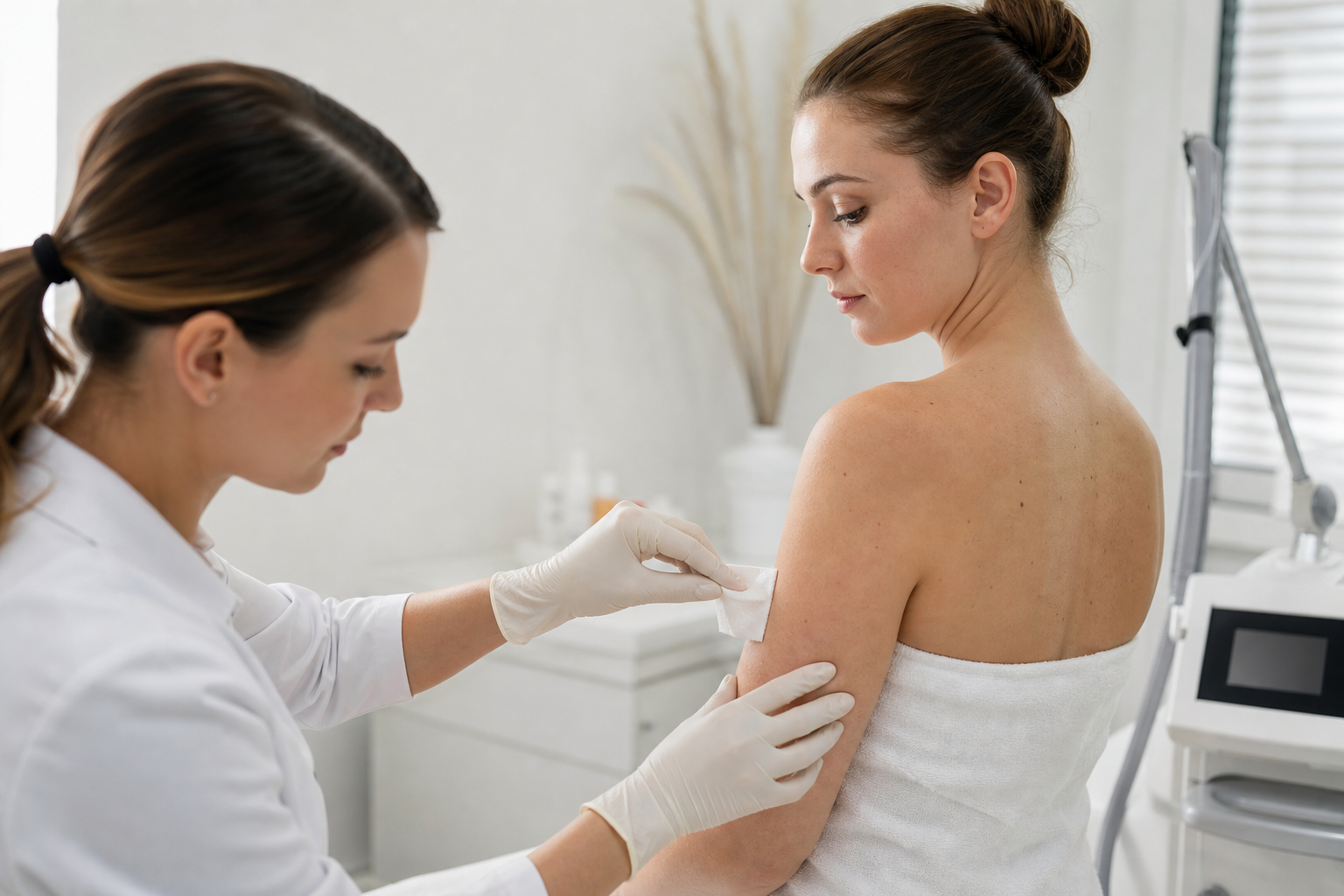
Fractional laser treatments have become a cornerstone of modern dermatological and aesthetic medicine, known for their ability to rejuvenate the skin by stimulating its natural repair and renewal processes. This sophisticated technology offers a nuanced approach to skin improvement, targeting imperfections such as fine lines, scars, uneven texture, and pigmentation irregularities. For individuals considering or already undergoing fractional laser therapy, one of the most pertinent questions is: how long do these results truly last?
Understanding the longevity of fractional laser results is essential for setting realistic expectations, choosing the right treatment modality, and planning effective skin care regimens post-procedure. This topic is particularly relevant for those seeking non-invasive or minimally invasive ways to address signs of aging or skin damage with lasting benefits. Discerning the nuances between ablative and non-ablative fractional lasers and recognizing factors that influence the durability of outcomes are crucial for anyone interested in this technology.
This article aims to provide an informative, medically grounded exploration of fractional laser results. It is crafted for patients, skincare professionals, and enthusiasts who desire a clear comprehension of what fractional laser therapy entails, how it impacts skin longevity, and what variables affect the persistence of its benefits. By clarifying misconceptions and articulating evidence-based insights, the discussion here supports informed decisions around fractional laser interventions.
What Distinguishes Ablative from Non-Ablative Fractional Laser Treatments?
Central to understanding the durability of fractional laser outcomes is the distinction between ablative and non-ablative techniques. Both approaches work on the principle of creating controlled microinjuries to the skin to stimulate collagen and elastin formation, thereby promoting rejuvenation and repair. However, their mechanisms and depths of penetration differ significantly, influencing recovery time, risks, and the persistence of visible improvements.
Ablative fractional lasers physically remove microscopic columns of the outer skin layer (epidermis) and extend into the dermis, creating a more aggressive thermal injury. This approach leads to pronounced stimulation of skin regeneration, offering more substantial remodeling of damaged tissue and often more dramatic results. However, the invasiveness also entails a longer healing period and a heightened need for careful post-treatment care to avoid complications.
Conversely, non-ablative fractional lasers deliver heat to the underlying dermis without removing the surface layer, inciting collagen production with minimal damage to the epidermis. These treatments carry a reduced risk profile and shorter downtime but generally yield subtler improvements that accumulate gradually over multiple sessions.
When considering durability, ablative treatments often provide longer-lasting visible changes due to their depth and intensity. Non-ablative procedures, while safer for more frequent application, typically require maintenance treatments to sustain benefits over time.
How Do Fractional Laser Treatments Stimulate Lasting Skin Improvement?
The effectiveness and longevity of fractional laser results hinge on their capacity to stimulate structural proteins within the skin—primarily collagen and elastin—that underpin skin firmness and elasticity. By inflicting microthermal injuries that the body interprets as damage, fractional lasers activate natural wound-healing processes. Fibroblasts—the cells responsible for synthesizing collagen and elastin—proliferate and remodel the extracellular matrix, resulting in improved skin texture, reduced fine lines, and diminished scarring.
This regenerative process unfolds over weeks to months post-treatment. Initial improvements often arise as the epidermal barrier rebuilds, providing immediate textural refinement and brightness. Subsequently, deeper dermal changes contribute to more substantial and durable rejuvenation, underpinning the visible outcomes that patients seek.
Because skin's aging is a continuous biological phenomenon catalyzed by intrinsic and extrinsic factors, fractional laser treatments do not halt aging outright but rather reset the skin’s condition to a more youthful baseline. The longevity of this reset largely depends on how well the skin is cared for afterward, combined with genetic and lifestyle influences.
Who Benefits Most from Fractional Laser Treatment for Long-Term Results?
Ideal candidates for fractional laser therapy are individuals with mild to moderate signs of skin aging or damage who seek improvements in tone, texture, and minor imperfections without resorting to invasive surgery. Those with concerns such as acne scars, sun damage, fine wrinkles, and pigmentation irregularities often experience meaningful benefits.
Importantly, candidates should possess realistic expectations and a commitment to follow recommended skin care and sun protection protocols post-treatment. Skin type, tolerance for downtime, and medical history also factor into candidacy and potential for sustained results. People with active skin infections or certain collagen disorders may not be suitable.
Patients committed to integrating fractional lasers into a broader, ongoing regimen of skin maintenance—with possible adjunctive treatments—tend to preserve and extend their results more successfully. Thus, those seeking a series of carefully spaced treatments alongside professional guidance typically enjoy the greatest long-term improvements.
What Factors Influence the Duration of Fractional Laser Results?
Multiple elements affect how long fractional laser results endure. First and foremost is the type of laser used—ablative fractional lasers generally yield more pronounced and longer-lasting outcomes compared to their non-ablative counterparts due to their deeper tissue remodeling capacity.
Secondly, treatment parameters such as laser energy, density, and coverage impact the depth and extent of skin remodeling. Tailoring these settings to individual skin conditions optimizes efficacy without compromising safety.
Individual patient factors are equally critical. Genetics dictate natural collagen turnover and skin resilience, while lifestyle components—sun exposure, smoking, diet, hydration, and skincare routines—strongly influence skin health over time. Adherence to sun protection, in particular, protects the renewed skin from photodamage that could degrade treatment results prematurely.
Furthermore, aging itself is an inexorable process that gradually diminishes collagen and elastin production. Fractional laser treatments act to stimulate these components, but ongoing aging and environmental insults continually challenge skin integrity, necessitating maintenance efforts to uphold results.
How Should Patients Approach Recovery and Post-Treatment Care for Maximum Longevity?
The post-treatment phase is integral to preserving the benefits of fractional laser therapy. Ablative fractional lasers typically require a more prolonged and attentive recovery period due to the surface tissue ablation, involving redness, swelling, peeling, and heightened skin sensitivity. Non-ablative lasers feature shorter recovery times but still benefit substantially from careful aftercare.
Key recommendations include rigorous photoprotection using broad-spectrum sunscreens or physical barriers to prevent ultraviolet-induced collagen breakdown and hyperpigmentation. Gentle moisturizing and avoidance of irritants facilitate barrier repair and comfort. Patients should eschew abrasive skincare products or procedures that might provoke inflammation during the healing window.
Regular follow-ups with a dermatologist or trained clinician allow for monitoring of skin status and timely management of any adverse reactions. In some cases, integrating periodic maintenance treatments or supportive topical therapies like retinoids or antioxidants under professional guidance can enhance result durability.
What Are the Realistic Expectations Regarding the Longevity of Fractional Laser Results?
The permanence of fractional laser outcomes is not absolute, reflecting the dynamic nature of skin biology and external influences. While ablative fractional lasers can induce significant skin remodeling with effects that may visibly persist for several years, results inevitably wane as intrinsic aging and environmental damage progress.
Non-ablative treatments, due to their milder impact, often require regular repeat sessions to maintain improvements. In either case, fractional lasers should be viewed as a component of a continuous skin health strategy rather than a once-and-for-all solution.
Patients prospective to fractional laser therapy should appreciate that duration of benefits varies widely between individuals, predicated on treatment choice, skin characteristics, and lifestyle. Consequently, transparent dialogue with healthcare providers about achievable goals and maintenance planning is paramount.
How Does Fractional Laser Therapy Integrate with Other Laser Skin Rejuvenation Strategies?
Fractional laser methods are frequently incorporated within comprehensive skin rejuvenation protocols, complementing other modalities such as intense pulsed light (IPL), non-fractional ablative lasers, or topical treatments to address different layers and concerns. Understanding the role of fractional lasers specifically in collagen induction and surface textural improvement helps refine treatment sequencing and patient customization.
Additionally, discussions on treatment frequency and session counts—as found in resources like How Many Laser Treatments Are Needed for Visible Skin Improvement? and Can One Laser Treatment Be Enough?—provide further context for managing patient expectations.
Are There Limits to What Fractional Laser Treatments Can Achieve and How Does This Affect Sustainability?
While fractional laser technology is undeniably powerful, it does not offer a panacea for all skin concerns or fully counteract the biological aging process. The skin’s ability to regenerate, though enhanced by laser stimulation, is not limitless. Deeper wrinkles, significant volume loss, or pronounced sagging typically warrant alternative or adjunct treatments.
Moreover, overestimating the permanence of laser-induced changes can lead to disappointment. Progression of photoaging, lifestyle factors, and underlying health conditions may degrade initial results or introduce new imperfections. This underscores the importance of realistic expectation setting and ongoing skin protection.
Risks such as pigmentary alterations or scarring—although infrequent with proper patient selection and technique—can also affect outcome quality and perceived duration. Ensuring treatments are conducted by experienced clinicians following best practices optimizes safety and maximizes the sustainability of results.


