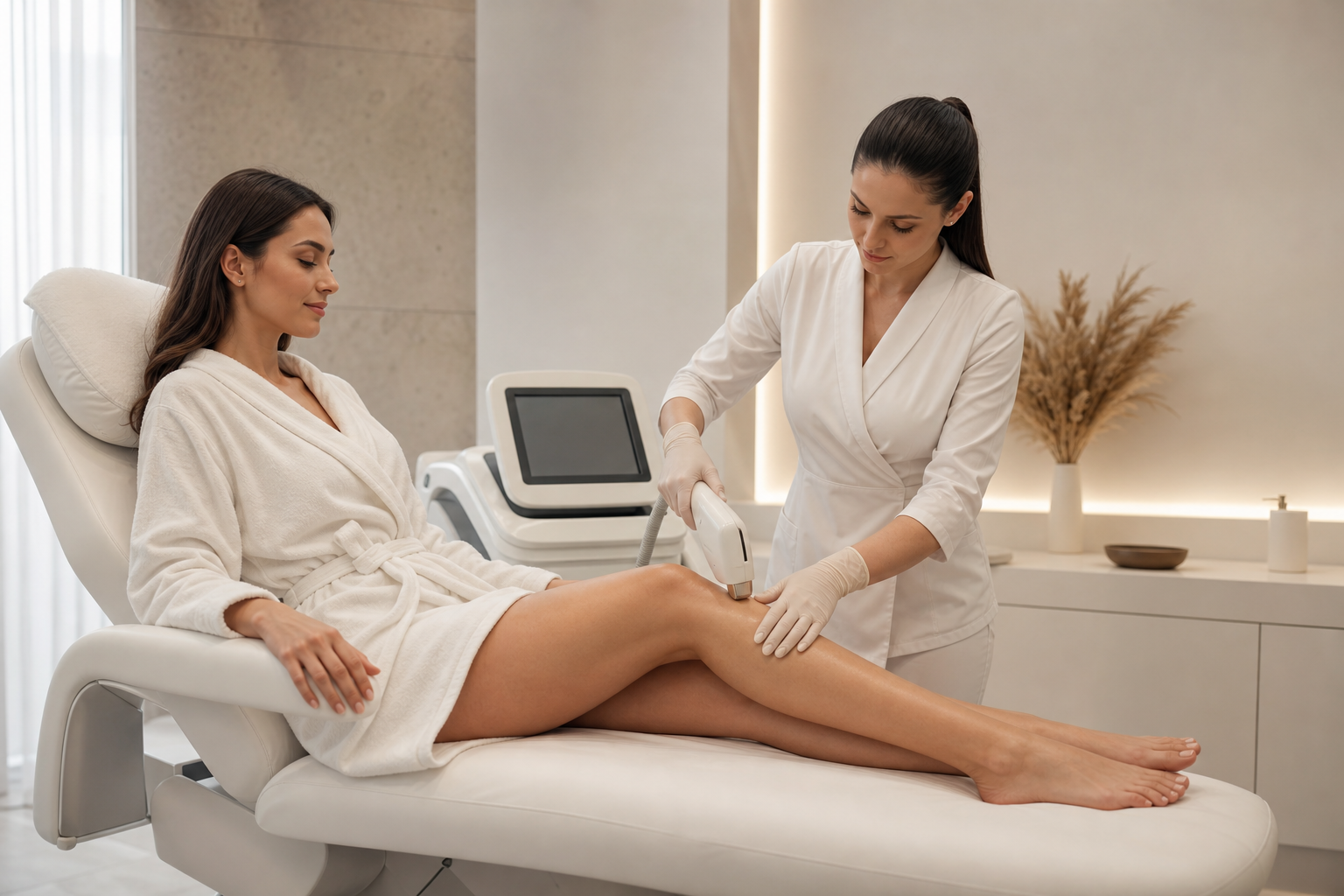
Laser hair removal has revolutionized the way individuals approach unwanted body hair, providing a long-term solution rather than temporary fixes like shaving or waxing. The biology of permanent hair reduction unfolds within a complex interplay of laser technology and human hair physiology, resulting in results that many seek for aesthetic and practical reasons. Understanding how laser hair removal works at a biological level is essential not only for those considering the treatment but also for professionals aiming to optimize outcomes for their clients.
This article explores the scientific mechanisms underpinning laser hair removal and permanent hair reduction. It is designed for prospective patients, dermatologists, and cosmetic professionals interested in the effectiveness, benefits, and biological principles behind this popular cosmetic procedure. By diving into the details of hair follicle biology and laser-tissue interaction, readers can appreciate why laser hair removal achieves long-lasting smoothness and what makes it stand apart from other hair removal methods.
With the continued advancement of laser technology within the broader field of aesthetic treatments, understanding permanent hair reduction’s biological basis not only satisfies curiosity but better equips individuals to make informed decisions about their skin health and appearance. Moreover, as laser procedures increasingly become a cornerstone of comprehensive dermatological care, this knowledge fosters realistic expectations and greater satisfaction with treatment courses over time.
What Is Permanent Hair Reduction and How Does It Differ From Temporary Hair Removal?
Permanent hair reduction refers to a significant and long-lasting decrease in hair regrowth on treated areas of the body, achieved by targeting the hair follicle’s ability to divide and regenerate hair. Unlike temporary methods such as shaving, waxing, or depilatory creams, which only remove hair at or above the skin surface, permanent hair reduction disrupts the biological cycle of hair production itself.
Laser hair removal, the leading method for permanent hair reduction, uses specific wavelengths of light energy absorbed selectively by melanin within the hair shaft and follicle. This focused energy converts to heat, damaging the follicle’s growth center, known as the hair matrix, without adversely affecting the surrounding skin tissue when performed correctly. Over successive treatment sessions, this damage impedes or delays new hair growth, often resulting in a visible and sustained reduction.
Importantly, permanent hair reduction is progressive. Hair grows in cycles, and not all follicles are active simultaneously. Therefore, multiple treatment sessions spaced over weeks or months are necessary to target follicles at the right phase, eventually diminishing both the quantity and thickness of hair in the treated region for the long term.
Who Can Benefit From Laser Hair Removal and Why It Is a Preferred Choice?
Laser hair removal is suitable for a wide range of individuals seeking a permanent reduction of unwanted hair. It is particularly beneficial for people with excess hair growth due to genetics, hormonal imbalance, or medical conditions such as hirsutism. Those who are tired of frequent shaving or waxing and desire smoother skin with less maintenance are common candidates.
The procedure is most effective on individuals with darker hair and lighter skin, as the laser’s energy is optimally absorbed by the melanin in the hair pigment. Technological advancements, such as devices with longer wavelengths and adjustable parameters, have expanded the treatment’s applicability to people with darker skin types or lighter hair colors, though with varying degrees of effectiveness.
Beyond aesthetics, laser hair removal can also provide practical benefits: it reduces skin irritation often caused by shaving or waxing, decreases ingrown hairs, and enhances hygiene in areas prone to excessive sweating. For athletes, those in professions requiring frequent grooming, or anyone desiring convenience, the treatment offers a compelling option.
Understanding Hair Follicle Biology: The Target of Laser Hair Removal
To appreciate how laser hair removal achieves long-term effects, understanding the biology of the hair follicle is crucial. Hair follicles are complex mini-organs embedded in the skin, responsible for producing hair shafts through a cycle of growth, rest, and shedding phases.
The hair growth cycle includes three main stages: anagen (active growth), catagen (transition), and telogen (resting). Laser hair removal primarily targets follicles in the anagen phase, where cells in the hair matrix are actively dividing and melanin concentration is highest. Destroying or impairing these active follicles effectively interrupts hair regeneration.
Follicles in the catagen or telogen phases contain little to no pigment, making them less susceptible to laser energy. Since hair follicles cycle asynchronously, multiple treatment sessions spaced weeks apart ensure that hairs in all phases are eventually treated during their anagen phase. The cumulative effect produces the long-lasting reduction in hair density observed after laser treatment.
How Laser Technology Interacts With Hair and Skin Tissues
Laser hair removal devices emit concentrated beams of light at specific wavelengths designed to maximize absorption by melanin in hair follicles while minimizing damage to the surrounding skin. This selective photothermolysis is the cornerstone of safe and effective laser hair removal.
Commonly used wavelengths range from 755 nm to 1064 nm, chosen based on their depth of penetration and melanin absorption properties. For example, alexandrite lasers operate around 755 nm and are favored for lighter skin types, while Nd:YAG lasers at 1064 nm are preferred for darker skin due to reduced epidermal absorption.
When the laser light is absorbed by melanin in the hair shaft and follicle, it converts to thermal energy, heating the follicle to a temperature sufficient to cause papillary dermal damage without permanent scarring. This heat denatures proteins within the follicle’s matrix cells, impairing their ability to divide and produce new hair shafts over time.
Cooling systems integrated into modern laser devices protect the epidermis and enhance patient comfort, allowing higher energy delivery for more effective follicle targeting. Operators must carefully calibrate laser parameters such as fluence, pulse duration, and spot size tailored to each individual’s skin and hair characteristics to optimize results and reduce side effects.
Why Multiple Sessions Are Necessary for Durable Hair Reduction
Because hair follicles exist in different phases of the hair growth cycle, a single laser session cannot eliminate all hair in a treated area. Only follicles in the anagen phase are actively producing pigmented hair and thus effectively targeted by laser energy. Follicles in catagen or telogen phases require subsequent sessions once they enter anagen to be treated effectively.
Typically, a series of 6 to 8 treatments spaced 4 to 8 weeks apart achieves the most significant permanent hair reduction. The interval timing depends on the treatment area and the natural timing of the hair cycle in those regions. For example, facial hair cycles differ from leg hair cycles in duration.
During this treatment series, repeated thermal damage accumulates in hair-producing structures, progressively reducing follicular activity and hair density. Post-treatment, regrowth often occurs but is finer, lighter, and slower, contributing to a visually smoother skin surface.
What to Expect During and After Laser Hair Removal Treatments
Each laser hair removal session involves the application of laser pulses across the targeted region. Patients typically experience a mild stinging or snapping sensation when the laser targets hair follicles, mitigated by built-in cooling mechanisms or topical anesthetics if necessary.
Immediately post-treatment, transient redness and mild swelling around hair follicles may occur, reflecting localized skin irritation. These effects usually subside within a few hours to days. It is important to avoid sun exposure and use sunscreen diligently to minimize risks of pigmentation changes.
Gradual hair shedding may begin days to weeks after sessions, a process known as “telogen effluvium,” indicating follicle damage. Hair regrowth timelines vary individually but generally follow the cycle-dependent pattern necessitating additional treatments.
Potential Risks and Contraindications in Laser Hair Removal
While laser hair removal is generally considered safe, certain risks and contraindications exist. Possible side effects include temporary pigmentation changes (hyperpigmentation or hypopigmentation), blistering, burns, or scarring in rare cases, typically associated with improper technique or unsuitable candidate selection.
Patients with active skin infections, certain photosensitive conditions, tattoos in the treatment area, or those taking photosensitizing medications may be unsuitable candidates. Pregnant individuals are often advised to postpone treatment. Skin color and hair pigmentation also influence candidacy, as very light, gray, or red hair has limited melanin, making laser targeting less effective.
An experienced practitioner conducting a thorough consultation and patch testing can mitigate risks through tailored protocols and patient education regarding pre- and post-treatment care.
Emerging Advances and Future Directions in Permanent Hair Reduction
Research and technological innovation continue to refine laser hair removal methods. Developments in laser wavelengths, pulse durations, and cooling technologies aim to enhance efficacy, reduce discomfort, and expand treatment safety across diverse skin types.
Moreover, combined modalities integrating laser treatment with other techniques such as radiofrequency or intense pulsed light (IPL) are being explored to optimize hair follicle destruction and improve patient outcomes.
Personalized treatment plans leveraging genetic and hormonal profiling promise to tailor therapies further to individual hair growth patterns, potentially reducing session numbers and improving long-term stability.
How to Choose the Right Clinic and Practitioner for Laser Hair Removal
Selecting an experienced, qualified provider is fundamental to achieving permanent hair reduction safely and effectively. Patients should seek clinics offering comprehensive consultations, clear explanations of expected outcomes, and transparent pricing structures.
Practitioners should be trained in dermatology or certified laser technicians knowledgeable about anatomy, skin types, and laser physics. Facilities using FDA-approved or CE-marked laser devices with established track records provide added assurance.
Patient reviews, consultation responsiveness, and the availability of personalized treatment protocols help assess clinic reliability. Above all, practitioners must prioritize patient safety and realistic expectation management to foster satisfaction throughout the treatment journey.


