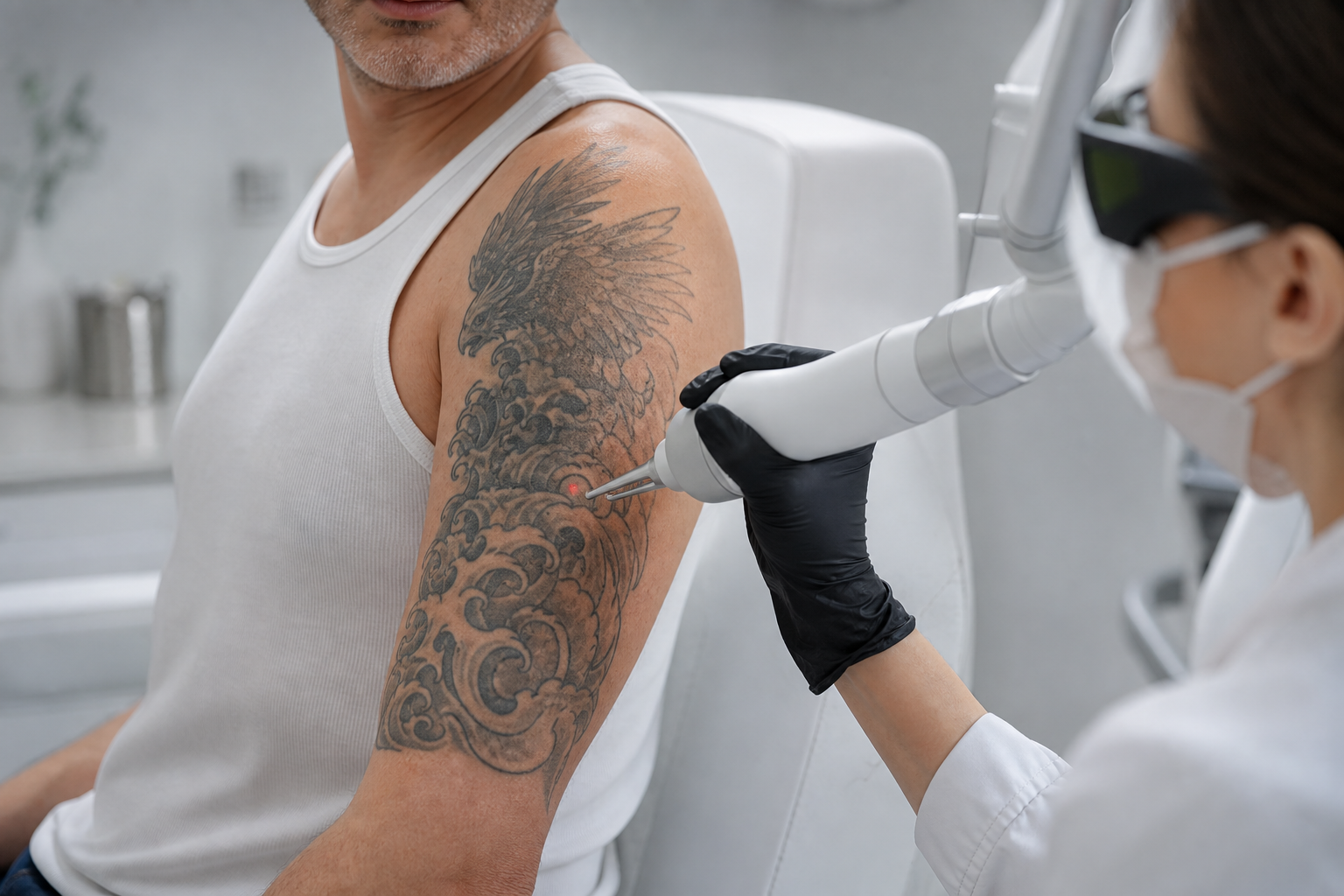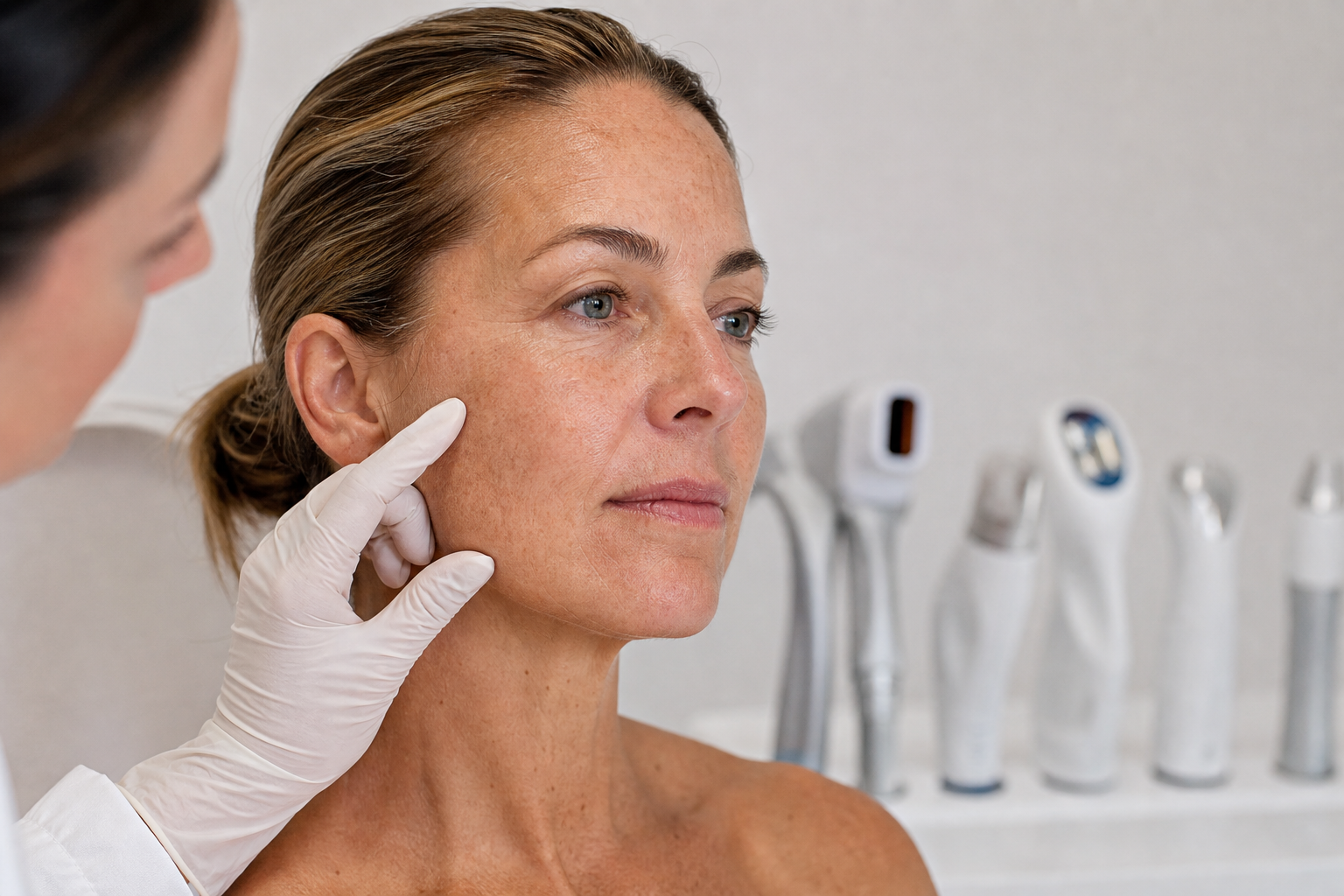
Laser rejuvenation of the skin has become a prominent and sought-after option among advanced facial and body care procedures. This sophisticated approach harnesses focused laser energy to enhance skin appearance by minimizing imperfections and stimulating the skin's natural regeneration. It serves as a powerful ally in addressing various skin concerns, from early signs of aging to sun damage, pigmentation irregularities, scars, enlarged pores, redness, and more.
Understanding which skin concerns can be improved by laser rejuvenation is crucial for anyone considering this technology. The diversity of laser types and wavelengths means that different concerns require specific treatments, as no single laser platform can effectively resolve every issue. This article aims to demystify the capabilities and limitations of laser skin rejuvenation, providing clarity on which common problems it can address, the underlying mechanisms involved, and the nuances required in selecting the appropriate laser technology.
Whether you are seeking to reduce fine lines, improve skin texture, diminish pigmentation, or alleviate vascular redness, appreciating how laser treatments interact with various skin challenges will help inform your decisions and set realistic expectations. Laser rejuvenation is not a magic wand for complete removal of imperfections but a tool for significant improvement and reduced visibility, achievable through tailored treatment plans.
What Skin Concerns Are Commonly Targeted by Laser Rejuvenation?
Laser skin rejuvenation encompasses a broad spectrum of applications, targeting multiple dermatological and aesthetic issues with varying degrees of success. The most prevalent concerns laser treatments address include:
Fine Lines and Wrinkles: As skin ages, natural production of collagen and elastin—proteins essential for maintaining skin’s elasticity and firmness—declines. This results in the emergence of fine lines and wrinkles. Laser treatments stimulate fibroblasts in the dermis, boosting new collagen fiber synthesis, which can tighten the skin and rejuvenate its youthful appearance.
Uneven Skin Texture: Roughness, irregularities, and uneven skin surfaces often arise due to sun damage, environmental exposure, or aging. Laser technologies help smooth skin by removing damaged surface cells and encouraging the growth of healthier tissue, improving texture markedly.
Enlarged Pores: Enlarged pores are frequently linked to skin aging and loss of elasticity. Fractional and non-ablative laser treatments can reduce the apparent size of pores by tightening the skin and refining its surface pattern.
Photoaging and Sun Damage: Cumulative exposure to ultraviolet light causes photoaging, characterized by pigment changes, loss of tone, and fine damage to skin structure. Certain lasers target melanocytes, reduce pigmentation irregularities, and stimulate skin renewal, restoring radiance.
Selected Pigmentation Issues: While specialized pigmentation treatments exist, laser rejuvenation can simultaneously diminish some pigmentary irregularities, especially when combined with adjunct methods For comprehensive insight, it’s informative to consult dedicated resources on skin pigmentation and treatment techniques.
Acne Scars: Scarring from acne, particularly deep and uneven marks, responds positively to laser treatments. By inducing controlled injury and stimulating new tissue formation, lasers reduce scar visibility and promote smoother skin contour.
Redness and Vascular Lesions: Vascular concerns such as facial redness or prominent blood vessels can be alleviated using vascular-specific laser wavelengths that precisely target blood vessels without harming the surrounding skin.
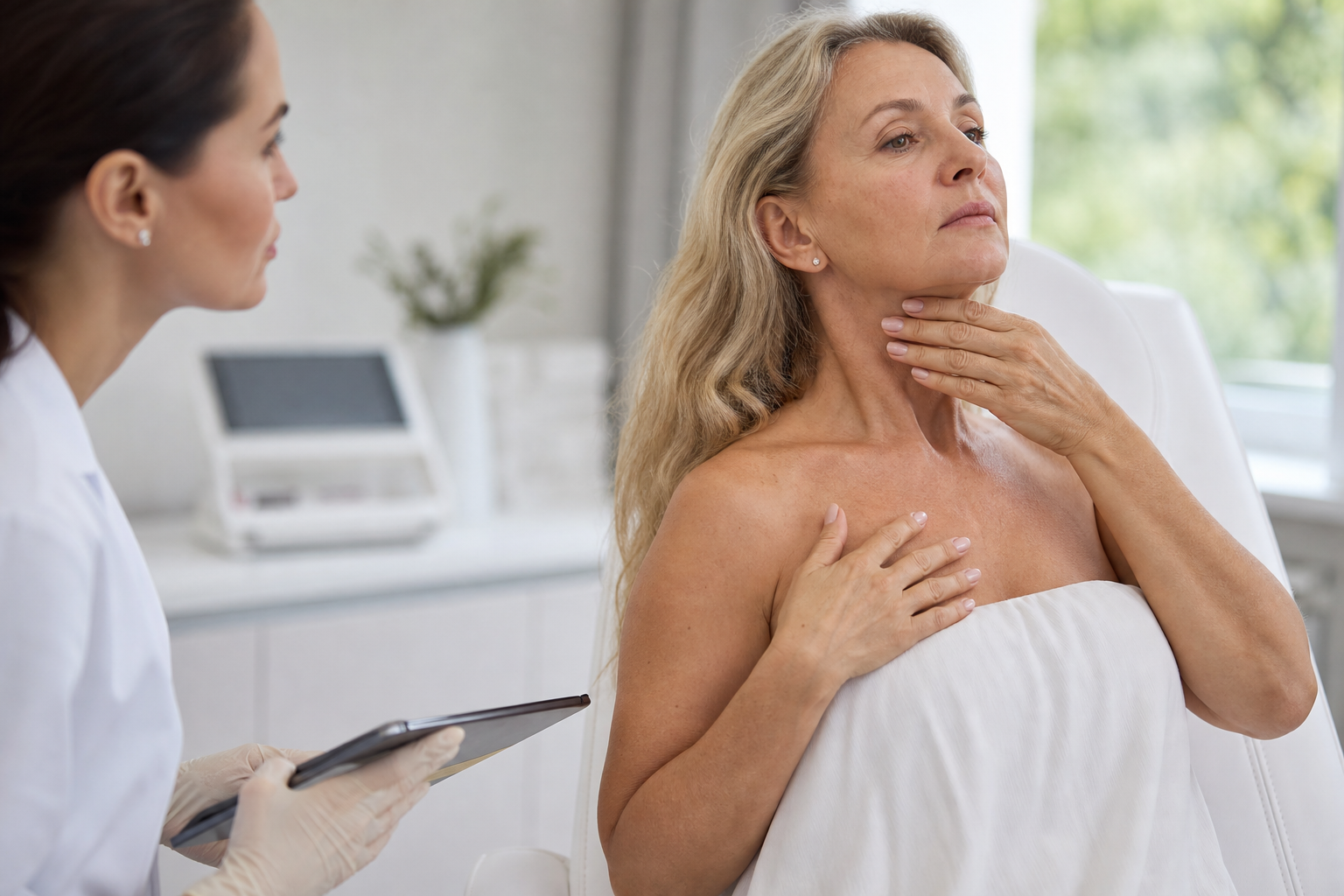
Neck, Décolletage, and Hands: These often-neglected areas are prone to early aging signs due to thinner skin and frequent sun exposure. Laser rejuvenation enhances elasticity and texture, promoting a younger, healthier appearance beyond the face.
Why Do Different Skin Concerns Require Specific Laser Wavelengths and Platforms?
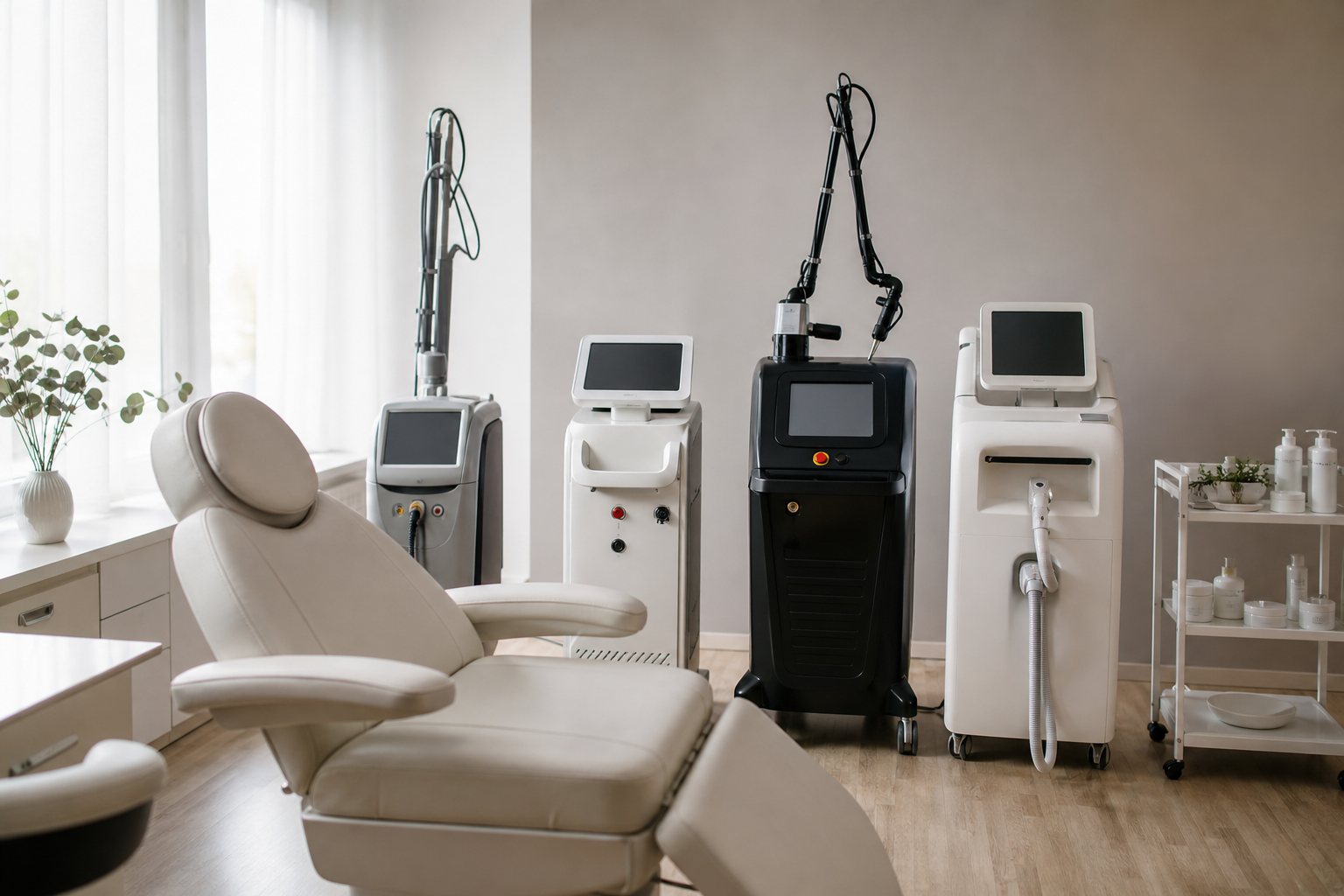
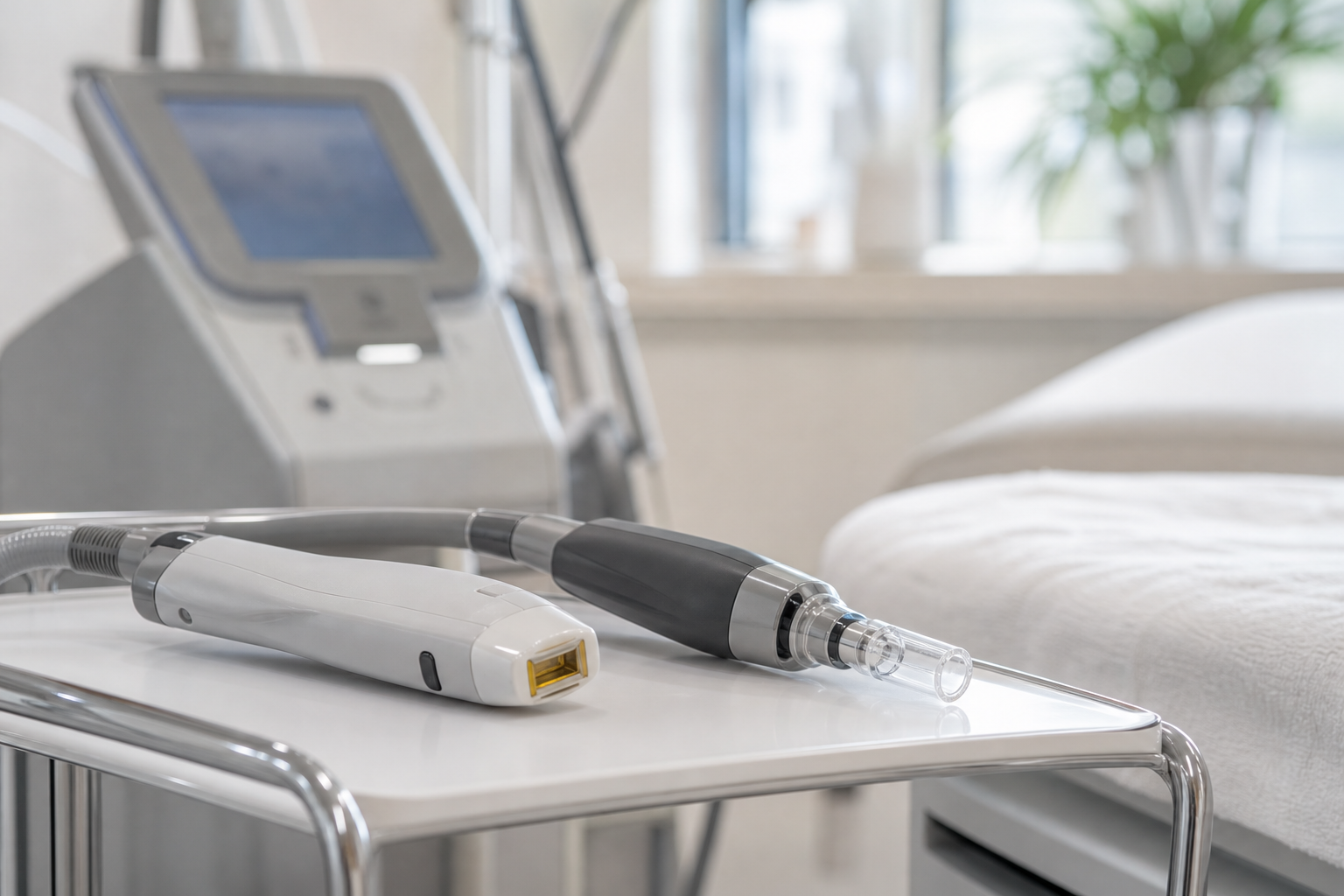
Laser skin rejuvenation effectiveness is deeply dependent on the choice of wavelength and laser platform, tailored to the particular skin issue. The depth of laser penetration and the selective targeting of skin chromophores (such as water, hemoglobin, or melanin) underlie this principle.
Ablative Lasers remove the outer skin layer, inducing regeneration of deeper layers. They are typically recommended for more severe damage, deep wrinkles, and pronounced texture issues. This process leads to more dramatic improvements but necessitates longer recovery times.
Non-Ablative Lasers, conversely, penetrate beneath the skin surface without removing epidermal layers. They stimulate collagen formation with minimal downtime, serving well for mild to moderate imperfections.
Fractional Lasers target the skin in a pixelated pattern, treating tiny columns of tissue while sparing surrounding skin. This method accelerates healing and reduces side effects, effective for textural concerns and scars.
Specific wavelengths are chosen based on their affinity for particular skin components. For instance, lasers operating around 1064 nm effectively target vascular features to reduce redness and visible capillaries, whereas wavelengths near 1550 nm are optimized for stimulating collagen and mitigating scars. This diversity mandates a customized treatment plan rather than a one-size-fits-all approach.
How Does Laser Rejuvenation Improve the Skin Physiology?
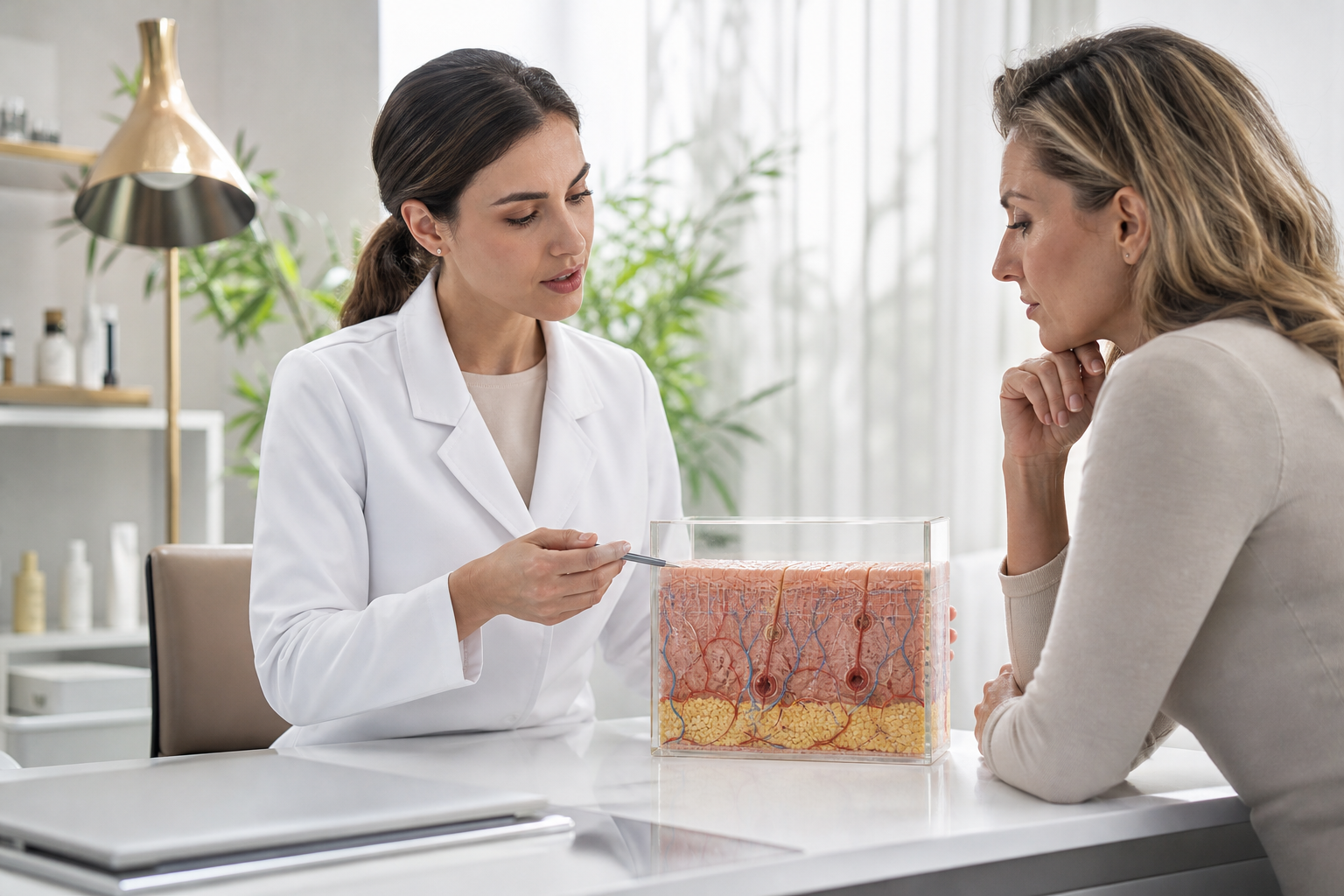
The fundamental benefit of laser rejuvenation lies in its ability to activate the skin's innate healing processes. Targeted laser energy causes controlled micro-injuries or thermal stimulation, prompting fibroblasts in the dermis to ramp up collagen and elastin synthesis.
This renewal effectively counteracts the deterioration caused by aging, environmental exposure, and tissue injury. Enhanced collagen rebuilds the extracellular matrix, which translates to firmer, smoother, and more elastic skin.
Moreover, laser stimulation improves blood flow and cellular turnover, contributing to a more even skin tone and texture. The gradual nature of these changes explains why multiple treatment sessions are generally recommended, allowing time for the skin to respond and regenerate fully.
Who Is the Ideal Candidate for Laser Skin Rejuvenation?
Laser skin rejuvenation is best suited to individuals who wish to soften early aging signs, improve skin texture and tone, and address mild-to-moderate pigmentation or vascular issues without resorting to invasive surgery.
Those with fine lines, photoaged skin, uneven pigmentation, enlarged pores, mild acne scarring, or redness often see substantial benefit from tailored laser therapies. Candidates should have realistic expectations, understanding that treatments reduce visibility rather than completely eliminate imperfections.
Patients with active inflammatory skin conditions, certain infections, or underlying systemic diseases need thorough medical evaluation before considering laser treatment. Additionally, people with darker skin tones require careful treatment planning due to a slightly elevated risk of pigmentation changes.
What Can Patients Expect During and After Laser Treatments?
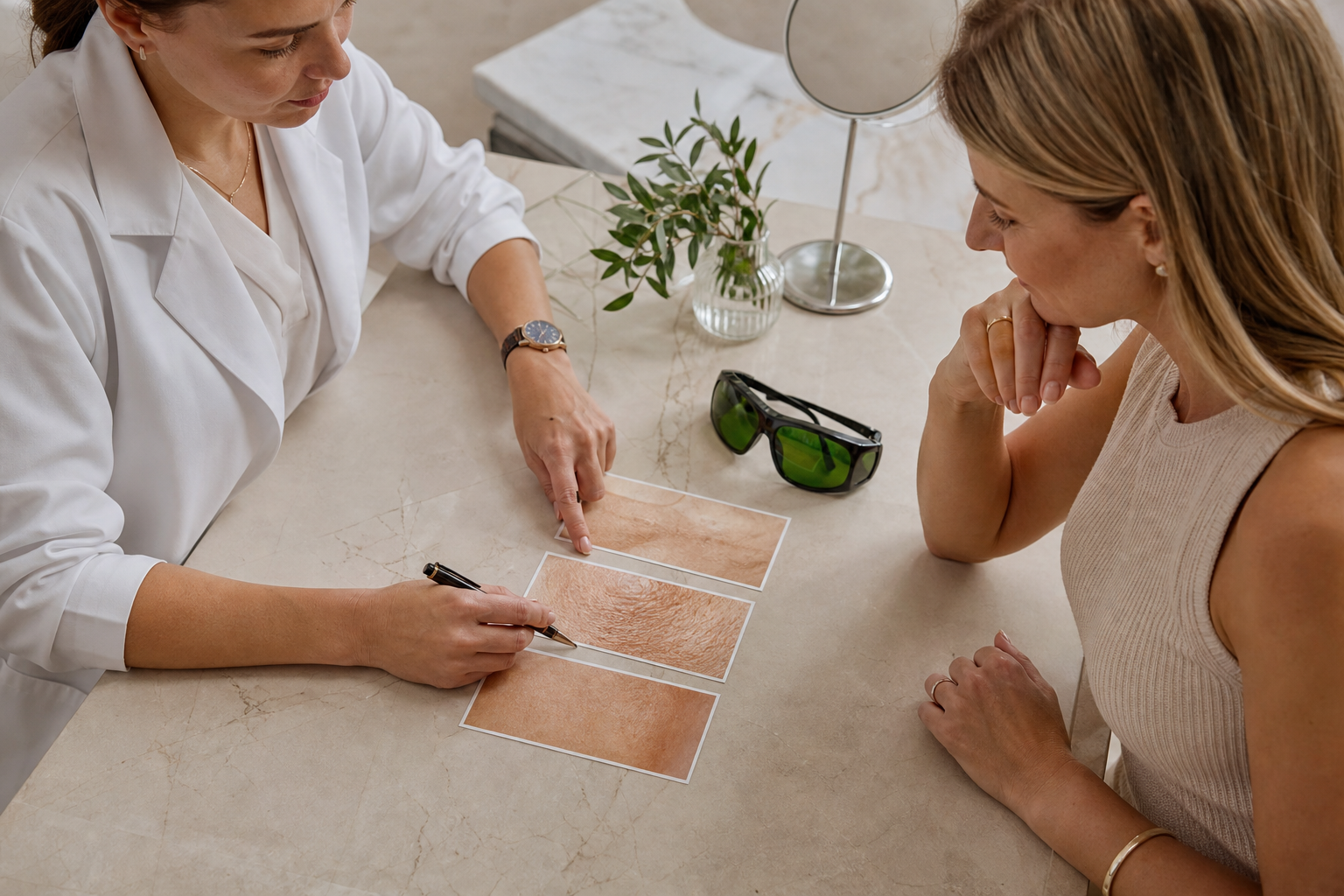
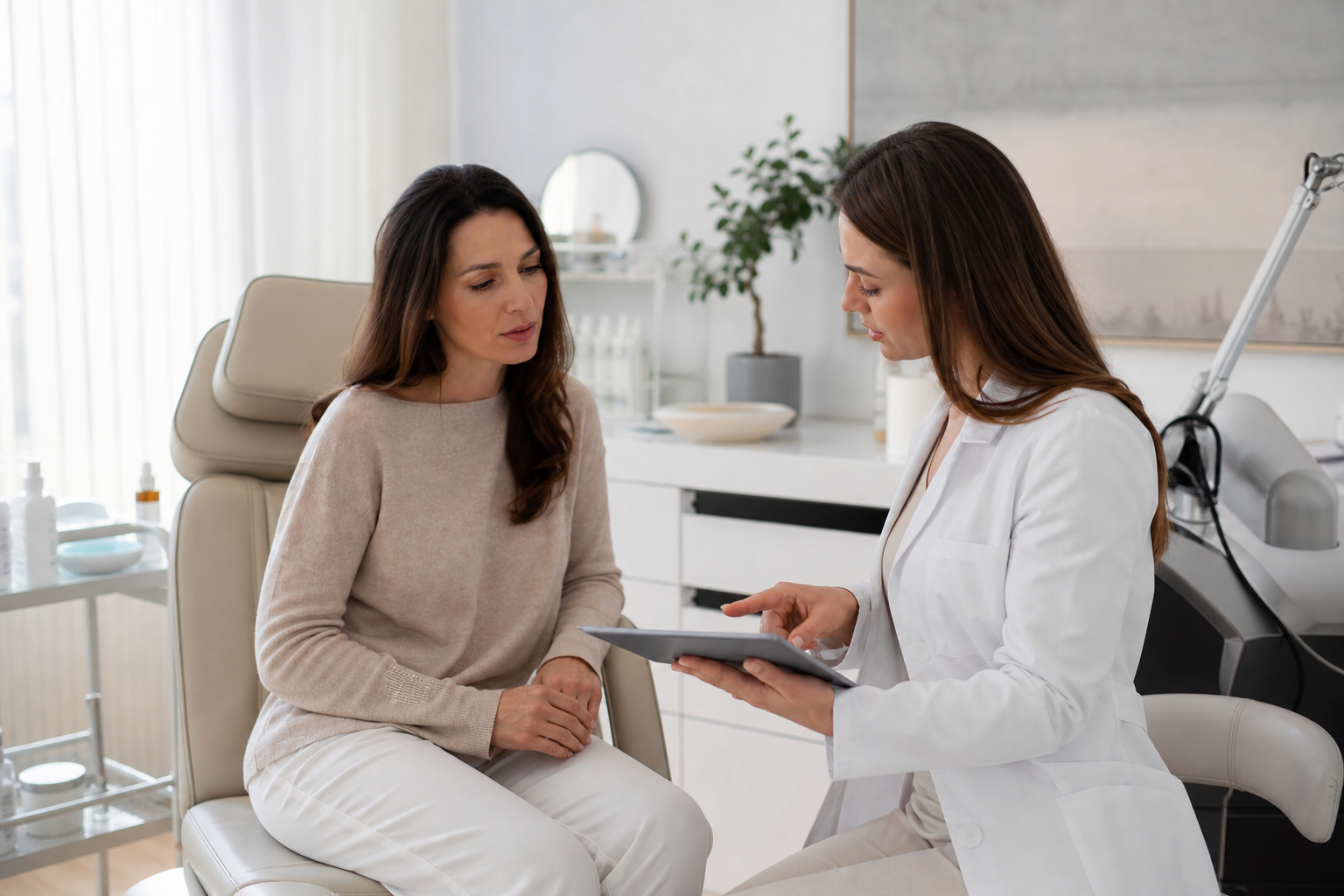
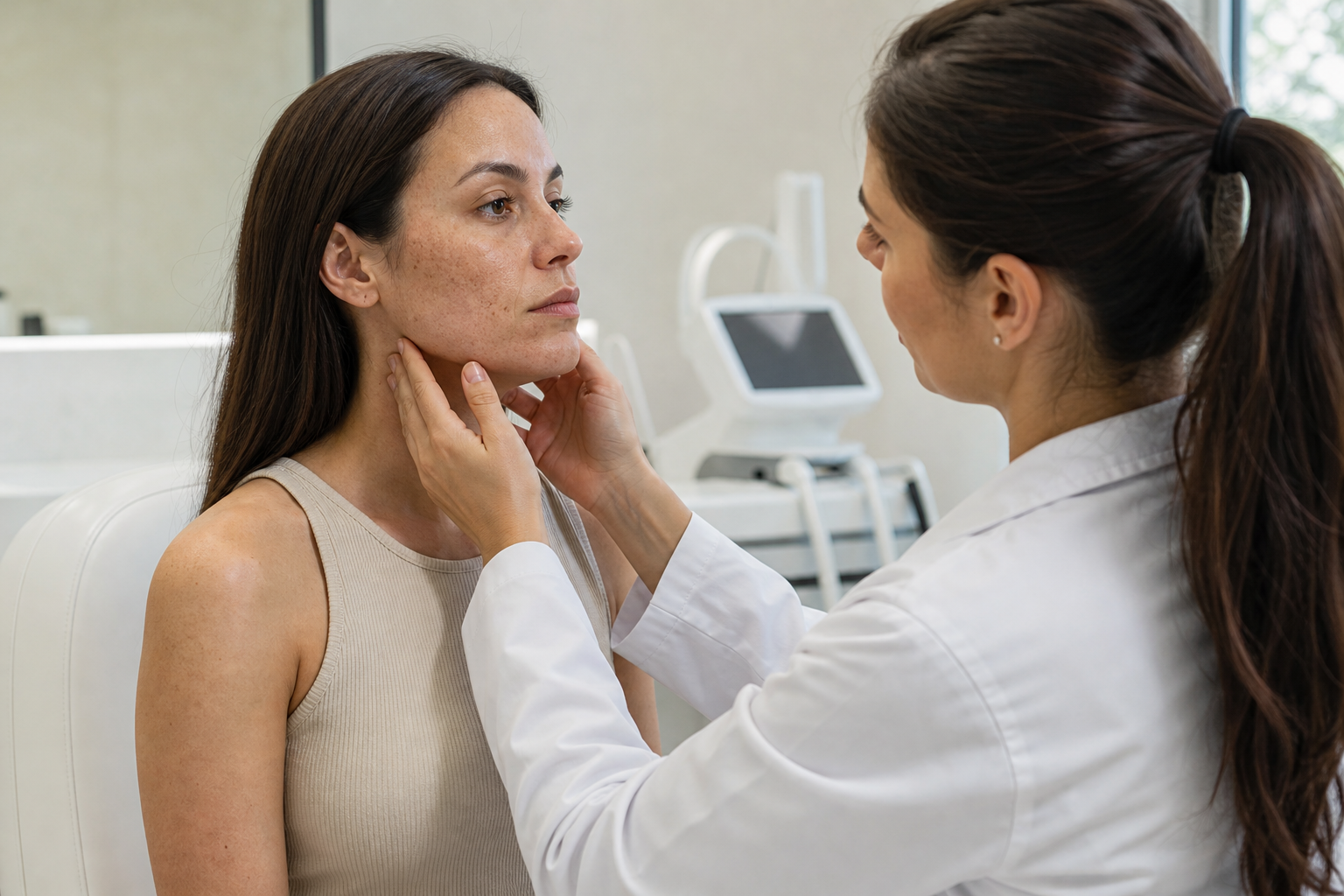
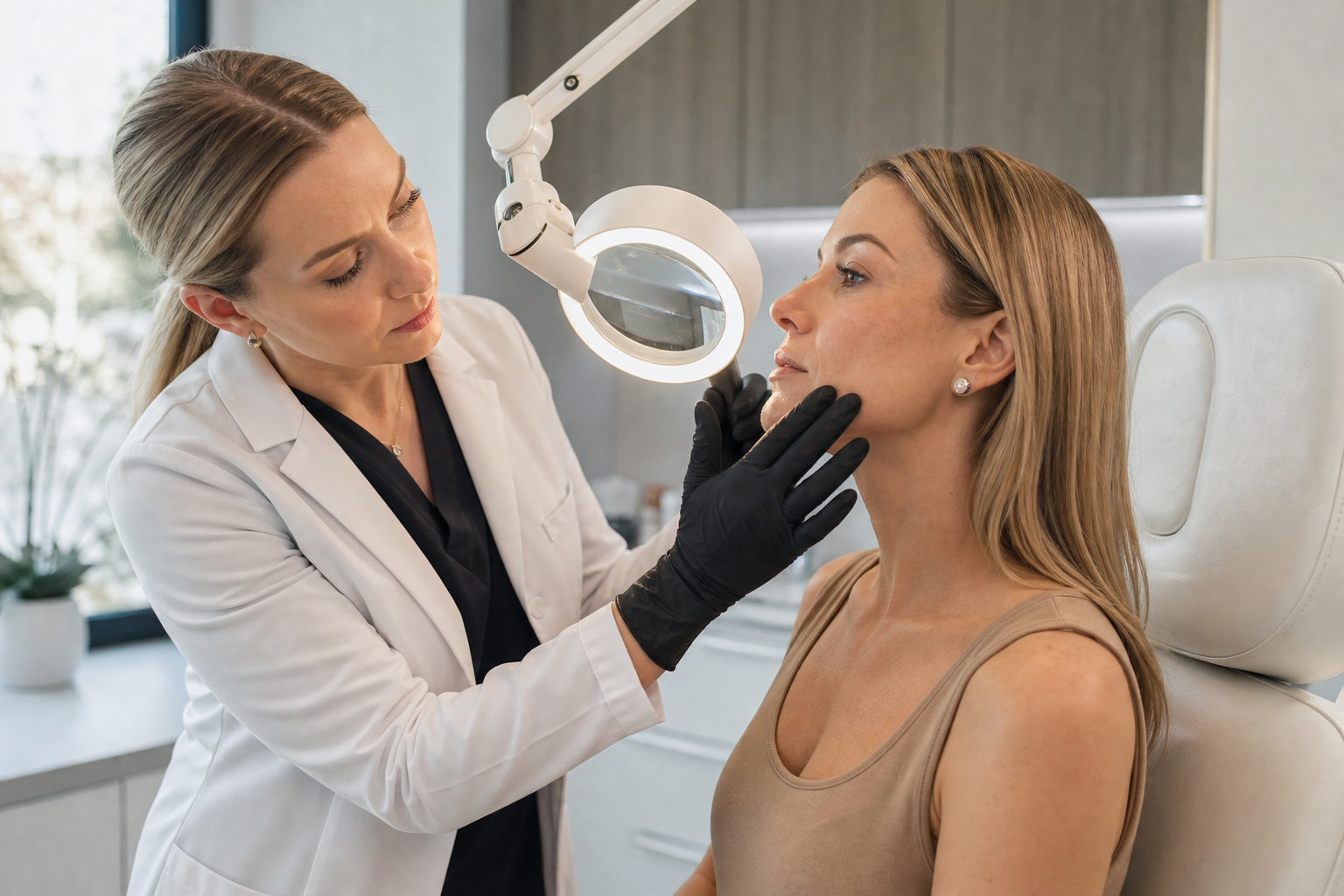
The laser rejuvenation journey typically begins with a professional consultation to assess skin type, problem areas, and overall health. Based on this, a personalized treatment plan is developed.
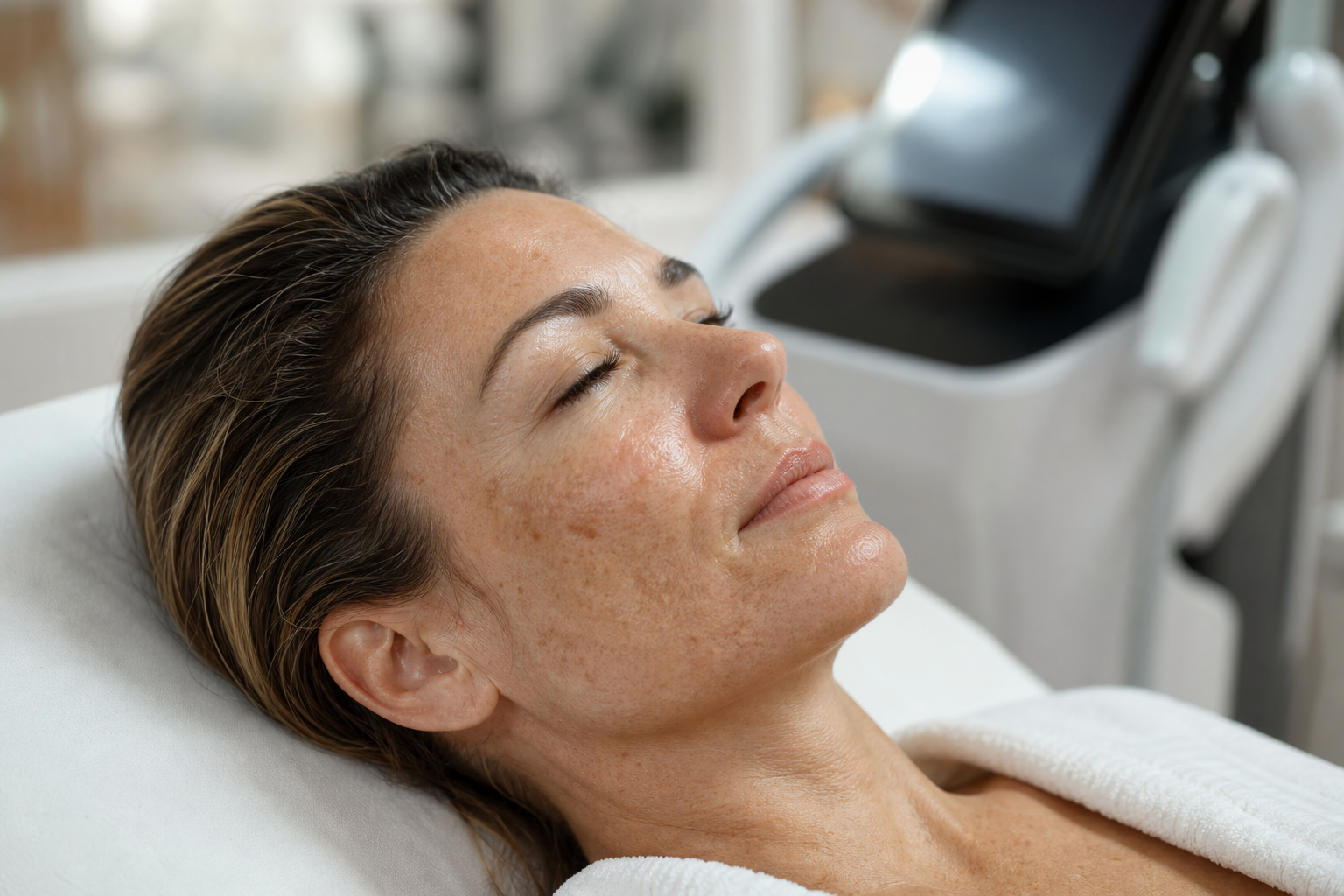
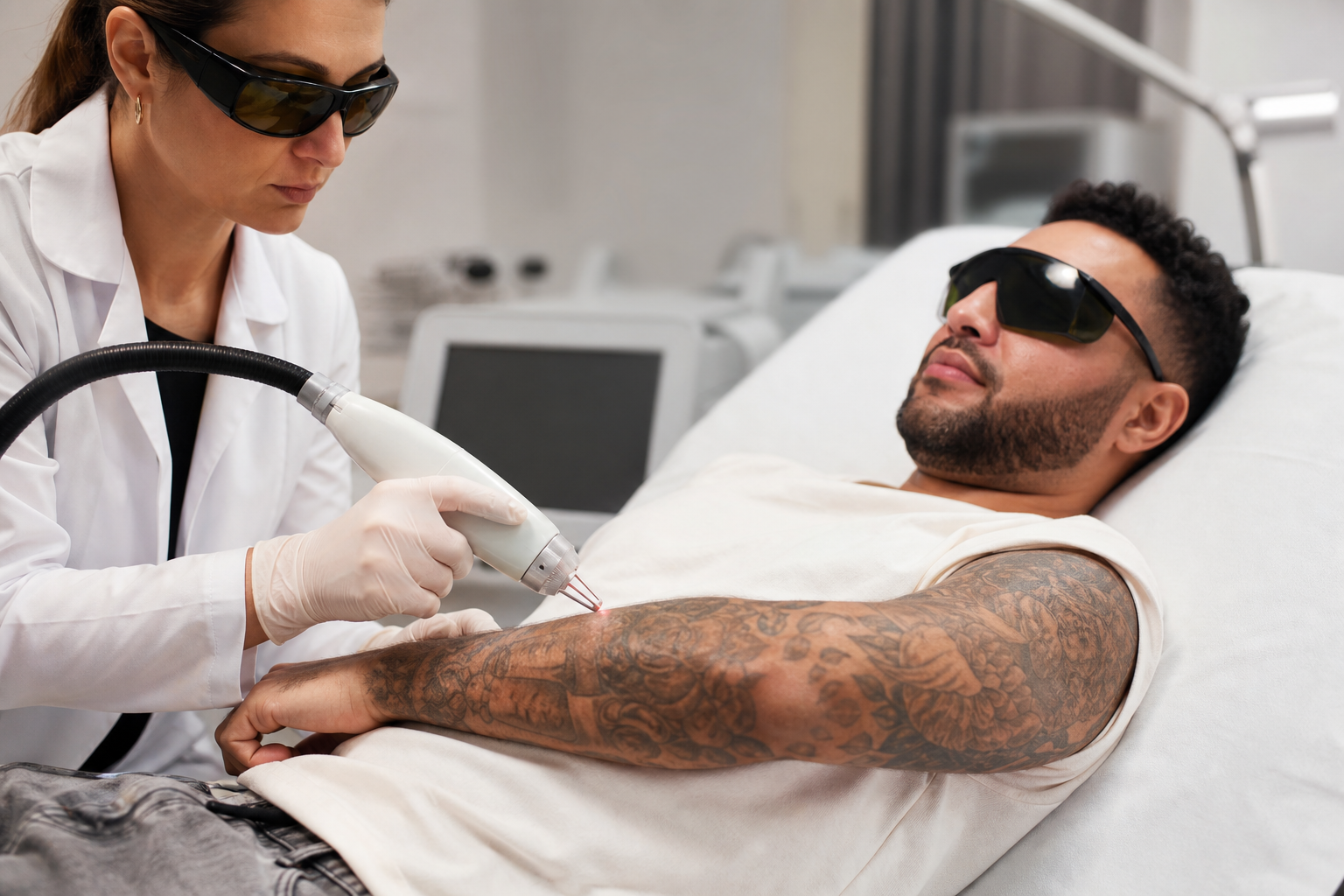
Treatment sessions usually last between 20 and 60 minutes, depending on the extent and laser modality. Most patients experience mild discomfort described as warmth or tingling. Post-treatment effects might include transient redness, swelling, or flaking, particularly with ablative laser types.
A series of multiple sessions spaced over several weeks yields the most noticeable improvements. Visible skin enhancement evolves gradually as collagen production and cellular renewal take their course.
Aftercare involves diligent sun protection and skin hydration to support healing and prevent complications like hyperpigmentation. Following professional guidance is essential to maximize benefits and minimize risks.
How Does Laser Rejuvenation Differ From Other Skin Treatments?
While laser therapy shares the goal of skin enhancement with other modalities such as IPL (intense pulsed light), radiofrequency (RF), and microneedling, it employs coherent light at specific wavelengths to achieve precise targets.
Lasers offer controlled penetration and can selectively address pigment, vascular issues, or dermal collagen with high efficacy. Non-laser alternatives may suit certain concerns better or be preferred by patients sensitive to laser treatment recovery demands.
Choosing between these options requires understanding each method’s strengths, limitations, and suitability for individual skin conditions. Consulting with experienced practitioners ensures optimal match of treatment to patient needs.
Common Misconceptions and Frequently Asked Questions About Laser Skin Rejuvenation
One prevalent misconception is that lasers can entirely erase wrinkles and scars. In reality, laser treatments aim to improve appearance by reducing visibility, not total elimination.
Another question entails the number of sessions necessary. Treatment number varies by skin condition but commonly ranges from three to five procedures spaced weeks apart.
Regarding pain, most lasers cause mild discomfort, with topical anesthetics available to improve tolerability.
Temporary redness or peeling is expected, while serious complications are uncommon when treatments are performed by qualified professionals and proper aftercare is followed.
Laser rejuvenation is suitable for the face, neck, décolletage, and hands – all areas prone to visible aging and sun damage.