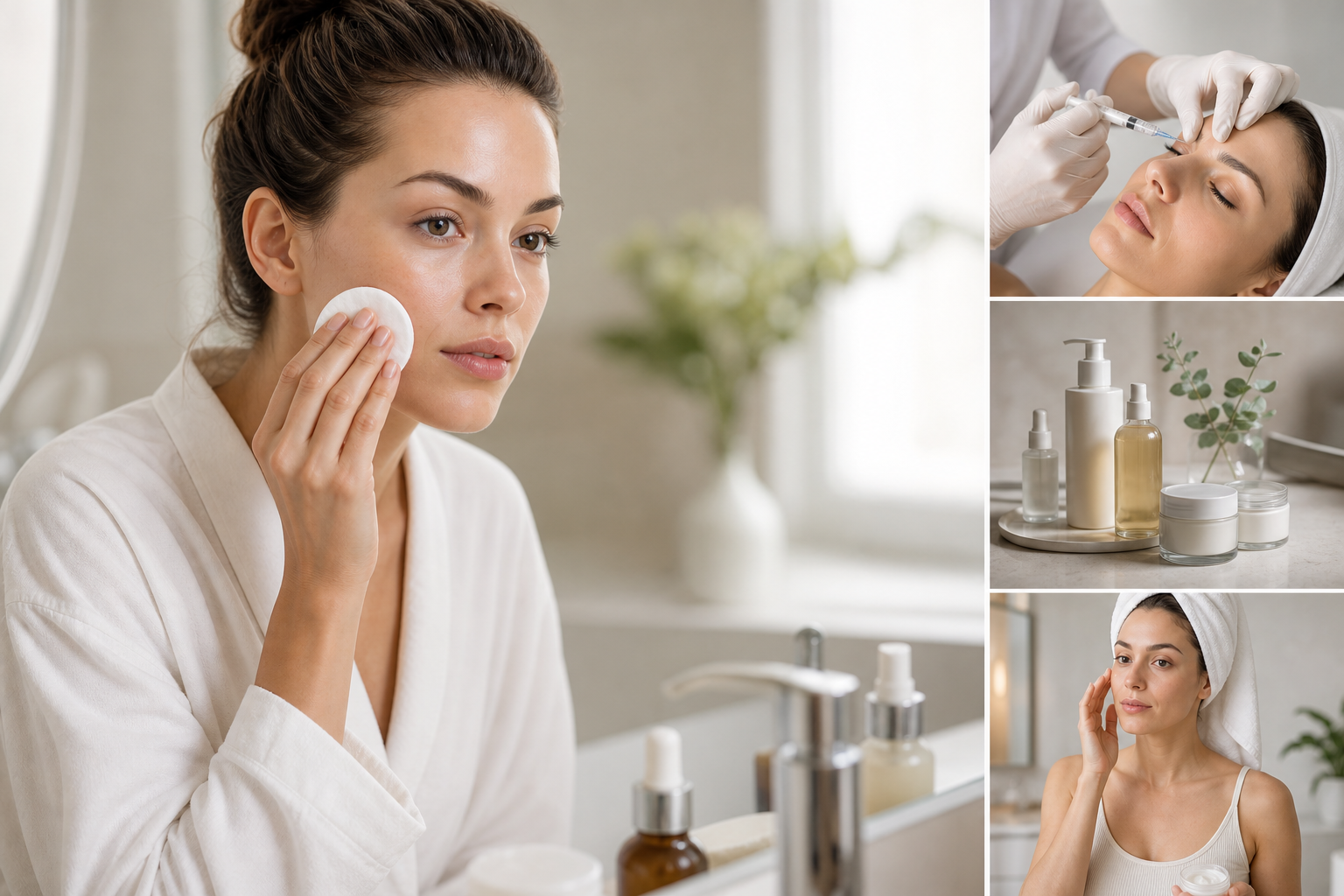
Botox has emerged as one of the most sought-after cosmetic interventions worldwide, celebrated for its ability to diminish wrinkles, refresh facial contours, and rejuvenate appearance without surgery. While the procedure itself is relatively swift and minimally invasive, the aftercare—especially cleansing and skincare routine in the days following treatment—is crucial to securing optimal, long-lasting outcomes and minimizing side effects. This article delivers an exhaustive, expert-informed guide dedicated to post-Botox cleansing and skincare, designed for individuals either considering Botox or who have recently undergone the treatment. Understanding the appropriate post-Botox skincare protocols empowers patients to nurture their skin confidently, steer clear of complications, and prolong the coveted smooth, youthful results.
Botox functions by temporarily inhibiting signals to muscles that cause wrinkles from repetitive contraction. This neurotoxin meticulously relaxes targeted areas, allowing the skin above to smooth out. However, the delicate balance it creates in the facial muscles and skin barrier demands attentive care in the hours and days after injection. The manner in which individuals cleanse their skin, select skincare products, and approach daily activities directly influences how the Botox settles and expresses its effects. This editorial unpacks the essential principles of post-Botox care from the first moments succeeding injection through the weeks of skin adaptation that follow.
Why does this matter? For those entrusting their appearance to the precision of Botox, the treatment is not simply a single event but a process — one in which aftercare is as pivotal as the initial procedure itself. Neglecting proper cleansing techniques or exposing the skin to irritants and excessive heat may instigate bruising, swelling, or uneven results, leaving patients disappointed or concerned. Moreover, a well-tailored skincare regimen can speed healing, preserve skin health, and optimize the aesthetic transformation that Botox promises. With clarity and precision, this article aims to fill gaps in knowledge about how to nurture skin following Botox injections and how to blend caution with sensible day-to-day skincare habits.
The Immediate Hours After Botox: Gentle Care as the Foundation
The critical initial few hours and days post-Botox represent the window during which the neurotoxin begins its work of muscle relaxation. It is at this juncture that proper cleansing and skincare choices can either support or undermine the desired effect. One fundamental guideline is to avoid any form of forceful rubbing, massaging, or pressing on regions where injections were administered. This means resisting the urge to vigorously scrub the face and steering clear from treatments—such as facials or exfoliation—that might irritate sensitive skin or mechanically disperse the Botox in unintended directions.
When it comes to cleansing rituals in this early stage, using lukewarm to cool water is strongly recommended. Hot water can increase local blood flow and potentially encourage migration of the neurotoxin beyond targeted muscles, leading to undesired results. Accordingly, gentle fingertip movements with mild, fragrance-free cleansers designed for sensitive skin constitute the safest approach. Avoidance of abrasive accessories like washcloths, cleansing brushes, or sponges is necessary to protect the injection sites from strain and inflammation.
Many patients question whether they should completely skip face-washing on the day of treatment. Fortunately, light, careful cleansing is not only permissible but encouraged to maintain skin hygiene without disrupting the Botox effect. The key lies in the gentleness of the method and the selection of skincare products that focus on soothing and protecting the skin barrier.
Choosing the Right Skincare Products After Botox
What one applies to the skin in the days after Botox holds remarkable sway over recovery and the longevity of results. Immediately following injections, the skin’s protective barrier may be slightly compromised, and irritation is more likely in response to harsh chemicals or fragrances. Consequently, all skincare products introduced in this phase should prioritize hydration, barrier repair, and calming ingredients.
Products containing alcohol, strong acids such as glycolic, salicylic, or retinoic acid, and abrasive exfoliants ought to be set aside for at least one week post-treatment. These agents, while beneficial under normal circumstances, can cause dryness, redness, or peeling that complicate healing and heighten sensitivity. Instead, favor creams and serums enriched with hyaluronic acid, niacinamide, ceramides, and antioxidants like vitamins C and E, which reinforce skin integrity and foster a luminous, firm complexion.
Routine moisturization aids in shielding the delicate areas punctuated by Botox injections. Opting for fragrance- and dye-free formulations decreases the risk of allergic reactions or contact dermatitis. Additionally, daily application of broad-spectrum sunscreen with SPF 30 or higher is indispensable to protect vulnerable skin from ultraviolet radiation, which can exacerbate post-treatment dryness and pigmentation issues.
Physical Activity and Heat Exposure: Navigating Risks Post-Botox
Beyond topical care, lifestyle factors influence how smoothly Botox integrates with your facial anatomy. Heat exposure is a notable concern; intense heat increases blood circulation and can accelerate the diffusion of Botox, potentially blurring results or causing adverse effects. For this reason, activities involving saunas, steam rooms, hot tubs, tanning beds, or prolonged sunbathing should be avoided for at least seven days after the procedure.
Regarding exercise, moderate physical activity is generally safe and can even promote overall wellness. However, vigorous workouts that induce heavy sweating and a significant rise in body temperature warrant caution. Elevated heat and perspiration may disturb the newly administered Botox, diminishing its precision and effect. Balancing activity with rest to allow adequate Botox fixation ensures the best aesthetic and functional outcome.
When planning travel following Botox, attention to environmental conditions and stress factors is vital. Long-haul flights, extreme climates, or jet lag could impose stress on skin hydration and overall health, potentially undermining recovery. Thoughtful timing of Botox appointments relative to travel plans helps optimize both treatment results and post-procedure comfort.
Understanding the Mechanism: How Post-Botox Care Influences Results
Grasping how Botox works mechanistically enriches comprehension of why meticulous post-care is essential. Botox’s active component, botulinum toxin type A, temporarily binds to nerve endings, inhibiting acetylcholine release. This biochemical blockade prevents muscle contraction that forms expression lines. However, for this process to occur effectively, the toxin must remain confined to designated muscles without dispersing.
Physical manipulation through vigorous massage, heat-induced vasodilation, or accidental trauma can cause unwanted spread of the toxin into neighboring muscles, leading to asymmetry, drooping eyelids, or unintended weakness. Therefore, by adhering to gentle cleansing methods, avoiding heat, and limiting strenuous movement, patients maintain neurotoxin localization, paving the way for smooth, balanced, and natural-looking results.
Moreover, proper skincare aids in maintaining skin elasticity and hydration — features complementary to Botox’s muscle-relaxing effects — by supporting collagen production and preventing dryness or irritation. Thus, post-Botox care is not merely about preserving the injection site but also about enhancing skin quality holistically.
Recognizing Limitations and Knowing When to Consult a Specialist
While Botox is remarkably safe when administered by qualified professionals and followed by appropriate care, it is essential to recognize its limitations and the potential need for medical advice post-treatment. Minor bruising or swelling is common and usually resolves within days. However, prolonged pain, excessive swelling, discoloration, signs of infection, or muscle weakness outside intended areas warrant prompt evaluation.
Patients should maintain open communication with their aesthetic providers, reporting concerns immediately rather than attempting at-home remedies or ignoring symptoms. Informed clinicians can then offer timely interventions to address complications, adjust future treatment plans, or recommend complementary skincare strategies. This collaborative relationship forms a cornerstone of safe Botox use and sustained patient satisfaction.
Practical Steps for a Detailed Post-Botox Cleansing Routine
Implementing a practical, day-to-day cleansing routine after Botox can seem daunting amid a sea of skincare advice. To simplify: begin by washing your face twice daily with lukewarm water using an ultra-gentle, non-foaming cleanser. Apply in light, circular motions with your fingertips only; avoid rubbing or any instrument that exfoliates aggressively.
Post-cleanse, pat skin dry softly with a clean, soft towel or let it air dry to avoid unnecessary friction. Follow with a fragrance-free moisturizer rich in hydrating and barrier-repair ingredients. Each morning, finish the regimen with a protective sunscreen applied generously as the final layer to shield skin from environmental stressors.
During this period, resist the temptation to experiment with new products or treatments, especially those promising rapid skin renewal or exfoliation. Consistency, simplicity, and patience translate into safer skin and better long-term Botox outcomes. Adapt this routine as swelling or sensitivity diminishes, reintroducing more active skincare agents gradually with professional guidance.


