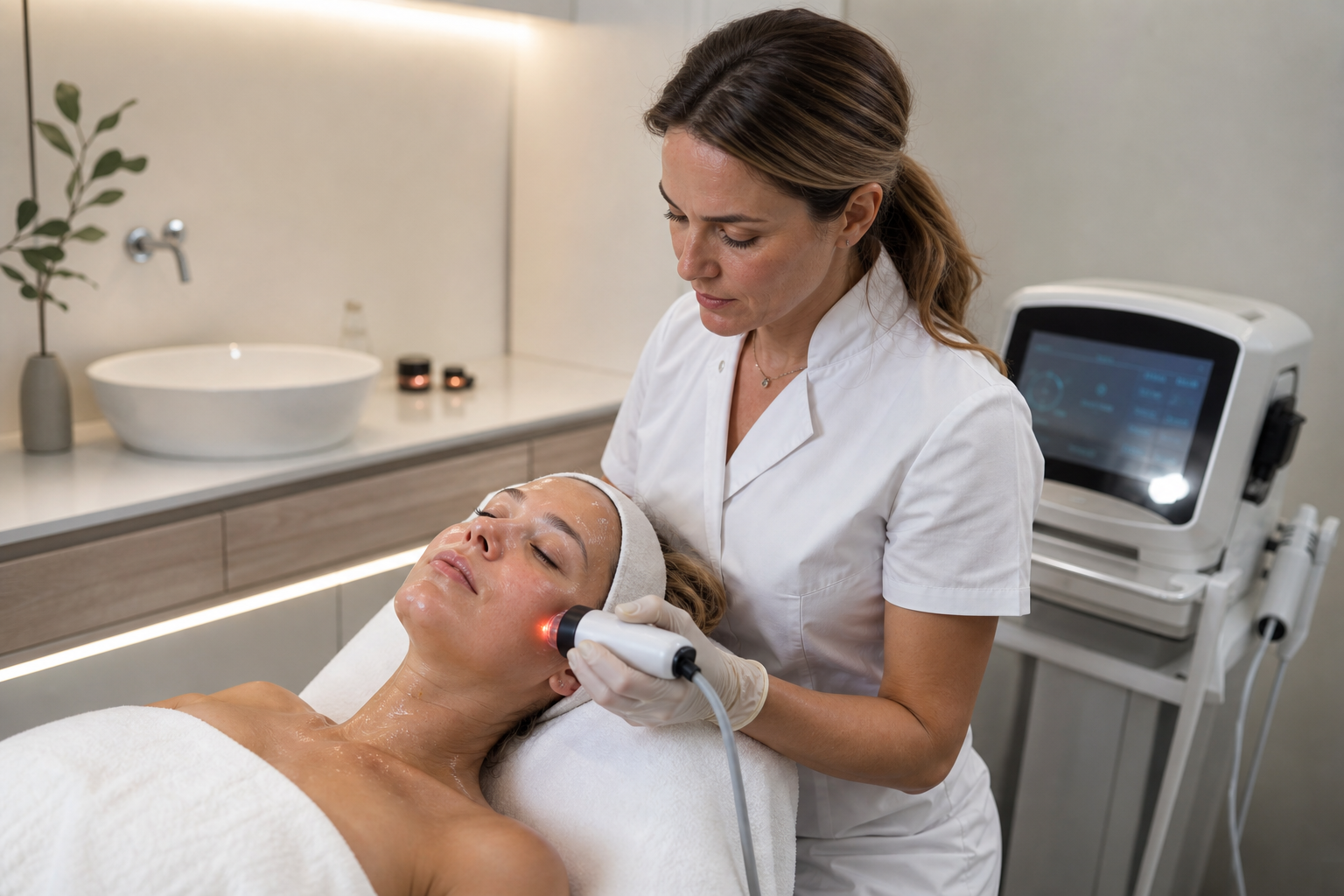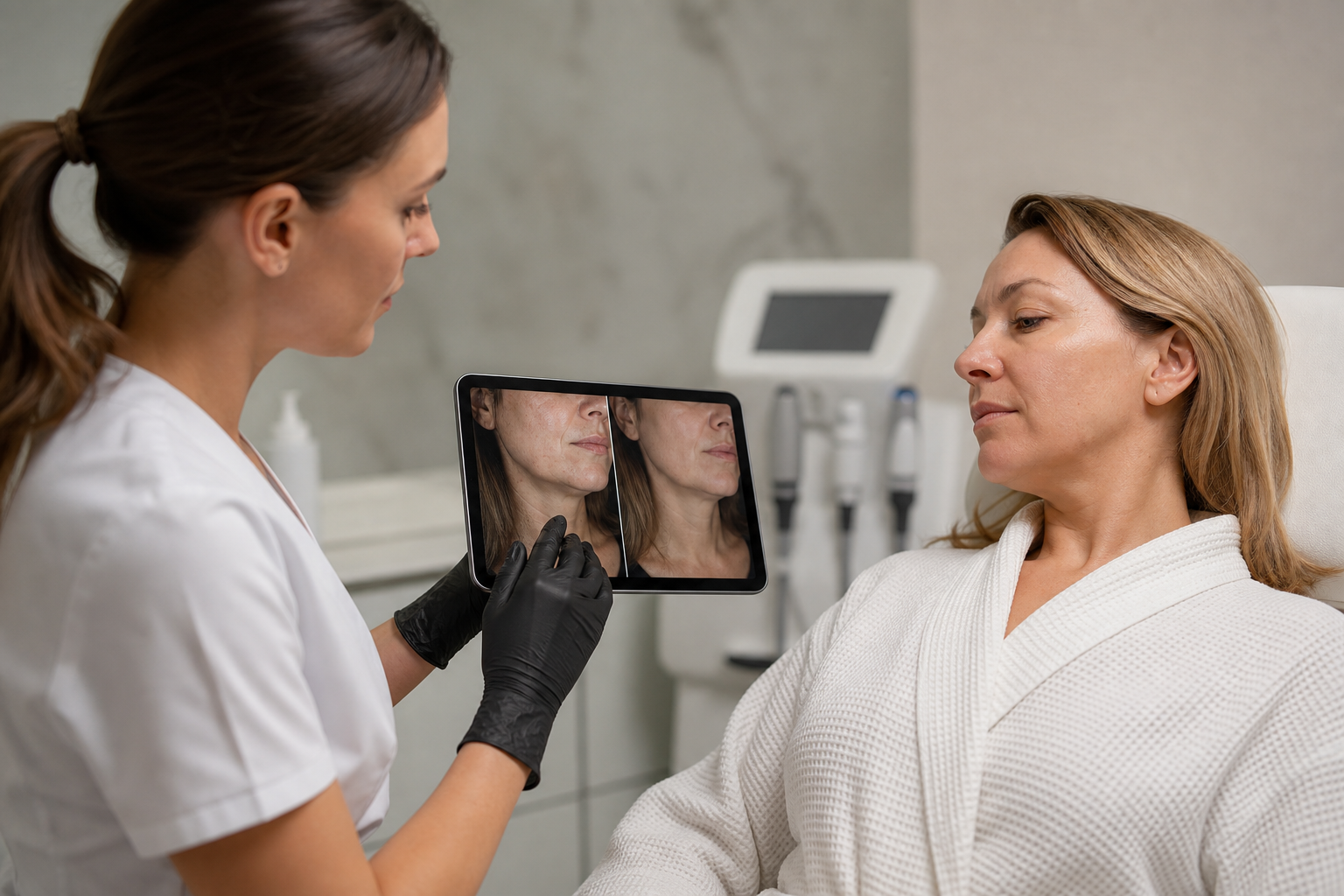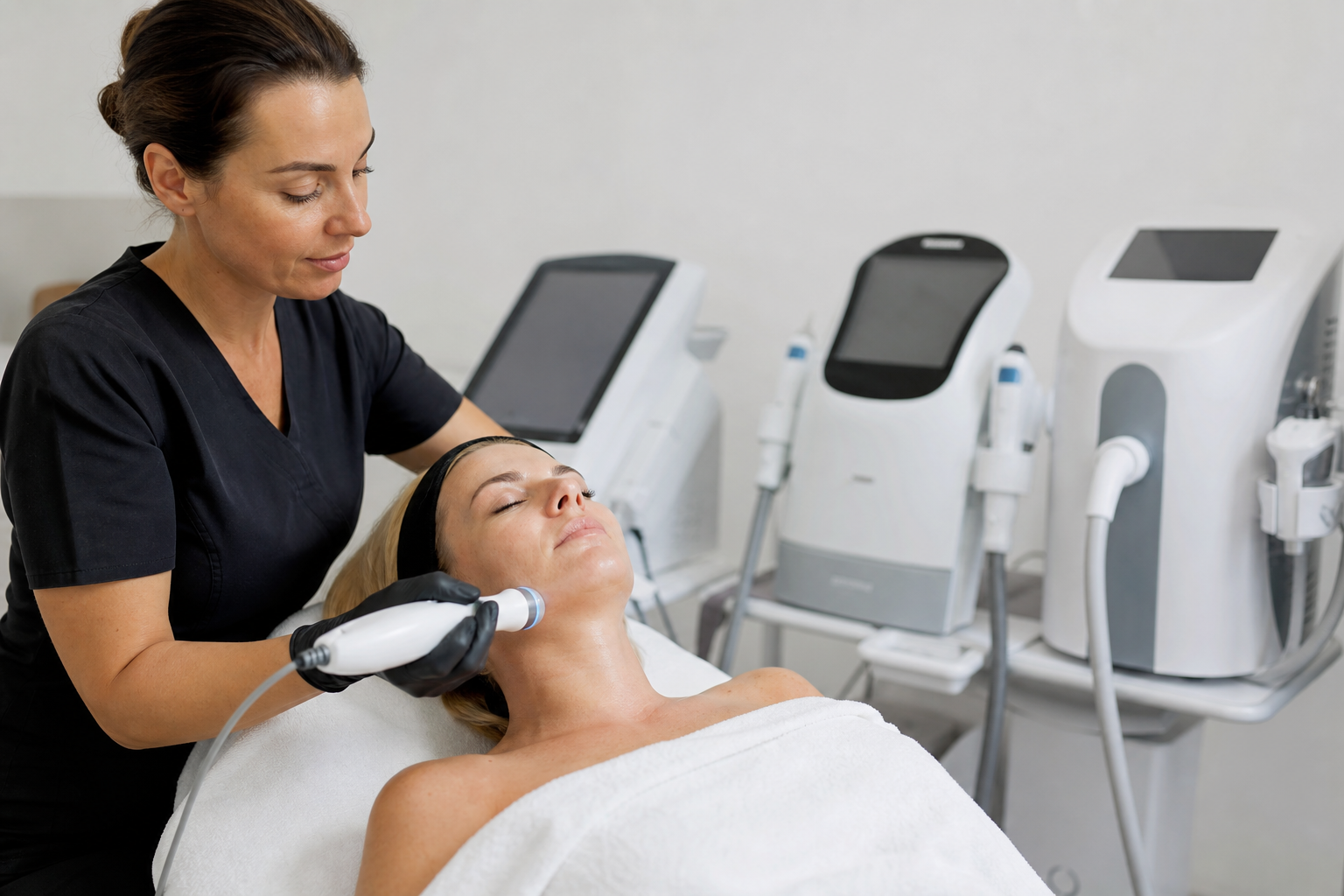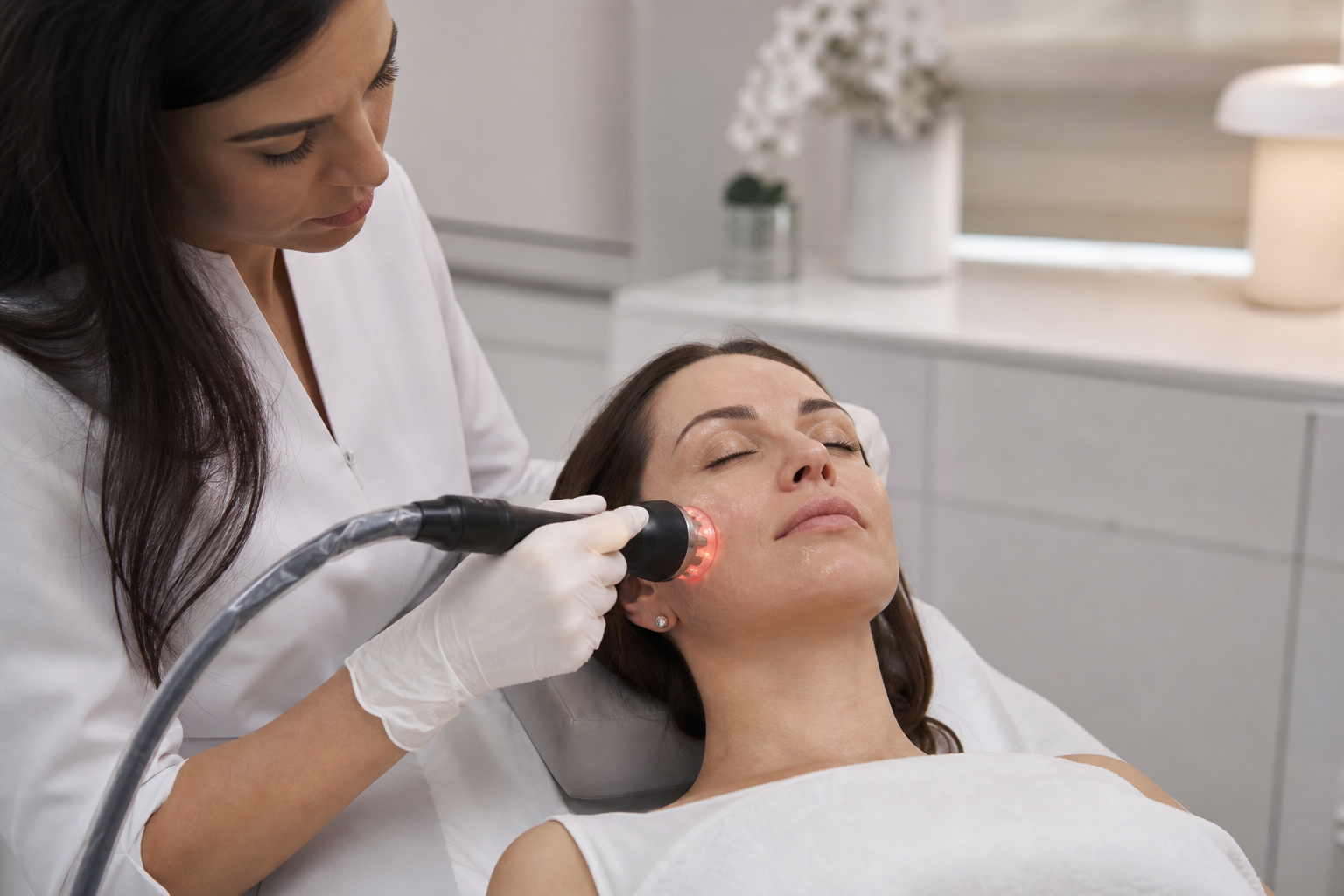
RF facial lifting, also known as radiofrequency skin tightening, is gaining increasing attention as a non-invasive method to enhance skin appearance by stimulating collagen production and improving skin elasticity. Unlike surgical facelifts, RF treatments avoid incisions and extended recovery times, presenting a compelling option for individuals seeking a rejuvenated yet natural look. However, one of the most common questions among prospective patients is: when do you see results from RF facial lifting? Understanding the timeline for visible improvements is crucial for managing expectations and planning an effective treatment regimen.
This article addresses the important question of result onset after RF facial lifting by exploring the science behind radiofrequency treatments, the types of RF procedures available, factors influencing response times, and practical advice for preparation and aftercare. Whether you are considering a first RF session, or looking to optimize your ongoing treatments, this comprehensive guide will clarify when and how the skin responds to radiofrequency stimulation, helping you make informed decisions about your skincare journey.
RF facial lifting serves anyone looking to improve skin tone and firmness without invasive surgery. It is particularly appealing for those experiencing early signs of aging such as loss of volume, fine lines, and mild sagging. By harnessing radiofrequency energy to heat deeper skin layers, the treatment triggers fibroblast activity that gradually rebuilds collagen and elastin networks. This naturally reactivates the skin's youthful structure, delivering subtle yet cumulative changes over weeks and months. Knowing when to expect these changes ensures that patients maintain realistic expectations and adhere to treatment schedules that maximize outcomes.
How Does RF Facial Lifting Work to Improve Skin Appearance?
Radiofrequency facial lifting utilizes low-energy waves to warm the dermal layers beneath the skin's surface. This controlled heating induces microthermal zones that activate the skin’s repair systems, notably fibroblasts – specialized cells responsible for synthesizing collagen and elastin proteins. Collagen provides the skin with strength and structure, while elastin contributes elasticity and resilience. As we age, production of these proteins declines, leading to laxity, wrinkles, and less vibrancy.
The RF energy penetrates the skin in a precise manner, avoiding damage to the epidermis while safely stimulating deeper tissues. The gentle warmth tightens existing collagen fibers and initiates a healing cascade, prompting new collagen formation over subsequent weeks. This process gradually improves skin firmness and smoothness, reducing visible signs of aging and restoring a more youthful contour.
Unlike invasive surgical facelifts that remove and reposition skin, RF facial lifting clusters on enhancing the skin's own regenerative capacity. The process depends on biological remodeling rather than immediate mechanical change, making its results subtle initially but increasingly noticeable over time. Consequently, the question of when results appear must be viewed through this lens of natural tissue regeneration that unfolds gradually.
What Are the Different Types of RF Facial Lifting and Their Impact on Result Timing?
RF facial lifting encompasses several techniques, differing in invasiveness, depth of heat delivery, and collagen stimulation intensity. Understanding these distinctions helps clarify how result timelines vary among procedures.
Non-invasive RF Lifting: This method applies radiofrequency waves externally without needles or incisions. It warms the skin’s superficial to mid-dermal layers to trigger collagen renewal gently. Because it is the least aggressive technique, initial results tend to be subtle and progressively enhance over 4 to 8 weeks. It suits individuals with mild to moderate skin laxity seeking minimal downtime.
Fractional RF without Needles: Utilizing focused energy via specialized panels, this advanced approach targets microzones across the skin surface, inducing deeper collagen remodeling while preserving surrounding tissue. Results often manifest more clearly than standard RF, typically evolving within one month post-treatment. This technique balances efficacy with minimal invasiveness.
RF Microneedling: Combining radiofrequency energy with fine microneedles that penetrate the skin, this minimally invasive procedure triggers collagen production through dual mechanisms—direct microinjuries and radiofrequency-induced thermal effects. Patients often report seeing initial improvements in skin texture and tightness within one week, with optimal tightening and smoothing developing over 3 to 6 months. RF microneedling is popular for those requiring more marked rejuvenation.
Combination Protocols: Some practitioners integrate RF lifting with other treatments such as plasma therapy or dermal fillers, amplifying collagen stimulation and delivering longer-lasting, visually sharper results. These multimodal approaches can shorten the timeline for perceivable improvement but require careful specialist assessment and tailored scheduling.
When Do Patients Typically See Visible Results from RF Facial Lifting?
Radiofrequency’s effect on the skin is inherently time-dependent, reflecting the biology of collagen synthesis and remodeling. Immediately after treatment, some patients might notice mild skin tightening or a temporary glow due to enhanced circulation and tissue heating. However, these early effects are principally transient and not indicative of final outcomes.
The hallmark of RF lifting is a progressive improvement that becomes more noticeable around 4 to 8 weeks after the procedure. During this period, fibroblasts manufacture new collagen fibers and reorganize existing ones, enhancing firmness and elasticity. Depending on the treatment intensity and individual healing capacity, skin texture smoothens, fine lines soften, and subtle lifting contours emerge.
For comprehensive RF protocols, especially involving microneedling, the full rejuvenation can continue to develop up to 3 to 6 months post-treatment as collagen maturation sustains skin firmness and resilience. Consistency with recommended treatment series magnifies and prolongs these benefits.
Which Factors Influence the Speed and Degree of Visible Improvements After RF Treatment?
The onset and extent of RF lifting results depend on several important variables intrinsic and extrinsic to the patient.
Skin Condition Prior to Treatment: Healthy, well-hydrated skin with minimal photodamage reacts more swiftly and robustly to RF stimulation. Severely aged or heavily sun-damaged skin might require additional sessions and longer timelines for visible benefit.
Patient Age and Biological Variability: Younger individuals generally retain greater collagen synthesis capacity, enabling faster and more pronounced responses. Older patients may observe slower or milder effects, though improvements remain clinically relevant.
Treatment Type and Protocol Adequacy: The invasiveness and energy delivery method directly affect the depth of collagen stimulation. Non-invasive RF may require multiple treatments to reach the same level of improvement achieved with microneedling RF in fewer sessions.
Post-Treatment Skin Care and Lifestyle: Adherence to aftercare including sun protection, gentle skincare regimens, and avoiding smoking all support collagen renewal and extend treatment efficacy. Conversely, neglecting these can diminish or delay desired results.
Individual Healing Response: Genetic factors influence how quickly fibroblasts activate and produce collagen, making some individuals naturally quicker responders to RF remodeling.
How Long Do RF Facial Lifting Results Last and What Determines Maintenance?
RF facial lifting provides improvements that, while not permanent, are longer-lasting than many other non-invasive cosmetic treatments owing to its stimulation of the body's own collagen production. Typically, results endure for 6 to 12 months, with some patients experiencing benefits up to 18 months depending on treatment type, skin care, and lifestyle.
To maintain the enhanced skin appearance, periodic RF treatments are advisable. Many clinics recommend booster sessions every 4 to 6 months following an initial series to sustain collagen levels and skin firmness over time. This approach helps counterbalance the natural decline in collagen synthesis associated with aging.
Combining RF lifting with other skin rejuvenation methods, such as topical antioxidants or gentle chemical peels, can further prolong visual improvements. Ultimately, patient commitment to overall skin health plays a significant role in the duration of results.
Why Might Some Clients Experience Delayed or Subtle RF Lifting Outcomes?
Despite the proven efficacy of RF facial lifting, not all patients experience rapid or dramatic changes. This variability arises from factors including insufficient treatment sessions, incorrect technique for a specific skin concern, or lack of adherence to post-treatment care.
Individuals with extensive collagen degradation or advanced aging may require multiple treatment modalities alongside RF to achieve desired results. Additionally, lifestyle habits such as smoking, excessive sun exposure, and poor nutrition impair skin regeneration, blunting RF’s impact.
It is also crucial that expectations align with the biological realities of the procedure. RF lifting aims to support a natural rejuvenation process rather than deliver immediate facelift-level transformations. Hence, understanding the gradual development of results helps clients appreciate the subtle but meaningful improvements RF can provide.
How Should Patients Prepare for and Care for Skin After RF Facial Lifting to Maximize Results?
Proper preparation and aftercare amplify both the quality and longevity of RF facial lifting outcomes. Prior to treatment, patients should consult qualified professionals for a thorough skin assessment and tailored regimen, avoiding aggressive exfoliations or irritants days before the session.
Immediately following RF treatment, transient side effects such as mild redness, warmth, or tightness may occur but typically subside quickly. Patients are recommended to keep the skin hydrated with gentle moisturizers and steadfastly apply broad-spectrum sun protection to shield regenerating tissues.
Avoiding harsh skincare products and direct sun exposure for at least a week supports uninterrupted collagen formation. Maintaining a healthy lifestyle, including adequate hydration, balanced nutrition, and minimizing environmental stressors, further enhances skin’s healing capabilities and results durability.