Laser hair removal has become a cornerstone procedure in modern aesthetic dermatology, prized for its ability to provide long-term reduction of unwanted hair. Yet, when hormone fluctuations or endocrine disorders influence hair growth, the interplay between laser treatment and hormonal regulation takes on critical importance. This article seeks to serve as a medically responsible, comprehensive guide for individuals considering laser hair removal in the context of hormonal dynamics such as androgen-dependent hair growth, conditions like polycystic ovary syndrome (PCOS), hirsutism, and life phases including pregnancy and menopause.
Understanding the complex relationship between hormones and hair follicle activity is essential for setting realistic expectations, ensuring safe practice, and optimizing outcomes. Hormonal imbalances can result in persistent or new hair growth patterns that challenge conventional cosmetic approaches. Laser hair removal does not alter the underlying endocrine causes of hair proliferation but can be a valuable tool to manage the hair growth effects of these conditions.
This guide is intended for individuals experiencing hormonally influenced unwanted hair, clinicians advising patients on laser therapies, and anyone seeking an informed, nuanced perspective that distinguishes cosmetic hair reduction from medical treatment of endocrine disorders. By exploring mechanisms, candidacy, procedural nuances, and post-treatment maintenance, this resource aims to clarify what laser hair removal can and cannot achieve within the hormonal context.
How Hormones Influence Hair Growth: The Mechanisms Behind Androgen-Dependent Hair Patterns
Hair follicles are dynamic mini-organs subject to complex regulation by genetic, environmental, and hormonal factors. Among these, androgens — primarily testosterone and its potent derivative dihydrotestosterone (DHT) — play a pivotal role in determining the density, thickness, and distribution of terminal hair, particularly in androgen-sensitive areas of the body and face.
In typical physiology, androgens stimulate the transformation of thin vellus hair into thicker terminal hair during puberty and maintain hair growth on the scalp and body. However, in conditions where androgen levels are elevated or the follicles exhibit increased sensitivity to androgens, there can be excessive terminal hair development in patterns more commonly observed in males. This phenomenon is referred to as androgen-dependent hair growth.
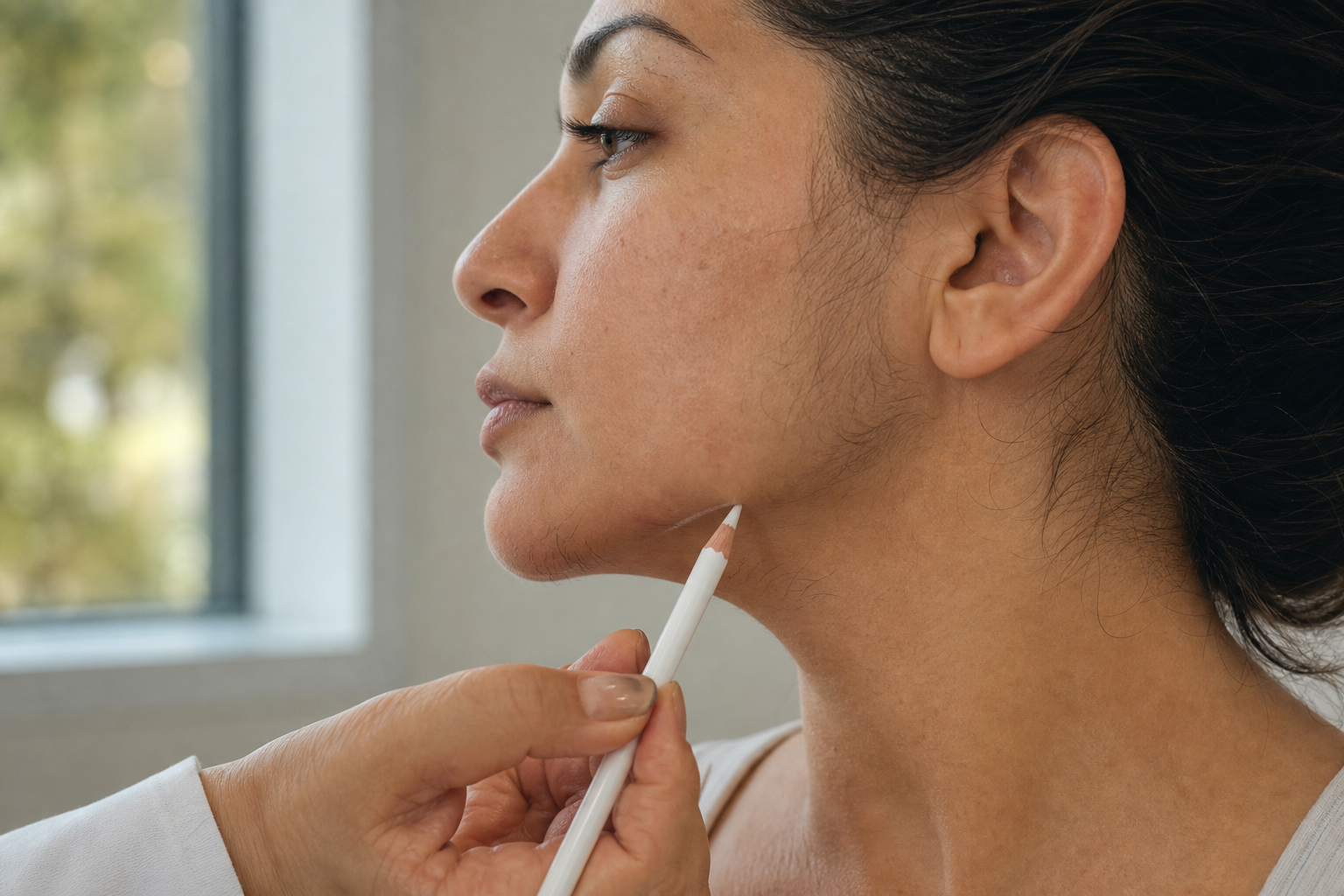
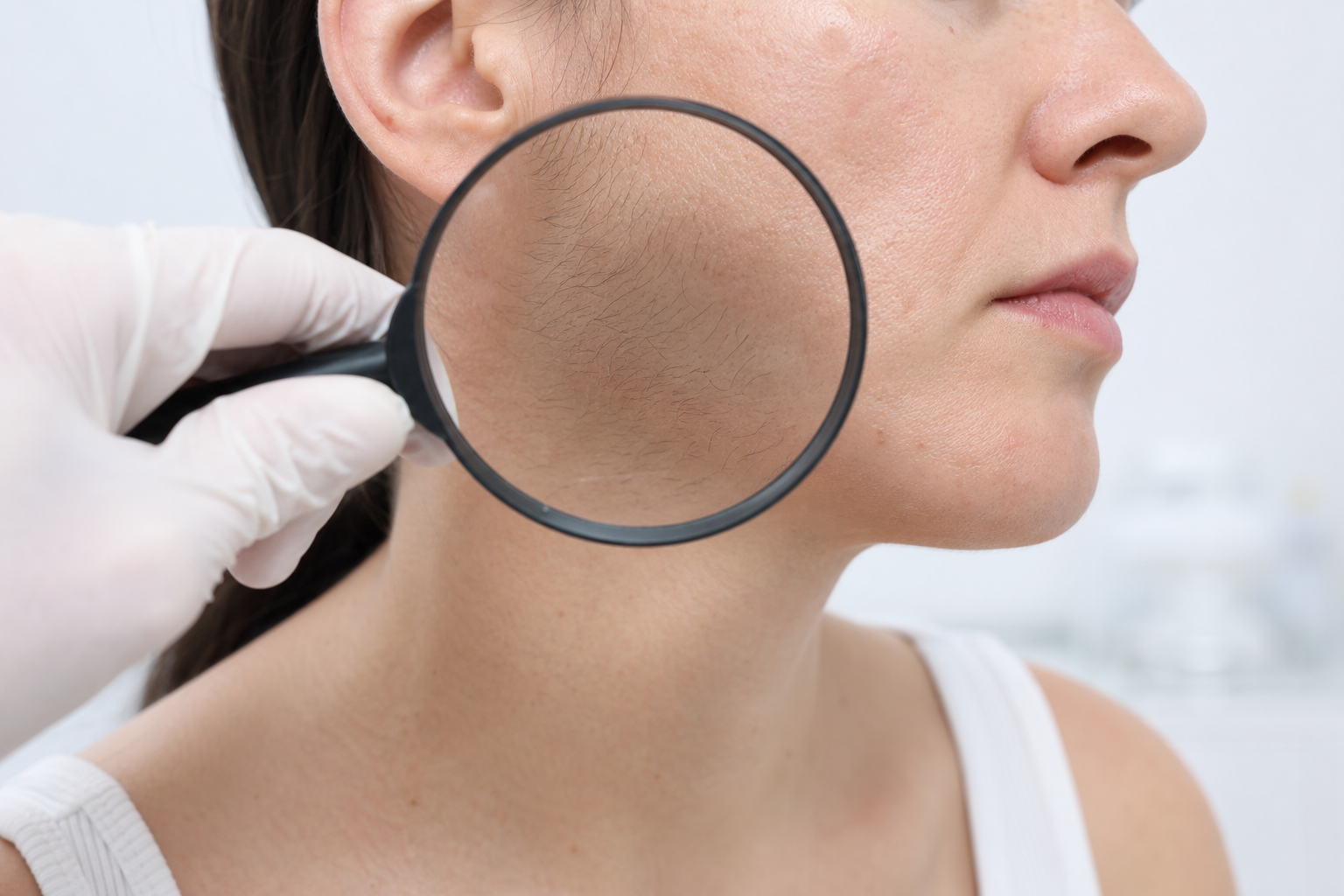
Hirsutism is a clinical condition describing excess terminal hair growth in women in a male pattern distribution, affecting areas such as the face, chest, and back. It frequently signals underlying hormonal imbalances. Polycystic ovary syndrome (PCOS) is among the most common endocrine disorders linked to such presentations due to its association with increased androgen production or altered hormone metabolism. Nonetheless, elevated hair growth can also stem from idiopathic causes or other endocrine pathologies.
Who Should Consider Laser Hair Removal Amid Hormonal Changes and Disorders?
Laser hair removal may be a suitable option for individuals troubled by unwanted hair growth secondary to hormonal fluctuations or disorders, including those with PCOS, hirsutism, menopause-related androgen shifts, or pregnancy-induced hair changes once postpartum. It offers a long-lasting cosmetic solution for reducing hair density and thickness, significantly improving quality of life and self-confidence.
However, candidacy must be evaluated carefully. Laser treatments are most effective on pigmented hair in the active growth phase and less so on fine, light-colored vellus hair. In hormonally driven hair growth, the persistence or emergence of new hair follicles might necessitate ongoing maintenance sessions. Importantly, laser hair removal does not treat the hormonal imbalance itself—it addresses only the physical manifestation of excess hair.
Individuals experiencing sudden or marked increases in hair growth, especially in atypical patterns or accompanied by other symptoms like irregular menstrual cycles, weight gain, or skin changes, should seek medical evaluation by a gynecologist, endocrinologist, or dermatologist before pursuing laser treatment. This ensures that any underlying conditions are identified and appropriately managed.
Understanding the Realistic Outcomes of Laser Hair Removal in Hormonal Hair Growth
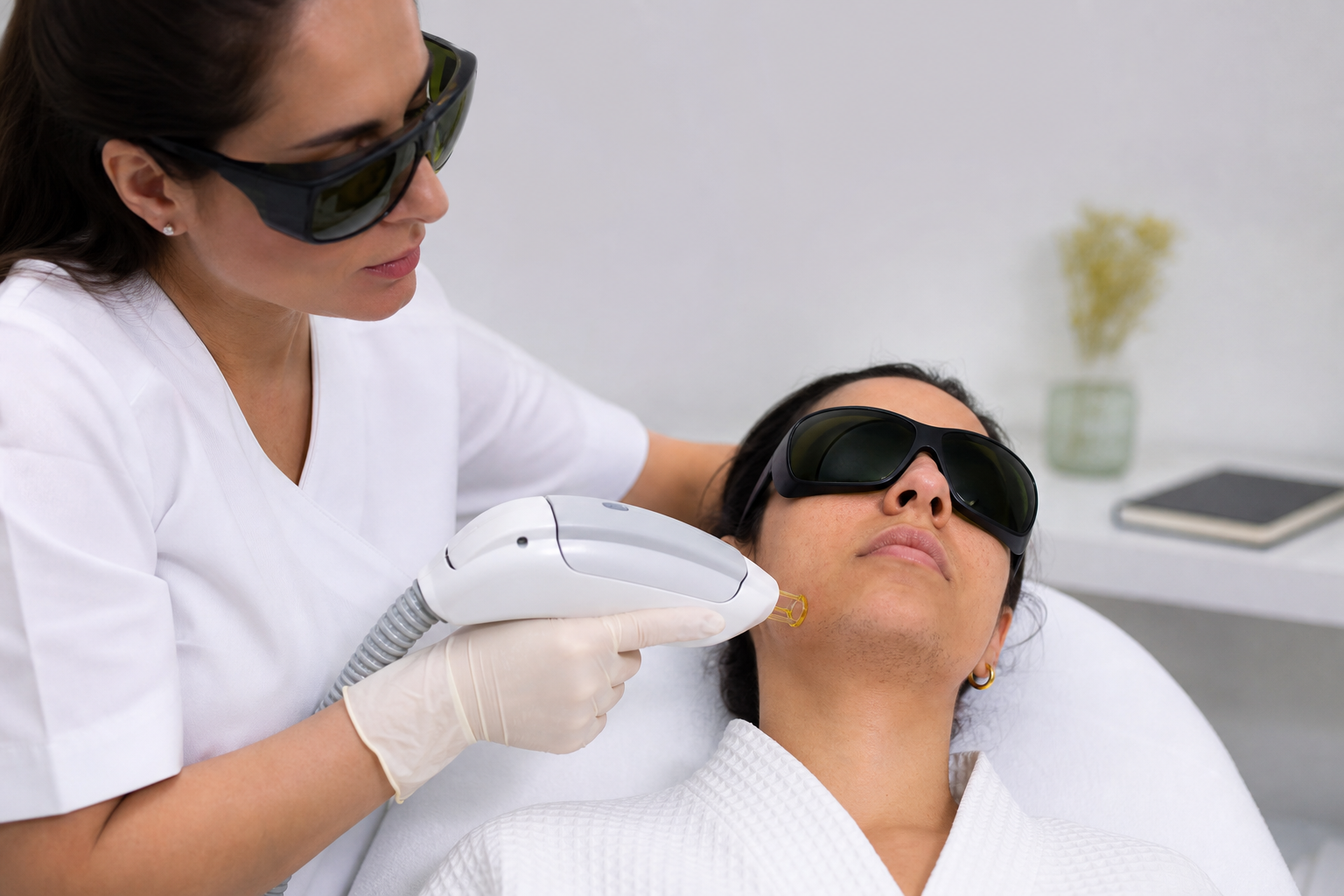
Laser hair removal can provide substantial reduction of androgen-stimulated hair. Multiple treatment sessions target hair follicles during their anagen (growth) phase, causing selective photothermolysis that damages follicular stem cells and impairs their capacity for regrowth. Over time, this leads to decreased hair density, finer regrowth, and less visible hair.
Nonetheless, patients with hormonal causes for excess hair often experience variation in outcomes. Because new follicles can be hormonally activated after treatment or dormant follicles may begin producing hair, complete permanent hair eradication is less guaranteed compared to purely cosmetic cases. Maintenance treatments at intervals are frequently recommended to control emerging hairs.
Additionally, laser treatment is generally more effective on coarse, dark hair due to the contrast with skin pigmentation. Fine or lightly pigmented hairs, common in hormonally altered areas, respond less reliably and may require alternative or adjunctive hair removal methods. Setting expectations accordingly reduces patient frustration and supports satisfaction.
Life Phases and Hormonal Transitions Affecting Laser Hair Removal Decisions and Results
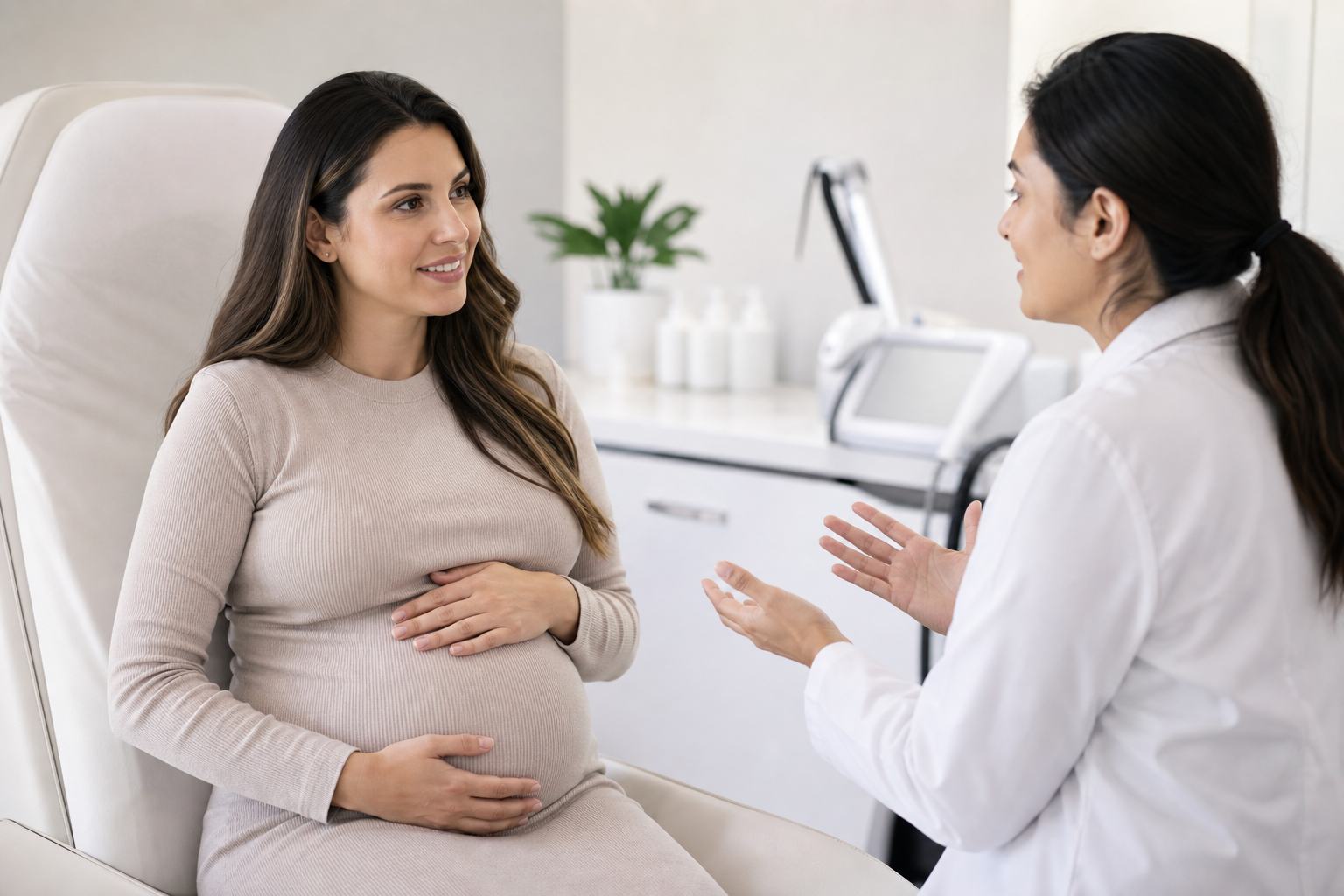
Hormones fluctuate considerably throughout a person’s life, influencing hair growth patterns and possibly the efficacy of laser hair removal. During pregnancy, elevated levels of estrogen and other hormones can alter hair growth cycles, often leading to temporary increases in unwanted hair. Medical guidance discourages laser hair removal during pregnancy due to limited safety data and potential hormonal variability impacting treatment consistency.
Menopause marks another period of hormonal transition characterized by declining estrogen levels and relative androgen dominance, sometimes resulting in increased facial or body hair growth. Laser hair removal post-menopause can be a practical approach to managing these changes. However, coordination with a healthcare provider to assess hormone levels and general health is advisable.
Puberty also involves complex hormonal maturation. Laser hair removal in adolescents must be approached with caution, ensuring that hormonal imbalances have been properly diagnosed and stabilized prior to cosmetic intervention. Parental consent and specialist input may be required depending on jurisdiction and clinical circumstances.
The Importance of Medical Consultation and a Multidisciplinary Approach
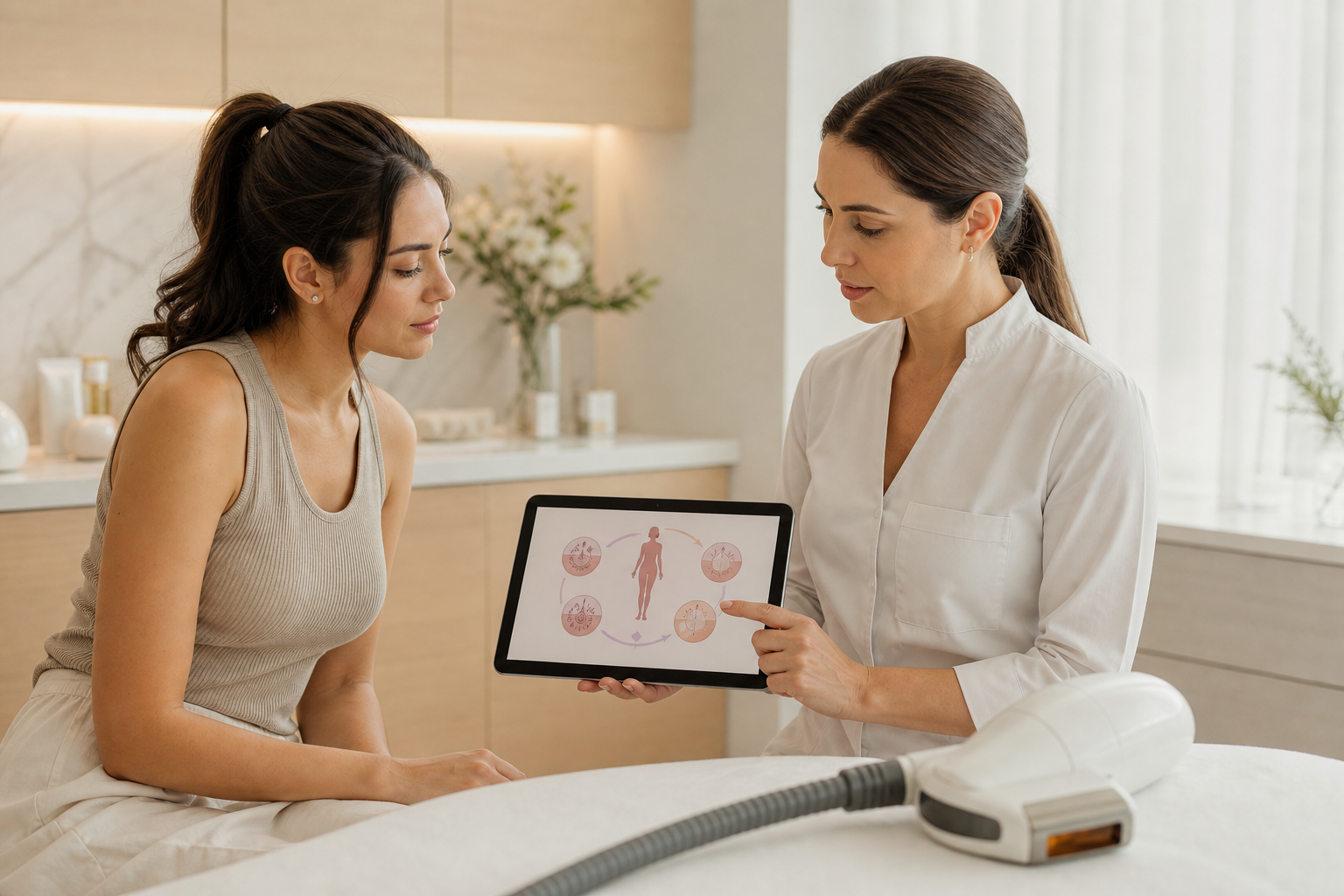
A critical consideration in addressing hormonally influenced unwanted hair with laser therapy is thorough medical assessment. Collaboration among dermatologists, endocrinologists, and gynecologists can facilitate comprehensive care that addresses both the manifestation (hair excess) and its root causes.
Hormonal profiling, including serum androgen levels and metabolic screening, helps clarify patient candidacy and tailor treatment plans. For example, managing PCOS medically—with lifestyle modifications, insulin sensitizers, or anti-androgens—may reduce hair growth stimuli before or alongside laser treatments to improve efficacy.
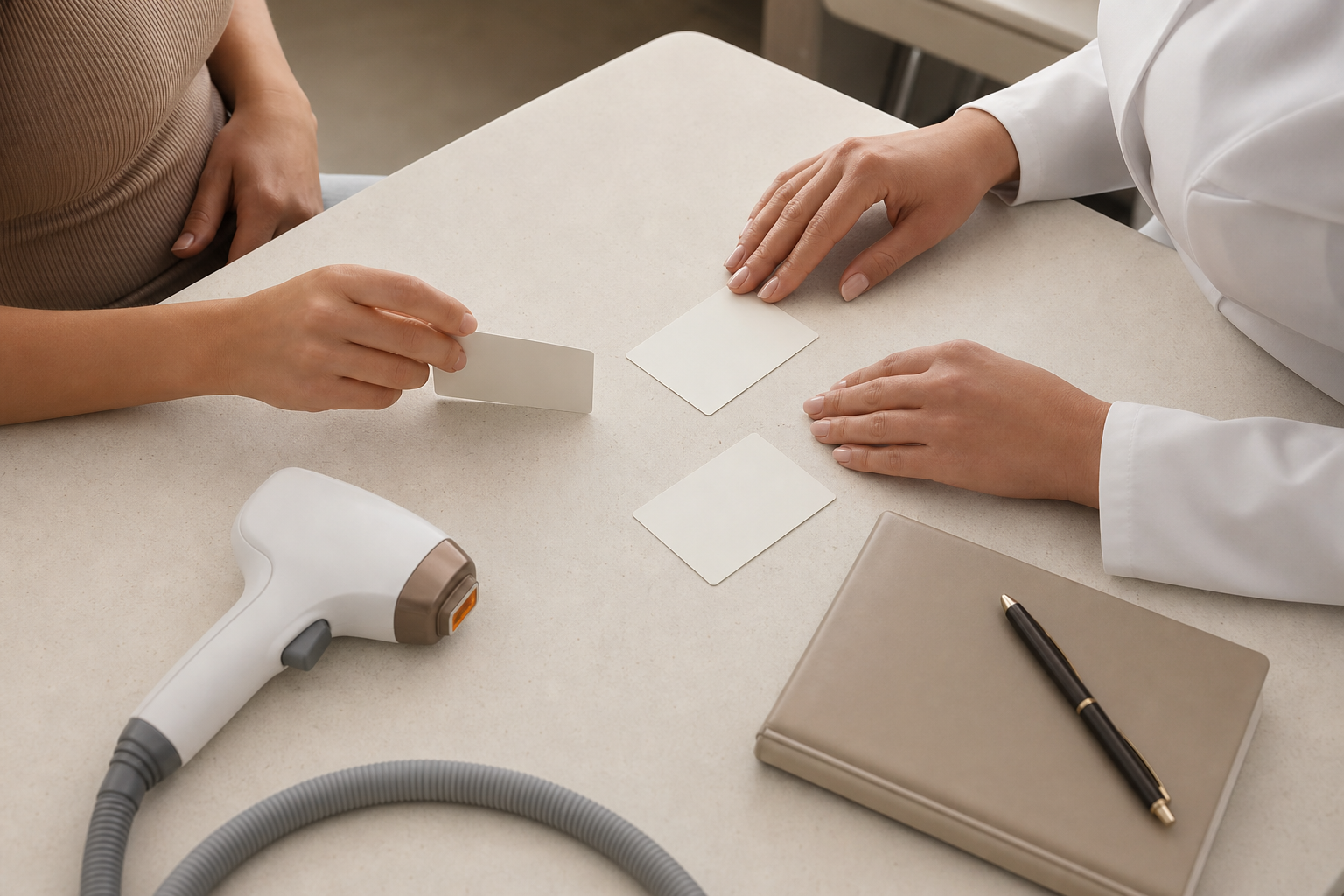
Dermatological evaluation ensures skin type suitability, identifies contraindications, and informs choice of laser parameters and protocols. This multidisciplinary approach safeguards patient well-being, optimizes functional and aesthetic outcomes, and aligns treatment expectations.
Risks, Limitations, and Special Considerations in Treating Fine or Hormone-Influenced Hair
Laser hair removal is generally safe but must be executed skillfully to minimize adverse effects, especially when targeting hormonally influenced hair growth. Fine vellus hairs are challenging due to low melanin content, diminishing laser absorption and treatment efficacy. Overly aggressive attempts to treat such hairs can lead to skin irritation or hyperpigmentation.
Furthermore, inappropriate timing or frequency of laser sessions in hormonally unstable individuals may yield suboptimal results. The dynamic nature of hormones means treatment plans should accommodate potential fluctuations that affect hair cycle synchronization.
Patients should be informed about the absence of absolute guarantees regarding laser success, particularly in cases with underlying endocrine disorders. Personalized treatment regimens, periodic reassessment, and transparency about possible need for maintenance sessions foster realistic expectations.
Delineating Cosmetic Hair Reduction from Hormonal Disorder Management
Fundamentally, laser hair removal serves as an aesthetic intervention designed to reduce the physical presence of unwanted hair by damaging hair follicles. It does not influence hormone production, receptor sensitivity, or metabolic pathways integral to endocrine disorders.
Medical treatments for conditions like PCOS focus on hormonal regulation through pharmacological agents, lifestyle interventions, or surgical options as appropriate. These therapies aim to address the systemic causes of hair excess and associated metabolic or reproductive complications.
Conversely, laser therapy complements but does not replace medical management. Patients pursuing laser hair removal to improve appearance and self-esteem should recognize that enduring control of hair growth may necessitate concurrent or preceding endocrine treatment to achieve the best overall results.