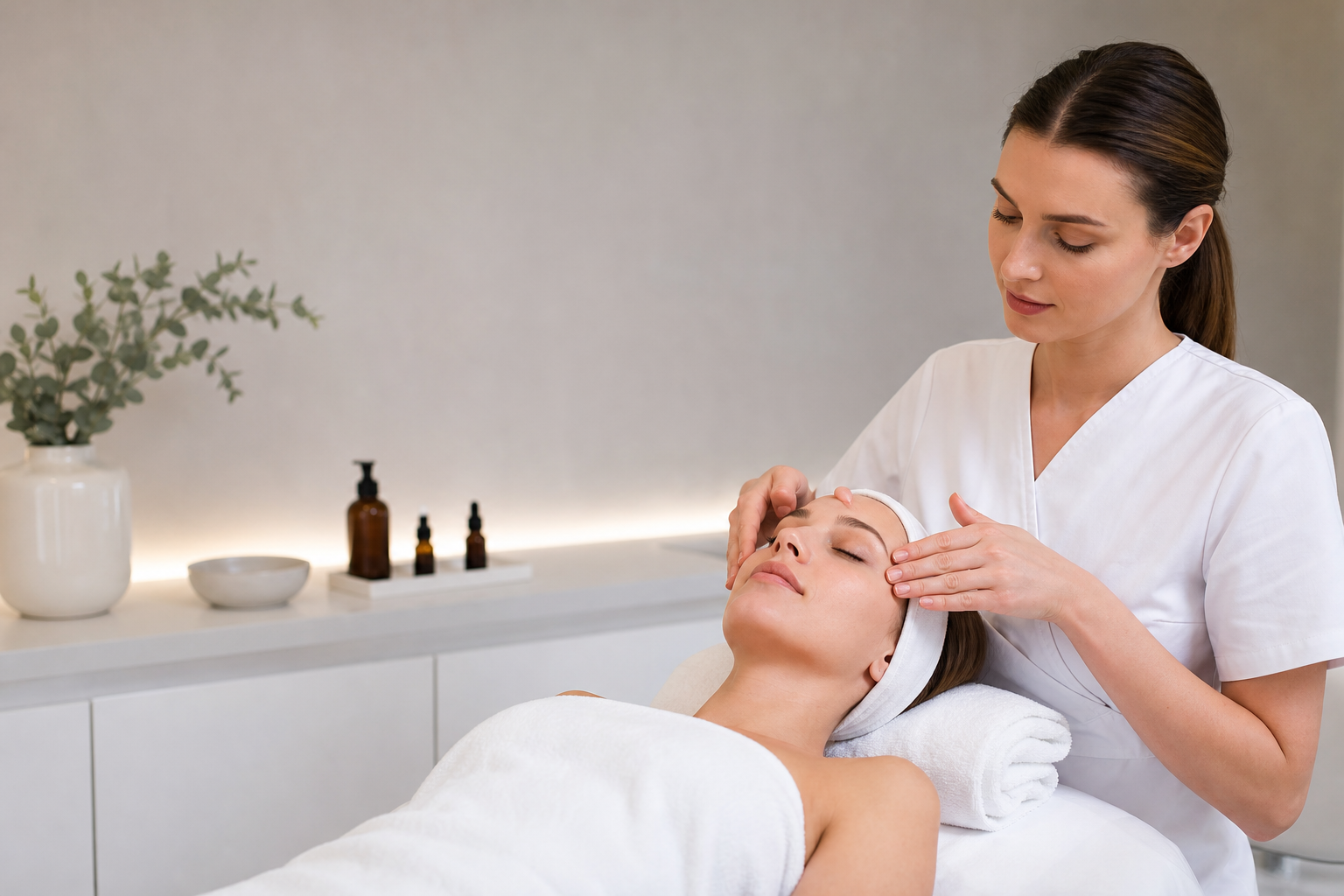
Facial massage after Botox treatment provokes considerable interest among those undergoing this highly popular aesthetic procedure. Botox offers effective wrinkle reduction, skin rejuvenation, and a refreshed appearance, making it a favored choice for individuals seeking non-surgical anti-aging solutions. However, as with any cosmetic intervention, post-treatment care is critical for preserving optimal results and minimizing potential complications. One frequently raised question is: when is it safe to resume facial massage following Botox injections, and what precautions should be observed?
This question is pertinent not only to patients but also to cosmetologists, dermatologists, and aesthetic practitioners who carry out or support the Botox treatment journey. Understanding the ideal timing and proper techniques for facial massage post-Botox is essential to safeguard the treatment's integrity. Inappropriate massage too soon after injections might disturb the botulinum toxin's placement, potentially diminishing efficacy or causing unwanted side effects.
Delving into the intersection of Botox's pharmacological action and the mechanical manipulation involved in facial massage reveals a nuanced landscape. The following editorial explores the underlying mechanisms of Botox, practical guidelines for post-Botox facial massage, realistic expectations around massage benefits, and safety considerations. By shedding light on expert recommendations, this article serves as a comprehensive resource for anyone hoping to integrate facial massage safely and effectively within their aftercare routine following Botox therapy.
Understanding Botox’s Mechanism and Its Implications for Post-Treatment Care
Botox, or botulinum toxin type A, is a neurotoxic protein that temporarily inhibits muscle contractions by blocking the release of acetylcholine at neuromuscular junctions. When administered in precise doses into selected facial muscles—commonly the forehead, glabellar lines (between eyebrows), and periorbital areas—it relaxes these muscles, leading to smoother skin surface and wrinkle softening.
This targeted muscle relaxation underpins Botox’s cosmetic efficacy but also frames the need for caution afterward. Immediately following injection, the botulinum toxin molecules begin binding to nerve terminals, a process that unfolds over several hours to days. During this window, the injected toxin is in a relatively mobile state and vulnerable to physical displacement if facial manipulations occur prematurely. Excessive massage or pressure can inadvertently cause diffusion of the toxin beyond intended sites, potentially triggering side effects like asymmetry, drooping eyelids (ptosis), or undesired muscle weakness.
By appreciating this biological timeline, patients and practitioners understand why safeguarding the toxin’s position through minimal facial manipulation initially is crucial. Post-treatment instructions commonly emphasize avoiding rubbing or massaging treated areas to facilitate optimal toxin uptake and distribution, promoting predictable and pleasing aesthetic outcomes.
The Critical Initial Post-Botox Period when Facial Massage Is Discouraged
In light of Botox’s pharmacodynamics, massage should generally be avoided within the first 48 hours after treatment, often extending up to one week depending on expert opinion and individual treatment protocols. This initial abstinence from facial massage is a safeguard against altering the distribution of botulinum toxin before it firmly anchors at the neuromuscular junctions.
In addition to avoiding massage, other activities that elevate local blood flow or temperature—such as vigorous exercise, sauna use, steam rooms, or hot showers—are discouraged in this early phase. Elevated temperature and increased circulation can accelerate toxin movement or metabolism, jeopardizing the treatment effect. Patients are also advised against sleeping face-down or applying strong pressure on the face, further minimizing the risk of toxin migration.
Clinical supervision is pivotal during this period to monitor any adverse reactions. For example, unusual swelling, persistent bruising, or pronounced asymmetry should prompt consultation with the injecting clinician to address and manage such issues promptly. Adherence to these early post-treatment restrictions fundamentally contributes to the overall success and safety of Botox therapy.
Timing Facial Massage Safely After Botox Injections
Once the crucial early post-injection phase passes, optimally between 7 and 14 days post-Botox, the foundation is laid for introducing facial massage if desired. By this time, the botulinum toxin has largely stabilized within the targeted muscles, significantly reducing the risk of displacement through mechanical manipulation.
Introducing facial massage at this juncture can enhance skin health by promoting improved microcirculation, supporting connective tissue elasticity, and aiding lymphatic drainage—factors valuable for maintaining a vibrant and toned complexion. However, this phase demands a carefully modulated approach. The massage should be gentle and conducted by a practitioner experienced with post-Botox care to avoid deep or aggressive maneuvers that might irritate treated tissues or inadvertently impact the toxin's effects.
Techniques typically emphasized include light effleurage, gentle kneading, and lymphatic drainage movements that are intentionally slow and systematic. The facial muscles should not be overly strained or massaged vigorously, especially in treated zones, preserving the integrity of Botox-induced muscle relaxation.
Realistic Effects of Facial Massage on Botox Treatment Outcomes
While facial massage after Botox cannot alter the fundamental pharmacological action of the toxin—namely muscle relaxation resulting in wrinkle reduction—it can serve as a complementary skincare strategy. Massage may improve overall skin tone, promote a sense of relaxation, and enhance subjective wellbeing, indirectly supporting a refreshed and healthy skin appearance.
It's important to recognize that massage cannot extend the duration of Botox's effects or substitute for repeated treatments as the toxin's action naturally wanes over approximately three to six months. Similarly, massage is not a remedy for deep wrinkles once Botox has worn off but rather a supportive modality for skin maintenance.
When combined with adequate hydration, sun protection, balanced nutrition, and regular dermatological care, facial massage can play a meaningful role within a holistic anti-aging regimen. Patients should maintain realistic expectations, understanding massage as part of an integrated approach rather than a singular solution.
Post-Botox Skincare and Activity Considerations Complementary to Facial Massage
Beyond timing facial massage appropriately, a comprehensive post-Botox care plan encompasses gentle cleansing routines, judicious skincare product use, and activity modifications to optimize treatment outcomes. Patients should cleanse the face mildly without using abrasive scrubs or excessive friction, preserving skin barrier function and minimizing irritation risks.
Topical products used after Botox should support skin hydration and nourishment without eliciting inflammation. Refraining from exfoliating acids or retinoids directly adjacent to injection sites in the early days following therapy is advised to prevent sensitization.
Additionally, avoiding prolonged sun exposure, tanning beds, and heat-intensive therapies for at least a week aligns with preserving Botox integrity, since heat may accelerate toxin degradation. Physical exertion causing elevated blood pressure or facial flushing is also best limited during the initial post-treatment period.
Engaging with healthcare professionals knowledgeable in aesthetic medicine ensures individualized advice tailored to skin type, treatment extent, and personal lifestyle, thereby enhancing safety and satisfaction.


