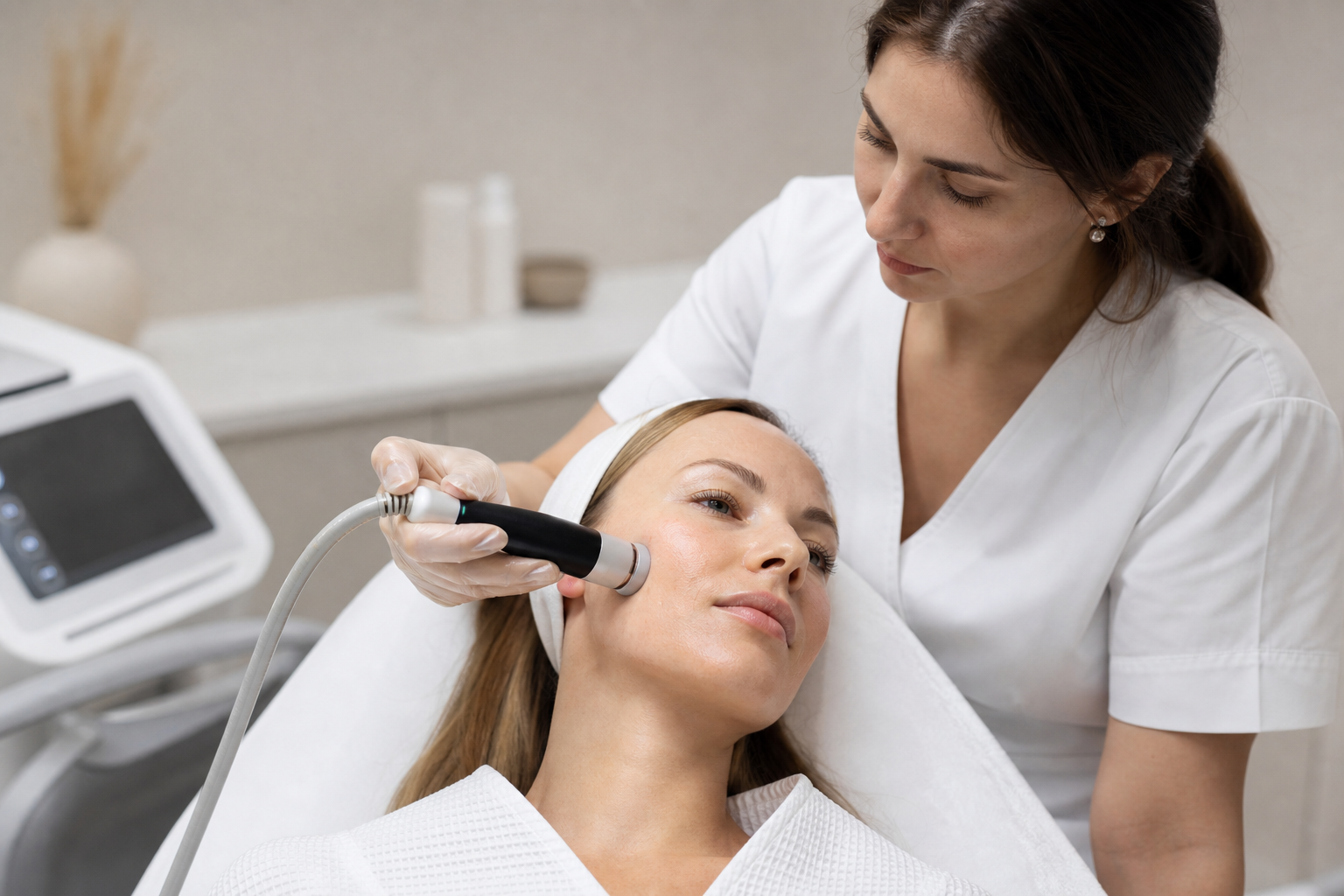
Radiofrequency (RF) skin tightening, colloquially known as RF lifting, has become a cornerstone of modern aesthetic medicine for those seeking to rejuvenate the skin without the invasiveness or recovery time associated with surgery. This treatment harnesses radiofrequency energy to stimulate collagen and elastin production in the deeper layers of the skin, resulting in a firmer, smoother, and more youthful appearance. As its popularity grows, many prospective patients face an important question: is a single RF treatment enough to achieve the desired results, or is a series of sessions necessary?
This article dives deeply into the science and practical realities of RF treatments, tailored for individuals considering non-surgical skin tightening — whether they are noticing the earliest signs of aging or wish to maintain a refreshed, radiant complexion over time. Understanding what RF lifting entails, the types of treatments available, expected outcomes, and individual variables that influence results will empower patients to make informed decisions about their skin health journey.
Knowing whether one treatment session suffices is critical for setting realistic expectations, budgeting time and resources effectively, and ultimately achieving satisfying, long-lasting skin rejuvenation. This discourse goes beyond marketing claims to examine the clinical, technological, and experiential aspects surrounding single versus multiple RF treatment protocols.
What Is RF Lifting and How Does It Work?
Radiofrequency lifting is a non-invasive procedure that delivers controlled radiofrequency energy into the dermis layer of the skin. Unlike laser treatments that target pigmentation or surface irregularities, RF penetrates deeper to induce thermal energy within the collagen-rich layers. This gentle heating triggers fibroblasts — the skin’s collagen-producing cells — to generate new collagen fibers while promoting remodeling of existing ones.
The resulting biological response gradually improves skin elasticity, tightness, and texture. Since collagen provides structural support, increasing its density and quality helps counteract sagging and fine lines that develop naturally with age or due to environmental exposure. The non-ablative nature means the skin’s surface remains intact, significantly minimizing downtime.
RF treatments can be applied to the face, neck, décolletage, and even body areas prone to skin laxity. The procedure is typically painless, with mild warmth felt during application. There is no requirement for anesthesia, incisions, or recovery periods, which appeals to a wide range of patients seeking effective yet gentle cosmetic enhancements.
What Are the Different Types of RF Treatments?
RF technology encompasses several treatment modalities, each varying in invasiveness, depth of action, and clinical indications. Broadly speaking, these can be categorized as non-invasive, fractional microneedling RF, and minimally invasive RF treatments.
Non-Invasive RF Treatments: The most common form involves placing the device’s applicator on the skin surface, transmitting radiofrequency waves that heat the underlying tissues without breaking the skin barrier. These are ideal for mild to moderate skin laxity and for individuals beginning skin rejuvenation protocols. Such treatments are popular for facial tightening, neck firming, and subtle body contouring.
Fractional Microneedling RF: This technique integrates microneedles that penetrate the skin to deliver RF energy directly into the deeper dermis. By combining mechanical stimulation with thermal impact, it enhances collagen production in a more targeted manner. Fractional RF is effective in treating moderate skin sagging, wrinkles, stretch marks, and acne scars, providing more significant results than superficial methods while maintaining a low downtime profile.
Minimally Invasive RF Treatments: These approaches use specialized needles or probes inserted beneath the skin to precisely apply RF energy to deeper tissues. They are sometimes used for addressing substantial laxity or in areas difficult to treat with surface methods. While these procedures might involve local anesthesia and slightly longer recovery, they bridge the gap between non-surgical tightening and surgical facelifts.
Can One RF Treatment Deliver Noticeable Results?
Many patients seek immediate gratification and hope a single RF session will erase years of skin aging. While RF can indeed initiate collagen remodeling and produce subtle improvements after one treatment, the degree of visible change from a single session tends to be modest. Initial effects often include a mild lifting sensation, smoother texture, and a slight tightening that can be appreciated within days to a week.
The biology underlying collagen synthesis and restructuring, however, unfolds over weeks to months. Newly formed collagen fibers take time to mature and reorganize. Consequently, maximal tightening and rejuvenation outcomes are usually realized progressively, following a series of treatments spaced over several weeks.
Single treatments can serve well as maintenance sessions or for patients with minimal laxity seeking a gentle refreshment. However, for those with moderate to advanced skin sagging, one treatment is rarely sufficient to achieve substantial, long-lasting improvements. In such cases, a package of multiple sessions tends to produce more robust and durable results.
What Factors Influence the Number of RF Treatments Needed?
The decision about how many RF sessions a patient requires depends on a variety of factors that include:
Skin condition and laxity severity: Early, mild skin laxity responds better to fewer sessions. More pronounced sagging or textural issues necessitate multiple treatments.
Patient’s age and collagen production capacity: Younger individuals with active fibroblasts experience faster and more marked regeneration, therefore fewer treatments might suffice.
Technology and device specifications: Advanced RF devices with fractional or microneedling features generally achieve enhanced results with fewer sessions as they deliver energy deeper and more effectively.
Individual lifestyle and environmental factors: Smoking, sun exposure, chronic stress, and poor nutrition impair skin healing and collagen production, often requiring extended treatment protocols.
Desired outcome and treatment goals: Subtle rejuvenation can be achieved with a single procedure, but comprehensive lifting needs a series of treatments tailored to the areas of concern.
How Often Should RF Treatments Be Performed for Optimal Results?
Standard clinical protocols suggest administering 3 to 6 RF sessions at intervals of 2 to 4 weeks. This schedule allows controlled collagen induction and remodeling while preventing overt skin stress. Several studies and expert guidelines recommend performing an initial series and then scheduling maintenance treatments every 6 to 12 months to sustain results over time.
Individual treatment plans vary depending on the modality used and the patient's response. Some advanced fractional RF treatments allow for fewer sessions given their enhanced efficacy. Meanwhile, gentle non-invasive RF procedures might require more frequent repetition to reinforce collagen stimulation.
When Do RF Lifting Results Typically Become Noticeable and How Long Do They Last?
Patients often observe some immediate tightening due to collagen contraction and tissue heating effects. However, the full benefits develop over a period of 6 to 12 weeks as new collagen fibers mature and integrate into the dermal matrix. Improvement in skin texture, fine lines, and firmness gradually becomes evident in this timeframe.
The longevity of RF lifting results depends strongly on individual ageing processes, lifestyle factors, and maintenance practices. Generally, results can last from 6 months to over a year before noticeable diminution occurs. Regular maintenance sessions can prolong and enhance these outcomes substantially.
Why Might RF Not Produce the Same Results for Everyone?
Variability in treatment results is natural given differences in skin biology, age, genetics, and environmental impact. Some individuals inherently produce collagen more readily, while others may have diminished fibroblast activity due to ageing or sun damage. Furthermore, skin thickness and baseline elasticity influence the degree of response.
Improper device settings, suboptimal treatment techniques, or inadequate number of sessions can also limit effectiveness. Compliance with post-treatment guidelines such as sun protection and skincare routines further affects the durability of results.
Is RF Lifting Suitable for Everyone?
RF procedures are appropriate for a broad patient population, especially those reluctant to undergo surgery or with contraindications to invasive interventions. However, individuals with certain conditions such as implanted electronic devices, active skin infections, severe skin diseases, or pregnancy should avoid RF treatments or consult their physicians first.
Patients with significant skin laxity and drooping might require surgical consultation as RF alone may not achieve sufficient lifting. Nonetheless, many patients achieve meaningful rejuvenation and improved confidence through well-planned RF regimens.


