RF lifting, short for radiofrequency lifting, has become a buzzword in the realm of modern aesthetic treatments, promising skin rejuvenation and tightening without the need for surgical intervention. This non-invasive procedure employs radiofrequency energy to stimulate natural collagen and elastin production within the skin, thereby restoring its firmness and youthful appearance gradually and safely. Encountering the term “lifting” often conjures images of surgical facelifts; however, RF lifting offers a gentler alternative for individuals who want noticeable skin improvements without the risks and lengthy recovery associated with surgery.
This treatment is ideally suited for people experiencing the initial visible signs of aging: skin laxity, fine lines, subtle wrinkles, and uneven texture. It is also beneficial for those who have undergone significant weight loss or simply want to preserve the skin’s youthful elasticity over time. Understanding the degree of discomfort or pain associated with RF lifting is a common concern for prospective patients. After all, aesthetic procedures’ appeal hinges not only on their effectiveness but also on the comfort and safety of the experience.
In this comprehensive editorial, we will explore the nature of RF lifting, breaking down the treatment types, procedure sensations, and patient expectations. By addressing the frequently asked question, "Does RF lifting hurt?", this article guides readers through what they might encounter during treatment and helps them make informed decisions about incorporating RF lifting into their skin care regimen.
What Is RF Lifting and How Does It Work?
Radiofrequency lifting is a technology-driven skincare method designed to tighten and rejuvenate the skin by using controlled radiofrequency waves to heat the deeper dermis layer beneath the epidermis. This heating triggers a cascade of biological responses that promote the synthesis of new collagen and elastin fibers, essential proteins that give skin elasticity and firmness.
The dermis, the thick layer of living tissue below the outer skin, houses collagen and elastin in its connective tissue matrix. As we age, collagen production slows, and existing fibers degrade, leading to sagging skin and wrinkles. RF lifting counteracts this by gently heating the dermis to temperatures typically between 39°C and 42°C (102°F to 108°F), without damaging the outer epidermis. This thermal stimulation causes initial collagen fibers to contract and denature, followed by the skin’s natural repair process that generates fresh collagen over subsequent weeks and months.
The outcome is firmer, smoother skin with improved tone and texture, achieved through the body's own regenerative capabilities rather than artificial fillers or surgery. RF lifting is versatile, addressing facial concerns such as jowls, nasolabial folds, and forehead lines, as well as body areas like the neck, décolleté, arms, and abdomen where skin laxity may be present.
Who Is an Ideal Candidate for RF Lifting?
RF lifting is particularly appealing for individuals who desire skin improvement but are hesitant about surgery or invasive procedures. Suitable candidates are typically those in their late 30s to 60s who notice mild to moderate signs of aging and want to postpone or avoid a surgical facelift. People with reasonable skin laxity, fine wrinkles, and early volume loss benefit most from RF treatments.
Moreover, those who have undergone weight fluctuations leading to loose skin or patients who have completed non-surgical fat reduction treatments often use RF lifting to improve skin tightness and texture further. Importantly, RF lifting is effective for almost all skin types and colors since it relies on heat rather than light energy, which can sometimes pose risks to darker skin tones.
Though RF lifting is safe, it is not recommended for individuals with certain conditions, such as active infections, severe skin diseases, implanted electrical devices like pacemakers, or pregnancy. A thorough medical consultation with a qualified aesthetic specialist ensures patient suitability and safety.
Does RF Lifting Hurt? Understanding Treatment Sensations
The question of pain often tops the list of concerns for those considering RF lifting. The good news is that discomfort during RF lifting is generally minimal to non-existent. Most patients describe the sensation as a gentle, warming feeling on their skin rather than pain.
This warmth arises because the radiofrequency energy safely heats the deeper skin layers to stimulate collagen without burning or damaging the surface. Modern RF devices are equipped with cooling mechanisms that protect the epidermis and increase patient comfort. The heat sensation is soothing for many and can be comparable to the warmth felt during a hot stone massage or a sun-kissed glow.
Some individuals with more sensitive skin or undergoing more intensive RF procedures may experience a mild tingling or prickling sensation. However, any discomfort is typically brief and well tolerated. Unlike many laser or invasive technologies, RF lifting does not involve needles unless combined with microneedling techniques, which could introduce some prickling or stinging.
In short, the pain level of RF lifting is low, making it an accessible option for those prioritizing a comfortable treatment.
Variations of RF Lifting: How Do They Affect Sensation and Results?
RF lifting isn't a one-size-fits-all procedure; its variations range from completely non-invasive to minimally invasive treatments. This diversity accounts for differing patient experiences regarding discomfort and results.
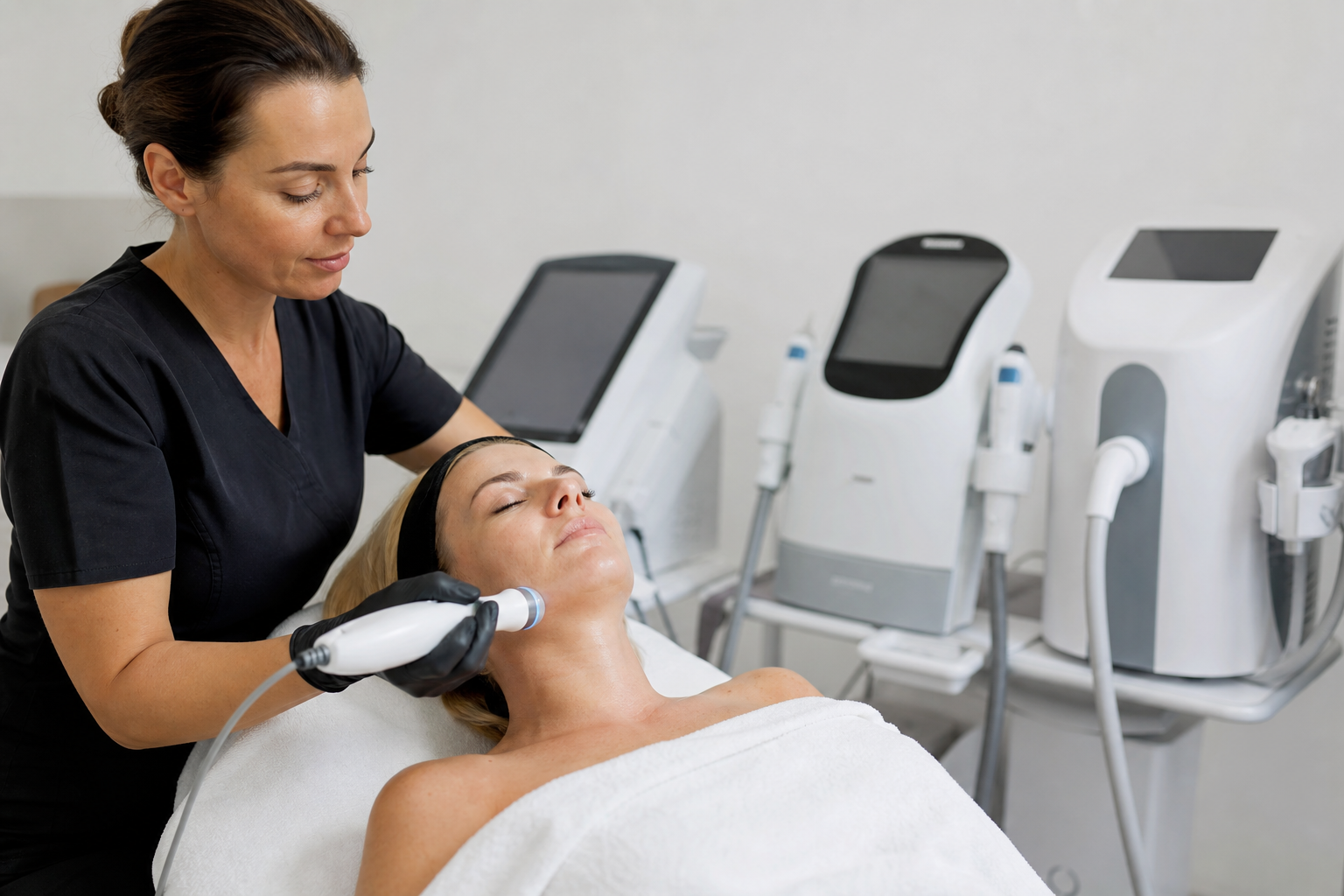
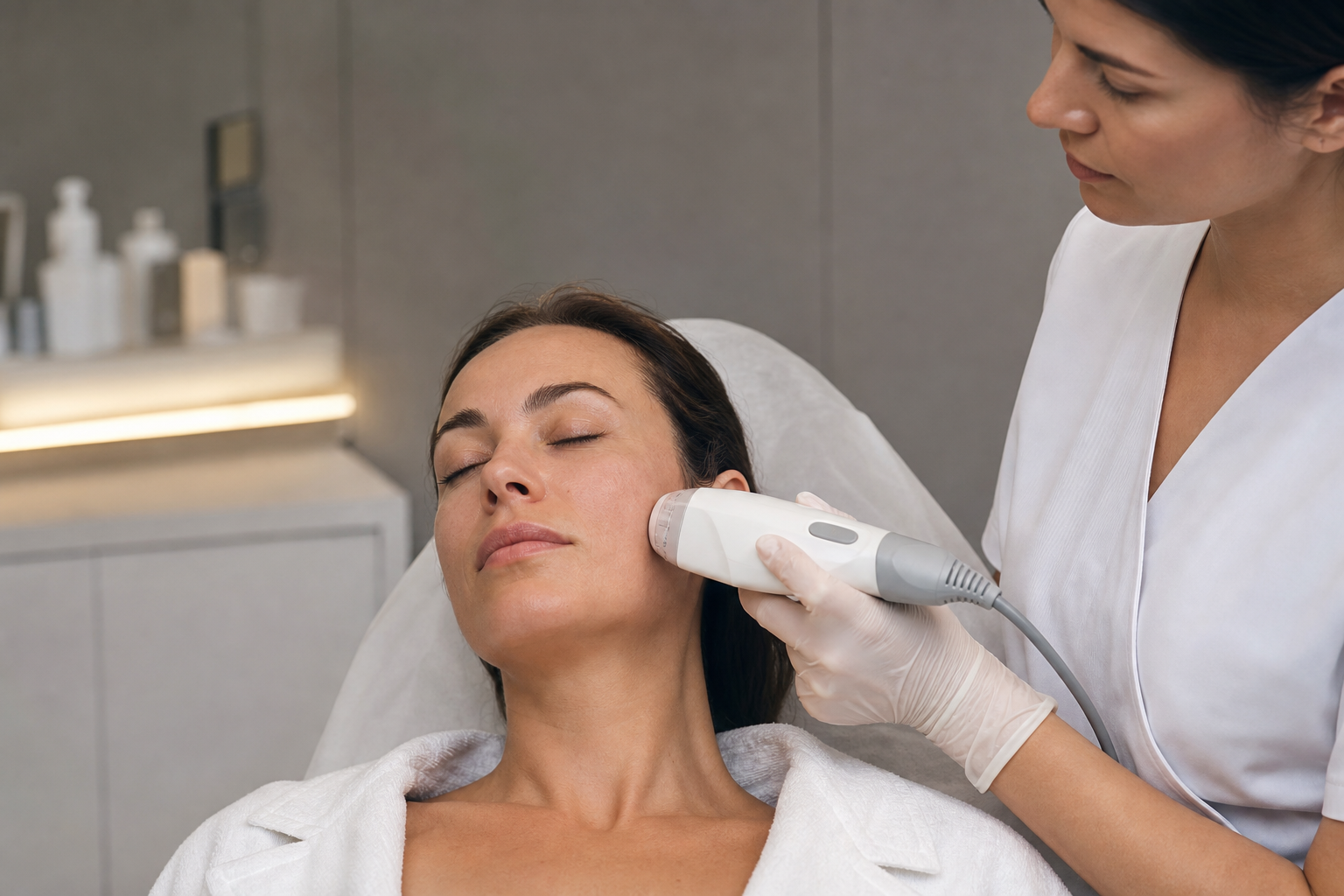
Non-Invasive RF Lifting: In this classic form, a handheld device emits radiofrequency waves externally, moving over the skin surface. Patients experience mild warmth and may feel a temporary tingling, but overall, the treatment is painless and requires no downtime. It suits those seeking subtle improvements and skin maintenance.
Fractional RF without Needles: This technology divides the radiofrequency energy into microscopic zones, focusing energy deeper into the skin while leaving surrounding areas intact. It enhances collagen remodeling more efficiently but may intensify heat sensations slightly. Even so, anesthesia is usually unnecessary, and discomfort remains mild.
RF Microneedling: This method combines RF energy with fine needles that penetrate the skin, delivering radiofrequency directly to the dermis. Because it involves controlled micro-injuries, patients can expect more noticeable sensations ranging from mild to moderate discomfort depending on their pain threshold and anesthesia use. The results with RF microneedling typically are more dramatic, targeting deeper wrinkles and scar tissue.
Minimally Invasive RF: Procedures like subdermal RF tightening use specialized probes inserted under the skin under local anesthesia. Although more invasive and requiring recovery time, these are reserved for advanced skin laxity cases and induce sensations similar to minor surgical interventions.
Understanding these treatment nuances helps patients prepare mentally and physically for the experience and set realistic expectations regarding comfort and outcomes.
What to Expect During and After an RF Lifting Session?
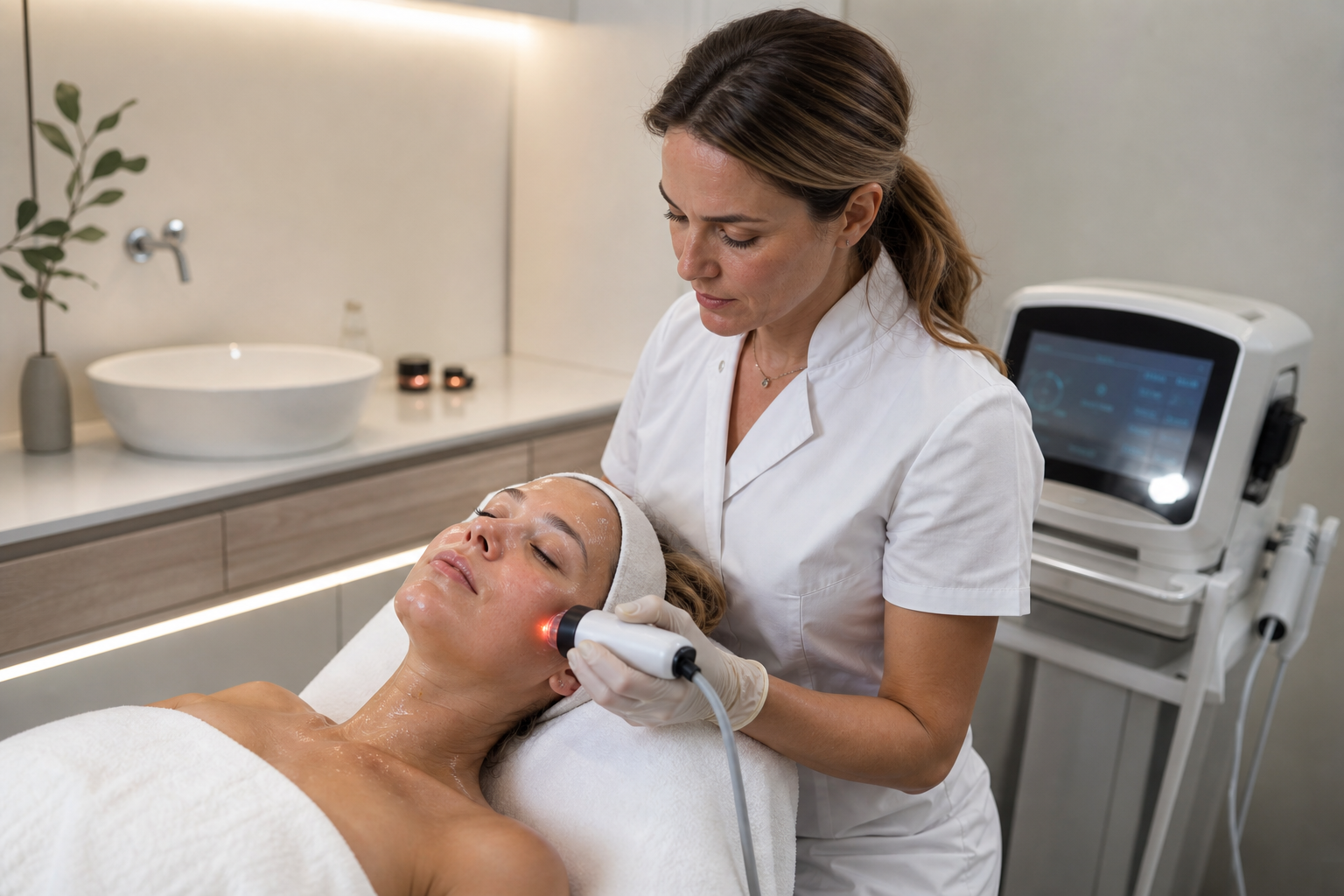
A standard RF lifting appointment begins with cleansing the treatment area to remove oils and makeup. A handheld RF device, often with a cooling tip, is then gently glided across the skin in measured strokes, delivering radiofrequency energy to targeted zones. The procedure usually lasts between 20 and 60 minutes depending on the area treated.
During treatment, patients typically feel a gradual increase in warmth that remains comfortable throughout. It's common to observe mild redness immediately after, which subsides quickly within a few hours. Some patients report a slight tingling or tightness post-procedure, which is temporary.
Recovery times are generally negligible with non-invasive RF lifting, allowing patients to resume normal activities immediately. Minimal swelling or tenderness might appear after more intensive RF variations but usually resolve within days.
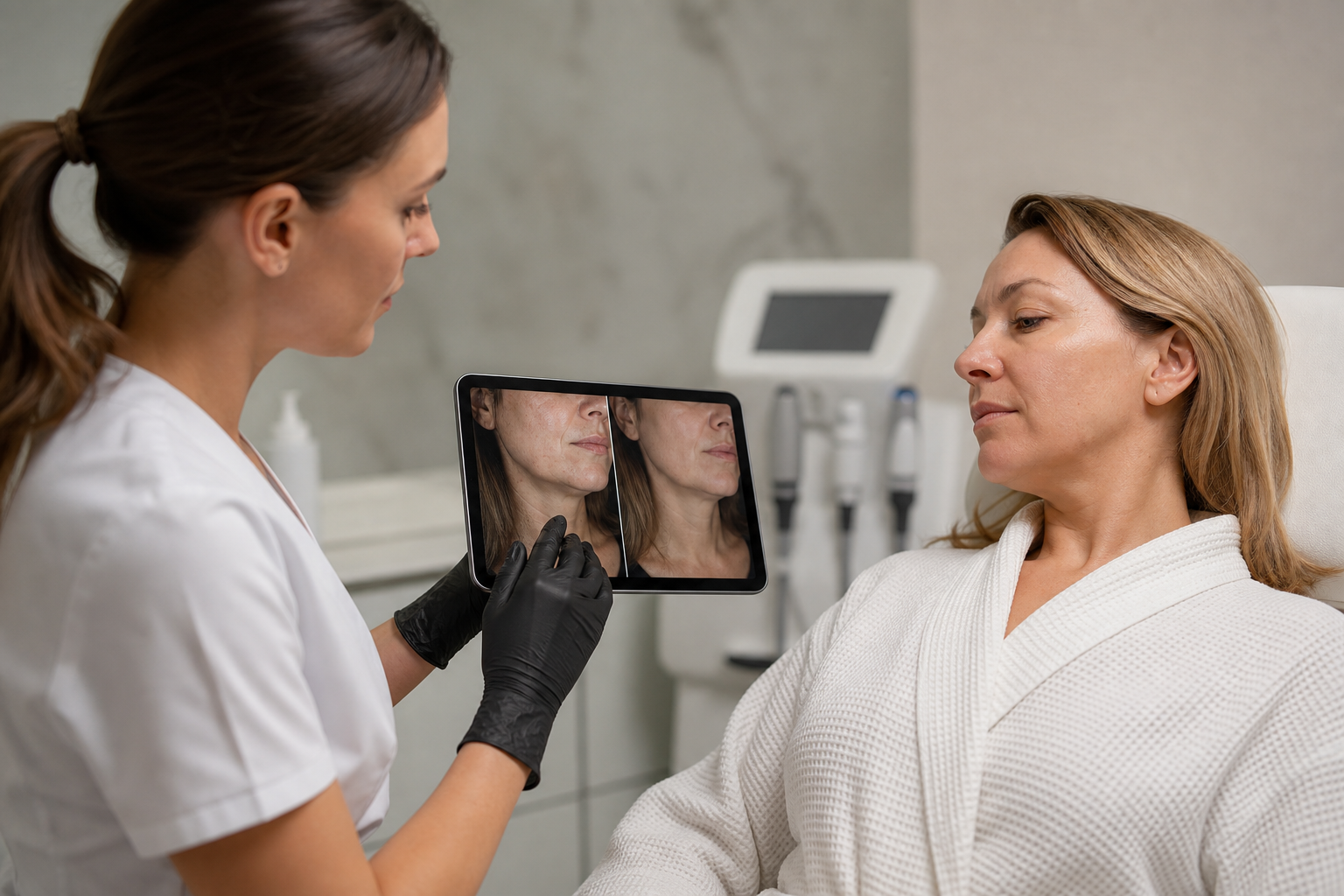
The full benefits develop progressively as collagen remodels and new fibers form. Most patients notice firmer, tighter skin and improved texture after a few weeks, with optimal results appearing around 3 to 6 months. Multiple sessions—often 3 to 6 spaced a few weeks apart—are recommended for sustained and enhanced effects.
Can RF Lifting Be Performed Year-Round, Including in Summer?
One of the advantages of RF lifting over certain laser treatments is its suitability for use throughout the year, including summer months. Because radiofrequency energy does not target pigment but rather heats the dermis, there is minimal risk of post-inflammatory hyperpigmentation or sun sensitivity.
However, patients are generally advised to use sun protection after any aesthetic skin procedure to preserve results and prevent damage. Hydration and gentle skincare are beneficial to support the healing and collagen-building processes. Scheduling RF lifting sessions during less intense sun exposure periods can optimize comfort and outcomes but is not strictly required.
How Long Is Recovery After RF Lifting?
Recovery or downtime after RF lifting depends largely on the technique used. The non-invasive versions require little to no downtime, with most returning to their usual routine immediately or within hours after treatment. Minor redness or warmth may last a brief period but does not affect daily activities.
More advanced treatments like RF microneedling introduce pinpoint wounds and may cause mild swelling, redness, or tenderness lasting several days. Patients are typically given aftercare instructions including avoiding harsh skincare products and direct sun exposure.
Minimally invasive RF procedures can require a short recovery window of a few days up to one week during which swelling and bruising subside. Pain is managed through local anesthetics administered during treatment, and any discomfort post-procedure is usually mild and controlled with over-the-counter pain relief.
Benefits of RF Facial Lifting Beyond Pain Considerations
While the question of pain is essential, the benefits of RF lifting extend well beyond comfort. The treatment offers a safe, effective way to stimulate the skin's natural regenerative processes, producing lifting and tightening effects that look natural and evolve over time.
By targeting collagen production directly in the dermal layer, RF lifting improves skin resilience and texture, often smoothing out fine lines and reducing the appearance of wrinkles. It is a preventative as well as restorative approach, helping to maintain youthful skin health without adding volume artificially or changing facial structure.
Additionally, RF lifting's minimal invasiveness and quick sessions integrate seamlessly into busy lifestyles. The treatment can be precisely targeted to problem areas or used as part of a comprehensive skincare program, tailored by professionals to address individual needs and aging concerns.
Common Questions About RF Lifting Pain and Safety
Is RF lifting painful for everyone? Sensations vary individually, but most experience only mild warmth or tingling. Discomfort is rare with non-invasive RF treatments.
Do treatments require anesthesia? Non-invasive RF procedures do not require anesthesia. More intensive methods like RF microneedling may use topical numbing creams to enhance comfort.
Can RF lifting cause burns or damage? When performed by trained practitioners using approved devices, RF lifting safely heats the skin without burns or injury. Built-in cooling systems minimize risks.
How many treatments are necessary? Typically, 3 to 6 sessions spaced a few weeks apart yield optimal results, with maintenance treatments recommended every 6 to 12 months.
Are results permanent? RF lifting stimulates natural collagen remodeling, but aging continues naturally. Results can last up to 1 year or longer, especially with proper skincare and sun protection.