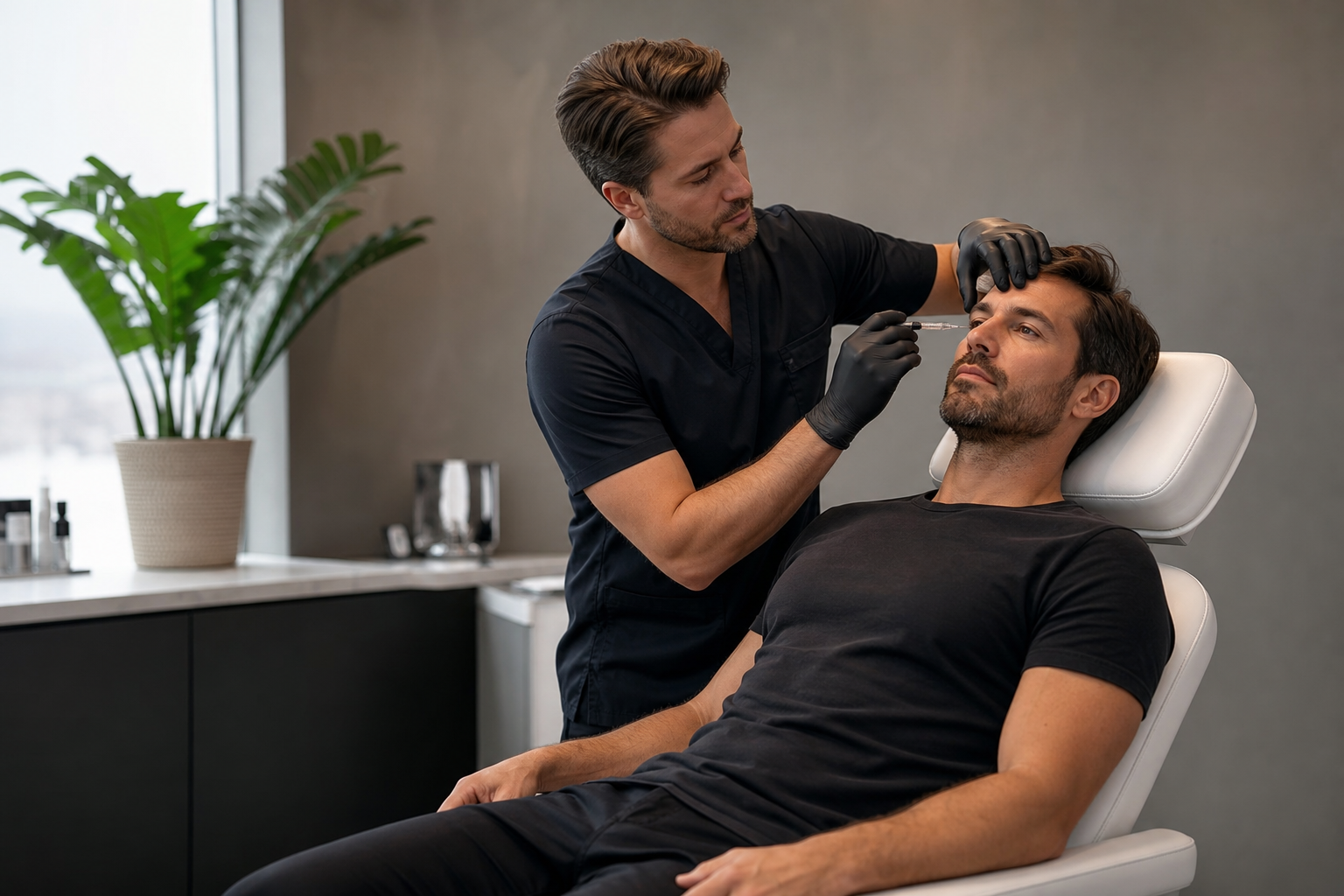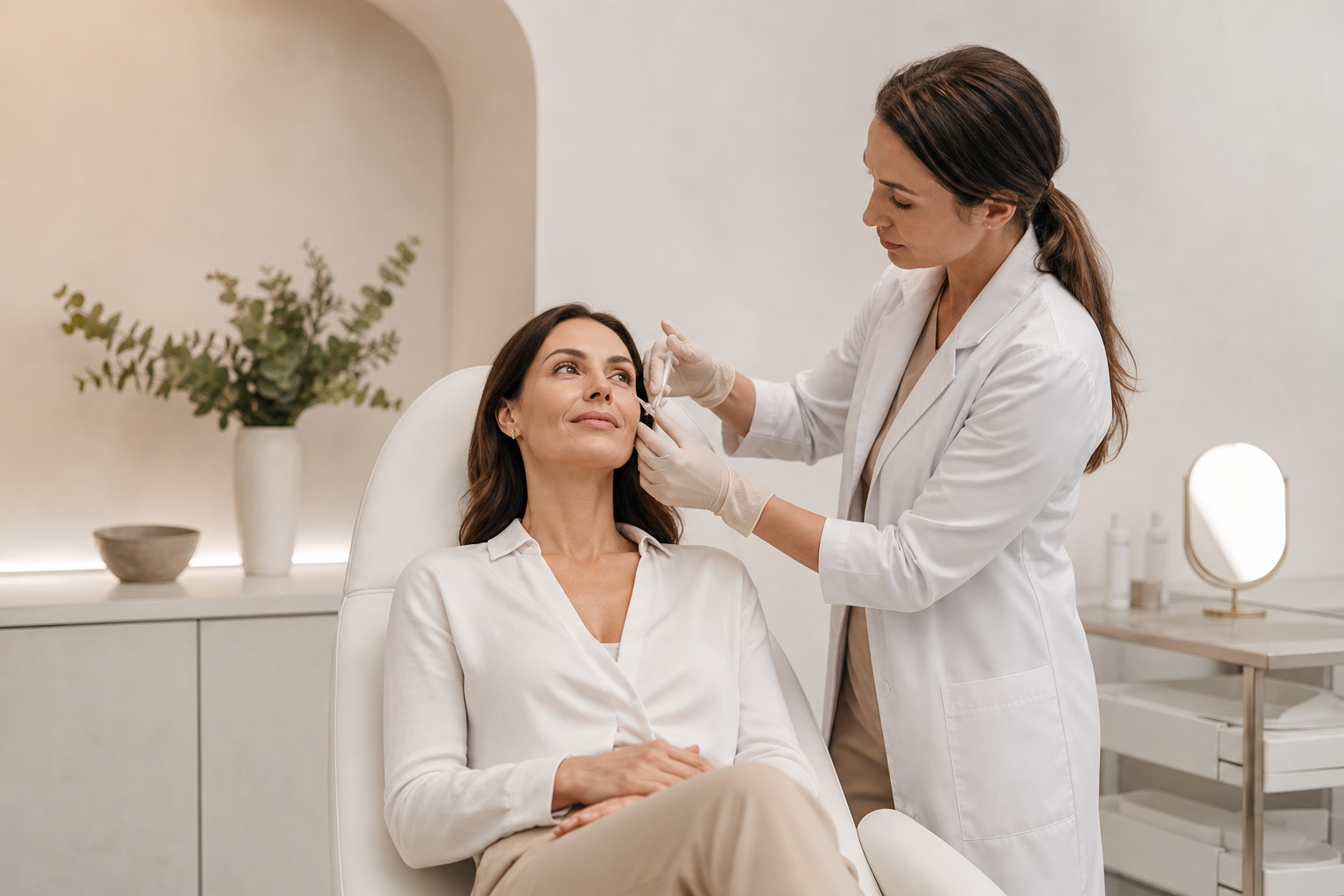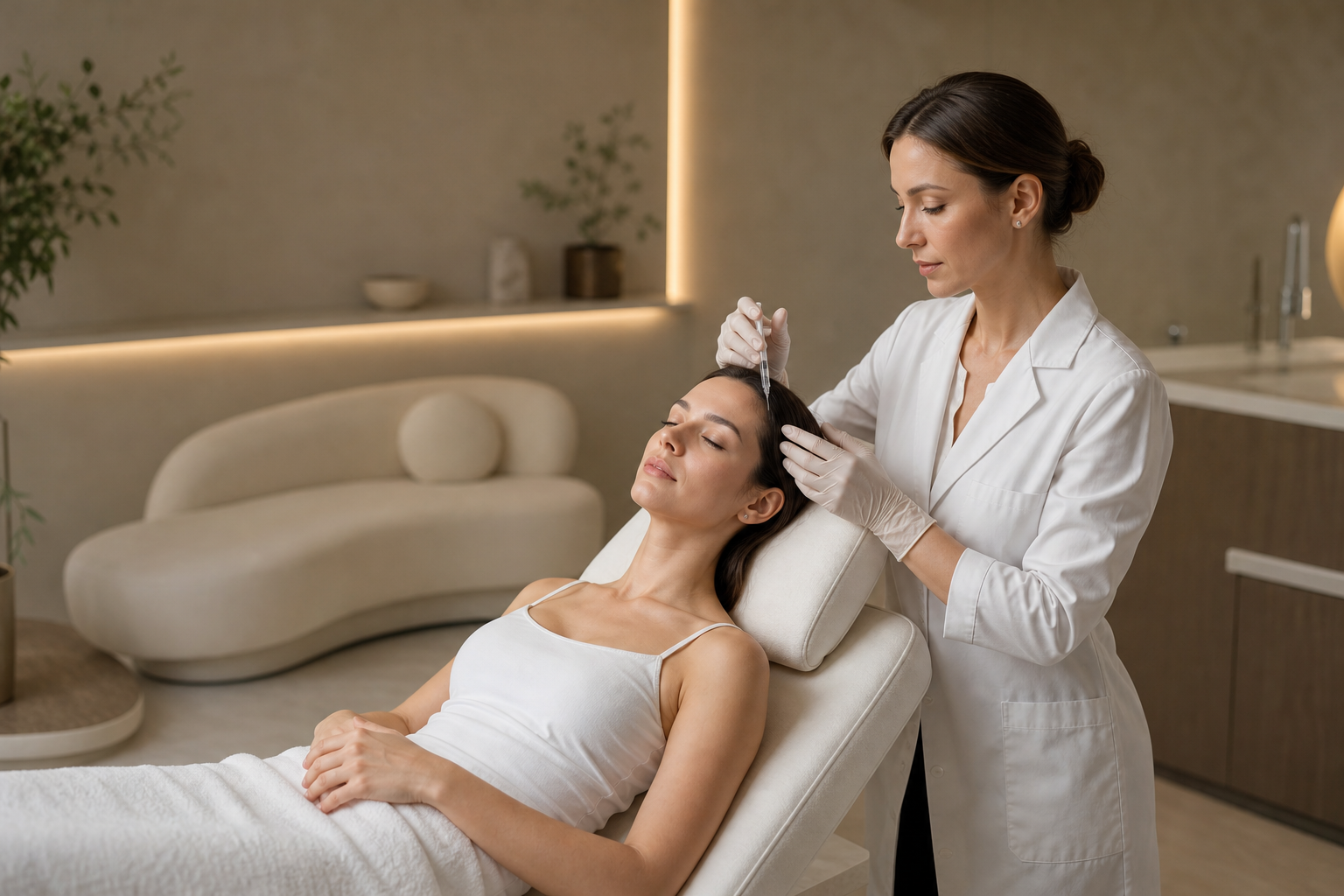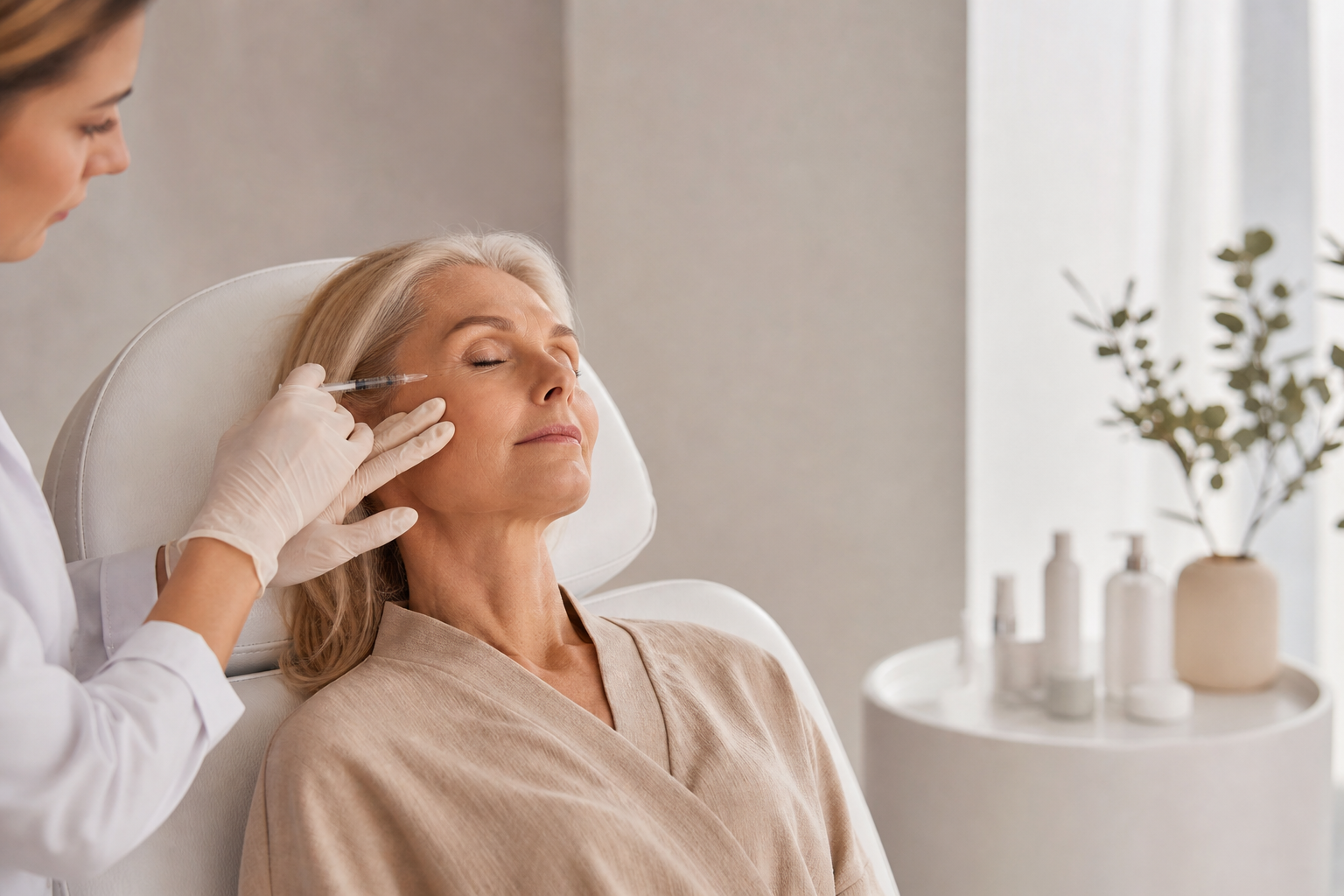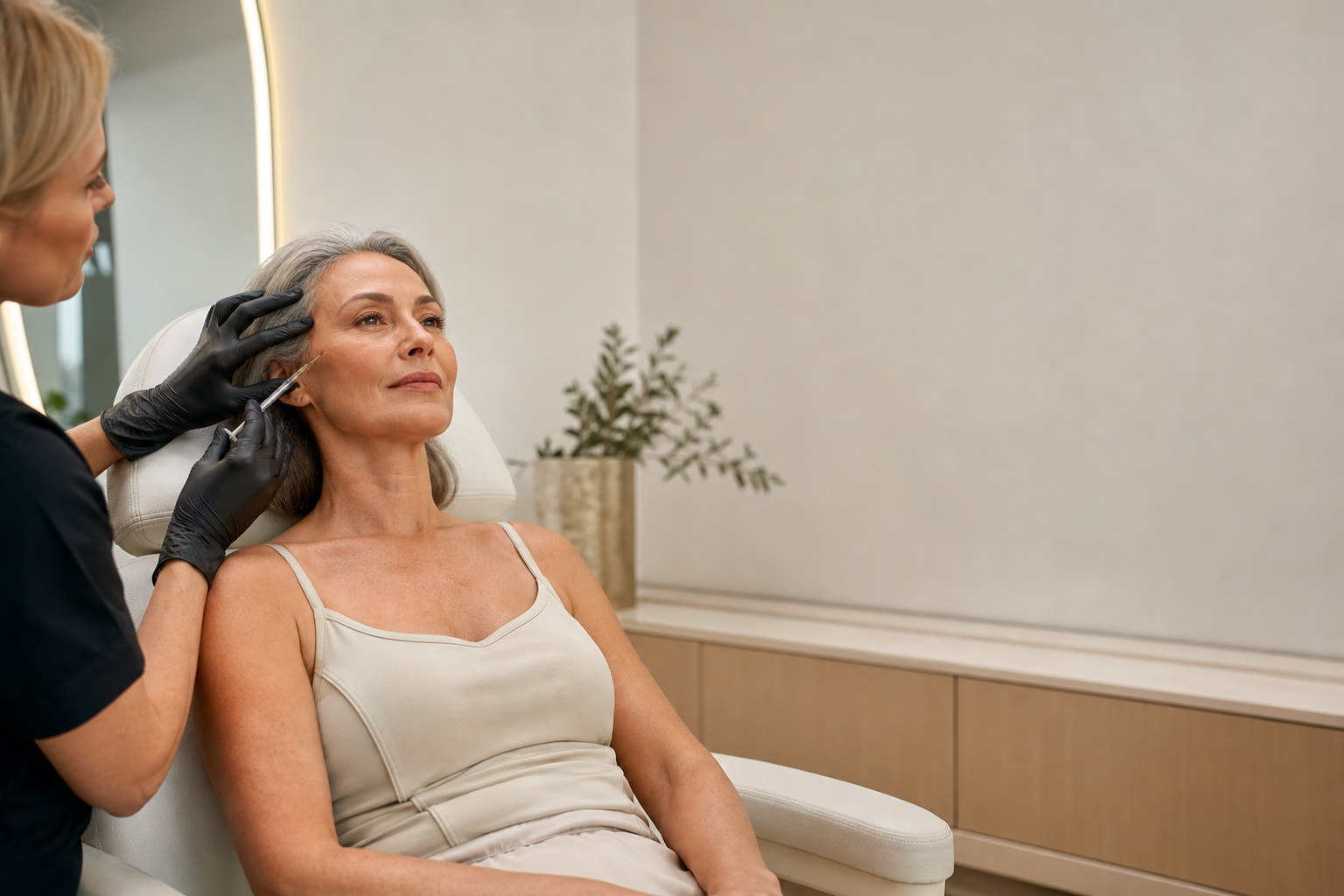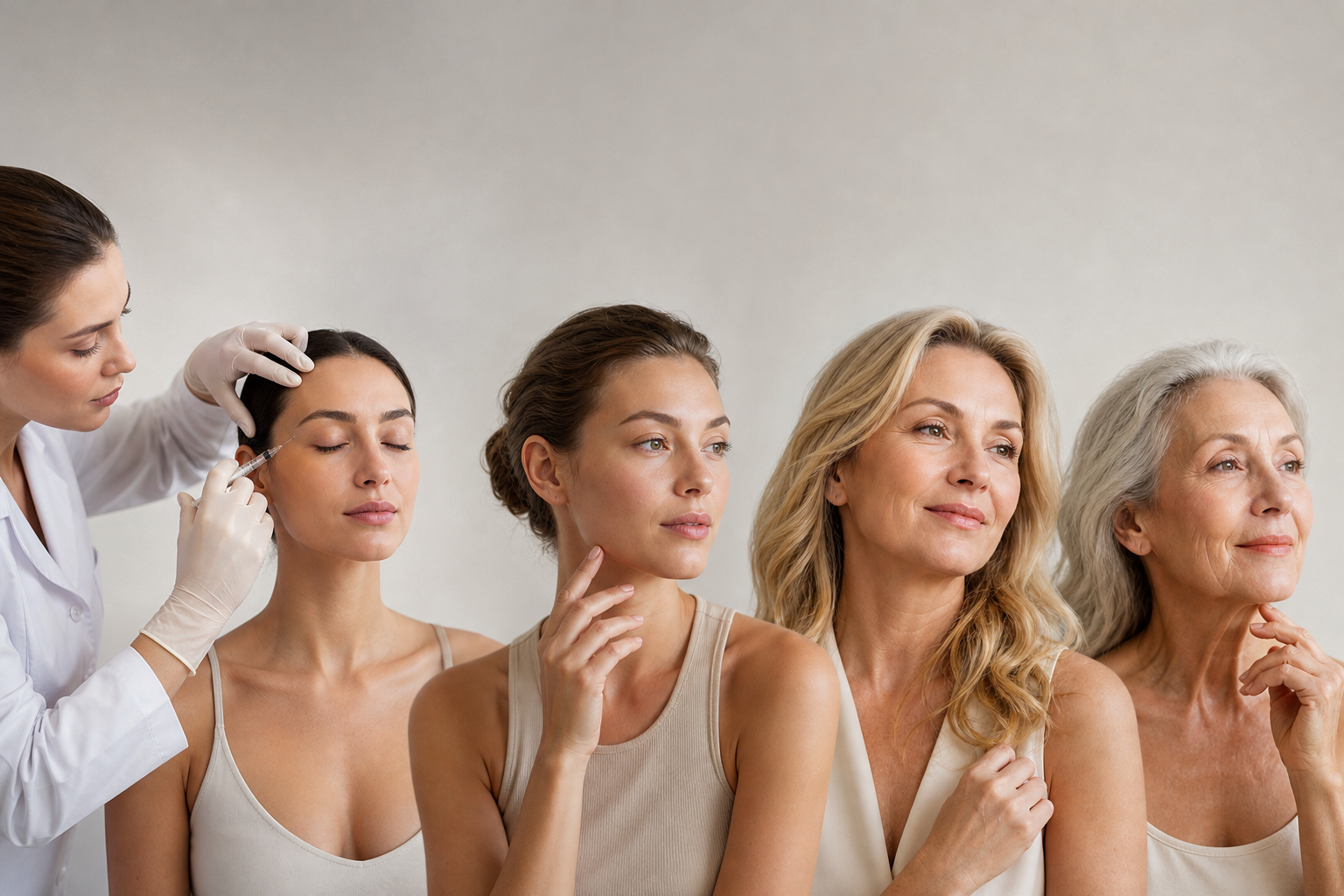
Botox stands as one of the most renowned and widely utilized treatments within aesthetic medicine, celebrated for its ability to both prevent and diminish the visible signs of aging. By selectively targeting muscle contractions, Botox effectively smooths dynamic wrinkles caused by facial expressions, rejuvenating the appearance with a fresher, well-rested look. Yet, the application and outcomes of Botox are far from uniform across the lifespan. Different life stages bring unique changes in skin condition, metabolic activity, and aesthetic goals, all of which influence how Botox treatments should be approached and optimized.
This editorial delves into the intricate role of Botox across diverse age groups, outlining the evolving rationale, techniques, and expectations from the twenties through the later decades. Understanding these distinctions is crucial not only for those considering their initial treatments but also for individuals seeking to refine their therapeutic strategies in line with their advancing years.
Importantly, Botox is not a simplistic solution for wrinkle eradication. It is an advanced therapeutic tool demanding meticulous medical assessment, expert administration, and realistic anticipation of results. We explore the relevant medical considerations, differentiate between licensed and off-label indications, and illuminate how hormonal and metabolic shifts, particularly in mature age, influence treatment outcomes.
Preventative Botulinum Toxin Applications in the Twenties
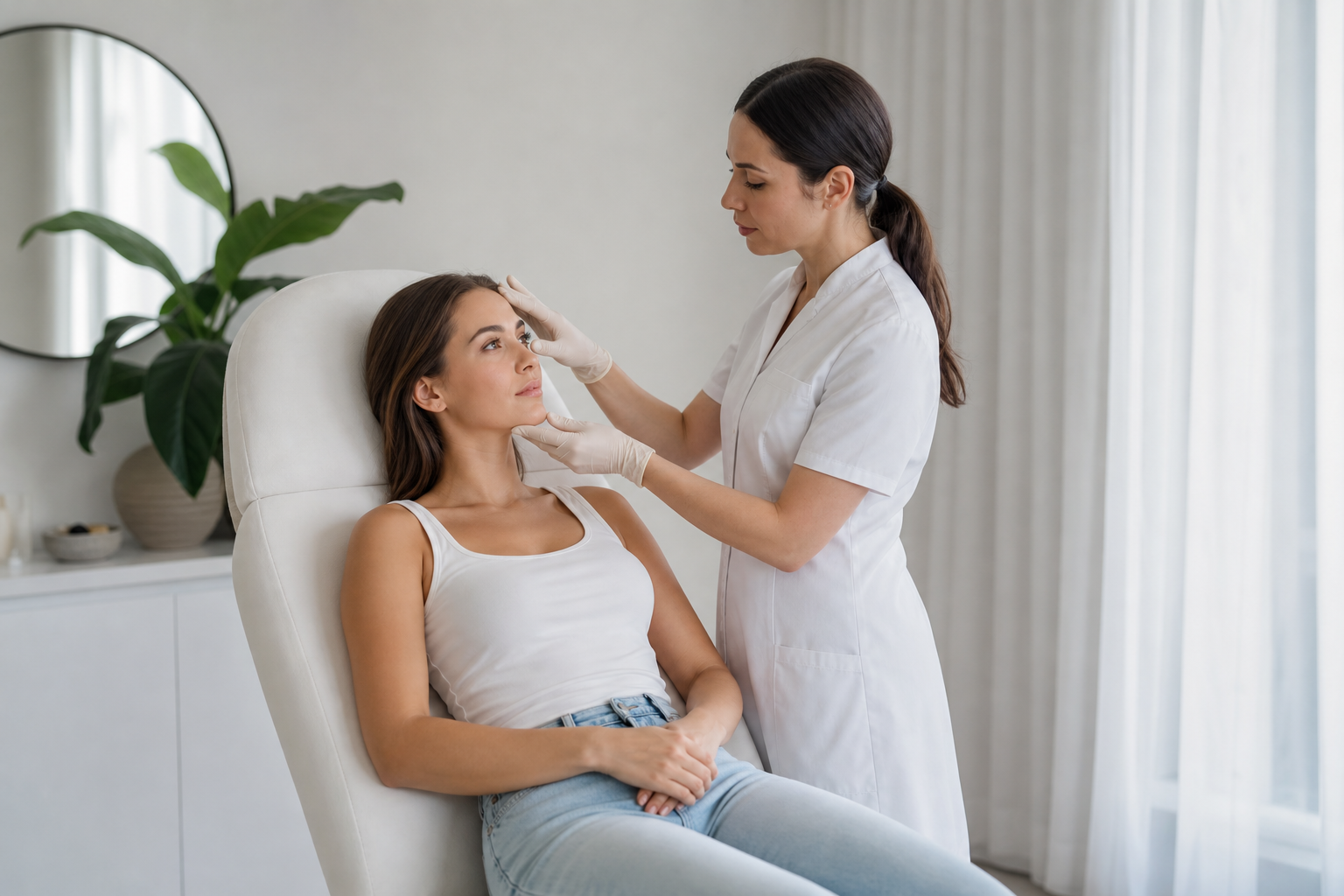
The twenties are characterized by youthful skin abundant in elasticity and regenerative capacity. Under these conditions, Botox's role shifts from correction to proactive prevention. Early, conservative interventions known as preventive Botox treatments aim to soften habitual facial movements that could eventually form permanent lines, especially in areas prone to dynamic wrinkles such as the forehead and around the eyes.
While young skin rarely presents with significant wrinkles, individuals with pronounced facial expressions or familial predisposition to early wrinkling may benefit from such measures. However, it is imperative that these treatments be delivered with restraint and finesse by seasoned practitioners to avert unnecessary muscle inhibition, which can impede natural facial expressiveness.
In this stage, Botox must be integrated as a component of holistic skin maintenance alongside diligent sun protection, hydration, and nutrition. Regular treatments are not typically recommended given the still resilient nature of youthful skin. Educating patients on the limits of Botox and the importance of comprehensive skincare fortifies long-term aesthetic wellness.
Transitioning from Prevention to Correction in the Thirties
Entering the thirties, intrinsic and extrinsic aging signals gain traction. Collagen synthesis begins to wane slightly, elasticity diminishes, and early fine lines may manifest, particularly around expression zones. Consequently, Botox assumes a dual function—both forestalling new wrinkle development and mitigating existing ones.
The thirties are often the phase where patients seek treatments to achieve a natural and rejuvenated look without compromising their facial dynamism. Subtle adjustments in dosage and injection sites help preserve spontaneous expressions while softening lines that impart fatigue or tension.
Additionally, lifestyle factors such as stress levels, sun exposure, and skincare habits can accelerate wrinkle formation. Integrating Botox with adjunctive modalities—such as chemical peels, hydrating therapies, and dermal fillers where volume restoration is pertinent—enhances overall outcomes.
Botox and Skin Adaptation in the Forties
The forties mark a pivotal period where aging signs become visually prominent. The skin’s density has notably declined, elastin fibers are fragmented, and dynamic wrinkles deepen into more persistent lines. Here, Botox’s primary indication is for correction of established wrinkles, though it continues to play a preventive role in curbing progression.
Therapeutic plans at this stage require a nuanced, individualized approach. Skin quality varies widely, from relatively resilient to markedly lax, and facial volume may start diminishing. Botox can smooth expression wrinkles effectively but is rarely sufficient on its own; combining it with volumizing treatments and collagen-stimulating procedures often yields the best aesthetic balance.
Hormonal fluctuations, especially those associated with perimenopause, introduce additional complexity. These changes can exacerbate dryness, sensitivity, and textural irregularities, affecting the skin’s response to treatments. Consequently, clinicians must adapt Botox regimens within a broader framework of skin health optimization.
Managing Facial Aging in the Fifties and Sixties with Botox
In the fifth and sixth decades, the cumulative impact of aging manifests as significant alterations to skin architecture and muscle tone. Depletion of collagen, fat pad resorption, and dermal thinning accompany menopausal hormonal shifts that profoundly influence skin quality and repair mechanisms.
Botox’s role becomes more targeted—modulating hyperactive muscles that exaggerate expression lines while avoiding overt rigidity that would emphasize age-related tissue laxity. Achieving a refreshed, natural facial posture is the objective, often demanding sophisticated injection patterns and integration with volumizing agents to restore youthful contours.
Safety and efficacy in this demographic depend on careful patient selection, dosing, and follow-up. Tailored skincare advice, including nutritional and supplemental strategies, complements procedural interventions to sustain skin vitality.
Advanced Use and Innovations in Botox Treatment Beyond Sixty
Post-sixty age groups present the most complex aesthetic challenges due to profound skin and tissue changes. Loss of elasticity and muscle mass, as well as altered facial fat distribution, call for highly customized Botox application focused not only on appearance but occasionally on functional issues such as muscle overactivity causing discomfort or postural anomalies.
At this advanced stage, multidisciplinary approaches combine Botox with other modalities, including energy-based skin tightening, fillers, and regenerative therapies, to holistically address aging features. Practitioners employ refined techniques and the latest pharmacologic insights to maximize effect while minimizing side effects.
Prompt recognition of adverse symptoms, such as respiratory difficulty or swallowing troubles, remains critical regardless of age, necessitating immediate medical evaluation if they occur following treatment.