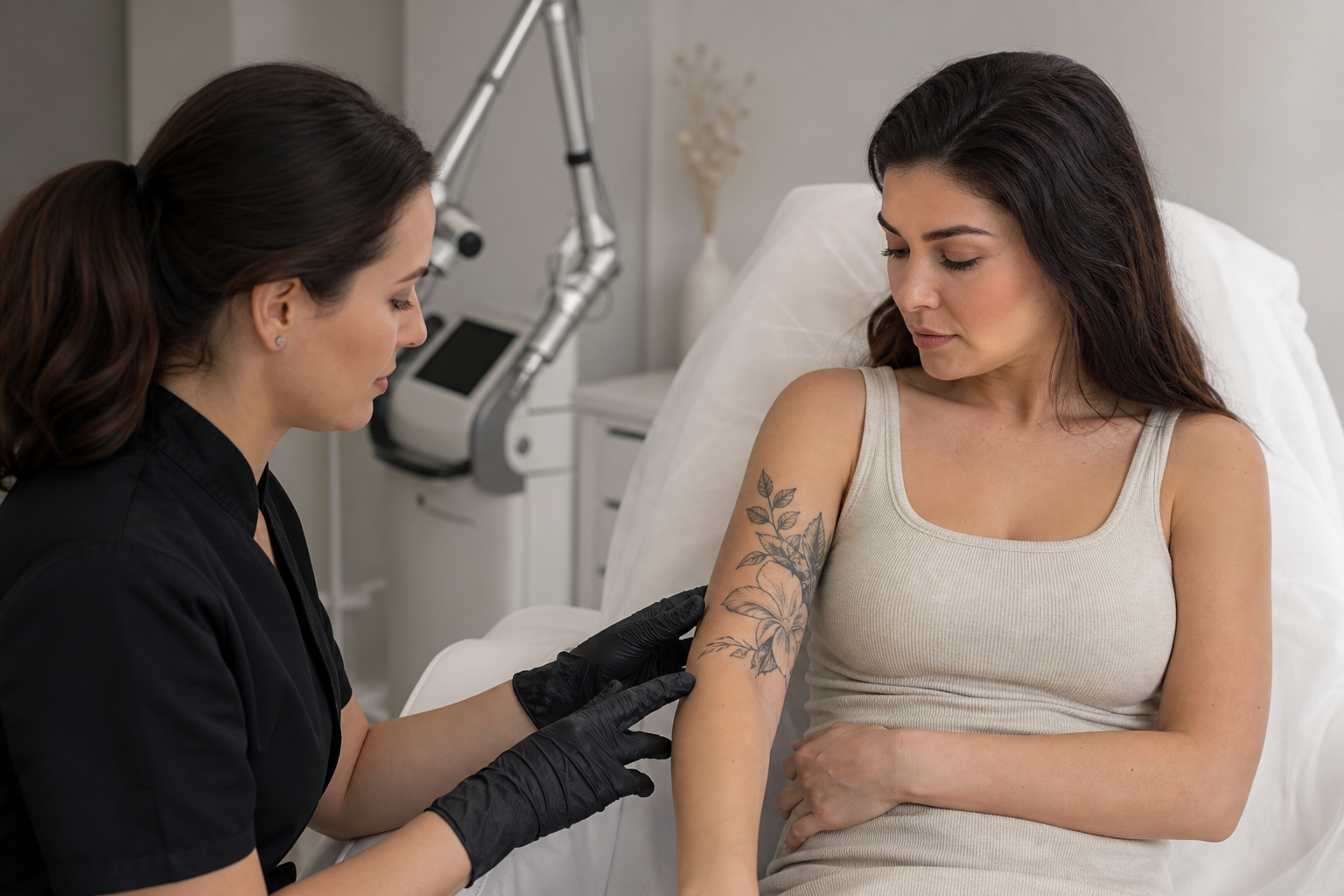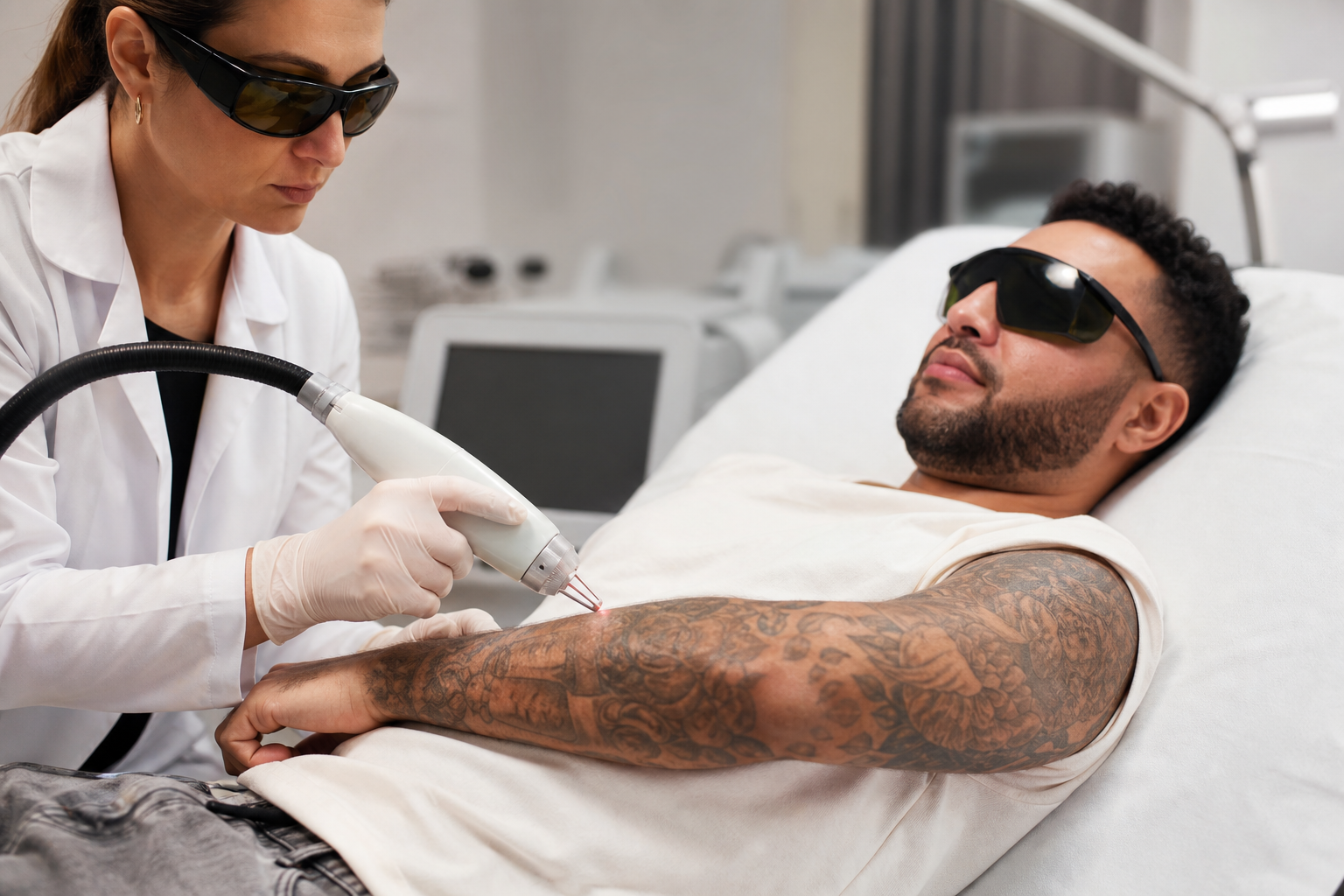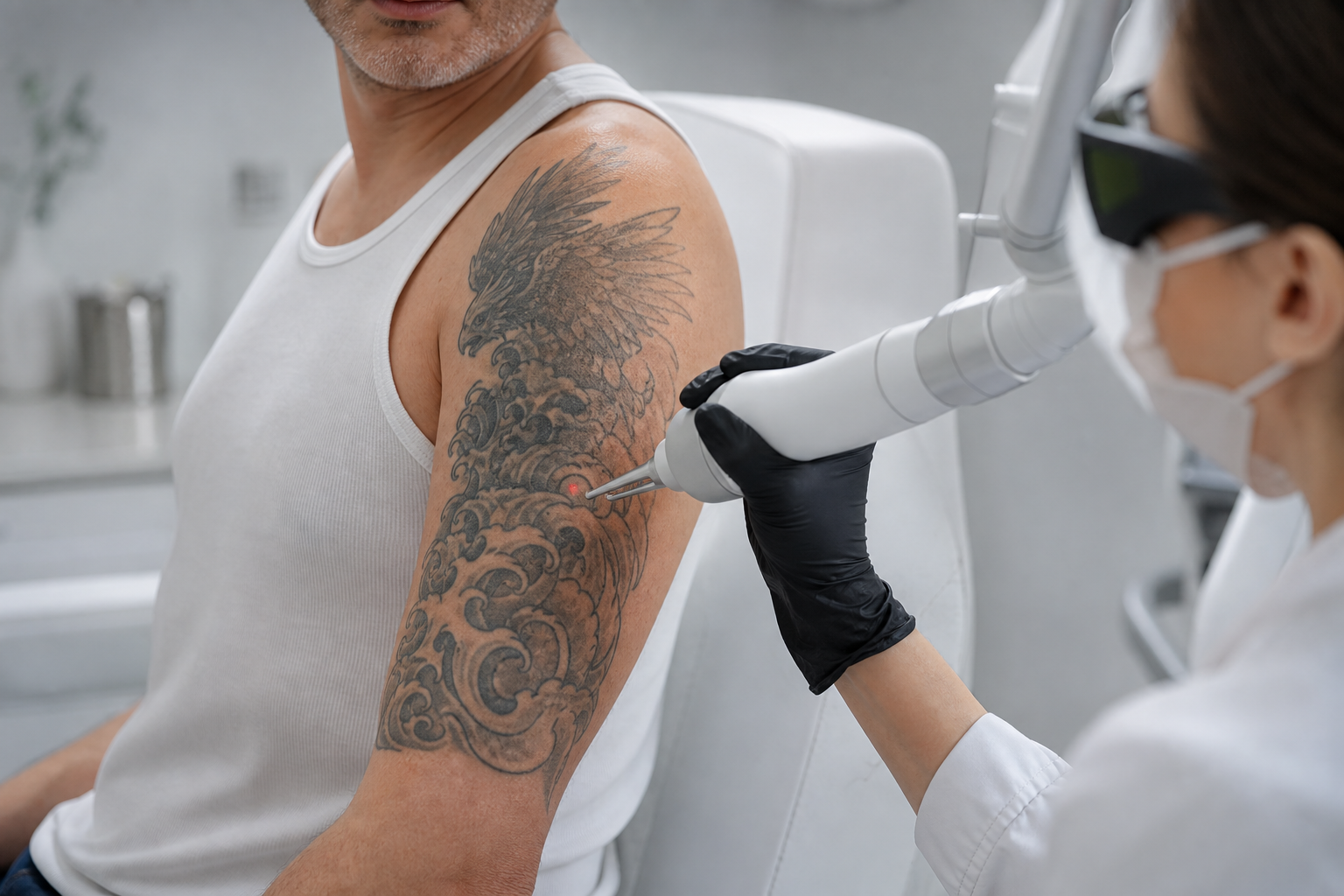
Laser skin rejuvenation has become a highly sought-after aesthetic treatment for those looking to refresh their appearance and restore youthful radiance without invasive surgery. This advanced procedure utilizes laser technology to stimulate collagen production and promote healthier skin texture and tone. Despite its popularity and effectiveness, one of the most frequently voiced concerns among potential candidates is whether laser skin rejuvenation hurts.
This article offers a comprehensive analysis of the question "Does laser skin rejuvenation hurt?" by explaining the nature of the treatment, how sensation differs by laser type and individual factors, and what measures are available to manage discomfort. It engages directly with the typical user query, providing insights drawn from professional dermatological knowledge and clinical experience. By the end, readers will have a clear understanding of what to expect during and after laser skin rejuvenation, helping them make informed decisions about whether this treatment aligns with their goals and comfort level.
What Is Laser Skin Rejuvenation and Who Is It For?
Laser skin rejuvenation refers to several laser-based procedures designed to improve skin quality by targeting various skin layers to promote collagen remodeling and cellular regeneration. These treatments can reduce fine lines, wrinkles, pigmentation irregularities, scars, and uneven texture, giving the skin a more youthful and vibrant appearance.
The procedure suits individuals seeking non-surgical solutions to age-related skin changes or damage caused by sun exposure, acne, or environmental factors. Candidates typically have mild to moderate skin concerns rather than severe skin laxity, for which surgical interventions may be more appropriate. Nonetheless, suitability depends on individual skin type, medical history, and desired outcomes, requiring thorough evaluation by a qualified practitioner.
Understanding laser skin rejuvenation’s target audience clarifies why concerns about pain are significant. Since this demographic includes individuals prioritizing minimally invasive yet effective skin renewal, tolerability and comfort during treatment are crucial factors influencing their decisions.
How Do Different Types of Lasers Affect Sensation During Treatment?
Laser skin rejuvenation encompasses varying technologies, primarily divided into ablative and non-ablative lasers, each with distinct mechanisms and resultant sensations.
Ablative lasers, such as CO2 and Er:YAG lasers, remove the outer damaged skin layers, which stimulates new skin growth. These treatments are generally more intense, often requiring downtime and associated with a greater level of discomfort during and after the procedure. Patients might experience sensations ranging from a prickling or stinging feeling to moderate pain, depending on the depth and extent of treatment.
Non-ablative lasers target deeper skin layers without damaging the surface, promoting collagen production with minimal disruption to the epidermis. Examples include Nd:YAG and pulsed dye lasers. These tend to cause a lower level of discomfort, often described as a mild warming or snapping sensation on the skin that is typically well tolerated without significant pain.
Fractional lasers represent a hybrid approach, producing microscopic zones of thermal injury surrounded by untreated tissue, combining benefits of both ablative and non-ablative techniques. The sensation generally falls between the two, often described as feeling like a series of rubber band snaps or heat pulses. Pain management strategies are frequently employed due to moderate discomfort levels.
Therefore, the sensation of pain during laser skin rejuvenation greatly depends on the laser type and treatment protocol. The practitioner’s choice of device and settings directly influences patient comfort.
What Individual Factors Influence Pain Perception in Laser Treatments?
Pain experience is subjective and influenced by an array of individual physiological and psychological factors beyond the laser modality itself.
Skin characteristics such as thickness, sensitivity, and pigmentation can impact the degree of discomfort. For example, areas with thinner skin or higher nerve density, like around the eyes or lips, tend to be more sensitive. Additionally, darker skin types may require adjusted laser parameters to ensure safety, sometimes affecting sensation.
Personal pain threshold and anxiety levels play a significant role. Individuals with higher anxiety or fear of medical procedures may perceive treatments as more painful. Prior experience with aesthetic interventions can also influence pain tolerance and expectations.
The clinician’s technique and ability to adjust laser settings according to patient feedback during the procedure can mitigate pain perception. A skilled practitioner will tailor the treatment to minimize discomfort while achieving therapeutic goals.
Which Methods Are Available to Minimize Pain During Laser Skin Rejuvenation?
Modern laser treatments incorporate various strategies to enhance patient comfort while maintaining efficacy.
One of the most common approaches is the application of topical anesthetic creams or gels prior to treatment. These numbing agents, applied approximately 20 to 40 minutes beforehand, decrease skin sensitivity, especially for ablative or fractional laser procedures known to be more uncomfortable.
In certain cases, oral analgesics or mild sedatives may be recommended to alleviate pain and anxiety. This is usually reserved for more aggressive treatments or patients with low pain tolerance.
Technological advancements have introduced integrated cooling systems within laser devices. Contact cooling or cryogen spray cooling applied simultaneously with laser pulses reduces thermal damage to the epidermis and diminishes the sensation of heat and pain.
Furthermore, intermittent breaks during the session and post-treatment soothing measures, such as cold compresses, can aid in managing discomfort.
What Should Candidates Know About Pain and Recovery When Considering Laser Procedures?
Prospective patients must understand that some degree of discomfort during laser skin rejuvenation is common and varies based on the factors discussed. Pain is usually acute, localized, and temporary, corresponding to the treatment duration and intensity.
Immediately following the procedure, patients may experience redness, swelling, warmth, or a sunburn-like sensation. These symptoms reflect the skin’s healing process and gradually subside within hours to days, depending on treatment aggressiveness.
Managing expectations about post-treatment sensations and recovery timelines is vital for patient satisfaction. Recovery experiences influence perceived pain and overall comfort. Strict adherence to post-care instructions, such as avoiding sun exposure and applying soothing skincare products, optimizes healing and reduces prolonged irritation or discomfort.
What Are the Potential Risks and Limitations Related to Pain in Laser Skin Rejuvenation?
While laser skin rejuvenation is generally safe when performed by trained professionals, risks including persistent pain or unusual sensitivity can occur, particularly if protocols are not properly followed.
Excessive or improperly administered laser energy may cause burns, blistering, or prolonged inflammation, resulting in extended discomfort. Patients with certain medical conditions, such as uncontrolled diabetes or autoimmune disorders, may exhibit altered healing responses and heightened sensitivity.
It is also important to recognize the limitations of laser treatments for pain management—analgesia methods effectively reduce but may not completely eliminate discomfort. Therefore, informed consent protocols should address realistic pain expectations to ensure patients are prepared mentally and physically.
How Does Pain Influence the Overall Patient Experience and Treatment Success?
Comfort during laser skin rejuvenation is more than a quality-of-life consideration—it affects patient cooperation, procedure completion, and subsequent adherence to care recommendations, all of which influence treatment outcomes.
Anxiety or fear related to potential pain can lead to avoidance of beneficial treatments. Conversely, realistic understanding and effective pain control measures encourage patient engagement and satisfaction.
Clinicians who acknowledge and proactively address pain concerns foster trusting relationships, enhancing patient confidence and perceived value of the procedure.
Where Can Interested Individuals Find Reliable Guidance on Preparing for and Recovering From Laser Skin Rejuvenation?
Education is critical to navigating the complexities of laser skin rejuvenation and managing associated sensations. Trusted resources, such as detailed guides on Laser Skin Rejuvenation – A Complete Guide to Treatments, Results and Recovery, offer comprehensive insights into procedure types, preparation strategies, and expected recovery experiences.
For those planning treatment, consultancy with specialists skilled in administering various laser modalities ensures personalized recommendations, addressing individual concerns about pain and healing.
Additional articles exploring Facial Laser Treatment – Preparation, Procedure and Recovery and How to Prepare for Laser Skin Rejuvenation can support patients in making informed choices and optimizing their treatment journey.