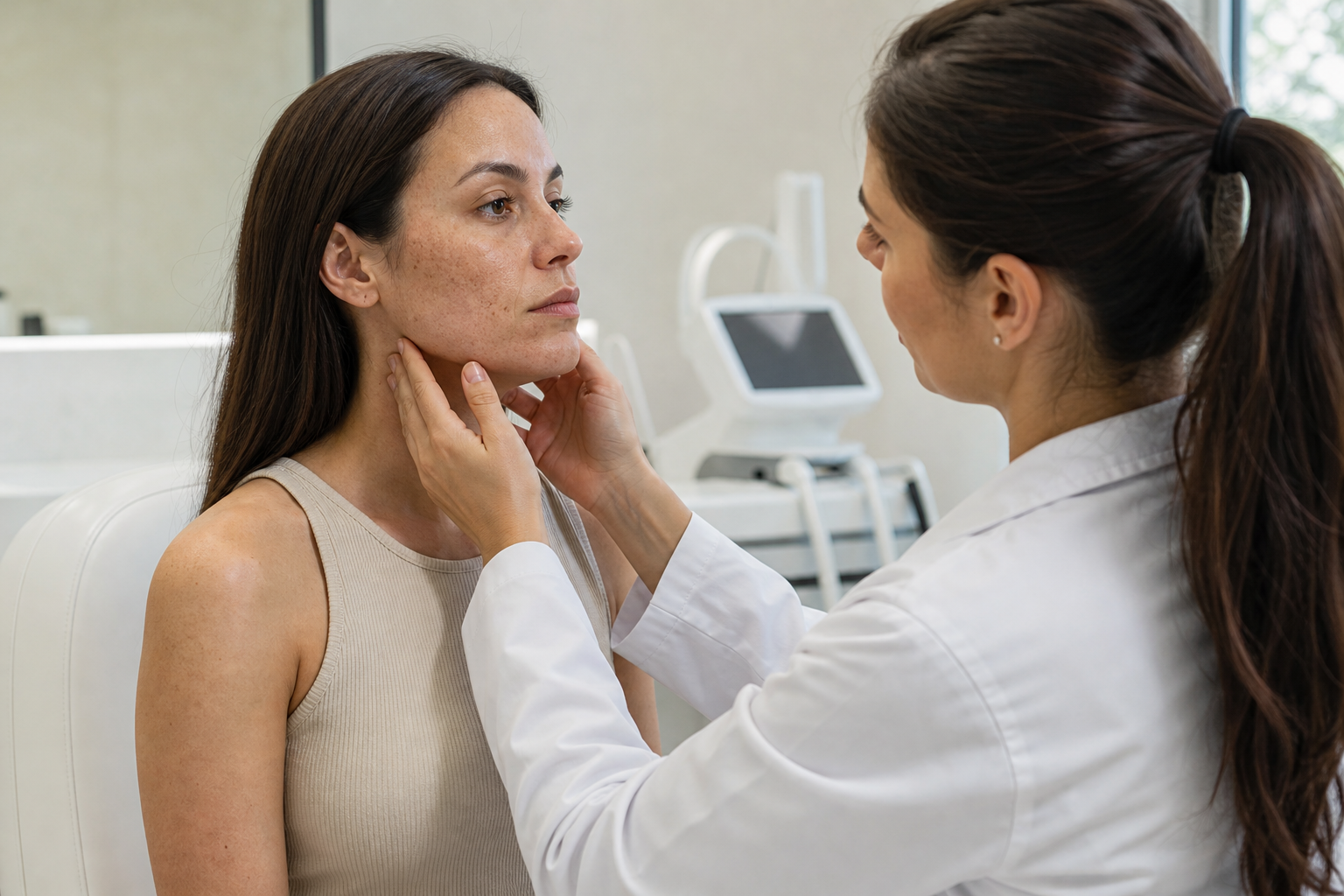
Enlarged pores and uneven skin texture are common aesthetic concerns that affect a broad spectrum of individuals, transcending age and skin type. These issues, while not medically harmful, often significantly impact one’s self-esteem and confidence, prompting the search for effective solutions. Laser treatment for enlarged pores and uneven skin texture has emerged as a sophisticated and increasingly popular approach within dermatology and aesthetic medicine, appealing to those seeking substantive improvements beyond what topical products and superficial therapies can offer.
This type of laser intervention employs targeted light energy to stimulate skin regeneration, enhance collagen and elastin production, and ultimately smoothen the skin surface while diminishing the prominence of pores. It is a procedure that marries scientific precision with cosmetic enhancement, promising measurable improvement in skin quality without invasive surgery.
Understanding the fundamentals of laser treatment for these skin concerns, who stands to benefit, and what realistic outcomes can be expected is essential for anyone considering this path. Moreover, appreciating the nuances—such as candidacy criteria, potential risks, recovery time, and how these treatments integrate within the broader spectrum of skin rejuvenation strategies—enables informed decision-making and optimizes treatment success.
What Is Laser Treatment for Enlarged Pores and Uneven Skin Texture?
Laser treatment designed to address enlarged pores and uneven skin texture is an advanced technique that harnesses the properties of laser light to penetrate the skin at controlled depths, inducing a therapeutic response. Enlarged pores predominantly arise from increased sebum production, loss of skin elasticity, sun damage, or aging-related collagen degradation. Uneven texture often results from acne scarring, fine lines, sun exposure, or irregularities in the dermal matrix.
The laser delivers calibrated pulses of light energy that gently heat targeted layers beneath the skin surface without causing harm to the overlaying epidermis. This controlled thermal effect triggers the skin’s natural repair mechanisms, notably the stimulation of fibroblasts, which synthesize new collagen and elastin proteins. This biological cascade facilitates the remodeling of the dermis, leading to tighter skin, a more uniform texture, and a refined pore appearance.
Unlike superficial treatments such as chemical peels or microdermabrasion, laser therapy reaches deeper dermal layers, making it particularly effective for moderate to severe textural irregularities and pore enlargement. Some laser modalities utilize fractional technology, wherein microbeams create an array of microscopic treatment zones interspersed with untouched tissue, accelerating healing while maximizing collagen induction.
Who Is the Ideal Candidate for This Laser Treatment?
Patients with visible concerns related to enlarged facial pores and rough or uneven skin texture are prime candidates for laser treatment. This group commonly includes individuals with oily or combination skin prone to sebaceous hyperactivity, those with acne history manifesting in textural scars, or mature skin showing signs of collagen loss and sun damage.
While there is no strict age cutoff, practitioners often recommend considering laser intervention for adults over 25 when early signs of skin texture changes become apparent. Additionally, patients should have realistic expectations, understanding that while laser therapy can markedly enhance skin qualities, it does not erase pores completely or restore perfectly smooth skin.
Contraindications include active skin infections, open wounds, photosensitivity disorders, recent isotretinoin use, certain autoimmune conditions, and pregnancy. Skin phototype also plays a role, as those with darker skin tones require tailored laser settings to minimize risks of hyperpigmentation or hypopigmentation. Detailed pre-treatment evaluation by an experienced clinician ensures appropriate candidacy and treatment customization.
How Does Laser Treatment Improve Pore Size and Skin Texture?
The fundamental principle driving laser efficacy in pore size reduction and texture enhancement lies in dermal remodeling through controlled photothermal stimulation. Laser energy heats dermal collagen fibers to about 55–65°C, a temperature that causes them to contract and stimulate fibroblast activity without inducing epidermal necrosis.
In enlarged pores, the surrounding skin often lacks firmness, causing pores to appear dilated. By increasing dermal collagen density, laser treatment tightens skin around pores, making them look smaller. Simultaneously, lasers can reduce sebum production in some cases by targeting the sebaceous glands, potentially hindering pore enlargement progression.
For uneven texture influenced by scarring or superficial wrinkles, fractional ablative and non-ablative lasers create microscopic zones of thermal injury. These zones are carefully controlled to initiate tissue repair without complete skin disruption. The result is gradual resurfacing, where old damaged skin is replaced by new, healthier tissue with improved smoothness and elasticity.
Different laser types—such as erbium, CO2, and fractional lasers—offer options depending on the severity of textural changes and patient skin type. Non-ablative lasers tend to cause less downtime, working by stimulating collagen with minimal surface damage, whereas ablative lasers provide more dramatic results but require longer recovery.
What Are the Realistic Expectations and Limitations of Laser Treatments?
Laser treatments can significantly reduce the appearance of enlarged pores and improve skin texture, but outcomes vary based on individual skin characteristics, degree of skin damage, and the number of sessions completed. Complete pore elimination or flawless skin surface is currently beyond the reach of laser therapy.
Improvement typically manifests as softer skin texture, diminished pore visibility, and more even complexion tone. Multiple treatment sessions are usually necessary, spaced over several weeks or months, to accumulate benefits and allow for skin adaptation. The durability of results hinges on ongoing skin care, lifestyle factors, and protection against environmental aggressors.
Limitations also include variable responses in different skin types, with darker skin tones requiring cautious approaches to mitigate pigmentary side effects. Moreover, laser treatment addresses structural and textural concerns but has limited capacity to modify genetic skin traits such as naturally large pores or inherent skin oiliness.
Understanding these nuances prevents unrealistic expectations and promotes satisfaction with the gradual but meaningful improvements that laser therapy can achieve.
How Is the Procedure Performed, and What Does Recovery Entail?
Preparation involves a thorough consultation and skin examination to select the optimal laser device and treatment parameters. Patients are usually advised to avoid sun exposure, discontinue photosensitizing medications, and maintain skin hydration prior to the session.
On treatment day, the skin is cleansed thoroughly, and protective eye shields are applied. Depending on the laser’s intensity and the patient’s comfort level, topical anesthetics or cooling methods may be employed. The clinician then passes the laser handpiece methodically over the target area, delivering the prescribed energy doses.
Sessions generally last between 20 to 60 minutes, contingent on the treatment zone extent and laser type. Patients often experience sensations of warmth or mild pinpricking during the process, typically well tolerated.
Post-treatment effects include some degree of redness, swelling, and sensitivity akin to a sunburn, usually resolving within days. Peeling or flaking may occur as the skin’s outer layer renews. Patients receive guidance on gentle cleansing, moisturization, and strict sun protection to support optimal healing and reduce complications.
Full recovery timelines depend on whether ablative or non-ablative lasers are used, with fractional non-ablative treatments generally entailing minimal downtime and ablative lasers requiring up to two weeks for complete reepithelialization.
What Risks or Side Effects Should Patients Be Aware Of?
While laser treatments are generally safe when administered by trained professionals, potential side effects exist and must be candidly discussed. Temporary redness, swelling, and mild discomfort are common and expected.
Uncommon but important risks include post-inflammatory hyperpigmentation or hypopigmentation, particularly in individuals with darker skin phototypes or inadequate sun protection. Scarring or infection is rare but can occur in the context of improper aftercare or aggressive treatment settings.
Allergic reactions to topical anesthetics or post-treatment products are possible but infrequent. Selecting a skilled clinician and adhering to pre- and post-care instructions substantially minimize adverse events.
How Does This Treatment Integrate With Other Skin Rejuvenation Procedures?
Laser therapy for enlarged pores and uneven texture often forms part of a multifaceted skin rejuvenation strategy. It complements treatments targeting complementary concerns such as wrinkles, pigmentation irregularities, acne scars, and vascular issues.
For instance, combining laser resurfacing with topical retinoids or microneedling can enhance collagen induction synergistically. Similarly, sequential protocols, including chemical peels or specialized serums post-laser, may improve hydration and pigmentation uniformity.
Understanding your overall skin goals with your clinician helps tailor an integrated treatment plan. This holistic approach addresses multiple facets of skin aging and damage, promoting more comprehensive and satisfying results than monotherapy.


