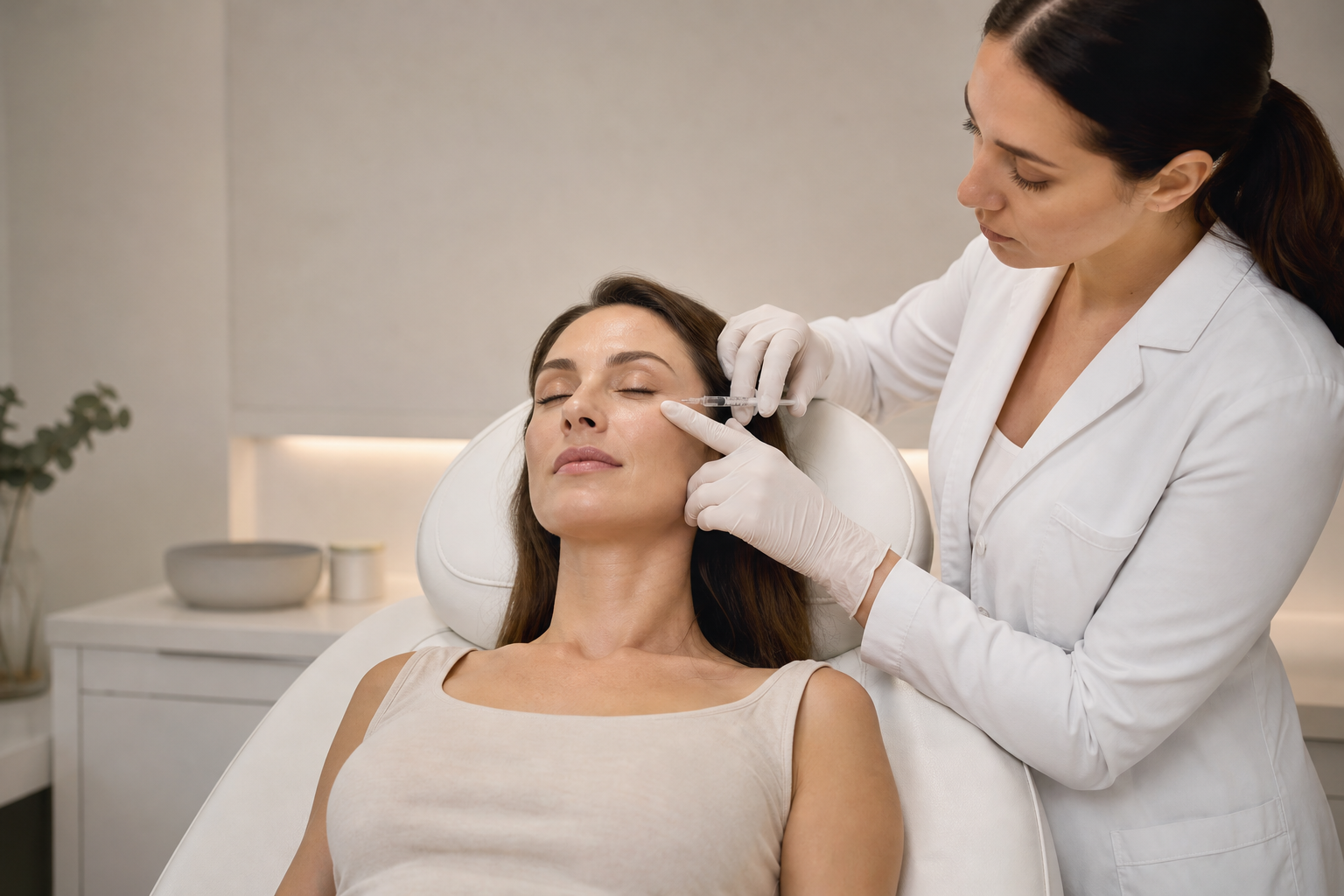
Under-eye Botox has emerged as a sought-after aesthetic procedure for individuals aiming to soften the delicate wrinkles and fine lines that appear beneath one of the most sensitive areas of the face — the region just below the eyes. Unlike more commonly treated zones such as the forehead or glabellar lines between the eyebrows, administering Botox in the under-eye area demands a level of precision and specialized assessment unparalleled by other applications. This is because the skin here is exceptionally thin, the underlying anatomy complex, and the adjacent structures critical to eyelid function.
This editorial explores the nuances of under-eye Botox treatment: who is an appropriate candidate, how the procedure works, what realistic outcomes can be expected, the inherent limitations, the paramount importance of safety, and why thorough consultation with a qualified specialist is indispensable. The discussion is designed for prospective patients curious about the procedure, professionals in the aesthetic field seeking a comprehensive overview, and anyone interested in understanding why this treatment warrants a cautious and expert approach.
The under-eye zone is pivotal in conveying expressions such as tiredness, happiness, or aging. Its unique anatomy and function mean that any intervention must balance aesthetic aims with the preservation of natural movement and ocular health. As Botox treatments for the eye and brow area have evolved, so too has the awareness that the under-eye region merits specialized attention to achieve subtle rejuvenation without compromising safety or natural expression.
Complex Anatomy and Delicate Skin of the Under-Eye Region Influence Botox Application
The skin beneath the eyes is among the thinnest on the entire face, measuring nearly half the thickness found on other facial areas. This delicate skin lacks substantial cushioning from fatty tissue, making wrinkles and hollowing more conspicuous over time. Alongside this fine skin runs a network of muscles, nerves, vessels, and glands that contribute to eyelid closure, tear production, and facial expression.
A key muscular player under the eye is the orbicularis oculi muscle, which wraps around the eye socket and controls blinking and squinting. Precise targeting of this muscle with Botox is critical; insufficient dosing may yield minimal benefits, while excessive or misplaced injections risk impairing eyelid movement, leading to complications like drooping eyelids (ptosis) or incomplete eye closure.
Furthermore, this area contains glandular structures responsible for lubricating the eye. Botox has the potential to affect the function of these glands indirectly, which requires careful dose management to prevent unwanted side effects like dry eye symptoms. The proximity of crucial anatomical structures distinguishes the under-eye region from other areas where Botox injections are more straightforward, underscoring the necessity for in-depth anatomical knowledge and technical skill in administering treatment here.
Mechanisms of Botox Action in Smoothing Under-Eye Wrinkles and Their Clinical Significance
Botox, or botulinum toxin type A, functions by temporarily inhibiting the release of acetylcholine at the neuromuscular junction, effectively limiting muscle contractions. In the context of wrinkles, this action reduces the dynamic movements that cause the skin to fold and crease repetitively.
Under the eyes, Botox modulates the activity of muscles creating fine lines often referred to as “smile lines” or “crow’s feet,” which extend into the lateral sides of the under-eye area. By reducing hyperactivity of these muscles, Botox contributes to a smoothing effect that restores a youthful and rested appearance without erasing the natural expressiveness of the face.
Contrasting with dermal fillers that volumize and fill deeper static wrinkles caused by tissue loss, Botox excels in treating dynamic wrinkles — those that form from repetitive muscle contractions. This distinction explains why expectations must be managed carefully because Botox will soften, but not eliminate, all under-eye imperfections, particularly those related to volume loss or pigmentation.
The ability of Botox to subtly relax targeted muscle groups while conserving overall facial harmony depends heavily on dosing precision and injection technique. Even minor deviations can alter eyelid positioning or cause asymmetry, highlighting why specialized assessment is essential to customize treatment parameters to individual anatomy.
Realistic Expectations and Boundaries of Under-Eye Botox Treatment Outcomes
Patients often approach under-eye Botox seeking dramatic transformations, yearning for the complete erasure of wrinkles, puffiness, and dark circles. While Botox can noticeably reduce fine and moderate dynamic lines and impart a refreshed look, it has inherent limitations that must be communicated before treatment.
Deep static wrinkles and tear trough depressions, which result from volume loss and skin laxity rather than muscle activity, are not effectively addressed by Botox alone. These conditions often require adjunctive use of hyaluronic acid fillers or other specialized rejuvenation techniques to restore contour and support.
Similarly, Botox does not reduce under-eye bags caused by fluid retention or fat protrusion, nor does it treat pigmentation or vascular irregularities that contribute to dark circles. Expectations must be aligned with the scope of Botox’s action, emphasizing its role in muscle modulation and wrinkle softening rather than tissue restoration or pigment alteration.
It is also important to acknowledge the temporary nature of Botox’s effect, typically lasting three to four months under the eyes. Continuity of treatment may be desired to maintain results, and patients should be aware of this requirement in their aesthetic planning.
Safety Profile and Crucial Precautions in Administering Under-Eye Botox
Given the fragile skin and essential functional anatomy beneath the eyes, safety considerations for Botox in this region are paramount. When performed by an expert, the procedure boasts a strong safety record, but risks increase substantially when injected by underqualified practitioners or without adequate pre-treatment assessment.
Potential adverse effects include ptosis, impaired blinking causing exposure keratitis, ocular dryness, bruising, swelling, uneven expression, and transient discomfort. To minimize these risks, a thorough medical and ocular history must be obtained to identify contraindications such as neuromuscular disorders, ocular surface diseases, allergies, or pregnancy.
Special attention must be given to patients who wear contact lenses or have a history of dry eye syndrome. Collaboration with an ophthalmologist may be warranted if there are pre-existing conditions that increase vulnerability to complications.
The selection of high-quality, approved botulinum toxin formulations, adherence to strict aseptic technique, and controlled injection volume all contribute to minimizing adverse outcomes. Moreover, patients should be informed about post-treatment care instructions and the signs of complications requiring urgent evaluation.
The Indispensable Role of Specialist Consultation Prior to Under-Eye Botox Treatment
Before proceeding with under-eye Botox, a comprehensive consultation with a qualified dermatologist, plastic surgeon, or aesthetic medicine specialist is essential. This step ensures a personalized treatment approach informed by detailed examination of skin condition, muscle activity, facial anatomy, and individual aesthetic goals.
During consultation, the provider evaluates whether the patient is a suitable candidate, explains the mechanism and limitations of Botox, and discusses alternative or complementary procedures to optimize outcomes. Clear communication establishes realistic expectations and fosters trust, which is fundamental for patient satisfaction.
Furthermore, the specialist reviews the patient’s medical history for potential contraindications, assesses ocular health, and plans injection sites and dosing tailored to the patient’s unique anatomy. This personalized assessment is the cornerstone of a safe and effective under-eye Botox treatment plan.
Patients are encouraged to disclose all relevant health information and previous cosmetic procedures, as this data influences treatment strategy and risk assessment. This dialogue also allows for addressing any anxieties or misconceptions, ensuring that patients embark on treatment well-informed and confident.
Integrating Under-Eye Botox into Comprehensive Facial Rejuvenation Strategies
Under-eye Botox is rarely a standalone remedy; instead, it forms part of a holistic facial rejuvenation approach that might include Botox brow lifts, fillers for smile lines versus resting wrinkles, laser resurfacing, and skin tightening techniques. A deft combination of these modalities can yield harmonious, natural-looking results by addressing multiple facets of facial aging simultaneously.
In the context of the periorbital region, Botox’s muscle-relaxing benefits harmonize with volumizing fillers that restore contours and soften static lines. Carefully orchestrated treatment sequences can also enhance the brow’s arc and reduce dynamic furrows, contributing to an overall refreshed and vibrant facial expression.
The skilled specialist designs treatment regimens responsive to the patient’s evolving needs and aesthetic preferences, balancing efficacy with safety. Patient education throughout these regimens helps maintain realistic expectations and fosters long-term engagement with tailored maintenance therapy.
Precision Techniques and Dosage Considerations for Safe Under-Eye Botox Administration
Administering Botox beneath the eyes demands a mastery of microinjection techniques, wherein minute quantities of toxin are delivered into carefully selected loci to effect subtle muscle modulation without encroaching on critical structures. Techniques may include microdrops or serial puncture methods tailored to individual anatomy.
The choice of dosage is critical; too little may render the treatment ineffective, and too much risks functional impairment. Experienced practitioners start with conservative doses, sometimes coupled with a test injection, to monitor tissue response. Adjustments are made based on functional and aesthetic outcomes.
In some patients, combining under-eye Botox with cautious hyaluronic acid filler placement addresses diverse aging signs more comprehensively. The timing and technique of such combinations require expert judgment to avoid volume distortion or adverse effects in the delicate under-eye zone.
Specialized training and continuing education in advanced injection techniques ensure practitioners stay abreast of evolving safety protocols and innovations, enhancing patient outcomes and minimizing complications.


