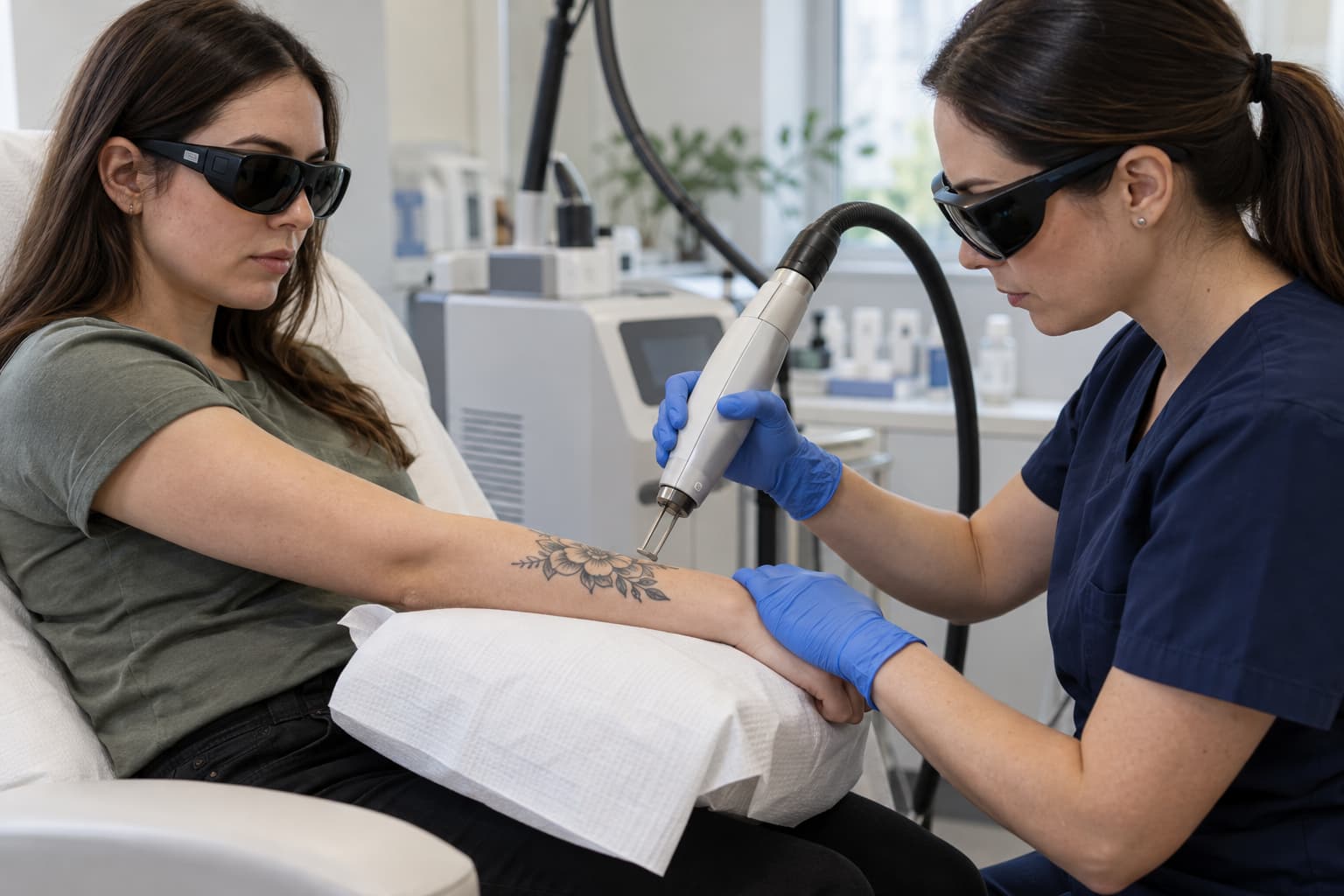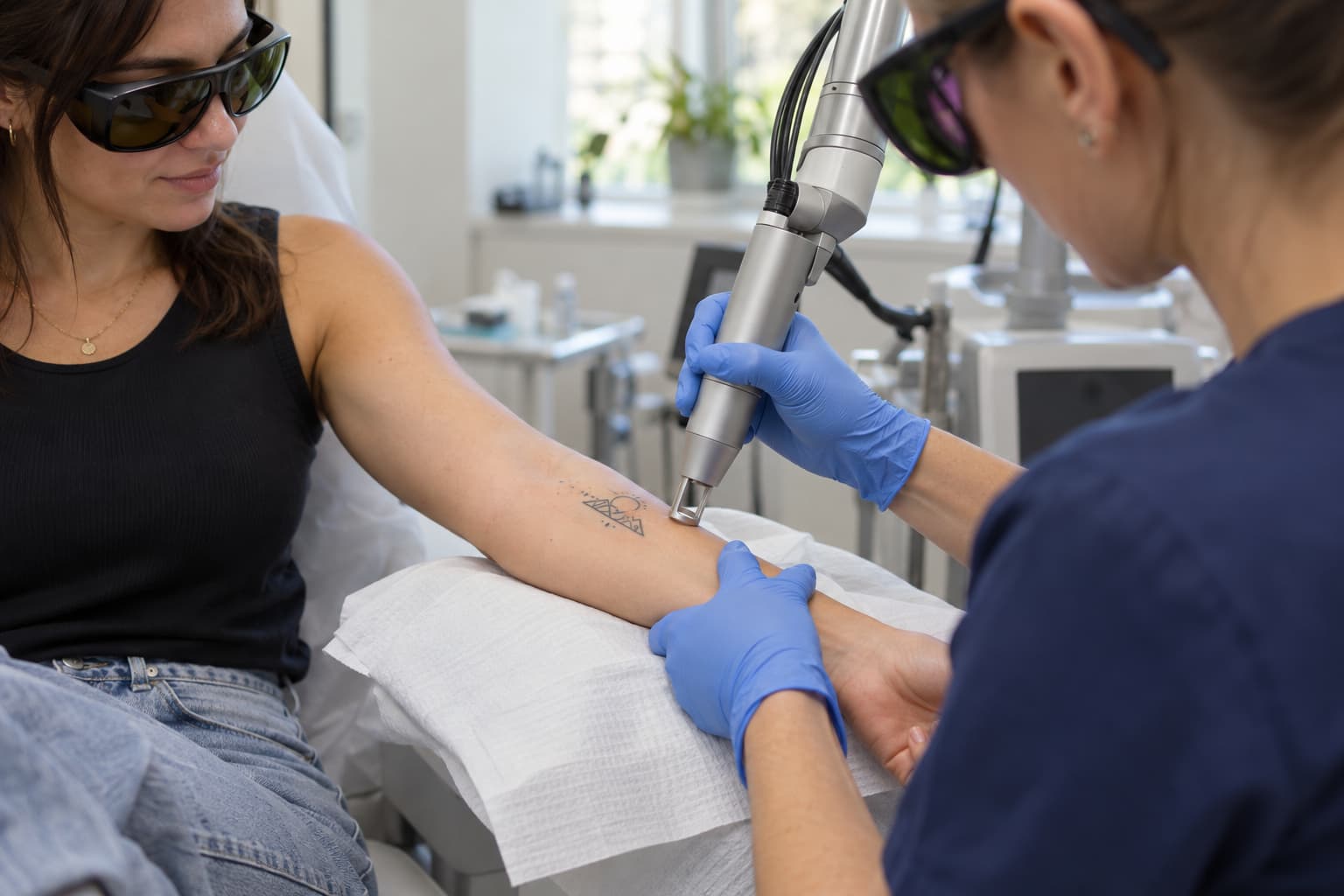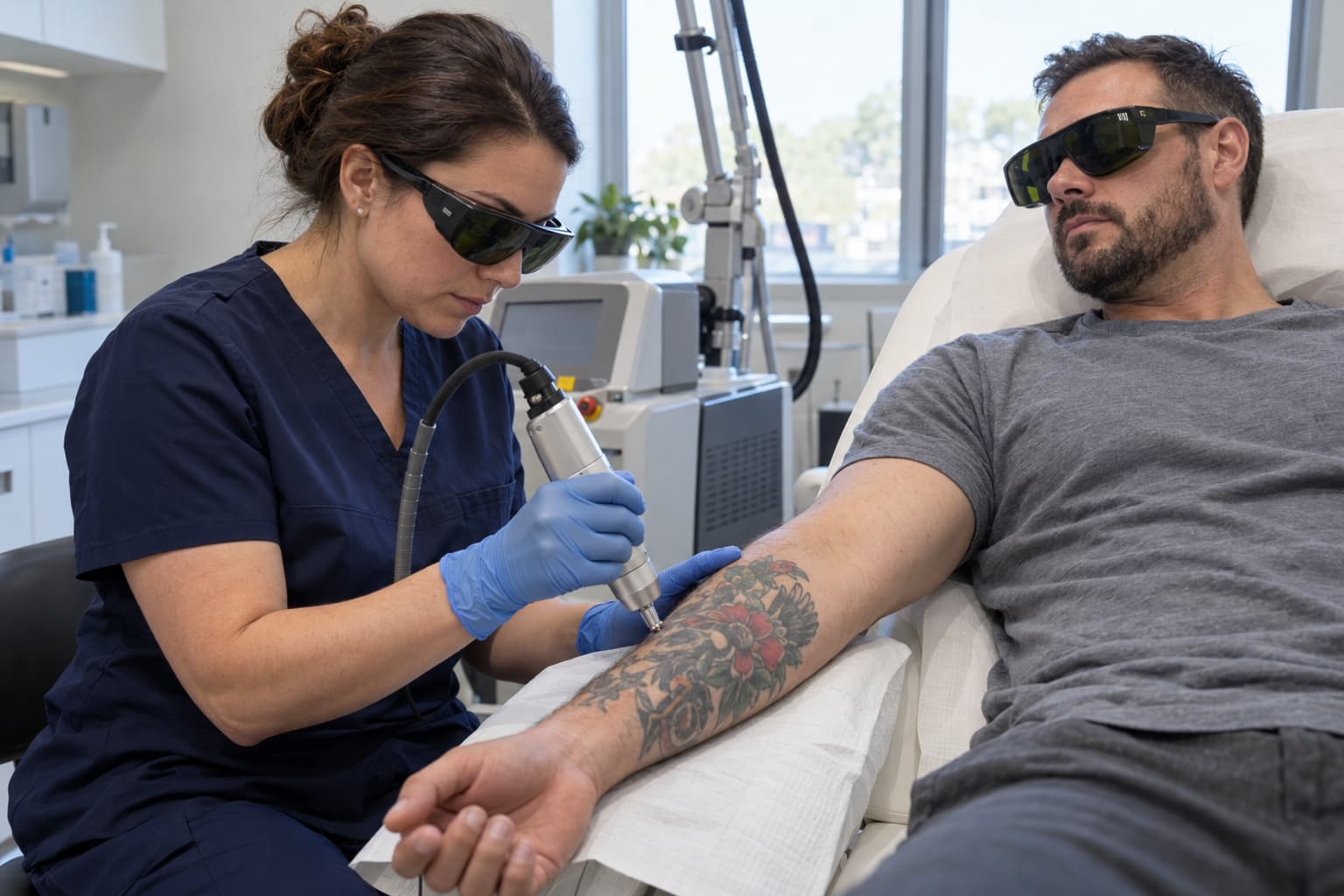
Tattoo removal has evolved significantly over the past few decades, with laser technology becoming the most effective and widely accepted method for erasing unwanted ink from the skin. Laser tattoo removal involves specialized lasers that target tattoo pigments, fragmenting them into smaller particles that the body can naturally clear away. This complex process requires a nuanced understanding of laser types, tattoo ink properties, individual skin characteristics, and realistic treatment expectations.
This comprehensive guide aims to provide an authoritative overview of laser tattoo removal, answering common questions and clarifying the science behind the procedure. It is designed for anyone considering tattoo removal—from those seeking to erase personal body art to professionals in the dermatologic and aesthetic fields who require an in-depth understanding of treatment variables, outcomes, and risks. With tattoos deeply embedded in skin layers and composed of diverse pigments, laser removal is both an art and a science that demands careful assessment and skilled execution.
Understanding laser tattoo removal is essential not only to grasp how it works but also to appreciate its potential, limitations, and safety considerations. This knowledge enables informed decisions, realistic expectations, and meaningful communication with qualified specialists. Throughout this article, we will explore the types of lasers used, the influence of tattoo color and ink composition, factors impacting treatment frequency and efficacy, typical skin responses, potential complications, and specialized cases such as permanent makeup removal.
The Principles Behind Laser Tattoo Removal: How Does It Work?
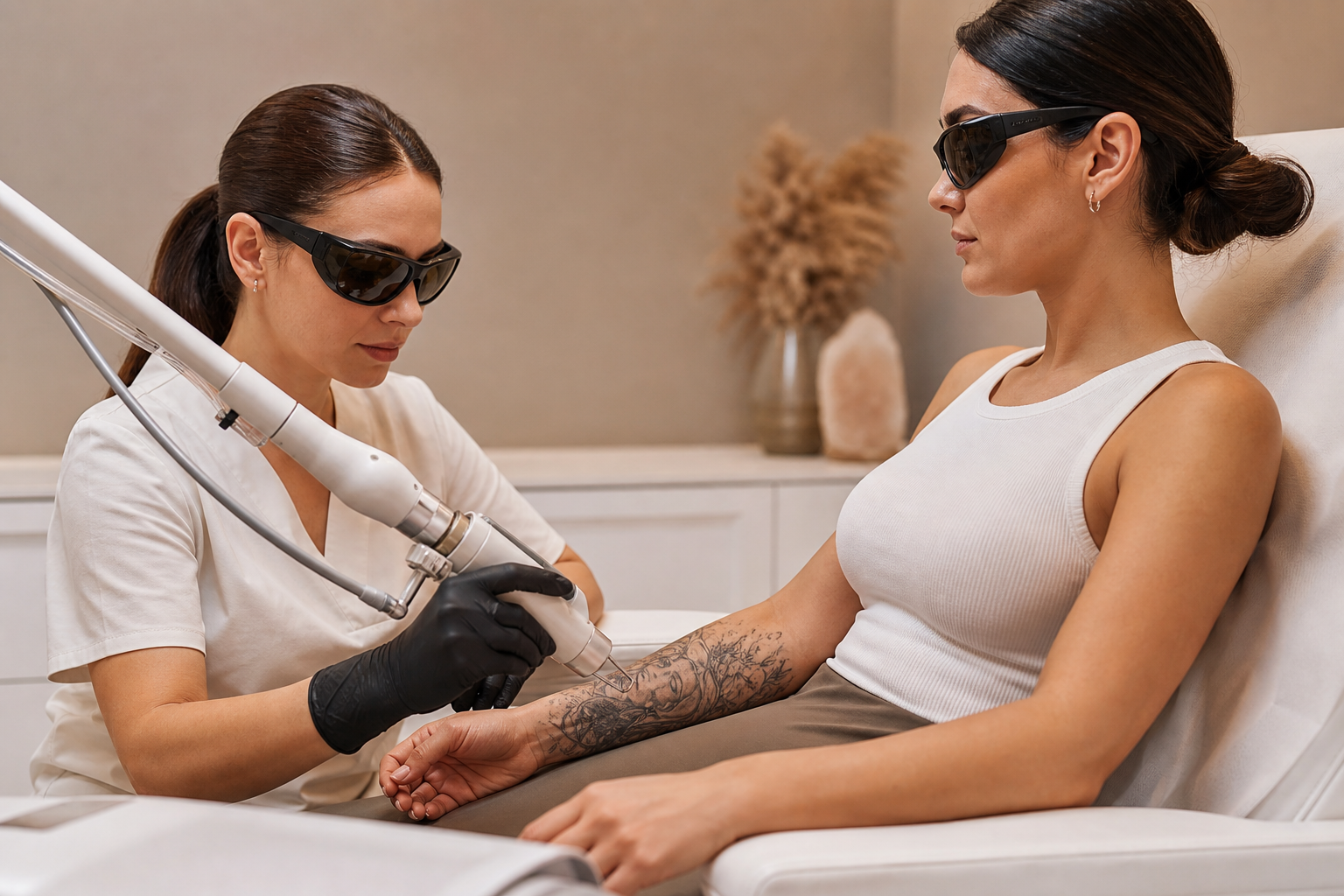
Laser tattoo removal operates on the principle of selective photothermolysis, where specific wavelengths of laser light are absorbed by tattoo pigments without causing excessive damage to the surrounding skin. When a laser emits an intense, focused beam of light, certain pigments in tattoo ink absorb the light energy, causing the ink particles to heat up rapidly and fracture into smaller fragments.
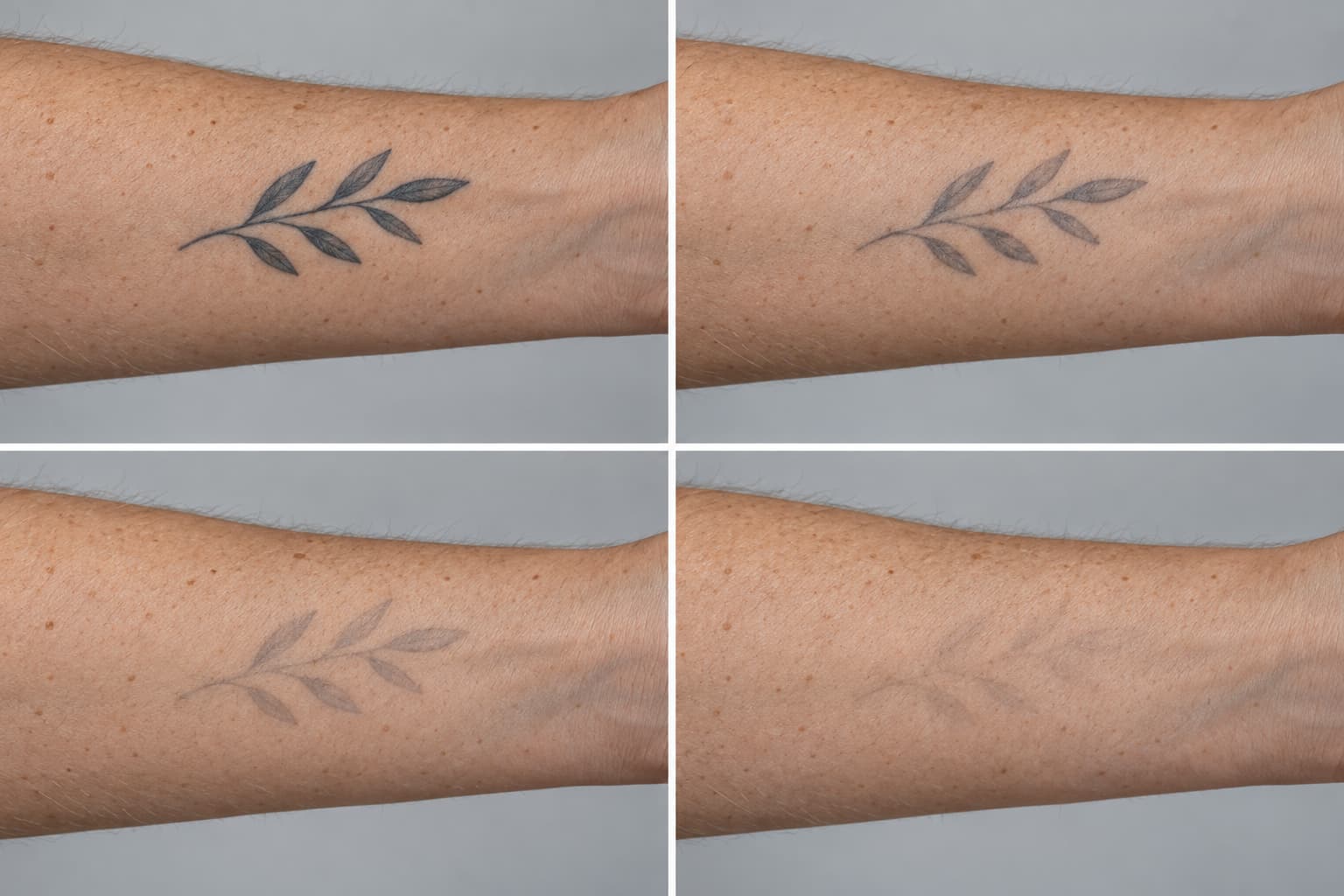
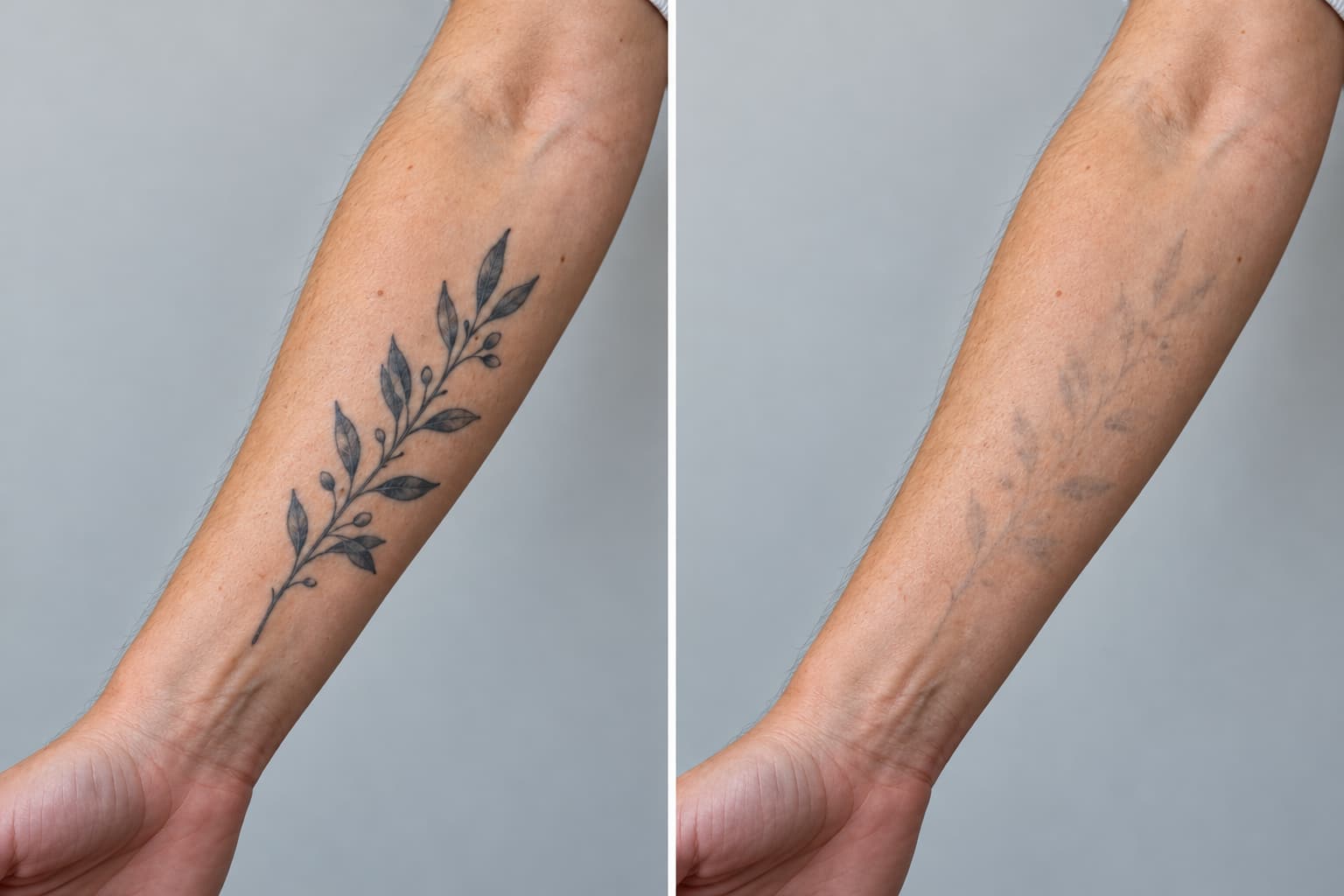
These fragmented pigment particles become small enough for the body's immune system—primarily macrophages—to engulf and remove them through the lymphatic system. Over a series of treatments, this gradual breakdown and clearance reduce the tattoo's visibility until the ink is significantly faded or nearly eliminated.
Not all lasers are created equal in this process. The most commonly used devices in tattoo removal include Q-switched lasers and picosecond lasers. Q-switched lasers deliver nanosecond pulses of high energy, effective at shattering pigment, while picosecond lasers emit even shorter pulses (picoseconds), offering greater precision and potentially faster removal with less thermal damage to tissue.
Which Lasers Are Used for Tattoo Removal and What Are Their Differences?
Laser selection depends on multiple factors including the tattoo's ink color, depth, and the patient's skin type. Q-switched lasers, traditionally the gold standard, operate at specific wavelengths (such as 532 nm, 755 nm, and 1064 nm) that correspond to different pigment absorption profiles. For example, a 1064 nm nanosecond laser effectively targets black and dark blue inks, while 532 nm wavelengths better address red and orange pigments.
Picosecond lasers represent a newer frontier in tattoo removal technology. With pulse durations thousands of times shorter than nanosecond lasers, these devices can break tattoo inks into even tinier fragments, potentially enhancing clearance rates and reducing treatment sessions. Furthermore, picosecond technology may lessen side effects like blistering and scars because of its ultra-short pulses minimizing heat diffusion into surrounding tissues.
Each laser type has advantages and limitations, emphasizing the importance of expert evaluation to select the most suitable device, optimize treatment parameters, and minimize risks. Using inappropriate lasers or incorrect settings can lead to suboptimal results or complications.
How Do Tattoo Ink Colors and Composition Affect Removal Outcomes?
The color of tattoo ink plays a crucial role in its susceptibility to laser removal. Dark pigment colors such as black and dark blue absorb a wide spectrum of laser wavelengths, allowing for efficient fragmentation. Consequently, these colors usually respond best and most quickly to laser treatment.
Conversely, lighter colors like yellow, green, turquoise, and fluorescent inks absorb laser light less efficiently, posing challenges during removal. Some colors may require different laser wavelengths or combined modalities to achieve meaningful fading. For instance, green ink often necessitates a 755 nm wavelength laser to facilitate breakdown.
Beyond color, the chemical composition of tattoo inks—which are often complex mixtures of pigments, metals, and carriers—affects how pigments interact with laser energy. Professional tattoos typically use high-grade inks with stable pigments that may be more resistant to laser fragmentation. Amateur tattoos, while sometimes easier to remove due to less pigment density and shallower placement, may have inconsistent or patchy fading outcomes.
What Distinguishes Professional Tattoos from Amateur Tattoos in Laser Removal?
Professional tattoos are generally applied with precise techniques, depositing dense, high-quality pigments deep within the dermis. Their consistently saturated colors and uniform depth present challenges for laser treatments, often requiring more sessions for effective removal. Amateurs tattoos tend to have uneven ink distribution and shallower penetration, which can simplify removal but sometimes results in uneven fading or incomplete clearance.
Additionally, the design complexity, ink layering, and use of multiple colors further differentiate these tattoo types in terms of treatment difficulty. Professional tattoos demand tailored laser approaches, emphasizing gradual removal to balance effectiveness and skin safety. In contrast, amateur tattoos may respond more rapidly but require careful assessment to prevent over-treatment and scarring.
How Many Laser Sessions Are Typically Needed and What Is the Recommended Interval Between Them?
The number of laser sessions essential for significant tattoo fading varies widely based on tattoo size, ink color and composition, location on the body, patient skin type, and immune response. On average, six to twelve sessions are common, spaced approximately three to six weeks apart.
This interval allows the body sufficient time to clear fragmented pigment particles and enables the skin to heal fully between treatments. Rushing sessions can increase the risk of adverse effects like scarring or hypopigmentation. Some stubborn colors or professional tattoos might require upward of 15 or more sessions for satisfactory results.
Initial treatments may focus on fading the tattoo to reduce pigment density, with subsequent procedures aiming for incremental clearance. Realistic expectations and patience are fundamental, as no protocol guarantees complete removal.
What Are the Typical Skin Reactions and the Recovery Process After Laser Tattoo Removal?
Immediately following a laser session, the treated area commonly exhibits redness, swelling, and a mild burning sensation akin to a sunburn. Some patients may experience blistering, oozing, or the formation of crusts or scabs over the tattoo site. These reactions typically resolve within a few days to weeks.
During recovery, it's critical to avoid sun exposure, protect skin with appropriate dressings or ointments, and refrain from picking at scabs to reduce the risk of pigmentary changes or scarring. The immune system continues active clearance of ink particles long after the visible effects subside, underscoring the importance of allowing adequate time between treatments.
Patients should also be aware that pigment changes—such as lightening (hypopigmentation) or darkening (hyperpigmentation)—can occur transiently or, in some cases, persist. Close follow-up with a knowledgeable specialist ensures these complications are managed promptly.
Why Might a Tattoo Not Be Completely Removed and What Factors Contribute to Incomplete Clearance?
Complete tattoo removal is not always achievable. Several factors can limit outcomes, including the presence of resistant pigment colors, deeply embedded ink, dense layering, and individual biological variables like slower immune clearance or skin type.
Some light and fluorescent pigments, metallic-based inks, and certain green or blue shades can persist despite multiple sessions. Furthermore, previous tattoo cover-ups or overlapping designs can impede laser penetration and ink fragmentation.
Incomplete removal may leave residual ghost images or shadows, which can be cosmetically displeasing. Such outcomes highlight the necessity of setting realistic goals and understanding that laser tattoo removal often results in significant fading rather than total erasure.
What Are the Potential Risks and Side Effects Associated with Laser Tattoo Removal?
Although generally safe when performed by certified professionals, laser tattoo removal carries potential risks. Common side effects include temporary redness, swelling, blistering, crusting, and pigmentary changes (hypo- or hyperpigmentation). Scarring is rare but more likely if post-treatment care is neglected or the skin is treated aggressively.
Individuals with darker skin tones carry higher risks of pigment alterations due to melanin interactions with laser energy. Allergic reactions to ink components liberated during treatment have also been reported.
To mitigate these risks, thorough patient evaluation, patch testing if necessary, precise laser settings, and post-procedure monitoring are essential. Any suspicious skin lesions should be examined carefully before initiation of removal treatments to avoid exacerbating underlying conditions.
How Is Laser Removal Approached for Permanent Makeup and Medical Tattoos?
Permanent makeup and medical tattoos—such as those used for scalp micropigmentation or to camouflage scars—require specialized laser strategies. Because these pigments are often placed more superficially and in sensitive facial or delicate regions, laser parameters must be carefully adjusted to avoid damage to surrounding tissue.
These types of tattoos may respond differently than traditional body art, sometimes needing more conservative treatment intervals or alternate laser wavelengths to achieve safe fading. Due to anatomical considerations and pigment types, only clinicians with extensive experience should undertake removal procedures in these cases to minimize complications.