RF lifting, or radiofrequency skin tightening, represents a transformative approach in the realm of aesthetic medicine, captivating the interest of those seeking effective skin rejuvenation without surgical intervention. This technique harnesses radiofrequency energy to stimulate collagen and elastin production within the skin’s deeper layers, leading to firmer, smoother, and more youthful skin over time. For individuals noticing early signs of skin laxity, fine lines, or loss of elasticity, RF lifting offers a promising alternative that balances efficacy with minimal disruption to daily life.
Understanding the nuances of the recovery period following RF lifting is essential for prospective patients aiming to align their expectations and plan accordingly. Unlike invasive surgical procedures, RF treatments typically involve little to no downtime; however, the recovery timeframe can vary significantly based on the specific type of radiofrequency procedure performed. From fully non-invasive modalities to minimally invasive variations such as microneedling combined with RF energy, each approach carries its own recovery profile.
This comprehensive exploration delves into the intricacies of RF lifting recovery, clarifying what individuals can expect during the healing phase, how different techniques influence downtime, and practical guidance for optimizing results while minimizing discomfort. By elucidating these elements, this article serves as a vital resource for anyone considering RF lifting as part of their skin care or anti-aging regimen.
What Exactly Is RF Lifting and How Does It Work?
RF lifting is a skin tightening method based on delivering controlled radiofrequency energy into the dermal layers. This energy generates heat selectively within the skin, triggering a biological response that enhances collagen and elastin synthesis—the structural proteins fundamental to skin’s resilience and elasticity. As these proteins proliferate and mature, the skin regains firmness and elasticity, which manifest visually as reduced sagging and softened wrinkles.
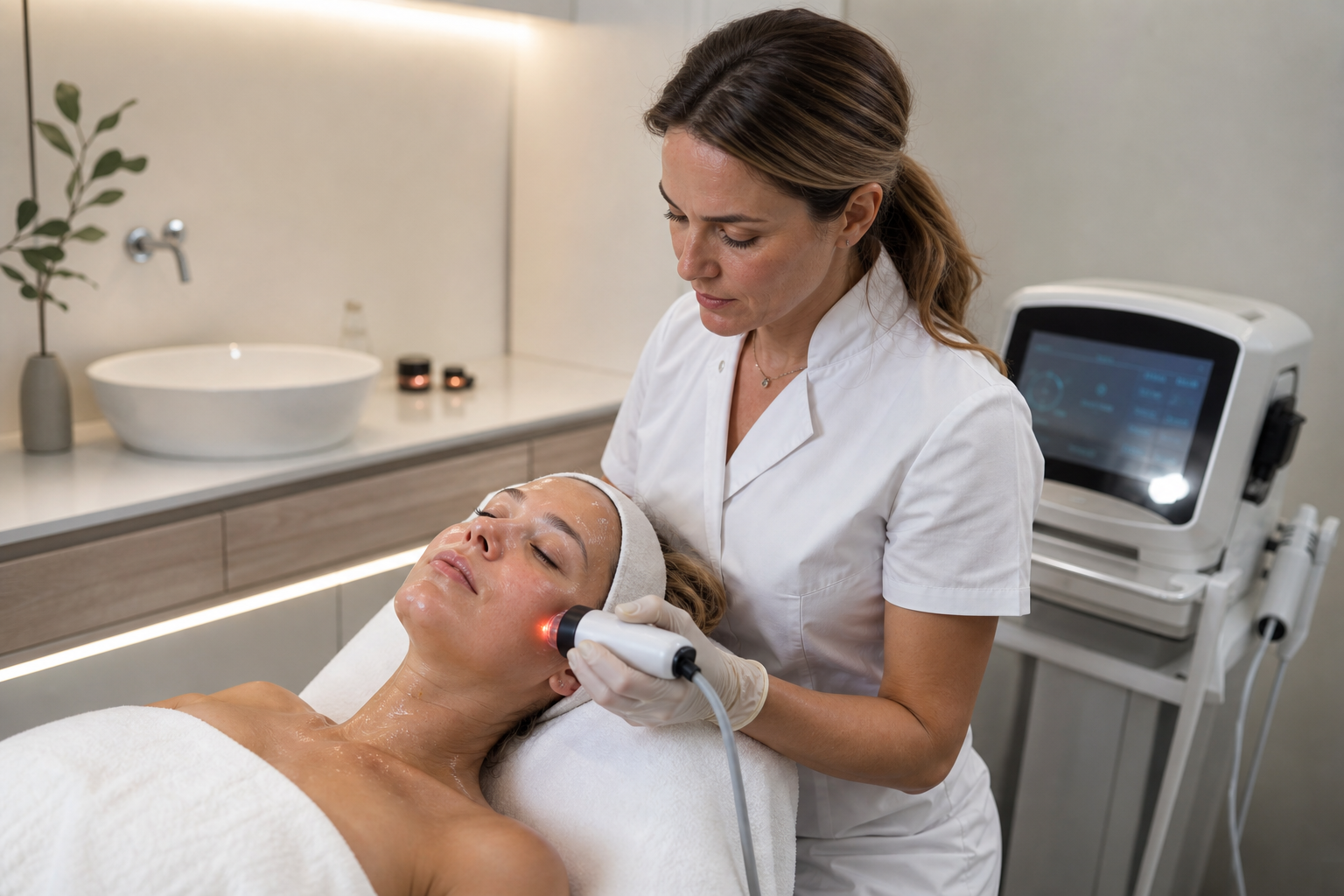
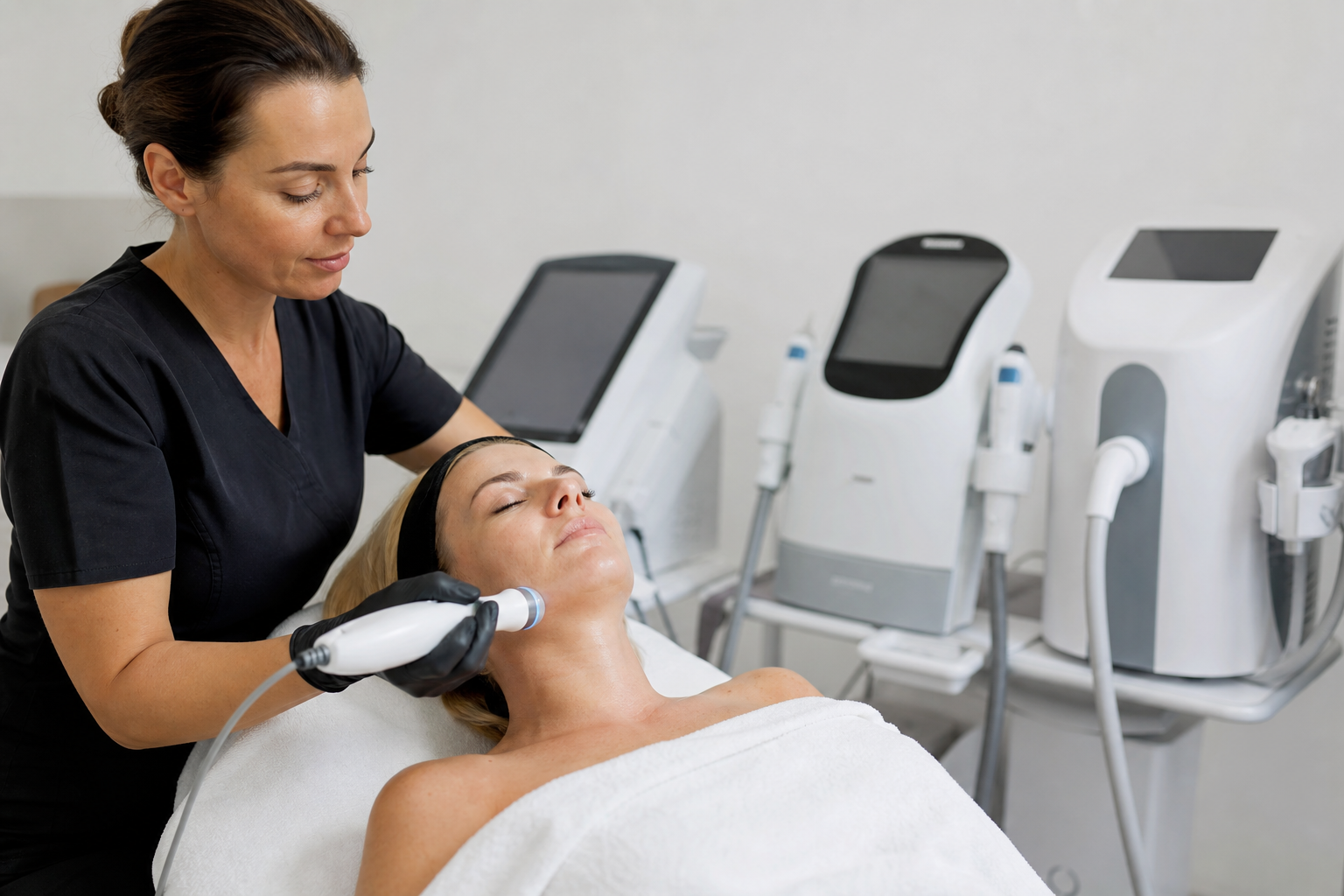
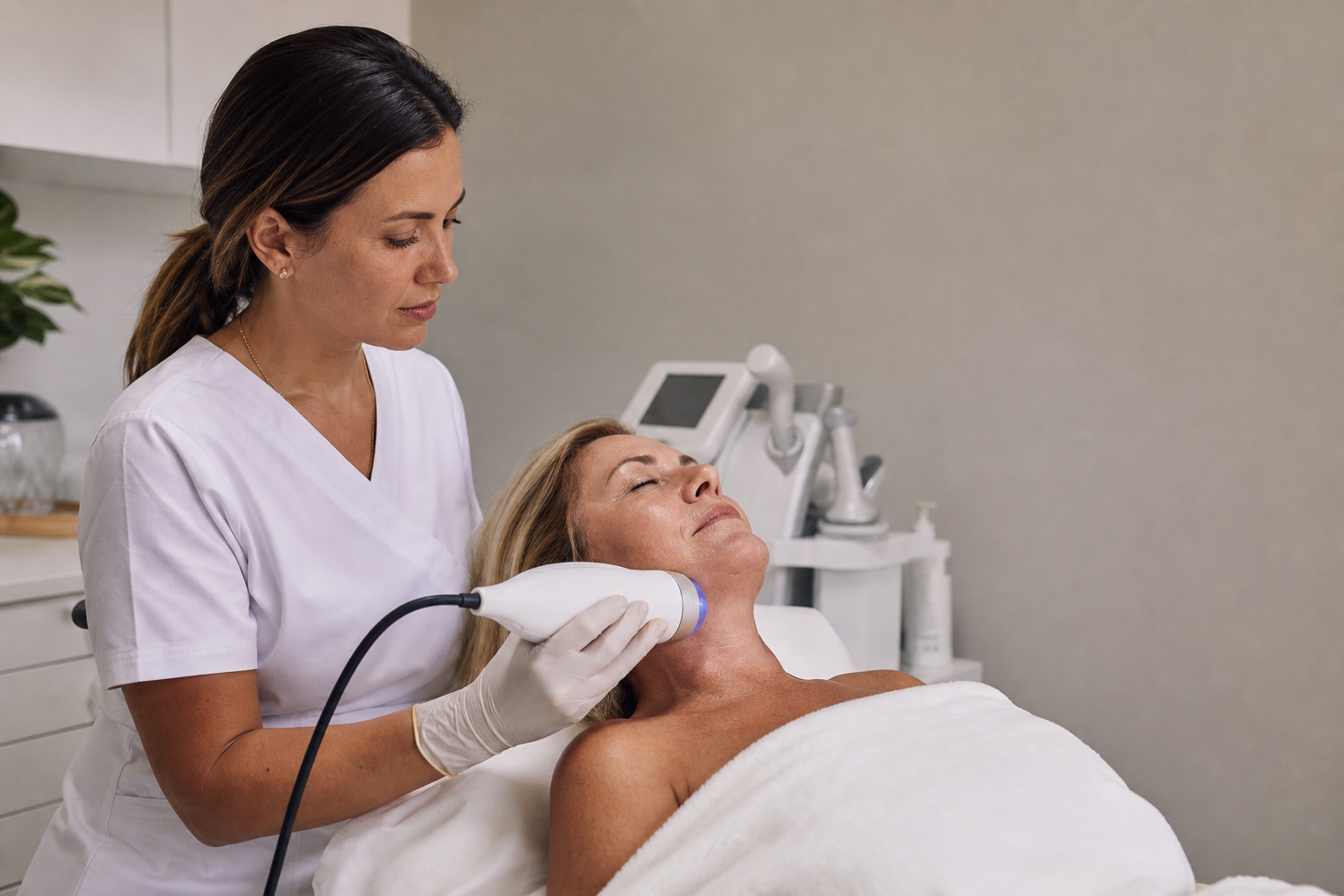
The treatment involves either applying an external handheld device that emits RF waves or integrating RF technology with adjunctive techniques such as microneedling. The depth and intensity of energy delivered depend largely on the device and method used, shaping the resulting efficacy and recovery considerations.
RF lifting is generally categorized into three primary types: non-invasive RF, fractional RF without needles, and minimally invasive RF microneedling. Each serves particular skin concerns and patient preferences, providing a spectrum of options from subtle rejuvenation to more pronounced tightening effects.
Who Is an Ideal Candidate for RF Lifting?
RF lifting suits a wide demographic, ranging from individuals in their late 30s or 40s beginning to observe early skin loosening, to older adults seeking to improve skin texture and tone without the risks and recovery time associated with surgery. It appeals especially to patients who prioritize a natural look and prefer non-surgical options with fewer complications.
Those who have mild to moderate skin laxity, fine wrinkles, or uneven skin tone are good candidates for non-invasive RF treatments. Patients wanting more dramatic improvement or treatment of deeper skin irregularities may opt for fractional RF or RF microneedling, which tend to yield stronger results though may entail a longer recovery.
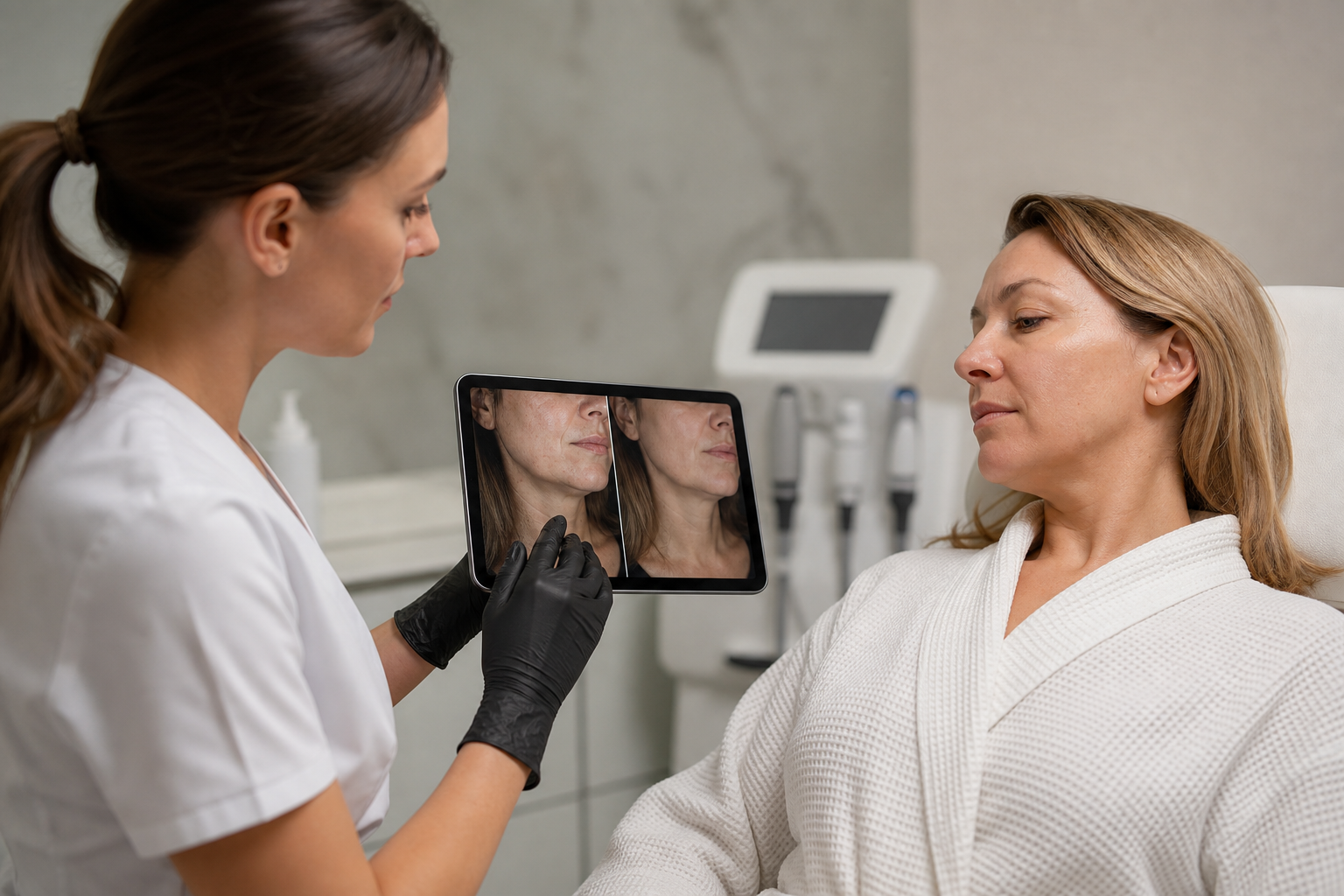
Careful consultation with a qualified practitioner is critical to determine the most appropriate form of RF lifting based on individual skin condition, aesthetic goals, and tolerance for recovery duration.
Understanding the Recovery Period: What to Expect After RF Lifting
The recovery period after RF lifting depends fundamentally on the treatment type and its invasiveness. Notably, the term "recovery" varies widely in this context—from no downtime at all to a few days of mild side effects. It is important to recognize that RF lifting, especially in its non-invasive form, is designed to minimize disruption to everyday activities.
Following non-invasive RF facial treatment, most patients can resume normal routines immediately. Some experience slight redness, warmth, or tenderness in the treated areas, which typically subsides within a few hours to a day. There is no requirement to shield the skin extensively, allowing flexibility and convenience.
In contrast, fractional RF treatments and RF microneedling—although still considered minimally invasive—may prompt a recovery period spanning several days. Patients might encounter mild swelling, pinpoint bleeding, or transient dryness as the skin repairs. This phase requires gentle skin care and avoidance of harsh products, with visible erythema fading usually within 3 to 7 days.
Overall, RF lifting recovery is far gentler than traditional surgical facelifts or laser resurfacing, supporting a balance between efficacy and the desire for minimal downtime.
How Do Different RF Lifting Techniques Affect Recovery Duration?
Non-Invasive RF Treatments: This category includes devices that deliver radiofrequency energy through the skin surface without skin penetration. The thermal effect causes collagen remodeling without damaging the epidermis. Recovery is virtually immediate; side effects are limited to mild, temporary redness and a sensation of warmth.
Fractional RF without Needles: This method uses radiofrequency to create controlled microthermal zones, promoting collagen remodeling more aggressively than purely surface treatments. Though non-ablative, the skin experiences mild thermal injury prompting a brief recovery marked by redness and slight swelling, generally resolving within 1 week.
RF Microneedling: Combining tiny needles with RF energy, this modality creates micro-channels and heat at controlled depths, leading to deeper dermal stimulation. This procedure often causes minor bleeding, swelling, and sensitivity, necessitating a recovery window from 3 to 7 days. Post-procedure skin care is key to optimal healing.
Minimally Invasive RF Procedures: Some advanced RF treatments involve inserted probes that directly heat subdermal tissues. They deliver significant tightening and contouring effects but require more substantial recovery, akin to mild surgical procedures, often a week or longer with careful observation for any complications.
Is RF Lifting Painful and How Does This Influence Recovery?
Patient comfort during RF lifting varies with the technology used and individual pain thresholds. Non-invasive treatments are generally well tolerated, with sensations described as gentle warmth or mild tingling. This minimal discomfort translates to an uncomplicated recovery.
Fractional RF and RF microneedling involve some degree of invasiveness; thus, topical anesthetics are typically applied beforehand to ensure comfort. Post-procedure sensitivity may be present but is manageable with simple analgesics and appropriate skin care, contributing to a smooth recovery process.
Can RF Lifting Be Performed Year-Round, Including in Summer?
One of the attractive features of RF lifting is its compatibility with all seasons, including summer, unlike certain laser therapies which require strict sun avoidance. Because RF energy penetrates beneath the skin without damaging the surface, the risk of pigmentation changes due to sun exposure is significantly reduced.
However, patients must still exercise sun protection after treatment, as the skin might be temporarily more sensitive. Applying broad-spectrum sunscreen and avoiding intense direct sunlight supports both healing and long-term results.
How to Optimize Recovery and Enhance RF Lifting Results
Following the procedure, adhering to a tailored post-treatment care regimen is pivotal. Recommendations typically include gentle cleansing, regular moisturizing, and avoidance of harsh exfoliants or cosmetic ingredients that could irritate the skin.
Maintaining hydration, both topically and through adequate water intake, helps support the skin’s repair mechanisms. Additionally, avoiding excessive heat exposure, such as saunas or hot showers, minimizes inflammation.
Patients should communicate closely with their practitioner to manage any unexpected symptoms and receive guidance tailored to their specific treatment and skin type.
What Are the Long-Term Benefits and Duration of Results?
The collagen and elastin remodeling stimulated by RF lifting leads to gradual but lasting improvements in skin texture, tightness, and overall appearance. While initial effects can be noticed shortly after treatment, optimal results typically manifest over several months as new collagen matures.
Maintenance sessions are suggested every 6 to 12 months to sustain results, as natural aging and environmental factors continue to influence the skin’s quality. Patients are encouraged to couple RF lifting with regular skincare and healthy lifestyle practices for comprehensive benefits.
Frequently Asked Questions About RF Lifting Recovery
Q: Can I wear makeup immediately after RF lifting?
A: For non-invasive RF treatments, makeup can usually be applied right away if there is no irritation. After fractional RF or microneedling, it is advisable to wait until initial redness and sensitivity subside, typically 24 to 48 hours.
Q: Are there any risks of complications during recovery?
A: Risks are minimal when the procedure is performed by trained professionals. Temporary redness, swelling, or mild discomfort are common and resolve naturally. Infection or scarring is rare but possible with invasive techniques if aftercare is insufficient.
Q: How soon can I resume exercise after RF lifting?
A: Light activities can generally be resumed immediately after non-invasive treatments. For fractional RF or microneedling, it is prudent to avoid strenuous exercise for at least 48 hours to reduce swelling or irritation risks.