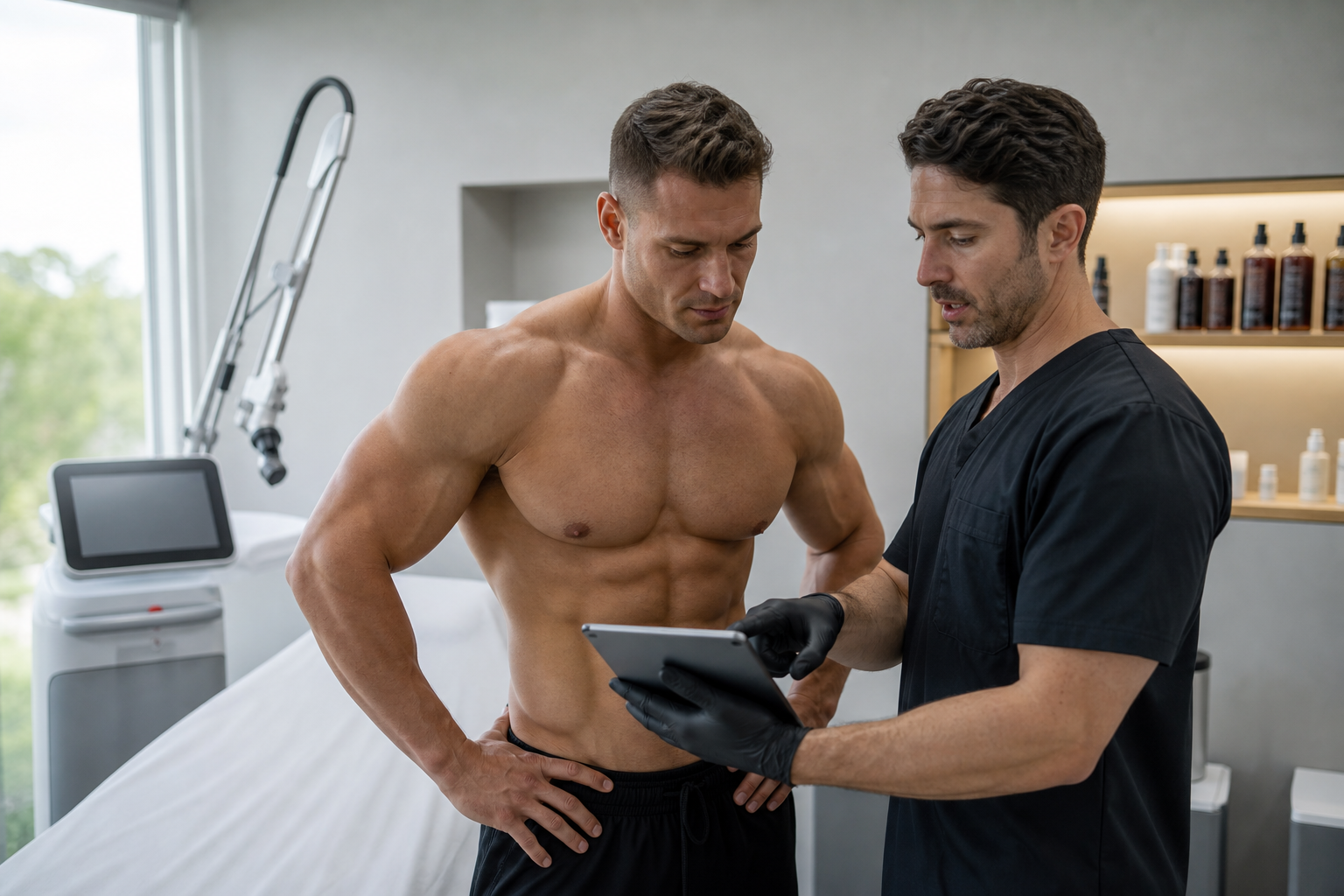
Bodybuilding is a discipline that demands dedication, precision, and unrelenting attention to detail. For those who invest years sculpting their physiques and pursuing peak form, subtle enhancements in presentation can have a decisive impact on competitive outcomes. One such refinement is the management of body hair—an aesthetic and practical consideration that impacts how muscle definition and skin tone appear under intense stage lighting. Laser hair removal in the context of bodybuilding and fitness competitions has emerged as a valuable tool, enabling athletes to achieve smooth, hair-free skin that highlights muscular contours with clarity.
This article delves deeply into the intersection of bodybuilding and laser hair removal. It outlines the significance of hair removal for competitive athletes, explores how this advanced laser procedure fits within rigorous training regimens, and addresses factors like skin preparation, hormonal influences on hair growth, and timing relative to competition schedules. Bodybuilders and fitness competitors seeking to optimize their physical presentation will find this comprehensive guide both informative and essential for planning their cosmetic and training calendars effectively.
In a sport where every detail matters—symmetry, definition, and skin appearance—laser hair removal stands out as a method that delivers long-lasting results superior to shaving or waxing. This treatment facilitates the clear visibility of muscles on sizeable body regions such as the chest, back, shoulders, and arms, all critical zones for judging muscle form. Understanding the nuances of laser hair removal tailored to bodybuilding goals ensures athletes can harness this technology safely, comfortably, and with maximal benefit.
What Is Laser Hair Removal and Why Is It Important for Bodybuilders?
Laser hair removal is a medical aesthetic procedure that utilizes targeted laser energy to damage hair follicles, thereby inhibiting future hair growth. It differs substantially from temporary hair removal methods such as shaving or waxing, offering instead a semi-permanent to permanent reduction in unwanted hair. For bodybuilders and fitness competitors, the ability to maintain smooth, hairless skin is not merely cosmetic—it directly influences how muscle definition is perceived by judges and audiences under competition lighting.
Hair can obscure the sharp lines and fine muscle separation that athletes labor to achieve, especially across large anatomical areas like the chest, back, and shoulders. By removing hair more permanently, laser hair removal helps create a clean canvas where muscle bulges, striations, and vascularity are showcased to best advantage. Unlike shaving, it eliminates stubble and reduces the chances of skin irritation or ingrown hairs—common concerns for athletes who routinely wear tight training gear or posing suits.
Moreover, laser hair removal reduces the inconvenience and time commitment associated with frequent shaving or waxing sessions in the lead-up to competitions. By planning laser treatments well ahead of a show, athletes can focus more on refining their physiques and less on grooming mishaps or skin problems caused by hair removal methods that irritate or inflame the skin.
Who Should Consider Laser Hair Removal When Preparing for Bodybuilding Competitions?
Laser hair removal is particularly advantageous for bodybuilders and fitness competitors who seek to enhance muscle visibility while minimizing grooming-related skin issues. Men and women alike who compete professionally or as amateurs often target extensive areas such as the chest, back, shoulders, arms, and legs. These are regions where hair density might detract from muscle definition or interfere with the application of tanning products and competition oils.
Additionally, athletes who train intensively and experience significant perspiration may find that hair removal reduces discomfort caused by friction and sweat accumulation, which can lead to skin irritation or folliculitis. Removing hair with lasers can also diminish the incidence of ingrown hairs, which are often problematic when shaving or waxing large regions frequently.
For those incorporating tanning beds or self-tanning products into their competition prep, having hair-free skin optimizes the smooth and even appearance of the tan, reducing patchiness. Lastly, athletes interested in prolonging the interval between grooming sessions for convenience or to protect skin integrity from repeated physical stress may find laser hair removal a compelling choice.
How to Strategically Schedule Laser Hair Removal Treatments Around Training and Competitions
Integration of laser hair removal into a bodybuilding preparation regimen requires careful timing to harmonize with training intensity and show dates. This is critical because laser treatments typically demand multiple sessions spaced several weeks apart to target hair follicles effectively during their growth phase.
Experts generally recommend initiating laser hair removal at least three to six months before a competition to allow enough time for the full treatment course and skin recovery. This preemptive approach ensures that by show day, the skin is fully healed, and hair regrowth is minimal to nonexistent. Scheduling must also account for the skin’s increased photosensitivity post-treatment, necessitating avoidance of excessive sun exposure or tanning beds around each session to prevent pigmentation issues or burns.
Training considerations are equally important because vigorous exercise increases sweat production and friction, potentially irritating laser-treated skin. It is advisable to reduce the intensity or frequency of workouts in treated areas for a few days following a session to facilitate healing. Collaboration with your healthcare provider or laser technician will help design a timeline that aligns treatments with training cycles and minimizes disruption.
The Crucial Role of Skin Preparation: Shaving and Care Before and After Laser Treatments
Proper skin preparation enhances laser hair removal efficacy and safety. Prior to treatment, the target area should be clean-shaven close to the skin surface. Shaving removes hair shafts above the skin to allow the laser to focus energy on follicles rather than surface hair, optimizing results. It is important to avoid waxing, plucking, or using depilatory creams in the weeks leading up to treatment as these methods remove follicles and compromise laser effectiveness.
Following treatment, skin care revolves around calming inflammation and protecting dynamic skin. Gentle moisturization and application of soothing agents like aloe vera gel help reduce redness and dryness. Athletes should avoid abrasive products or scrubs that might irritate laser-treated regions during recovery. Sun avoidance or high-SPF sunscreen use post-procedure is indispensable to prevent hyperpigmentation or photodamage, preserving skin quality for competition day.
Managing the Impact of Sweat and Friction on Treated Skin and Hair Growth
Bodybuilders’ intense training naturally produces perspiration, which combined with friction from workout clothing or posing suits may challenge skin comfort and healing, especially after laser sessions. Excessive sweating shortly after treatment can irritate sensitive follicles and skin surface, potentially leading to redness or minor inflammation.
To mitigate these effects, athletes should keep treated areas clean and dry when possible, wear breathable fabrics, and limit exercise intensity for several days following laser procedures. Maintaining these precautions supports optimal results by minimizing skin trauma and reducing the risk of post-treatment complications, such as folliculitis or rash.
How Sun Exposure, Tanning Beds, and Self-Tanning Products Influence Laser Hair Removal Outcomes
Exposure to ultraviolet (UV) light via natural sun or tanning beds before or after laser hair removal treatment can elevate the risk of skin damage and pigmentation abnormalities. UV-exposed skin has increased melanin, which can absorb laser energy preferentially and enhance the likelihood of burns or hyperpigmentation. Consequently, most practitioners strongly advise against significant sun or tanning bed exposure for at least two to four weeks on either side of sessions.
Self-tanning products introduce artificial colorants that may impact laser efficacy by diminishing the contrast between hair and skin pigmentation, which lasers rely on for targeting follicles accurately. To achieve the best outcomes, it is recommended to avoid self-tanning lotions several days prior to treatment and to thoroughly cleanse the skin beforehand. Integrating sun protection and abstinence from tanning modalities fosters safer, more effective laser hair removal results in bodybuilders.
Understanding the Influence of Hormones and Androgens on Hair Growth in Bodybuilding Athletes
Hair growth patterns are intricately linked to hormonal regulation, notably androgens like testosterone and dihydrotestosterone (DHT). Bodybuilders, particularly men but also some women, may experience variations in hair density and growth rates influenced by natural hormonal levels or supplementation regimens.
While laser hair removal can diminish hair presence significantly, it does not alter underlying hormonal profiles that promote follicle development. Athletes using anabolic substances or hormone therapies should be mindful of possible changes in hair growth patterns and consult their healthcare provider regarding any concerns. This article refrains from offering doping advice and encourages athletes to address medical questions with qualified clinicians.
What to Expect During Your Laser Hair Removal Journey: Treatment Count and Recovery
The number of laser hair removal sessions necessary varies depending on individual factors such as hair color and thickness, skin tone, and the size of the treated area. For bodybuilders, typical treatment plans involve four to six sessions spaced four to eight weeks apart. This schedule aligns with hair growth cycles, progressively targeting follicles as they enter the appropriate phase.
After each session, slight transient redness or swelling may occur but generally subsides within a few hours to days. Recovery is brief compared to other hair removal techniques, allowing athletes to resume training with minimal interruption. Planning treatments well ahead of competition ensures full skin restoration and allows athletes to adapt their prep routine accordingly.
Linking Bodybuilding Laser Hair Removal to Related Topic Areas
Given the specialized nature of hair removal in bodybuilders, it is beneficial to explore ancillary topics that detail treatment nuances for specific body regions. For example, our in-depth guides on Back Laser Hair Removal for Men, Chest Laser Hair Removal for Men, and Shoulder Laser Hair Removal for Men provide focused insights relevant to muscle group presentation and skin care.
Considering seasonal factors and their influence on skin sensitivity and sunlight exposure adds another layer of planning, as highlighted in our seasonal laser hair removal recommendations. These resources complement the core knowledge required for bodybuilding competitors to maximize the advantages of laser hair removal in their discipline.


