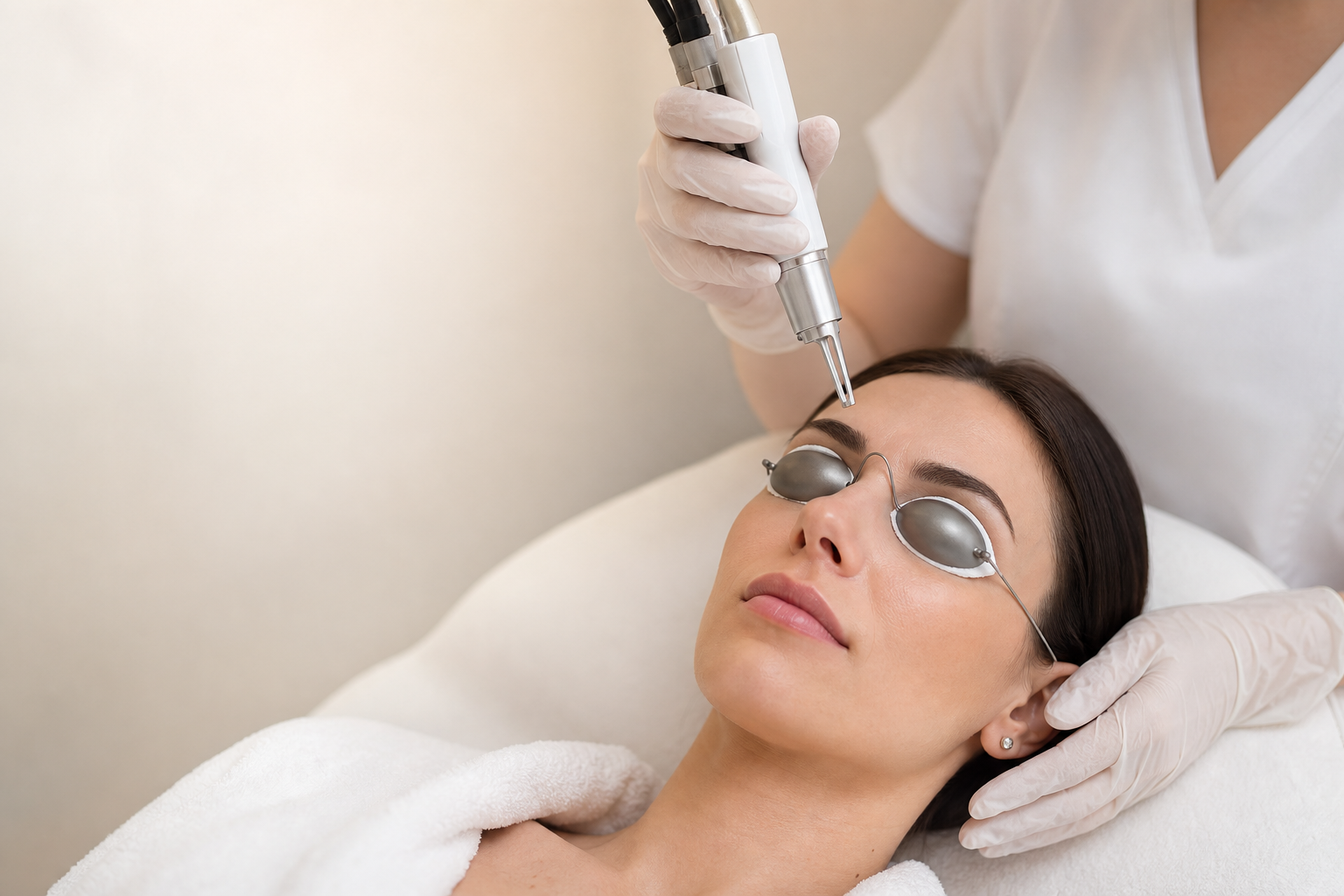
Permanent makeup has become a popular cosmetic enhancement for those seeking to streamline their daily routine and achieve lasting aesthetic perfection. However, as with any long-lasting beauty treatment, individual preferences and circumstances evolve, sometimes prompting the need for removal or correction. Laser removal of permanent makeup represents a sophisticated, medically advanced technique designed to safely and effectively address these needs. This editorial offers a comprehensive exploration of laser removal methods specifically for permanent makeup, elucidating the underlying mechanisms, benefits, challenges, and essential considerations for prospective clients and professionals alike.
Intended for individuals contemplating the reversal or refinement of permanent cosmetics, as well as for specialists in dermatology and cosmetology, this article emphasizes an informed, realistic, and personalized approach. It steers clear of generic instructions or unsafe do-it-yourself methods, underscoring the importance of professional assessment and tailored treatment plans. Understanding this subject is increasingly critical as the demand for both permanent makeup application and its subsequent modification grows within the beauty and medical aesthetics fields.
Given that permanent makeup involves implanting pigment beneath the skin's surface, removal requires precision tools and expertise to avoid undesired effects such as scarring, discoloration, or skin damage. Laser treatment stands out as the premier option, offering unprecedented precision in targeting pigment with minimal impact on surrounding tissue. Throughout this article, readers will gain nuanced insight into how laser removal functions, how it compares to alternative methods, the types of pigments involved, and the realistic expectations and outcomes associated with the procedure.
What Is Permanent Makeup and Why Might Removal Be Necessary?
Permanent makeup, also known as cosmetic tattooing or micropigmentation, involves implanting pigments into the epidermal layer of the skin, most commonly applied to enhance eyebrows, eyeliner, and lip color. Techniques such as microblading or machine-assisted tattooing facilitate these applications, creating effects that can last from several months to multiple years.
While permanent makeup offers convenience and aesthetic enhancement by reducing daily makeup application time, there are numerous reasons why individuals might seek its removal or correction. A frequent motivator is a change in personal taste or prevailing beauty trends. For example, eyebrow shapes popular several years ago may no longer complement one’s facial features or style preferences. As fashion evolves, so too does the desired look, fostering demand for adjustment or removal.
Additionally, pigment alterations over time can necessitate corrective action. Certain colors, especially reds and oranges, are prone to shifting hues—sometimes darkening or acquiring undesired greenish or bluish tints due to chemical reactions triggered by sunlight exposure or the skin’s natural metabolism. Unfavorable pigment migration or the paradoxical darkening phenomenon can also compromise the initial aesthetic result, prompting clients to explore removal options.
Moreover, some individuals may have had procedures performed by inadequately trained practitioners, resulting in uneven or unsatisfactory outcomes such as irregular strokes or overly dense color. In such cases, safe and effective pigment removal is crucial to restore a neutral canvas for future treatments or simply to return the skin closer to its natural state.
How Does Laser Removal of Permanent Makeup Work?
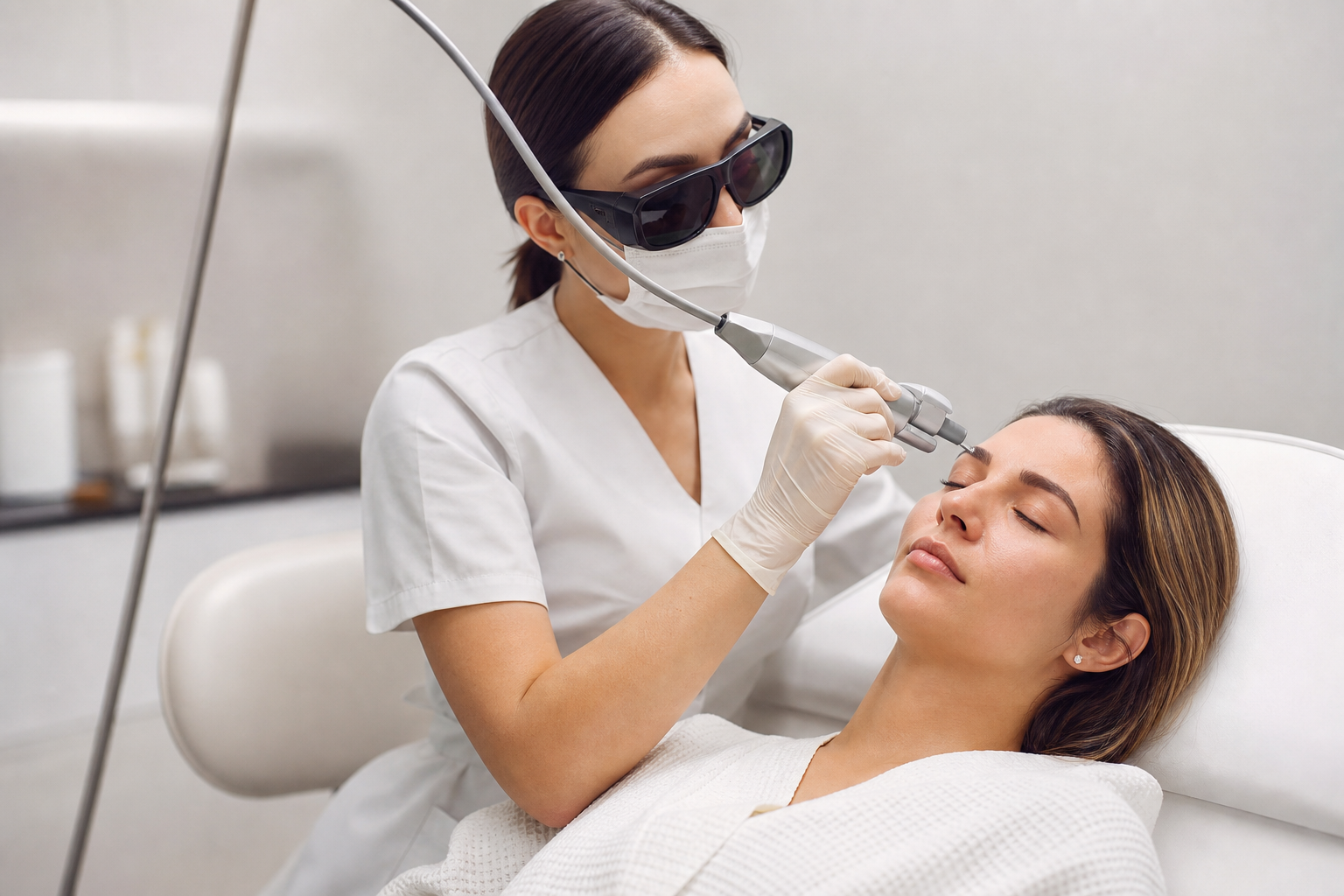
Laser removal capitalizes on a process known as selective photothermolysis, where concentrated beams of specific wavelengths of light target pigment particles embedded within the skin. The laser energy penetrates the superficial skin layers and is absorbed predominantly by the pigment molecules without significantly affecting the surrounding skin tissue.
This absorption causes the pigment particles to fragment into smaller pieces, which the body's immune system can naturally clear through the lymphatic and vascular systems over time. The precision of laser energy delivery allows practitioners to effectively diminish unwanted pigments layer by layer, session by session, minimizing risks such as scarring or hyperpigmentation.
The success of laser removal hinges on multiple factors, including the type, color, and depth of the pigment, the patient's skin type, and the laser technology implemented. Different lasers emit varying wavelengths suitable for targeting different pigment colors; for example, Q-switched lasers and picosecond lasers are commonly employed due to their high peak energies and pulse durations ideal for fragmenting tattoo and permanent makeup particles.
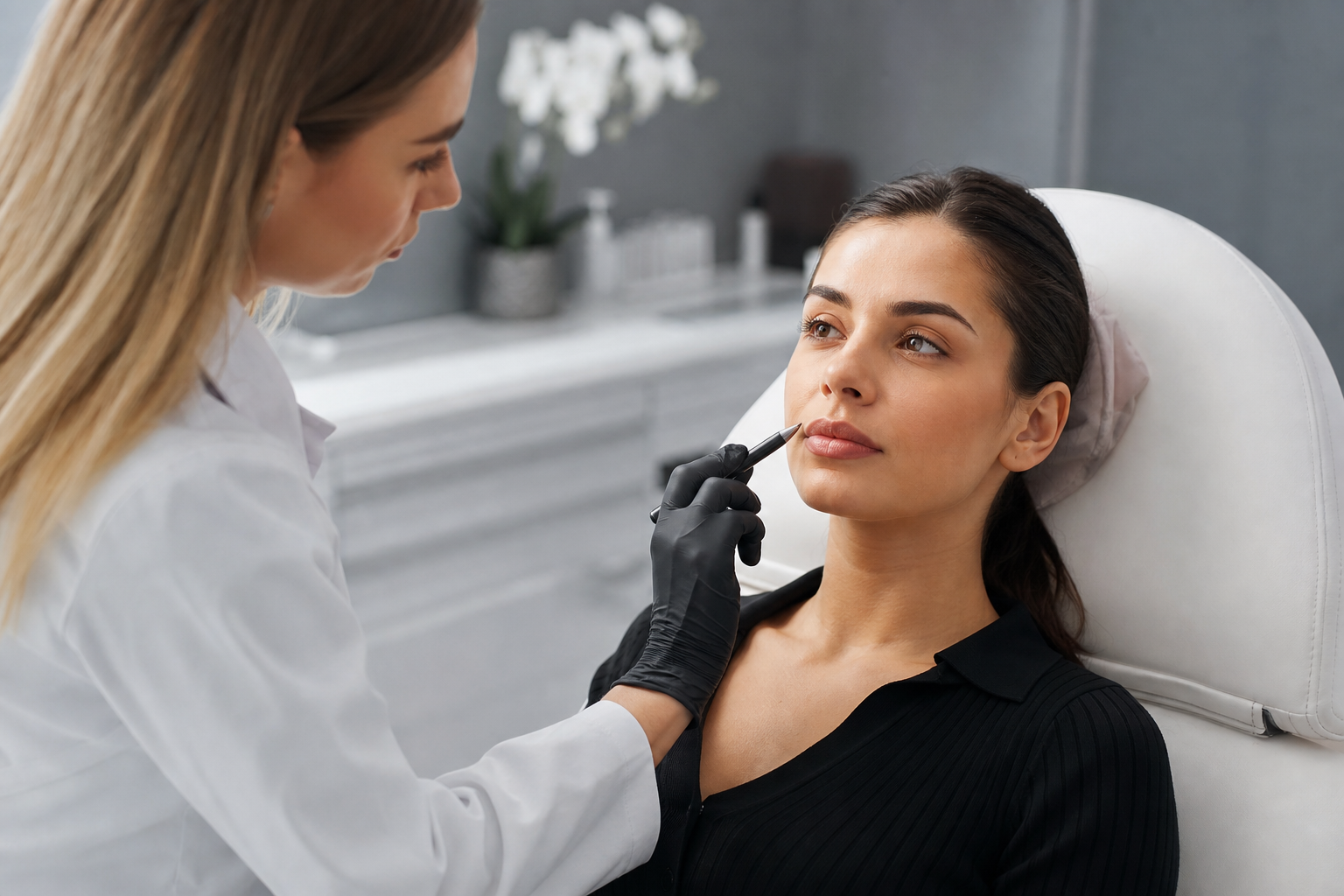
Individual assessment prior to treatment is indispensable. This process accounts for skin sensitivity, previous treatment history, and potential contraindications. Practitioners often recommend performing test patches to evaluate the skin’s and pigment’s response, which informs treatment parameters to optimize safety and efficacy.
What Advantages Does Laser Removal Offer Over Chemical Methods?
Laser removal offers distinct advantages compared to chemical-based pigment removal techniques, which often rely on abrasive or caustic agents aimed at eroding or exfoliating the skin. While chemical methods can sometimes lighten or alter pigments, they generally lack the precision of laser treatments and can lead to broader skin irritation or scarring.
One significant benefit of laser removal is its targeted approach. By focusing energy solely on the pigments, lasers preserve the surrounding healthy skin, reducing downtime and enhancing healing. This selectivity also lowers the incidence of adverse effects such as infection, prolonged inflammation, or uneven skin tone alterations often associated with chemical peeling or dermabrasion methods.
Furthermore, lasers can address a broader spectrum of pigment colors, including those more resistant to other removal methods. As pigment color transitions occur naturally in permanent makeup, the adaptability of laser wavelengths to tackle different shades is critical. Additionally, laser treatment often requires fewer sessions than chemical approaches to achieve noticeable fading.
Though the initial investment for laser procedures may be higher, the long-term safety, comfort, and cosmetic outcomes typically justify this approach. Importantly, laser removal must be conducted by qualified professionals with appropriate equipment to maximize benefits and minimize risks.
Which Pigment Colors and Types Pose the Greatest Challenges for Laser Removal?
Not all permanent makeup pigments respond uniformly to laser treatment. The chemical composition, depth of implantation, and color hue significantly affect the ease and success rate of removal. Some pigments reflect or absorb laser energy differently, posing unique challenges in treatment.
Reds and oranges are among the most challenging to remove with lasers. These pigments tend to undergo color shifts over time—from bright red to darker or muddier tones such as brown, purple, or green—due to photo-oxidation and other chemical reactions. Such altered pigments may not respond predictably to standard laser wavelengths, necessitating customized protocols and occasionally multiple treatment cycles.
Blue and green pigments, often used in subtle shading, also require specific wavelength lasers, such as those emitting light in the green or blue spectrum, to effectively target and break down the particles. Black pigment generally responds well to laser treatment due to its strong absorption of light across various wavelengths, but improper laser settings could still lead to incomplete removal or skin damage.
Factors like depth and density of pigment implantation also affect removal; deeper or heavily saturated pigments require longer treatment durations and may carry higher risks. Therefore, comprehensive pigment analysis is vital before proceeding with laser therapy.
Why Are Test Zones and Partial Corrections Crucial Before Full Laser Removal?
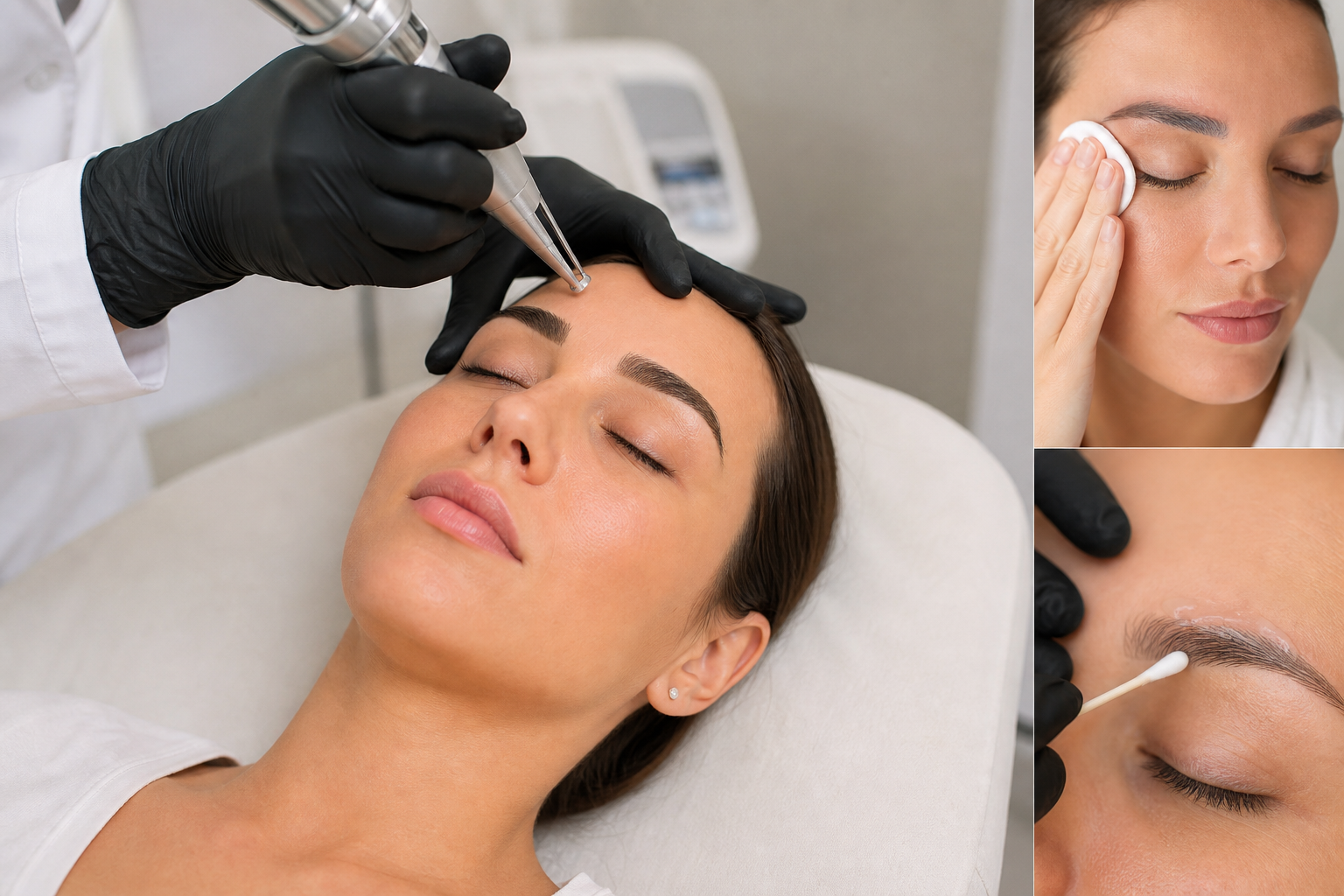
Performing a test zone—treating a small, inconspicuous area of permanent makeup before undertaking full removal—is an essential step in laser pigment eradication. This approach allows clinicians to observe the skin’s reaction and the pigment’s responsiveness to the laser, reducing the risk of unexpected complications or ineffectiveness.
The test zone helps determine the optimal laser settings, pulse duration, and energy levels tailored to the individual's unique skin and pigment characteristics. It also provides insights into the potential number of sessions required and anticipates healing times and side effects.
Following the test zone, partial correction techniques may be employed, where only a portion of the pigment is treated to assess progressive fading and skin tolerance. This staged approach is particularly important in cases where paradoxical darkening has previously occurred or when pigments are irregularly distributed.
Adopting test and partial correction protocols exemplifies a medically responsible practice, prioritizing patient safety and optimizing aesthetic outcomes.
Can Laser Successfully Remove Permanent Eyeliner and What Are The Specific Considerations?
Permanent eyeliner removal with lasers presents unique challenges due to the delicate anatomy of the eyelid region and proximity to the eyes. The skin on the eyelids is considerably thinner and more sensitive, increasing the risk of adverse effects such as swelling, redness, or pigmentary changes.
Laser removal in this area demands expertise and specialized equipment that ensures ocular protection and precise energy delivery. Protective eye shields are mandatory to prevent laser exposure to the cornea and retina. Additionally, laser parameters must be meticulously adjusted to balance efficacy with safety, often requiring multiple gentle sessions instead of aggressive single treatments.
Despite these challenges, laser removal can be a safe and effective solution for unwanted permanent eyeliner when conducted under medical supervision. Patients must be thoroughly counseled about the gradual nature of pigment fading, the necessity of protection from sun exposure post-treatment, and potential temporary post-procedure discomfort or inflammation.
What Should Individuals Expect During and After Laser Removal Treatments?
Anticipating the course and outcomes of laser removal helps manage expectations and facilitates adherence to post-treatment care, essential for optimal results. Typically, patients undergo multiple sessions spaced several weeks apart to allow for pigment breakdown and skin recovery.
Each session involves delivering laser pulses targeted to the pigment area, often accompanied by sensations akin to snapping rubber bands or mild heat. Cooling devices or topical anesthetics may be used to enhance comfort. Post-session, mild redness, swelling, or slight scabbing can occur but generally resolves within days.
Clinically, pigment fading appears gradually, with some cases exhibiting transient darkening before lightening. Strict sun protection and skin hydration are critical during the healing phase to prevent hyperpigmentation or scarring.
Overall, the process demands patience and realistic understanding; while significant improvement is achievable, complete eradication may not be feasible in all cases due to pigment composition and skin response. Regular follow-ups with the treatment provider ensure any complications are promptly addressed.
How to Select the Right Specialist for Laser Removal of Permanent Makeup?
Choosing a qualified professional is paramount when considering laser removal of permanent makeup. The practitioner’s expertise, training, and access to modern laser technologies directly influence safety and success.
Individuals should seek specialists with certifications in dermatology or medical cosmetology and verified experience in laser tattoo or pigment removal. Reviews, before-and-after portfolios, and consultation consultations offer insights into their proficiency and treatment philosophy.
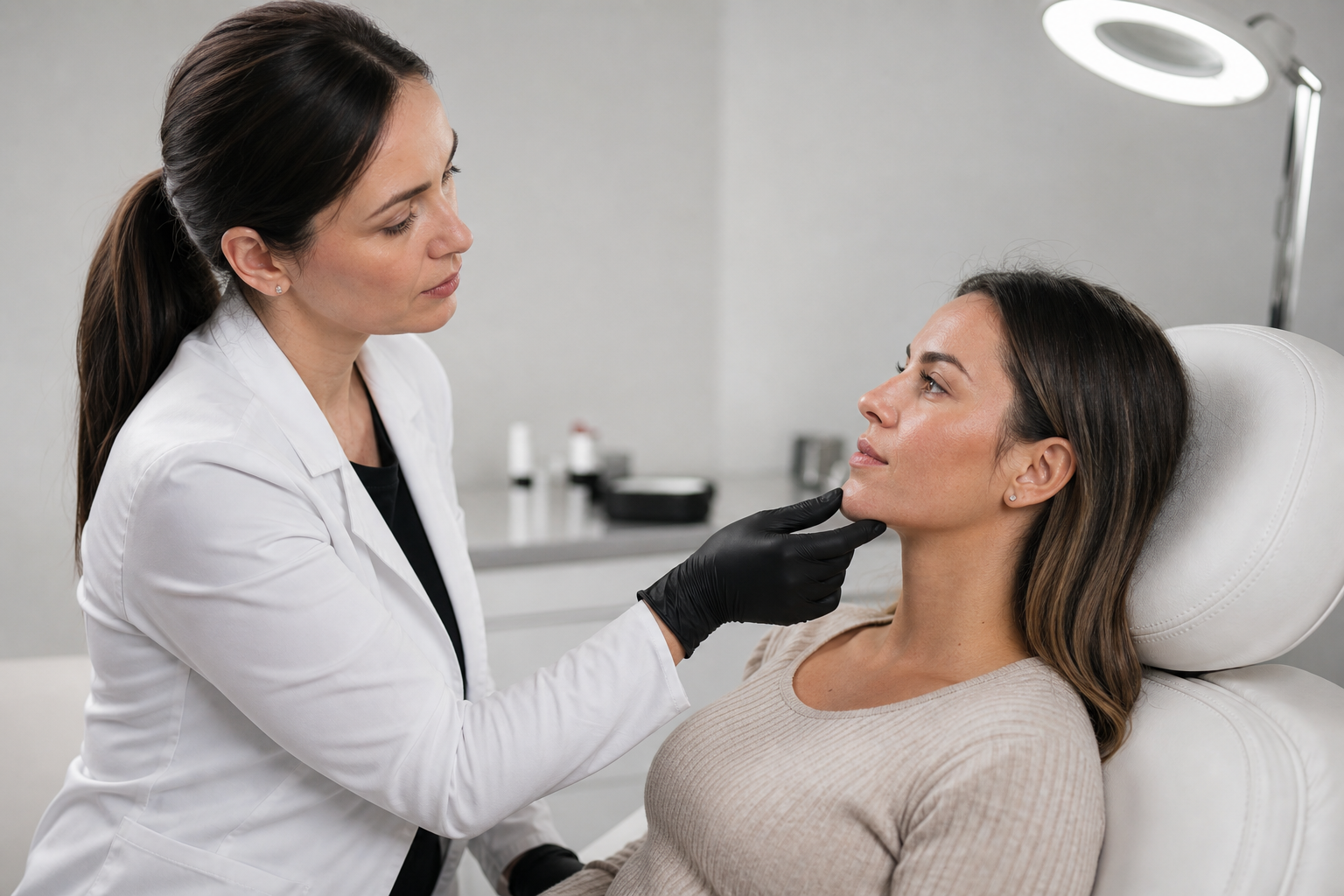
A comprehensive initial consultation should involve detailed skin and pigment assessments, explanations of potential outcomes, risk disclosures, and personalized treatment plans. Transparency about costs, number of sessions, and maintenance requirements further aids informed decision-making.
Prioritizing medically supervised centers equipped with emergency protocols ensures that the patient receives not only effective treatment but also immediate care if adverse events arise.