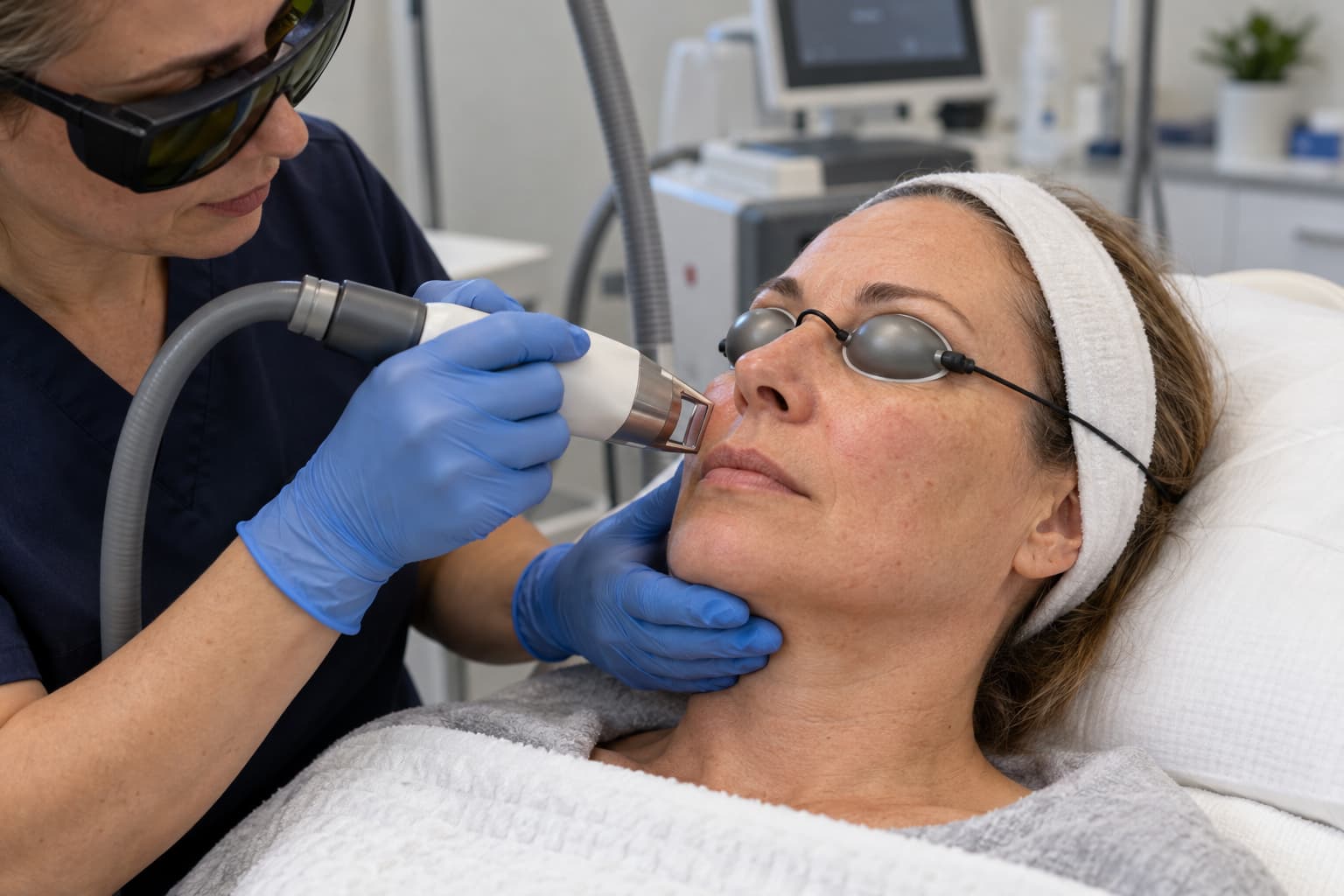
Laser skin rejuvenation has emerged as a leading method for improving skin texture, tone, and overall appearance, offering a non-invasive alternative to traditional cosmetic procedures. The diversity of laser technologies available today allows for customized treatments tailored to individual skin concerns, ranging from fine lines and wrinkles to deep scars and pigmentation irregularities. Understanding the different types of lasers—ablative, non-ablative, and fractional—is essential for anyone considering these treatments to make an informed decision that aligns with their aesthetic goals, skin type, and lifestyle.
This article serves as an in-depth exploration of the major laser categories used in skin rejuvenation, highlighting their mechanisms, ideal candidates, benefits, and potential risks. Whether you are a first-time patient eager to explore laser options, or someone seeking detailed knowledge about specific devices such as CO2 or Er:YAG lasers, this guide provides clarity on how laser resurfacing functions as a broad term encompassing various modalities rather than a single technology.
Laser skin rejuvenation matters because it addresses fundamental changes in skin aging and damage by stimulating the skin's own regenerative capabilities, notably collagen production, thereby restoring a youthful complexion with less downtime than some invasive methods. It is particularly relevant for adults seeking gradual yet significant improvements with safe, clinically supported technologies. By gaining a thorough grasp of ablative, non-ablative, and fractional lasers, patients and practitioners alike can navigate the complex landscape of treatments with confidence, optimizing outcomes and minimizing risks.
What Defines Ablative, Non-Ablative, and Fractional Lasers in Skin Rejuvenation?
The fundamental classification of lasers used in skin rejuvenation hinges on how each affects the skin layers and the extent of controlled injury induced for therapeutic benefit. Ablative lasers work by precisely removing or vaporizing the epidermis and sometimes portions of the dermis, prompting the body to replace the treated skin with newly generated tissue. This method often results in robust collagen remodeling and substantial improvement in skin texture and appearance.
Contrastingly, non-ablative lasers do not remove the skin surface but heat the dermis through intact epidermis, stimulating collagen generation and skin tightening with minimal disruption to the outermost layer. This approach presents lower downtime and is suited for those preferring subtle rejuvenation or unable to afford extended recovery periods.
Fractional laser technology integrates features of both approaches by delivering laser light in a pixelated or fractionated manner. It creates microscopically treated zones interspersed with untreated regions, promoting rapid healing due to the preservation of surrounding healthy tissue. Fractional lasers may be ablative or non-ablative depending on the device specifications and settings.
It is important to recognize that "laser resurfacing" is a collective term not linked to a singular device but a spectrum of treatments utilizing these varying mechanisms to renew skin. This distinction helps set realistic expectations and guides personalized treatment planning.
How Do Ablative Lasers Like CO2 and Er:YAG Rejuvenate the Skin?
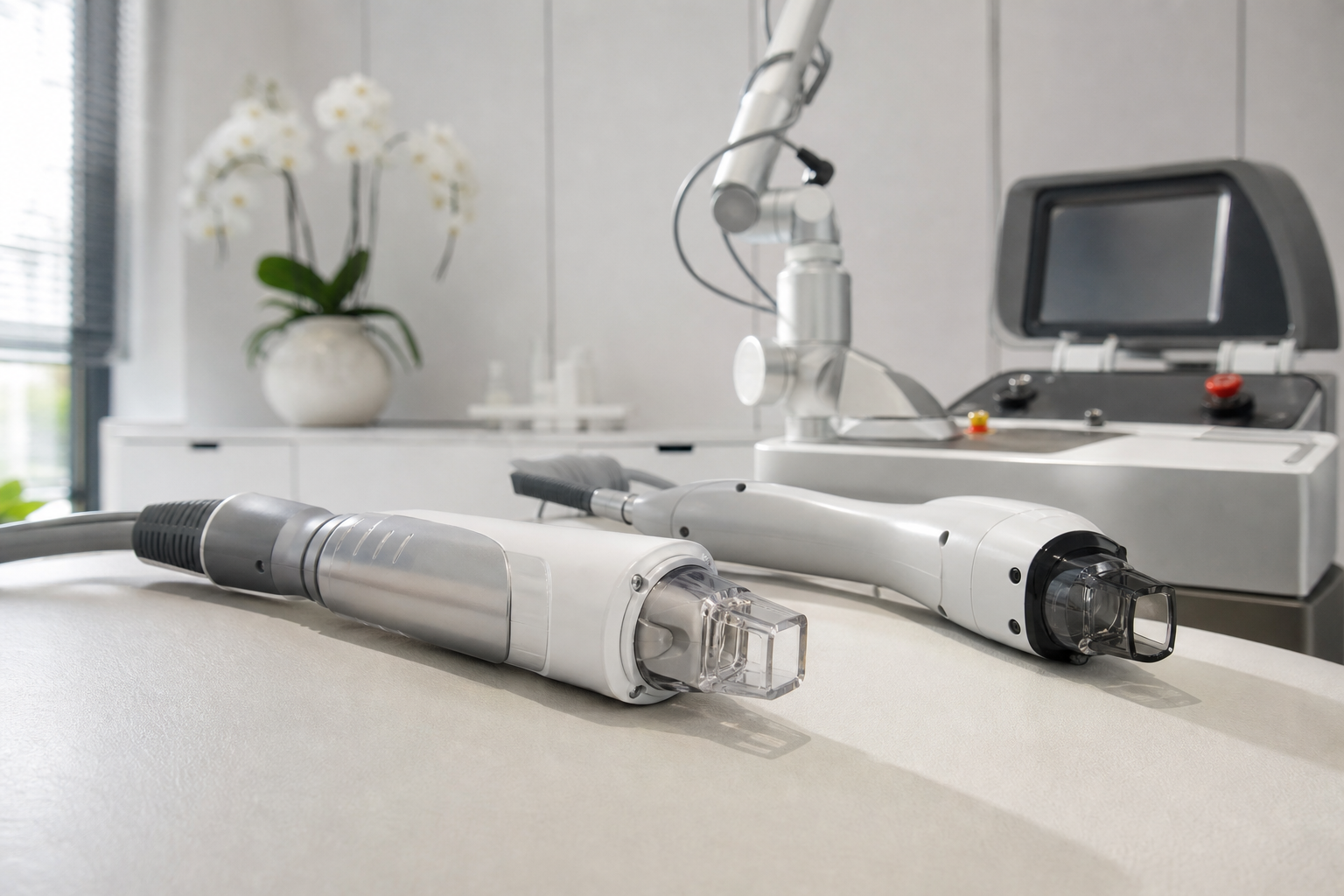
Ablative lasers such as carbon dioxide (CO2) and erbium-doped yttrium aluminum garnet (Er:YAG) represent powerful tools in intensive skin resurfacing. The CO2 laser operates at a wavelength of approximately 10,600 nm, allowing it to penetrate deeply and ablate layers of skin while simultaneously inducing thermal injury to surrounding tissues, which catalyzes an extensive collagen repair response. This makes it exceptionally effective for improving deep wrinkles, severe photoaging, and pronounced scarring.
The Er:YAG laser, delivering light at around 2,940 nm, vaporizes water-containing tissues with high precision and minimal residual thermal damage. Its controlled ablation enables a more rapid healing process and is preferable for patients seeking improvement with reduced downtime, though its penetration is less profound compared to CO2.
Patients considering ablative resurfacing should anticipate a recovery that includes erythema, swelling, and peeling lasting from one to several weeks. Post-treatment care is critical to prevent infection and optimize healing outcomes. The longevity of results and the degree of skin transformation often justify this increased recovery period for individuals with significant skin laxity or textural concerns.
When Are Non-Ablative Lasers the Preferred Option for Skin Rejuvenation?
Non-ablative lasers present a gentler strategy by heating the dermal tissue beneath the intact epidermis, thereby stimulating collagen production and improving skin firmness without visible wounding. Devices such as Nd:YAG, diode, and some Alexandrite lasers fall into this category and are widely employed to target early signs of aging, mild pigmentation issues, and surface irregularities.
These lasers are favored by patients prioritizing minimal downtime and gradual skin enhancement. Multiple sessions are typically required to accumulate noticeable benefits since the treatment induces subtle biological remodeling rather than immediate surface changes. This cumulative effect supports maintenance of a youthful glow while accommodating normal daily activities.
Non-ablative treatments are especially useful for younger skin or as adjunctive therapies complementing other rejuvenation strategies, offering a low-risk approach with a diminished likelihood of pigmentary complications compared to ablative techniques.
What Advantages Do Fractional Lasers Provide in Modern Skin Rejuvenation?
Fractional lasers have revolutionized skin rejuvenation by balancing efficacy and safety. Instead of uniformly treating the entire skin surface, fractional technology disperses laser energy into thousands of microscopic zones of injury surrounded by untouched tissue. This pattern permits the rapid migration of healthy cells and immune activity, accelerating repair and reducing adverse outcomes such as persistent redness and infection.
Fractional devices come in both ablative and non-ablative variants, harnessing benefits from each approach. Ablative fractional lasers can achieve results similar to traditional ablative devices but with shorter healing times, while fractional non-ablative lasers deliver gentle collagen remodeling with minimal interruption to daily life.
The versatility of fractional lasers makes them suitable for a wide range of skin types and conditions, including acne scars, uneven texture, pigmentation disturbances, and early to moderate signs of skin laxity. Practitioners can customize treatments by adjusting laser parameters to control penetration depth and fraction density, optimizing outcomes according to patient needs.
Why Is Intense Pulsed Light (IPL) Distinguished from Laser Treatments?
Although often mentioned alongside laser therapies, Intense Pulsed Light (IPL) is technically different and uses a broad spectrum of light wavelengths instead of coherent laser light at a single wavelength. This distinction influences both mechanism and suitability.
IPL typically targets chromophores like melanin and hemoglobin across larger treatment areas, making it effective for surface pigmentation, redness, and vascular conditions. However, it lacks the precise tissue penetration and focused collagen stimulation characteristic of laser devices, rendering it inferior in addressing deep wrinkles or scars.
Furthermore, IPL carries limitations regarding skin phototypes and may not be suitable for darker skin tones owing to higher risk of pigmentary complications. Recognizing these differences allows patients and clinicians to select the most appropriate technology aligned with the skin concern and safety profile.
Which Skin Conditions Are Best Treated with Ablative, Non-Ablative, or Fractional Lasers?
The rationale for choosing a specific type of laser revolves closely around the patient’s particular skin issues, goals, and tolerance for downtime. Ablative lasers are generally reserved for individuals with pronounced rhytides, deep acne or surgical scars, and severe sun damage manifesting as pigmentation and skin laxity. Their aggressive nature leads to the most dramatic improvements but requires careful patient selection and adherence to aftercare.
Non-ablative lasers provide a subtler option to enhance texture, reduce fine lines, alleviate mild pigment irregularities, and prevent early aging. They serve well for patients seeking maintenance treatments or those with less severe skin concerns unwilling to endure downtime.
Fractional lasers span a broad treatment spectrum, effectively addressing moderate skin aging, mixed pigmentation, melasma, and even some kinds of scarring. By offering customizable intensity, they prove highly adaptable to diverse patient needs and skin types.
How Should Patients Prepare for Laser Skin Rejuvenation and What Is the Typical Recovery Process?
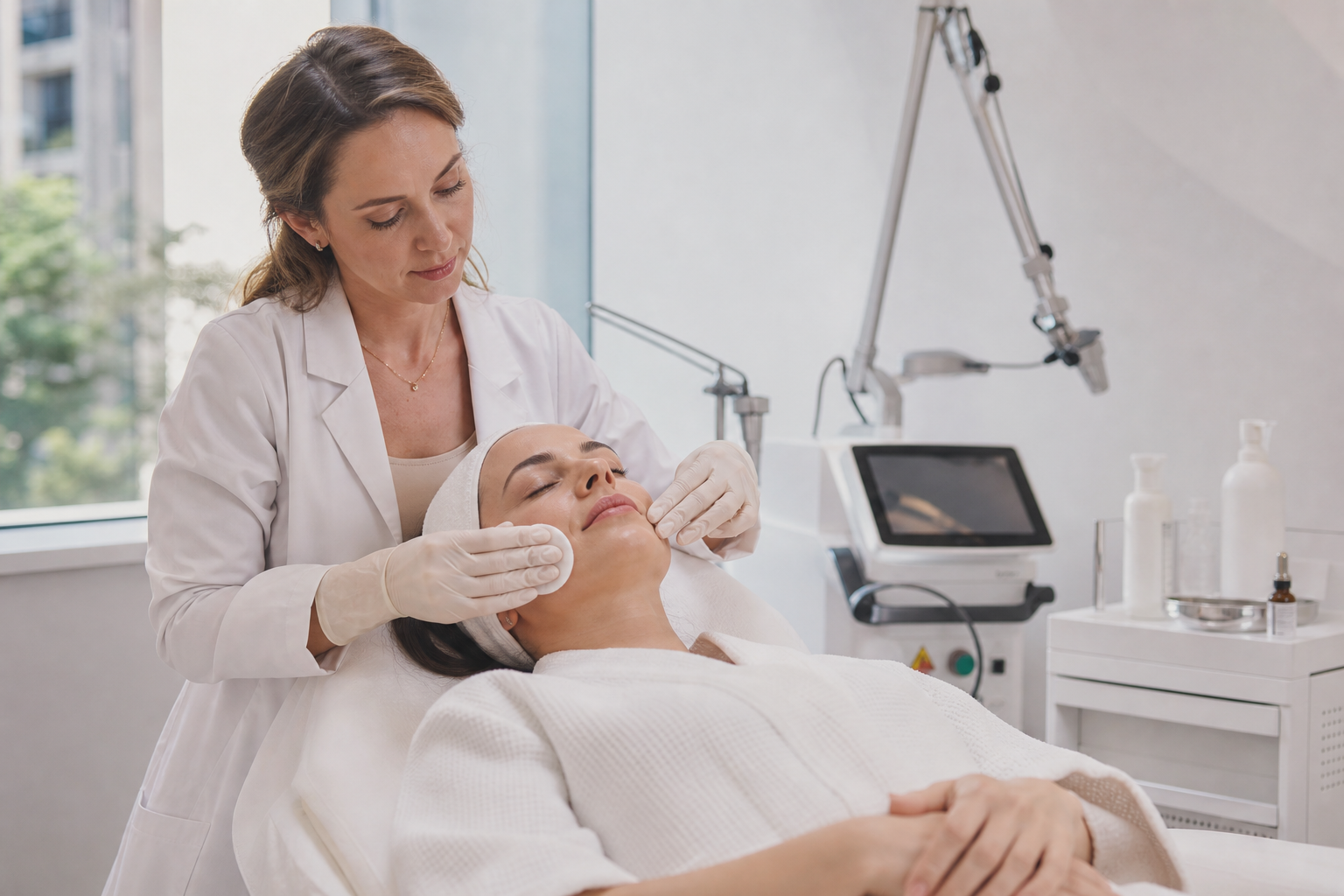
Preparation for laser treatment begins well before the procedure itself. Advising avoidance of sun exposure, tanning beds, and certain topical agents reduces the risk of complications such as hyperpigmentation. Skin priming with prescribed agents and thorough consultation ensures optimal readiness.
During treatment, sensations vary depending on laser type and parameters, ranging from mild warmth to brief discomfort. Post-procedure responses likewise differ: ablative treatments provoke redness, swelling, and peeling over days to weeks, necessitating careful skin care and sun avoidance. Non-ablative and fractional non-ablative therapies entail minimal recovery, often allowing immediate return to daily routines.
Strict adherence to post-treatment instructions—including gentle cleansing, moisturizing, and sun protection—is essential to ensure healing and maximize outcomes. Close follow-up with the treating practitioner helps identify and manage any adverse effects timely.
What Are the Risks and How Can Complications Be Minimized in Laser Rejuvenation?
While laser skin rejuvenation is generally safe when performed by experienced professionals, recognizing potential adverse effects is crucial. Ablative lasers carry risks including prolonged erythema, infection, hypopigmentation or hyperpigmentation, and scarring if improperly managed. Patient factors such as skin type, medical history, and compliance influence these outcomes.
Non-ablative and fractional lasers present fewer and typically milder side effects, such as transient redness, edema, or pigmentation changes that usually resolve without intervention. Nonetheless, comprehensive pre-treatment evaluation and tailored protocols remain the best safeguards.
Engaging qualified clinicians, employing up-to-date equipment, and following evidence-based practices significantly reduce complications and elevate patient satisfaction.
How Can One Select the Most Suitable Laser Treatment and a Trustworthy Clinic?
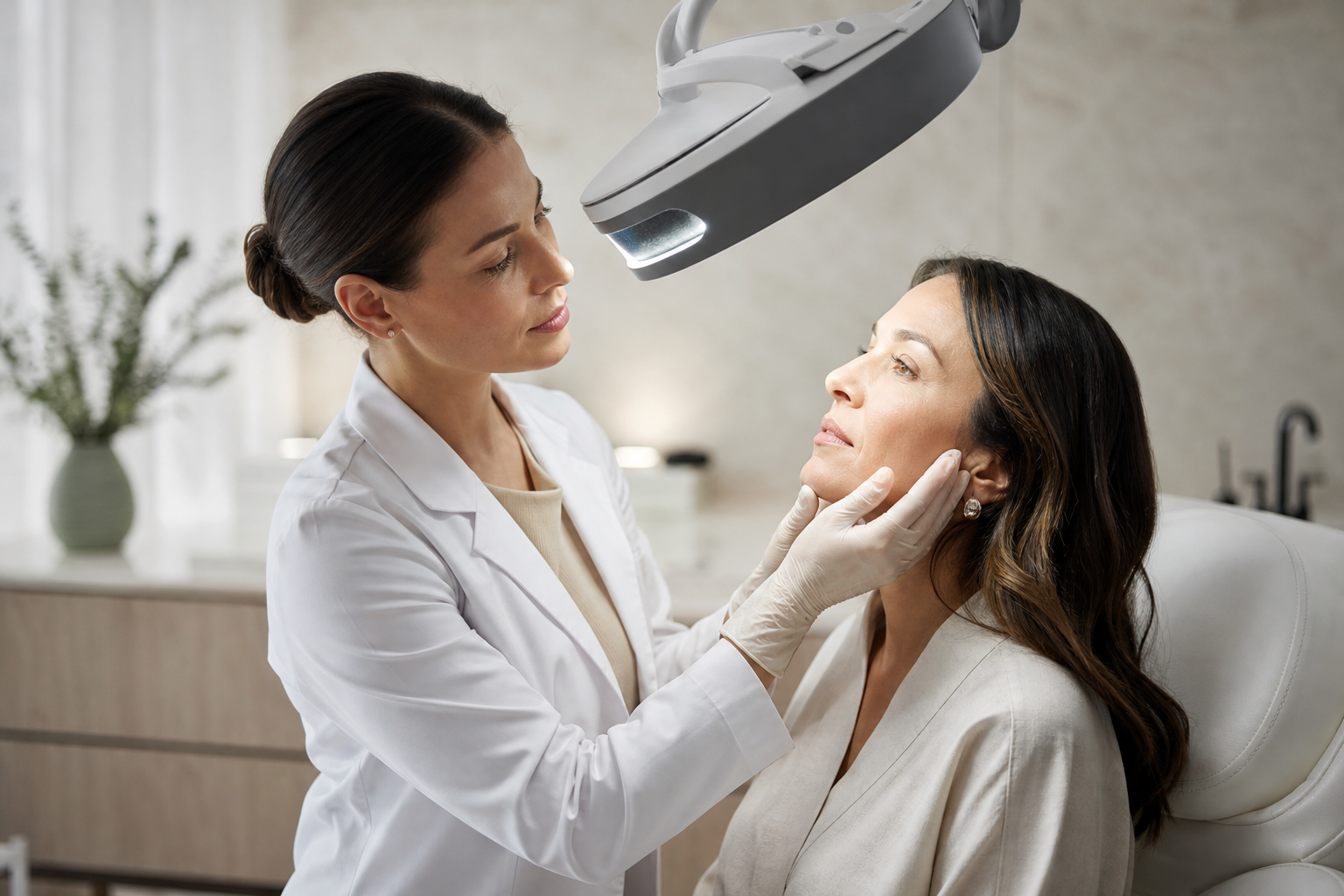
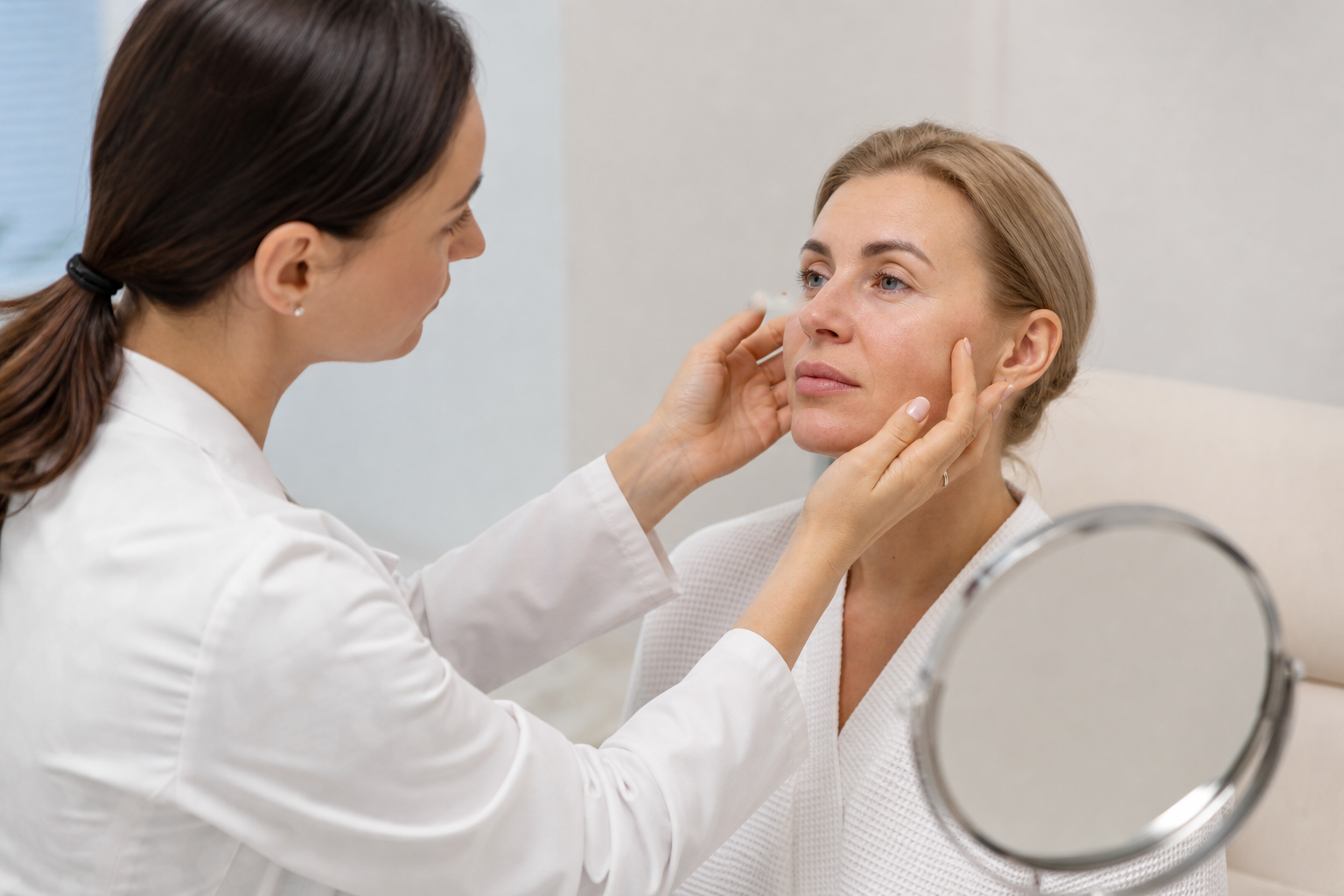
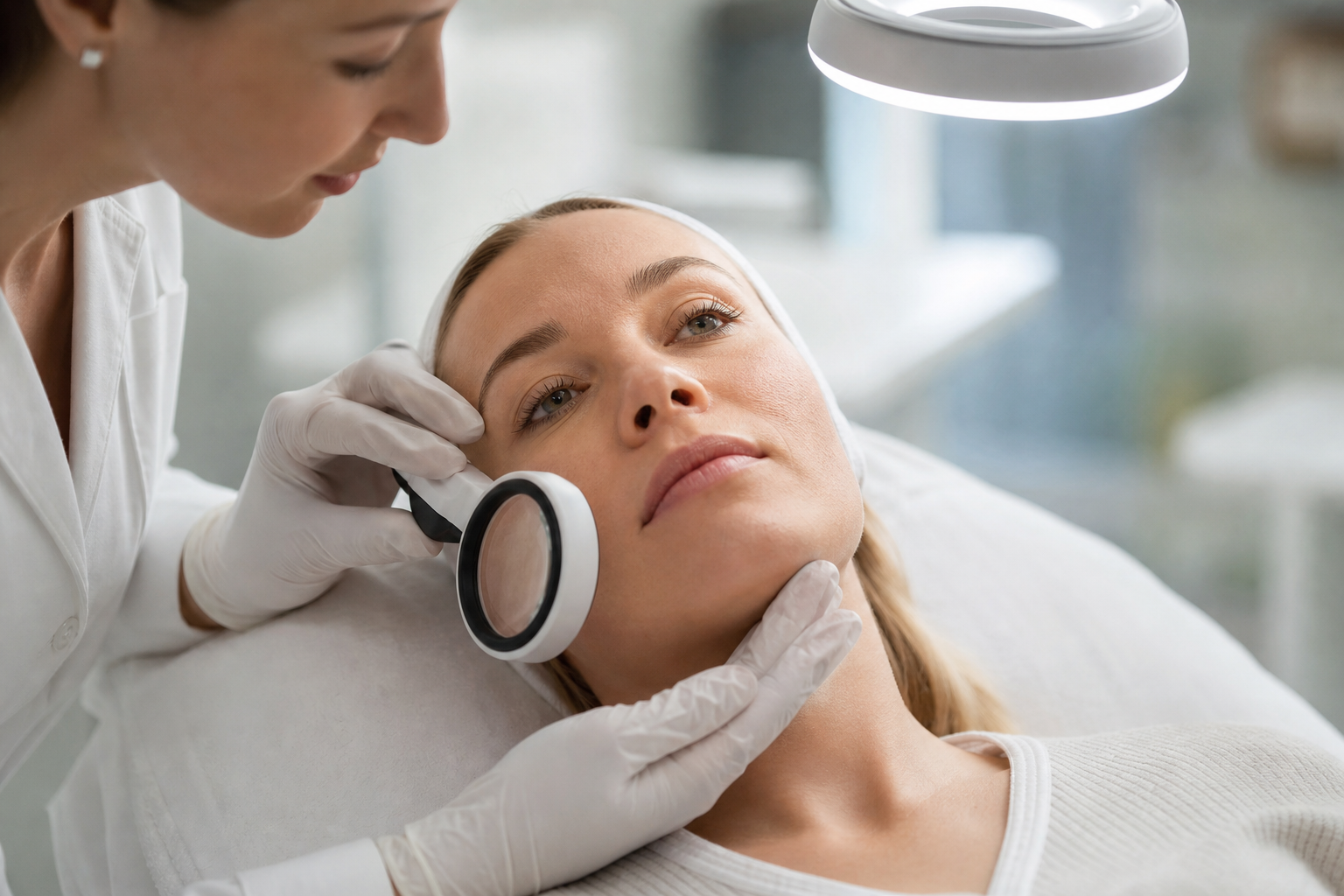
Selecting an appropriate laser therapy first requires a detailed skin assessment performed by a licensed dermatologist or certified aesthetic specialist experienced with laser technologies. This evaluation considers skin type, condition severity, treatment history, and patient preferences.
Choosing a reputable clinic involves verifying credentials, reviewing before-and-after case studies, and confirming the use of FDA-cleared or equivalent approved devices. Transparency about treatment options, risks, expected outcomes, and costs is a hallmark of professional service.
Patients should seek clinics prioritizing safety protocols and offering comprehensive post-care support. Reading independent reviews and obtaining personal referrals can also guide informed decisions.