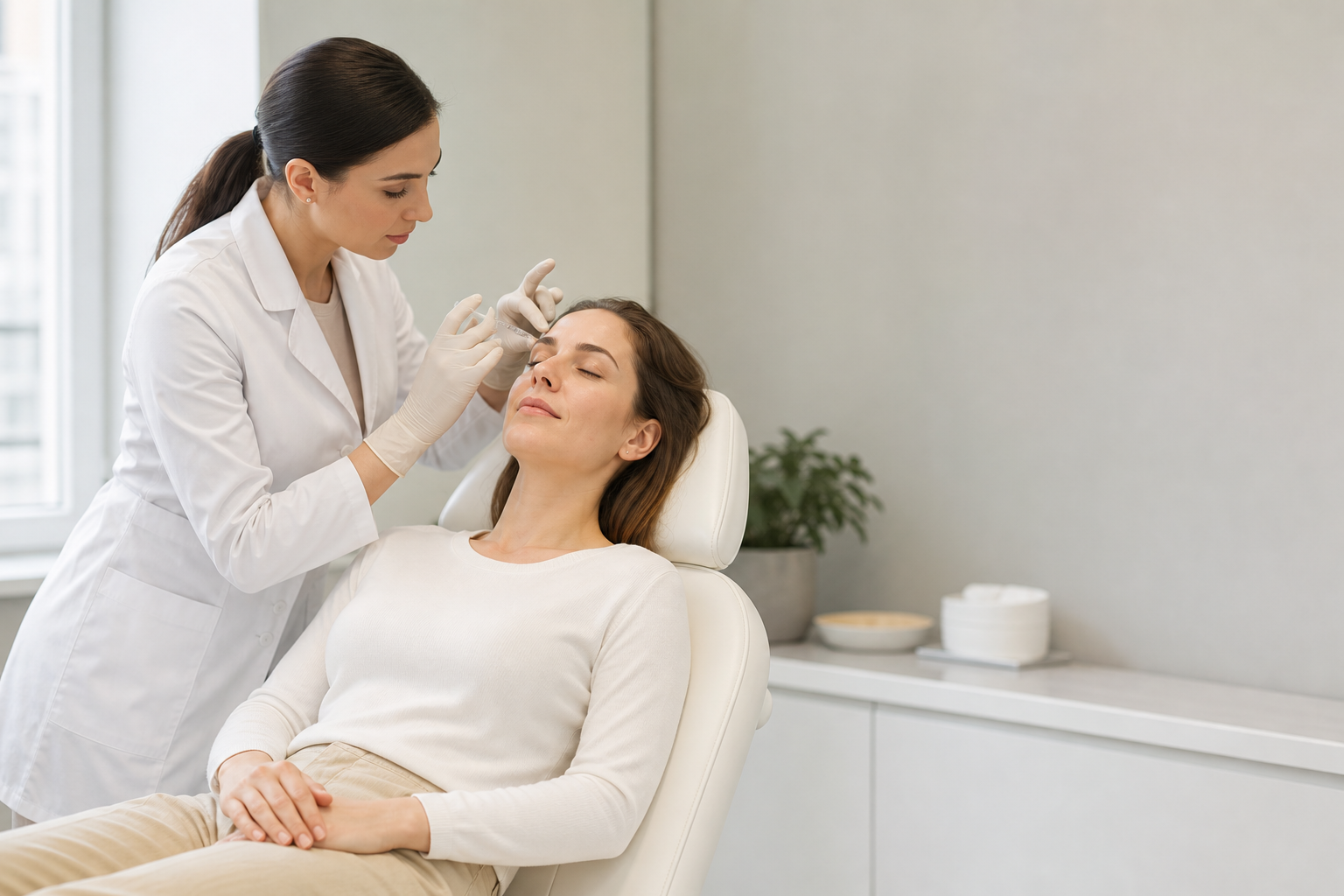
In contemporary aesthetic medicine, Botox has emerged as one of the most sought-after treatments for reducing wrinkles and slowing visible signs of aging. Its popularity stems not only from its effectiveness but also from the minimally invasive nature of the procedure and the relatively quick recovery time. As this procedure gains momentum globally, it naturally prompts questions about the logistics involved, chiefly, "How long does a Botox appointment last?".
This question holds significance far beyond simply scheduling convenience. Knowing the typical duration of a Botox session helps potential patients manage expectations, prepare adequately, and understand the overall flow of the treatment—elements that contribute to a positive and reassuring experience. For those considering Botox to rejuvenate their appearance, addressing timing as part of the broader discussion around preparation, procedure, outcomes, and safety is essential.
Botox treatment is not a mere cosmetic quick fix but a nuanced medical procedure that demands precision, expertise, and a tailored approach according to the individual’s facial anatomy and aging patterns. This editorial aims to comprehensively elucidate the time commitment involved in a Botox session, breaking down each phase of the appointment, highlighting preparatory steps, safety measures, realistic expectations, and the importance of consulting qualified healthcare professionals. By weaving together these informational threads, we provide a roadmap to help prospective clients approach Botox treatment confidently and knowledgeably.
The Complete Anatomy of a Botox Appointment: Understanding the Time Commitment
A Botox appointment transcends the simple act of injecting a neurotoxin; it is comprised of multiple stages that collectively define the total time investment. Generally, a Botox session ranges from 20 to 60 minutes, contingent upon several factors such as the areas treated, the number of injection points, and whether the patient is new or returning.
The initial segment involves a detailed consultation and assessment. Here, a licensed medical professional examines the patient’s facial movements, skin condition, and wrinkle patterns. This crucial diagnostic phase, spanning about 10 to 20 minutes for new patients (and typically shorter for returning clients), informs the treatment plan tailored precisely to the client’s needs and aesthetic goals. During this time, any questions or concerns are addressed, fostering trust and ensuring the patient is fully informed about expected outcomes and procedural nuances.
Following assessment, the skin is prepared using antiseptic agents to minimize infection risks. The actual injection phase usually lasts between 10 and 20 minutes, during which the clinician employs fine needles to deliver Botox into targeted muscles. The technique requires meticulous application across multiple predefined points to achieve uniformity and natural-looking results. A minor post-injection massage might be performed to help distribute the toxin evenly and expedite its onset of action.
Overall, the comprehensive understanding of the appointment timeline reassures patients and helps optimize their scheduling expectations, especially when balancing professional and personal commitments.
Essential Preparation Before Your Botox Session
Preparation is the cornerstone of a safe and effective Botox experience. Prospective patients must adhere to specific recommendations that help reduce potential side effects such as bruising, swelling, or prolonged discomfort. Several days before treatment, it is advisable to avoid blood-thinning medications and supplements, including aspirin, ibuprofen, non-steroidal anti-inflammatory drugs (NSAIDs), and vitamins like E and fish oil. These substances can increase susceptibility to bruising and impede the healing process.
Alcohol consumption should be abstained from at least 24 to 48 hours before the appointment as it can similarly interfere with blood clotting and exacerbate post-treatment swelling. On the day of the procedure, a gentle facial cleansing routine without heavy creams, makeup, or lotions is recommended to ensure the skin surface is clean and free from potential contaminants.
Equally important is setting realistic expectations. Botox is not an instantaneous remedy. Its effects manifest gradually over several days following treatment, reaching peak impact roughly one to two weeks later. Understanding this timeline fosters patience and prevents disappointment, emphasizing the importance of trusting the process and the professional administering the treatment.
A Step-by-Step Breakdown of the Botox Treatment Process
From the moment a patient arrives at the clinic to departure, the Botox procedure unfolds through distinct, carefully orchestrated steps. Upon entering the treatment room, the patient is made comfortable and undergoes a final review of medical history and a recap of the treatment plan. This interaction may last 5 to 10 minutes and offers a last opportunity to clarify any procedural details.
The clinician then cleanses the treatment areas thoroughly with antiseptic solutions. This critical infection control stage, though brief, establishes a sterile field crucial for patient safety.
Next is the injection phase. Using ultra-fine needles, the practitioner administers Botox into the muscle groups primarily responsible for the targeted wrinkles, such as frown lines, crow’s feet, or forehead creases. Precision is paramount to avoid asymmetry or unwanted muscle paralysis, which could affect facial expressions. Depending on the number and location of injection sites, this step typically spans 10 to 20 minutes.
Following injections, gentle massage of the treated muscles may be performed to distribute the neurotoxin evenly. Finally, post-treatment instructions are reviewed with the patient, including behavioral guidelines for the subsequent hours and days to optimize outcomes and reduce side effects. Aftercare advice might cover avoiding lying down flat, refraining from strenuous physical activity, and steering clear of heat exposure such as saunas or sunbathing.
Prioritizing Safety During and After Botox Administration
Safety considerations are paramount in Botox treatments given the neuromodulatory nature of the product and its proximity to critical facial structures. To mitigate risks, all procedures must be conducted by certified professionals trained explicitly in aesthetic injections. Such experts understand facial anatomy intricately and are equipped to manage any complications should they arise.
Throughout the appointment, sterility is maintained through the use of disposable needles and gloves, along with disinfected surfaces and instruments. Adherence to these standards significantly reduces infection risks. Patients are monitored for any immediate adverse reactions, such as allergic responses or excessive swelling.
After treatment, patients should avoid rubbing or massaging the injection sites to prevent unintended migration of Botox to neighboring muscles. Reporting any unusual pain, swelling, or skin changes promptly ensures timely intervention and minimizes long-term consequences.
Aligning Expectations: What Botox Can and Cannot Achieve Over Time
Understanding the realistic scope and temporal progression of Botox results is critical for patient satisfaction. The onset of muscle relaxation effects typically occurs within 24 to 72 hours following injections, with maximal wrinkle reduction visible after approximately one to two weeks. These effects endure for an average of three to six months, after which muscle activity gradually returns, and wrinkles may reappear.
Botox is particularly effective for dynamic wrinkles formed by repetitive facial movements but less so for static wrinkles or deep tissue laxity. In such cases, combination treatments with dermal fillers or skin resurfacing may be recommended. Patients will benefit from discussing personalized treatment plans with their clinicians to identify the most appropriate approach for lasting rejuvenation.
Individual Factors Influencing Treatment Duration and Outcomes
The duration of a Botox appointment and the efficacy of the results can vary based on several personal variables. Age, skin condition, wrinkle severity, muscle strength, previous treatment history, and even genetic factors contribute to how the treatment is customized and how the patient responds.
New patients often require more time during consultations to establish protocols. Conversely, experienced patients with maintained treatment schedules can usually expect shorter visits. Anxiety or sensitivity to injections may necessitate breaks or additional topical numbing to ensure comfort, slightly lengthening the procedure.
Moreover, the areas targeted also influence timing—treating multiple regions like forehead lines, glabellar furrows, and periocular wrinkles will naturally extend the session compared to focused treatment in a single zone.
Minimizing Post-Injection Risks: Infection Control and Managing Irritation
While complications from Botox are uncommon when administered properly, awareness and mitigation of risks like infection, bruising, or irritation are integral to the treatment protocol. The use of aseptic technique, including skin antisepsis and single-use instruments, substantially reduces infection incidence.
Mild redness or swelling at injection sites is typical, subsiding within hours to days. However, persistent or worsening symptoms warrant prompt medical evaluation. Educating patients on recognizing these signs and appropriate wound care further safeguards their well-being.
The Role of Preparation and Procedure Protocols in Optimizing Botox Experiences
Within the holistic framework of “Preparation and Process of Botox Treatments,” standardized protocols form the backbone of a successful aesthetic procedure. The preparatory consultation integrates comprehensive medical history taking, discussion of contraindications, and expectation management. During the procedure phase, adherence to evidence-based injection techniques, customized dosage calculations, and patient-centric communication enrich the treatment encounter.
Emphasizing a patient-focused approach, these protocols ensure that Botox appointments are not rushed injections but meticulously crafted interventions aimed at symmetry, natural results, and safety. Such a refined methodology inherently influences the appointment’s duration, balancing efficiency with high standards of care.
Effective Communication with Your Specialist: The Importance and Timing of Consultations
Consultations serve as the foundational dialogue between patient and practitioner, setting the stage for successful outcomes. They are opportunities to convey medical information, articulate aesthetic desires, and clarify procedural details. Typically lasting 15 to 30 minutes, consultations may be incorporated into the same visit as the Botox injection or scheduled separately, depending on the clinic’s protocols and patient preferences.
During this exchange, practitioners assess candidacy for treatment, explain the mechanism of Botox, outline potential side effects, and establish a timeline for visible results. Open, transparent communication reduces anxiety, informs decision-making, and ensures patients are active participants in their aesthetic journeys.
Precision and Professionalism: Cornerstones of Efficient and Effective Botox Treatments
The expertise and technique of the practitioner are decisive factors influencing both the duration and success of a Botox appointment. Skilled injectors apply their knowledge of facial anatomy to deliver treatments swiftly yet thoughtfully, minimizing discomfort and maximizing aesthetic improvements.
Professionalism encompasses not just technical proficiency but also patient interaction skills, adherence to safety protocols, and meticulous planning. When practiced consistently, these qualities result in streamlined appointments, reduced need for corrective sessions, and enhanced patient satisfaction.


