Melasma, a complex and often frustrating dermatological condition, manifests as irregular patches of hyperpigmentation primarily on the face, frequently affecting the cheeks, forehead, upper lip, and chin. Though melasma poses no direct health threat, its presence often impairs self-esteem and emotional well-being, which underscores its significance in both clinical dermatology and patient quality of life. Its chronic and recurrent nature, coupled with multiple contributing factors, demands a nuanced understanding of the interplay among hormonal influences, thermal stimuli, and sun exposure, all of which can exacerbate or perpetuate melasma.
This article is crafted for dermatologists, aesthetic professionals, and patients seeking a medically grounded explanation of how hormones, heat, and sunlight contribute to melasma recurrence, alongside considerations for treatment modalities. Given the intricacies of melasma’s pathogenesis, it is vital to approach the subject with caution and acknowledge current evidence’s limitations, emphasizing personalized assessment, combination therapies, and rigorous photoprotection. The aim is to provide an authoritative, detailed exploration that equips readers with a clear understanding of the factors influencing melasma and practical insights into managing this often persistent condition.
Understanding how hormones, ambient heat, and ultraviolet (UV) radiation interact to influence melasma’s onset and resurgence allows clinicians to tailor treatments more effectively while setting realistic patient expectations. Importantly, although treatment can yield significant improvement, melasma is not currently curable in a definitive, permanent manner. Managing recurrence risk through a multifaceted approach remains the cornerstone of successful long-term control.
What Is Melasma and Why Do Hormones, Heat, and Sun Exposure Matter?
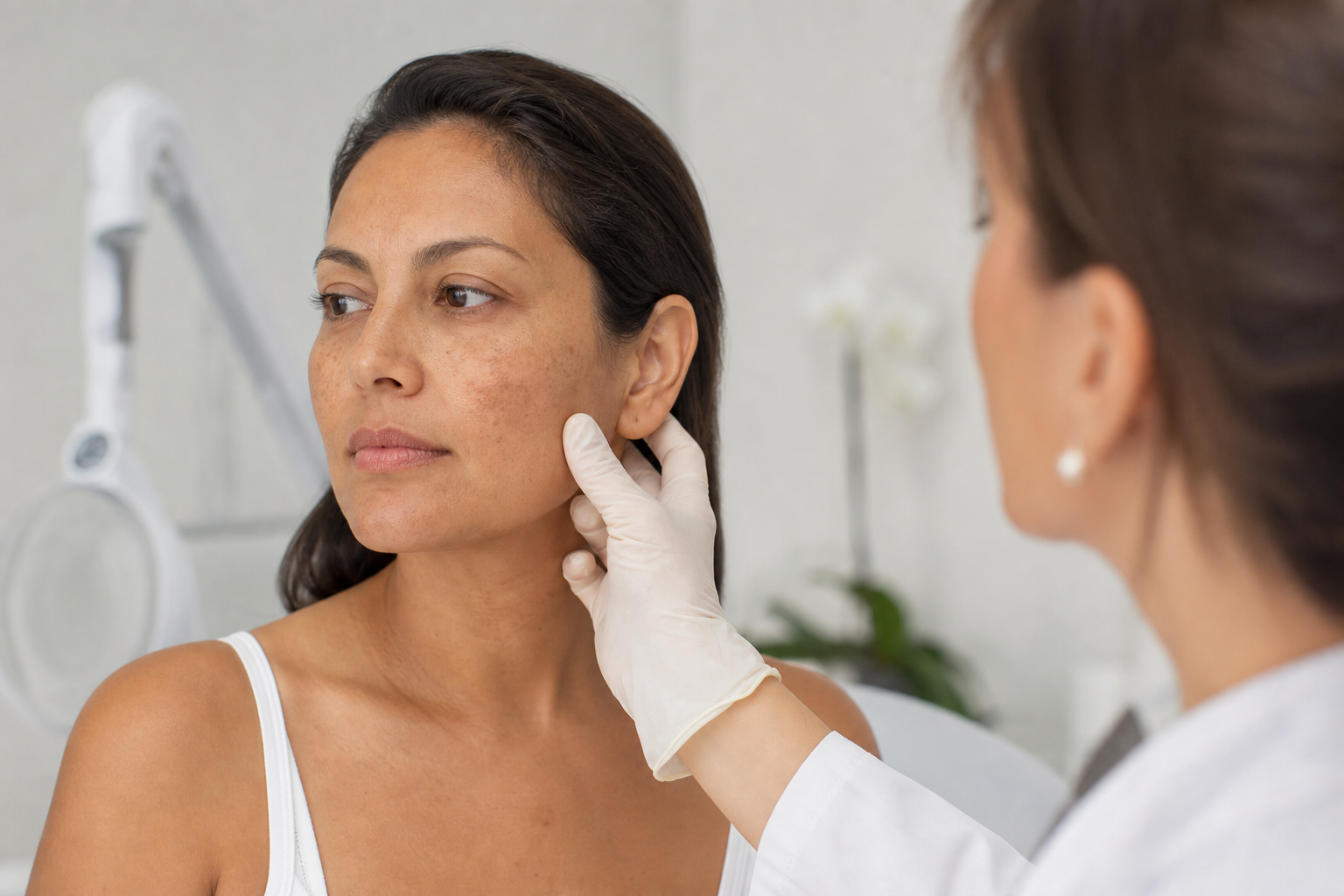
Melasma is a hyperpigmentation disorder marked by symmetrical, patchy, brownish dermal and epidermal discolorations. It originates from the overactivity of melanocytes—the skin's pigment-producing cells—resulting in excess melanin accumulation. Though genetic predisposition plays a critical role, environmental and physiological factors profoundly impact its development and persistence.
Among these, hormonal fluctuations are key triggers, particularly in women of reproductive age. Estrogens and progesterone modulate melanocyte activity via receptor-mediated pathways that enhance melanin synthesis. This hormonal influence is notably observed during pregnancy (when it is often termed the “mask of pregnancy” or chloasma) and with the use of hormonal contraceptives or hormone replacement therapy.
Equally significant are external stimuli such as ultraviolet and visible sunlight, along with infrared radiation and heat. UV rays induce direct DNA damage and oxidative stress, promoting inflammatory pathways that stimulate melanogenesis. Meanwhile, heat—whether from environmental sources, infrared radiation, or even infrared-emitting devices—can exacerbate pigment production by increasing skin inflammation and vascular changes. This multifactorial etiology explains why melasma can be challenging to treat and prone to recurrence.
How Does Sun Exposure Specifically Drive Melasma Recurrence?
Sunlight is widely recognized as a primary external factor influencing melasma. Both UV-A and UV-B radiation contribute through distinct biological mechanisms. UV-B radiation mainly causes DNA damage in epidermal keratinocytes, leading to inflammatory responses that secondarily activate melanocytes. UV-A radiation penetrates deeper into the dermis, generating reactive oxygen species that additionally stimulate melanin synthesis and disrupt pigment distribution.
Melanocytes respond to these stressors by increasing melanin production, aiming to protect skin cells from further damage. However, in individuals with melasma, this protective response becomes dysregulated, leading to the characteristic uneven and intensified pigmentation. Moreover, visible light (blue light) and infrared radiation have also been implicated in sustaining melasma pigmentation, likely through oxidative stress and low-grade inflammatory processes.
Because of this, photoprotection against melasma requires a comprehensive approach, combining physical barriers (hats, clothing) with broad-spectrum sunscreens that cover UV-B, UV-A, visible light, and infrared ranges. Ensuring this extensive coverage is essential to prevent not only new pigment formation but also to attenuate the aggravation of existing melasma patches.
Which Hormones Most Influence Melasma, and What Is Their Mechanism?
Estrogen and progesterone hold pivotal roles in melasma pathophysiology. These hormones amplify melanocyte activity partly through nuclear hormone receptors that enhance the transcription of melanogenic enzymes such as tyrosinase. Elevated levels of these hormones during pregnancy, ovarian hyperstimulation, or hormone therapy elevate the risk of pigmentation flare-ups.
Aside from female sex hormones, other endocrine factors can indirectly affect melasma. Thyroid hormones and adrenal corticosteroids have been shown in some cases to influence skin pigmentation patterns, especially when their serum levels are imbalanced. Disorders like hypothyroidism or hypercortisolism can alter epidermal turnover and inflammation, thus modifying melanocyte behavior.
Because hormonal profiles vary widely among individuals, assessing a patient's hormonal status is crucial. Endocrinological evaluations may guide adjunctive treatments or inform decisions about hormonal therapies that might worsen melasma. Clinicians should consider multifactorial hormonal contributions when designing a treatment plan.
What Risks Are Associated with Worsening Melasma From Inadequate Treatment and Sun/Heat Exposure?
Melasma treatment carries inherent risks, particularly if inappropriate modalities or inadequate photoprotection are employed. Aggressive procedures such as certain laser therapies or deep chemical peels, when used without careful patient selection and post-treatment care, can lead to post-inflammatory hyperpigmentation (PIH), a paradoxical darkening of the skin.
Furthermore, patients with darker skin types are more susceptible to PIH and should approach invasive treatments with caution. Sun exposure following treatment can profoundly aggravate PIH and reactive pigment formation, ultimately worsening the clinical outcome.
Heat exposure, often underestimated, can intensify melasma by increasing skin vasodilation and sustaining chronic inflammation, both of which encourage melanocyte stimulation. Environmental heat sources—sunlight, heated devices, even exposure to cooking stoves or electronic devices—may provoke relapse or exacerbation. Therefore, patient education regarding avoidance of thermal triggers is as crucial as conventional sun protection measures.
Why Is Individualized Assessment Essential in Managing Melasma?
Melasma’s heterogeneity in etiology, clinical presentation, and trigger factors necessitates a tailored diagnostic and therapeutic approach. Individualized evaluation includes a thorough clinical history focusing on hormonal status, sun exposure habits, cosmetic use, and prior treatments.
Laboratory investigations may be warranted to detect hormonal imbalances or other systemic conditions contributing to pigmentation. Skin phototyping aids in predicting treatment response and risks. Additionally, patient lifestyle, occupation, and expectations are integral to crafting a realistic management plan.
An individualized strategy allows for identification of modifiable triggers such as hormonal therapies or unrecognized sun exposure, thereby enhancing treatment efficacy. This personalized paradigm is vital to minimizing recurrence risk and maximizing the safety and tolerance of interventions.
How Does Combination Therapy Enhance the Treatment of Melasma?
Given melasma’s multifactorial nature, monotherapy often falls short in producing sustained results. Combination regimens harness multiple complementary mechanisms to suppress melanogenesis, encourage epidermal renewal, and reduce inflammation.
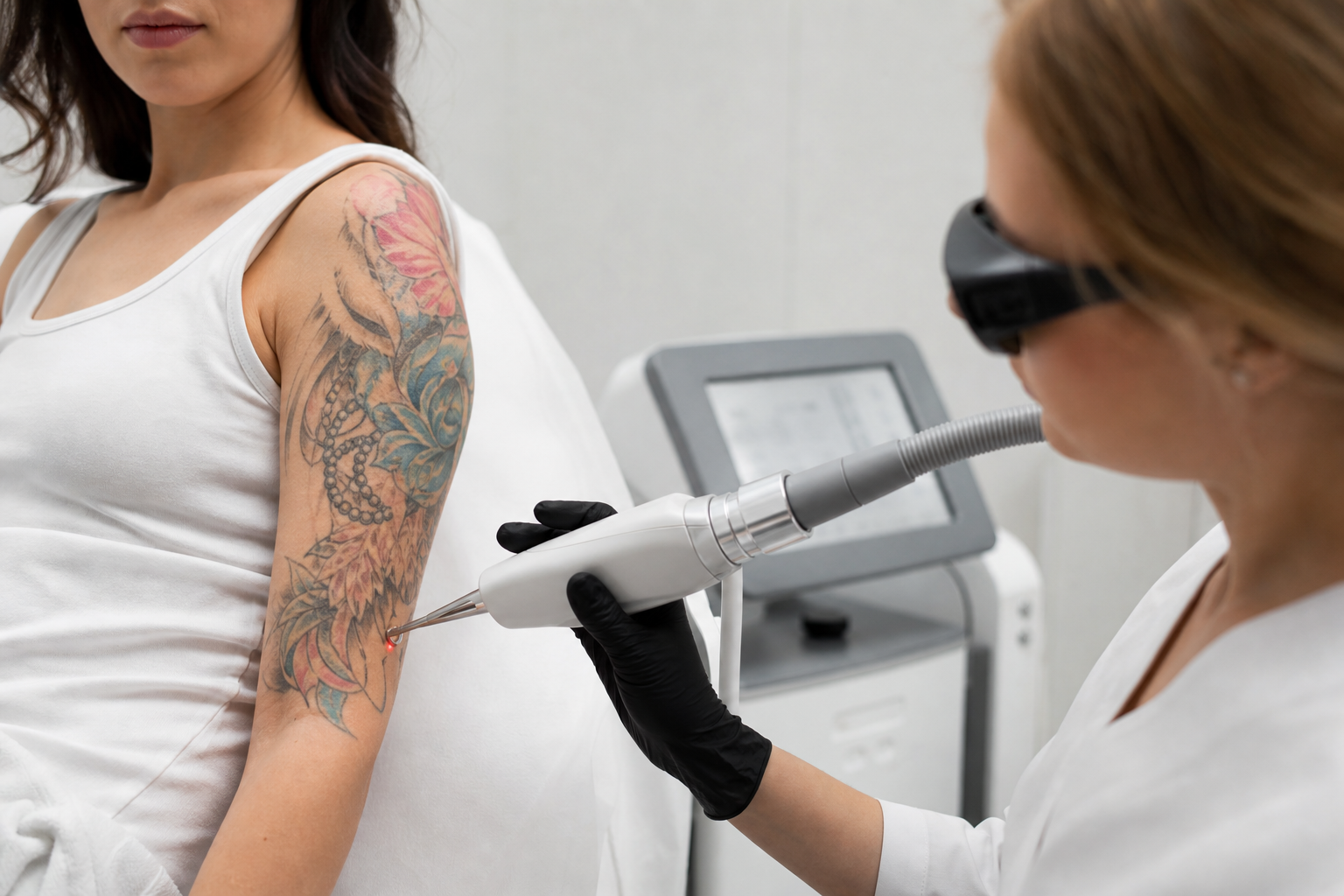
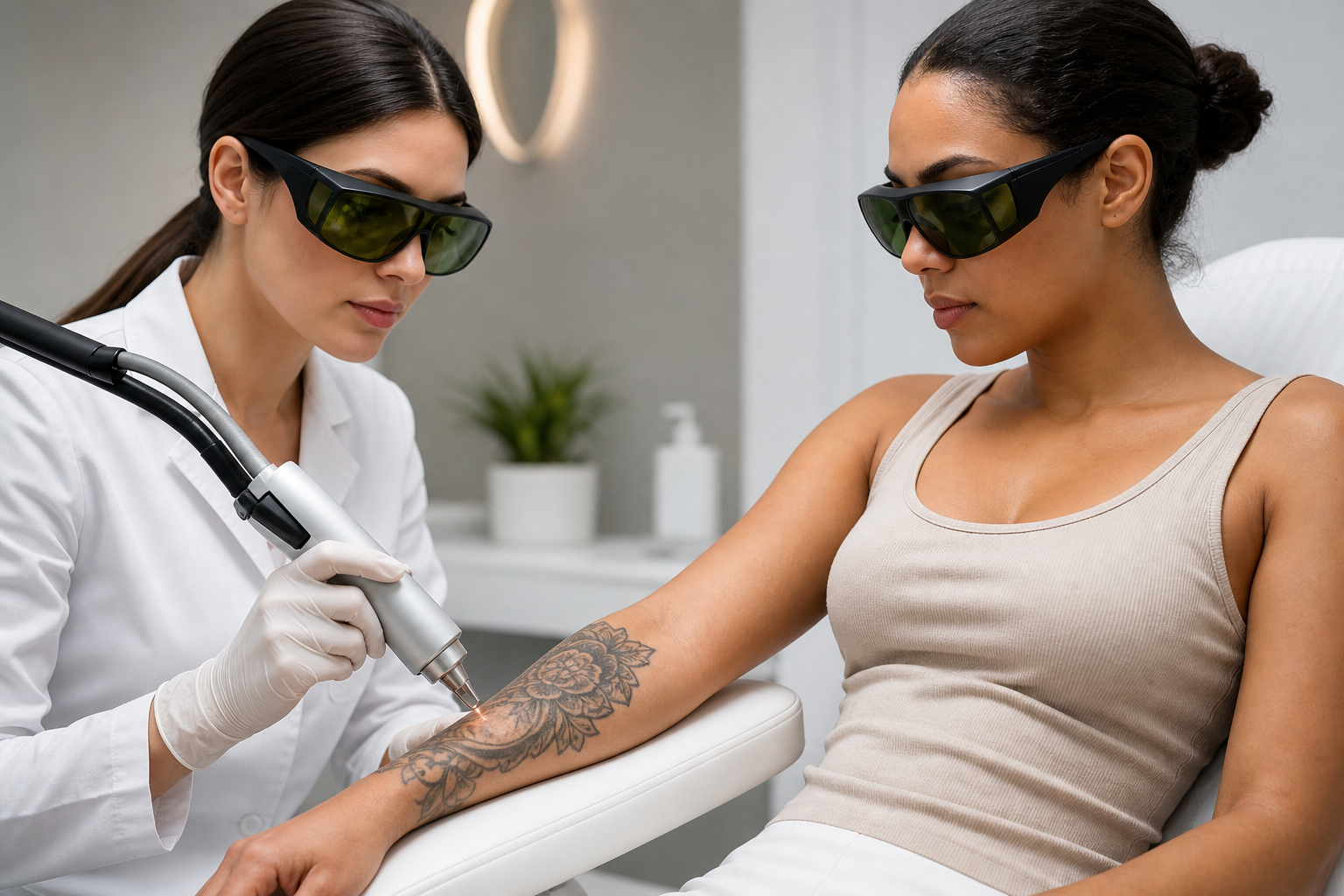
Topical agents, including hydroquinone, azelaic acid, retinoids, and corticosteroids, inhibit melanin production or expedite pigment clearance. Chemical peels contribute by removing pigmented keratinocytes and stimulating dermal remodeling. Laser treatments—such as fractional lasers, picosecond lasers, and intense pulsed light (IPL)—can target melanin-containing cells for degradation but require cautious application to avoid PIH.
Integrating these modalities with strict sun protection and, if needed, hormonal modulation, offers a comprehensive assault on pigmentary pathology. Recent advances advocate laser toning combined with topical agents as a promising approach, but the risk of recurrence persists, underscoring the necessity for maintenance therapies and regular follow-ups.
How Critical Is Photoprotection, and What Constitutes Effective Sun and Heat Defense in Melasma?
Photoprotection remains the single most critical adjunct in melasma management. Broad-spectrum sunscreens with SPF 30 or higher that shield against both UV-A and UV-B rays are foundational. However, given the role of visible light and infrared radiation, sunscreens formulated with iron oxides or other pigments to block visible light, and antioxidants to combat oxidative stress, increasingly gain prominence.
Mechanical barriers such as wide-brimmed hats and UV-protective eyewear complement topical measures by physically shielding sensitive areas. Advising patients to avoid peak sunlight hours between 10 a.m. and 4 p.m. further reduces cumulative exposure.
Heat avoidance strategies—such as minimizing exposure to hot environments or devices, cooling skincare routines, and gentle cleansing—help prevent inflammatory triggers aggravating melasma. Regular reapplication of sun protection, adaptation of skincare during seasonal and lifestyle changes, and patient adherence form the backbone of successful pigment control.
What Should Patients and Clinicians Expect During Melasma Treatment Concerning Hormone, Heat, and Sunlight Influences?
Treatment trajectories for melasma tend to be gradual, requiring patience and commitment. Improvements manifest as lightening of pigmented patches and normalization of skin tone rather than absolute clearance. Hormonal influences may necessitate parallel management by endocrinologists, especially if imbalances drive exacerbations.
Clinicians and patients must appreciate that while advanced laser interventions such as laser treatment for melasma can reduce pigmentation, they carry risks of complications if photoprotection or post-treatment care lapses. Procedures like laser toning for melasma or picosecond lasers and melasma show promise but are not cures and require integration with topical therapies and lifestyle modification.
Strict avoidance of sun and heat exposure facilitates sustained remission and decreases the frequency of flare-ups. It also enhances the outcomes of combined treatment protocols. Given the chronicity of melasma, ongoing dermatological supervision and patient education are paramount components of management.
Common Queries About the Impact of Hormones, Heat, and Sunlight on Melasma
Does hormone therapy always worsen melasma? Not necessarily. While hormone therapy—especially estrogen and progesterone—commonly aggravates melasma in predisposed individuals, responses vary. Close monitoring and individualized adjustments can mitigate risks.
Can heat alone cause melasma? Heat generally exacerbates existing melasma rather than initiating it. Its role is to potentiate melanocyte activity and inflammation, exacerbating pigment intensity.
Is the use of tanning beds or solariums advisable? No. Artificial UV radiation from tanning devices markedly worsens melasma and is contraindicated.
What is the best photoprotection for melasma? Sunscreens offering broad-spectrum UV protection combined with visible light and infrared defense, alongside mechanical barriers, provide optimal protection.
Can laser therapy permanently eliminate melasma? Laser treatment can improve pigmentation but does not guarantee permanent eradication; recurrences are common, necessitating ongoing management strategies.