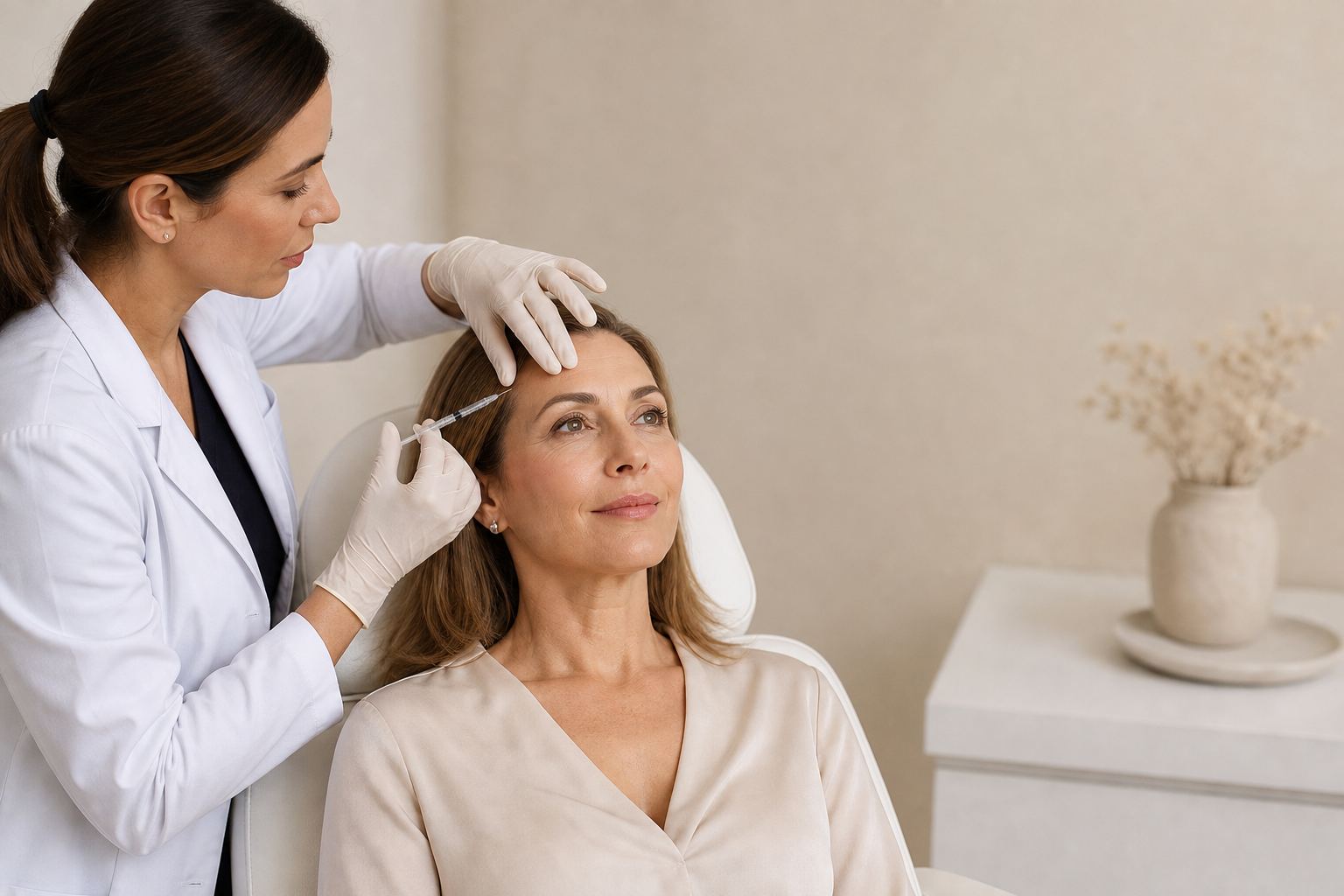
In the contemporary landscape of aesthetic medicine, Botox remains a cornerstone treatment, renowned for its ability to soften wrinkles and refresh the visage without surgical intervention. Yet, entwined with its widespread acceptance are persistent myths, chief among them the fear of ending up with a "frozen" face — a rigid, expressionless countenance devoid of natural movement. This misconception, often fueled by anecdotal accounts and misapplications, can deter individuals from pursuing a treatment that, when expertly administered, enhances youthful appearances while preserving the integrity of facial expressiveness.
This editorial explores the nuanced reality behind the question: does Botox always result in a "frozen" face? It aims to provide a precise, professional, and practical examination anchored in current medical understanding and clinical practice. By delving into the pharmacological mechanisms of Botox, realistic outcome expectations, inherent treatment limitations, safety considerations, and the critical role of skilled consultation, readers will gain a comprehensive perspective on how Botox can be used effectively and naturally.
Designed for both newcomers intrigued by aesthetic treatments and for individuals seeking to optimize previous Botox experiences, this guide dispels myths and equips readers with factual knowledge to make informed decisions. Understanding the science and artistry behind Botox is pivotal in achieving satisfying, natural-looking results and avoiding dissatisfaction.
The Mechanism of Botox and Its Influence on Facial Mimicry
Botox is an injectable preparation derived from botulinum toxin type A, a neurotoxin that acts at the neuromuscular junction. Its principal function in aesthetic medicine is to temporarily inhibit muscle contractions by blocking acetylcholine release, a neurotransmitter essential for muscle activation. This interference induces a controlled, localized muscular relaxation without causing permanent paralysis.
Facial wrinkles often develop from dynamic movements—repeated contractions of mimic muscles sculpt subtle lines over time. By selectively reducing the activity of these muscles, Botox smooths out wrinkles associated with expressions such as frowning, squinting, and forehead raising. Crucially, Botox does not erase wrinkles mechanically but diminishes their formation by preventing the muscle activity that deepens them.
Understanding the targeted and dose-dependent nature of Botox is vital. The treatment's goal is not to immobilize the entire face but to temper specific muscles responsible for prominent wrinkles. When performed by an experienced practitioner, Botox's precise administration ensures the face maintains its natural range of motion and emotional expressiveness.
Distinguishing Natural Facial Expression from the 'Frozen' Face Phenomenon
The pervasive myth that Botox inevitably creates a "frozen" face stems largely from cases of misapplication. Excessive dosing, diffuse injection, or improper placement can result in an over-relaxation of muscles that diminishes the ability to produce varied expressions. This hypercorrection leads to a stiff, unnatural appearance at odds with the patient's expectations.
However, in properly conducted treatments, this outcome is avoidable. The challenge lies in the practitioner's skill, anatomical knowledge, and ability to fine-tune doses according to individual musculature and aesthetic goals. Facial anatomy varies considerably between individuals, necessitating a customized approach to balance wrinkle reduction with preservation of expression.
Moreover, Botox products vary in concentration and formulation, allowing for tailored applications. Smaller doses delivered strategically can efficiently reduce wrinkles while keeping the rest of the facial musculature functional. Emphasizing harmony rather than complete muscular inactivity is the premise of modern Botox aesthetics.
Therefore, the "frozen" face is not an unavoidable Botox result but rather a sign of poor technique or inappropriate treatment planning. The public narrative often overlooks the sophistication involved in delivering nuanced, natural outcomes.
Realistic Expectations and the Boundaries of Botox Treatment
Clarity about what Botox can and cannot achieve is essential for patient satisfaction. Botox excels in treating dynamic wrinkles that form due to repeated muscle activity—commonly on the forehead, between the eyebrows (glabellar lines), and around the eyes (crow's feet). These wrinkles soften as muscle contractions become less pronounced.
Conversely, static wrinkles, which are apparent at rest and arise from skin laxity, volume loss, or deeper structural changes, typically require complementary therapies such as dermal fillers, laser resurfacing, or surgical intervention. Patients must be counseled that Botox is not a universal remedy for all aging concerns but a targeted tool within a broader aesthetic regimen.
The duration of Botox's effect—generally lasting three to six months—is another critical consideration. This temporary nature mandates maintenance treatments to sustain results, and patients should anticipate a series of injections over time for ongoing wrinkle management.
Additionally, Botox is contraindicated in particular populations, including those with neuromuscular disorders, pregnancy, lactation, or hypersensitivity to toxin components. Comprehensive pre-treatment evaluation and medical history review are mandatory steps to ascertain suitability and minimize risk.
Reversibility and Management of Unexpected Botox Outcomes
One advantage of Botox treatments is their reversibility over time. If results fall short of expectations or side effects arise, they do not represent permanent alterations. The paralytic effect gradually wanes as nerve endings regenerate, typically within several months, restoring normal muscle function.
Currently, no pharmaceutical antidote exists to instantly reverse Botox, making prevention and cautious dosing paramount. In some cases, therapeutic interventions such as massage or localized heat may aid in accelerating the metabolic breakdown of the toxin, but these methods do not guarantee rapid resolution.
Given this, patients should prioritize choosing experienced clinicians who employ conservative approaches and adjust treatments incrementally. This strategy minimizes the likelihood of undesired outcomes that would prove challenging to correct quickly.
The Crucial Role of Expert Consultation in Achieving Optimal Botox Results
Successful Botox treatment relies heavily on effective communication and collaboration between patient and qualified specialist. Initial consultation sessions serve to evaluate facial anatomy, discuss expectations, and tailor the treatment plan accordingly.
An expert practitioner conducts a detailed medical assessment, considers individual aesthetic preferences, and educates the patient about realistic outcomes and aftercare. This foundation enables the customization of injection sites, dosages, and techniques that align with the patient's goals while safeguarding natural expression.
Absence of such a thorough consultation increases the risk of errors that contribute to the "frozen" look or other dissatisfactory results. Expertise in facial musculature and neurotoxin pharmacodynamics is essential, underscoring the importance of seeking Botox treatments exclusively from licensed dermatologists or trained medical professionals.
Addressing Common Misconceptions and Separating Fact from Fiction about Botox
Among the myths surrounding Botox, several misconceptions fuel hesitancy and unrealistic expectations. For instance, the belief that Botox causes physical dependence is unfounded; repeated treatments do not create chemical addiction but are often maintained by patient preference for the improved appearance.
Confusion between Botox and dermal fillers is also widespread. While Botox relaxes muscles to diminish wrinkles, fillers restore volume and sculpt facial contours. These modalities serve complementary roles, not interchangeable ones.
Furthermore, the notion that a single treatment provides permanent results is inaccurate; Botox effects wear off, requiring ongoing maintenance. Understanding these distinctions fosters trust and better preparation for treatment journeys.
Achieving a Naturally Youthful Look with Botulinum Toxin: Scientific and Clinical Insights
Modern advancements in Botox application emphasize precision and moderation, centered on enhancing one’s natural beauty without compromising expressiveness. Clinical data confirms that minimal effective doses, coupled with accurate injection placement, preserve emotive capabilities while diminishing unwanted wrinkles.
Practitioners employ techniques such as micro-injections and selective muscle targeting that reduce overactivity without affecting adjacent muscle groups necessary for expression. Patients frequently report feeling rejuvenated and more confident post-treatment, underscoring the psychological benefits of subtle refinement.
Longitudinal studies reveal that repeated, well-managed Botox treatments may slow wrinkle progression by limiting muscle strain over time. This preventive approach to aging integrates scientific understanding with an artistic vision that values individuality and authenticity.
Guidelines for Initial Botox Treatment: Timing and What to Expect
Choosing the optimal timing for Botox can enhance outcomes, particularly for individuals noting early wrinkles associated with facial expressions. Early intervention can soften lines before they deepen into permanent folds, making later treatments less intensive.
Initial sessions typically adopt a conservative dosing philosophy to monitor the individual's response and allow for treatment customization in subsequent visits. Patients should be counseled to maintain reasonable expectations: Botox improves appearance by smoothing dynamic lines and offers a refreshed look rather than erasing every sign of aging.
Preparation and post-treatment protocols, such as avoiding strenuous activity immediately after injections or refraining from rubbing treated areas, contribute to safe and effective outcomes. Transparency and education during this phase are fundamental to foster patient satisfaction and avoid misconceptions.


