Melasma is a persistent and often frustrating skin condition characterized by irregular, darkened patches typically appearing on the face's highest visibility zones—cheeks, forehead, and upper lip. This pigmentation disorder primarily affects women and individuals with darker skin tones, reflecting a complex interplay of hormonal influences, genetic predispositions, sun exposure, and skin inflammation. For those struggling with melasma, the quest for effective and lasting therapies is both a clinical challenge and a personal priority, as it significantly impacts self-esteem and quality of life.
Among the evolving treatments for melasma, the advent of picosecond lasers has generated considerable interest in dermatology and cosmetic medicine. Picosecond lasers represent an advanced technology producing ultrashort pulses of light measured in trillionths of a second. This rapid delivery of energy targets pigmented cells with high precision, theoretically minimizing collateral tissue damage and enhancing safety profiles compared to older laser systems.
This editorial delves into the current scientific evidence regarding the use of picosecond lasers for melasma treatment. Its purpose is to provide a nuanced understanding of this emerging technology's role, emphasizing clinical outcomes, potential risks such as postinflammatory hyperpigmentation (PIH), and the essential importance of individualized assessment, combination therapies, and unwavering photoprotection. In exploring these dimensions, we aim to clarify what picosecond laser therapy realistically offers, who might benefit, and how it fits within the broader therapeutic landscape for melasma management.
What is a Picosecond Laser and How Does It Function in Melasma Treatment?
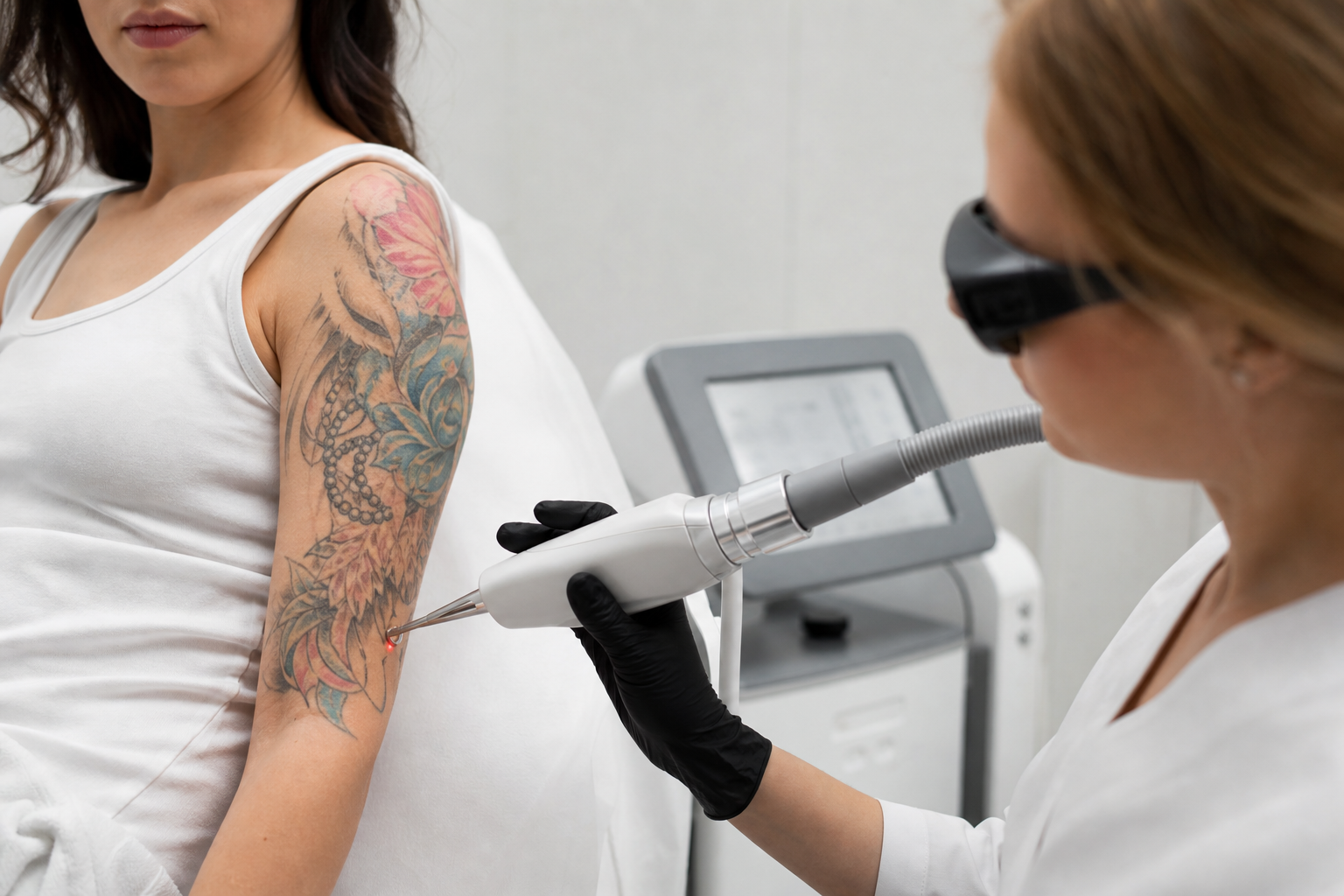
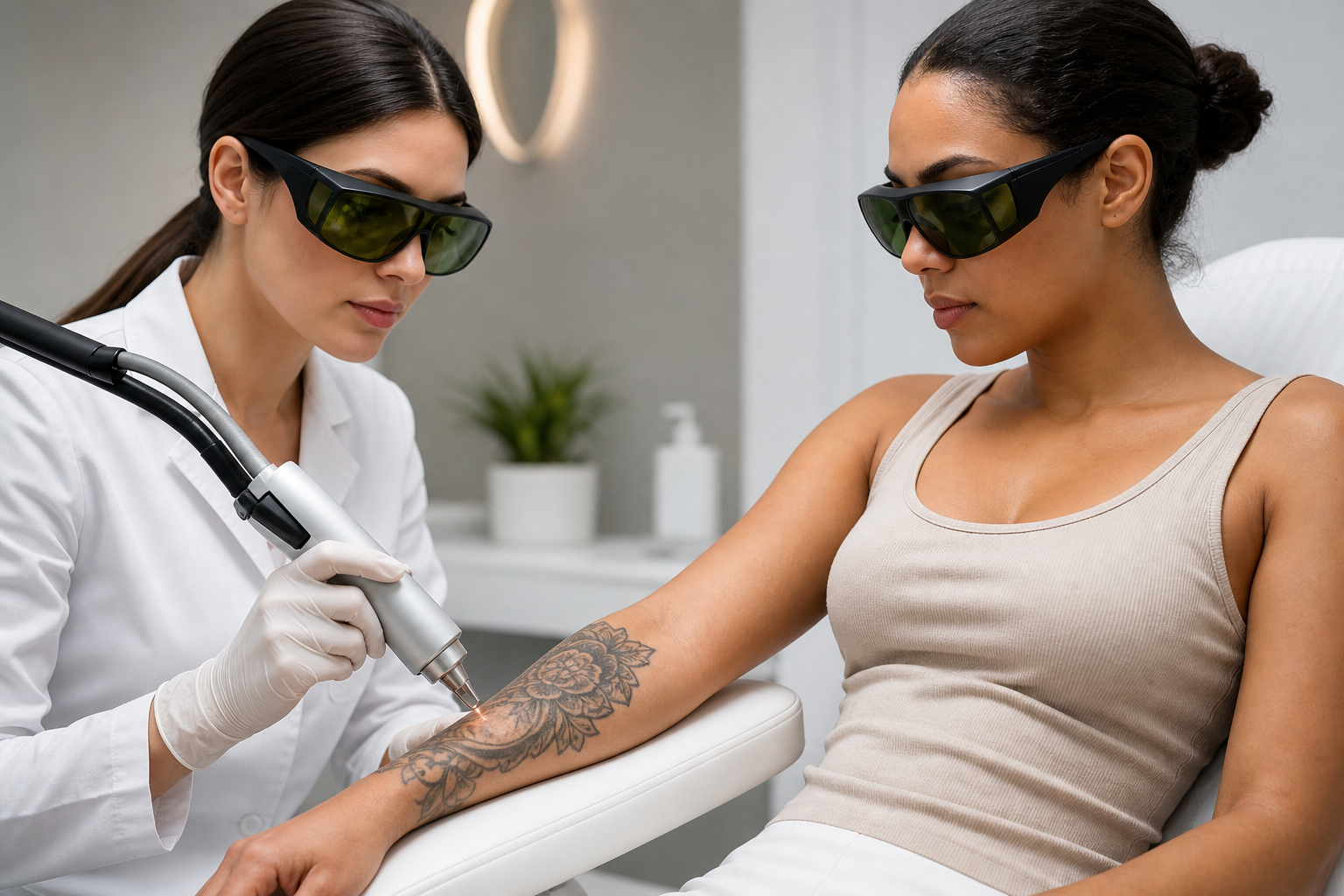
A picosecond laser emits laser pulses that last for only a few picoseconds, which is an extraordinarily brief duration measured as one trillionth of a second. This ultrafast pulse duration distinguishes it from other laser types, such as the nanosecond lasers, by delivering energy so rapidly that it disrupts pigment particles through a photoacoustic effect rather than by heat alone.
For melasma, this means the laser targets melanocytes and melanin granules scattered irregularly throughout the epidermis and dermis, breaking up these pigment clusters into microscopic fragments. The body's natural immune system can then clear these fragments more efficiently, contributing to a gradual lightening of the pigmented areas.
Unlike traditional lasers that primarily rely on photothermal mechanisms—where heat can induce inflammation and exacerbate pigmentation—the precision and speed of picosecond lasers reduce thermal injury. This technological advantage addresses one of the main challenges in melasma laser therapy: minimizing damage to surrounding skin tissue to prevent flare-ups or worsening pigmentation.
However, it is crucial to understand that melasma's pathogenesis involves not just static pigment deposition but dynamic processes including hormonal influence, vascular changes, and inflammatory pathways. Picosecond laser therapy therefore targets a component of melasma but does not address all underlying causes, reinforcing the need for comprehensive management strategies.
Who Are Ideal Candidates for Picosecond Laser Therapy in Melasma?
Identifying suitable patients for picosecond laser treatment involves careful clinical judgment and diagnostic precision. Candidates often include individuals with melasma manifestations resistant to conservative treatments such as topical depigmenting agents, chemical peels, and strict photoprotection protocols.
Particularly, patients with higher Fitzpatrick skin phototypes (III–V) may derive benefit due to the reduced thermal impact of picosecond lasers, although they also have an increased susceptibility to post-procedural PIH. Surface-level melasma, where pigmentation is confined mainly to the epidermis, tends to respond better to laser interventions, including picosecond pulses, than deeper dermal or mixed-type melasma.
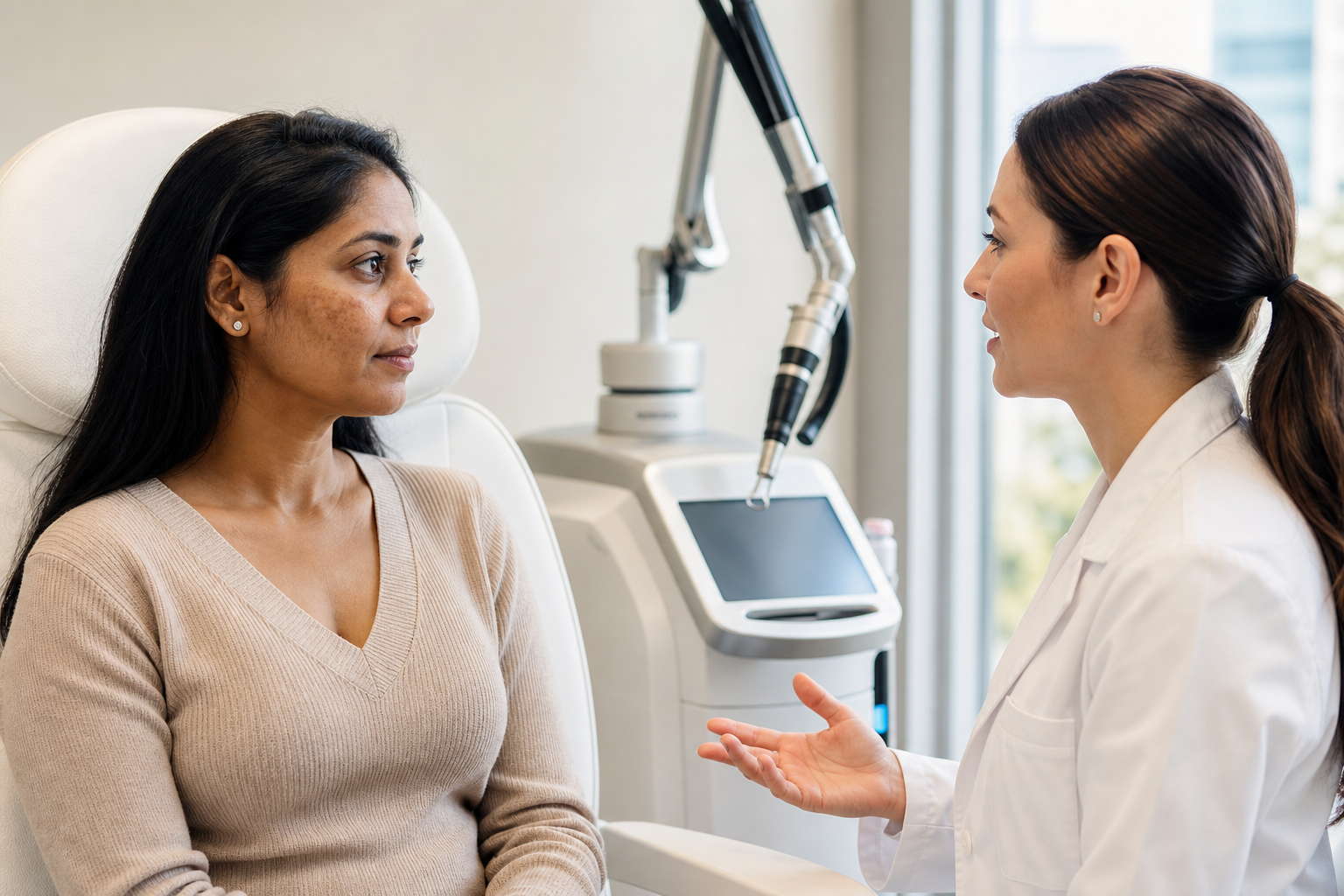
Thorough diagnostic tools such as dermoscopy and Wood’s lamp examination are indispensable in evaluating pigmentation depth and pattern. In some complex cases, histological assessment may assist in determining melasma’s extent and informing tailored treatment plans.
Importantly, a suitable candidate must be willing to adhere to strict post-treatment care regimens, including meticulous photoprotection and combination therapy, to optimize outcomes and mitigate risks.
Advantages of Picosecond Lasers Over Traditional Laser Modalities for Melasma
Picosecond lasers offer several theoretical and observed benefits compared to conventional nanosecond Q-switched lasers or ablative fractional lasers. Their ultrafast pulses provide high peak power that fragments pigment more effectively without inducing excessive heat diffusion to surrounding dermal and epidermal tissues.
This precision translates clinically to lower incidences of complications such as erythema, edema, and delayed pigmentation changes. The minimized thermal damage is especially advantageous for melasma patients vulnerable to PIH, which can paradoxically worsen the very condition one seeks to treat.
Furthermore, picosecond lasers can penetrate deeper layers of the skin, potentially addressing dermal pigment components that are more resistant to surface therapies. Some studies have reported shorter treatment durations and fewer sessions required to achieve perceptible pigment reduction, enhancing patient convenience and compliance.
The technology also facilitates the treatment of varied pigmentary disorders beyond melasma, allowing flexibility in clinical practice.
Limitations and Risks Associated with Picosecond Laser Treatment for Melasma
While promising, picosecond laser therapy for melasma is not without significant challenges and cautionary considerations. Melasma is notorious for its chronicity and propensity to recur despite treatment efforts, and laser therapy may inadvertently exacerbate pigment irregularities if improperly applied.
Postinflammatory hyperpigmentation remains a consistent risk, particularly in patients with darker skin tones. Over-treatment, excessive energy delivery, or insufficient interval between sessions can provoke inflammation leading to new or worsened hyperpigmentation.
Moreover, not all melasma responds uniformly to picosecond laser intervention. Deeper, dermal pigment reservoirs may be resistant, and rebound pigmentation following treatment cessation is frequently reported.
The relative novelty of picosecond laser use specifically for melasma means that long-term efficacy and safety data are still emerging, necessitating cautious integration into clinical protocols.
In addition, patient discomfort, cost, and access to specialized equipment and experienced practitioners can limit broad applicability.
Why Combined Treatment Approaches and Rigorous Photoprotection Are Essential with Picosecond Laser Therapy
Given melasma’s multifactorial origin—encompassing hormonal, UV-induced, and inflammatory components—single-modality treatment rarely yields sustained remission. Picosecond laser therapy serves as a powerful adjunct within a multimodal framework, which often includes topical agents such as hydroquinone, azelaic acid, and retinoids to inhibit melanogenesis and promote regular skin turnover.
Chemical peels and other modalities may further potentiate pigment clearance and skin rejuvenation, while systemic treatments can address underlying hormonal contributors in selected cases.
Strict photoprotection is paramount; unprotected sun exposure is the chief trigger for melasma exacerbation and recurrence. The use of broad-spectrum sunscreens covering UVB, UVA, and visible light spectra alongside physical barriers like hats and protective clothing is non-negotiable after laser therapy.
Patient education about the chronic nature of melasma and the necessity for lifelong preventative measures complement therapeutic interventions to maintain and enhance results.
Patient Experience During and After Picosecond Laser Sessions
Laser treatment sessions are typically brief, often lasting from a few minutes up to half an hour depending on the treated area. Patients may experience mild sensations akin to snapping or tingling as laser pulses are delivered. Post-treatment, transient skin redness and mild swelling are common, usually resolving within a few days.
Visible improvement in pigmentation typically unfolds progressively over several weeks, corresponding with the skin's natural process of breaking down and shedding treated pigment particles. Multiple treatment sessions, often spaced several weeks apart, are commonly necessary to achieve noticeable lightening.
Aftercare instructions emphasize gentle skin cleansing, hydration, and avoidance of irritants, with vigilant photoprotection being critical to prevent adverse pigmentary responses. Most patients can resume normal activities quickly, with minimal downtime reported.
When Might Picosecond Laser Therapy Not Be Advisable for Melasma Patients?
Picosecond laser treatment is not universally suitable for all melasma patients. Individuals exhibiting active inflammatory skin conditions, such as eczema or eczema-like dermatoses, may experience exacerbations triggered by laser therapy.
Pregnant or lactating women are generally advised to postpone laser treatments until postpartum due to limited safety data in these populations.
Patients with known hypersensitivity to laser or phototherapy, keloidal scarring, or unrealistic therapy expectations may also be poor candidates. Additionally, if diagnostic evaluation reveals deep dermal pigmentation beyond the reach of available laser wavelengths or significant genetic predisposition to pigment disorders, alternative treatments might be safer and more effective.
Reflecting on Current Evidence: What Does Research Say About Picosecond Lasers and Melasma?
Recent clinical studies and case series investigating picosecond laser therapy for melasma highlight a trend toward modest improvements with a favorable safety profile when deployed judiciously. However, sample sizes are often limited, and long-term follow-up data remain sparse.
Comparative analyses with other laser modalities show potential advantages but underscore the continuing necessity for combination treatment regimens and strict photoprotection protocols to sustain benefits.
Experts emphasize caution in interpreting results, with calls for randomized controlled trials that robustly evaluate efficacy, side effects, and relapse rates, especially across diverse skin phototypes and melasma subtypes.
The emerging consensus is that while picosecond lasers represent a valuable advancement in pigmentation management, they do not constitute a definitive or permanent cure for melasma. Their role is best conceptualized within an integrative treatment paradigm tailored to individual patient profiles.
Navigating Picosecond Laser Therapy Within the Complex Realm of Melasma Management
Picosecond lasers introduce a sophisticated technological option for targeting melasma's stubborn pigmentation through rapid, precise energy delivery that minimizes thermal damage. This modality offers particular promise for patients refractory to conventional treatments and those at higher risk for laser-induced pigmentary complications.
Nonetheless, the intricate and recurrent nature of melasma demands a comprehensive approach underpinned by thorough patient assessment, combination therapies, and uncompromising photoprotection. Medical prudence requires transparent communication about realistic outcomes, potential risks including PIH, and the absence of permanent cure guarantees.
For clinicians and patients alike, understanding the strengths and limitations of picosecond laser treatment is critical to making informed decisions. Ongoing research and accumulating clinical experience will further delineate its optimal application within the melasma therapeutic armamentarium, contributing to improved patient care and satisfaction.
Those considering picosecond laser therapy should pursue consultation with dermatologists who specialize in pigmentary disorders and laser technologies, ensuring individualized protocols crafted with caution, expertise, and attention to holistic skin health.