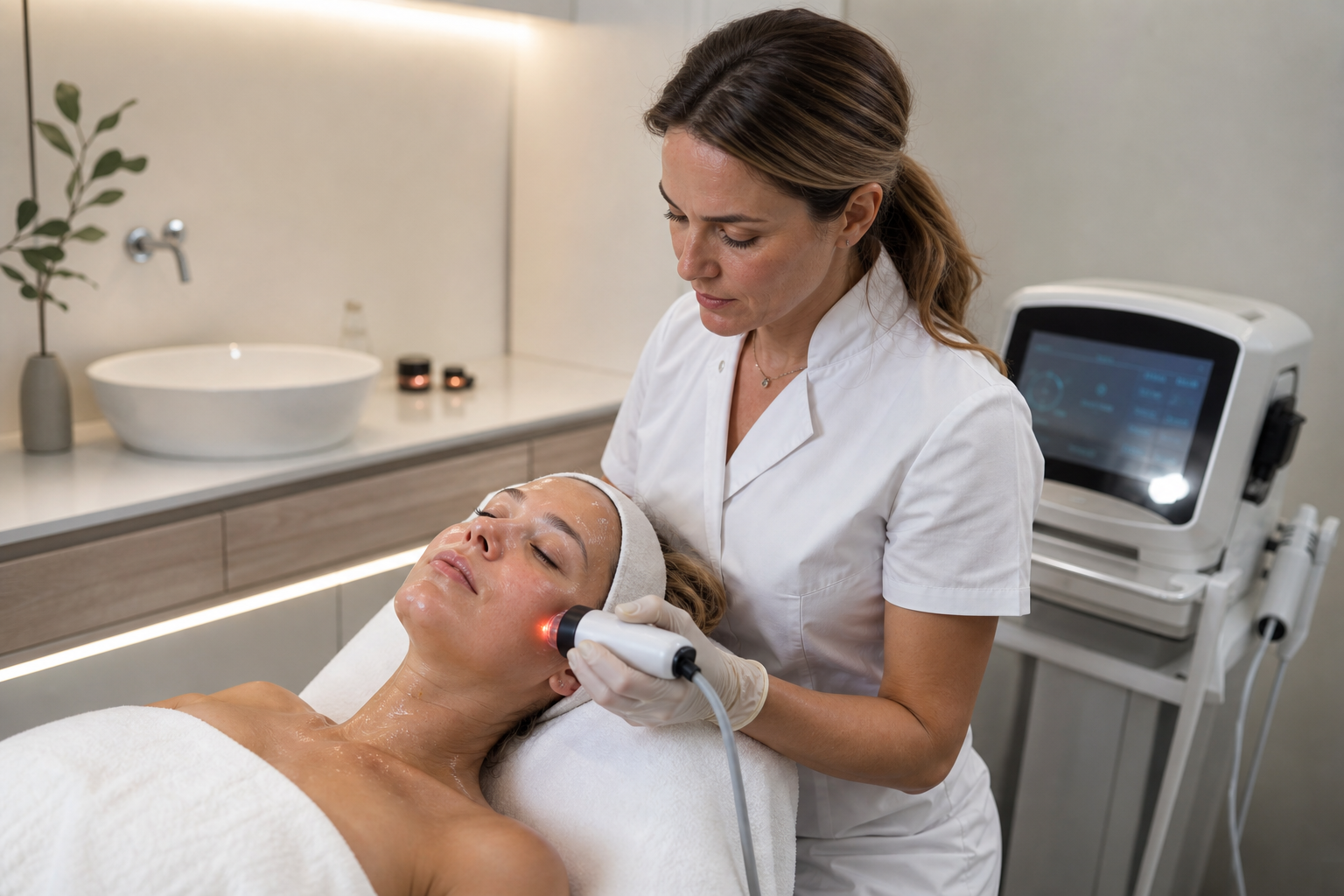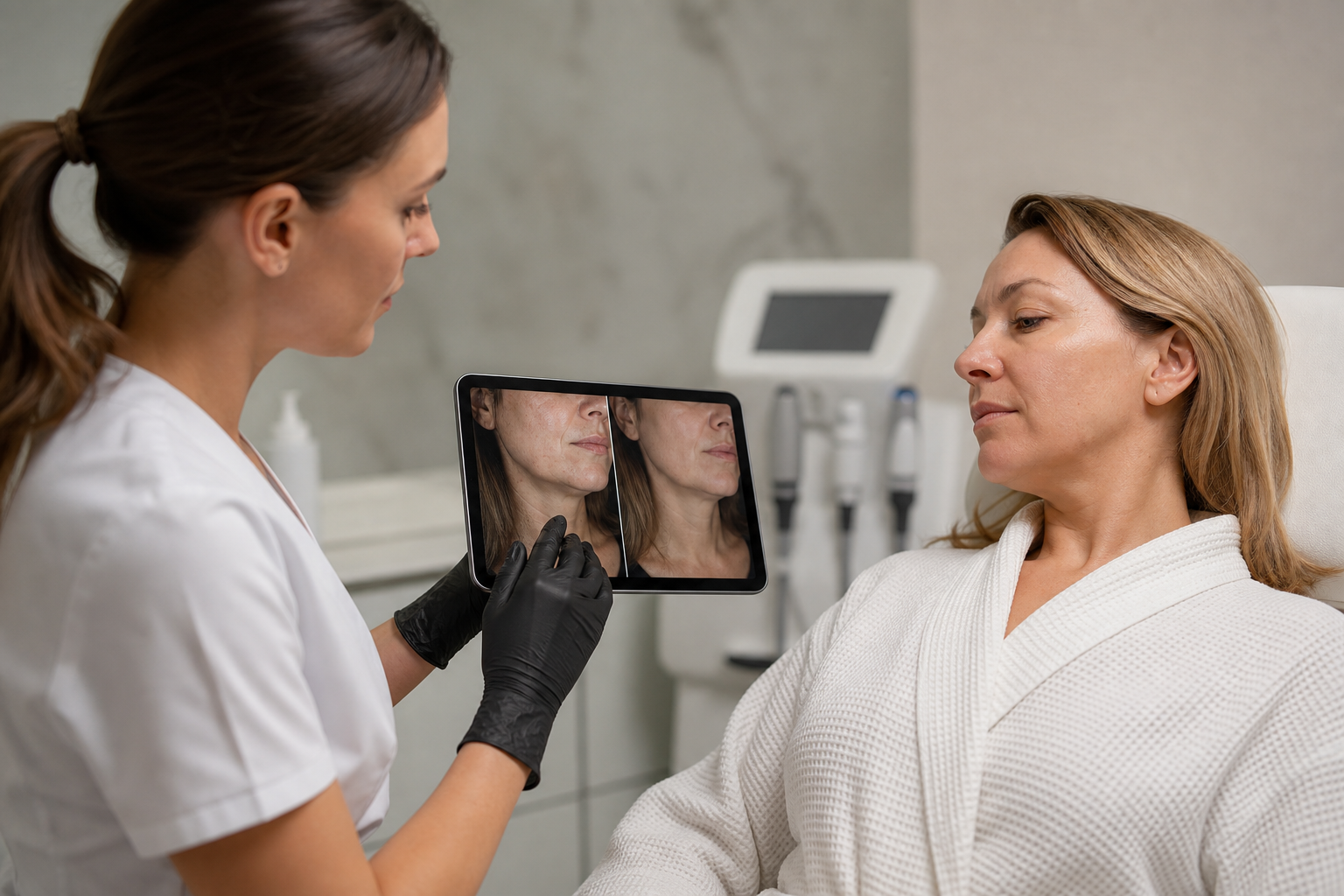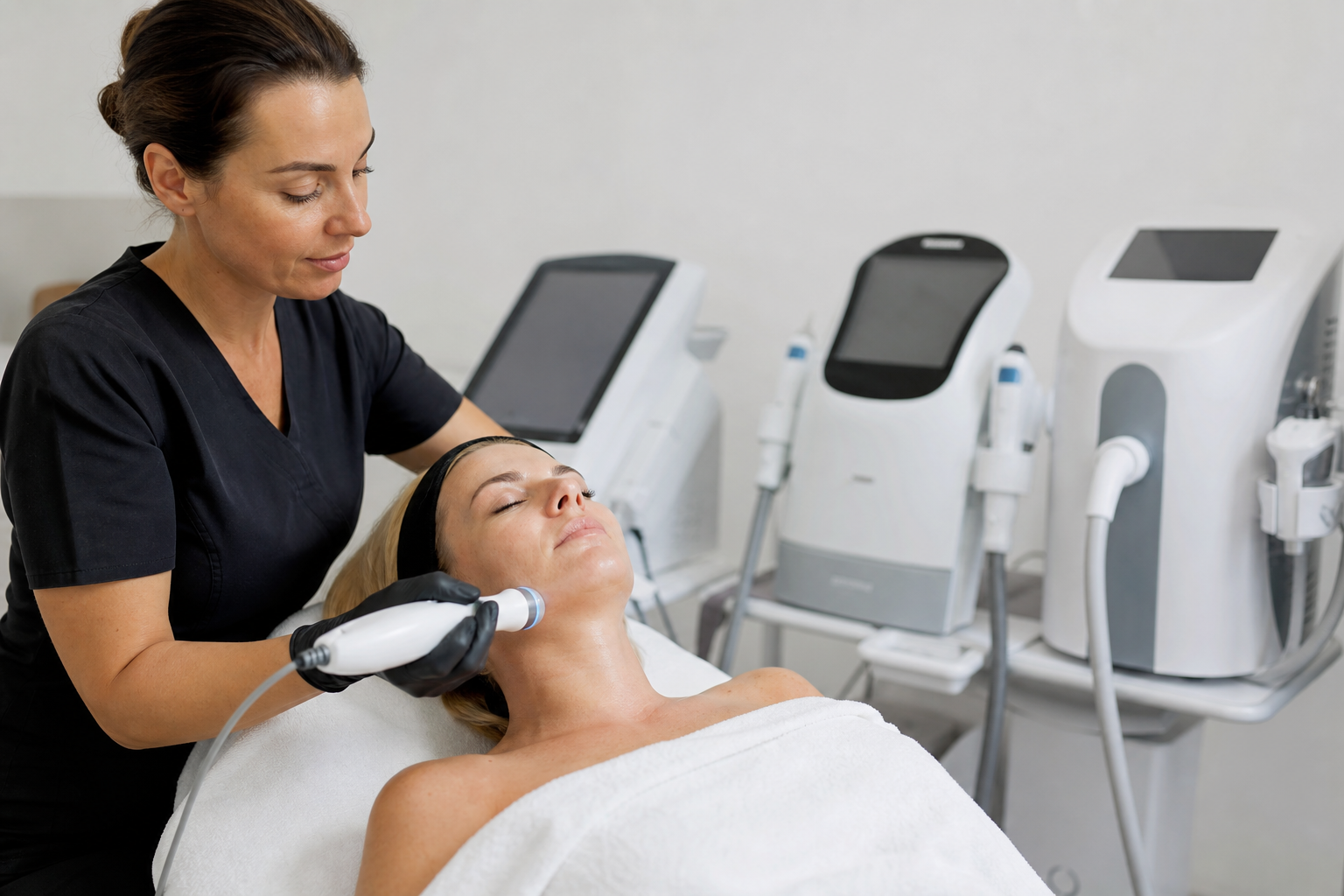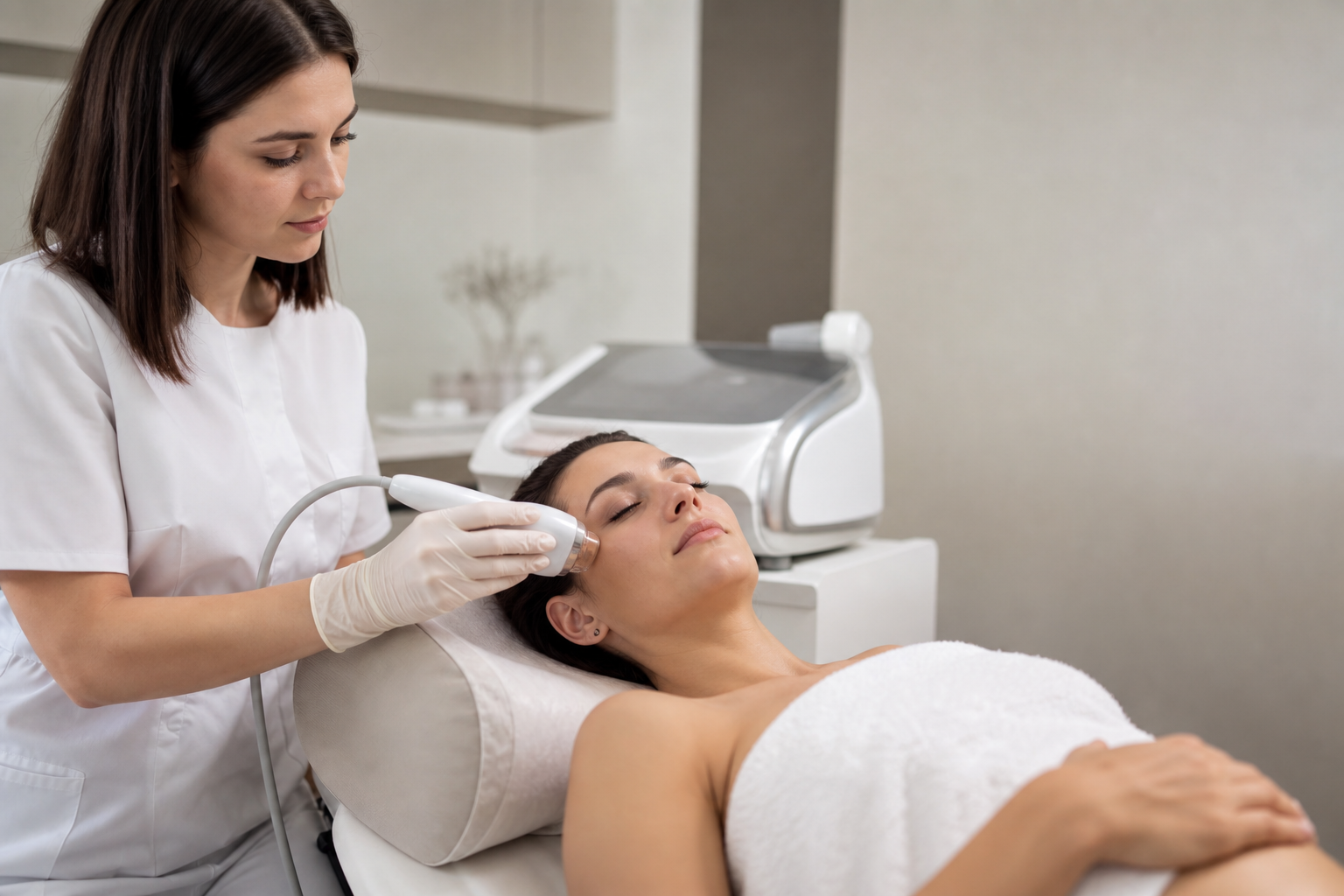
RF lifting, short for radiofrequency skin tightening, is a popular aesthetic procedure designed to rejuvenate and firm the skin by stimulating collagen and elastin production. It works through controlled radiofrequency energy to heat the deeper layers of the skin, prompting fibroblasts to boost the structural proteins that maintain skin's firmness and elasticity. The result tends to be smoother, tighter, and more youthful-looking skin without the need for invasive surgery or prolonged downtime.
For many individuals, RF lifting is an appealing option for combating age-related skin laxity, fine lines, and minor sagging, often used on the face and other body areas. However, when it comes to pregnancy and breastfeeding, the safety and application of RF lifting treatments require careful scrutiny. These life phases involve physiological changes and increased sensitivity, not only for the mother but for the developing fetus or nursing infant as well.
This article is intended primarily for expectant and nursing mothers who are exploring skin rejuvenation options, as well as healthcare and aesthetic professionals advising this group. We provide a clear, evidence-based overview addressing crucial questions: Can RF lifting be safely performed during pregnancy or breastfeeding? What variations of RF treatments exist, and how do they differ in terms of risk? What precautions should be observed, and when should these procedures be avoided? Understanding these aspects is essential for making informed decisions that balance aesthetic desires with maternal and child health.
What Exactly Is RF Lifting and How Does Radiofrequency Skin Tightening Work?
Radiofrequency (RF) lifting is a dermatological technique that utilizes high-frequency electromagnetic waves to generate heat in the skin's deeper layers. Unlike surgical facelifts or invasive interventions, RF skin tightening is minimally invasive or even completely noninvasive, depending on the device and approach used.
The RF energy penetrates the dermis, stimulating fibroblast cells to increase collagen and elastin synthesis. Collagen provides structural integrity, while elastin offers the skin elasticity needed to bounce back after stretching or contracting. Since collagen undergoes natural degradation with age, RF treatments aim to reverse or slow down this process, leading to firmer, more resilient skin.
RF lifting procedures are categorized mainly into three types:
Noninvasive RF Lifting: This involves the external application of radiofrequency without breaking the skin's surface. It is generally painless, requires no anesthesia, and carries minimal risk. Many patients use it for mild to moderate skin laxity improvement and fine wrinkle reduction.
Minimally Invasive RF Procedures: These combined therapies integrate radiofrequency energy with microneedling or subdermal probes that slightly penetrate the skin. This method allows for more targeted heating, stimulating deeper collagen remodeling, but may involve some downtime and discomfort.
Fractional RF with Microneedling: This hybrid approach delivers RF energy through tiny needles that puncture the skin, creating controlled micro-injuries to trigger a stronger healing and collagen response. This treatment is more intensive and carries higher potential for side effects.
Each of these techniques has unique considerations, especially during pregnancy and lactation, where systemic effects and tissue sensitivity differ compared to the general population.
Is RF Lifting Safe During Pregnancy and Breastfeeding?
The safety of undergoing RF lifting while pregnant or breastfeeding remains a matter of caution within the medical and aesthetic communities. Unlike many cosmetic treatments that are surface-level or topical, RF therapy involves electromagnetic energy and induced heat that might theoretically affect more than local skin cells.
Current clinical guidelines generally recommend avoiding elective aesthetic procedures during pregnancy unless medically necessary. The main reasons include:
Lack of Extensive Safety Data: There are insufficient studies specifically investigating RF lifting effects on pregnant women or nursing infants. Ethical constraints limit direct research in this population, so evidence is mostly anecdotal or extrapolated from basic science.
Potential Risks of Heat Exposure: Although RF devices are designed to focus energy locally, inadvertent systemic heating or changes in tissue could present theoretical risks to the developing fetus, particularly concerning the fetus's sensitivity to temperature fluctuations.
Physiological Skin Changes During Pregnancy: Pregnancy results in increased blood flow, hormonal shifts, and changes in skin sensitivity. These factors might impact treatment tolerance, risk of side effects, or healing responses.
Similarly, during breastfeeding, hormonal variations and breast tissue sensitivity require cautious consideration before applying RF energy near or on the breasts.
Many expert dermatologists and aesthetic practitioners advise against RF lifting until after pregnancy and the completion of breastfeeding. If treatment is desired postpartum, waiting until hormonal levels stabilize and skin conditions normalize is often recommended.
What Are the Potential Complications of Radiofrequency Treatments in Pregnant and Nursing Women?
Although serious adverse events linked directly to RF lifting during pregnancy or breastfeeding are rare in the literature, potential complications could include:
Thermal Injury or Burns: Incorrect application or excessive energy could cause localized skin burns or discomfort, which might impair skin integrity in a vulnerable patient.
Unintended Fetal Exposure: Despite focused energy delivery, the risk of heat affecting the fetus indirectly remains an area of theoretical concern; even slight temperature elevations could impact fetal development.
Hormonal Fluctuation Interference: Pregnancy hormones influence skin physiology; RF treatments may interact unpredictably with these changes, leading to undesired reactions like hyperpigmentation, scarring, or prolonged redness.
Increased Sensitivity and Risk of Infection: The skin’s barrier can be more fragile during pregnancy and the postpartum period, potentially increasing susceptibility to infection, especially if microneedling or minimally invasive RF methods are used.
Given these potential risks, conservative management and clinical prudence remain paramount. Practitioners should conduct thorough consultations to evaluate a patient's health status, pregnancy stage, and individual risk profile before recommending any RF-based procedures.
Who Should Avoid RF Skin Tightening During Pregnancy and Breastfeeding?
Beyond pregnancy and lactation themselves, there are additional circumstances where RF lifting is contraindicated or ill-advised:
Patients with Implanted Electronic Devices: Individuals who have pacemakers, defibrillators, or other implanted electronic medical devices should avoid RF treatments due to interference risks.
Women Exhibiting High-Risk Pregnancies: Conditions such as preeclampsia, gestational diabetes, or placental complications warrant postponement of elective cosmetic interventions to prioritize maternal-fetal health.
Individuals with Active Skin Infections or Disorders: Any inflamed, infected, or compromised skin surface is a contraindication as RF energy could exacerbate the condition.
Patients with Known Allergies or Sensitivities to Procedure Components: Sensitivity to topical agents or device components used in RF sessions must be taken into account.
Until more comprehensive safety studies are published, erring on the side of caution by avoiding RF skin tightening during these vulnerable periods is widely advocated among clinicians.
What Alternatives to RF Lifting Are Safe During Pregnancy and Breastfeeding?
For expectant and nursing mothers eager to support skin health without undertaking RF treatments, several noninvasive, low-risk alternatives exist:
Gentle skincare routines: Using safe, dermatologist-approved moisturizers, serums with hyaluronic acid, or mild antioxidants can help maintain skin hydration and resilience.
Facial massage and lymphatic drainage: Non-invasive massage techniques can improve circulation and skin tone without any energy-based intervention.
Healthy lifestyle habits: Adequate hydration, balanced nutrition rich in vitamins and antioxidants, and regular moderate exercise have profound benefits for skin quality.
Sun protection: Avoiding excessive sun exposure and using broad-spectrum sunscreens can prevent further skin photoaging and preserve collagen integrity.
Postpartum Treatment Planning: Consulting a qualified specialist postpartum to schedule RF lifting or other rejuvenating procedures when systemic conditions stabilize ensures maximal safety and efficacy.
How Do Experts Recommend Managing Skin Concerns During Pregnancy and Breastfeeding?
Specialists in dermatology and aesthetic medicine emphasize individualized care for pregnant and breastfeeding patients. Open communication regarding treatment goals, medical history, and expectations is crucial. Doctors often prioritize conservative, noninvasive modalities with established safety profiles during these stages.
When superficial skin rejuvenation is desired, chemical peels with specific formulations safe for pregnancy, or gentle hydrating facials may be suggested under professional guidance. Regular skin check-ups help monitor changes and identify any conditions requiring intervention.
Importantly, healthcare providers stress that a mother’s wellbeing is paramount and that cosmetic enhancement should never compromise fetal or newborn health. Decisions should be grounded in a risk-benefit dialogue tailored to the individual’s circumstances rather than generalized assumptions.
When Is It Appropriate to Resume RF Lifting After Pregnancy and Breastfeeding?
Most clinicians recommend waiting until after the breastfeeding period concludes to resume or initiate RF lifting treatments. This timing allows hormonal influences on skin to normalize and reduces risk factors related to liver and kidney clearance of topical agents potentially used alongside RF therapy.
Typically, scheduling RF skin tightening procedures several months postpartum—once menstrual cycles and systemic hormone levels stabilize—optimizes both safety and treatment outcomes. During postpartum consultations, aesthetic specialists often assess skin laxity, texture, and elasticity to customize protocols aligning with the patient’s recovery status and aesthetic goals.
Before restarting RF treatments, it is equally important to consider any ongoing health conditions postpartum and ensure that no contraindications exist related to medication or breastfeeding status.