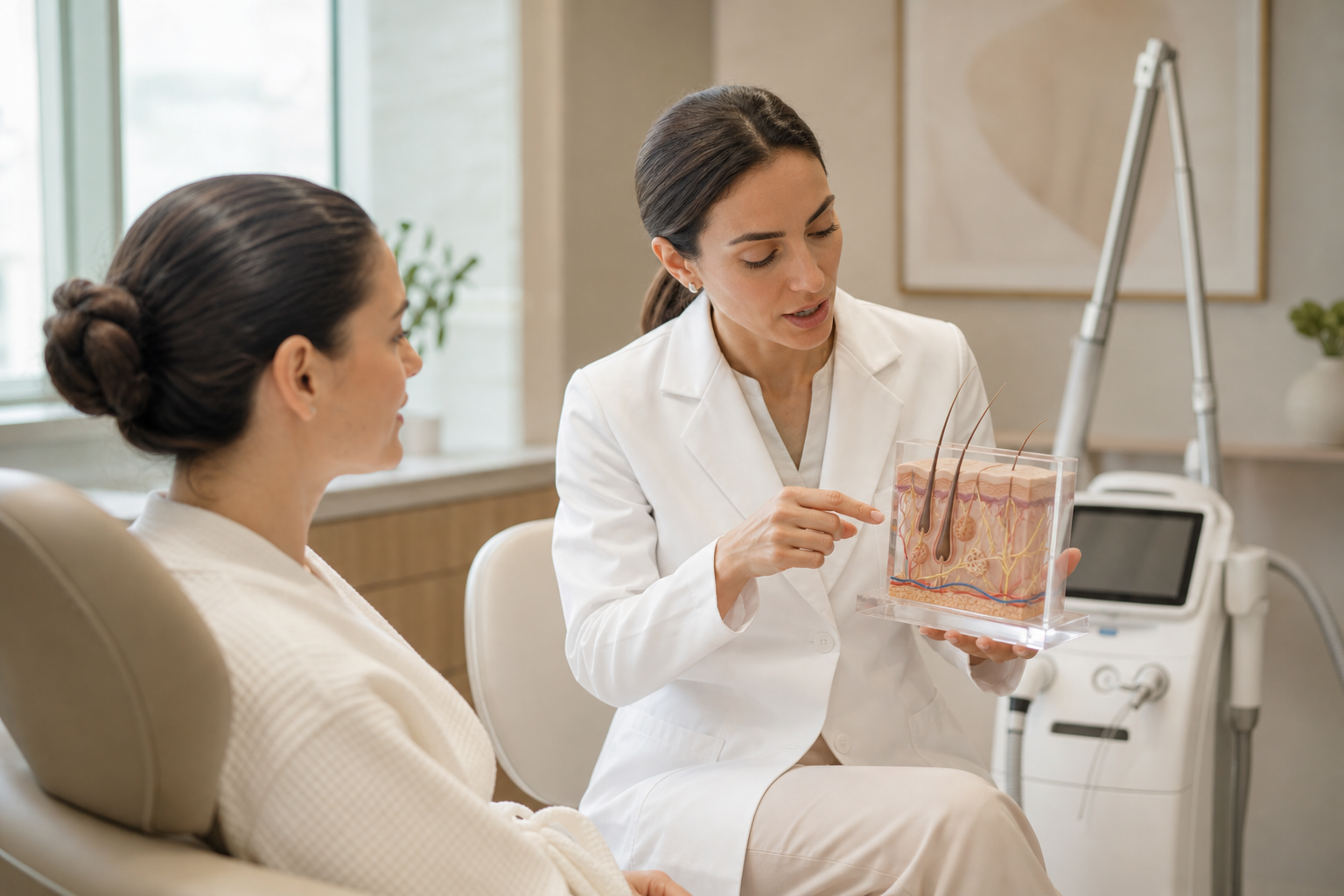
In contemporary cosmetic and medical treatments, laser technologies occupy a pivotal place, offering a broad spectrum of procedures each tailored for specific purposes and regulatory statuses. Terms such as "medical laser" and "cosmetic device" are often used interchangeably in everyday conversation. However, understanding the fundamental differences between these two categories is essential for anyone considering a laser treatment. This understanding aids in making informed decisions, avoiding inadequate procedures, and setting realistic expectations about achievable outcomes.
This article addresses those planning to undergo laser-based skin treatments, guiding them on how to differentiate between medical lasers and cosmetic devices, establishing candidacy, comprehending procedural limitations, recovery expectations, and inherent risks. The distinction is not merely technical but carries deep implications for treatment safety, regulatory compliance, efficacy, and long-term results.
Understanding the difference between a medical laser and a cosmetic device matters immensely for ensuring patient safety and treatment appropriateness. Whether you approach laser skin rejuvenation, pigmentation correction, laser hair removal, or other dermatological interventions, discerning the device category, regulatory status, and clinical oversight involved is crucial to the procedure’s success and your wellbeing.
Defining Medical Lasers versus Cosmetic Devices in Skin Treatments
Medical lasers are sophisticated devices developed and certified explicitly for medical applications. Their use is strictly controlled, often restricted to licensed medical professionals such as dermatologists or plastic and aesthetic surgeons. These lasers undergo rigorous technical specifications evaluation, clinical trials, and regulatory approvals that verify their safety and efficacy for interventions involving deeper tissue penetration or high-intensity radiation control.
In contrast, cosmetic devices include lasers and similar technologies designed primarily for surface-level aesthetic procedures with lower invasiveness. These devices often operate at lower energy levels or specific wavelengths intended for enhancing overall skin appearance rather than addressing medical conditions. They are frequently used in non-medical settings such as beauty salons or spas, provided the devices have appropriate approval for such applications.
The key differentiators lie in the regulatory requirements, intended use, and clinical oversight. Medical lasers demand extensive performance testing, mandatory documentation regarding safety and outcomes, and strict adherence to professionally developed protocols that typically require physician supervision. Cosmetic devices have a more lenient regulatory framework, given their limited scope and reduced intensity.
Who Should Opt for Medical Lasers and Who for Cosmetic Devices?
Medical lasers are primarily suitable for individuals presenting specific dermatological or aesthetic issues necessitating detailed medical evaluation and targeted intervention. Common cases include patients with active acne, deep scarring, challenging pigmentations, vascular lesions such as telangiectasia, or age-related skin changes requiring precision treatment beyond superficial surface care.
Determining candidacy involves careful assessment by qualified medical practitioners who design individualized treatment plans leveraging the advanced capabilities of medical lasers. These treatments often require pre-procedure screening, risk assessment, and post-procedure follow-up to ensure safety and effectiveness.
On the other hand, cosmetic devices match the needs of clients seeking minor cosmetic improvements or maintenance treatments without underlying medical indications. These individuals typically desire quick, minimally disruptive procedures such as gentle hair removal, basic skin brightening, or mild textural enhancement and can benefit from faster recovery and less stringent procedural requirements.
Understanding your skin condition, treatment goals, and overall health status is essential to selecting the appropriate category. Medical consultation remains advisable even when considering cosmetic devices to ascertain that no deeper issues are overlooked.
Key Criteria for Choosing Between a Medical Laser and a Cosmetic Device
Choosing the right treatment modality is a decision best informed by transparent communication, verified credentials, and thorough understanding of your needs. When contemplating medical lasers, it is imperative to verify that the clinic or treatment center holds requisite certifications reflecting compliance with local and international medical device regulations. Equally important is confirmation that a qualified physician will oversee or perform the procedure.
Medical laser treatments necessitate comprehensive consultations that aim to clarify the mechanism, expected outcomes, possible risks, contraindications, and realistic timelines for recovery. Such dialogues help manage expectations and ensure patient engagement in decisions affecting their health and appearance.
Conversely, selecting cosmetic devices involves weighing the trade-offs between convenience and result depth. These devices generally incur fewer contraindications and minimal downtime but offer limited corrective power compared to medical lasers. Clients should critically assess whether their aesthetic concerns warrant superficial maintenance or deeper therapeutic intervention.
Beware of vague promises or non-specific claims often associated with cosmetic devices and ensure you receive clear, evidence-based information that addresses how the device functions and what you can realistically expect.
Regulatory Landscape for Medical Lasers and Cosmetic Devices in Serbia
In Serbia, as with many jurisdictions, medical lasers fall under strict legal regulations mandating registration, certification, and controlled usage. Authorization is granted by health authorities only after rigorous evaluation, and usage is limited to medical professionals or conducted under their direct supervision. These regulations aim to safeguard patient welfare, promote clinical efficacy, and minimize adverse events.
Cosmetic devices undergo comparatively less stringent regulatory oversight, classified within non-invasive cosmetic equipment. Their use is permitted in beauty establishments by trained professionals possessing appropriate education or certification, provided the devices themselves have valid registration for such applications. Nevertheless, clients should ensure device authenticity and institutional adherence to standards.
Understanding the regulatory environment underscores the importance of selecting clinics and providers operating transparently within legal and professional frameworks. Proper documentation and adherence to regulatory norms are critical indicators of quality and safety.
Potential Risks and Limitations of Medical Lasers and Cosmetic Devices
Medical lasers, due to their potent mechanisms, carry inherent risks if employed improperly. Potential side effects include burns, pigmentation alterations (hyperpigmentation or hypopigmentation), temporary swelling, erythema, or, in rare cases, scarring. Careful patient selection, contraindication screening (including skin type and pre-existing conditions), and procedural precision mitigate such risks significantly.
Conversely, cosmetic devices—while less aggressive—are not devoid of risk. Improper application can induce skin irritation, redness, allergic reactions, or suboptimal aesthetic outcomes. Their effectiveness is intrinsically limited to surface-level improvements, meaning they may inadequately address deeper or more complex skin issues, potentially prompting clients to seek further medical-grade interventions subsequently.
Awareness of these limitations and potential adverse effects emphasizes the necessity of consulting qualified practitioners and focusing on medically substantiated treatments tailored to individual needs.
What to Expect During Recovery from Laser and Cosmetic Treatments
Recovery dynamics vary substantially between medical laser procedures and cosmetic device applications. Medical lasers often necessitate days to weeks of gradual healing, with expected redness, mild swelling, crusting, or peeling depending on treatment intensity. Post-procedural care instructions such as strict sun avoidance, application of soothing agents, and avoidance of irritants are critical for optimal outcomes.
Cosmetic device treatments typically offer minimal to no downtime, making them appealing for clients with busy schedules desiring rapid returns to daily activities. However, the minimal recovery correlates with limited efficacy, particularly for conditions requiring profound tissue remodeling.
Understanding these post-treatment expectations helps patients plan accordingly, balancing desired results with lifestyle considerations and personal preferences.
Selecting a Trustworthy Clinic and Expert for Laser Procedures
Choosing the right clinic and healthcare provider is paramount for safe and effective laser treatments. Beyond the brand or model of the device, the expertise of the practitioner performing the treatment profoundly influences the procedure’s quality and results. Medical qualifications, years of experience, and a track record of successful interventions are invaluable credentials.
Seek clinics that offer clear, comprehensive information about the treatment options, device certifications, risk disclosures, and post-treatment support. Personal consultations provide an opportunity to gauge professionalism, clarify doubts, and collaboratively design a treatment plan aligned with your skin concerns and expectations.
Ultimately, the integration of validated technology and skilled application forms the backbone of successful laser therapy. High standards in clinical governance and patient communication underpin trust and satisfaction in this specialized field.


