Radiofrequency treatments, commonly referred to as RF lifting, have revolutionized non-invasive skin rejuvenation, offering a sought-after alternative to surgical facelifts. By employing radiofrequency energy to stimulate collagen and elastin production, these treatments promise firmer, smoother, and more youthful skin, with minimal downtime. Their popularity has surged among individuals seeking to combat the visible signs of aging—such as sagging skin, fine lines, and decreased elasticity—without undergoing invasive procedures.
However, while RF treatments are generally perceived as safe and effective, they are not devoid of risks. Understanding the potential complications associated with various RF treatment modalities is crucial for anyone considering this procedure. This knowledge empowers patients to make informed decisions and ensures that practitioners employ protocols that prioritize safety and optimal outcomes.
This article explores the spectrum of radiofrequency treatment techniques, the specific risks linked with each, and the critical factors influencing safety. Special attention is given to the distinctions among non-invasive RF, fractional RF without needles, and RF microneedling, particularly in light of recent regulatory alerts highlighting serious complications in some applications. For individuals drawn to RF treatments for aesthetic enhancement, medical professionals offering these services, and all who value patient safety, an informed understanding of these aspects is essential.
What Are Radiofrequency Treatments and Who Are They For?
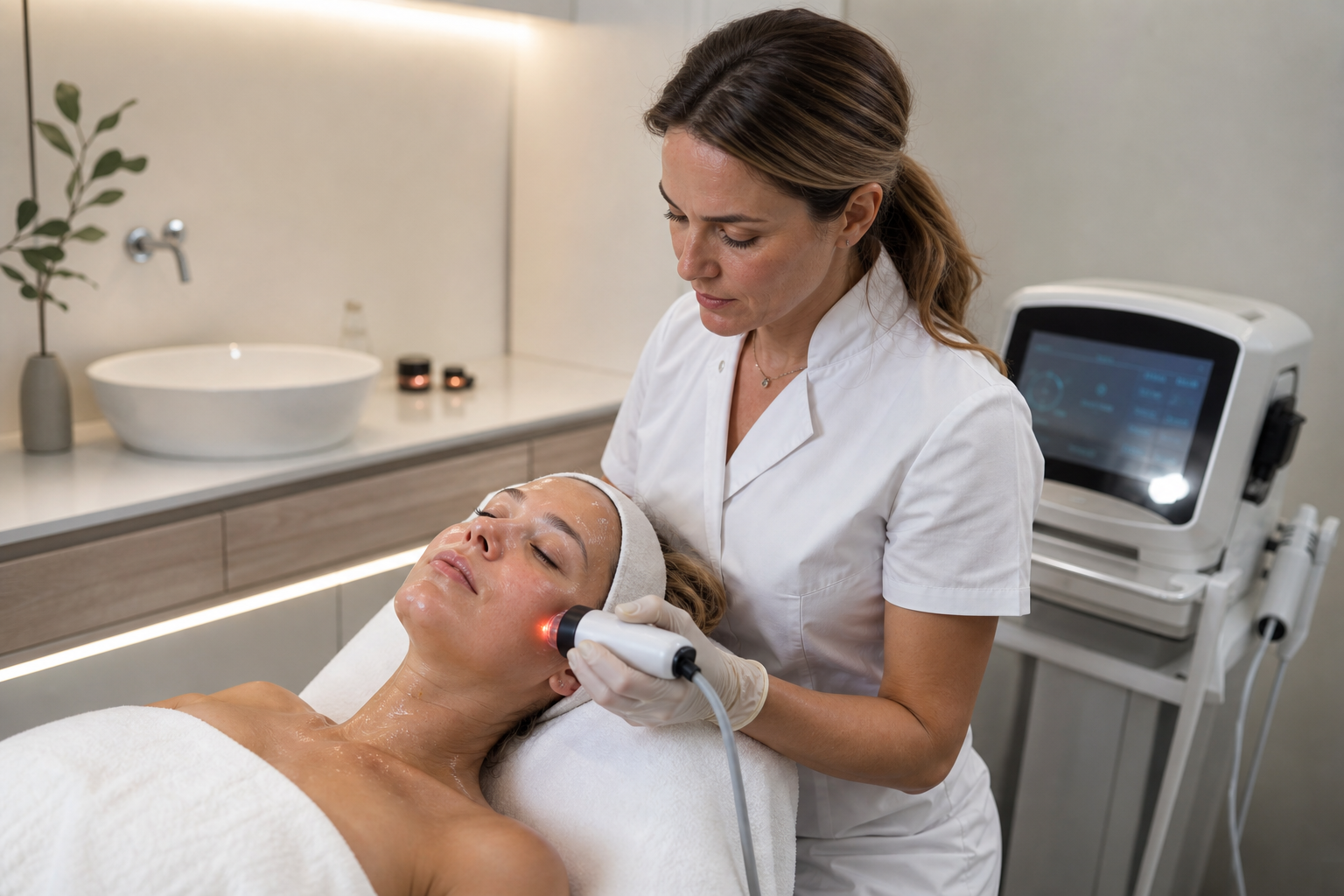
Radiofrequency (RF) treatments utilize controlled electromagnetic waves of medium frequency to gently heat the deeper layers of the skin—primarily the dermis—without damaging the surface. This thermal stimulation activates fibroblasts, which are cells responsible for producing collagen and elastin, the proteins that maintain skin’s strength, elasticity, and youthful appearance.
Typically, these treatments are targeted at individuals experiencing mild to moderate skin laxity, fine wrinkles, or early signs of aging, who seek non-surgical improvements. Ideal candidates are those who desire noticeable skin tightening with minimal discomfort and no significant recovery period, making RF procedures attractive to busy adults unwilling or unable to undergo invasive surgery.
RF treatments can be performed on various parts of the body, including the face, neck, décolletage, and abdomen, addressing loose skin and improving texture. Their versatility and safety profile have expanded their use beyond cosmetic enhancement to certain medical dermatology applications as well.
Understanding Different Modalities of RF Treatments
While the term "RF treatment" broadly describes procedures using radiofrequency energy, there are distinct methodologies with varying mechanisms, depths of action, and safety considerations.
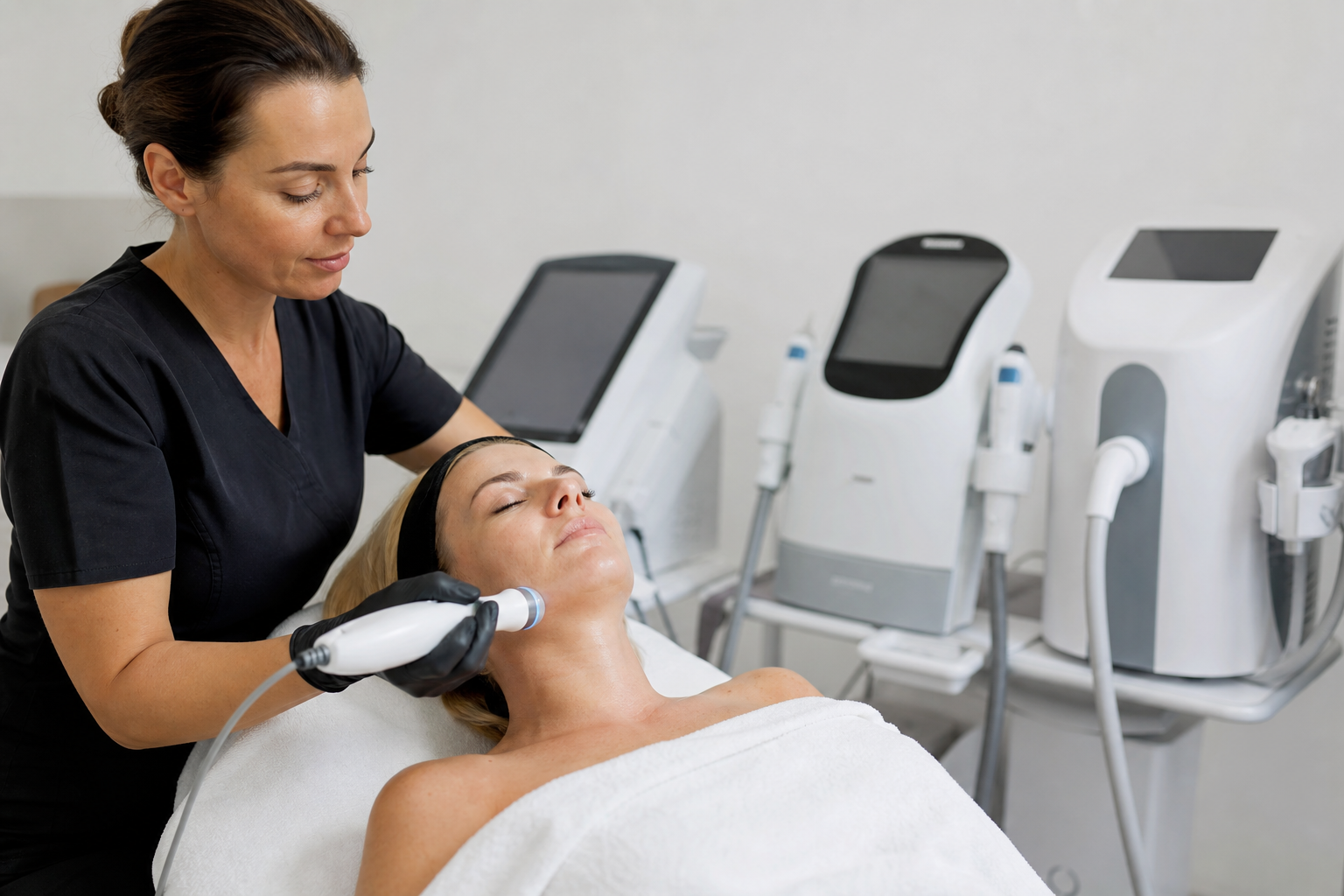
Non-Invasive RF: This approach involves applying RF energy externally through carefully designed handpieces that heat the skin without penetrating it. It’s the mildest form, typically used for superficial skin tightening and texture improvement. The energy warms the dermal layers to stimulate collagen remodeling, with minimal discomfort and almost no downtime.
Fractional RF Without Needles: This technique harnesses fractional radiofrequency energy delivered via devices that create microthermal zones of stimulation through small, controlled surface disruptions without using needles. By targeting specific columns of skin tissue, it induces a stronger regenerative response than non-invasive RF, with slightly increased risk of redness or temporary irritation.
RF Microneedling: A minimally invasive procedure involving the insertion of fine needles into the skin to transmit RF energy deep into the dermis. This dual action combines the mechanical microinjury of microneedling with the thermal effect of RF energy, promoting robust collagen induction and remodeling. It is often chosen for more pronounced skin laxity, scarring, or textural concerns but carries higher risks due to skin barrier disruption.
What Are the Potential Complications of RF Treatments?
Radiofrequency treatments are generally safe, especially when performed by qualified professionals adhering to established protocols. Nevertheless, complications, though uncommon, can occur and range from mild, transient effects to more serious adverse outcomes.
Non-invasive RF complications: These are typically limited to mild erythema (redness), transient swelling, and occasional discomfort during or immediately after treatment. These effects usually resolve within hours or days without intervention.
Fractional RF without needles complications: Slightly more intense inflammatory responses might manifest, such as increased redness, swelling, mild irritation, or pruritus (itching). These are generally self-limiting but should be monitored to avoid secondary infections.
RF Microneedling complications: Due to the minimally invasive nature, this modality carries elevated risks of side effects, including prolonged redness, edema, pinpoint bleeding, hyperpigmentation, scarring, and, rarely, infection. More severe complications reported include thermal burns resulting from improper energy settings or technique, and nerve injury, potentially causing altered sensation or even facial deformities in extreme cases.
It is essential to recognize that serious complications like burns or nerve damage are rare when protocols are followed, but can be catastrophic if safety standards are neglected. Injuries might require significant medical attention and prolong healing, thereby underlining the necessity of cautious patient selection and procedural execution.
Insights into the FDA Safety Warning for RF Microneedling
In October 2025, the U.S. Food and Drug Administration (FDA) issued a significant safety warning concerning RF microneedling devices after receiving reports of serious adverse events, including burns, scarring, fat loss, and nerve damage. This alert serves as a pertinent reminder highlighting the invasive aspect and inherent risks associated with RF microneedling.
The FDA underscored that RF microneedling is a medical procedure requiring appropriately trained practitioners and informed patient consent. The guidance clarified that non-invasive RF treatments were not implicated in these adverse reports and continue to have a favorable safety profile.
This regulatory development reinforces the critical necessity for distinguishing among RF treatment types, and avoiding equating all RF therapies as equally safe or equally risky. Compliance with professional standards, including thorough training and device maintenance, is paramount to safeguarding patient health during RF microneedling.
Who Should Avoid RF Skin Tightening Procedures?
While many people are suitable candidates for RF treatments, certain groups should refrain from undergoing these procedures due to elevated risks.
Individuals with metallic implants, pacemakers, or other electronic medical devices implanted near the treatment site are generally advised against RF treatments. Radiofrequency energy can theoretically interfere with such devices, potentially causing malfunctions or unintended tissue heating.
Other contraindications include active skin infections, open wounds, systemic autoimmune diseases, and pregnancy. Patients with poor wound healing capacity or those prone to keloid formation may also face heightened risks of scarring post-treatment.
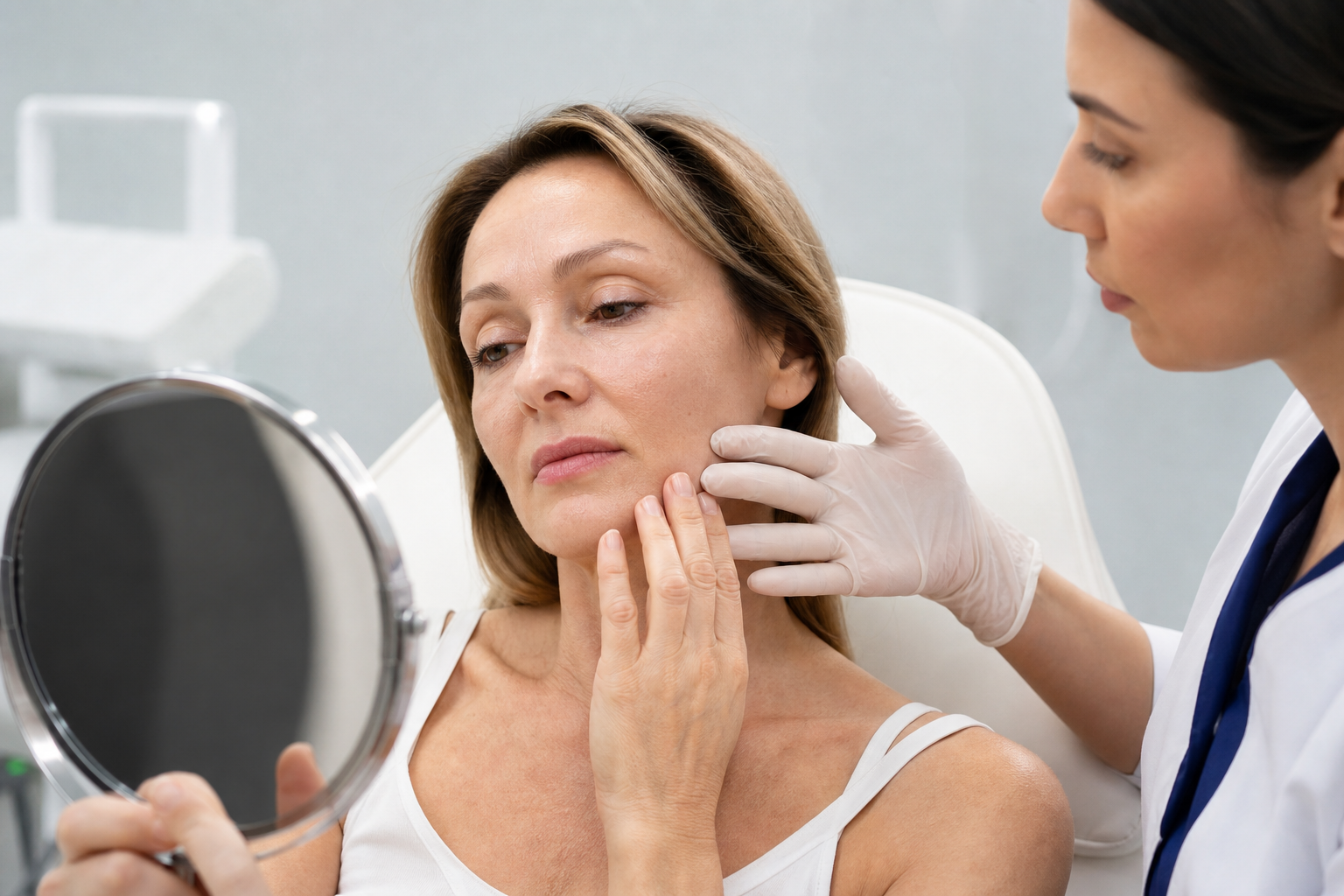
A comprehensive medical assessment and candid disclosure of medical history are indispensable to identifying contraindications and ensuring patient safety.
How to Identify and Manage Complications Post RF Treatments
Early recognition of adverse reactions following RF procedures is key to avoiding long-lasting sequelae. Patients should monitor for symptoms such as persistent or worsening redness, swelling beyond expected duration, pain disproportionate to typical post-treatment discomfort, blistering, crusts, or signs of infection like pus and fever.
If any of these symptoms occur, immediate consultation with the treating clinician or a dermatologist is imperative. Treatment may involve topical or systemic medications, wound care, or referral to specialists for management of more severe complications.
Preventive strategies include adherence to post-treatment care instructions, avoiding sun exposure, abstaining from skincare products that may irritate the skin, and promptly reporting unusual symptoms.
The Importance of Expert Evaluation and Licensed Practitioners
Safe and effective radiofrequency treatment demands the expertise of licensed, trained professionals who understand the nuances of different RF modalities and patient variability. Proper device selection, parameter adjustments, and strict adherence to treatment protocols significantly reduce the likelihood of complications.
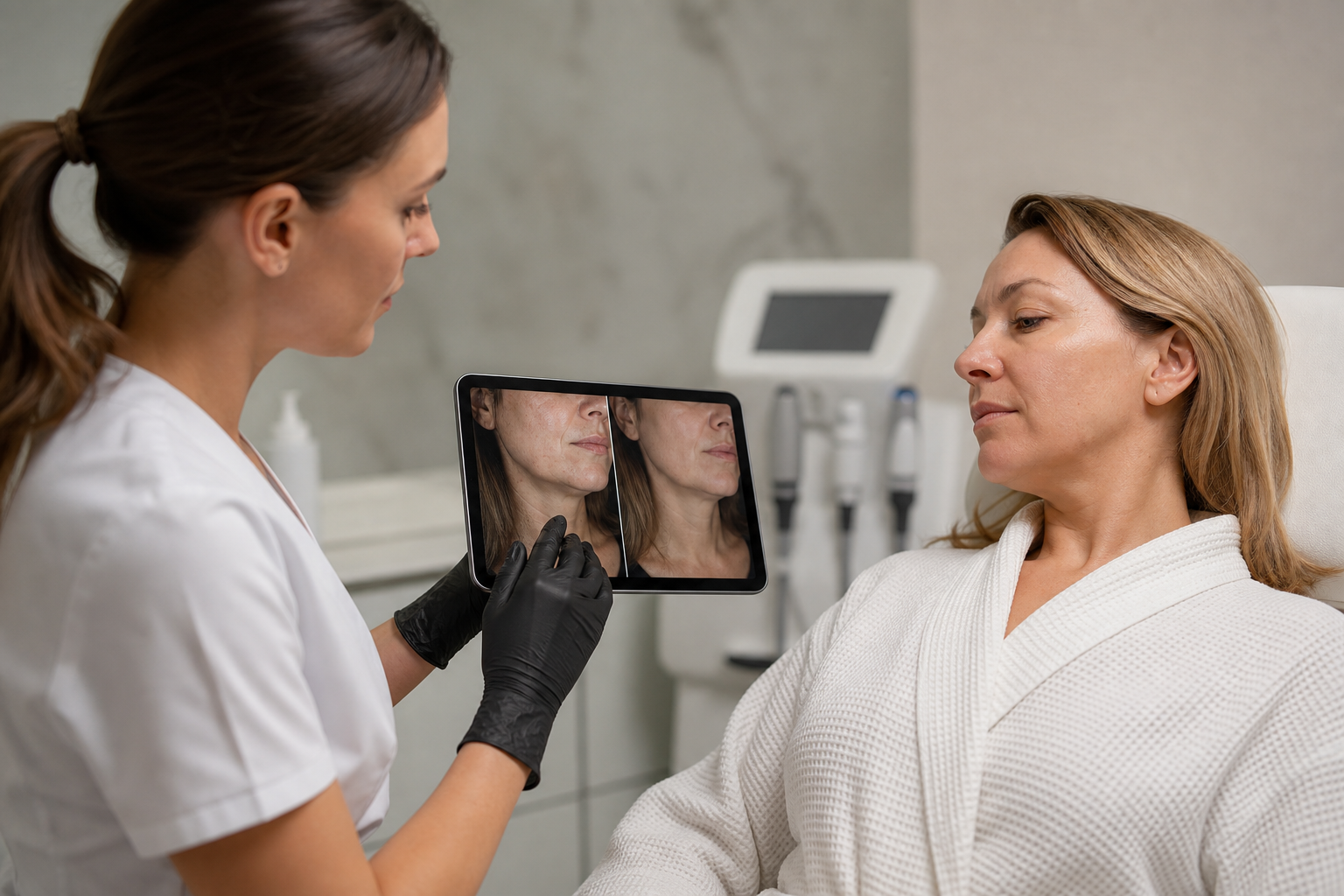
Moreover, practitioners must conduct thorough pre-treatment assessments, including evaluating skin type, medical history, and individual risk factors. Informed consent detailing potential risks and expected outcomes is a vital component of ethical practice.
Patients are encouraged to seek providers who can demonstrate their credentials, provide clear explanations, and maintain open channels for follow-up care.
What to Expect During and After a Radiofrequency Treatment Session
Most RF treatments are completed within 30 to 60 minutes, often described as feeling like a warm massage or slight tingling on the skin. Comfort levels vary depending on the procedure intensity and device used.
Post-treatment, mild redness or swelling may be evident, typically resolving within hours to a day. Recovery from non-invasive or fractional RF procedures usually allows patients to resume regular activities promptly, whereas RF microneedling may necessitate a few days of cautious skin care.
Multiple sessions spaced several weeks apart are often recommended to achieve optimal results, as collagen remodeling is a gradual process. Patients should maintain realistic expectations and understand that outcomes improve progressively.