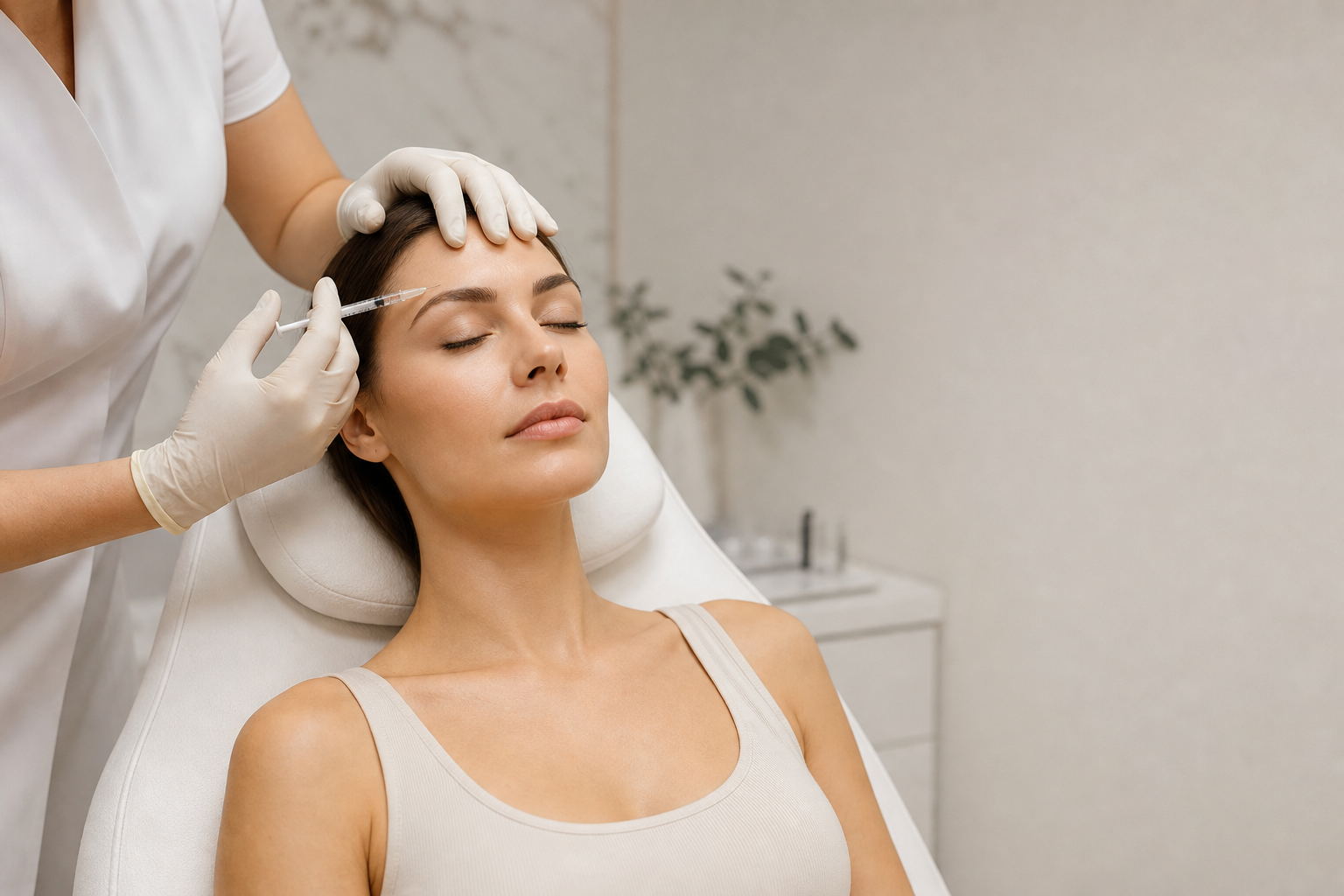
The subtle art of enhancing facial features without extensive intervention has become a cornerstone of modern aesthetic treatments. Among these, the Botox brow lift stands out as a nuanced procedure designed to refresh and rejuvenate the eye and brow area. Unlike more invasive surgical lifts, this treatment offers a non-surgical approach aimed at gently elevating the eyebrows, resulting in a naturally youthful and more alert appearance. Understanding the mechanism, effects, and appropriate expectations of a Botox brow lift is essential for anyone considering this procedure.
Targeted primarily at individuals beginning to notice early signs of aging around the eyes and forehead — such as mild drooping of the eyebrows or subtle lines — Botox brow lifts serve as a gentle intervention to combat the effects of time. Furthermore, those seeking to soften facial expressions or correct minor asymmetries find this treatment appealing. It offers a refined option that combines efficacy with subtlety, enhancing one’s appearance without compromising natural facial movements.
In this comprehensive editorial, we delve into how the Botox brow lift works, clarifying its temporary, yet transformative, nature. We explore practical aspects including realistic outcomes, treatment limitations, safety considerations, and the crucial role of specialist consultation. By thoroughly understanding these elements, prospective patients can make informed decisions that align with their aesthetic goals.
The Mechanism Behind the Botox Brow Lift
Botox, derived from botulinum toxin, functions by blocking nerve signals to targeted facial muscles, temporarily relaxing them. This relaxation reduces muscle contractions that create wrinkles and can contribute to a heavy or lowered brow appearance. When judiciously injected into specific muscles around the eyebrows and forehead, this neurotoxin subtly alters muscle activity to permit a gentle lift.
The procedure focuses primarily on muscles such as the corrugator supercilii and procerus—responsible for furrowing between the eyebrows—as well as the lateral orbicularis oculi muscles that influence the outer brow position. By weakening the downward-pulling muscles, the relatively unopposed muscles raise the brow slightly, opening the eye area and imparting an alert, refreshed look.
Critical to success is the precision of injection sites and dosages. Administering excessive Botox can result in unwanted effects like drooping eyelids, noticeable facial stiffness, or an unnatural expression. Insufficient dosing, however, might lead to negligible improvement, leaving patients underwhelmed. Thus, practitioners must balance efficacy and subtlety expertly to tailor results to each individual's facial anatomy and muscle dynamics.
Defining Realistic Expectations and Recognizing Limitations
While the Botox brow lift offers meaningful enhancements, it is important to comprehend its scope and inherent limitations. The treatment is not a substitute for surgical brow lifts or procedures addressing significant skin laxity and volume loss. Instead, it provides a minor elevation and softening of the brow and forehead area, best suited to patients with mild to moderate aging signs.
The subtle effect manifests as a slight yet noticeable raise of the eyebrow arch, an opening of the eye contour, and a reduction in frown lines between the brows. This preserves natural facial expression without freezing muscle activity. For those expecting dramatic lifting or complete wrinkle eradication, the nuances of Botox’s capability must be made clear beforehand to prevent dissatisfaction.
Moreover, Botox alone is less effective at correcting skin drooping due to gravity or significant tissue sagging often seen with advanced skin aging. In such cases, combining Botox with complementary treatments—such as dermal fillers to restore lost volume or surgical options—may achieve desired aesthetic goals more effectively. Patients with notable asymmetry can sometimes see improvements, but profound irregularities typically require alternative or adjunct interventions.
Prioritizing Safety and the Importance of Expert Consultation
Botox treatments around the eye and brow region are generally safe when performed by qualified professionals. However, the delicate anatomy of this area demands meticulous technique and comprehensive anatomical knowledge to minimize risks. Potential side effects include bruising, swelling, asymmetry, eyelid droop (ptosis), or headaches. Though rare, allergic reactions can occur.
A detailed consultation with a licensed and experienced specialist is essential to assess skin condition, muscle function, aesthetic goals, and contraindications. Medical history evaluation ensures the patient is a suitable candidate, taking into account conditions such as pregnancy, neuromuscular disorders, or local skin infections that may preclude treatment.
The consultation also involves setting realistic expectations, discussing the transient nature of Botox effects, and tailoring the treatment plan accordingly. Clear communication and individualized care are vital to achieving both safety and satisfactory results.
Understanding the Longevity of Results and Maintenance Strategies
The effects of a Botox brow lift are temporary, generally lasting between three and six months depending on individual metabolism, dosage, and injection accuracy. After this period, muscle activity gradually returns, and the brow slowly regains its original position along with any accompanying wrinkles.
To maintain the desired subtle lift, follow-up treatments are typically recommended at regular intervals. Consistency in maintenance sessions can even slow the progression of dynamic wrinkle formation over time. However, it's important to avoid over-treatment to reduce the risk of muscle atrophy or unnatural appearance.
Complementary skincare, including sun protection, hydration, and non-invasive rejuvenation procedures such as laser therapy or microneedling, can enhance and prolong results. Leading a healthy lifestyle with adequate sleep, proper nutrition, and avoiding smoking further supports skin elasticity and overall appearance.
Practical Guidance for Preparing and Recovering from Botox Brow Lifts
Preparation for a Botox brow lift involves avoiding anti-inflammatory medications, certain supplements, and alcohol for several days before treatment to minimize bruising risk. Patients should also disclose all medications and conditions to their practitioner and refrain from any vitamin E or herbal supplements that may thin the blood.
The injection process is quick and minimally uncomfortable, often described as slight pinpricks. Post-treatment, patients should avoid rubbing or massaging the treated area for at least 24 to 48 hours to allow proper diffusion of the toxin. Mild redness, swelling, or bruising can occur but typically resolve within a week.
Physical exertion, strenuous exercise, and excessive heat exposure such as saunas or sunbathing are best avoided soon after treatment to reduce the likelihood of adverse effects. Patients are encouraged to communicate promptly with their practitioner if unexpected symptoms arise or if adjustments are needed during follow-up.


