Guide to topics
An overview of the topics within this section, with quick access into each editorial stream.
Edition
71 articles
Can Spray Tan Cause Irritation or an Allergic Reaction?
Spray tans provide a UV-free tanning alternative but may cause skin irritation or allergic reactions in sensitive individuals due...
Read more
Spray Tan Checklist: 24 Hours Before Your Appointment
Proper preparation in the 24 hours before a spray tan is essential for achieving an even, natural-looking glow. Key steps include...
Read more
Can Spray Tan Be Applied to Both the Face and Body?
Spray tan can be safely applied to both the face and body, with tailored formulations and techniques for each area. While it provi...
Read more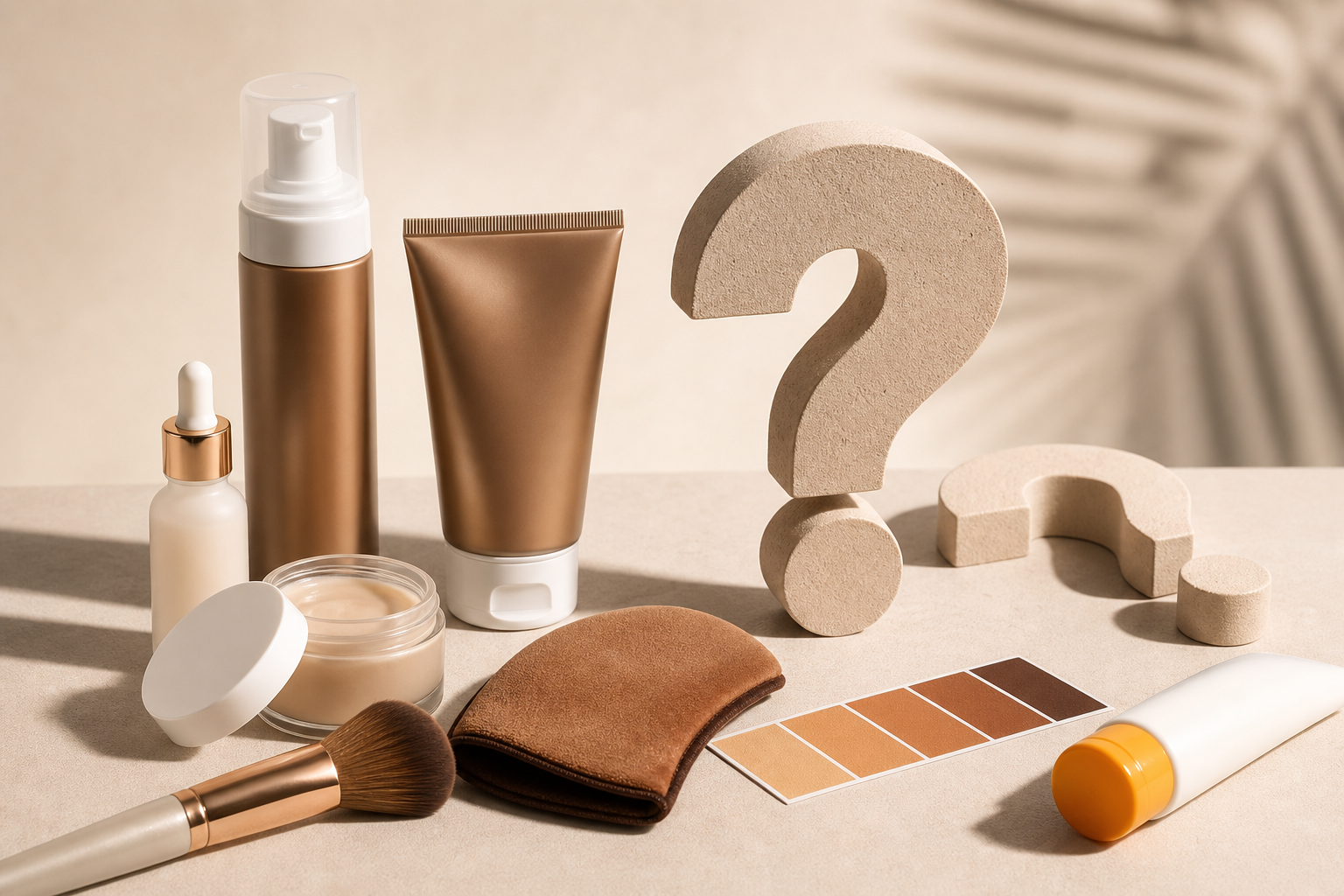
The Ten Biggest Myths About Self-Tanning
Self-tanning offers a safe, temporary way to achieve a sun-kissed look without UV exposure. This article debunks the ten most comm...
Read more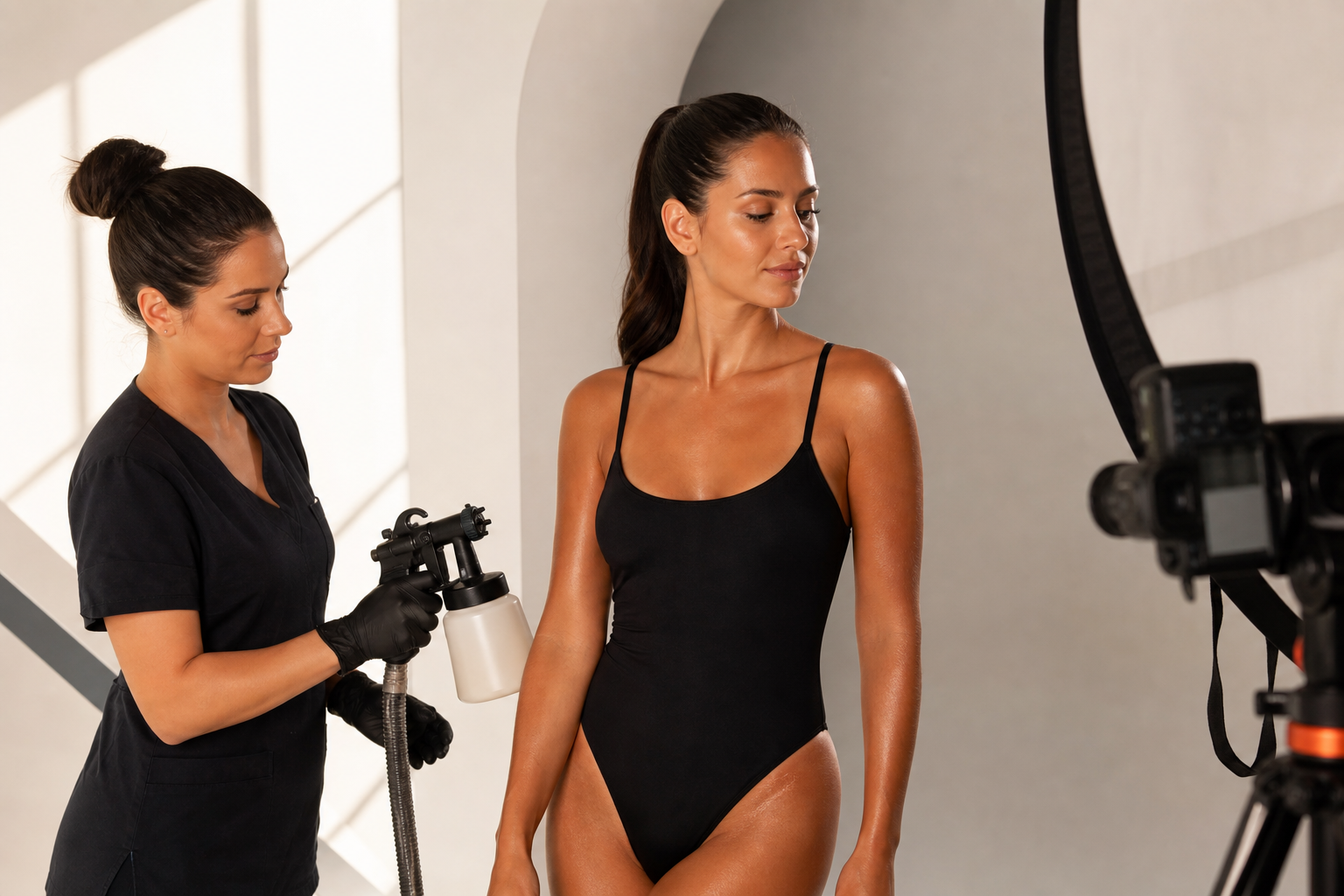
Does Spray Tan Look the Same in Person and in Photos?
Spray tans offer a safe, UV-free way to achieve a bronzed glow, but their appearance can vary between real life and photographs du...
Read more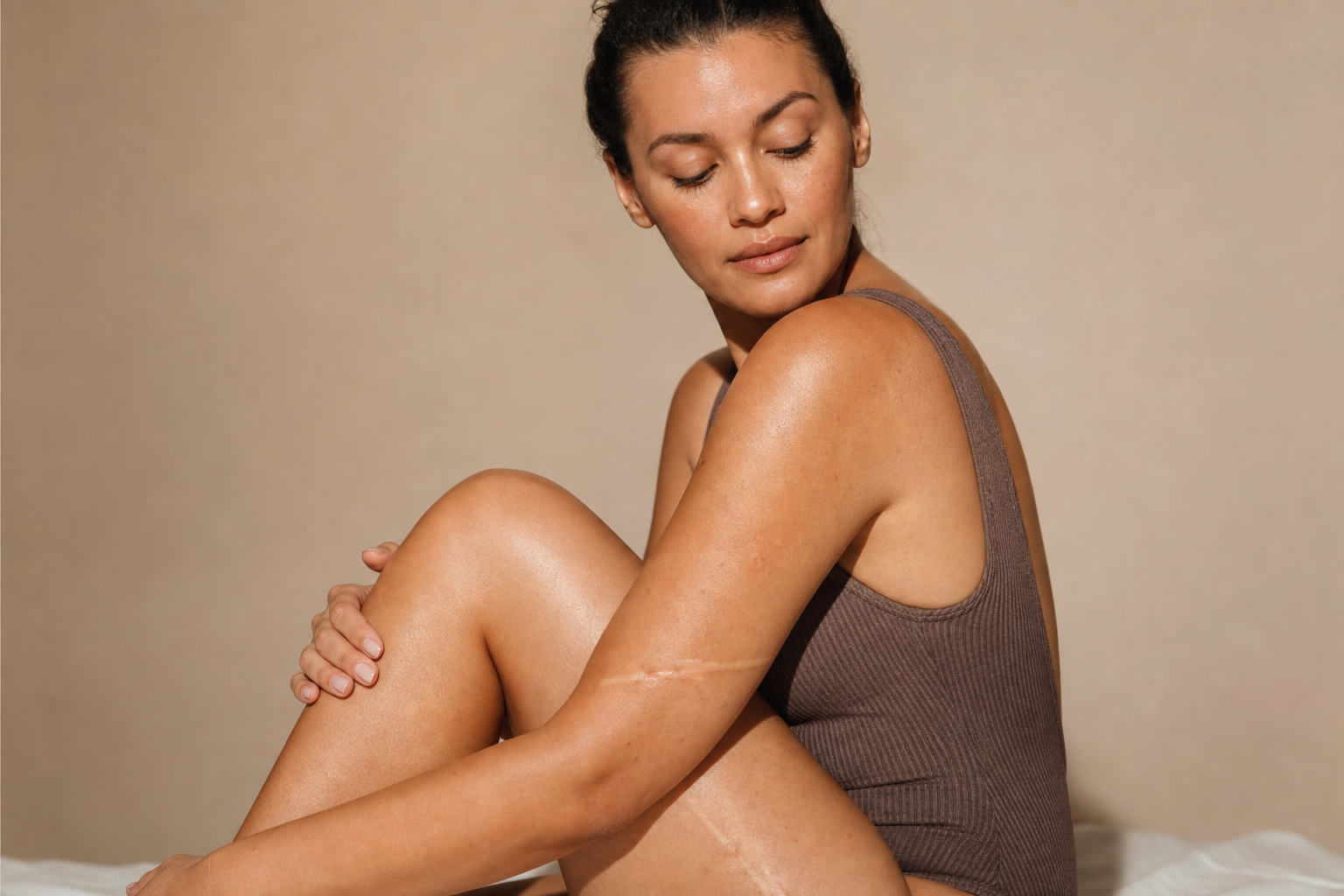
How Does Self-Tanner Look Over Scars?
Self-tanning over scars can soften their appearance by blending discoloration, but results vary due to scar texture and pigmentati...
Read more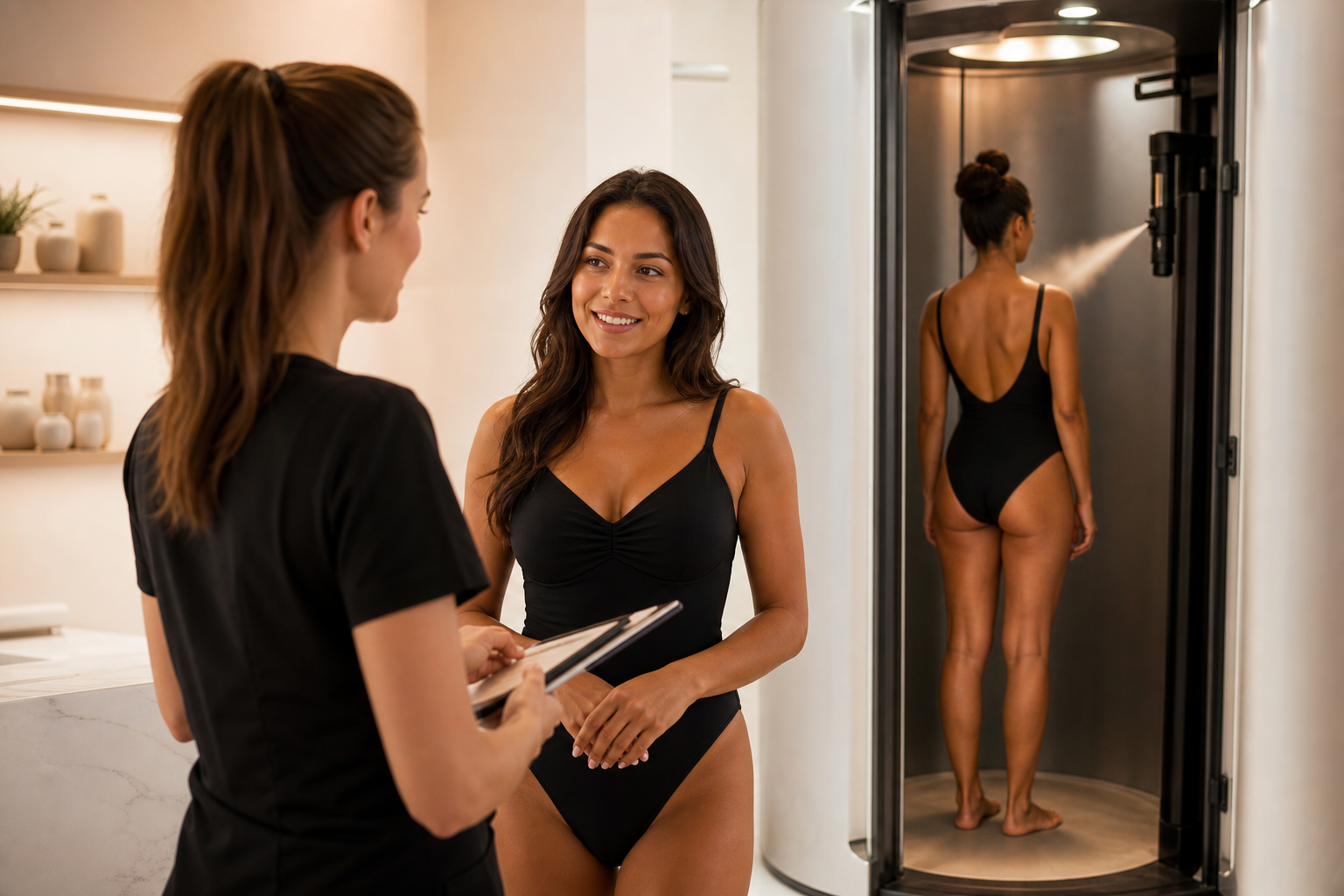
What Happens at Your First Spray Tan Appointment?
A first spray tan appointment offers a safe, UV-free way to achieve a sun-kissed glow. This guide details the consultation, prepar...
Read more
How Long Does Spray Tan Last and Why Does It Fade Faster on Some People?
Spray tans last between 5 to 10 days as DHA reacts with the skin's outer layer, which naturally exfoliates over time. Factors such...
Read more
UVA and UVB Radiation: What Is the Difference?
UVA and UVB are the two primary types of ultraviolet radiation reaching Earth's surface, each differing in wavelength, skin penetr...
Read more
Sunbeds and a High Number of Moles
Sunbeds emit ultraviolet radiation classified as carcinogenic, raising melanoma risk especially for individuals with many moles. T...
Read more
How Does DHA Temporarily Change the Appearance of the Skin's Surface?
Dihydroxyacetone (DHA) temporarily darkens the skin's surface by reacting with dead skin cells to create a bronzed glow. While it...
Read more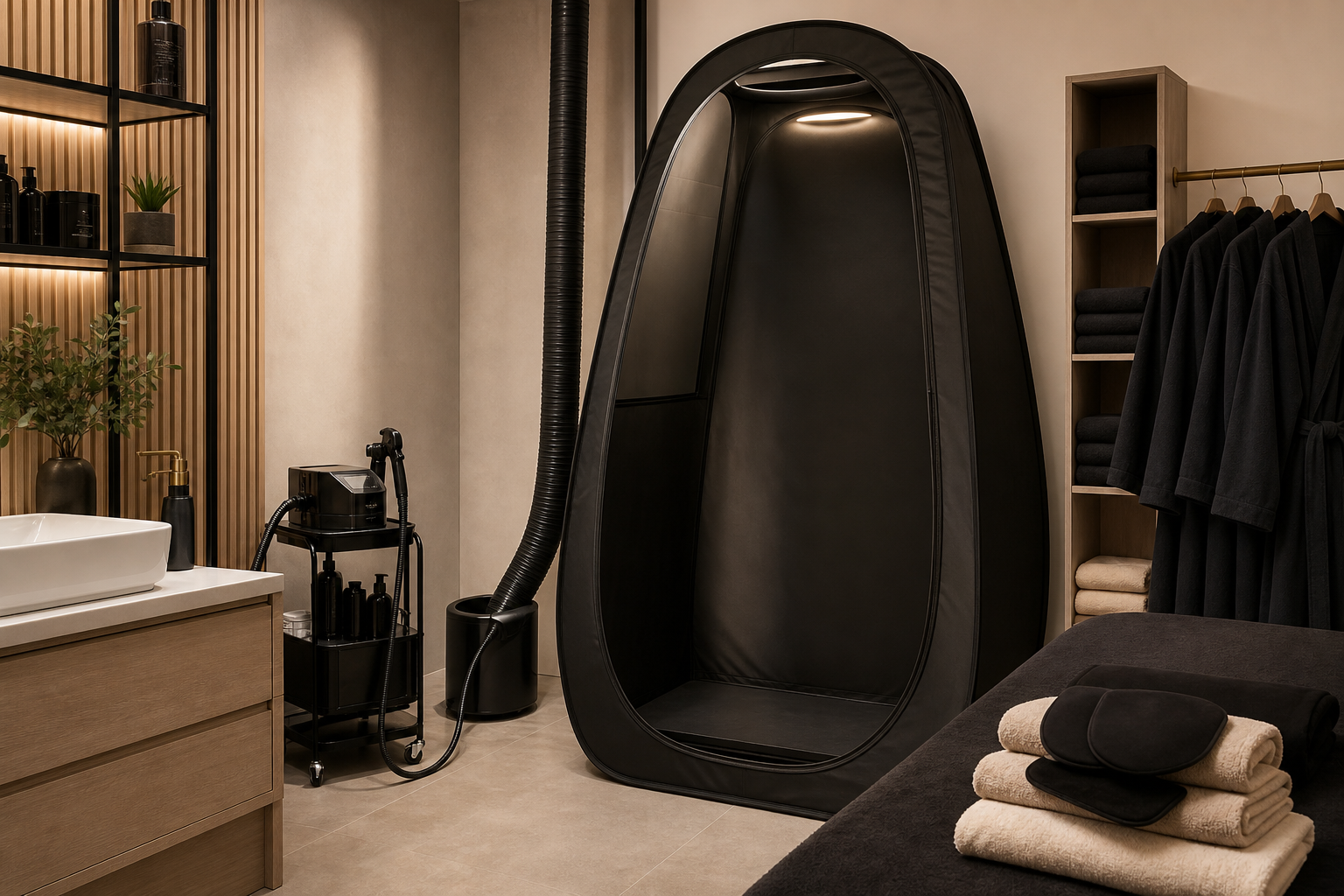
What Does a Salon Need to Introduce a Spray Tan Service?
Introducing a spray tan service requires salons to invest in specialized equipment, professional tanning solutions, and strict hyg...
Read more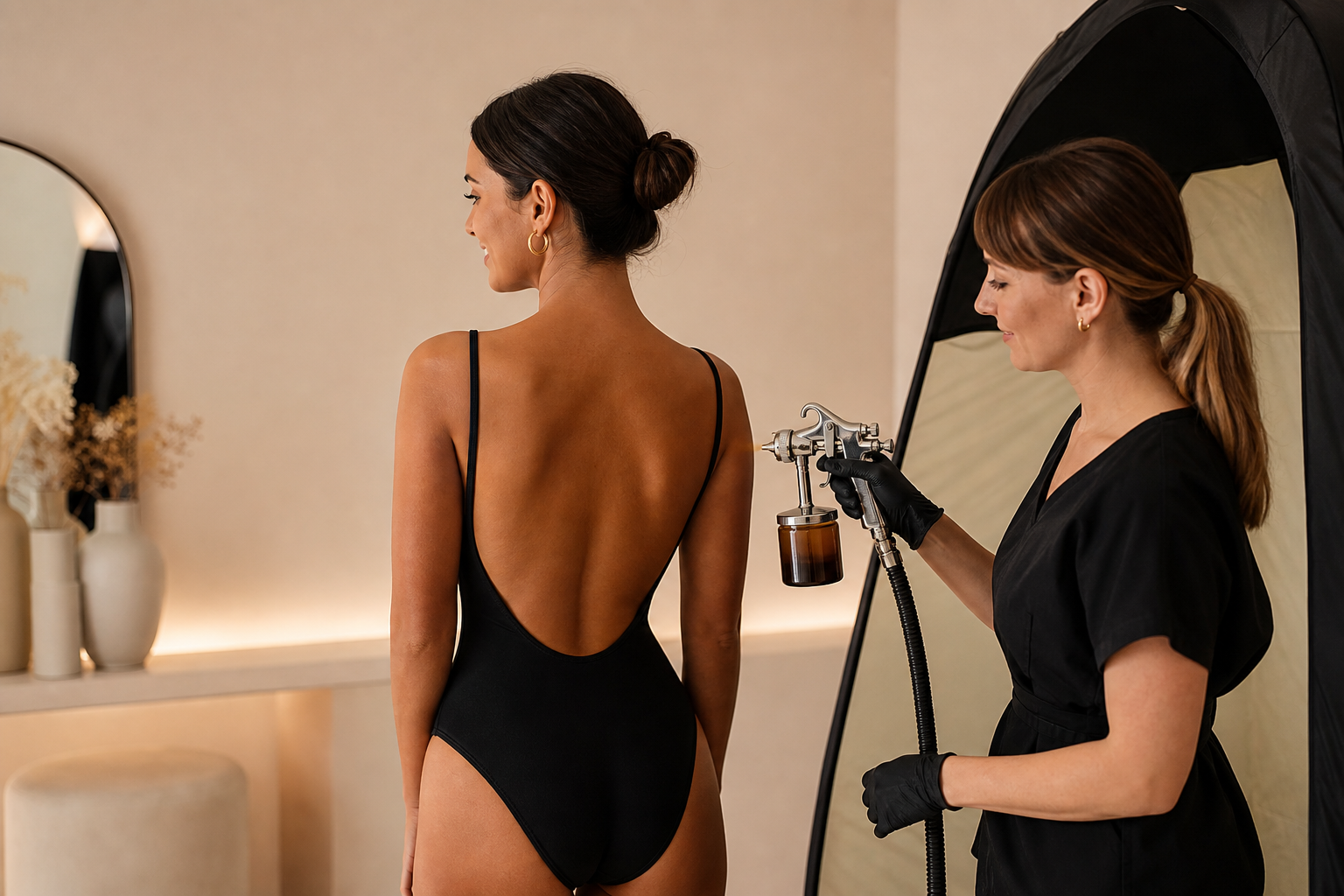
What Is a Spray Tan and How Is It Different from Sunbathing?
A spray tan offers a UV-free cosmetic tan by chemically tinting the skin's surface, providing a safe alternative to traditional su...
Read more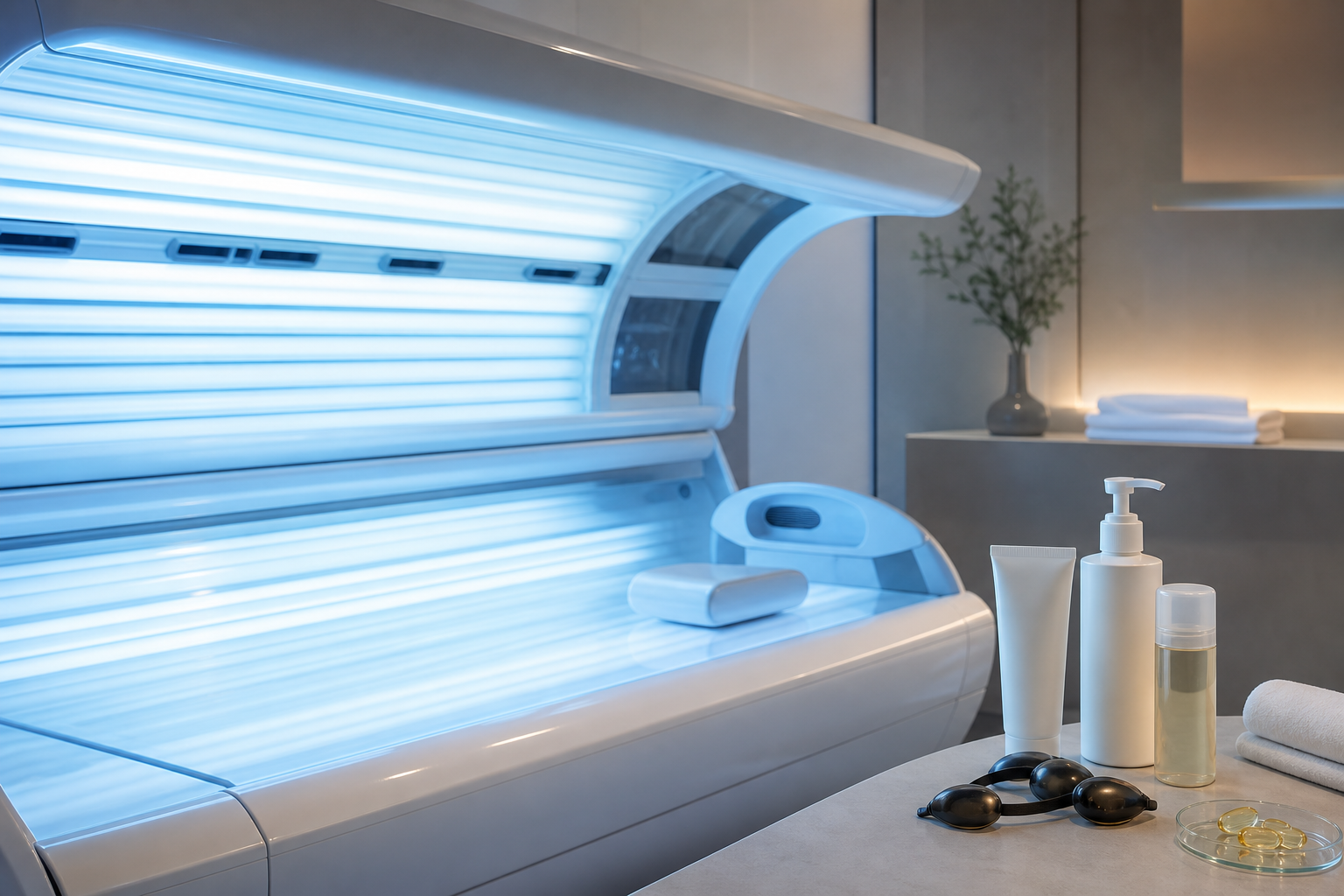
Are Sunbeds a Reliable Source of Vitamin D?
Sunbeds emit primarily UVA radiation with limited UVB, making them an inconsistent and unreliable source for vitamin D synthesis....
Read more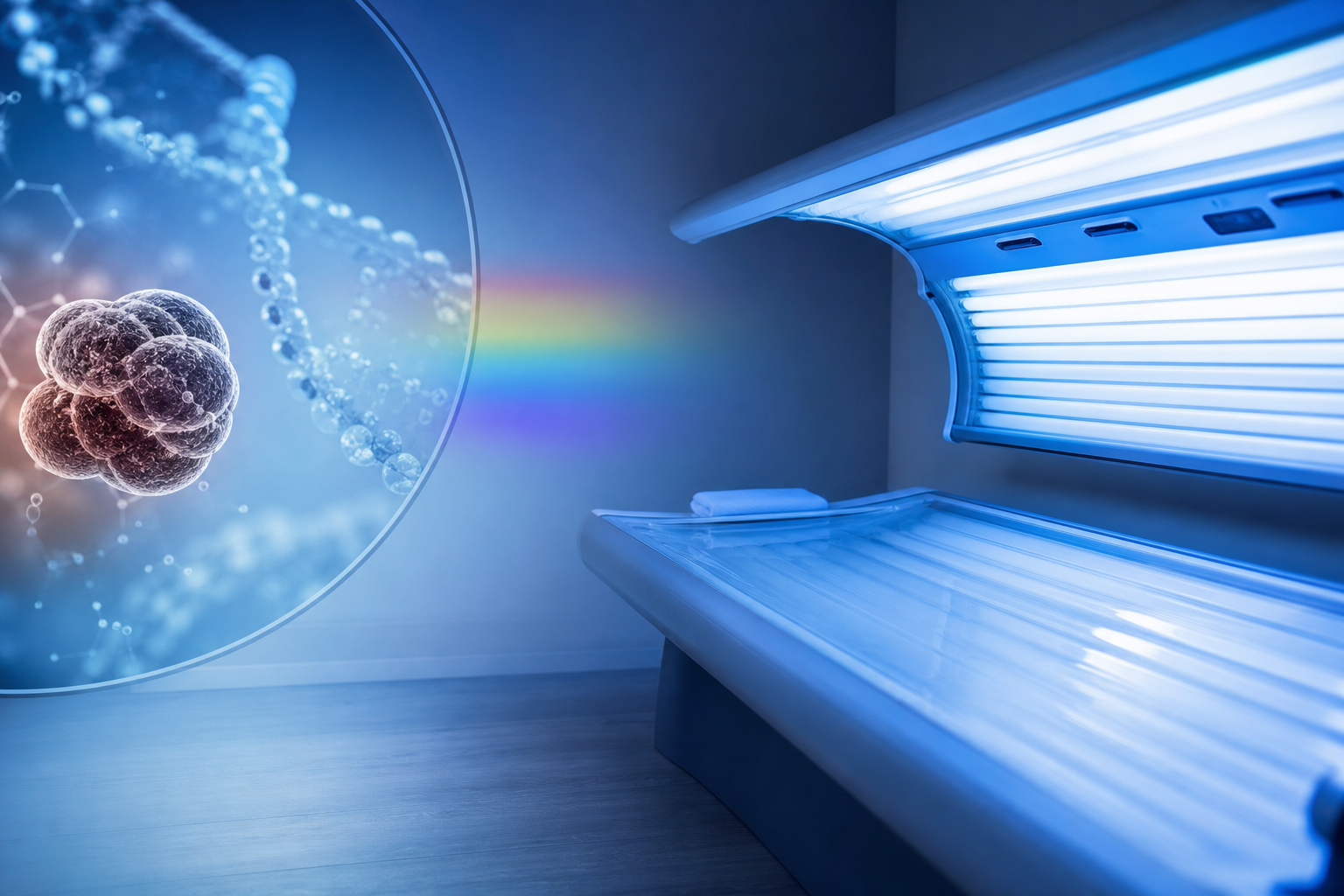
Sunbeds and Melanoma Risk
Sunbeds emit ultraviolet radiation classified as a Group 1 carcinogen by IARC, with no safe exposure threshold identified. Use of...
Read more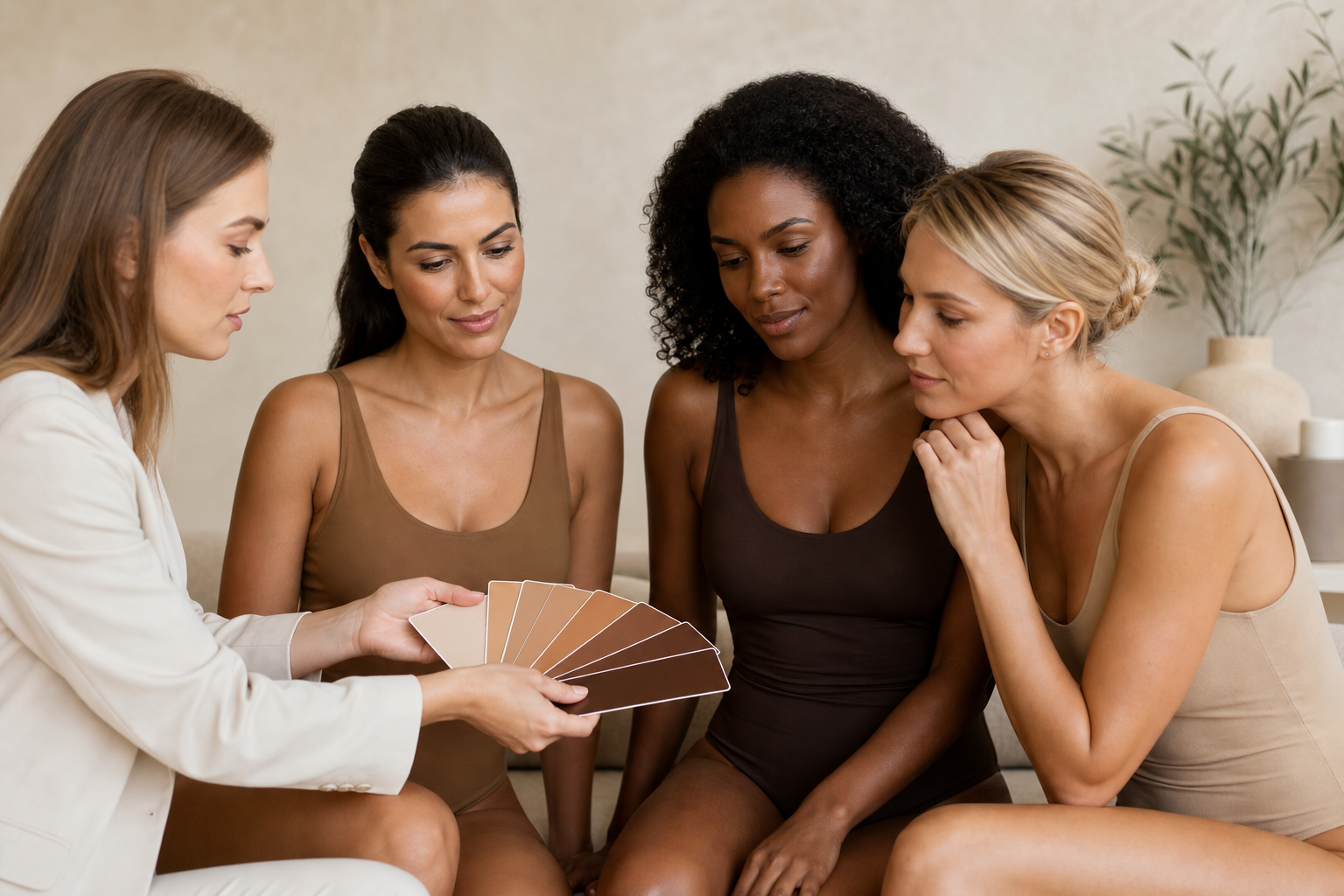
How Does Skin Undertone Affect Spray Tan Formula Choice?
Understanding your skin's undertone is essential for choosing the right spray tan formula that ensures a natural, even, and flatte...
Read more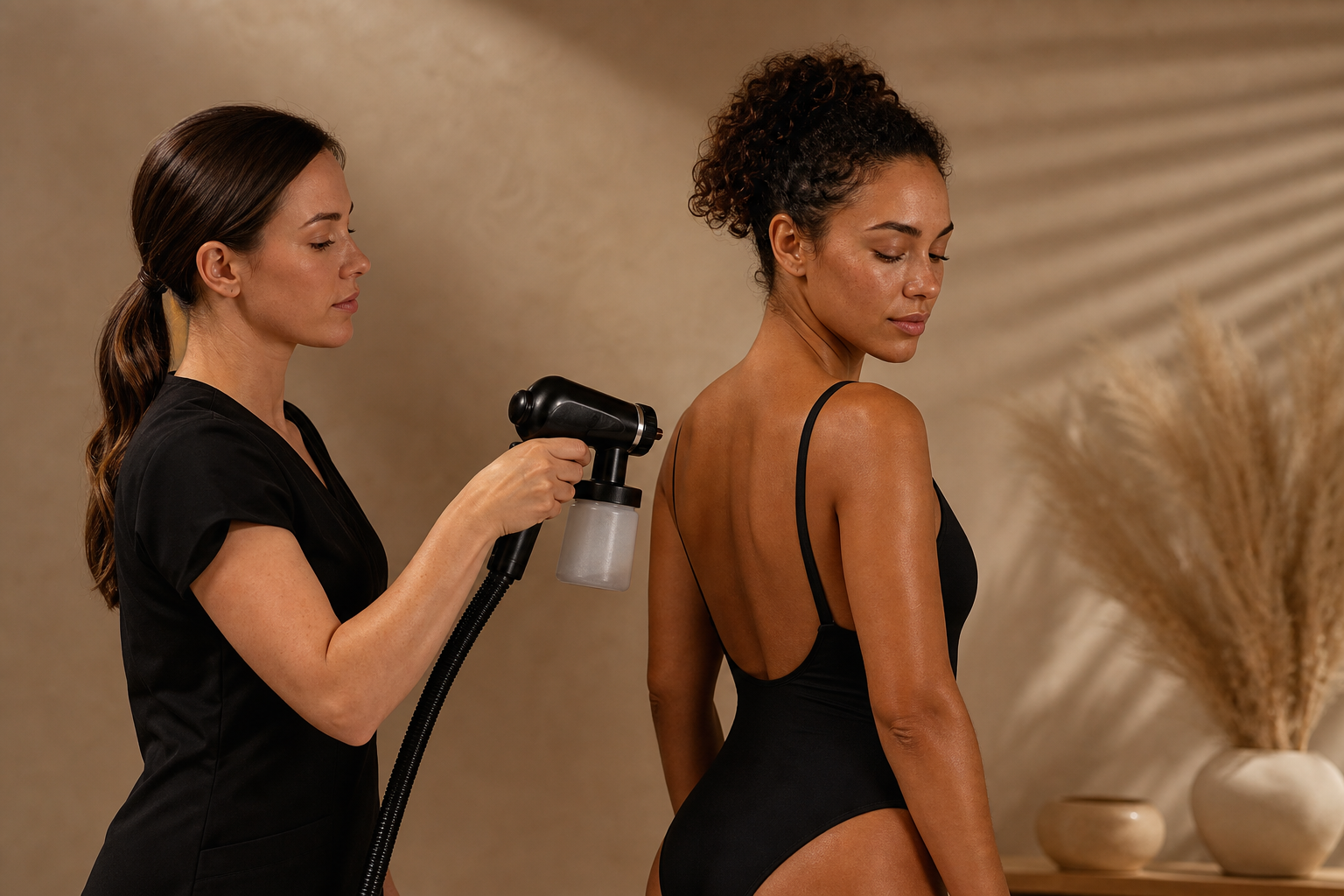
Spray Tanning and Dry Skin
Spray tanning offers a sun-safe glow alternative but presents challenges for dry skin, including uneven color and faster fading. P...
Read more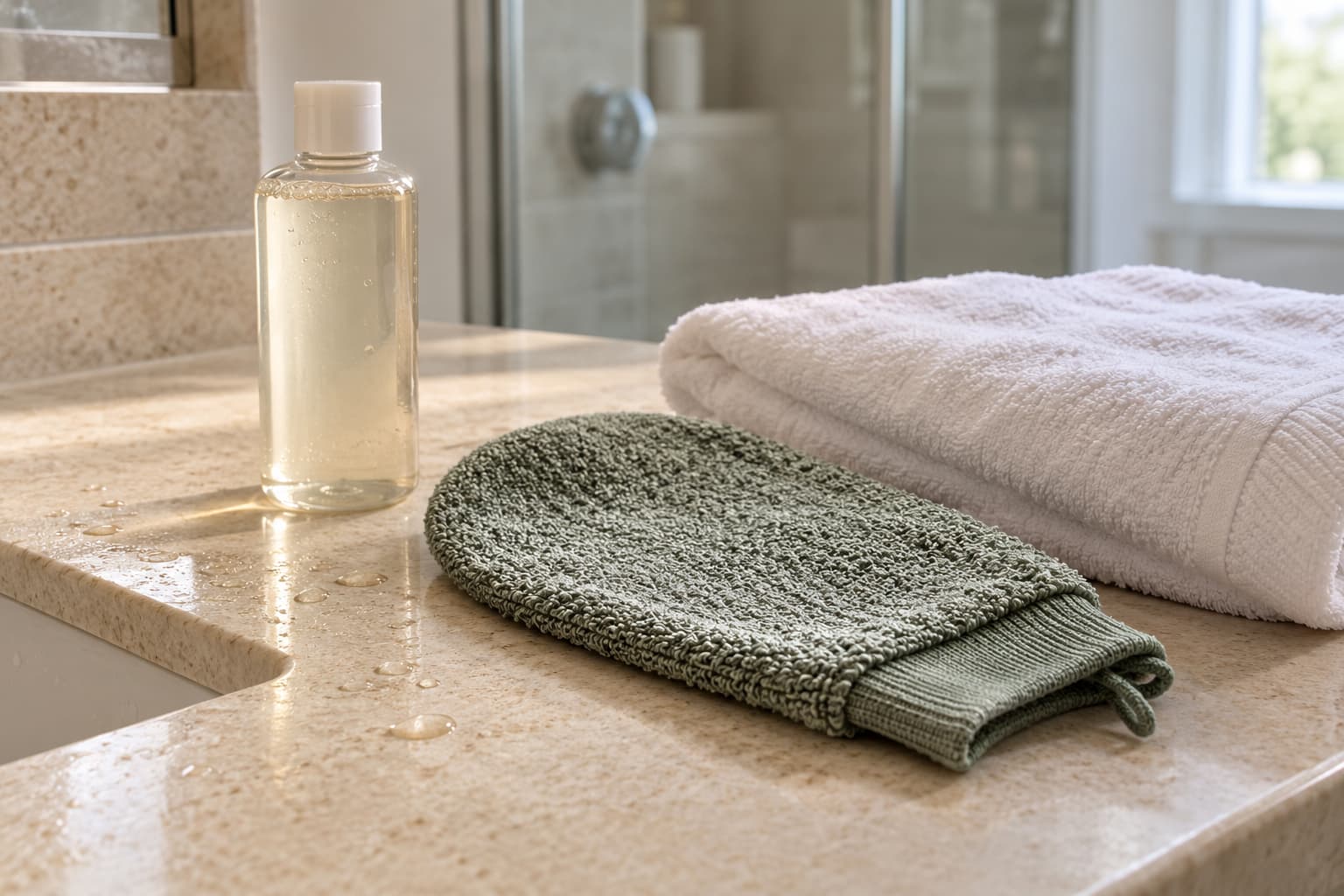
How to Prepare Your Skin for a Professional Spray Tan
Properly preparing your skin is essential for achieving an even, long-lasting spray tan. This guide outlines practical steps like...
Read more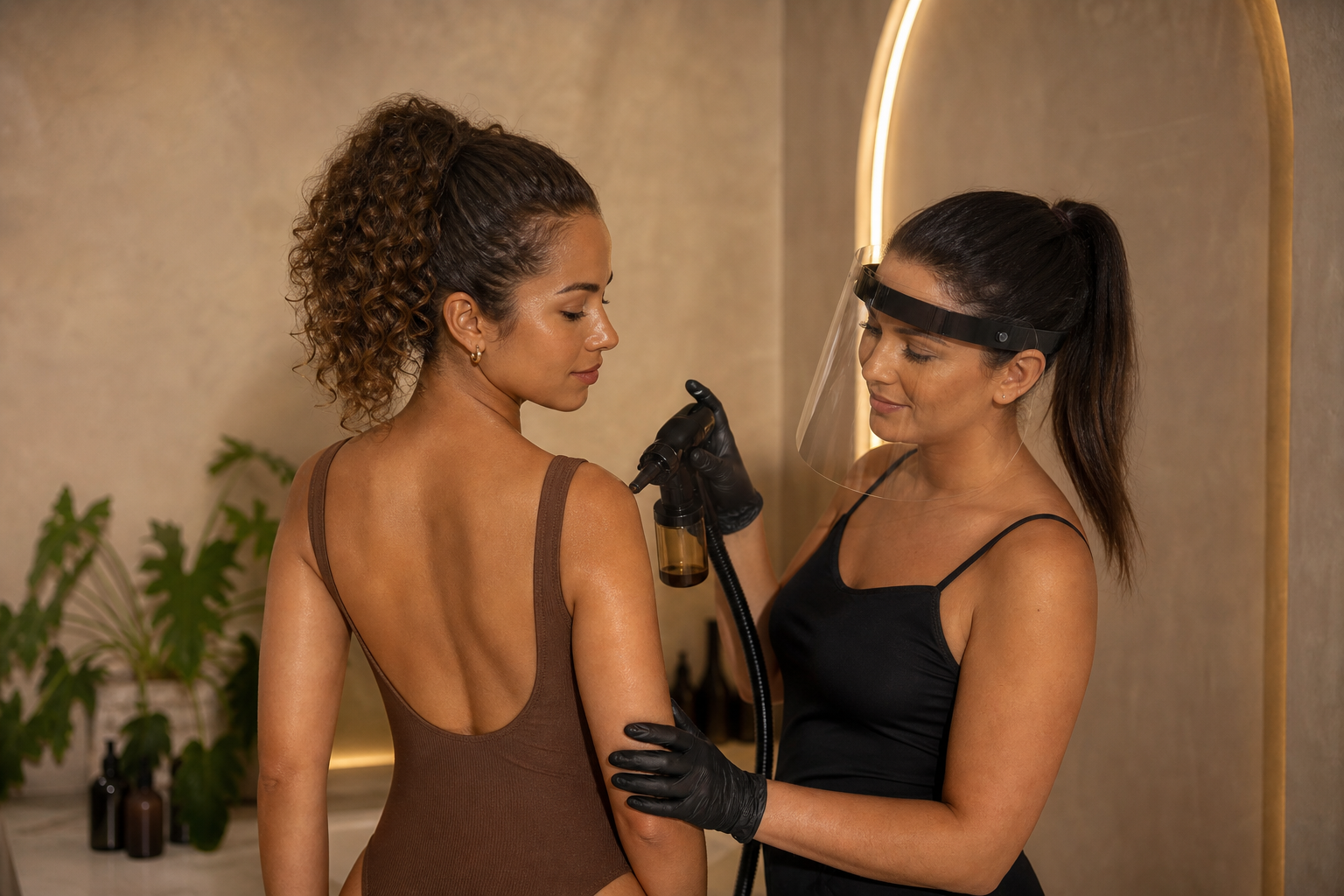
What Is DHA in Self-Tanning Products?
DHA, or dihydroxyacetone, is the active ingredient in most self-tanning products that safely creates a temporary tan by reacting w...
Read more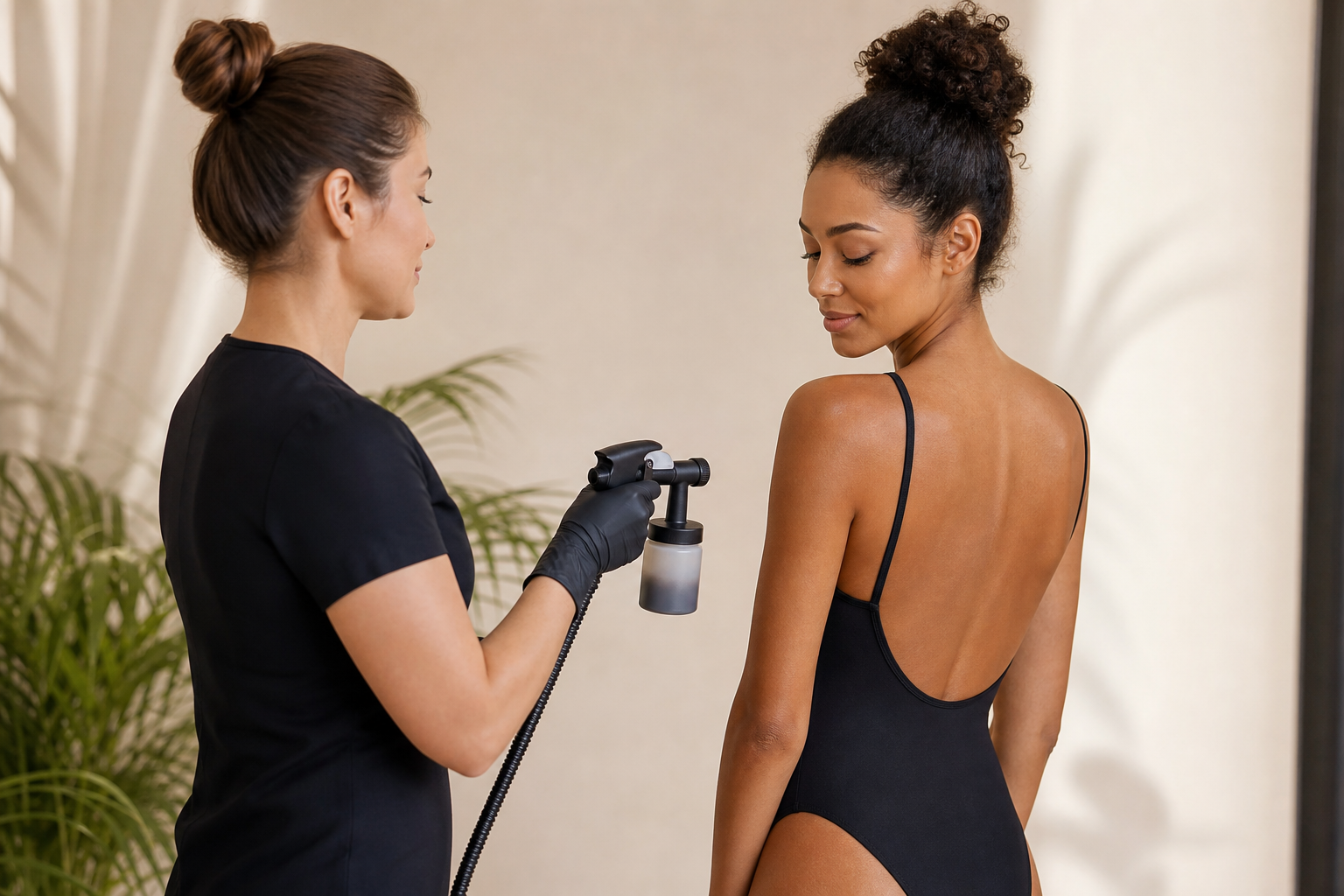
Does Spray Tan Clog Pores?
Spray tan does not clog pores as its active ingredient, DHA, reacts only with the skin's surface dead cells without affecting pore...
Read more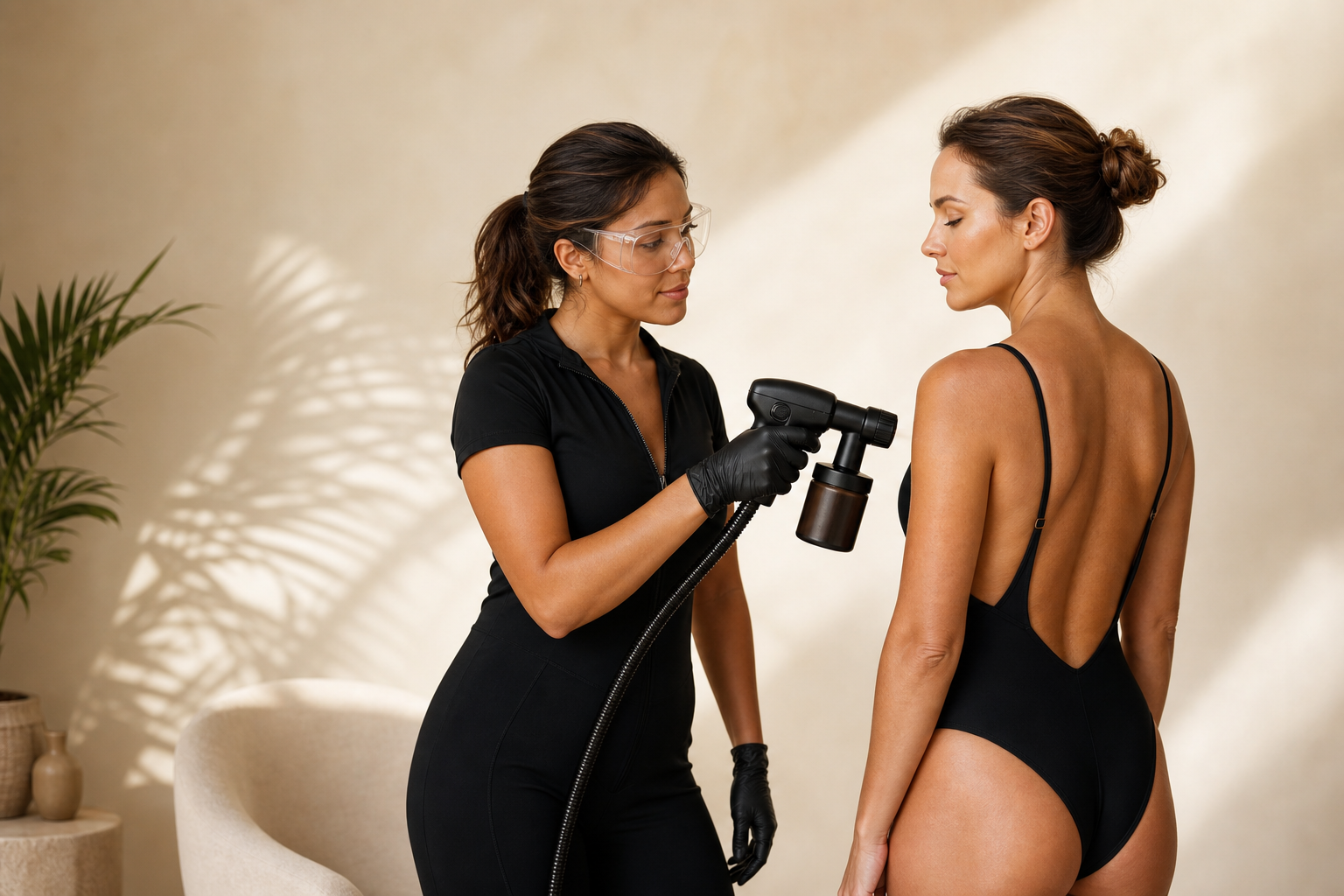
Does Spray Tanning Damage the Skin?
Spray tanning applies a temporary pigment to the skin's surface without UV exposure, making it safer than sunbathing or tanning be...
Read more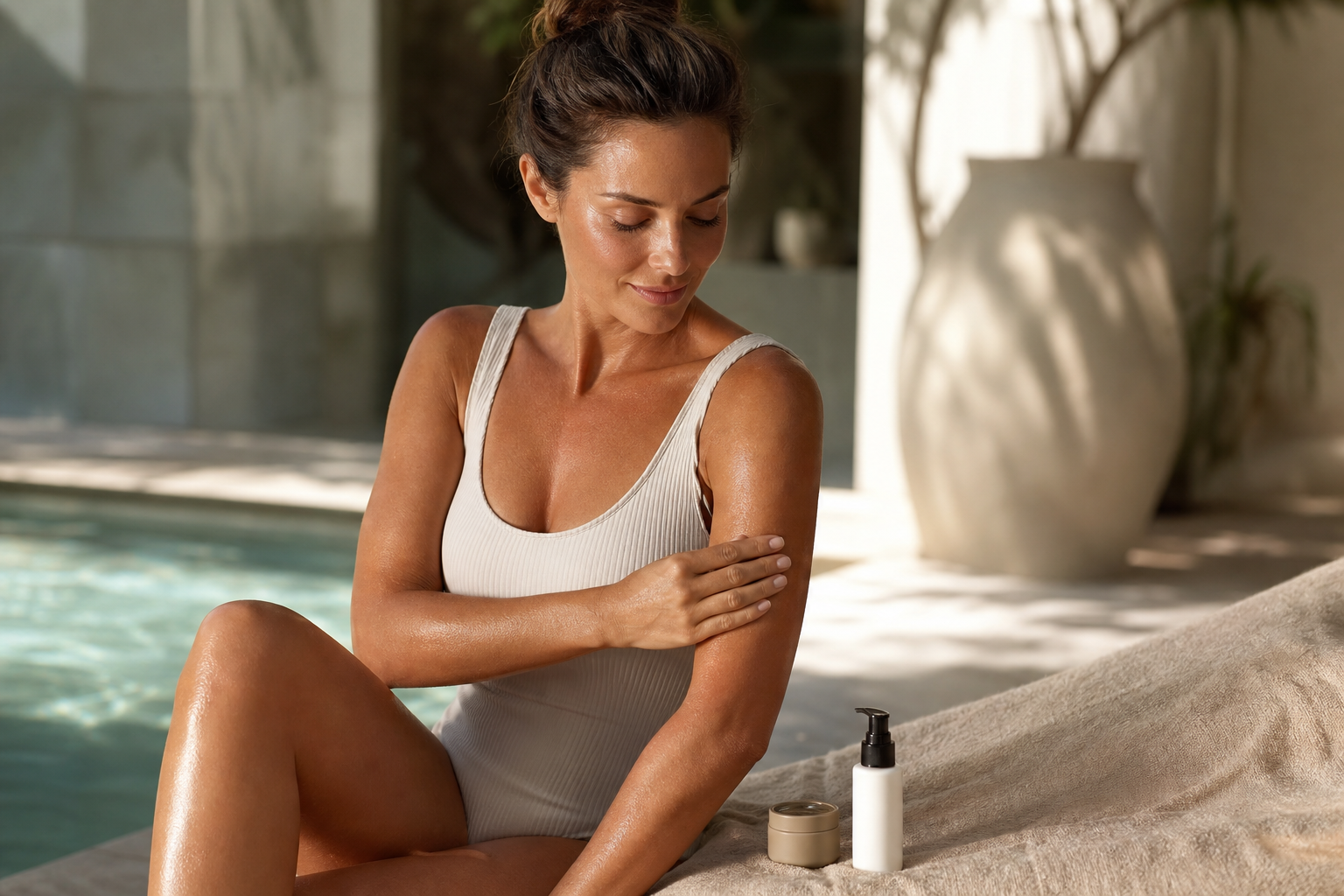
What Determines How Long a Spray Tan Lasts?
Spray tan longevity depends on skin type, pre-treatment preparation, and post-care habits. Understanding these factors helps users...
Read more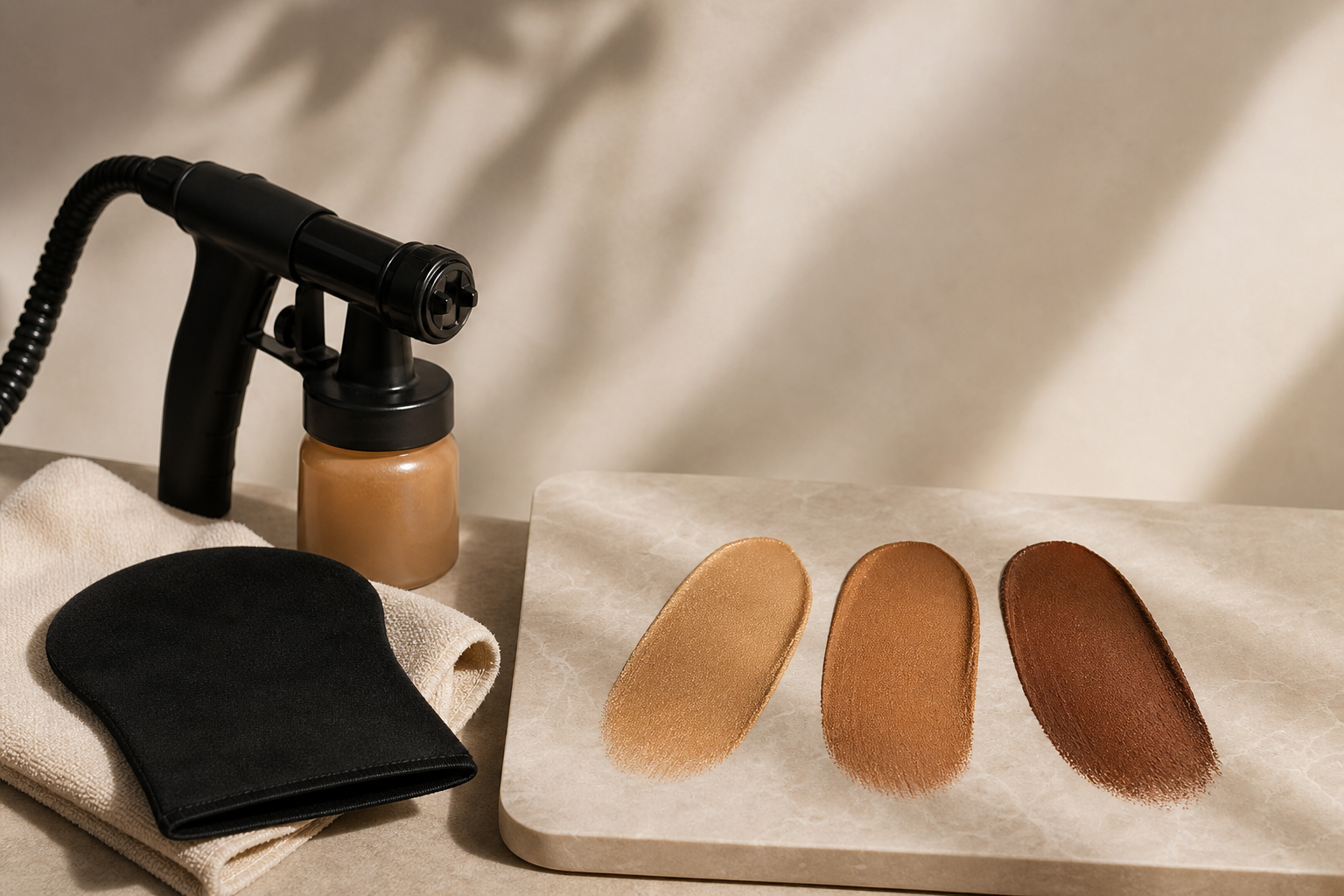
Light, Medium or Dark Spray Tan: What Do the Labels Mean?
Understanding the labels light, medium, and dark spray tan is key to choosing a shade that complements your natural skin tone and...
Read more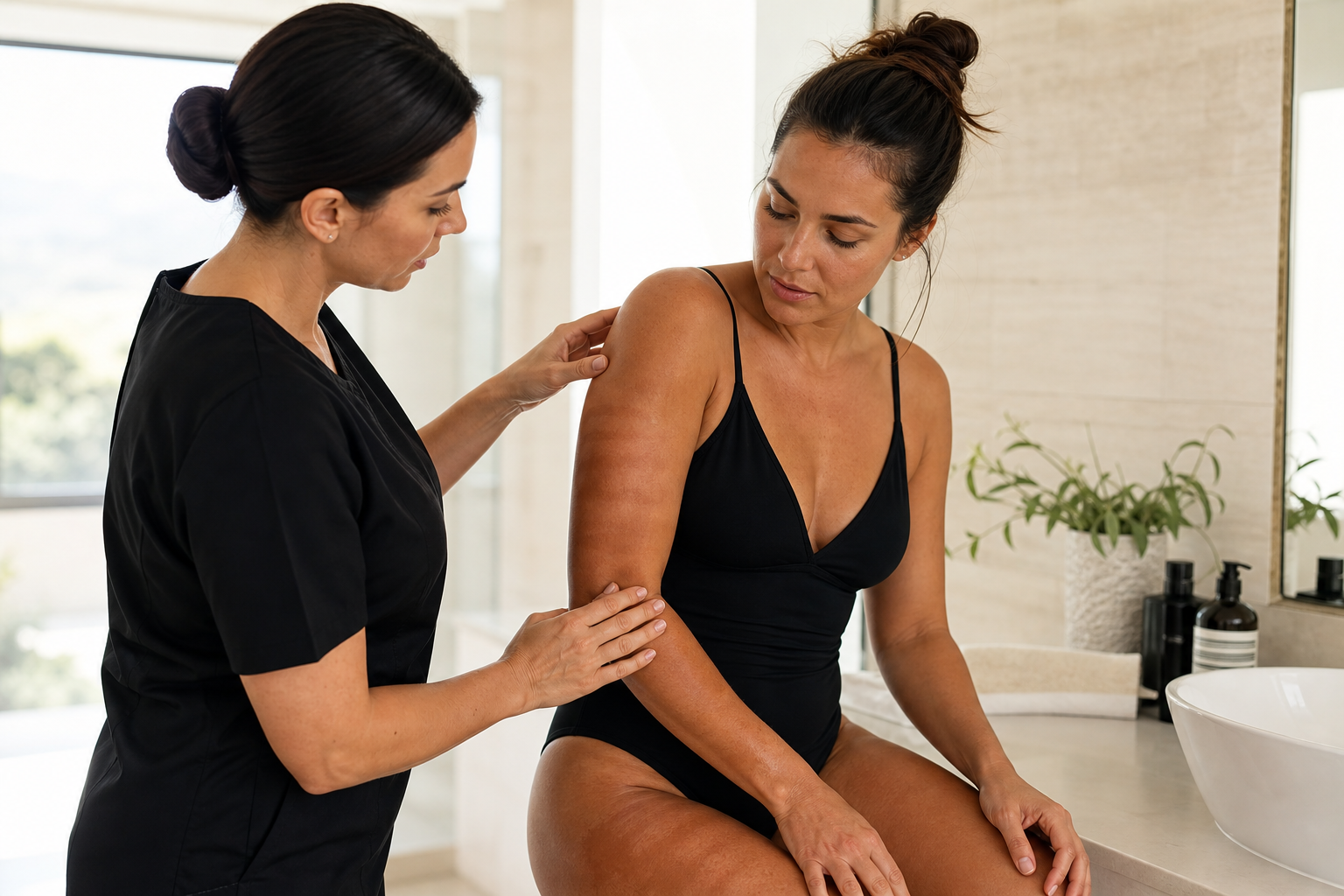
Why Can a Spray Tan Leave Streaks or Patches?
Spray tans offer a safe alternative to UV tanning but often result in streaks or patches due to skin texture, preparation, and app...
Read more
Sunbeds and Laser Pigmentation Removal
Sunbeds emit ultraviolet radiation that can worsen pigmentation irregularities and increase skin damage risks, especially around l...
Read more
Bridal Spray Tan: When Should You Book the Treatment?
Bridal spray tans offer a safe, UV-free way to achieve a radiant, even glow for your wedding day. Booking your treatment 2 to 3 da...
Read more
Sunbeds and Acute Damage to the Eye Surface
Sunbed use exposes the delicate eye surface to harmful ultraviolet radiation, causing acute injuries such as photokeratitis. With...
Read more
Does a Base Tan Prevent Sunburn on Holiday?
A base tan provides only minimal protection against sunburn, equivalent to a low SPF of about 2 to 4. Relying on it as a safeguard...
Read more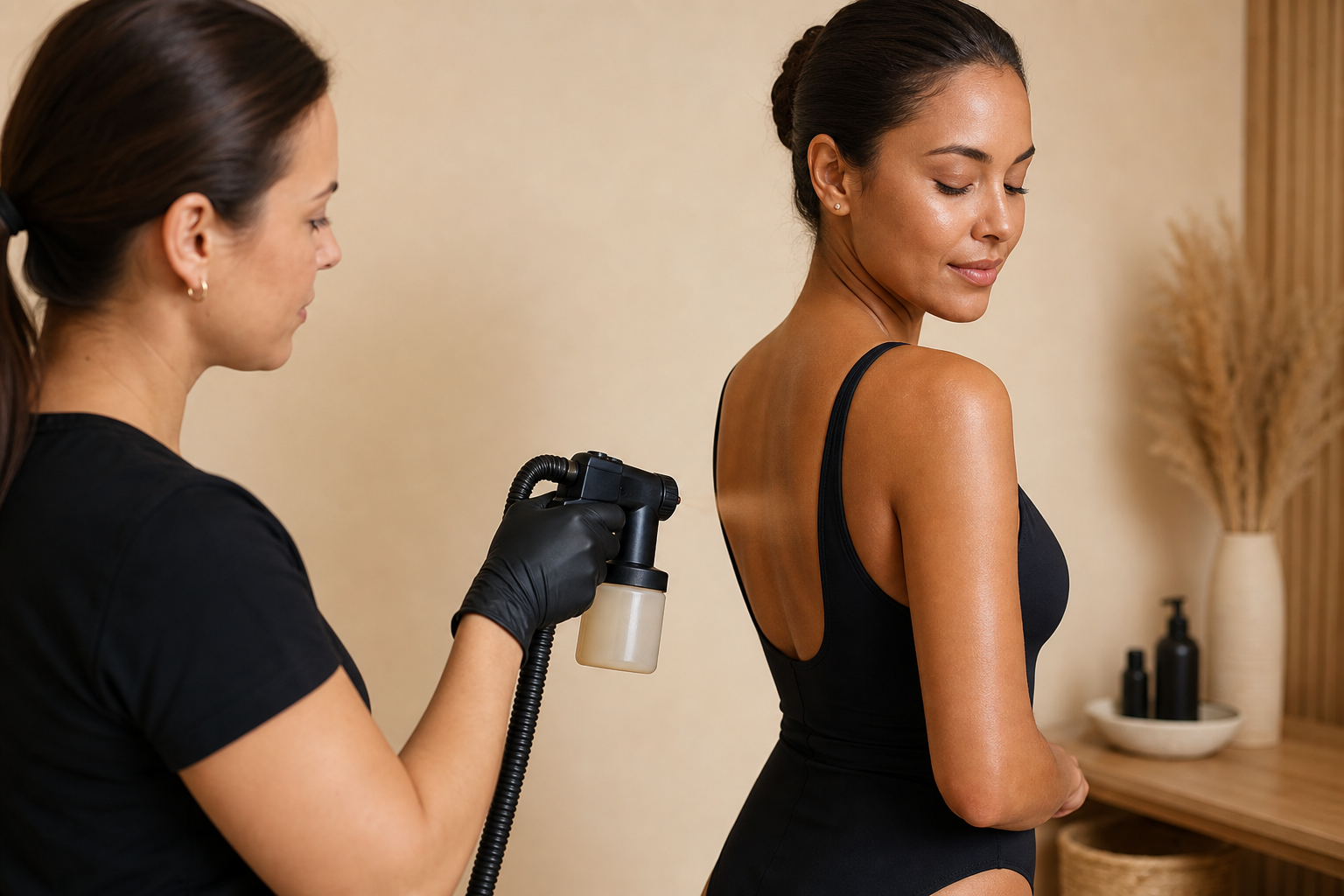
Spray Tanning and Oily Skin
Spray tanning offers a UV-free way to achieve a temporary tan, but oily skin presents unique challenges such as uneven color and r...
Read more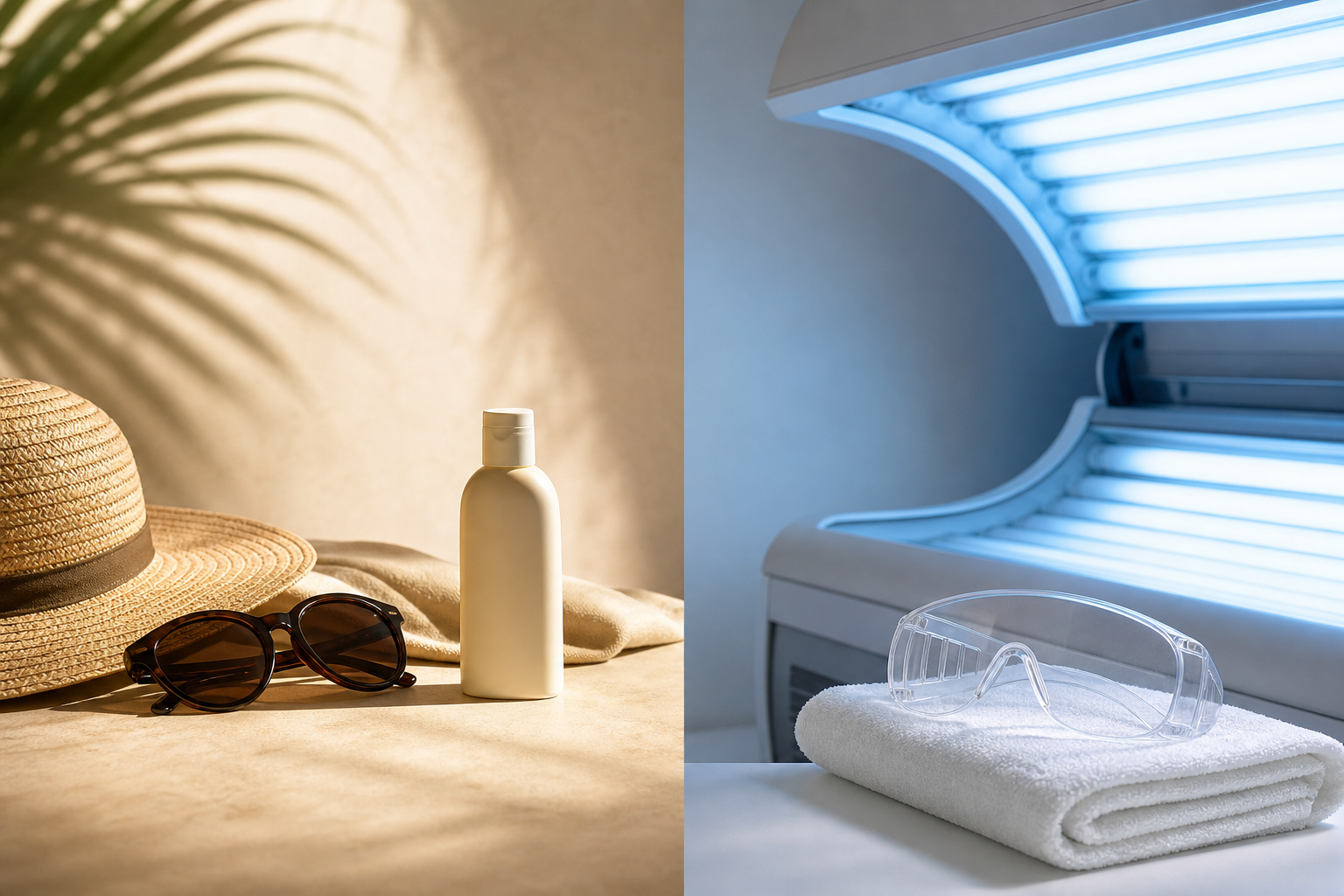
Are Sunbeds Safer Than Sunbathing?
Both sunbeds and natural sunbathing expose skin to harmful ultraviolet radiation associated with skin damage and cancer risk. Scie...
Read more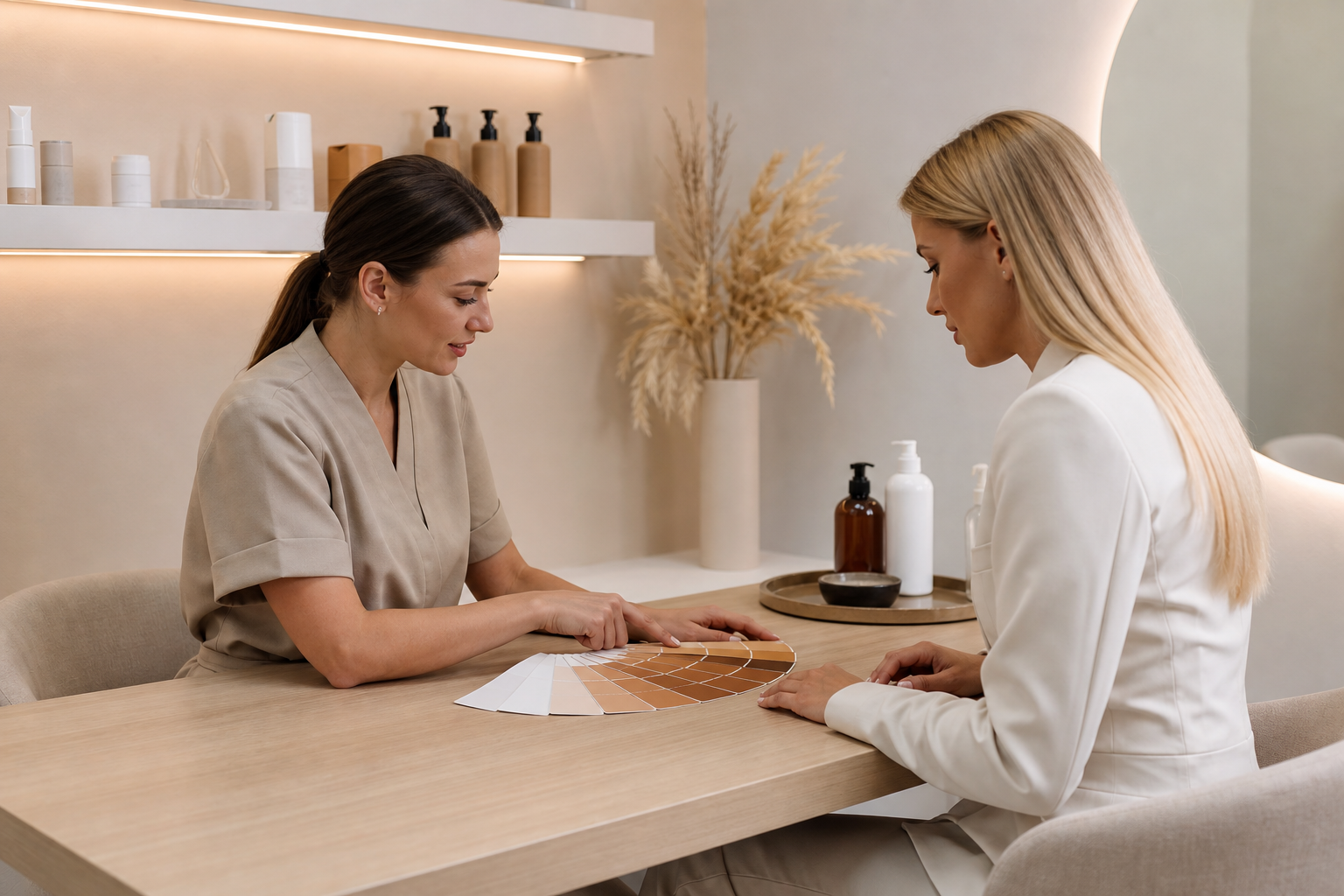
What Happens During a Spray Tan Consultation?
A spray tan consultation is a vital step that aligns client expectations with suitable tanning options based on skin type, tone, a...
Read more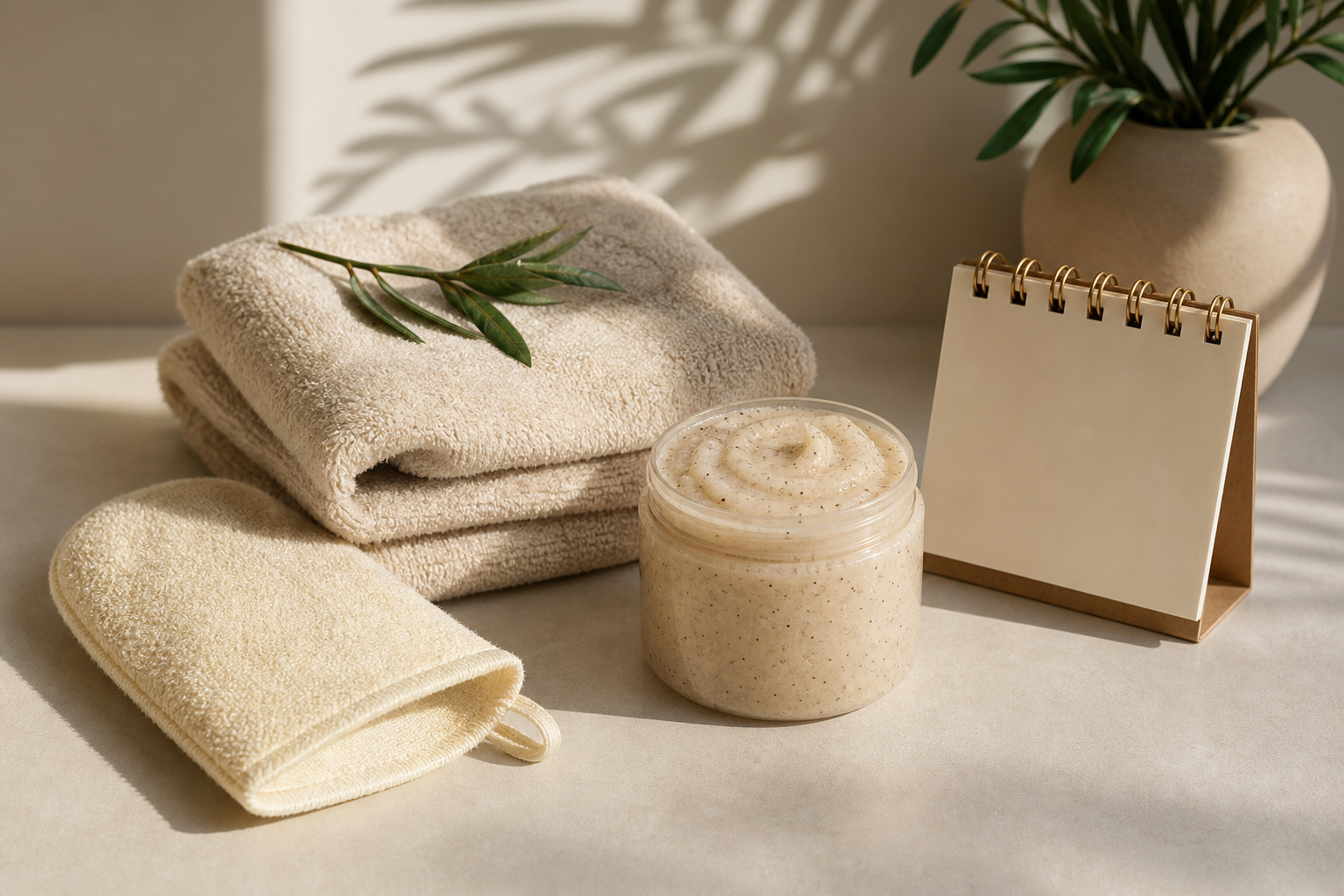
When Should You Exfoliate Before a Spray Tan?
Exfoliating 24 to 48 hours before your spray tan is essential for a smooth, even color and longer-lasting results. Proper timing a...
Read more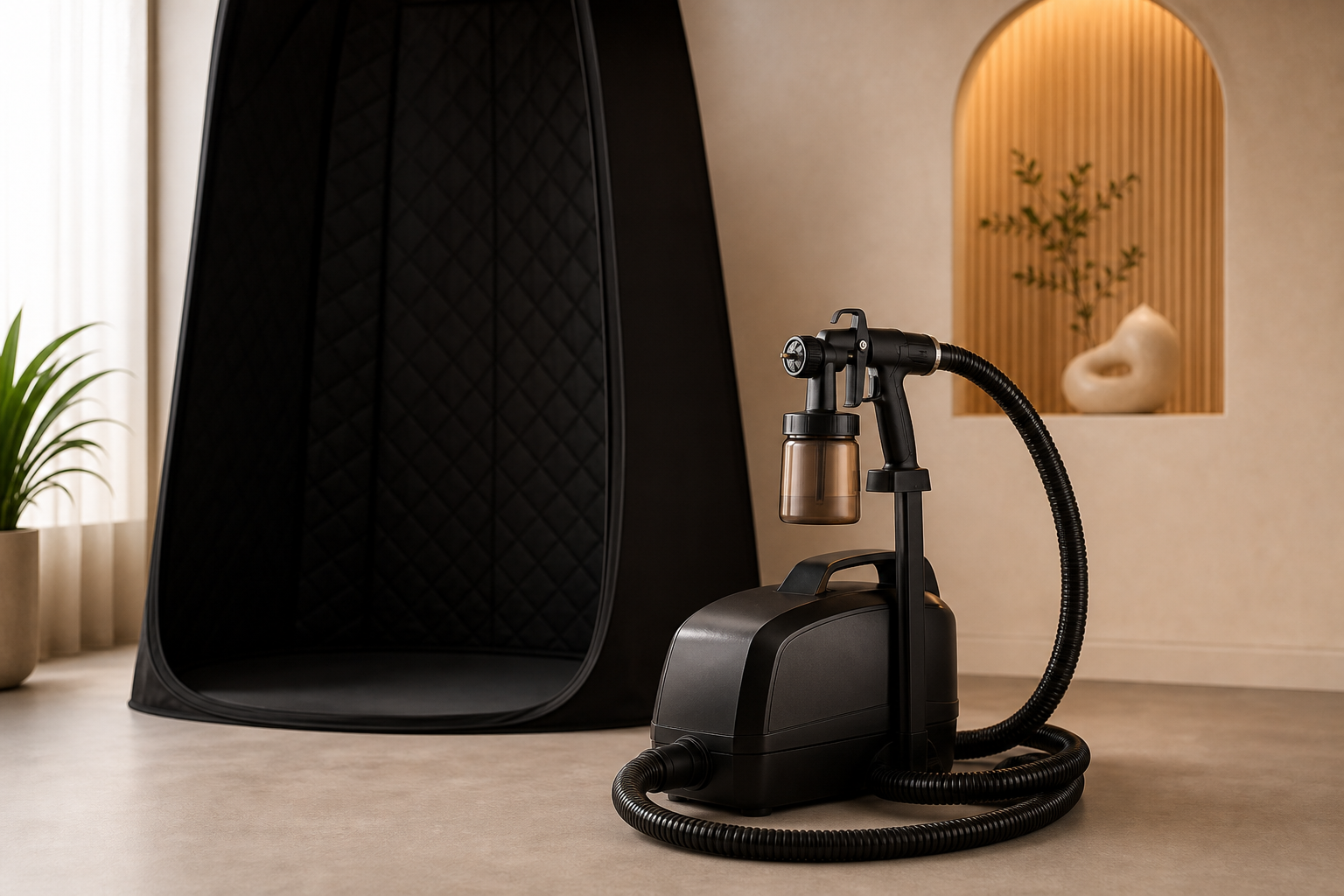
HVLP Spray Tan System: Essential Selection Criteria
Selecting the right HVLP spray tan system is essential for professionals seeking precise, safe, and efficient spray tanning result...
Read more
How Does UV Radiation Damage Skin Cells?
Ultraviolet (UV) radiation damages skin cells through direct DNA disruption and oxidative stress, leading to mutations that increa...
Read more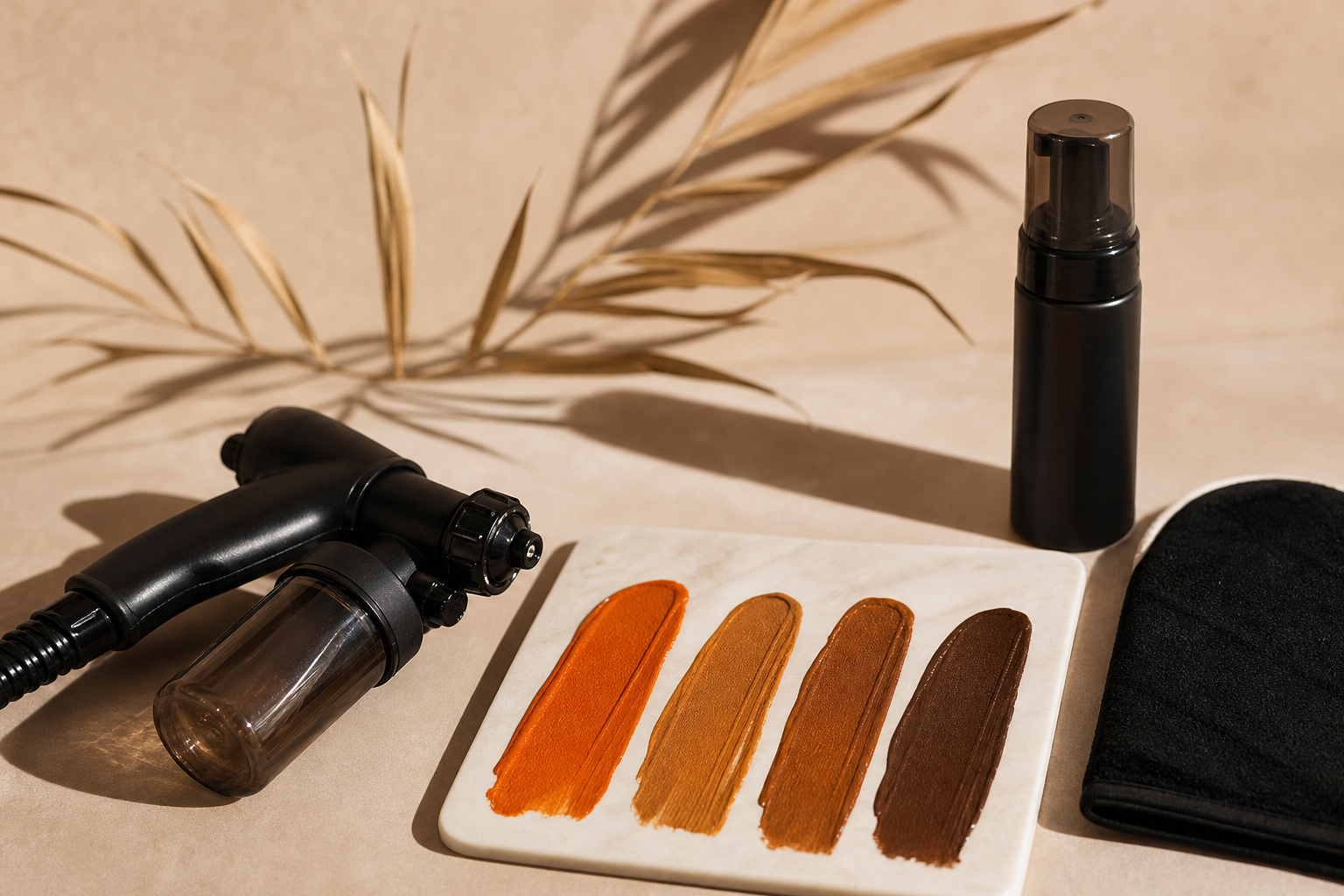
Does Every Spray Tan Look Orange?
Spray tans offer a safe alternative to sunbathing, but concerns about an unnatural orange hue persist. This article explores why s...
Read more
Uneven Knees, Elbows and Ankles: Possible Causes
Uneven skin on knees, elbows, and ankles often results from dryness, friction, and thickening due to joint movement and environmen...
Read more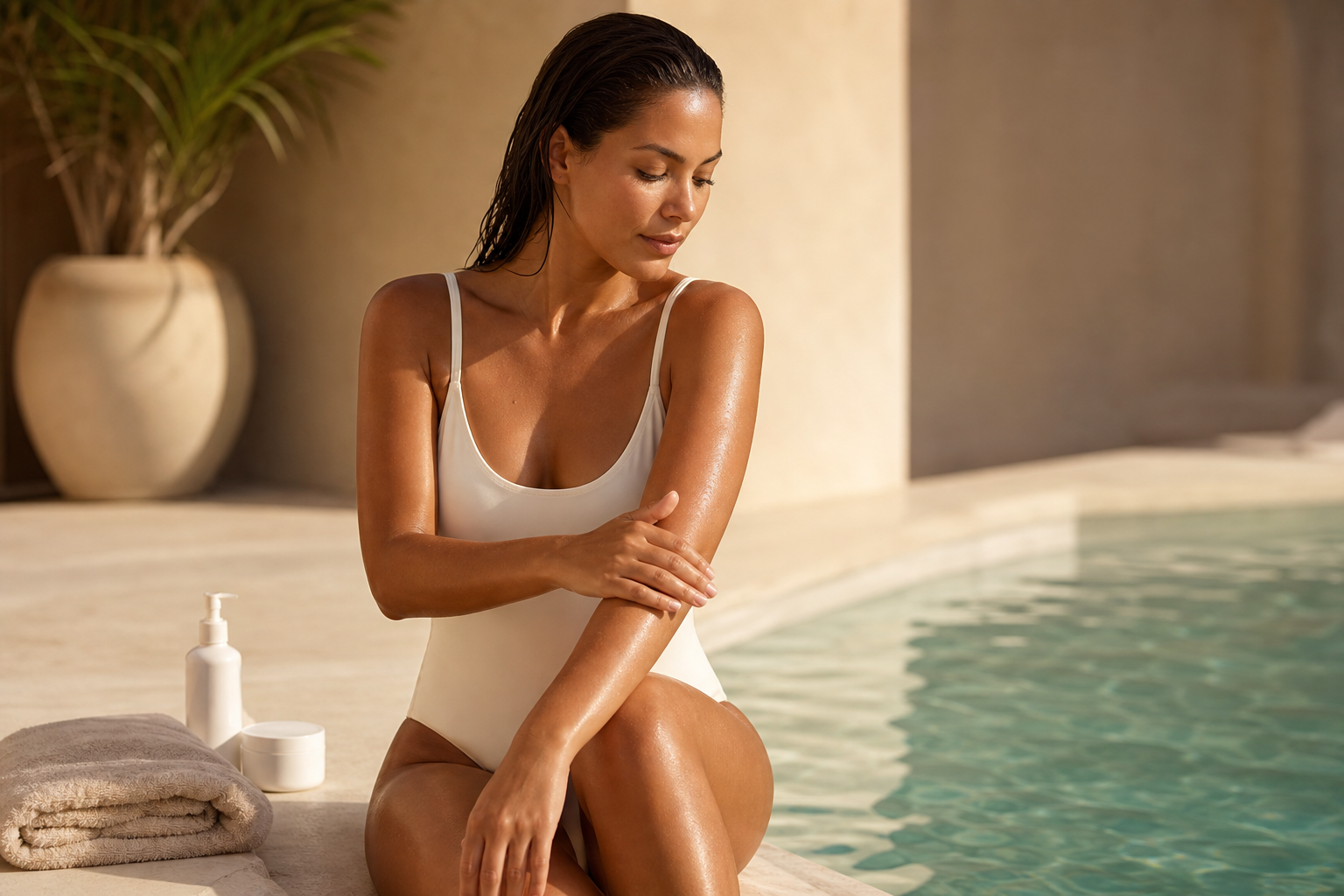
How Many Days Does a Professional Spray Tan Last?
Professional spray tans provide a safe, UV-free way to achieve a natural-looking bronzed glow lasting typically 5 to 10 days. Prop...
Read more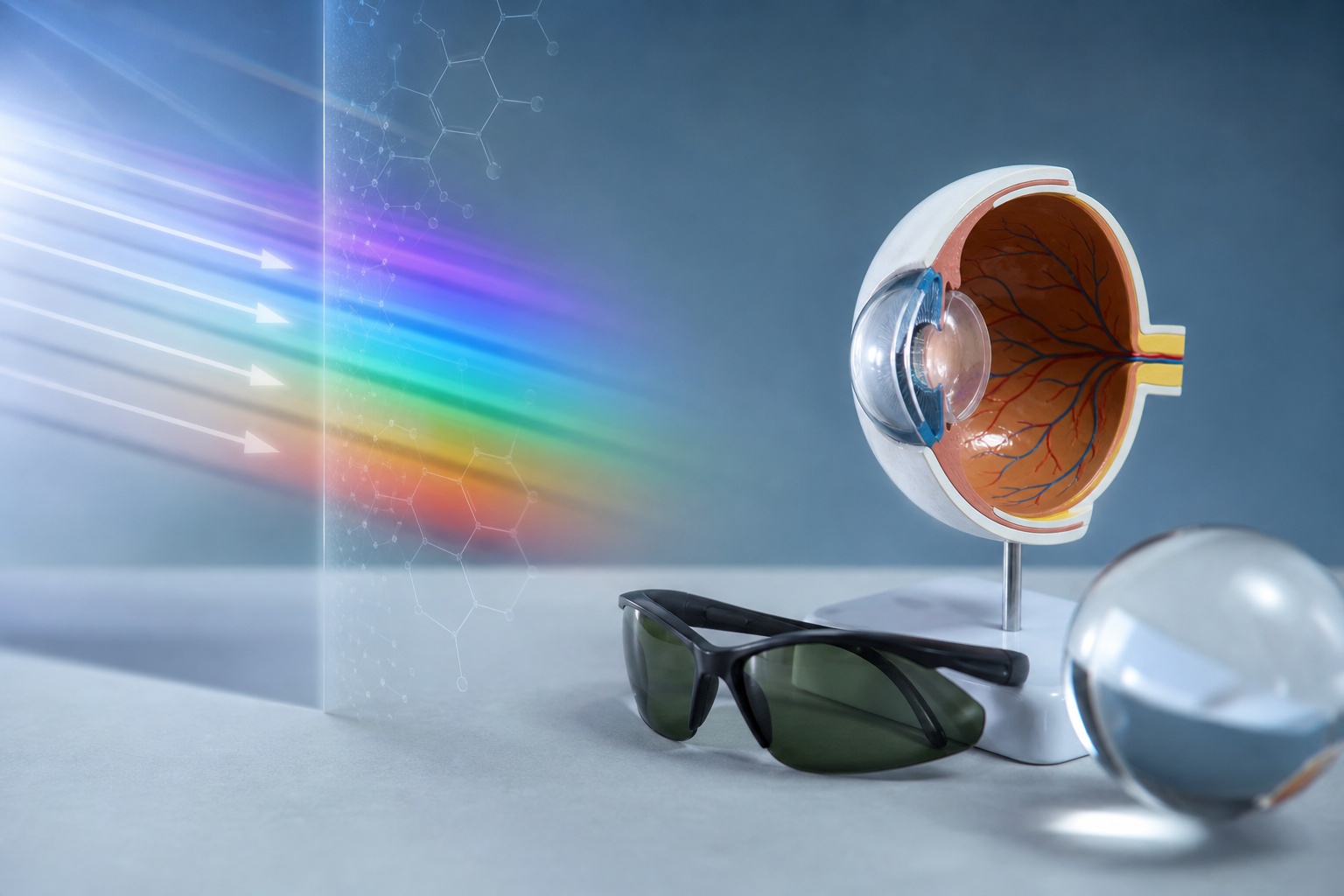
Why Are Closed Eyes Not Enough Protection?
Closing your eyes is a common instinctive response to bright light, but it does not provide sufficient protection against harmful...
Read more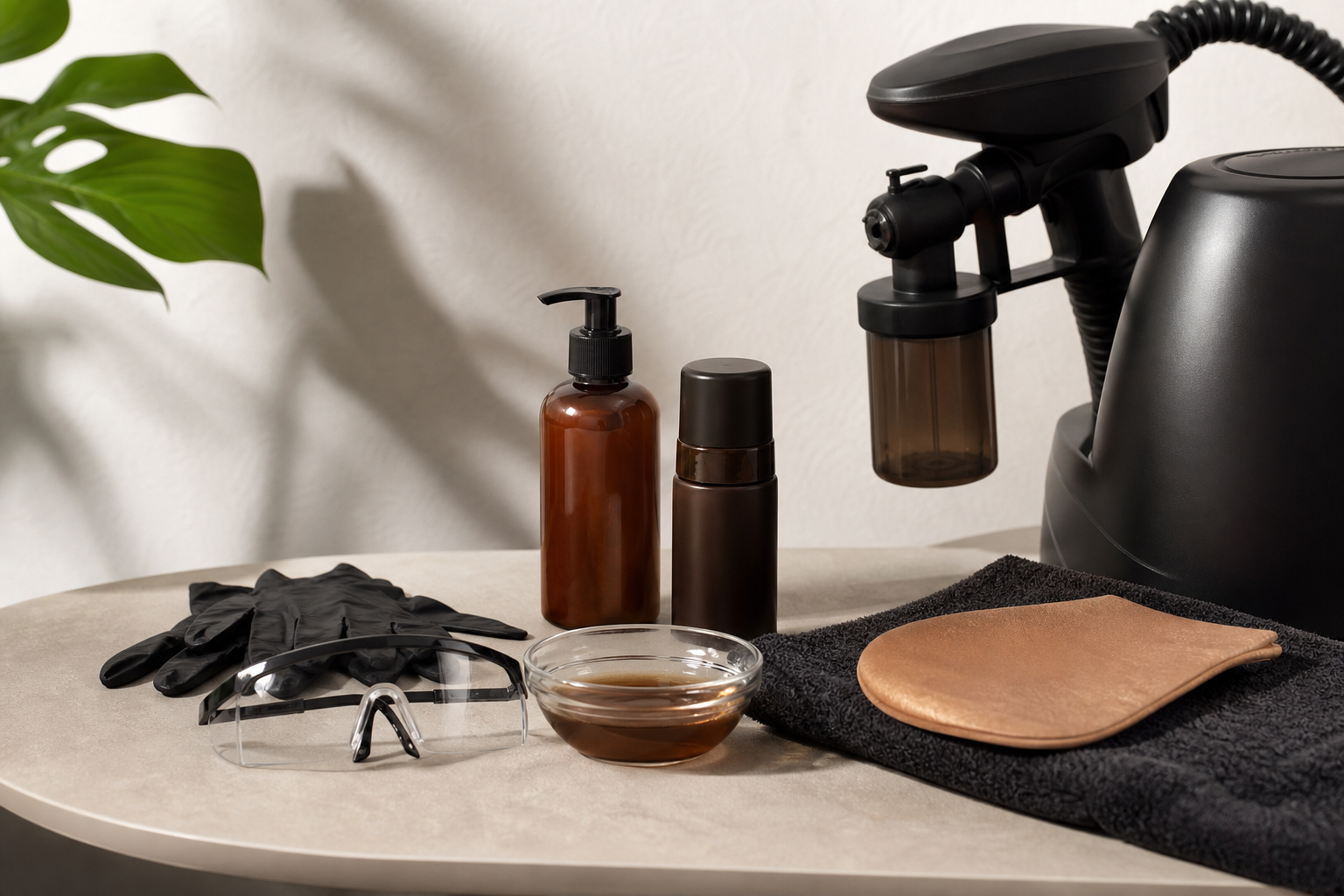
Spray Tan as an Alternative to UV Tanning
Spray tanning offers a UV-free alternative to traditional tanning, providing a bronzed look without exposure to harmful ultraviole...
Read more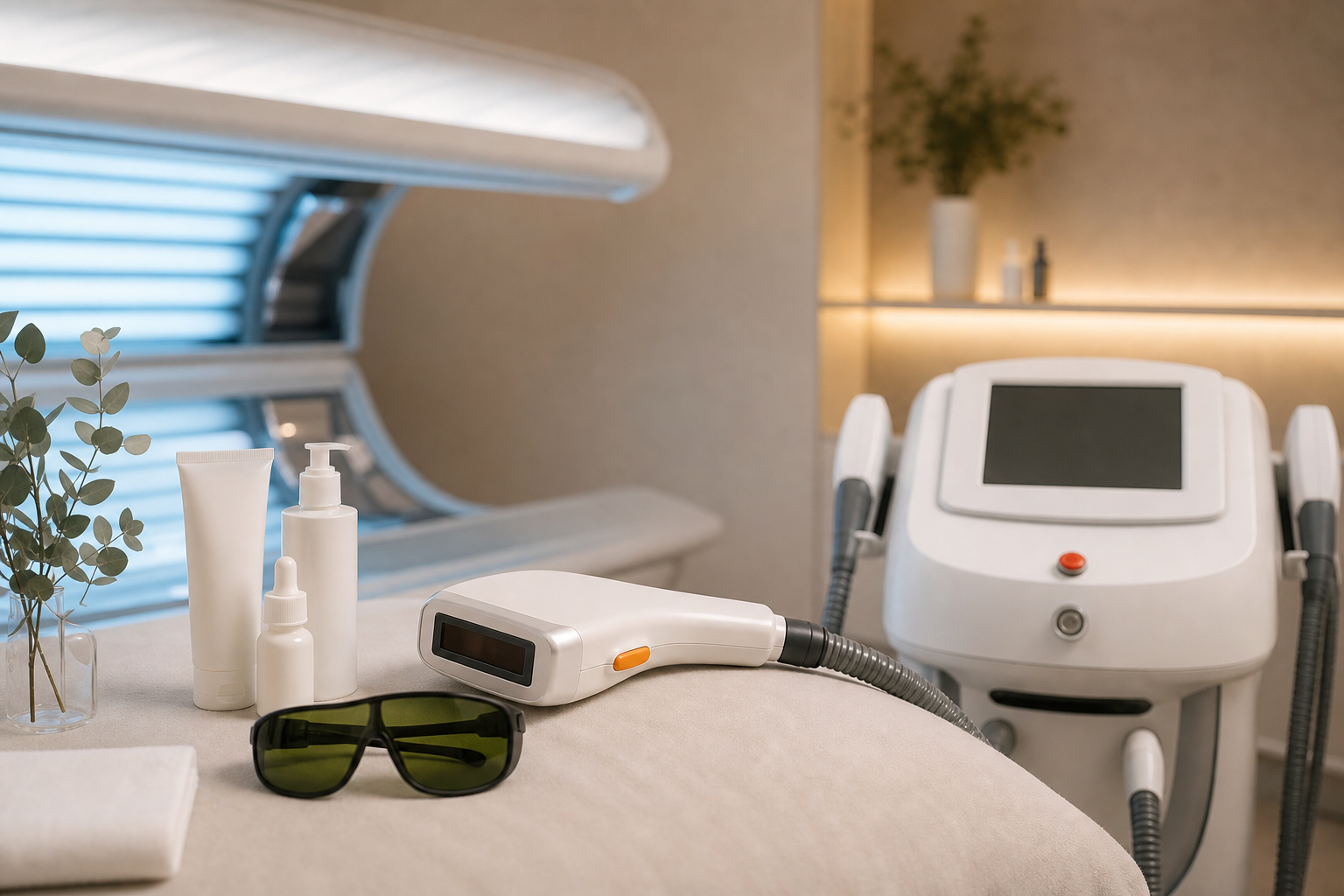
Sunbeds and Laser Hair Removal
This article examines the interactions between sunbed use and laser hair removal, highlighting safety considerations and the impac...
Read more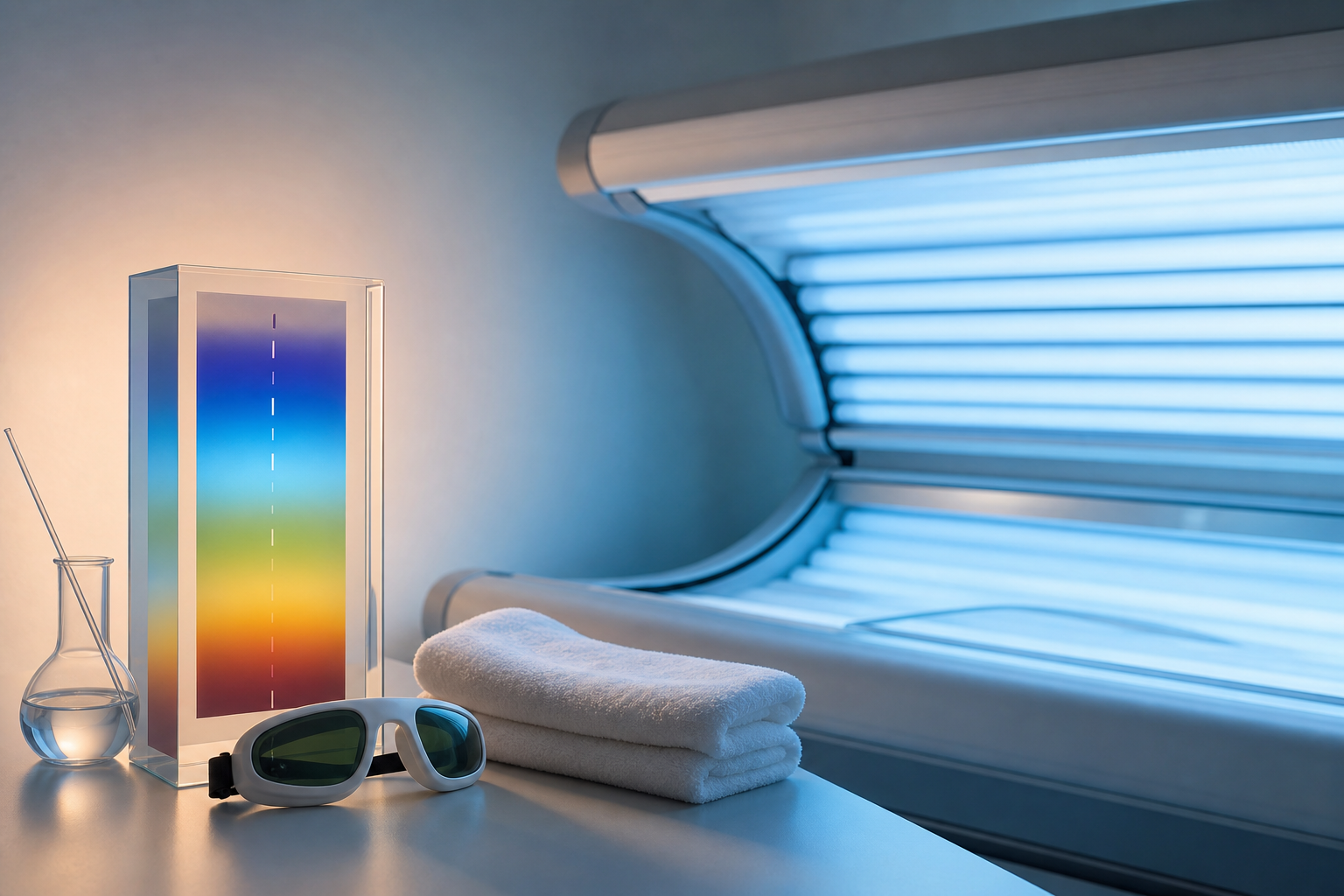
Sunbeds and Very Fair Skin Phototypes
Sunbeds emit ultraviolet radiation classified as a Group 1 carcinogen, with no established safe exposure threshold. Individuals wi...
Read more
Spray Tanning and Laser Hair Removal: Optimal Time Intervals Between Treatments
Combining spray tanning and laser hair removal requires careful timing to ensure safe and effective results. Waiting appropriate i...
Read more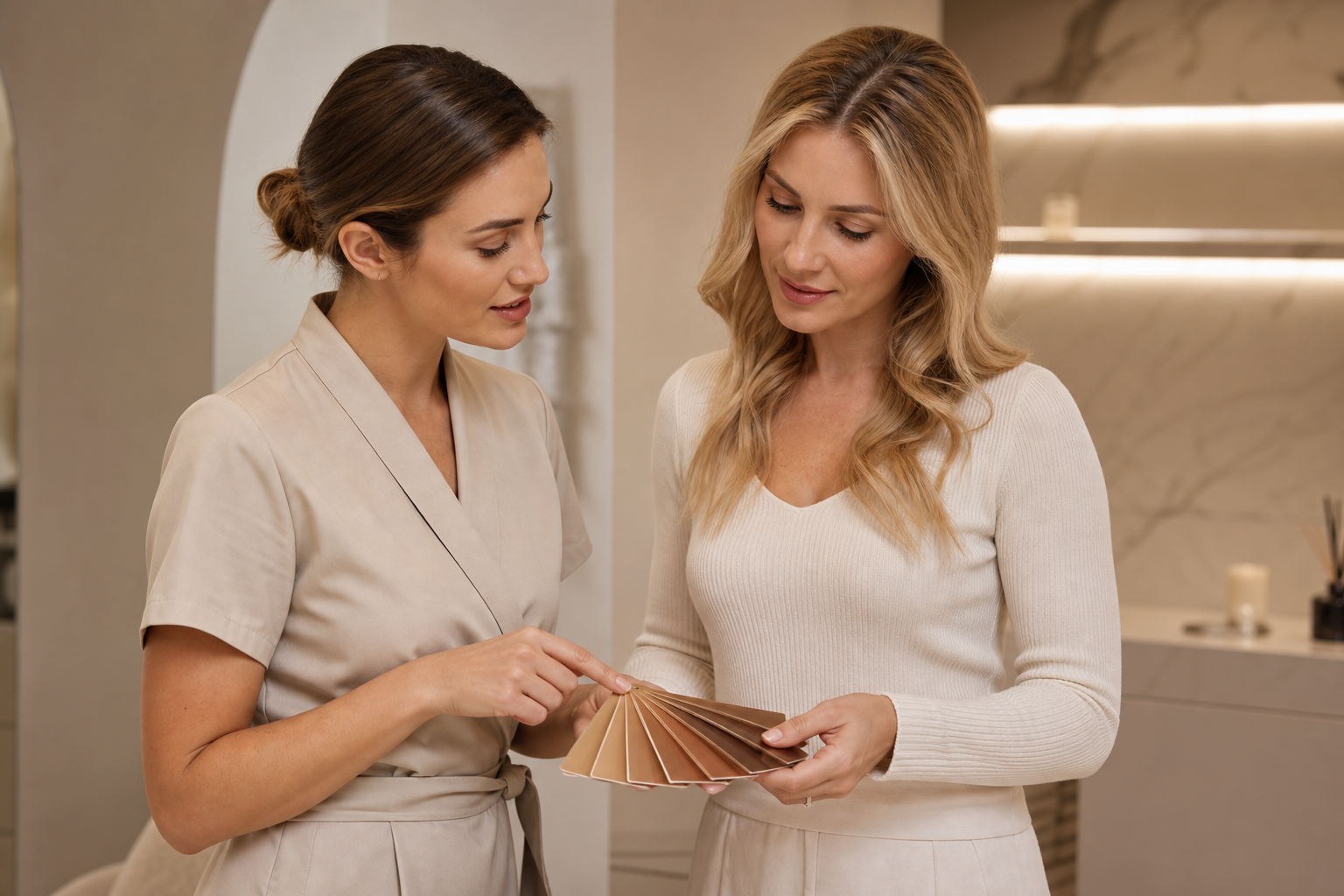
How Does a Professional Choose the Right Spray Tan Shade?
Selecting the ideal spray tan shade requires professionals to assess skin tones, undertones, and client expectations meticulously....
Read more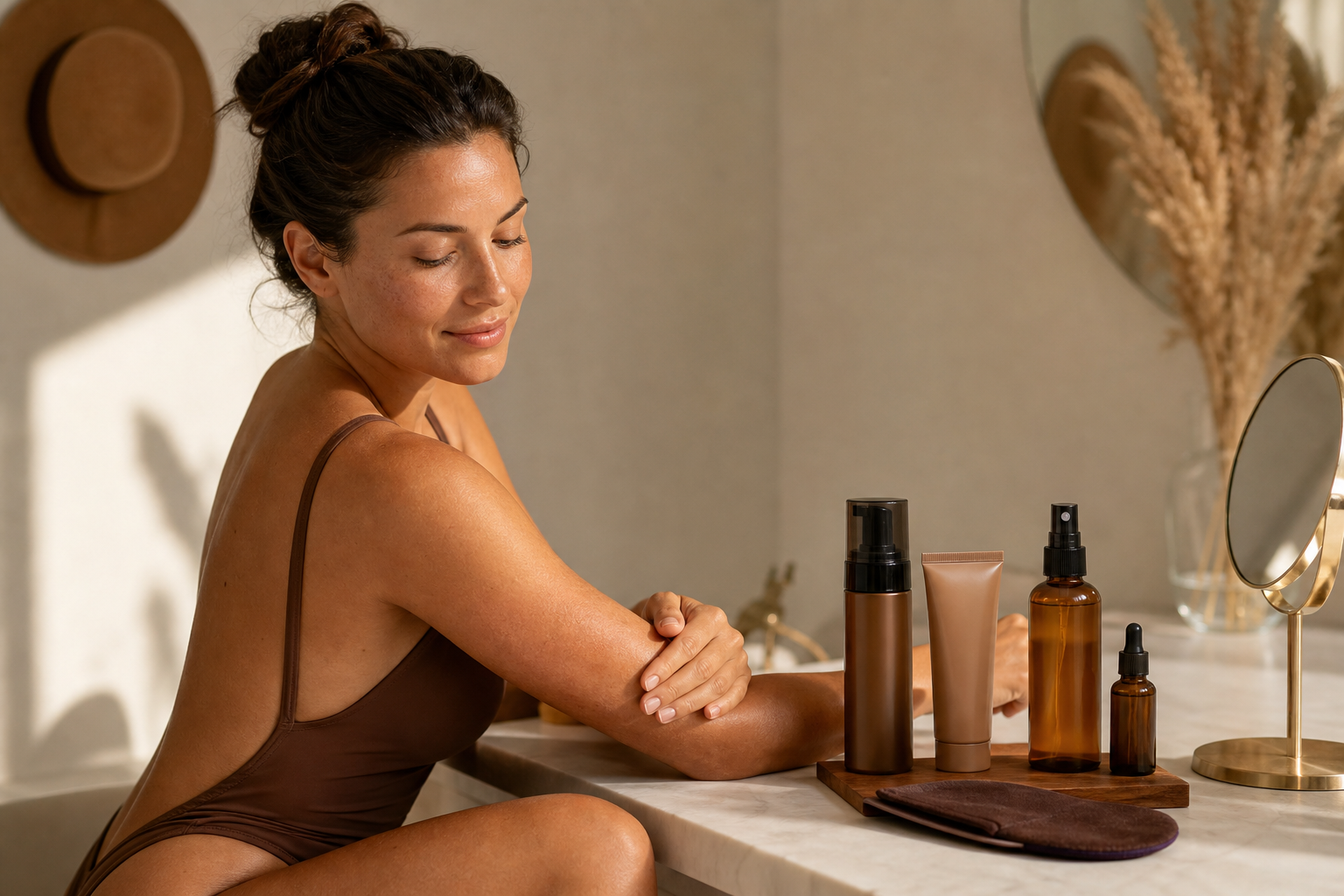
Self-Tanning Foam, Lotion, Spray or Drops: The Differences
Self-tanning products come in foams, lotions, sprays, and drops, each with distinct textures and application methods suited to dif...
Read more
Do You Need a Spray Tan Trial Before Your Wedding?
A spray tan trial before your wedding helps ensure the perfect, natural-looking glow by allowing you to test the shade and prevent...
Read more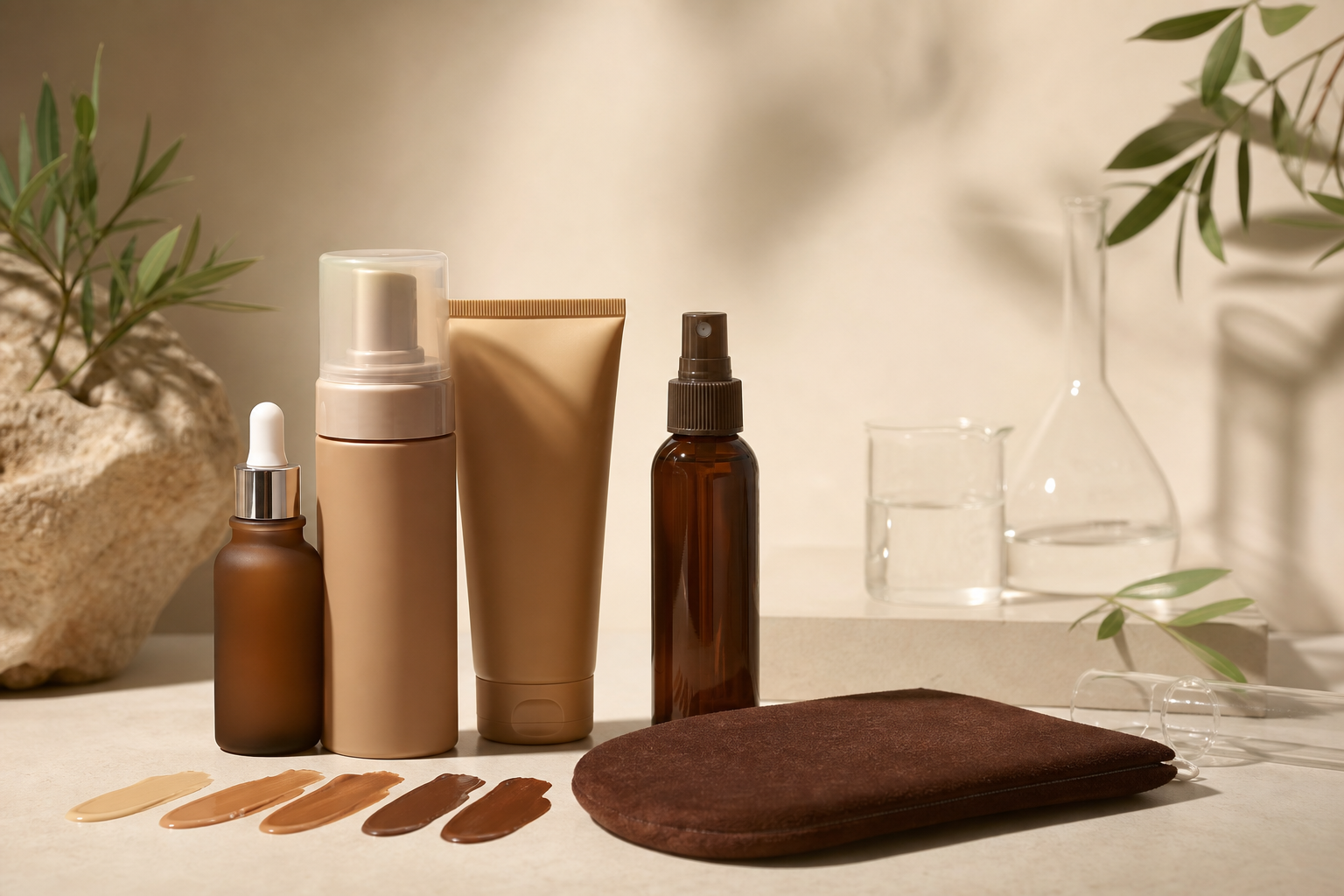
How to Achieve a Tanned Look Without Sunbeds
Achieving a tanned appearance without the health risks of sunbeds is both safe and attainable. This guide explains the dangers of...
Read more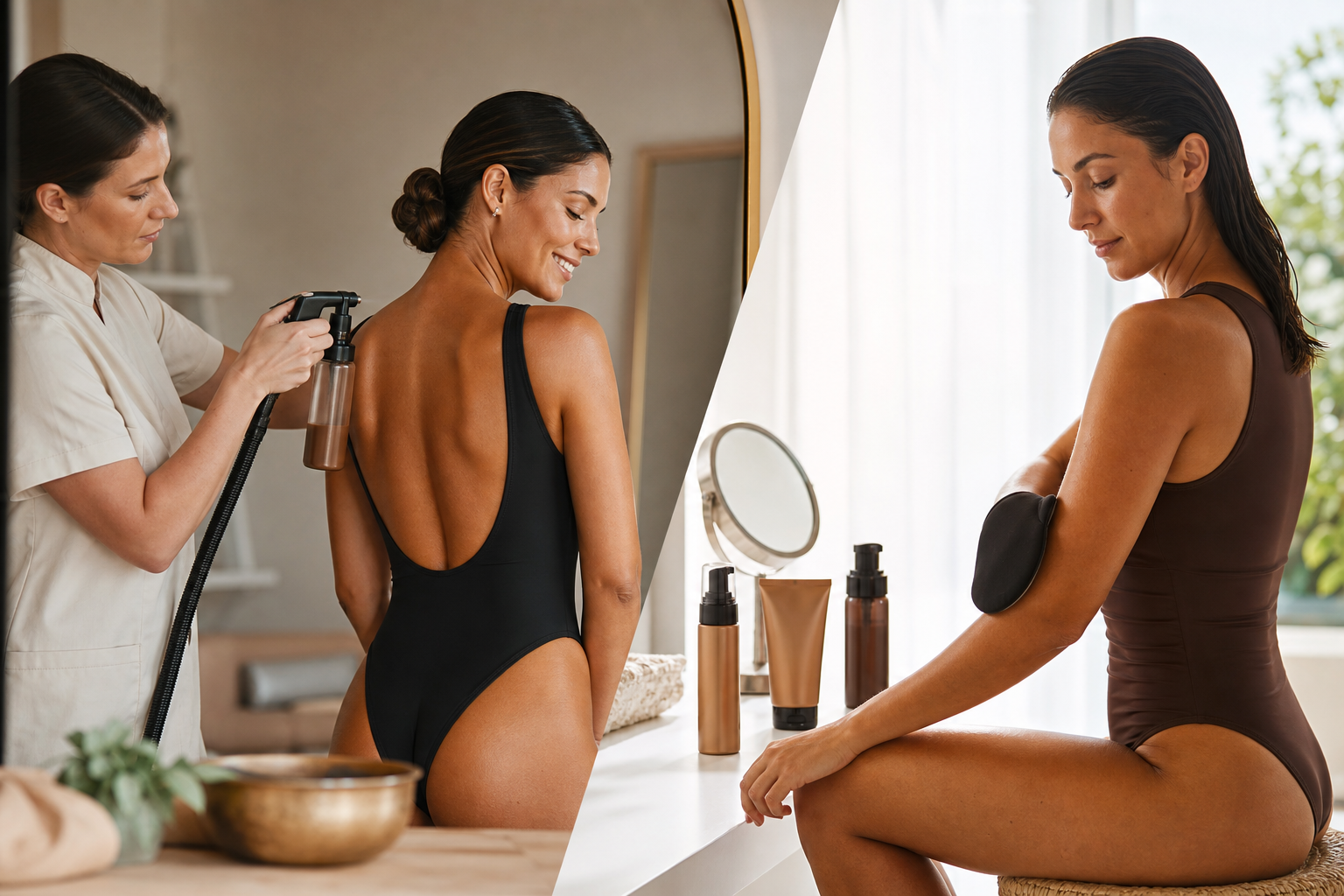
Professional Spray Tan Solution vs At-Home Product
Spray tanning offers a sunless way to achieve a bronzed look, with clear differences between professional salon solutions and at-h...
Read more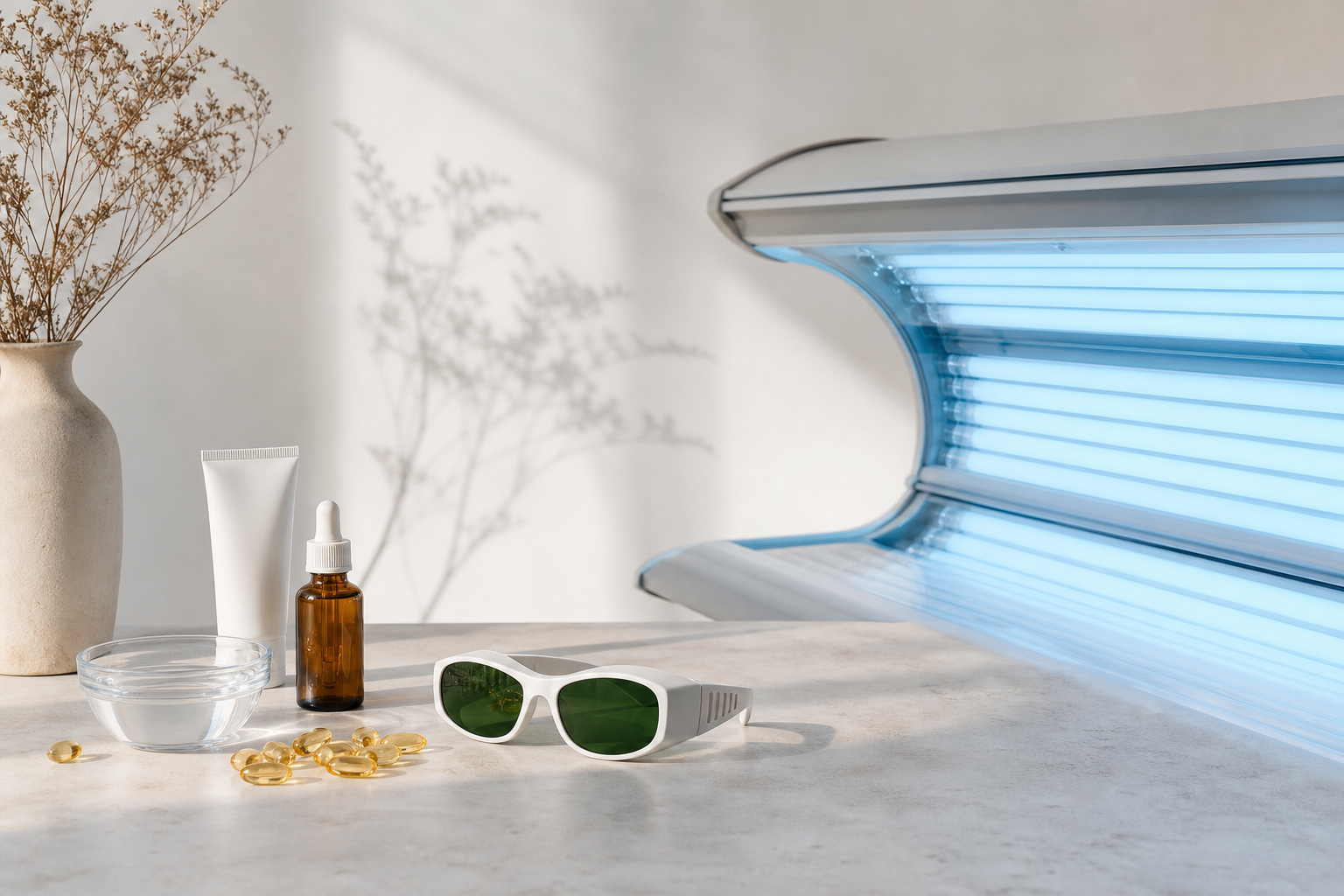
Why Are Sunbeds Not Recommended for Treating Vitamin D Deficiency?
Sunbeds emit ultraviolet radiation that can stimulate vitamin D synthesis but pose serious health risks including skin cancer and...
Read more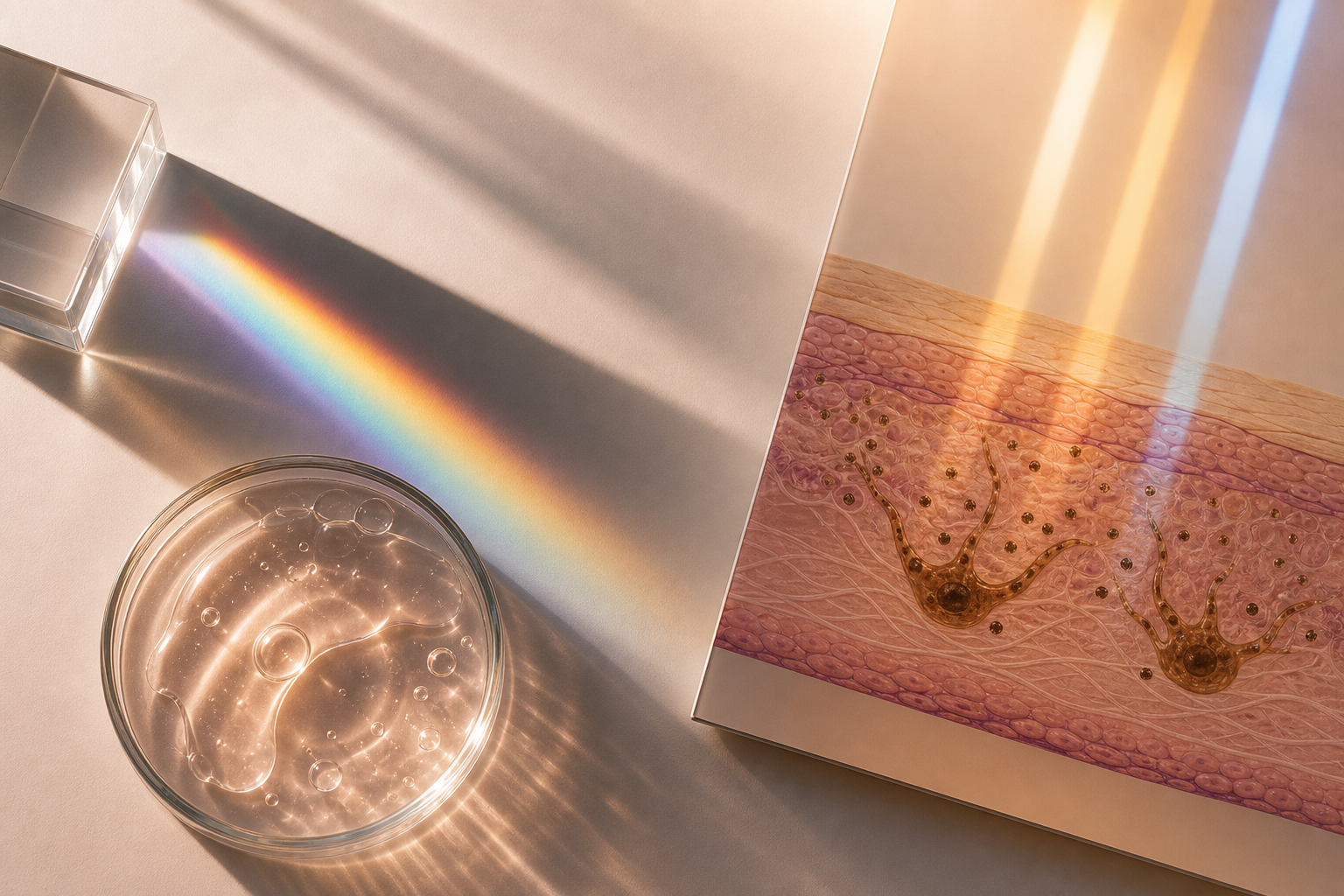
How Does Skin Tan Under UV Radiation?
Skin tanning is a complex biological response where UV radiation stimulates melanin production as a partial defense against damage...
Read more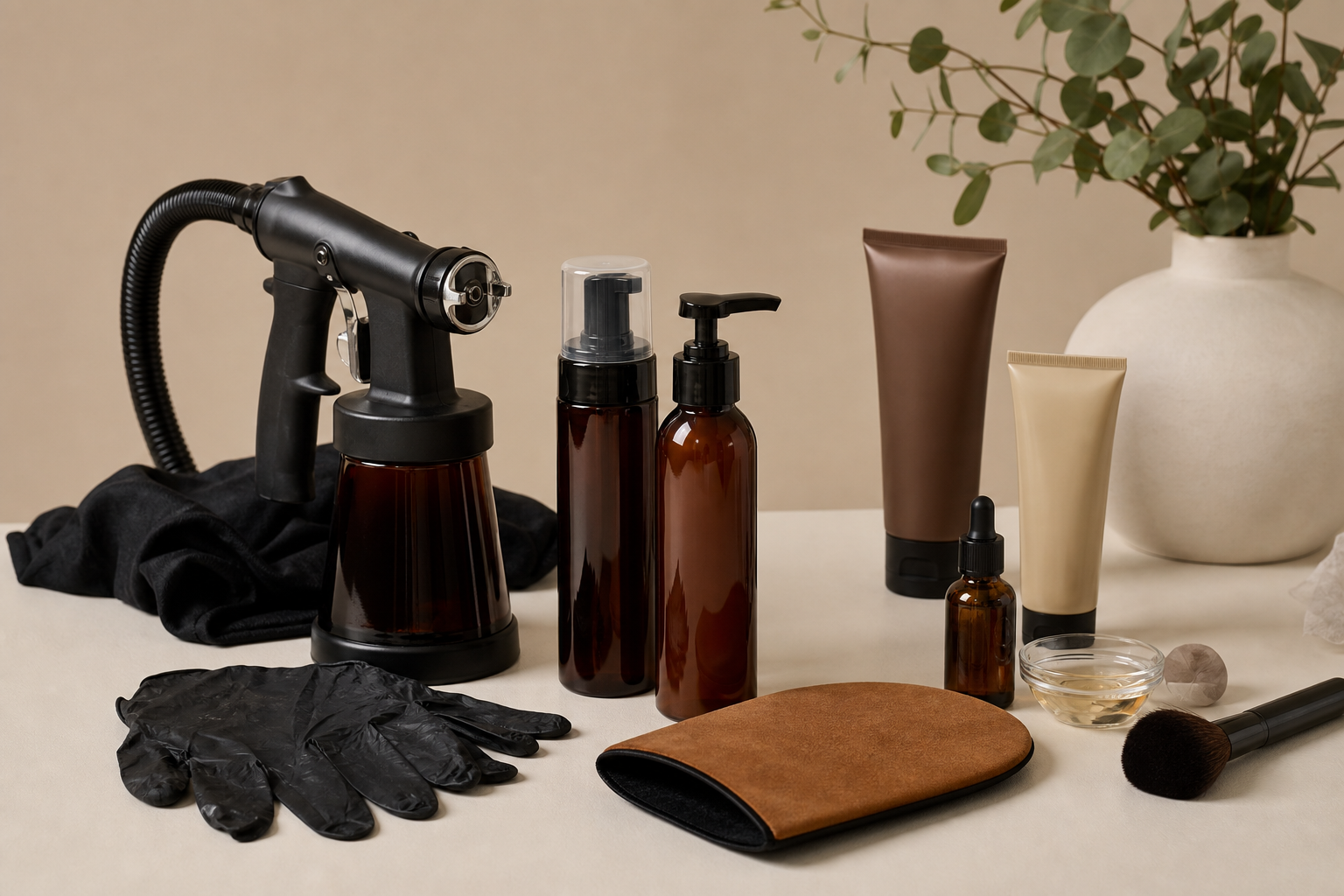
Professional Spray Tan or At-Home Self-Tanner
Professional spray tanning and at-home self-tanners both offer UV-free options for achieving a tanned complexion. This article com...
Read more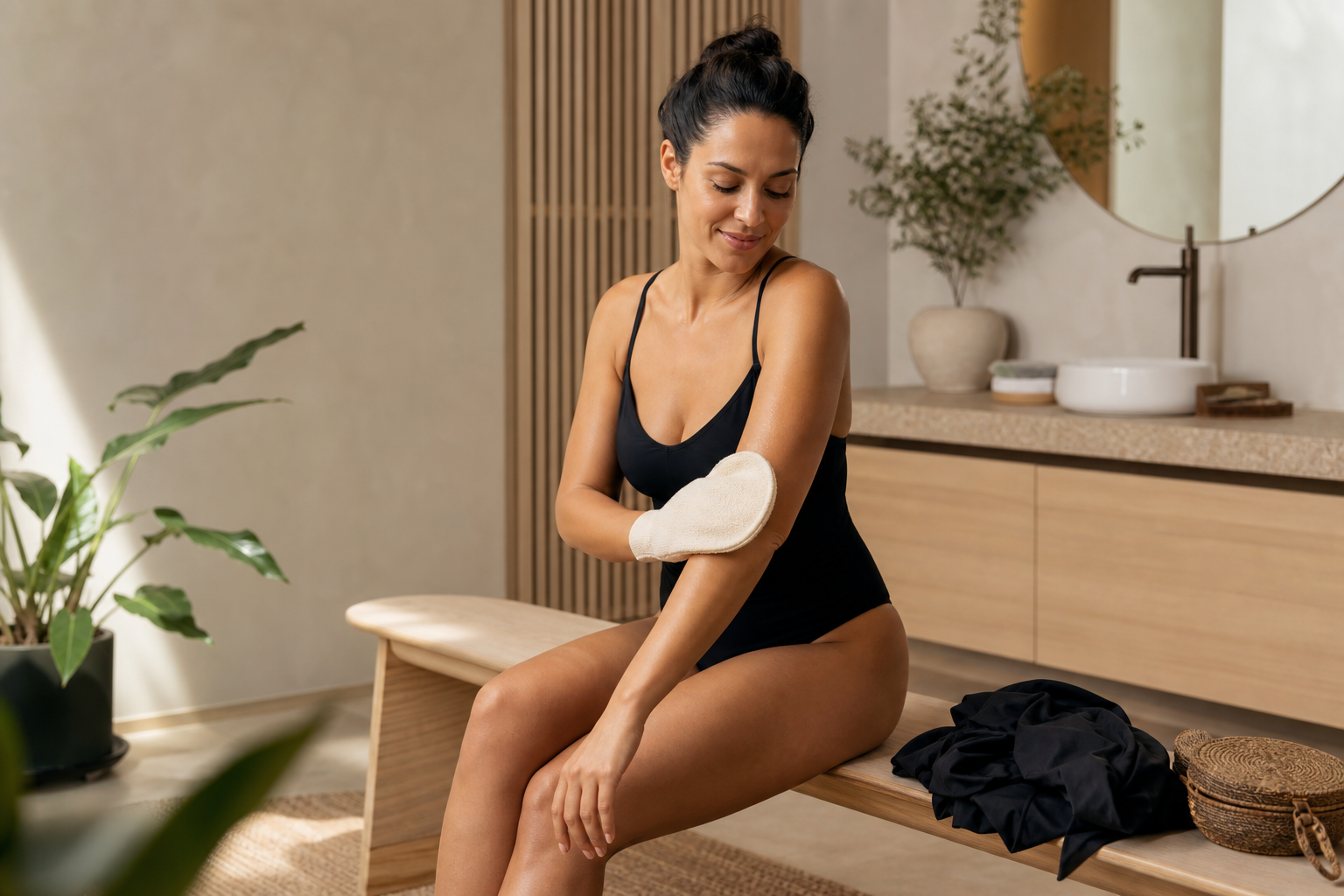
How to Prepare for a Spray Tan: A Pre-Appointment Guide
Preparing your skin properly before a spray tan is essential for achieving an even, natural-looking bronze that lasts. This guide...
Read more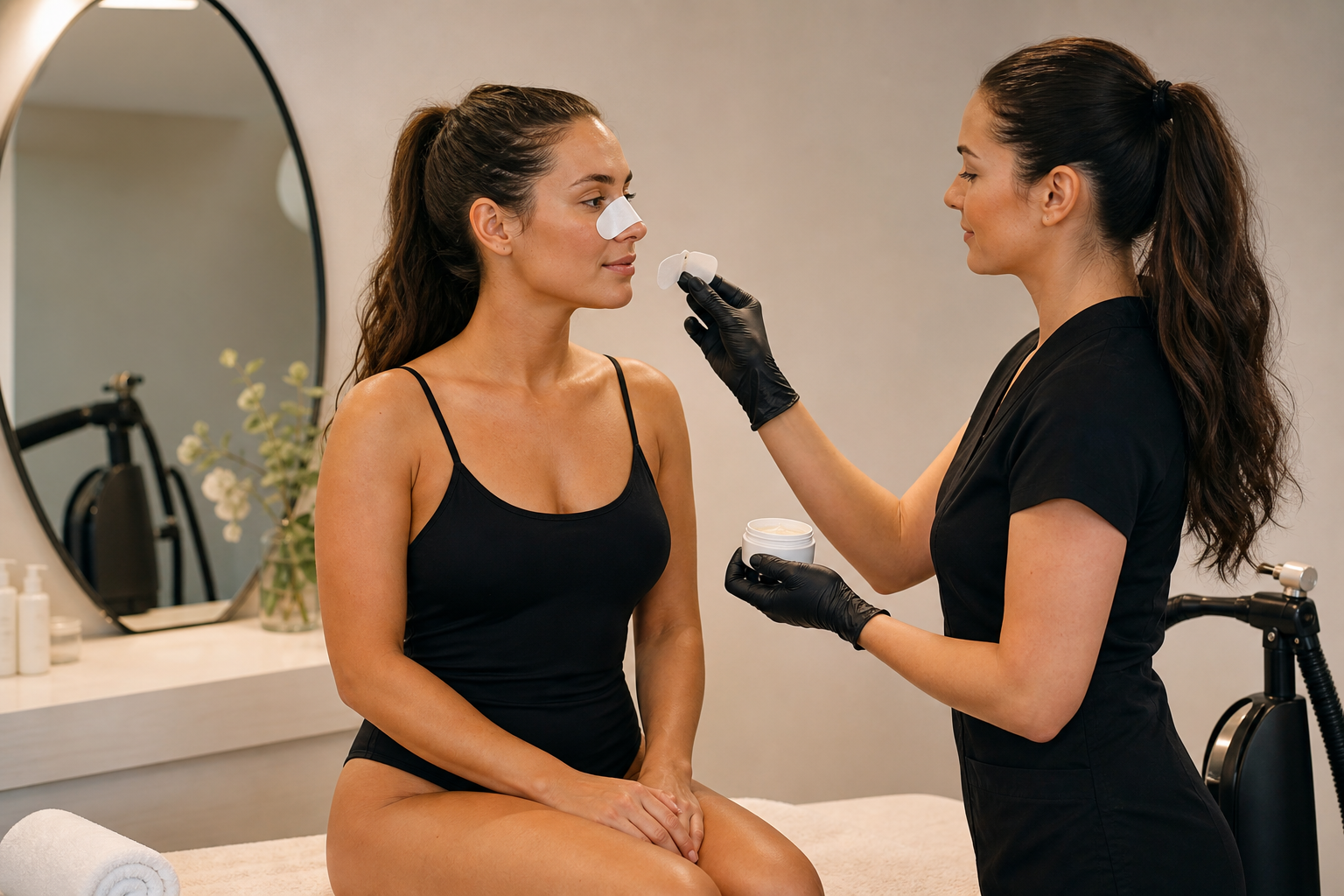
Is Spray Tanning Safe? DHA, Protection and Precautions
Spray tanning offers a sunless way to achieve a bronzed look using DHA, a sugar-based compound that colors the skin's surface temp...
Read more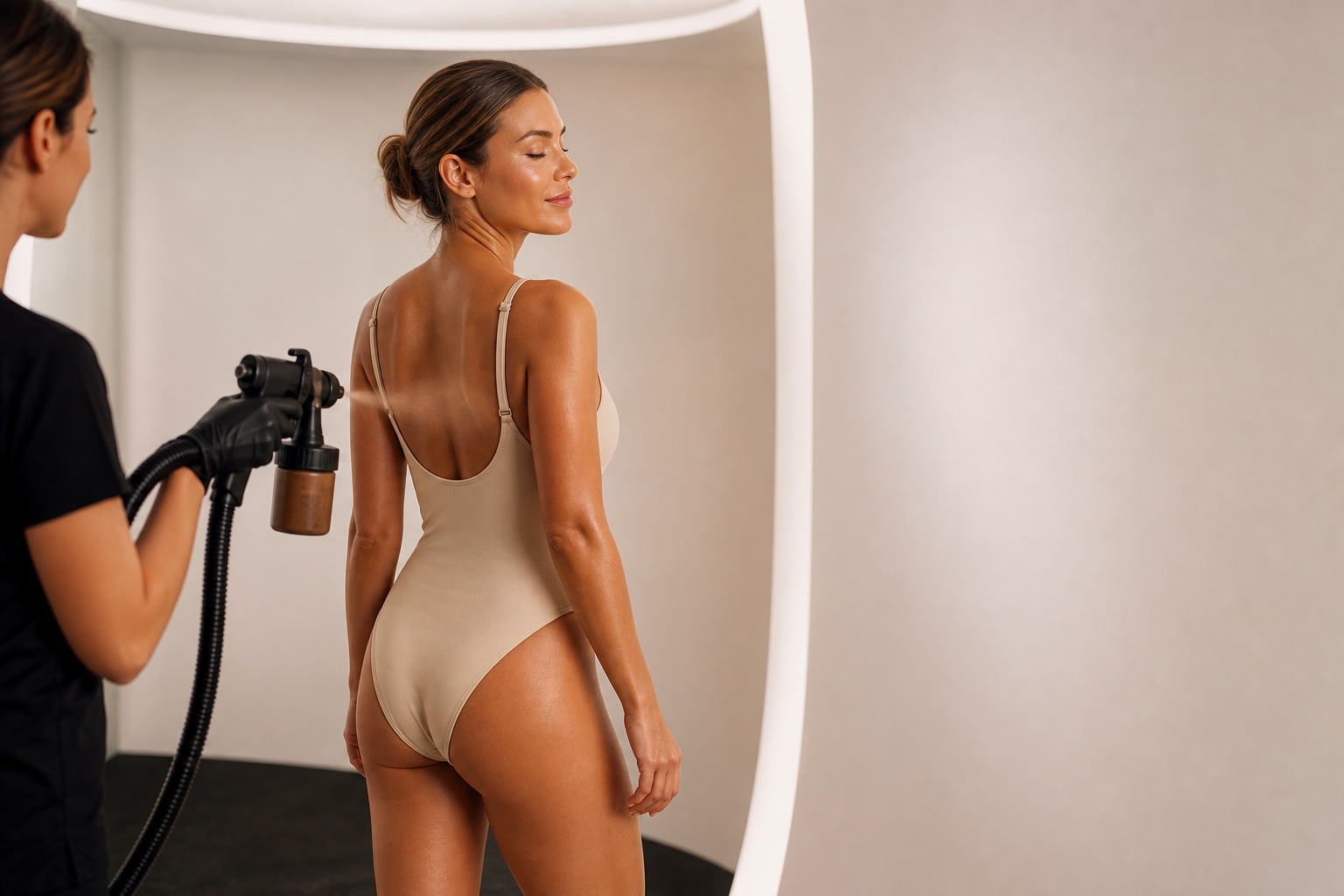
What Is a Spray Tan and How Does It Work?
A spray tan offers a UV-free way to achieve a natural-looking, sun-kissed glow through a chemical reaction on the skin's surface....
Read more
Spray Tan Myths and Answers to Frequently Asked Questions
Spray tanning provides a natural, customizable glow without UV risks, but common myths about orange tones, pore clogging, and sun...
Read more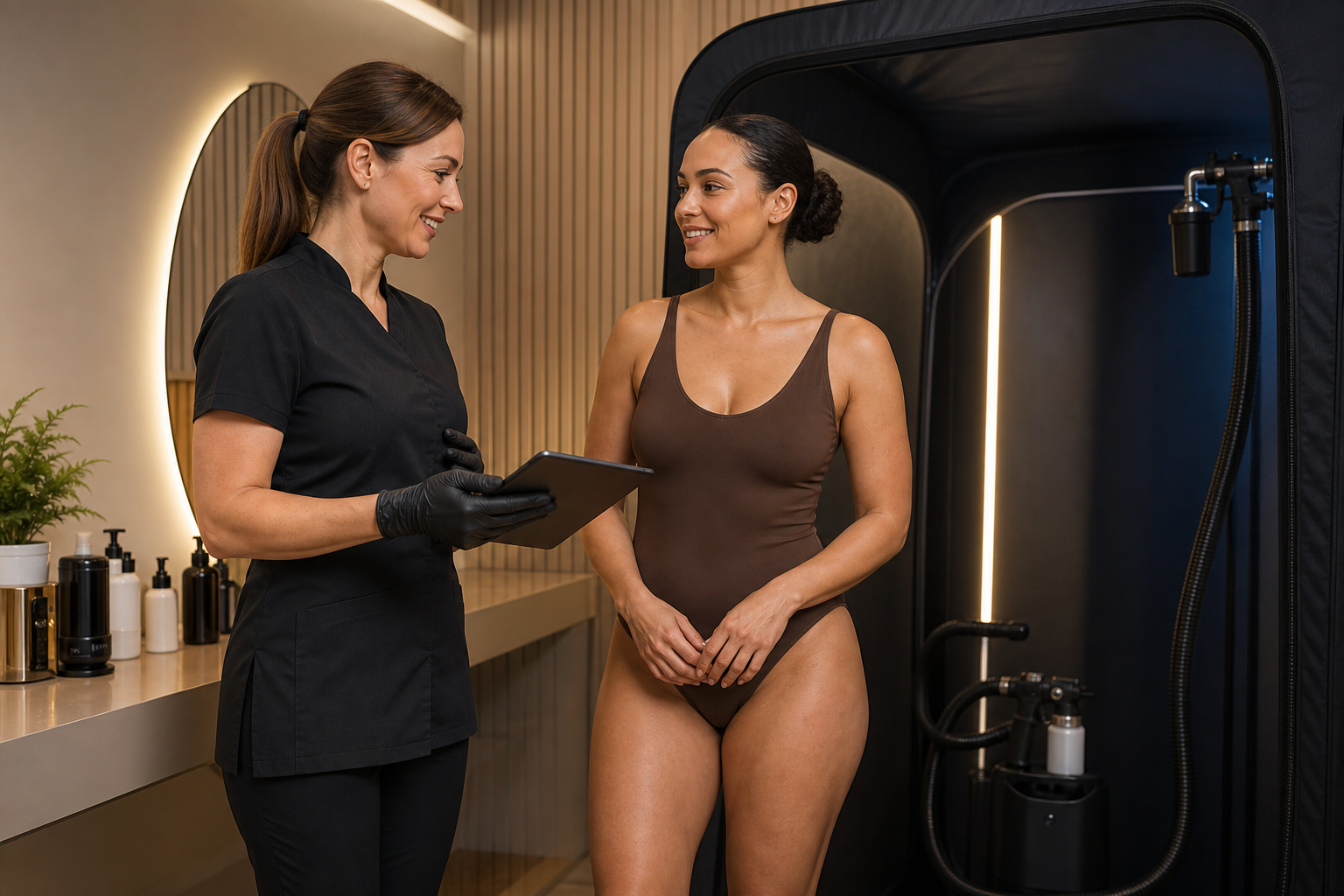
Introducing a Spray Tan Service in a Beauty Salon
Introducing a professional spray tan service offers beauty salons a safe alternative to UV tanning, enhancing client satisfaction...
Read more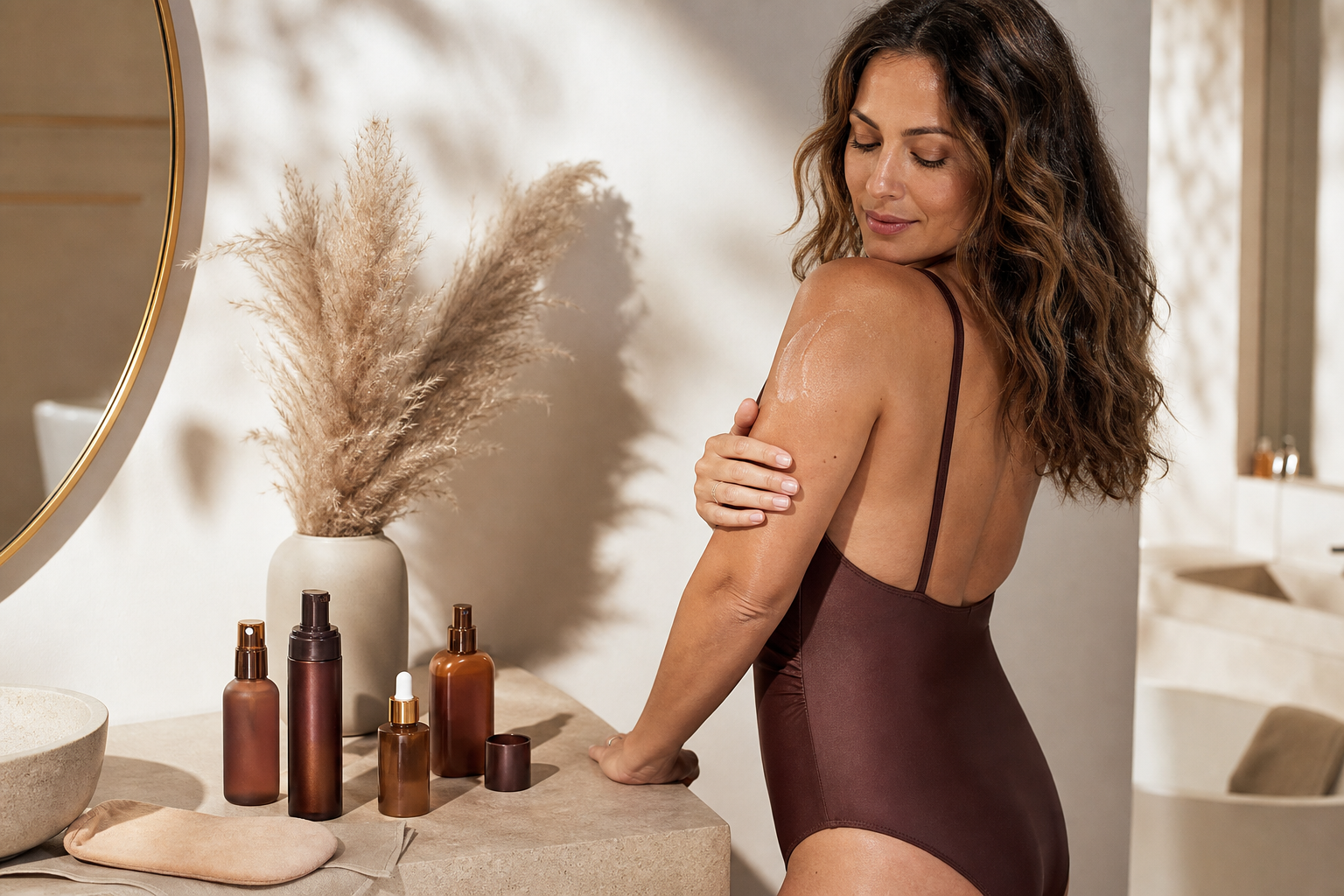
A Guide to Self-Tanning Products
This comprehensive guide explores the variety of self-tanning products available, detailing their forms, application techniques, a...
Read more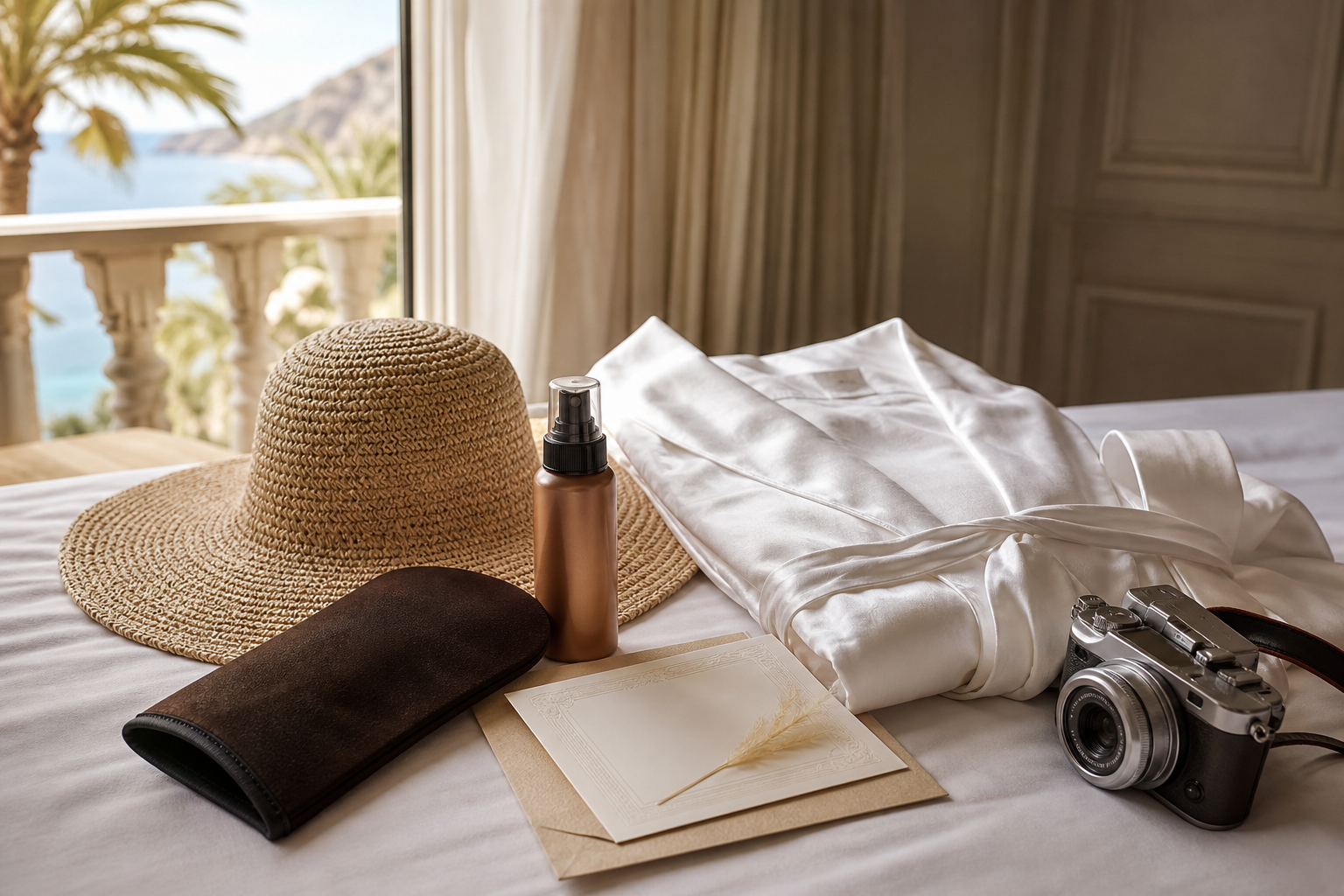
Spray Tans for Weddings, Holidays and Special Events
Spray tans offer a safe, customizable sun-kissed glow for weddings, holidays, and special events without UV exposure risks. Proper...
Read more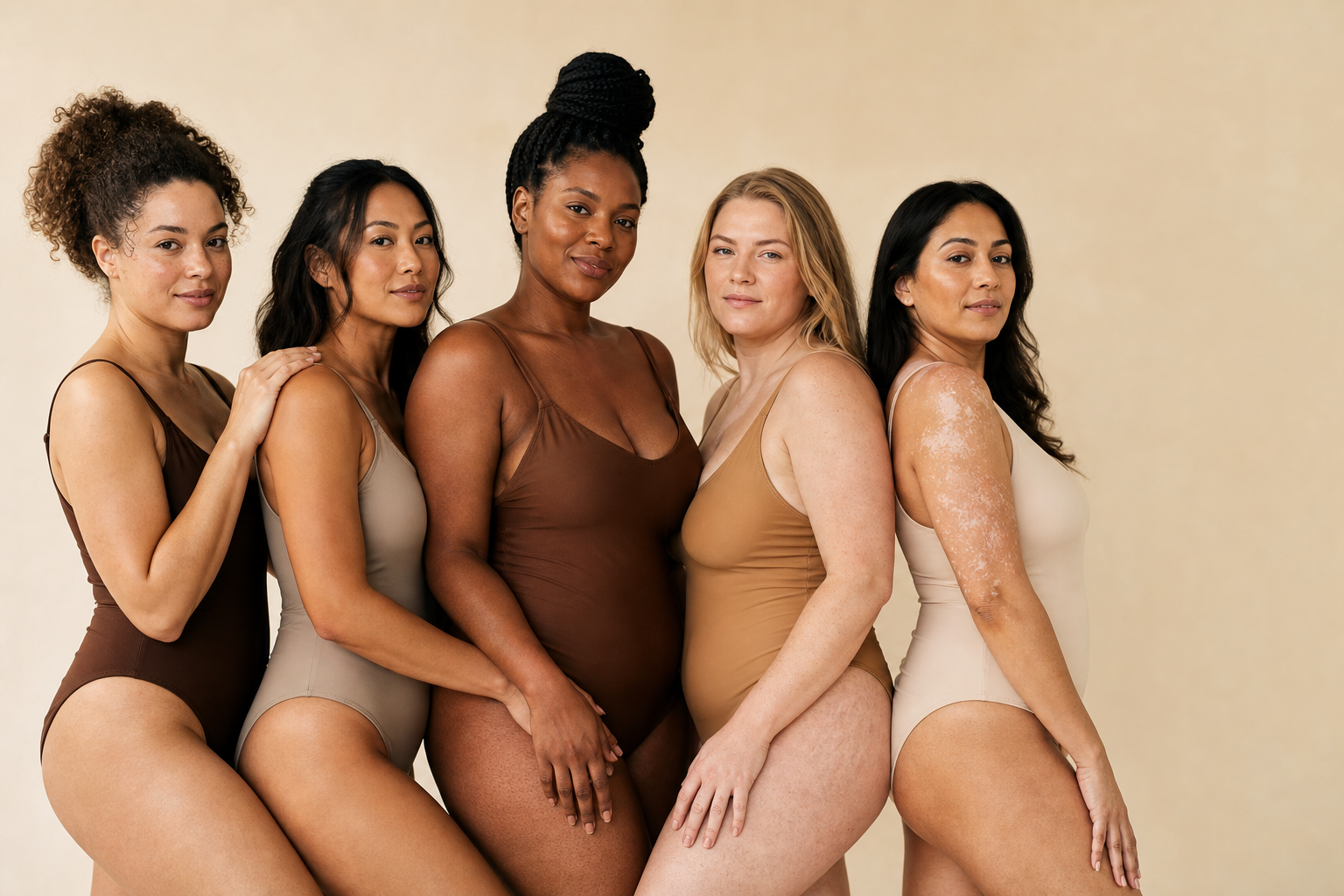
Spray Tanning for Different Skin Types and Conditions
Spray tanning offers a UV-free way to achieve a bronzed appearance but interacts uniquely with different skin types and conditions...
Read more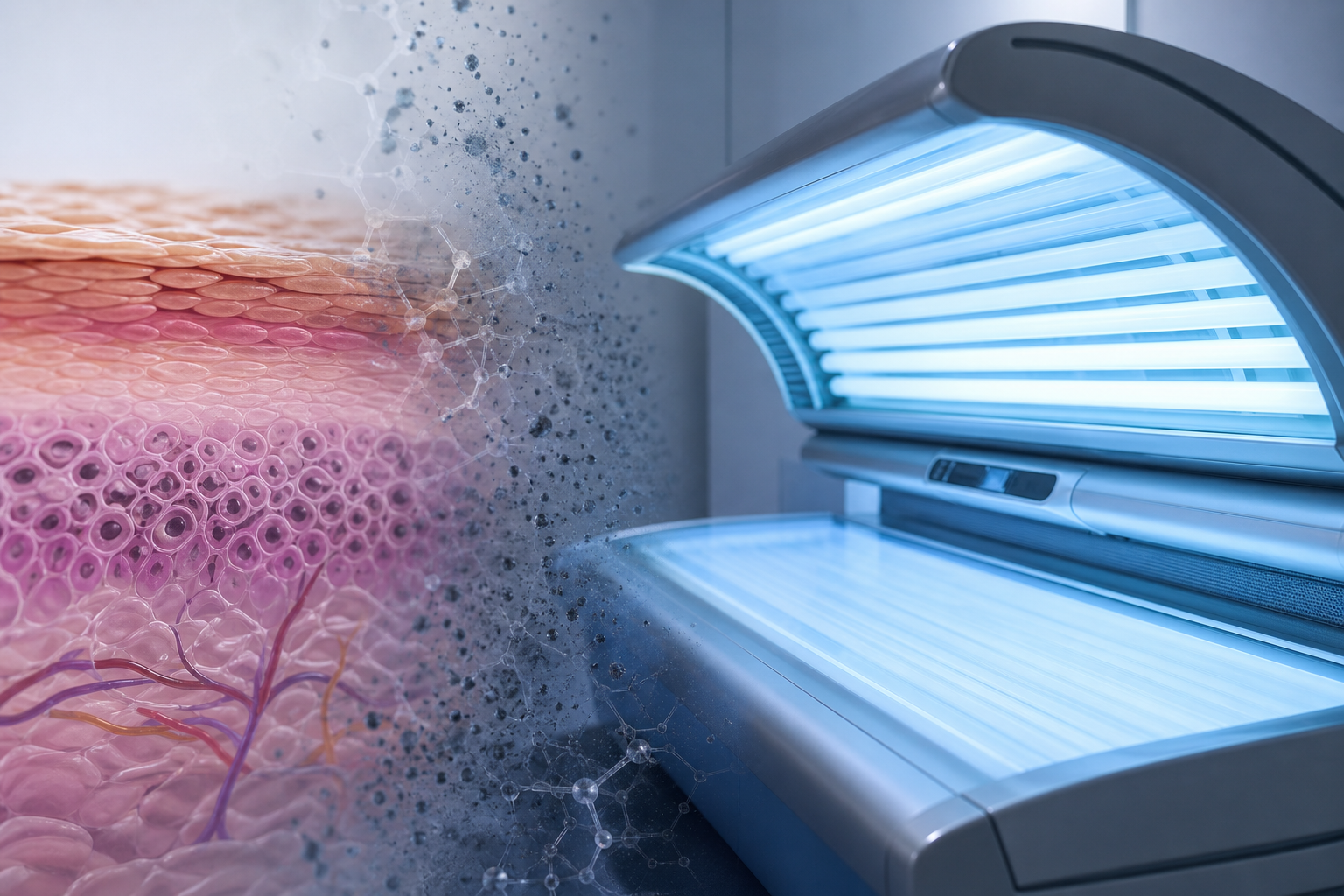
Sunbeds and Skin: Burns, Photoaging and Skin Cancer
Sunbeds emit ultraviolet radiation that poses significant risks, including skin burns, accelerated photoaging, and increased skin...
Read more
Common Spray Tan Problems and Why They Happen
Spray tanning offers a safe alternative to achieve a sun-kissed glow without UV exposure, but common issues like streaks, uneven f...
Read more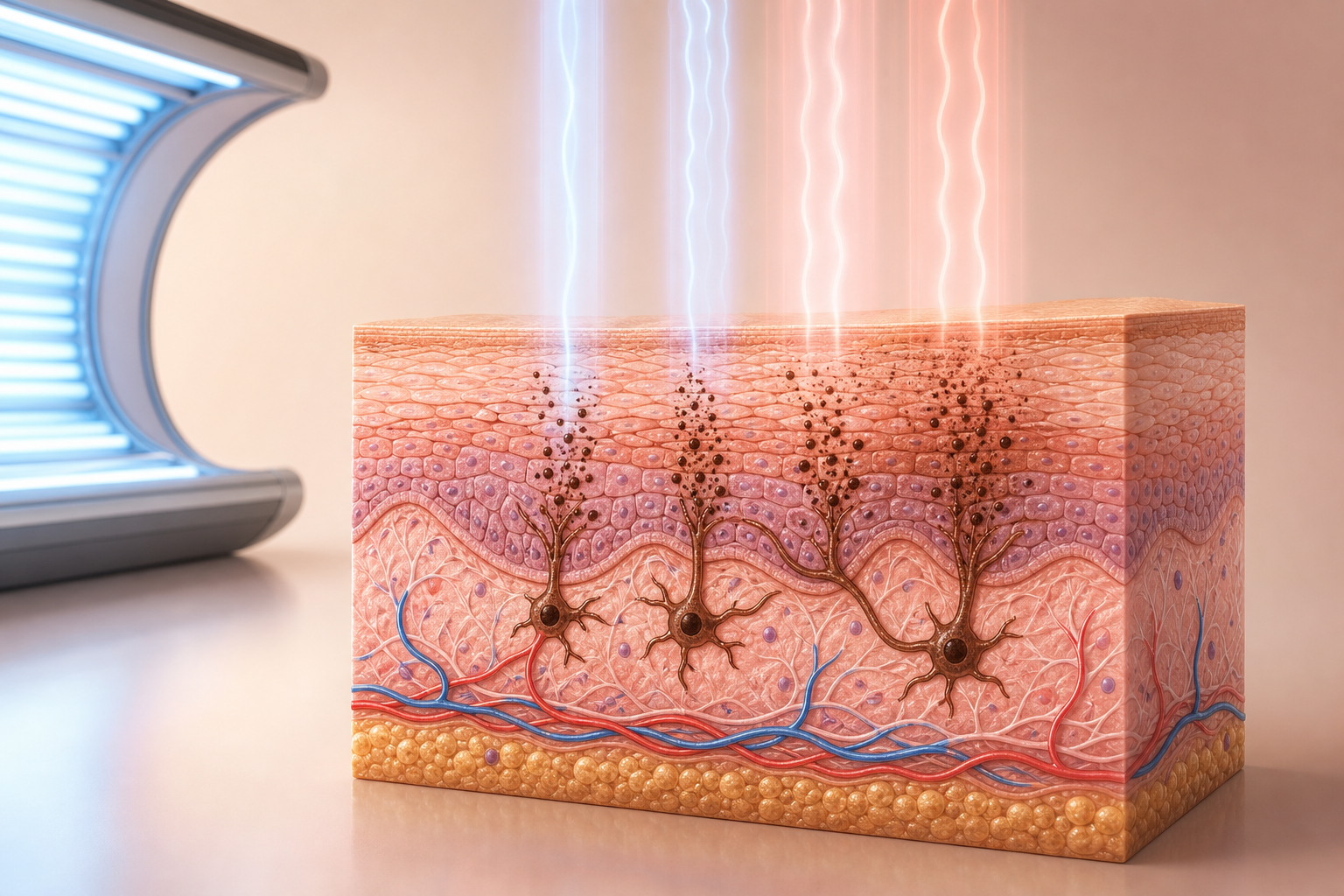
How Sunbeds Cause the Skin to Tan
Sunbeds tan the skin by emitting UVA and UVB rays that damage DNA and trigger melanin production as a defense. Classified as Group...
Read more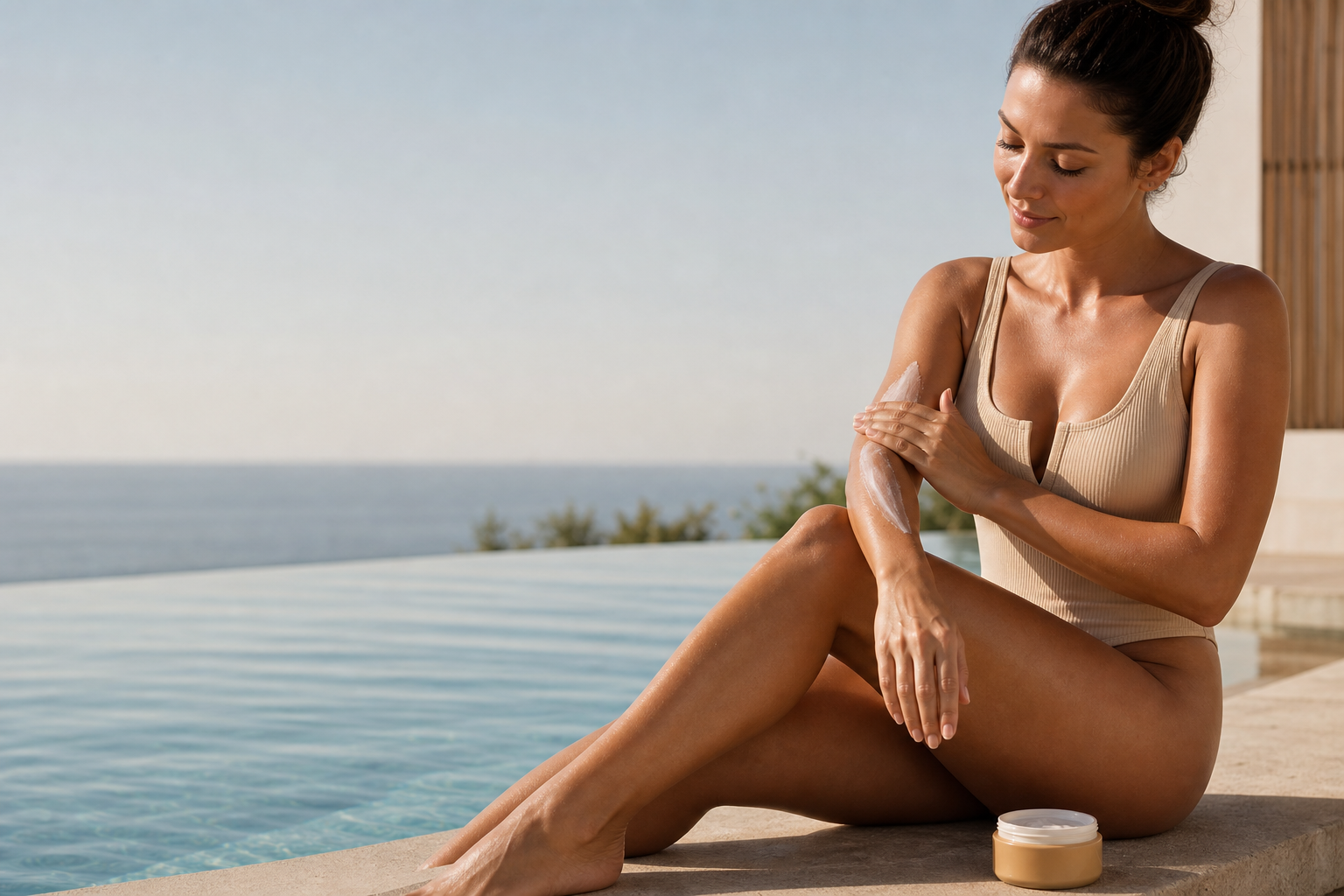
How Long Does a Spray Tan Last and How Do You Maintain It?
Spray tans offer a safe way to achieve a bronzed glow without UV exposure, but their longevity depends on skin type, product choic...
Read more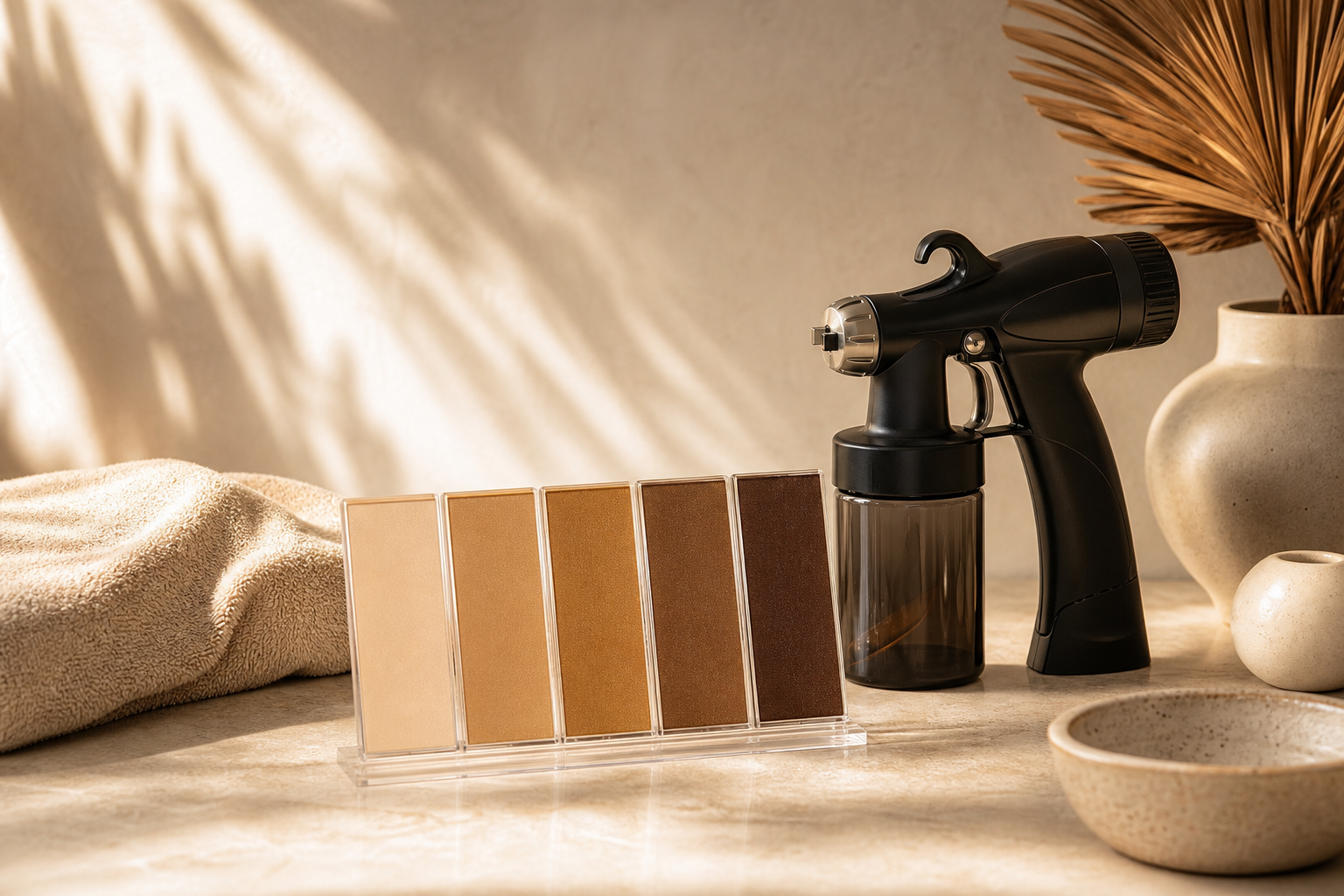
How to Choose a Spray Tan Shade for Your Skin and Desired Result
Selecting the perfect spray tan shade requires understanding your skin's undertone and desired look to achieve a natural, radiant...
Read more
The Most Common Myths About Sunbeds
Sunbeds emit ultraviolet radiation that can cause DNA damage and skin cancer, with no safe exposure threshold. This guide debunks...
Read more
Sunbeds and Vitamin D: Facts and Myths
Sunbeds emit UV radiation that can trigger vitamin D production but carry significant cancer risks and no safe exposure threshold....
Read more
Professional Spray Tan Treatment: Process, Consultation and Expectations
Professional spray tan treatments provide a safe, natural-looking bronze without UV exposure, involving thorough consultations to...
Read more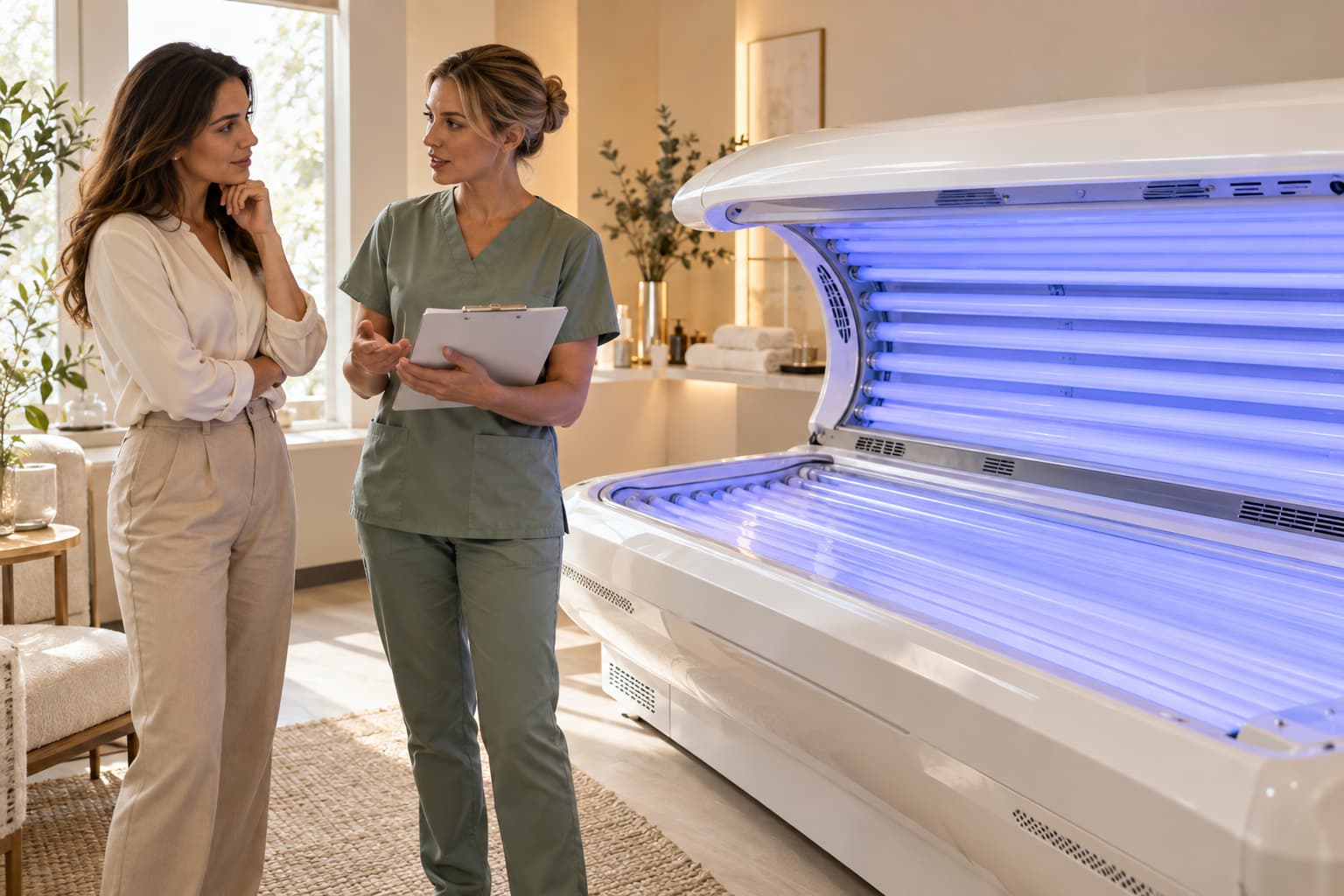
Sunbeds Before and After Aesthetic Treatments
Sunbeds emit UV radiation classified as a Group 1 carcinogen with no safe exposure level. Using sunbeds before or after aesthetic...
Read more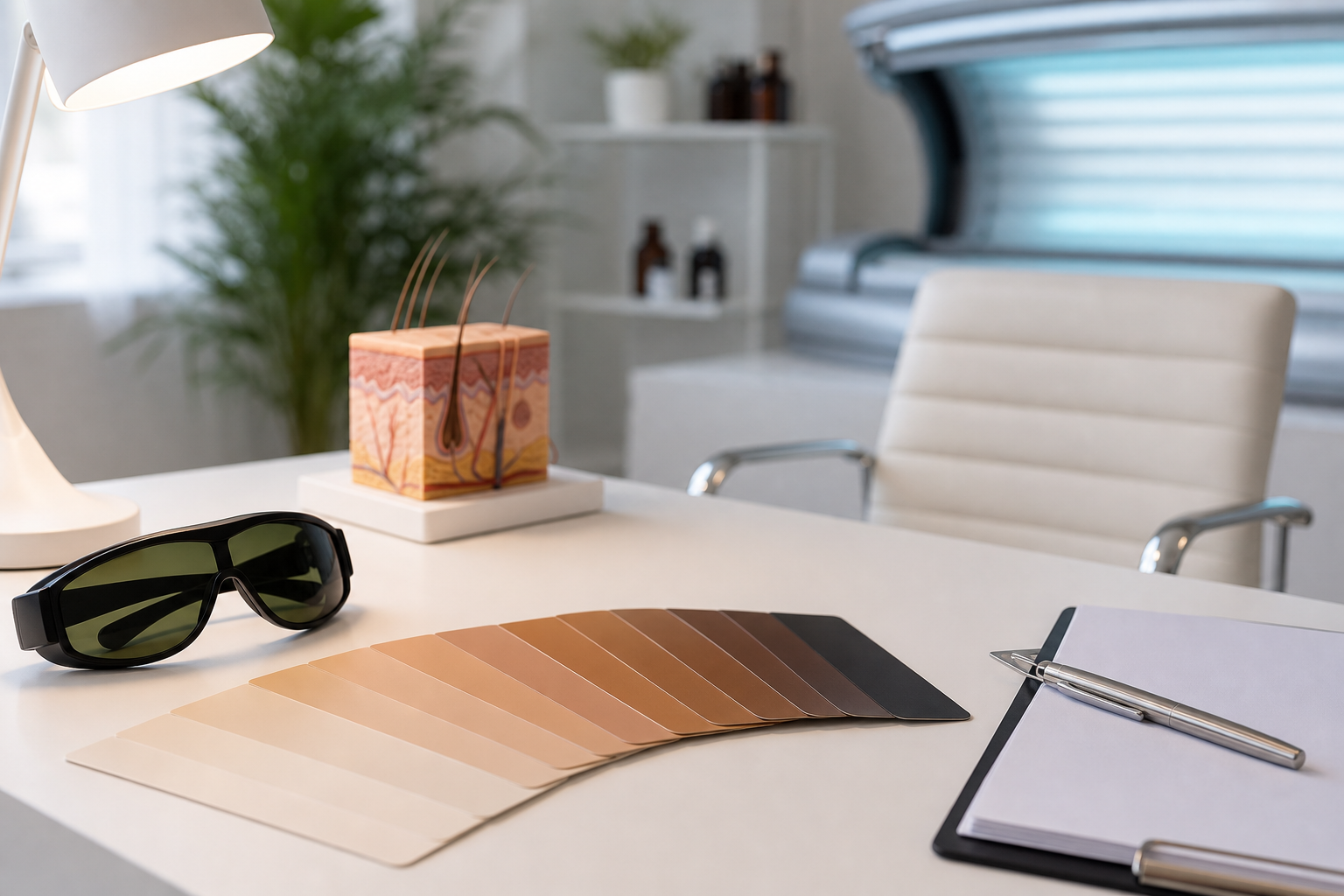
Sunbeds and Individual Risk Factors
Sunbeds emit carcinogenic UV radiation with no safe exposure threshold, posing increased risks especially for individuals with fai...
Read more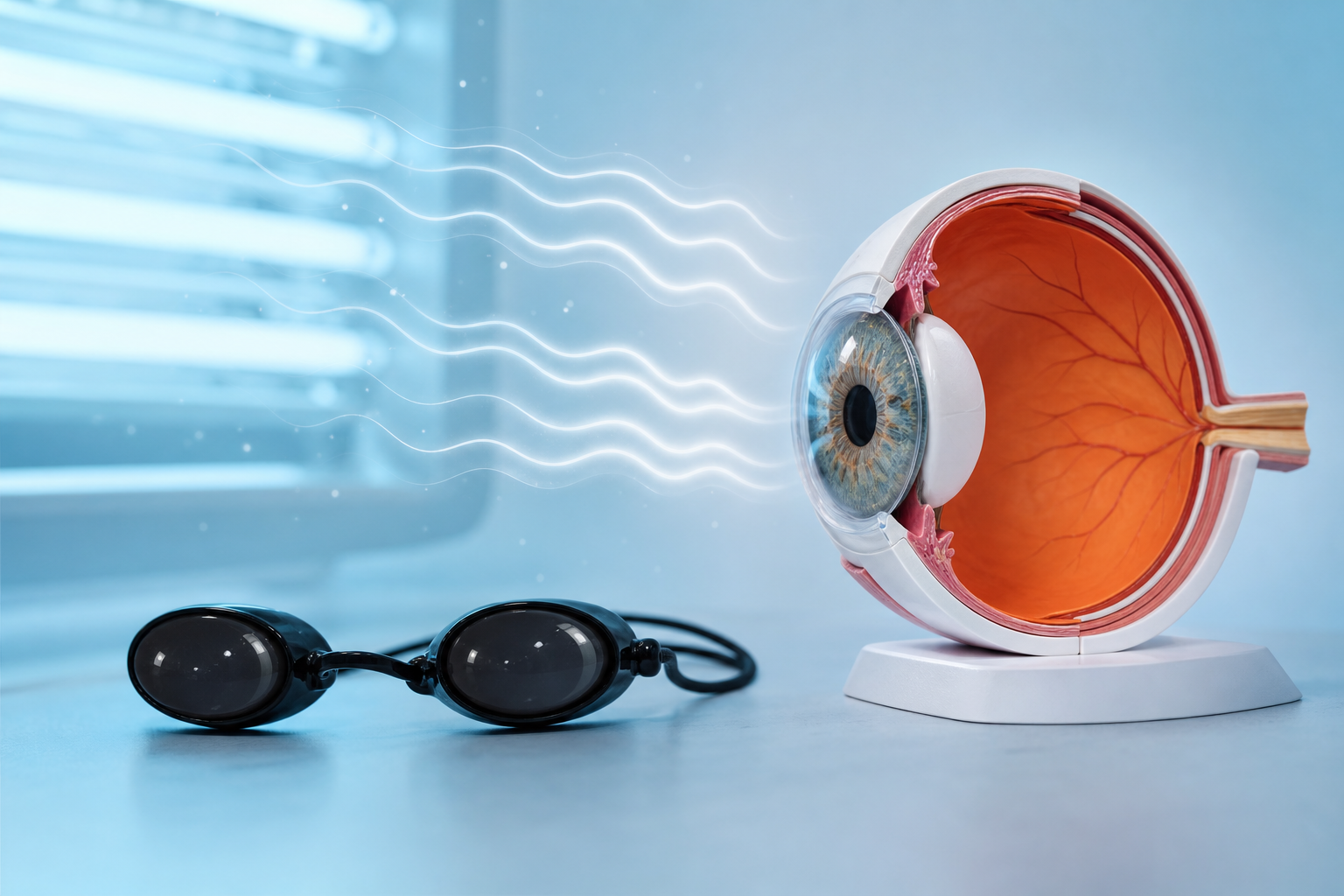
How UV Radiation from Sunbeds Can Affect the Eyes
UV radiation from sunbeds poses significant risks to eye health, causing both immediate and long-term damage. This guide details h...
Read more
Spray Tan: The Complete Guide to a Sun-Kissed Look Without UV Exposure
Spray tanning offers a safe, UV-free method to achieve a natural-looking, sun-kissed complexion through DHA-based solutions. This...
Read more
Sunbeds: How They Work, Health Risks and UV-Free Alternatives
Sunbeds emit UVA and UVB ultraviolet rays to induce skin tanning but carry significant health risks, including increased skin canc...
Read more