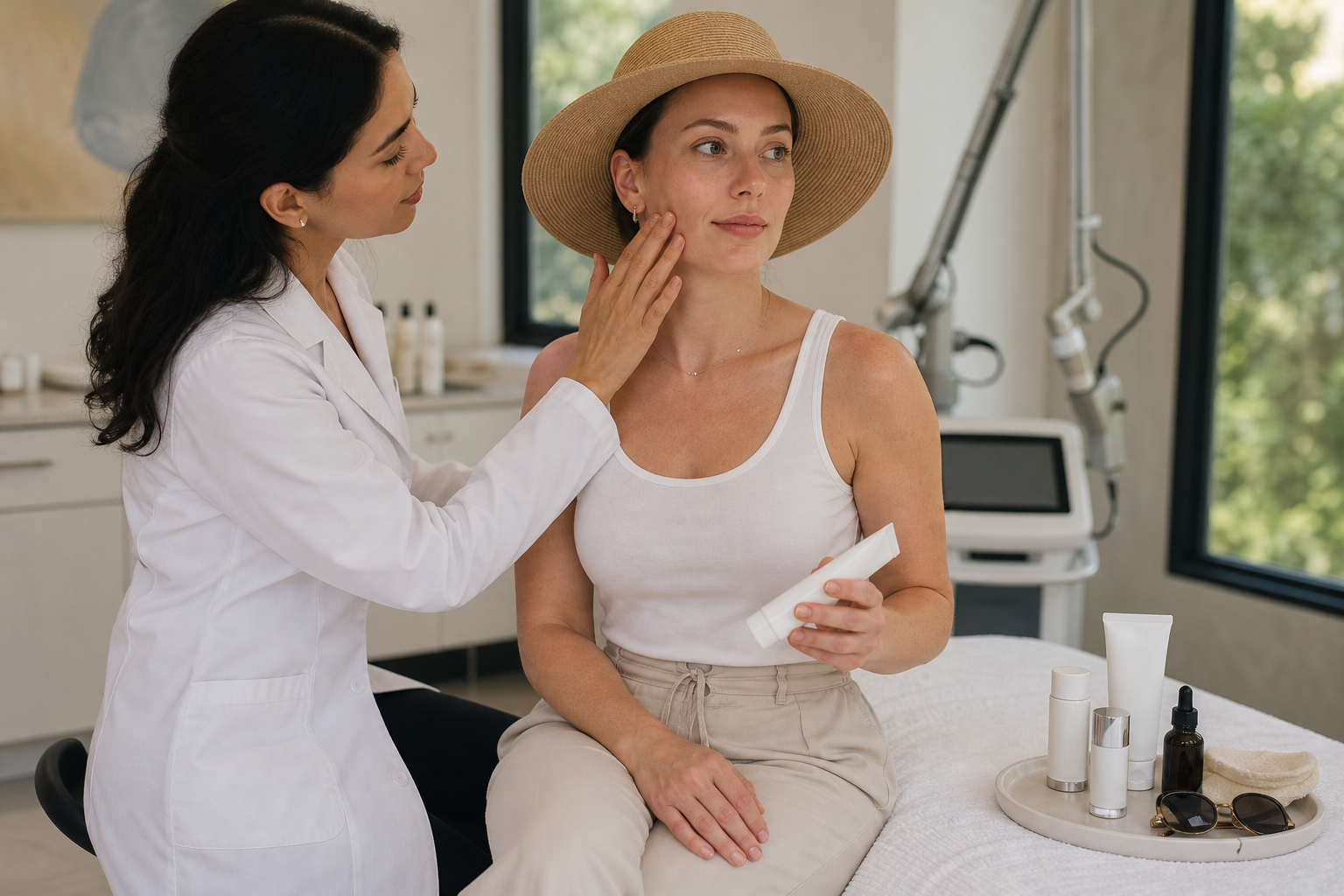
Fractional laser treatment has emerged as a cornerstone in modern dermatology and aesthetic medicine, celebrated for its capacity to rejuvenate skin with precision and minimal invasiveness. Designed to address concerns such as wrinkles, acne scars, pigmentation irregularities, and uneven skin texture, fractional laser therapy offers a compelling option for individuals seeking noticeable skin improvement without extensive downtime.
One of the most common questions prospective patients pose is: "How long is recovery after fractional laser?" Understanding the recovery timeline is essential for setting realistic expectations, planning daily activities, and ensuring optimal treatment outcomes. This article endeavors to detail the intricacies of the recovery period following fractional laser, emphasizing that the duration is influenced by a multitude of factors including the specific device used, treatment intensity, skin type, and clinician expertise. We will explore candidacy criteria, the typical recovery course, factors affecting healing, post-treatment care, risks involved, and prudent timing for subsequent procedures or makeup application.
Whether you are considering fractional laser treatment to revitalize your skin or simply seeking to understand what the recovery entails, this comprehensive discussion aims to offer clarity and guidance grounded in professional dermatological standards.
What Is Fractional Laser Treatment and Why Does Recovery Vary?
Fractional laser treatment leverages laser technology that targets tiny fractions of the skin, creating controlled microscopic injuries in the epidermis and dermis layers. This fractionated approach, as opposed to ablating the entire skin surface, allows for faster healing by preserving intervening healthy tissue which facilitates quicker recovery.
The laser induces a wound-healing response that triggers collagen and elastin production, leading to skin remodeling and rejuvenation. Due to the variety of fractional lasers available—ranging from non-ablative to ablative devices—the depth and extent of thermal injury differ, influencing healing time.
Non-ablative fractional lasers tend to result in shorter recovery times with less visible downtime, as they heat the skin without vaporizing tissue. Ablative fractional lasers penetrate deeper, removing microscopic columns of tissue and stimulating more pronounced regeneration but requiring lengthier healing.
Hence, the recovery duration after fractional laser treatment is not uniform. It depends significantly on the laser type, its settings, and the skin's response. Understanding these variables is critical to appreciating why recovery can range from a few days to multiple weeks.
Who Is an Appropriate Candidate for Fractional Laser and How Does This Affect Recovery?
Candidacy for fractional laser treatment extends to individuals seeking improvements in skin quality, reduction of wrinkles, scars, and pigmentation issues without resorting to invasive surgeries. Ideal candidates generally have realistic expectations, good overall health, and skin conditions amenable to laser therapy.
However, candidacy assessment is highly individualized. Skin type, particularly pigmentation level, can influence not only candidacy but also recovery. Darker skin tones may carry a higher risk of pigmentary changes post-laser and may require adjusted treatment parameters to minimize complications, often altering the recovery trajectory.
Individuals with active skin infections, certain dermatological conditions, or a history of poor wound healing may not be ideal candidates, as these factors can prolong recovery or heighten risks. Furthermore, preexisting medications or health conditions might impact skin healing capacity.
The choice of laser device and treatment intensity tailored by the clinician to the patient’s skin characteristics further modulate the expected recovery timeline. This underscores the importance of consulting experienced professionals who consider all relevant factors before proceeding.
Typical Recovery Timeline: What to Expect Day by Day
Following a fractional laser session, the skin embarks on a healing journey that varies but can be generally outlined in phases. Immediately after treatment, patients often experience redness, swelling, and a sensation akin to sunburn. This acute inflammatory response typically peaks within the first 24 to 48 hours.
Days 2 through 5 usually involve the development of dryness, flaking, or the formation of fine crusts over treated areas. Patients might notice tightness and mild discomfort, reflecting skin regeneration processes. By day 5 to 7, many observe a noticeable improvement in these symptoms, with gradual fading of redness and resumption of skin softness.
For less aggressive non-ablative treatments, recovery can be swift, with patients resuming routine activities rapidly, often within a few days. In contrast, ablative fractional lasers—owing to their deeper skin impact—may require closer to two weeks for visible recovery, including the resolution of redness and normalization of skin texture.
The visible results of treatment manifest progressively, often becoming apparent after a few weeks as collagen remodeling continues beneath the skin surface, with enhancement in smoothness, tone, and clarity over subsequent months.
Factors Influencing Recovery Duration and Quality
The length and quality of recovery rest upon multiple intertwined factors. Principally, the laser’s intensity and depth determine the extent of skin injury and the regenerative workload on skin cells.
Individual skin type plays a pivotal role; sensitive or darker skin tones might show protracted redness or carry higher risks of post-inflammatory pigment alterations, requiring vigilant care and sometimes extended recovery.
Clinician expertise is paramount. Proper technique, accurate laser parameter settings, and adherence to safety protocols contribute to minimizing trauma and supporting efficient healing. An experienced practitioner can tailor treatment to balance efficacy with patient comfort and expedient recovery.
Patient adherence to post-treatment care recommendations, including sun protection, gentle cleansing, hydration, and avoiding irritants, significantly influences healing speed and the avoidance of complications that can protract recovery.
Post-Treatment Skin Care Protocols to Facilitate Recovery
Optimal recovery is supported by a meticulous post-treatment skincare regimen. Immediately after fractional laser therapy, the skin requires gentle cleansing with mild, non-irritating products to maintain hygiene without stripping protective moisture.
Strict sun protection is crucial due to the heightened vulnerability of new skin to ultraviolet damage. A broad-spectrum sunscreen of at least SPF 30 combined with physical barriers like hats or shade is recommended throughout recovery and beyond.
Patients should avoid abrasive exfoliants, retinol products, and makeup until the skin has sufficiently healed, typically after re-epithelialization and the shedding of any crusts. Moisturizers that support barrier repair can soothe and hydrate treated skin, promoting comfort and healing.
Following clinician-specific instructions regarding medications or topical agents designed to aid healing or reduce inflammation is essential. Regular follow-up appointments enable monitoring and timely intervention if any adverse effects arise.
When Is It Safe to Resume Makeup and Regular Activities?
The timeline for returning to makeup use and normal routines varies but generally coincides with the resolution of redness, swelling, and any raw or scabbed skin areas. Commonly, patients might wait between 3 to 7 days before applying makeup, though this depends on individual healing and treatment intensity.
Prior to makeup application, the skin surface should be intact without open wounds or crusts to prevent infection or irritation. Selecting gentle, non-comedogenic products formulated for sensitive skin can help avoid complications as the skin completes full recovery.
Normal daily activities often resume within a few days, but patients should continue avoiding excessive sun exposure and harsh environmental conditions until the skin barrier is fully restored.
Understanding Potential Recovery Risks and How to Mitigate Them
While fractional laser is generally considered safe, recovery can be complicated by side effects such as prolonged redness, swelling, pigmentary shifts, infection, or rarely scarring. These outcomes are more frequently related to aggressive treatment parameters, improper patient selection, or inadequate post-care.
Mitigating these risks necessitates thorough pre-treatment evaluation, including medical history and skin assessment. The skill of the clinician in customizing treatment and vigilant adherence by the patient to care protocols markedly reduce the likelihood of adverse events.
Should any unusual symptoms persist beyond the expected recovery phase, such as intense pain, excessive swelling, or pigment changes, prompt consultation with the treating professional is warranted to address issues conservatively or intervene if necessary.
Timing and Frequency of Subsequent Fractional Laser Treatments
Deciding when to undergo additional fractional laser sessions depends on treatment goals, skin response, and individual healing dynamics. Typically, practitioners recommend spacing treatments by several weeks to allow comprehensive skin recovery and to maximize cumulative effects.
Some patients achieve satisfactory results after a single session, while others benefit from a series tailored to skin condition severity and desired outcomes. Regular clinical evaluations guide the timing and necessity of subsequent procedures to ensure safety and efficacy.


