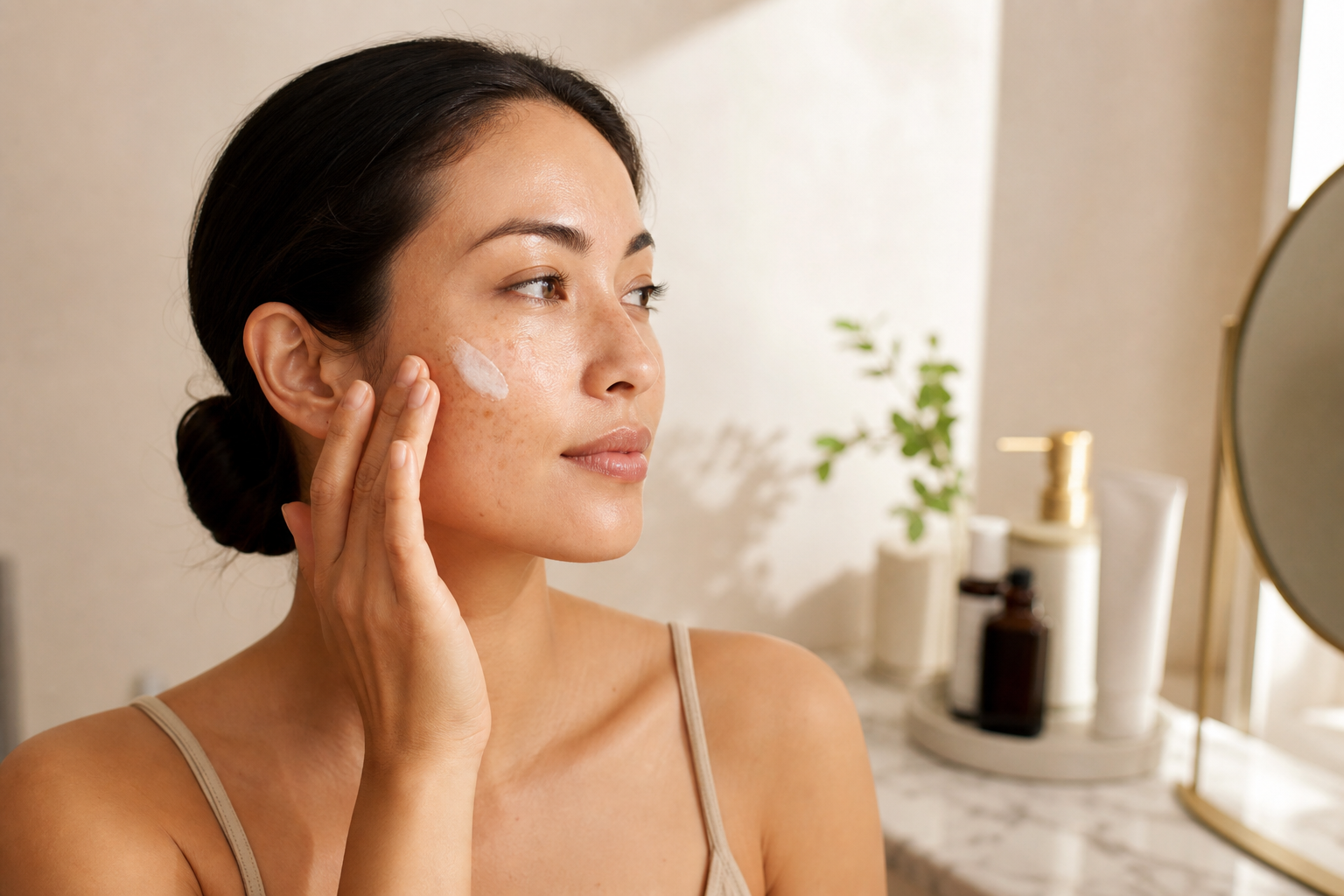
Laser treatment for pigmentation has become a sought-after solution for individuals looking to address various skin discolorations such as sun spots, melasma, and post-inflammatory hyperpigmentation. These pigmented lesions can significantly affect a person's appearance and confidence, prompting many to seek effective dermatologic interventions. Among the available options, laser therapy offers targeted action by breaking down excess melanin in the skin, resulting in a clearer and more even complexion.
Understanding the recovery timeline after laser treatment for pigmentation is crucial for patients considering or preparing for this procedure. Knowing what to expect—in terms of healing time, skin care requirements, and potential side effects—allows for proper preparation, better adherence to post-treatment protocols, and realistic expectations regarding the pace and extent of visible improvements.
This article is designed for anyone exploring laser pigmentation removal, whether they have already scheduled a session or are still evaluating treatment options. It aims to provide clear, medically responsible insights into the entire treatment journey, from pre-procedure preparation and the treatment experience itself to recovery phases, photoprotection strategies, and maintenance for lasting results. Because protocols vary based on diagnosis, laser type, skin phototype, and clinical judgment, we emphasize the importance of individualized medical guidance throughout.
What Does Laser Treatment for Pigmentation Involve, and Why Is Recovery Important?
Laser treatment targets pigmented spots by emitting concentrated light beams that are selectively absorbed by melanin-rich cells, effectively fragmenting the pigment without damaging surrounding tissue. This precision enables the treatment of diverse pigmentary disorders, such as solar lentigines, melasma, and post-inflammatory hyperpigmentation, all of which contribute to uneven skin tone.
The recovery period following laser intervention is significant because the skin undergoes a process of inflammation, repair, and regeneration. Typically, the treatment stimulates renewal of the epidermis and dermis, which can produce temporary redness, swelling, peeling, or crusting. Adhering to recovery guidelines helps minimize complications like prolonged irritation or the rebound of pigmentation and improves the overall success and durability of the treatment outcomes.
How Should You Prepare for Laser Pigmentation Treatment?
Preparation is a pivotal factor that influences both the safety and efficacy of laser therapy for pigmentation. Patients are usually advised to avoid sun exposure and tanning beds for at least two to four weeks prior to treatment, as UV radiation can increase skin sensitivity and risk for adverse reactions. Additionally, halting the use of topical agents that can irritate the skin, such as alpha- and beta-hydroxy acids, retinoids, and other exfoliants, is typically recommended a week or more before the procedure.
Equally important is the initial consultation with a qualified dermatologist or laser specialist. This appointment involves a thorough skin assessment to accurately diagnose the pigmentation type and severity, determine appropriate laser technology, and discuss the expected number of sessions. The clinician will tailor the treatment protocol to your skin phototype and condition, offering detailed preparation instructions and explaining potential risks to ensure informed consent and optimized results.
What Happens During the Laser Treatment Procedure?
During the session, the patient is positioned comfortably as the laser device emits pulses of light directed at the pigmented areas. Depending on the type of laser—such as Q-switched, PicoSure, or fractional lasers—the energy and pulse duration are adjusted for maximum effect and safety. Patients may experience sensations ranging from mild tingling to slight stinging, mitigated by cooling mechanisms or topical anesthetics when appropriate.
Treatments usually last between 15 to 60 minutes, contingent on the size and number of areas being treated. Upon completion, it’s normal for the skin to appear erythematous (red), mildly swollen, and tender. Some patients may develop tiny crusts or flaky patches where pigment has been disrupted—these are signs of the skin’s natural exfoliation and healing processes. Resisting the urge to scratch or pick at these areas is essential to prevent scarring and pigment changes.
How Long Does Recovery Take After Laser Pigmentation Removal?
The recovery trajectory varies among patients but typically spans from one to two weeks. In the initial days, redness, dryness, and sensitivity are most pronounced. Peeling or mild flaking can begin within a few days post-treatment as the damaged pigmented cells slough off.
Factors influencing recovery duration include the depth and extent of pigmentation addressed, laser type and settings, the individual's skin phototype, and adherence to post-treatment care instructions. For instance, deeper or more stubborn pigmentation often requires more aggressive treatments with a correspondingly longer healing time. Conversely, lighter skin tones may recover more quickly but still require diligent care to avoid complications.
Patients should maintain gentle skin cleansing routines, avoid irritants, and employ doctor-recommended moisturizers to support barrier repair. In rare instances where the treatment is overly aggressive or post-care is insufficient, complications like prolonged redness, hyper- or hypopigmentation, or scarring may occur, necessitating further medical evaluation.
Why Is Photoprotection Essential During and After Recovery?
Ultraviolet (UV) exposure remains one of the leading risk factors for worsening pigmentation or triggering new discoloration. Following laser treatment, the skin’s defense is temporarily compromised, making it especially vulnerable to UV-induced damage. Even minimal sun exposure without protection can cause rebound pigmentation and negate treatment benefits.
Therefore, rigorous photoprotection is a cornerstone of the recovery process. This includes daily application of broad-spectrum sunscreens with at least SPF 50, wearing protective clothing and hats, and avoiding direct sunlight during peak hours. Many dermatologists also recommend combining sunscreen use with topical antioxidants, such as vitamin C or niacinamide, which can further fortify skin defenses against photooxidative stress.
Maintaining photoprotection beyond the recovery phase is equally important for prolonging the treatment effect and preventing recurrence of pigmentary issues. It becomes part of a lifelong skincare ritual to preserve a brighter and more even complexion.
How Can You Maintain Laser Treatment Results Over Time?
Laser pigmentation treatment is usually conducted as a series of sessions spaced several weeks apart, depending on the pigmentation extent and response. After completing the prescribed course, maintenance involves ongoing skin care and sometimes periodic touch-up treatments to sustain improvements.
Consistent use of skin-brightening products, gentle exfoliation, and avoidance of pigment-inducing triggers support the longevity of results. Follow-up visits with the treating physician allow for reassessment and adjustment of care protocols. Incorporating adjunctive therapies, such as chemical peels or topical depigmenting agents, may be advised to enhance and maintain skin clarity.
Individualized maintenance plans consider skin type, environmental factors, and lifestyle to optimize and extend the treatment’s benefits. Staying informed and in communication with your dermatologist is vital to addressing any emerging pigmentary concerns promptly.
What Factors Influence Recovery Duration and Treatment Protocol Choice?
Several interrelated factors determine how long recovery may take and influence the selection of an appropriate laser protocol. The nature of the pigment is a primary consideration; for example, melasma often requires gentler, multiple sessions, whereas solar lentigines might respond more quickly to ablative methods.
Skin phototype significantly affects treatment safety and recovery. Patients with darker skin tones (Fitzpatrick phototypes IV to VI) face higher risks of post-inflammatory pigmentary changes, necessitating the use of less aggressive laser settings and more meticulous post-care.
The laser device itself also impacts healing time. Pico-second lasers typically produce rapid pigment clearance with shorter downtime compared to longer pulse or fractional lasers, though their cost and availability vary. The clinician’s expertise in adjusting parameters and personalizing protocols is paramount to balancing efficacy with tissue tolerance.
Frequently Asked Questions About Recovery and Expectations
Many patients inquire about the timeline to see visible results. Initial lightening of pigmented lesions is sometimes noticeable after one or two sessions, but complete resolution and skin normalization often require several weeks and cumulative treatments.
Temporary darkening of spots immediately following treatment, known as paradoxical darkening, is a common and expected phenomenon. This indicates the breakdown of pigment and anticipates subsequent fading as new skin cells replace the damaged ones.
Patients should contact their healthcare provider if they experience excessive pain, prolonged redness, blistering, or signs of infection. Early intervention and protocol adjustment can prevent more serious complications.


