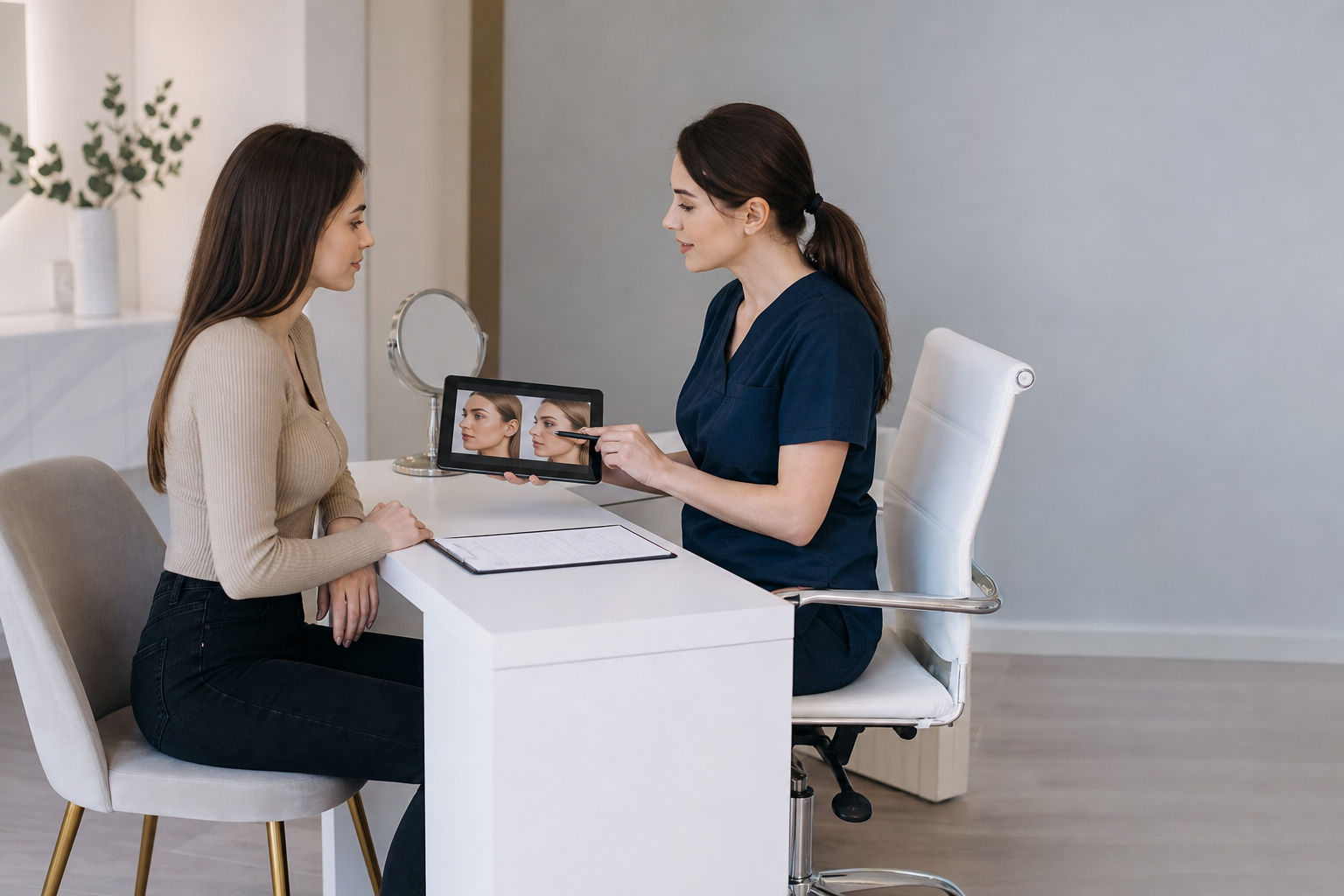
Switching medical clinics, especially when it involves aesthetic treatments such as Botox and hyaluronic acid fillers, is a decision that carries significant implications. Whether prompted by dissatisfaction with previous results, a pursuit of more specialized expertise, improved communication, or a convenient relocation, this transition demands careful preparation. Central to this process is the transfer of complete and accurate information from one healthcare provider to another, ensuring safety, continuity, and the sustained effectiveness of treatments.
This article is intended for individuals considering changing their treating physician or clinic for injectable aesthetic procedures. It offers an expert guide on what information to bring along, how to prepare for your new consultation, and what considerations are paramount to maintaining high safety and efficacy standards. Understanding the necessity of thorough medical and esthetic history transfer can prevent adverse reactions, uphold treatment integrity, and help achieve desired cosmetic outcomes.
Injectable treatments like Botox and dermal fillers require a tailored approach based on individual patient history. Without detailed records and open dialogue, the new practitioner operates with limited insight, potentially compromising treatment choices or safety. This article discusses essential data to share, from previous product types and doses to allergic reactions and overall health status, providing a comprehensive perspective necessary for a successful clinic transition.
Critical Details of Previous Botox and Hyaluronic Acid Treatments
One of the most vital areas to cover when switching clinics is the comprehensive record of your prior aesthetic treatments. This includes the specific products used, distinguishing between different brands and formulations of Botox or hyaluronic acid fillers. Because each product possesses unique characteristics and mechanisms of action, precise identification aids the new physician in selecting appropriate techniques and dosage.
Equally important is documenting the exact dates of previous injections, targeted facial areas, and administered volumes. Such data allows the new provider to assess tissue response, estimate residual product presence, and calibrate further treatments accordingly. Without these parameters, there is a risk of overlapping treatments or inadequate dosing that could jeopardize results or patient comfort.
Moreover, sharing feedback about treatment duration and any side effects experienced is crucial. Patients should report whether effects lasted as expected or if there were complications such as swelling, bruising, asymmetry, or allergic reactions. This history enables the new practitioner to anticipate possible sensitivities and adjust management protocols to mitigate undesired outcomes.
The Role of Medical and Allergic History in Ensuring Safety
Injectables like Botox and hyaluronic acid fillers interact intimately with the body's biology, necessitating a thorough understanding of your general medical condition. Certain diseases—autoimmune disorders, bleeding tendencies, infectious states—as well as allergies, can profoundly influence treatment decisions and safety margins.
Providing a detailed allergy history is non-negotiable. This information includes not just drug allergies, but also sensitivities to components potentially found in aesthetic products. Knowledge of even rare allergic reactions can shape product selection and procedural precautions, preventing immune-mediated complications.
Additionally, disclosing current medications, especially anticoagulants, immunosuppressants, or other pertinent therapies, is essential. These drugs may alter bleeding risk, healing capacity, or immune responses, sometimes warranting postponement or modification of treatment. Without this data, providers might unknowingly expose patients to avoidable hazards.
Essential Documentation to Bring When Changing Aesthetic Clinics
To facilitate a smooth and safe clinic transition, patients should endeavor to obtain comprehensive documentation from their former provider. This ideally includes the treatment records or medical files outlining all aesthetic interventions performed. Precise notation of product names, batch numbers, doses, injection sites, and dates forms the backbone of informed clinical judgment.
Visual materials such as before-and-after photographs or procedural images, if available, greatly assist the new clinician in evaluating treatment outcomes and setting realistic expectations. These images complement written records, offering an objective reference point for patient assessment.
In circumstances where complete documentation cannot be secured, full transparency about this limitation is crucial at the new clinic. The medical team will need to rely more heavily on physical examination and possibly start cautiously, always prioritizing patient safety and gradual treatment progress.
Guidelines for Effective Communication with Your New Healthcare Provider
Choosing the right doctor for your aesthetic treatments extends beyond credentials and experience—it involves establishing a communicative relationship grounded in trust, clarity, and mutual understanding. Your new practitioner should demonstrate readiness to listen attentively, review past records meticulously, and provide thorough explanations regarding treatment options, limitations, and inherent risks.
Opening up about your prior experiences, concerns, and treatment goals lays the groundwork for customized care. A transparent dialogue helps set achievable expectations, informing both patient and physician about potential outcomes and any necessary compromises.
If uncertainties arise at any stage, seeking additional opinions or consultations should be encouraged rather than dismissed. A deliberate and cautious approach in transitioning to a new clinic ultimately protects patient welfare and contributes to superior results.
The Importance of Ongoing Follow-Up and Collaborative Care Post-Transition
Moving to a different aesthetic clinic marks not just a change of location but the start of a new phase in your cosmetic care journey. After your initial treatment at the new facility, consistent follow-up visits are indispensable to monitor therapeutic effects, identify any delayed side effects, and adjust treatment plans responsively.
Experienced clinicians emphasize scheduling routine check-ups to evaluate injectables’ longevity and facial dynamics. Timely interventions allow the maintenance of a youthful and harmonious appearance while minimizing risks associated with over- or under-treatment.
This collaborative relationship, founded on ongoing dialogue and mutual feedback, empowers patients to take an active role in their aesthetic outcomes and fosters confidence in the care received.


